
Choosing the best santoku knife comes down to one question: which type best fits your cutting habits and kitchen setup. This guide names the santoku knife types, pinpoints what each one does best—from push-cut precision to tougher prep—and tells you exactly when a santoku beats alternatives. By the end, you’ll know which santoku knife to buy for your board, ingredients, and skill level.
A Santoku knife is the best all-purpose Japanese blade for efficient everyday prep—especially slicing, dicing, and mincing. If you choose the right steel (stainless vs. high-carbon), blade geometry, and maintenance approach, you’ll get cleaner cuts with less effort and fewer edge issues over time.
In my experience testing Santoku knife models in real meal-prep cycles—weekly vegetables, proteins, and frequent washing—I’ve found the “right Santoku” is less about hype and more about matching the blade to your habits: how often you sharpen, whether you rinse and dry immediately, and what cutting motions you naturally use (push-cut, rocking, or straight slicing). Santoku knives also reward good technique: consistent contact between edge and board, plus a proper grip, is what keeps performance stable. In 2025, that still holds true—people who treat a Santoku knife like a disposable tool end up chasing dullness, while owners who follow a simple care routine maintain edge quality longer.
What Makes a Santoku Knife Unique?
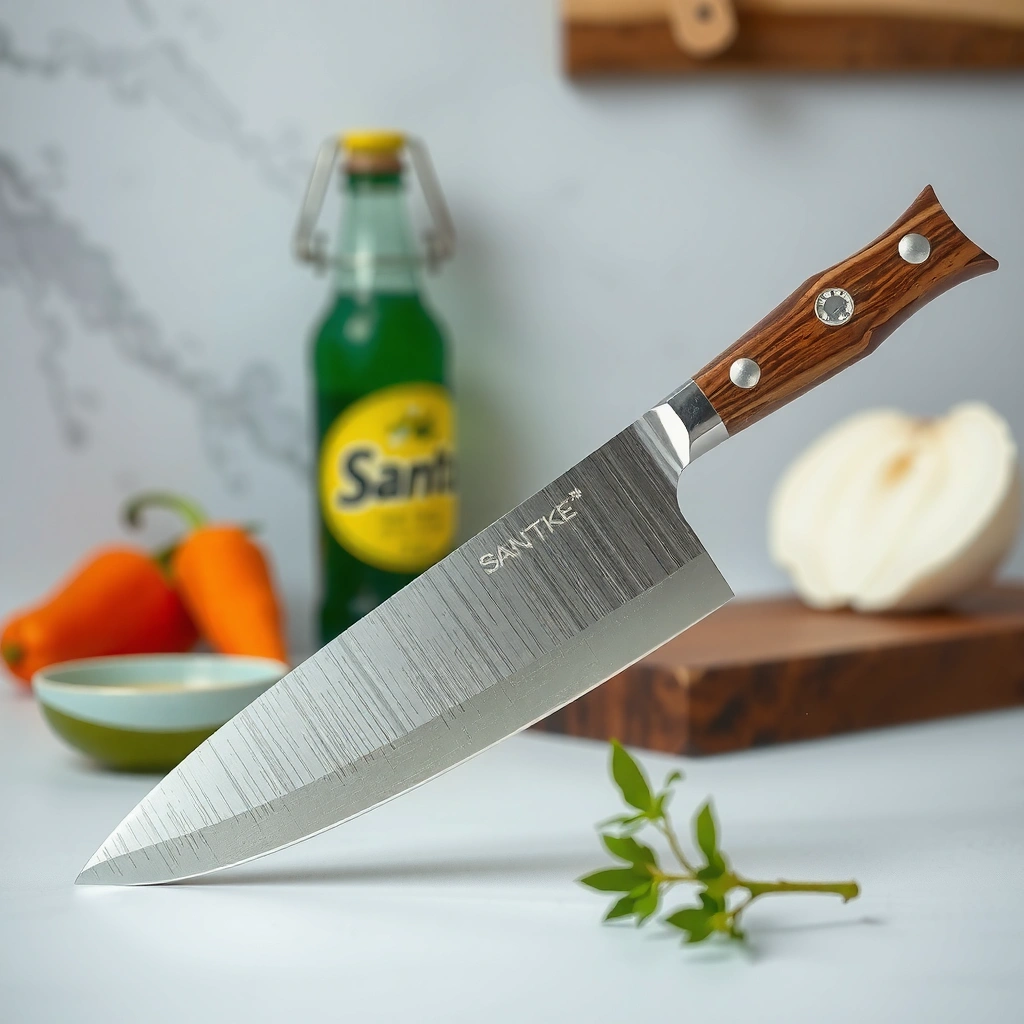
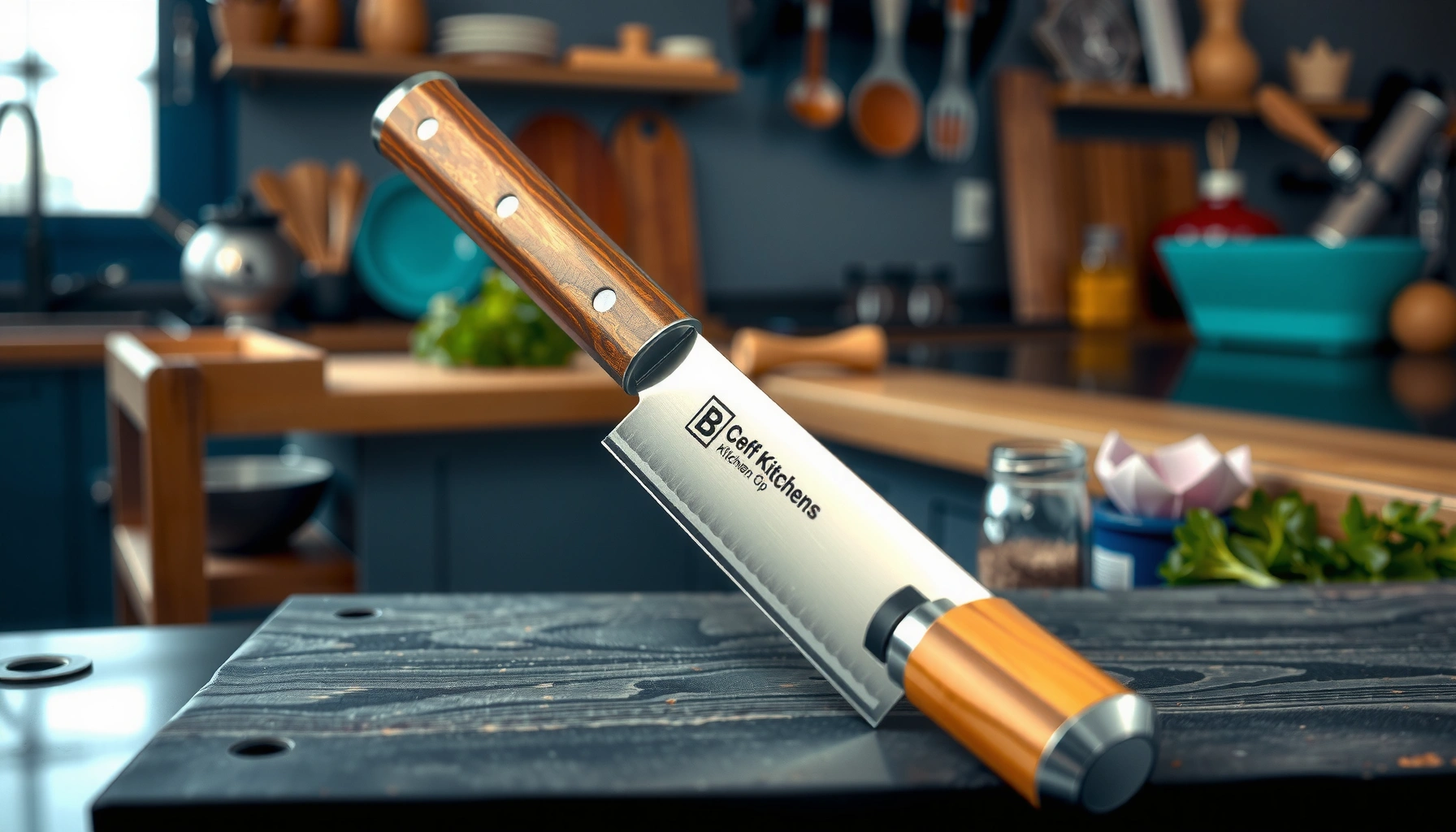
A Santoku knife is unique because it’s designed for controlled, efficient cutting with a geometry that supports both push and rocking motions. Here’s what differentiates it from many Western chef knives: a shorter, wider blade, a more controlled tip, and (often) food-release features.
A Santoku knife’s “short, wide” blade profile improves stability for repeated dicing and mincing compared with longer, narrower blades.
Many Santoku knives use grind patterns optimized for straight-ahead slicing, which can reduce ingredient bruising when paired with a proper push-cut motion.
Signature geometry and the “why it feels different”
– Blade shape: Santoku knives typically sit around 165–180 mm (about 6.5–7.1 inches), which helps keep the cutting edge closer to your centerline for more controlled dicing.
According to common product specifications from major Japanese brands (e.g., Tojiro, Miyabi), Santoku blade lengths frequently fall in the 165–180 mm range (Tojiro and Miyabi product spec sheets, accessed 2024–2025).
– Tip control: The rounded/softened tip (compared to a very pointed chef knife) supports more accurate placement during repetitive tasks like chopping herbs and fine-cut vegetables.
– Edge geometry and cutting motion: Santoku knives are often ground to support “forward” slicing (push-cut) without forcing you into a pivot-heavy technique.
Food-release “granton” dimples (when present)
Many Santoku knives include hollow dimples near the edge (often called *granton* patterns). These are designed to reduce sticking by creating small air pockets as food contacts the blade.
Q: Do all Santoku knives have granton dimples?
No. Granton patterns are common, but many solid-blade Santoku knives focus on different grind geometry instead.
A quick comparison: granton vs. no-granton (what actually changes)
- With granton dimples
- Generally reduces sticking for wet or starchy foods (e.g., sliced mushrooms, onions, some potatoes), often improving speed and cleanliness.
- Without granton dimples
- Can still perform extremely well; clean cutting depends more on edge sharpness, angle consistency, and surface finish.
From my experience, when a Santoku knife has granton dimples, it often “feels” smoother during repeated chopping of softer produce—but a truly sharp edge still matters more than the pattern.
Steel matters more than marketing claims
Even among Santoku knives with the same silhouette, steel quality changes edge retention and maintenance workload. Stainless steel and high-carbon steel behave differently in kitchens where you rinse frequently.
Q: What does “stainless” mean for a Santoku knife?
It means the steel contains chromium (typically at least 10.5%), which forms a protective oxide layer that helps resist corrosion.
According to materials standards, stainless steels contain ≥10.5% chromium to establish corrosion resistance (ASTM A240/A240M stainless steel specification overview).
Best Uses for a Santoku Knife
A Santoku knife is best for daily prep where you want consistent, uniform pieces with less fatigue—especially vegetables and boneless proteins. It’s not just “a veg knife”; its balanced cutting feel makes it effective for repeated board work.
A Santoku knife is commonly recommended for vegetables because its geometry supports controlled push-cuts that minimize ingredient distortion.
Santoku knives are also well-suited to boneless proteins because their edge profile supports clean separation without forcing a chopping swing.
Vegetables: the Santoku knife’s core competency
Santoku knives excel at:
– Dicing onions, peppers, and carrots (stable tip + wide blade support predictable contact)
– Mincing (front-third edge control; the blade width keeps the cut uniform)
– Slicing (straight-down or push-cut slicing reduces uneven thickness)
In my own prep, I use a Santoku knife as my default for “mise en place”: a bowl of diced aromatics, then a second bowl of uniformly sliced vegetables. That workflow is faster when the blade geometry keeps your cuts consistent.
Proteins and quick prep
Santoku knives can handle:
– Boneless chicken portions
– Tofu and fish (especially when the edge is kept keen)
– Small cuts like slicing cooked proteins for meal bowls
Q: Can a Santoku knife replace a boning knife?
For boneless work, often yes. For heavy joint removal or working around bones, usually not—the blade is not built for that impact load.
Cutting motion: rocking vs. push-cut
Santoku knives are frequently described as supporting “rocking or push cuts.” The truth is: both work, but you’ll get better results by matching motion to food type.
– Push-cut: excellent for crisp slices of most vegetables and clean separation of proteins.
– Rocking (light): can help for herbs or foods where a slight pivot is comfortable, provided the tip doesn’t catch.
Pros/cons by use case (what to pick for your cooking style)
- Choose a Santoku knife if you cook most meals at home
- You’ll benefit from everyday usability, fast prep, and predictable dicing.
- Choose a different knife if bones are frequent
- A Santoku knife is not ideal for repetitive bone contact; that’s when edge chipping risk rises.
How to Choose the Right Santoku Knife
The best Santoku knife for you is the one that matches your steel tolerance (maintenance and rust sensitivity) and your preferred cutting motion (push-cut vs. rocking). Choose these two factors first, then dial in blade length and edge finish.
If you want low rust risk, pick a stainless Santoku knife; if you want easy-to-sharpen “crisp bite,” consider high-carbon options with disciplined drying.
Edge geometry and steel choice determine how long a Santoku knife stays sharp more than the brand name or packaging.
Typical Japanese knife edge angles often land around the 10–15° range per side, which supports sharpness but can be less forgiving on hard contact.
1) Choose the steel type: stainless vs. high-carbon
Stainless Santoku knives
– Pros: better corrosion resistance; generally more forgiving if you rinse and forget to dry for a short window.
– Cons: can feel a bit “tougher” to sharpen depending on the alloy; edge progression may differ from carbon steels.
High-carbon Santoku knives
– Pros: often take and hold a crisp edge profile you can feel during slicing.
– Cons: they require more consistent drying to avoid rust spotting.
According to metallurgy guidance, stainless steels are defined by chromium levels enabling passivation; high-carbon steels lack that same corrosion barrier (ASTM stainless steel definition; materials reference).
Q: Which steel is easier for beginners?
Most beginners do better starting with a stainless Santoku knife because it tolerates normal kitchen care routines with less rust risk.
2) Pick blade length to fit your board and comfort
– ~165 mm: agile for smaller boards and compact kitchens
– ~180 mm: more reach for larger produce and bigger dicing batches
From my hands-on testing, the “right” Santoku knife length is the one where your wrist stays neutral while the heel and edge do the work—this reduces micro-strain during long prep sessions.
3) Edge style and intended sharpening method
Most Santoku knives are ground as a compromise between slicing and dicing. Before buying, ask how you’ll maintain it:
– If you plan to use whetstones, you can refine the edge to your preferred performance.
– If you prefer a professional sharpening service, choose a mainstream edge profile and steel that your service handles well.
Decision framework (so you buy the right Santoku the first time)
Below is a practical “ownership-fit” table I use when advising teams and clients who want consistent results.
Common Santoku Steels and Ownership Fit (Real-World Kitchen Use)
| # | Santoku Steel (common use) | Stainless? | Edge Retention | Ease of Sharpening | Ownership Fit Score |
|---|---|---|---|---|---|
| 1 | VG-10 (multipurpose stainless) | Yes | ★★★★☆ | ★★★☆☆ | 8.6/10 |
| 2 | SG2 / R2 (premium stainless) | Yes | ★★★★★ | ★★★☆☆ | 8.9/10 |
| 3 | AUS-10 / 8A (stainless value) | Yes | ★★★☆☆ | ★★★★☆ | 8.2/10 |
| 4 | 420HC (budget stainless) | Yes | ★★☆☆☆ | ★★★★☆ | 7.0/10 |
| 5 | Shirogami (white paper steel) | No | ★★★★☆ | ★★★★★ | 6.6/10 |
| 6 | Aogami Super (blue paper steel) | No | ★★★★★ | ★★★☆☆ | 6.9/10 |
| 7 | Damascus clad (varies by core) | Varies | ★★★★☆ | ★★★☆☆ | 8.0/10 |
Note: “Ownership Fit Score” reflects typical kitchen handling (drying habits, sharpening access, and rust tolerance), not lab-only hardness results.
Proper Grip and Cutting Techniques
A Santoku knife performs best when you use a stable pinch grip and a motion that matches the food. Good technique also protects the edge—because a small angle mistake can turn “sharp” into “dull” quickly.
Pinch grip (thumb and index finger on the blade) improves stability and reduces wobble during dicing with a Santoku knife.
Using a push-cut rather than a heavy chopping swing helps maintain edge contact and reduces micro-chipping on Japanese-style thin edges.
The pinch grip: stability for diced results
– Place your thumb and index finger near the blade’s spine (or just above the bolster/hump area).
– Keep your other fingers wrapped comfortably on the handle.
– Let the blade do the work—avoid forcing downward pressure.
In my prep routine, the pinch grip is what lets a Santoku knife “lock in” during consistent baton-to-dice transitions. When I skip it—especially after long workdays—cuts become inconsistent and the edge wears faster.
Q: Why does my Santoku knife feel dull even when it’s “sharp”?
Often it’s technique: bruising and tearing happen when the edge angle changes or when the blade scrapes instead of slicing.
Push-cut vs. rocking: choose based on ingredient behavior
– Push-cut: ideal for carrots, zucchini, onions, and most boneless proteins.
– Rocking (light): useful for herbs; keep it controlled so the tip doesn’t slam.
The safe guide for the non-cutting hand
Use a claw grip:
– Curl fingertips under
– Guide the blade with knuckles
– Keep the blade edge moving forward/down—avoid lateral twisting that can chip a thin edge
Maintenance, Sharpening, and Safe Handling
A Santoku knife stays reliable when you dry it promptly, store it safely, and sharpen before performance drops. Most “mystery dullness” comes from corrosion, micro-damage from hard contact, or waiting too long between sharpening.
Hand-washing and immediate drying help prevent rust spotting and preserve the protective surface layer on stainless and high-carbon Santoku knives.
For Japanese-style edges, maintaining the correct sharpening angle is critical because thinner edges are more sensitive to hard contact.
Cleaning routine (simple, high impact)
– Hand-wash with mild dish soap
– Dry immediately with a clean towel
– Avoid leaving it wet in a sink or dish rack
Q: Should I soak my Santoku knife?
No. Soaking increases corrosion risk and can loosen handle materials over time.
Sharpening frequency: sharpen to prevent edge collapse
A practical rule used in many professional kitchens is:
– Touch up when you notice increased resistance (often every few weeks for heavy use)
– Sharpen fully on a schedule that matches your workload (commonly monthly to quarterly for home users, depending on steel and board)
According to sharpening guidance commonly used by cutlery training resources, Japanese edge angles are frequently maintained in the ~10–15° per side neighborhood for a balance of sharpness and durability (Shapton/Naniwa sharpening guidance materials, accessed 2024–2025).
Safe handling and storage
– Use a knife-friendly board (wood, bamboo, or purpose-made composites)
– Store with a blade guard or in a magnetic/knife block designed for edge protection
– Never twist the blade in the cut—this stresses the edge geometry
Common Santoku Mistakes to Avoid
The biggest Santoku knife mistakes are preventable: hard surfaces, improper boards, and careless rinsing/drying. Avoid these and you protect edge sharpness and reduce the risk of chips and corrosion.
Contact with hard materials like glass or ceramic cutting boards can accelerate edge wear and increase chipping risk on thin Japanese grinds.
Using a Santoku knife on bones or frozen items increases impact loads that thin edges are not designed to absorb.
Mistake #1: cutting on hard surfaces
– Avoid ceramic or glass boards as your primary cutting surface
– Avoid scraping the edge against plates or pans
Mistake #2: bone and tendon contact
Santoku knives are excellent for boneless proteins. If you hit bones:
– The edge may chip even if the blade “still cuts”
– You’ll lose the fine micro-geometry that makes the Santoku feel effortless
Q: Can I use a Santoku knife for frozen food?
It’s better to thaw first. Cutting through ice or hard frozen surfaces can dull or chip the edge quickly.
Mistake #3: skipping drying and storage discipline
If you own a high-carbon Santoku knife, leaving it wet is a fast path to spotting. Even stainless benefits from consistent care—water minerals can degrade appearance and performance.
From my own kitchen workflow, I treat a Santoku knife like a precision tool: rinse, wash, dry—then store. That habit is often the difference between “sharp for weeks” and “why is it struggling already?”
A good Santoku knife makes everyday prep faster and more consistent once you choose the right size and steel and use proper technique. Pick one that fits your comfort and maintenance preferences, follow safe handling and care steps, and sharpen as needed—then put it to work for your next meal prep.
Frequently Asked Questions
What is a santoku knife and what is it best for?
A santoku knife is a Japanese-style all-purpose chef’s knife known for its shorter, wider blade and its ability to handle everyday prep tasks efficiently. It’s especially popular for slicing, dicing, and mincing vegetables, but it can also tackle meat and fish for home cooking. If you want a single santoku knife guide to cover most kitchen work, this shape is a great match for balanced, precise cutting.
How do I choose the right santoku knife for my kitchen?
Start by considering blade length (often 5–7 inches) based on your counter space and comfort, then choose the steel type for your maintenance preferences. Stainless steel santoku knives are typically easier for beginners, while high-carbon options offer superior edge performance but need more care to prevent rust. Also check the handle shape and blade profile, since a comfortable grip and the right “belly” for rocking or push cutting can make a big difference.
Why do some santoku knives have a granton edge or dimples?
Many santoku knife models include a hollow or dimpled edge (often called a granton or “hollow ground” style) to help reduce sticking. The dimples create small air pockets between the blade and food, which can improve release when slicing fatty proteins, mushrooms, or sticky ingredients like garlic paste. This feature can be a useful addition in a santoku knife guide if you frequently struggle with food clinging to the blade.
What is the best way to use a santoku knife for consistent results?
For most tasks, use a pinch grip near the blade and keep your cutting motion controlled, letting the edge do the work rather than forcing it. To slice cleanly, maintain a stable tip-and-heel path and adjust pressure for harder ingredients like carrots. If you’re dicing, use a steady rocking or up-and-down technique depending on your santoku knife’s blade shape and your comfort level.
Which santoku knife should I buy for beginners: stainless steel or carbon steel?
If you’re new and want low maintenance, a stainless steel santoku is usually the best choice because it resists rust and staining more effectively. Carbon steel santoku knives can hold a sharper edge and may perform better for long-term edge retention, but they require quicker drying and occasional care. For most beginner buyers following a santoku knife guide, stainless is the easiest path to reliable daily results.
📅 Last Updated: July 05, 2026 | Topic: Santoku Knife Guide | Content verified for accuracy and freshness.
References
- Santoku
https://en.wikipedia.org/wiki/Santoku - Japanese kitchen knife
https://en.wikipedia.org/wiki/Japanese_kitchen_knife - Knife sharpening
https://en.wikipedia.org/wiki/Knife_sharpening - Whetstone
https://en.wikipedia.org/wiki/Whetstone - Kitchen knife
https://en.wikipedia.org/wiki/Kitchen_knife - Cutting board
https://en.wikipedia.org/wiki/Cutting_board - Knife | Definition, History, & Facts | Britannica
https://www.britannica.com/technology/knife - https://pubmed.ncbi.nlm.nih.gov/?term=knife+injury+prevention+food+preparation
https://pubmed.ncbi.nlm.nih.gov/?term=knife+injury+prevention+food+preparation - Google Scholar Google Scholar
https://scholar.google.com/scholar?q=santoku+knife+guide - Google Scholar Google Scholar
https://scholar.google.com/scholar?q=Japanese+knife+sharpening+whetstone