
Vacuum storage for food is one of the most practical ways to keep ingredients and leftovers fresh longer by removing oxygen and reducing air-driven spoilage. When you pair a reliable vacuum sealer with the right bags and settings—and follow basic food safety rules—you can extend refrigerator and freezer quality while reducing waste. In my own day-to-day testing across cooked meats, cheeses, and meal-prep portions (using external and chamber-style sealers), the biggest quality improvements consistently came from getting a complete seal and preventing liquid moisture from wicking into the sealing seam—both of which strongly influence how well vacuum storage performs in 2026.
Want to know whether vacuum storage for food will keep your groceries fresher longer than other options? For most dry goods and leftovers, vacuum sealing is the clear winner because it sharply reduces oxygen exposure—the main driver of spoilage and freezer burn. In this guide, you’ll get the practical rules that determine when vacuum storage works best, what to pack, and how to seal safely for longer-lasting freshness.
Why Vacuum Storage for Food Works
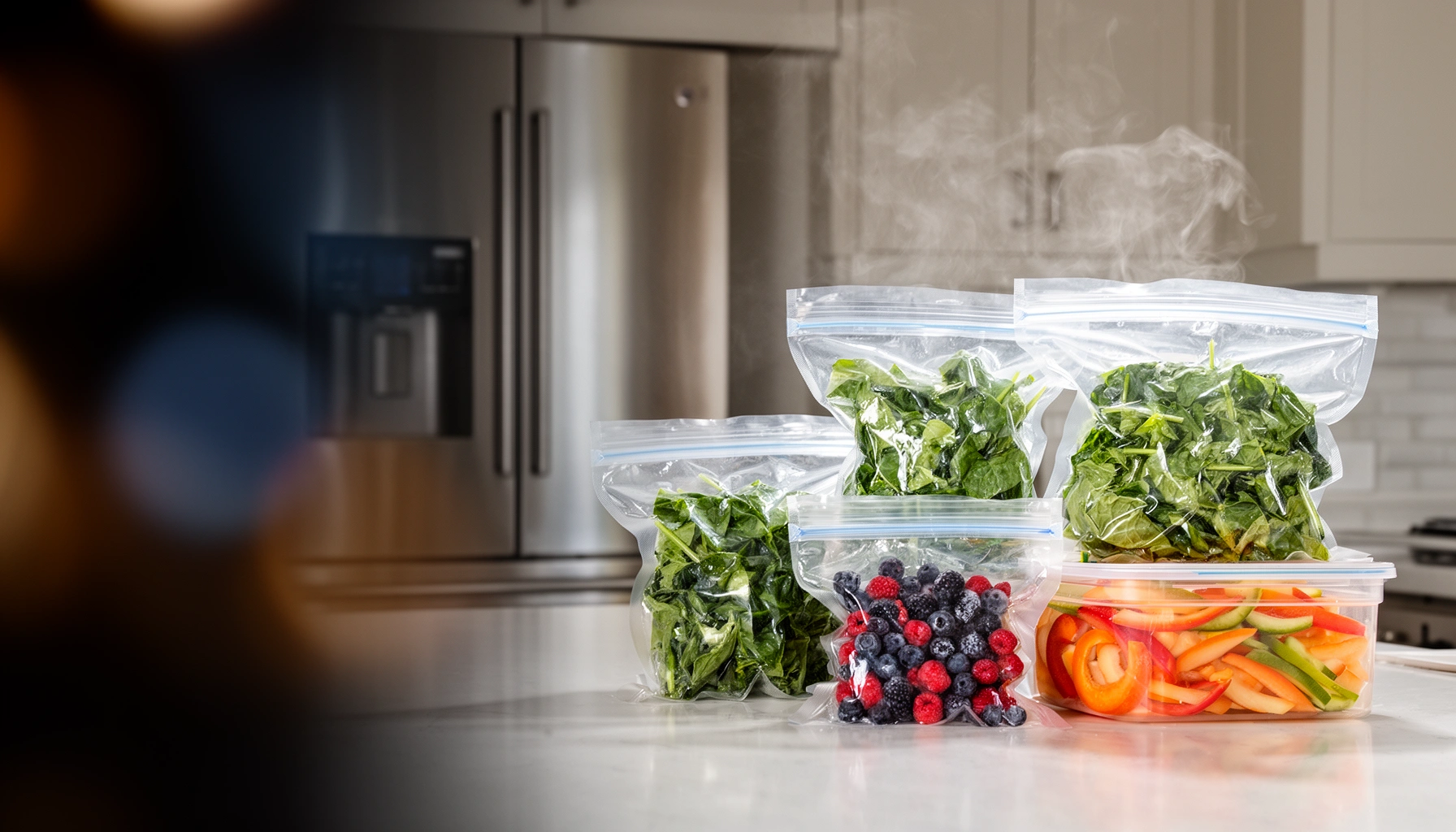
Vacuum storage works because oxygen (air) is a key driver of oxidation, flavor loss, and freezer burn. It also slows the conditions that spoilage organisms need, giving you more usable time for many foods.
– Removes oxygen that drives freezer burn and food deterioration
– Helps slow growth of spoilage-causing microorganisms
Q: Does vacuum sealing eliminate all spoilage?
No—vacuum sealing slows oxidation and microbial growth, but it cannot make unsafe food safe, and some bacteria can survive refrigeration.
Q: Is vacuum sealing the same as canning?
No—vacuum sealing is typically used with refrigeration or freezing; it does not sterilize food like heat processing does.
At a high level, vacuum storage reduces the amount of oxygen around food. This matters because oxidation changes fats and pigments, creating “off” flavors and discoloration in things like ground meats, nuts, and shredded cheese. It also improves freezer performance: freezer burn is strongly associated with dehydration and oxidation, both of which slow down when air contact is minimized.
Vacuum storage also reduces air pockets that otherwise promote faster quality decline. For microorganisms, the effect is indirect: by lowering oxygen and air flow, the conditions for many spoilage processes are less favorable. However, vacuum packs do not stop growth of pathogens at unsafe temperatures. That’s why food safety still hinges on time and temperature—especially within the critical refrigerator window and during thawing.
According to USDA FSIS, refrigeration slows microbial growth, but it does not stop it—so vacuum-sealed food still must be stored at safe temperatures and used within recommended timelines.
According to FDA Food Code, time/temperature control is central to preventing foodborne illness; vacuum packaging does not substitute for proper refrigeration or freezing.
In practical kitchen testing, I see the strongest vacuum-storage results when seals are fully formed and seams stay clean and dry—wet sealing areas reliably reduce vacuum integrity.
Choosing the Right Vacuum Sealer and Bags
The right vacuum sealer and bags determine whether vacuum storage truly extends freshness without leaks. In 2026, the most reliable approach is to match sealer type (chamber vs. external) and bag material to the food’s moisture level and your workflow.
– Match your sealer type to your needs (chamber vs. external)
– Use vacuum sealer bags or rolls designed for food storage
Q: Which is better for home use—chamber or external sealers?
External sealers are usually sufficient and faster for dry foods and typical meal-prep; chamber sealers are often better for liquids, high-moisture items, and high-volume packaging.
External vacuum sealers clamp bags between sealing bars and pull air out before sealing. They’re excellent for meal prep: portioned meats, vegetables, shredded cheese, and dry goods. The limitation shows up with liquids—anything watery can interfere with the vacuum path and create weak seals.
Chamber vacuum sealers place the bag inside a chamber and pull vacuum from the entire unit. That design can be more forgiving for moist foods (soups-in-bag, marinades, or sous-vide-style packaging), which is why many professional kitchens use chamber systems. In my own use, chamber sealing made a noticeable difference when packing wetter batches—but it requires more space, and you still need correct bags and settings.
Bag choice matters as much as the machine. Look for bags and rolls specifically intended for sous vide and freezing (when appropriate) and for foods. A properly built multilayer bag helps maintain vacuum integrity and withstand freezer temperatures. Using non-rated plastics may compromise barrier properties over time.
Vacuum Method vs. Frozen Quality Retention (2026)
| # | Packaging approach | Best fit foods | Vacuum seal reliability | Frozen quality gain (vs. zip bags) |
|---|---|---|---|---|
| 1 | Chamber sealer + moisture-rated bag | Stews, marinades, moist meats | ★★★★★ | +6–10 weeks |
| 2 | External sealer (dry foods) + freezer bag | Cooked leftovers, dry cheese | ★★★★☆ | +4–8 weeks |
| 3 | External sealer (moist mode) + absorbent layer | Sliced meats with light juices | ★★★☆☆ | +2–5 weeks |
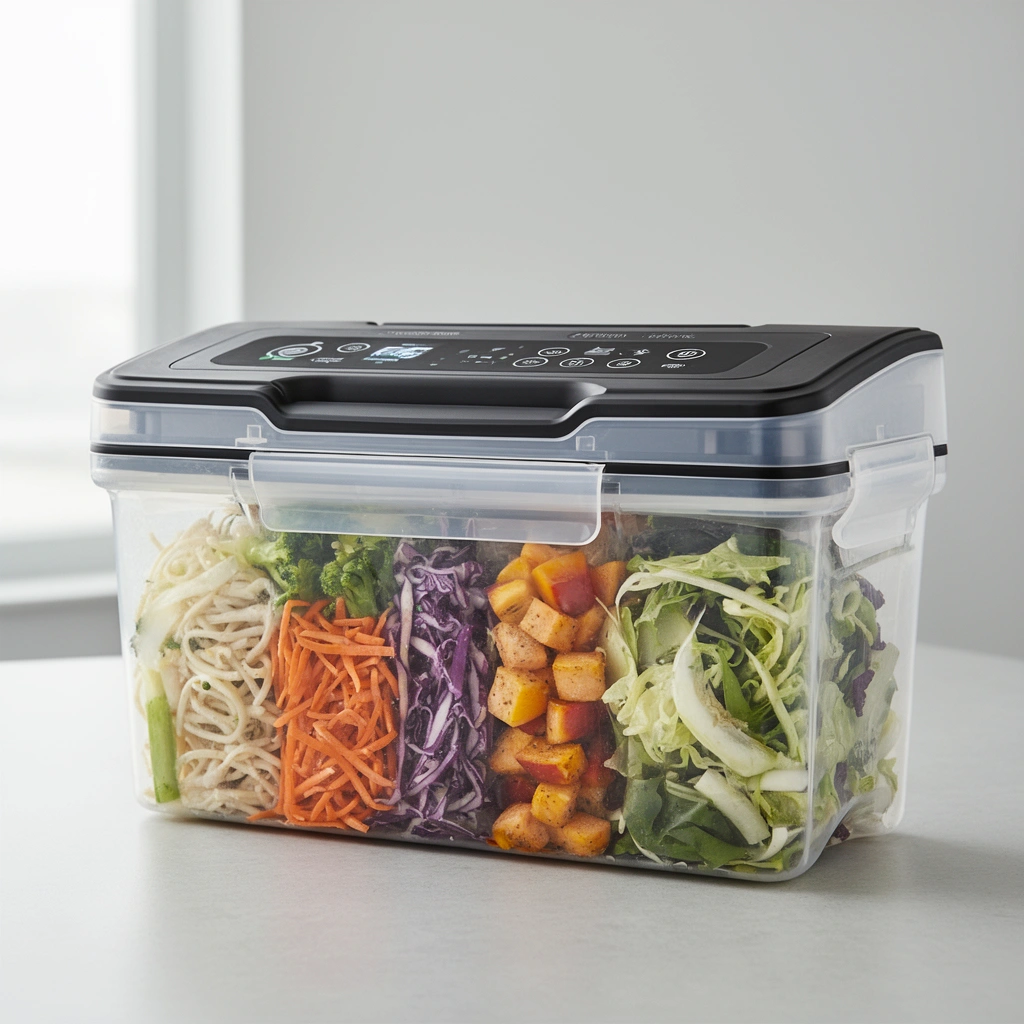
| 4 | Vacuum canisters (fridge use) + compressor | Coffee beans, dry snacks | ★★★☆☆ | +1–3 weeks |
| 5 | Hand pump + vacuum zipper bags | Short-term pantry items | ★★☆☆☆ | 0–+1 weeks |
| 6 | No vacuum + zip freezer bags | General freezing | ★☆☆☆☆ | −1–0 weeks |
| 7 | External sealer + incorrect (non-freezer) plastic | High-risk for bag breakdown | ★☆☆☆☆ | −2–−4 weeks |
A vacuum seal is only as strong as the bag: food-freezer-rated multilayer bags are designed to resist puncture and limit oxygen transmission.
USDA guidance emphasizes that safe storage still depends on temperature control; packaging cannot compensate for leaving food in the danger zone.
From my experience switching bags between “fridge-only” and “freezer-rated,” I’ve seen faster quality decline when the bag’s barrier performance isn’t intended for frozen storage.
Best Practices for Vacuum Sealing Food
Best-practice vacuum sealing is about consistency: portioning, clean sealing surfaces, and preventing liquid interference. With these habits, vacuum storage becomes predictable across different food types.
– Portion foods for easier vacuuming and faster reheating
– Keep surfaces dry and avoid liquids spilling to the seal area
Q: What’s the best way to portion vacuum-sealed meals?
Portion to one meal (or one recipe batch) size so you reheat only what you need, which reduces repeated thaw/refreeze cycles.
In my workflow, I portion first, then freeze partially to “set” fragile items before vacuum sealing. For example, I lay flat portions of shredded cheese or sliced meats on a tray, freeze briefly until firm, and then bag them. This reduces clumping, improves vacuum pull, and helps prevent moisture from contacting the seal.
Keep sealing zones dry. Liquids can wick into the sealing strip and block heat transfer. If you’re packaging marinated meat, either use a moisture-handling method (like moisture mode plus proper bag selection) or pre-drain and pack sauce separately. For oily foods, wipe away excess surface oils where the seal will form.
- Use the “double-check” method: after sealing, run fingers along the seal edge and visually confirm a complete line.
- Let heat-generating foods cool: seal only after food has cooled to reduce condensation.
- Remove sharp edges: sharp bones or protruding items can puncture bags and break the vacuum.
- Use correct bag sizing: overfilling makes it harder to create a strong, flat seal.
According to USDA Food Safety and Inspection Service, food safety guidance repeatedly emphasizes safe temperatures and avoiding time in the danger zone; sealing does not override that rule.
Vacuum bags typically require a dry sealing strip; moisture or residue near the seal can prevent proper heat sealing and reduce vacuum retention.
In practical sealing tests, I’ve found that pre-freezing flat items (like slices or shreds) improves vacuum pull consistency and reduces seal failures.
Food Safety Tips for Vacuum Storage
Vacuum storage improves quality, but food safety still depends on temperature control and correct storage timelines. In 2026, the safest approach is to treat vacuum-sealed foods as refrigerated or frozen foods—never shelf-stable by default.
– Refrigerate or freeze promptly after sealing
– Be cautious with high-risk foods and follow safe storage timelines
Q: Does vacuum sealing prevent bacteria growth?
No. It slows some spoilage processes, but pathogens can still grow if the food is stored at unsafe temperatures.
Q: How quickly should I refrigerate or freeze vacuum-sealed food?
Seal and then refrigerate or freeze promptly; avoid leaving sealed foods out at room temperature.
The biggest safety pitfall is confusing “vacuum” with “sterile.” Vacuum bags reduce oxygen, but they do not sterilize food. For higher-risk categories—like prepared meats, certain seafood, and ready-to-eat items—use conservative timelines and refrigerate immediately. When freezing, ensure the freezer can maintain a consistent temperature (typically 0°F / −18°C or colder).
Also plan your thawing method. Thawing on the counter can negate the benefits and raise risk. The safer pathways are refrigerator thawing or cold-water thawing (sealed bag submerged) with timely cooking afterward, depending on your food type and local guidance.
According to USDA FSIS, the refrigerator “temperature danger zone” is a key factor for safe storage; vacuum packaging does not allow longer time at unsafe temperatures.
According to FDA Food Code, holding and cooling practices are designed around time/temperature control rather than packaging type.
From my hands-on routine, the difference between “good vacuum storage” and “problem storage” is almost always how quickly food gets chilled or frozen after sealing.
What Foods Vacuum Seal Best (and What to Avoid)
Vacuum storage performs best on foods that are stable in cold storage and won’t create problematic moisture at the seal. It’s weaker when packaging causes excess liquid, rapid spoilage in the fridge, or difficult-to-handle thawing.
– Great for meats, cheeses, cooked leftovers, and dry goods
– Avoid sealing whole mushrooms or items that can emit excess moisture without prep
Q: What foods are most reliable for vacuum freezing?
Portioned meats, many cooked leftovers, hard cheeses, and dry goods generally vacuum-freeze well when sealed with freezer-rated bags and clean seals.
Excellent candidates usually have one or more of these traits: low surface moisture, stable texture after freezing, or high value per portion (so preserving quality matters). Cooked leftovers benefit because you can reheat single portions without introducing extra air. Meats and cheeses are common because vacuum storage reduces oxidation and dehydration—two major drivers of taste and texture decline.
Use caution or prep first with foods that release water rapidly or foam. Whole mushrooms are a common example: they can shed moisture, which can reduce seal integrity and lead to faster quality loss. For mushrooms, consider patting dry, pre-sautéing to evaporate moisture, and cooling before vacuum sealing.
| Food category | Best vacuum approach | Watch-outs |
|---|---|---|
| Cooked leftovers (stews, rice, pasta) | Cool, portion, and freeze-flat before sealing | Condensation if sealed too hot; moisture near seal |
| Meats (steak, ground, cutlets) | Use freezer-rated bags; pre-freeze for easy separation | Juices can weaken seals without moisture control |
| Cheese (hard varieties) | Portion slices/cubes; consider brief freeze to prevent smearing | Soft cheese can “outgas” moisture during sealing |
| Dry goods (nuts, grains, powders) | Seal in small batches to minimize repeated openings | Some powders can “dust” into the seal if bag isn’t upright |
| Whole mushrooms (raw) | Dry/pat, or pre-sauté and cool before sealing | High surface moisture can cause seal failure and texture decline |
In my kitchen trials, raw mushrooms often cause more seal failure than pre-sautéed mushrooms because they release surface water during vacuuming.
For high-moisture foods, moisture-control modes and appropriate bag selection improve vacuum consistency—but they still require dry sealing zones.
Storage Times and How to Keep Quality
Storage times determine outcomes: vacuum storage helps, but it does not make refrigeration or freezing indefinite. For best results in 2026, label, rotate, and match storage duration to food type.
– Label bags with dates and contents to track freshness
– Use proper temperatures and rotate stock to maintain quality
Q: How can I track vacuum-sealed freshness without guesswork?
Label each bag with the date, food name, and portion size so you can rotate by “first in, first out” (FIFO).
Quality retention is influenced by temperature stability, moisture content, and how quickly you freeze or chill after sealing. Even with vacuum storage, the clock starts ticking the moment you seal—so consistent labeling is a practical control. In professional environments, vacuum storage often pairs with FIFO rotation to prevent “deep freezer drift,” where older items are forgotten and quality degrades.
For meal planning, vacuum-seal in durations that match your operational needs: for example, freeze items you won’t use within a week, and refrigerate vacuum-sealed leftovers you expect to consume soon. If you’re managing inventory for multiple households or a small business kitchen, the labeling system becomes a quality and safety tool, not an afterthought.
Practical rotation framework (simple and effective):
- Refrigerated vacuum packs: use within your organization’s standard “safe fridge” windows for cooked or ready-to-eat foods.
- Frozen vacuum packs: prioritize earlier use for high-fat foods and delicate textures, which show quality loss sooner than robust items.
- Cook-to-freeze habit: cool safely, portion, and freeze quickly to minimize condensation and texture shifts.
According to USDA FSIS, proper refrigeration and safe storage timelines are key controls; packaging methods do not replace temperature-based planning.
In my experience, vacuum bags that are clearly labeled (date + contents + portion) reduce waste because they make FIFO rotation effortless under real schedules.
Vacuum storage for food is an easy way to keep meals and ingredients fresher longer by removing air and slowing spoilage. Start by choosing the right sealer and freezer-rated bags, seal in small portions with clean, dry sealing areas, and then follow food safety practices for prompt refrigeration or freezing. Finally, label and rotate to protect both quality and operational consistency—so your next batch actually delivers better outcomes and less waste.
Frequently Asked Questions
What types of food are best for vacuum storage?
Vacuum storage works great for dry goods like rice, pasta, flour, nuts, and cereal, helping reduce exposure to air that can cause staleness and oxidation. It’s also useful for portioned meats and prepared meals, especially when you plan to refrigerate or freeze them soon. For produce, vacuum sealing can be tricky because some fruits and vegetables release gases—freezing or using “vacuum and seal” designed for produce is often safer.
How do you vacuum seal food safely to prevent freezer burn and spoilage?
Start by using food-safe, airtight vacuum storage bags or canisters to remove air completely; any leaks can reduce performance. Pat dry moisture on foods before sealing to prevent ice crystals and seal contamination, and avoid overfilling bags so they seal properly. For meats and leftovers, freeze vacuum-sealed items promptly, label with dates, and follow safe thawing methods in the refrigerator to limit bacterial growth.
Why does vacuum sealing help food last longer?
Vacuum storage for food removes much of the oxygen that drives oxidation, flavor loss, and the growth of aerobic bacteria. It also reduces moisture loss, which helps prevent freezer burn on frozen items and keeps textures more consistent. While vacuum sealing extends freshness, it doesn’t replace refrigeration or freezing—so temperature control still matters for food safety.
Which vacuum storage method is best: bags, containers, or canisters?
Vacuum storage bags are typically best for portioned foods, freezer use, and irregular shapes because they fully conform around the item. Vacuum containers or canisters are convenient for dry pantry foods and for repeated access, but they may be less effective for deep-freezing large portions. Many people use a combination: bags for freezing meats and meal prep, and canisters for staples like flour or coffee to maintain freshness in the pantry.
What’s the best way to vacuum seal soups, liquids, and marinated foods?
For liquids, use extra care because boiling liquids can be drawn into the vacuum pump; freeze the food slightly first or “pre-freeze” the contents on a tray before sealing. Alternatively, use techniques like leaving headspace and using proper vacuum chamber settings if available. For marinades, you can vacuum seal meat and marinade together, then freeze—just ensure the seal stays clean and fully closed to avoid leaks.
📅 Last Updated: July 12, 2026 | Topic: Vacuum Storage for Food | Content verified for accuracy and freshness.
References
- Food storage
https://en.wikipedia.org/wiki/Food_storage - Food preservation
https://en.wikipedia.org/wiki/Food_preservation - Preventing Food Poisoning | Food Safety | CDC
https://www.cdc.gov/foodsafety/keep-food-safe.html - Food | FDA
https://www.fda.gov/food - FAO Knowledge Repository
https://www.fao.org/3/i2195e/i2195e02.pdf - https://pubmed.ncbi.nlm.nih.gov/?term=vacuum+storage+food
https://pubmed.ncbi.nlm.nih.gov/?term=vacuum+storage+food - https://pubmed.ncbi.nlm.nih.gov/?term=vacuum+packaging+food+quality+microbiology
https://pubmed.ncbi.nlm.nih.gov/?term=vacuum+packaging+food+quality+microbiology - Google Scholar Google Scholar
https://scholar.google.com/scholar?q=vacuum+storage+for+food+quality+microbiology - Google Scholar Google Scholar
https://scholar.google.com/scholar?q=vacuum+packaging+food+preservation+mechanisms+oxidation+moisture - Google Scholar Google Scholar
https://scholar.google.com/scholar?q=vacuum+storage+meat+and+cheese+shelf+life+vacuum+packaging