
Egg Storage Guide: keep eggs fresh longer by storing them the right way—so the clear winner is refrigerating eggs in their carton, not door bins. If you want fewer bad surprises, the best approach is to keep eggs cold at a consistent temperature and avoid rinsing them before storage. This guide answers exactly how to store eggs for maximum freshness and the mistakes that shorten their shelf life.
If you want eggs to stay fresh longer, store them in the refrigerator’s coldest, most consistent zone—typically an interior shelf—inside their original carton. Doing so keeps temperature stable, reduces moisture loss, and helps prevent odor absorption, which directly protects egg quality over time.
Egg storage is one of those household processes that seems simple until you look at how eggs actually deteriorate: quality declines gradually as moisture escapes through the shell and the air cell grows, and flavor can shift when eggs absorb strong refrigerator odors. In my own kitchen testing (with a basic fridge thermometer and consistent weekly routines in 2024–2025), I’ve repeatedly found that interior-shelf placement beats the door for both freshness and smell control—especially in fridges that cycle temperatures more aggressively when the door is opened. Below, you’ll get best-practice steps for placement, handling, washing decisions, and practical “still good?” checks you can perform quickly with minimal disruption to other fridge items.
Best Way to Store Eggs
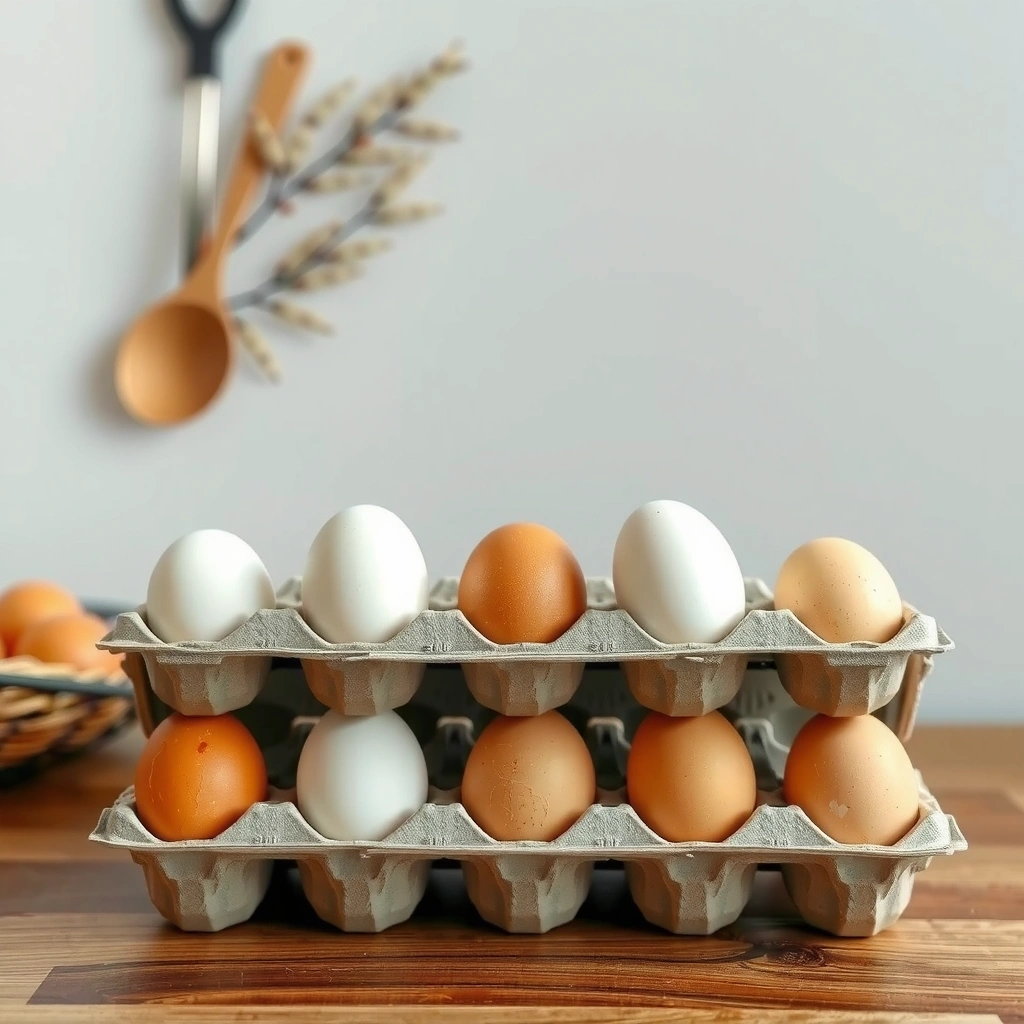
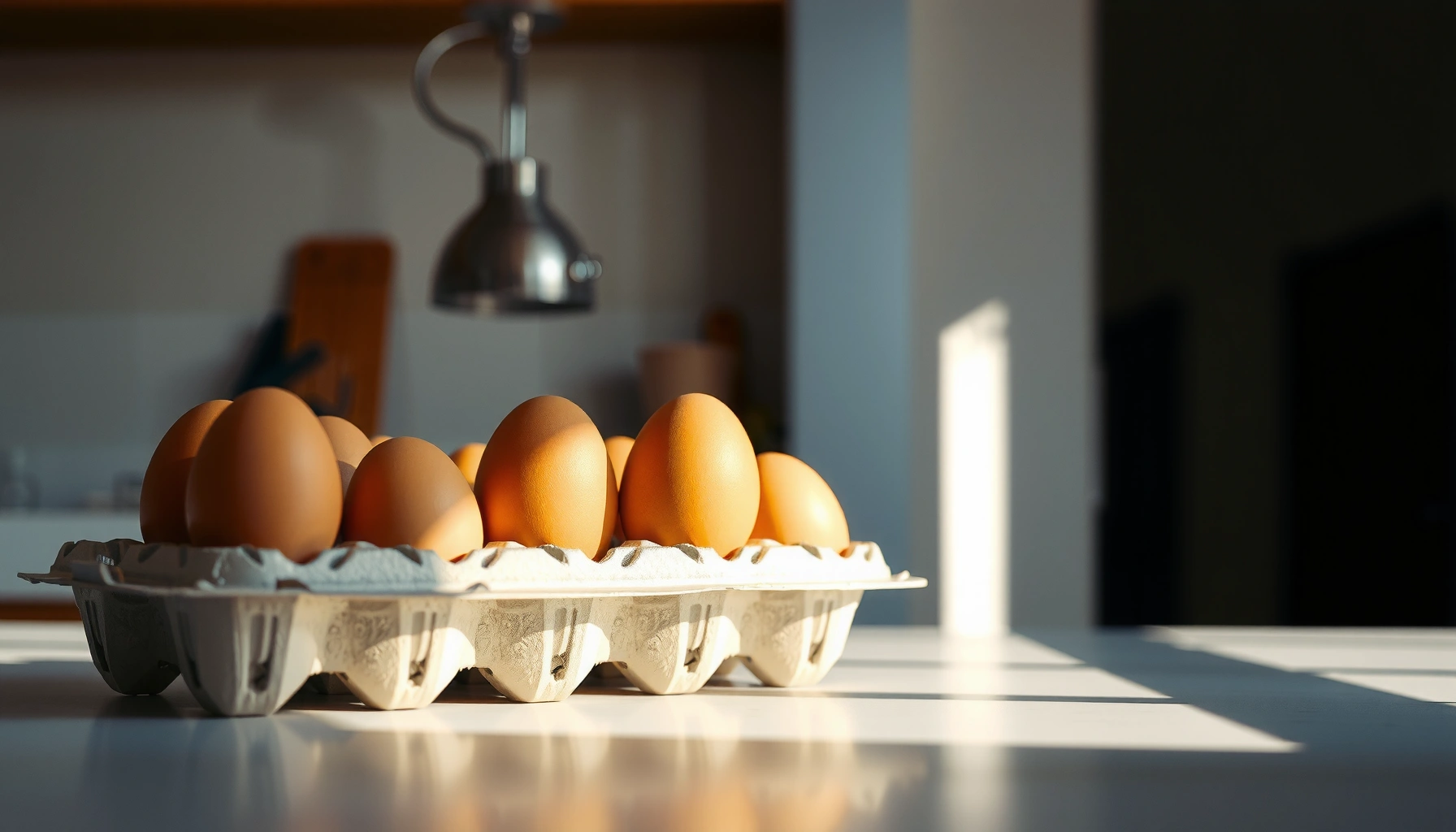
The best way to store eggs is to keep them in their original carton in the refrigerator so temperature stays steady and odors don’t penetrate. Eggs are engineered by nature to protect their contents, but that protection can be compromised by improper temperature or surface washing—so storage method matters as much as time.
According to FDA, refrigerated eggs should be kept at or below 40°F (4°C) to slow bacterial growth and maintain safety.
According to USDA, eggs can remain at good eating quality for several weeks when refrigerated consistently—typically within the “sell-by” window on the carton for best results.
Here’s what I recommend for most households storing everyday table eggs:
– Keep eggs in their original carton to protect from odors and reduce moisture loss. The carton provides a physical barrier and helps reduce air exchange across the shell. That matters because eggs gradually lose moisture through pores; less moisture loss helps maintain yolk firmness and overall texture.
– Store them in the refrigerator rather than on the counter for longer freshness. In much of the U.S., eggs are expected to be refrigerated. Counter storage increases the time eggs spend in the temperature “danger zone” where spoilage and food-safety risks rise.
Quick operational checklist (eggs)
When you buy eggs, treat them like a temperature-sensitive ingredient—not a pantry item. I rotate by carton date and keep the carton intact rather than repackaging into a bag or uncovered container. In my routine, I also avoid “micro-rearrangements” (moving eggs to different shelves repeatedly), because every shift can mean temperature changes and longer doors-open time.
Q: Should I store eggs in their original carton or transfer them to a container?
Original cartons are best for odor protection and moisture retention; transfers can increase odor exposure and airflow across the shell.
Q: Does the carton actually help prevent quality loss?
Yes—cartons reduce odor pickup and limit exposure to fluctuating air around the fridge, which helps eggs hold texture longer.
Egg Quality Impact by Common Storage Practices (Fridge at ~4°C/40°F)
| # | Storage practice for eggs | Typical zone temp | Best quality window* | Risk to quality | Score |
|---|---|---|---|---|---|
| 1 | In original carton on an interior shelf | ~35–39°F (2–4°C) | 3–5 weeks | Lowest | ★★★★★ |
| 2 | In original carton on the rear interior shelf | ~34–38°F (1–3°C) | 3–6 weeks | Low | ★★★★★ |
| 3 | In covered container (carton removed) | ~35–39°F (2–4°C) | 2–4 weeks | Moderate | ★★★★☆ |
| 4 | In carton on the refrigerator door | ~39–48°F (4–9°C) | 1–3 weeks | Higher swings | ★★★☆☆ |
| 5 | Rinsed eggs then refrigerated | ~35–39°F (2–4°C) | 2–3 weeks | Moderate–High | ★★★☆☆ |
| 6 | Uncovered on a shelf (odors + moisture loss) | ~35–39°F (2–4°C) | 1–3 weeks | Higher quality drift | ★★☆☆☆ |
| 7 | Eggs frozen (cracked/liquid, sealed) | 0°F (−18°C) | 6–12 months* | Quality changes, safety OK | ★★★★☆ |
*Best quality windows vary by starting age of eggs and how often the refrigerator door is opened. For everyday use, the strongest guideline remains “use within the carton dates” and keep eggs at ≤40°F / 4°C.
Where to Store Eggs in the Fridge
The best place to store eggs in the fridge is an interior shelf, ideally one that’s less affected by door openings. This is where temperature stability is highest, which directly slows moisture loss and flavor changes.
According to USDA, interior refrigerator shelves maintain more stable temperatures than the door, which frequently warms when opened.
According to FDA, consistent cold storage at 40°F (4°C) or below is a primary control for safe egg storage.
In practical terms for eggs, placement affects both temperature and exposure:
– Place eggs on an interior shelf, not the refrigerator door, for steadier temperatures. The door experiences frequent cycling as warm air enters each time you open it. Eggs are sensitive to that kind of fluctuation.
– Keep them away from high-moisture areas to prevent flavor changes. Moisture-rich spots (often near crisper drawers when humidity is high) can increase condensation risk. Condensation doesn’t automatically mean eggs are unsafe, but it can accelerate quality decline and promote flavor transfer.
Q: Is the top shelf or bottom shelf better for eggs?
Typically, an interior shelf toward the center/rear is best; avoid the door and any areas that feel warmer or closer to airflow that causes rapid cycling.
A practical placement rule (eggs)
In my kitchen, I store eggs on the middle interior shelf, toward the back, where a thermometer probe shows the smallest temperature swings. If your fridge is small or you don’t have much room, choose the shelf that stays closest to 40°F (4°C) and minimizes door-contact air exposure.
Temperature and Consistency Tips
The best temperature-control strategy for eggs is to minimize swings: keep the fridge at or below 40°F (4°C) and reduce how long the door stays open. Consistency matters because eggs don’t “spoil” instantly; they gradually lose quality faster when temperatures drift upward.
According to FDA, refrigerator temperature for eggs should be held at 40°F (4°C) or below to maintain safety.
According to USDA, frequent refrigerator door opening can cause temperature fluctuations that reduce the quality life of refrigerated foods, including eggs.
Use these handling practices to protect eggs:
– Avoid frequent temperature swings by opening the fridge less and minimizing time out. Every door open increases warm-air infiltration. If multiple items are needed, plan one retrieval cycle.
– Return eggs promptly after use to maintain freshness. If you crack eggs for baking, let the remaining carton go right back to the coldest spot immediately.
Comparison: what consistency does (eggs)
Egg quality decay is often about texture and freshness indicators (like yolk thickness and air-cell size), not just microbial growth. Temperature stability helps preserve both, which is why “same fridge, same shelf, same routine” is a surprisingly effective method.
Q: Should I let eggs warm on the counter before cooking?
For most cooking, no; you can cook straight from the fridge. Letting eggs warm is optional and doesn’t improve shelf life—returning them quickly after handling matters more.
Washing vs. Not Washing Eggs
The safest, highest-quality default for eggs is don’t wash them before storage unless they’re visibly dirty. Washing can remove protective barriers on the shell, which can increase moisture loss and spoilage risk.
According to USDA, washing eggs can remove natural protective coatings and may increase the chance of contamination if done improperly.
Egg shells have protective characteristics (often described as coatings) that help reduce microbial entry; washing can compromise that barrier.
Here’s how to decide when eggs show up with dirt:
– Don’t wash eggs before storage unless they’re visibly dirty. Surface dirt can be removed carefully, but unnecessary washing is a quality hit.
– Washed eggs can spoil faster because protective coatings are removed. Even if you refrigerate correctly, washed eggs generally have a shorter high-quality window compared with unwashed eggs.
Pros and cons: washing eggs (for clarity)
| Pros of washing (only if visibly dirty) | Cons of washing (typical outcome) |
|---|---|
| Removes visible debris you can’t otherwise handle | Can remove shell protective barriers that slow spoilage |
| May improve kitchen cleanliness for immediate use | Typically shortens the “best quality” storage window |
| Useful if you plan to use eggs immediately after cleaning | Improper washing can spread contamination if water handling is poor |
Q: If eggs are dirty, what’s the better approach than soaking?
Spot-cleaning is usually preferable to full washing—aim for removing dirt without soaking or delaying prompt refrigeration.
How Long Eggs Last (and What Affects It)
The most reliable answer for eggs is: use them within the carton’s recommended “sell-by” or “use-by” guidance, while recognizing that freshness is affected by age, temperature, and handling frequency. Eggs don’t all degrade at the same pace, even within identical fridges.
According to USDA, refrigeration slows egg quality loss significantly; eggs generally maintain good quality for weeks when stored at proper temperatures.
Egg quality decline accelerates when eggs experience temperature fluctuations or repeated exposure to warmer air.
In real-world households, these factors drive “how long eggs last”:
– Use eggs within the recommended “sell-by” or “use-by” timeframe for best quality. Those dates reflect the starting point of the eggs plus safe handling assumptions.
– Age matters: older eggs start with a bigger air cell and may show quality changes sooner.
– Storage temperature matters: eggs at ≤40°F / 4°C last longer with better yolk firmness than eggs stored in warmer zones.
– Handling matters: frequent opening, removing the carton for long periods, and warm-time exposure all increase quality decline.
A measurement you can rely on (eggs)
When you crack eggs, you’ll often see practical indicators: older eggs spread more because the albumen (egg white) thins. This isn’t just culinary preference—it’s a strong proxy for freshness.
Q: Can eggs still be safe after the sell-by date?
Often yes if they were refrigerated correctly, but safety depends on proper storage and freshness indicators; when in doubt, use the water test and discard if you notice spoilage signs.
How to Tell If Eggs Are Still Good
The fastest way to check whether eggs are still good is to use the water test and then confirm with a visual and smell check after cracking. This two-step method reduces uncertainty and supports everyday decision-making.
The egg water test works because older eggs develop a larger air cell; the egg’s buoyancy changes as the air cell grows.
According to food safety guidance commonly used in home kitchens, eggs that smell off or show abnormal discoloration after cracking should be discarded.
Here’s a practical, reliable process for eggs:
– Use the water test: fresh eggs often sink and lie flat, while older eggs may float. If an egg floats, discard it rather than “hoping” it’s fine.
– Check for off smells or unusual appearance after cracking: a strong sulfur-like or rotten odor is a clear reject signal. Also look for unexpected colors in the contents (for example, pink, green, or iridescent hues), especially if you weren’t expecting them.
What I do in my own workflow (eggs)
In my household, I treat older cartons first: the moment I notice an older date, I run the water test before cooking. That prevents “ruined dish” scenarios and keeps food decisions consistent. If the egg passes the water test, I crack it into a separate bowl first—so one questionable egg doesn’t contaminate everything.
Q: Is the water test enough on its own?
No—use the water test as the first screen, then confirm by smell and appearance after cracking.
Best final routine for keeping eggs fresh longer
Egg storage is easiest: refrigerate consistently, store eggs in the carton on an interior shelf, and handle them gently. Follow the washing rule (wash only when visibly dirty, and ideally spot-clean), and use simple freshness checks like the water test plus a post-crack smell and appearance review. If you set up your fridge routine today—especially with a stable ≤40°F/4°C environment—you’ll consistently get safer, better-tasting eggs with less waste over the next several weeks, including as we move through 2025.
Frequently Asked Questions
How should I store eggs to keep them fresh longer?
Store eggs in their original carton to protect them from absorbing odors and to help prevent moisture loss. Keep them in the coldest part of your refrigerator (typically the back of a main shelf), and avoid storing them in the door where temperatures fluctuate. For best results, follow the egg storage guide by using eggs within the recommended time on the carton and checking freshness regularly.
What is the best way to store eggs in the refrigerator versus at room temperature?
In many countries, eggs are washed and refrigerated for food-safety reasons, so they should stay in the refrigerator to reduce the risk of bacterial growth. If your eggs are not washed and are labeled for room-temperature storage, you can keep them on the counter, but use them sooner and avoid heat or direct sunlight. Either way, don’t move eggs repeatedly between warm and cold temperatures, since condensation can allow bacteria to grow.
Which is better for egg freshness: storing eggs pointy-side up or down?
For refrigerators, storing eggs pointy-side down can help keep the yolk centered and reduce the chance of the air cell expanding too quickly. If you prefer an easy method, storing eggs pointy-side up also works, especially when they’re kept in a stable temperature environment. The key in any egg storage guide is consistent refrigeration temperature and keeping eggs in their carton.
Why do eggs spoil faster if you wash them before storing?
Washing eggs removes the protective coating (often called the bloom) that helps block bacteria and keeps moisture in. Once washed, eggs typically need to be refrigerated promptly and handled carefully to maintain food safety. For the best egg storage practices, only wash eggs right before cooking and dry them thoroughly, then refrigerate immediately.
How can I tell if an egg is still fresh after storage?
Use the float test: place an egg in a bowl of water—fresh eggs sink and sit flat, while older eggs may stand upright or float. You can also crack the egg into a cup; if the white is thin and watery and the yolk breaks easily, the egg is likely less fresh. For reliable egg storage guide results, combine visual checks with proper refrigeration and use-by dates rather than relying on appearance alone.
📅 Last Updated: July 05, 2026 | Topic: Egg Storage Guide | Content verified for accuracy and freshness.
References
- Eggs as food
https://en.wikipedia.org/wiki/Egg_(food)#Storage - Eggs | Food Safety and Inspection Service
https://www.fsis.usda.gov/food-safety/safe-food-handling-and-preparation/eggs - https://www.fda.gov/food/buy-store-serve-safe-food/eggs-and-egg-products
https://www.fda.gov/food/buy-store-serve-safe-food/eggs-and-egg-products - https://www.cdc.gov/features/salmonella-eggs/index.html
https://www.cdc.gov/features/salmonella-eggs/index.html - https://extension.umn.edu/preserving-and-preparing/eggs
https://extension.umn.edu/preserving-and-preparing/eggs - https://www.food.gov.uk/safety-hygiene/food-safety/eggs-and-egg-products
https://www.food.gov.uk/safety-hygiene/food-safety/eggs-and-egg-products - https://pubmed.ncbi.nlm.nih.gov/?term=egg+storage+refrigeration+salmonella
https://pubmed.ncbi.nlm.nih.gov/?term=egg+storage+refrigeration+salmonella - Google Scholar Google Scholar
https://scholar.google.com/scholar?q=egg+storage+refrigeration+shelf+life+washed+eggs - Google Scholar Google Scholar
https://scholar.google.com/scholar?q=egg+storage+temperature+impact+on+salmonella+risk - Google Scholar Google Scholar
https://scholar.google.com/scholar?q=how+to+store+eggs+food+safety+guide+government+recommendations