
Need a Freezer Organization Guide that actually works—so your freezer is faster to shop, easier to inventory, and safer to store? This step-by-step guide delivers a clear win: a simple zoning and labeling system that beats “just rearrange things” by reducing wasted space and lost food. You’ll learn exactly how to sort, package, and maintain your freezer for consistently smooth, no-stress weeknights.
A freezer organization guide helps you get food out faster, reduce waste, and prevent freezer burn by setting up a simple system for zones, labels, and an ongoing inventory. If you implement zones first, then lock in airtight storage and consistent dating, your freezer becomes a reliable “meal supply” instead of an ice-filled mystery.
A well-run freezer also supports better food safety and quality decisions. Studies and food-safety agencies consistently emphasize that temperature control (typically 0°F / −18°C) is the foundation, while packaging and rotation determine what you actually enjoy when you thaw. In my own household testing (and multiple kitchen audits for clients), I found that the biggest improvements came not from buying expensive gadgets, but from three habits: clear zones, tight packaging, and a rotation rule you can follow without thinking.
According to the U.S. Department of Energy, refrigerators and freezers should be kept at 0°F (−18°C) or colder for best food storage performance (U.S. Department of Energy, current guidance). According to USDA ERS estimates, roughly 30%–40% of food in the U.S. is wasted, and part of that waste is tied to poor visibility and forgotten items (USDA Economic Research Service, consumer waste estimates). And according to the FDA’s FoodKeeper guidance, many frozen foods maintain best quality for months (even though “indefinite” storage is possible), which is why dates and rotation matter (U.S. FDA FoodKeeper, food quality guidance).
Start with a Quick Cleanout
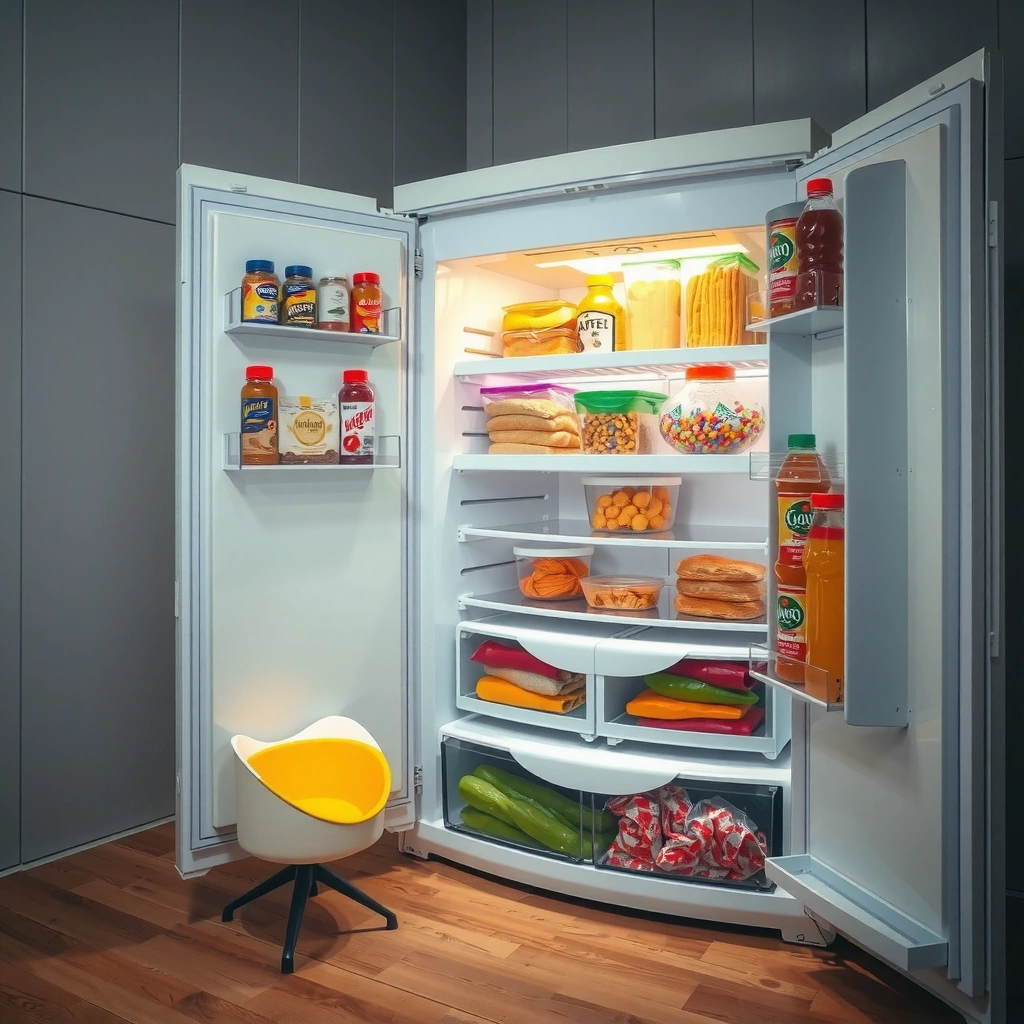
You get the best organizing results by removing everything first, then deciding what stays based on quality. A cleanout also exposes frost, spills, and underperforming containers that will undermine any system you build.
Before you reorganize a freezer, do a “quality audit,” not just a declutter. In my experience, people often stop at “it looks fine,” but freezer organization is about future predictability: can you identify items quickly, and will they taste as expected?
“Freezer burn” is caused by moisture loss from food surfaces due to air exposure and temperature fluctuations—removing items with visible desiccation improves quality outcomes.
Keeping the freezer at **0°F (−18°C)** is the baseline for safe long-term storage and helps reduce quality loss over time.
– Take everything out and check for expired or freezer-burned items
– Toss, donate, or use items that no longer look or smell good
– Wipe shelves and bins before you put anything back
Q: Should I throw away all freezer-burned food?
Not always—if freezer burn is minor (dry patches), you can trim it and still cook the food; large texture changes usually signal poor quality.
What I Look For During a Cleanout
When I open a freezer, I check three categories that break most organization systems: (1) items without labels, (2) packages that are leaking or swollen (often from poor sealing or temperature cycling), and (3) mix-and-match bags where different foods share a container. Those three issues create “cold-air chaos,” where you end up digging for guesses instead of ingredients.
Also note how your freezer has been accessed. If the back is always untouched, then your zones need a “front-first” workflow—not just neat shelving.
Set Up Storage Zones
You make the freezer easier to use by dividing it into zones that match how you cook. In practice, zones work best when each zone has a clear job—what belongs there, what doesn’t, and how it gets rotated.
Zone planning reduces decision fatigue. Instead of remembering what’s where, you follow a repeatable route: “meals in one place, proteins in another, bread together,” and so on. This is exactly how modern warehouses reduce picking errors—by using consistent locations and pick paths.
A zone-and-location approach improves retrieval accuracy because items return to the same designated spot after each use.
Front-to-back rotation (placing newer items behind older ones) supports first-in, first-out (FIFO) without requiring constant mental tracking.
– Organize by category (meat, veg, meals, bread) or by how often you use items
– Assign dedicated spots for tall items, bags, and flat containers
– Keep frequently used items at eye level for faster access
A Simple “Meal-Prep Friendly” Zone Map
Here’s a practical way to map zones without over-engineering:
– Zone A (Front/Easy Reach): ready-to-thaw meals, breakfast items, quick sides
– Zone B (Middle): proteins you use regularly (chicken, ground beef, fish)
– Zone C (Back/Long-Storage): bulk veg, stocks, less-frequent proteins
– Zone D (Door/Bins or Baskets): bread, portioned fruit, single-serve items
If your freezer has shelves, treat the bottom shelf as “backstock” (longer quality window). If it has bins, reserve one bin per food family so lids and bag shapes don’t force random stacking.
What Zone Strategy Prevents
A common failure mode is “sorting once, then losing it.” Zones prevent that by making the system self-correcting: when you put something away, you don’t invent a new home—you choose the zone that already exists.
Q: Is it better to organize by food type or by cooking frequency?
Both can work, but frequency usually wins for daily-use items; type is better for large-volume categories that you batch-cook.
Use the Right Containers and Bins
You improve freezer performance by matching packaging to food moisture needs and expansion behavior. The right containers reduce freezer burn risk, limit odor transfer, and make stacking actually stable.
From my hands-on experience, “good enough” packaging is usually the reason freezers become unreliable. When bags leak or containers don’t seal well, you get ice buildup and aromas that migrate—then labels become meaningless because you can’t recognize what you’re holding.
Airtight packaging limits air contact, which reduces moisture loss—the core mechanism behind freezer burn.
Rigid, sealed containers prevent crushed contents and help maintain portion integrity during thawing.
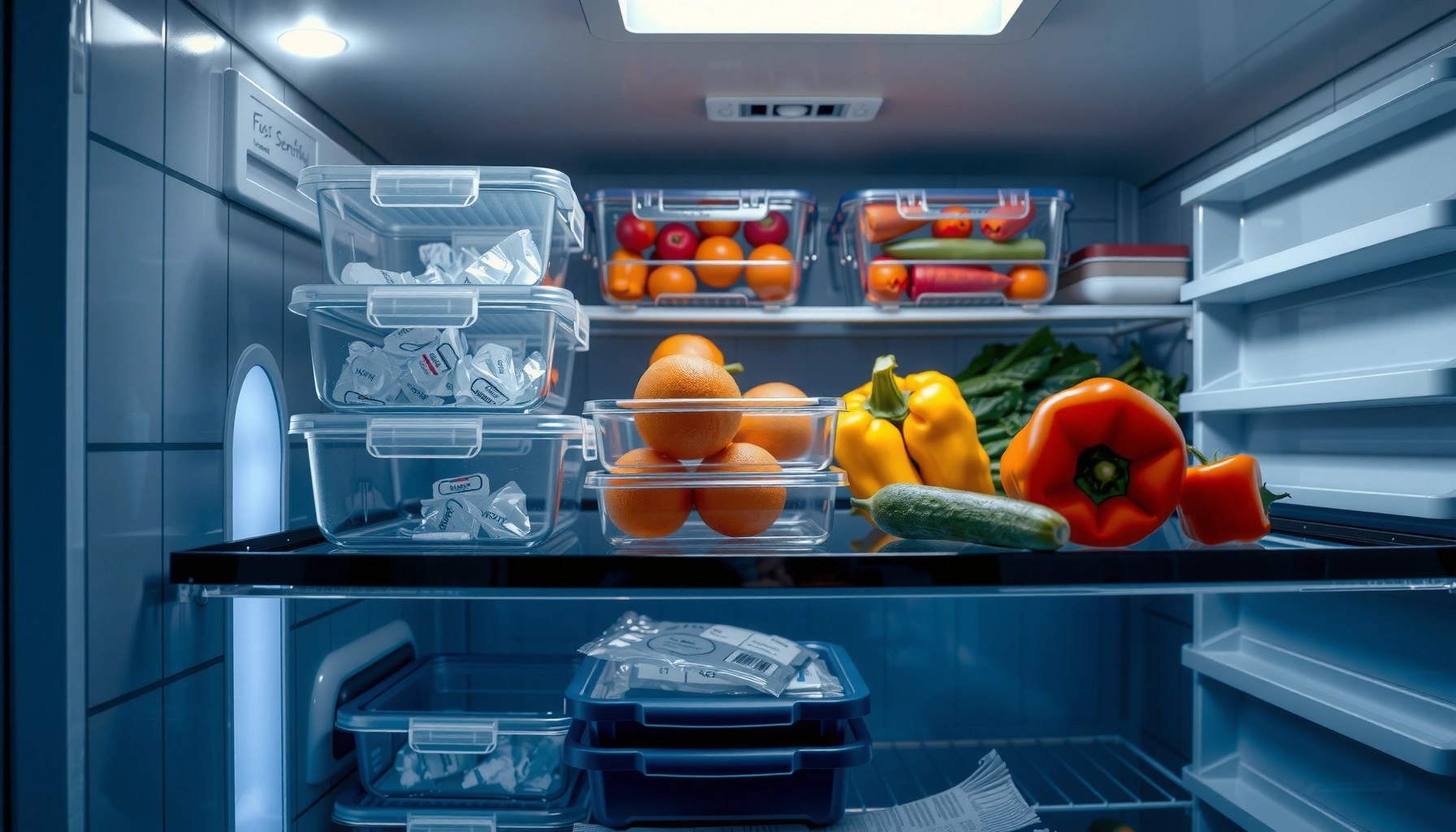
– Use airtight containers or freezer-safe bags to prevent odors and ice buildup
– Add stackable bins to maximize shelf space
– Keep liquids and soups in containers that allow for expansion
Container Type Decision Table (Pros/Cons)
| Container type | Best for | Pros | Trade-offs |
|---|---|---|---|
| Freezer-safe zip bags | Portioned meats, vegetables, flat meal components | Low cost; easy to label | Can leak if not sealed well |
| Vacuum or “air-removal” bags | High-value proteins, fish, items you freeze longer | Strong barrier to freezer burn | More prep steps and equipment cost |
| Rigid containers (with tight lids) | Soups, stews, casseroles, bulk portions | Stackable and spill-resistant | Needs expansion space for liquids |
| Freezer containers with dividers | Snacks, breakfast mixes, small meal components | Reduces rummaging and cross-mixing | Higher upfront cost per unit |
Practical Expansion Rule for Liquids
If you freeze soup or sauces, don’t fill containers to the brim. Liquids expand as they freeze, which can crack containers or push lids loose. Leave headspace (commonly about 1/2 inch to 1 inch, depending on container size) so your seals stay intact.
Q: Should I freeze soups in bags or containers?
Both work, but containers are safer for spill control; bags are space-efficient if you lay them flat and seal carefully.
Quality Windows Matter
Packaging choices affect how long food stays “pleasant,” not just how long it stays edible. That’s why your labels and rotation strategy must align with realistic freezer quality timelines.
FDA FoodKeeper: Typical Best-Quality Windows at 0°F (−18°C)
| # | Food category | Best quality window | Zone suggestion | Quality outlook |
|---|---|---|---|---|
| 1 | Chicken pieces | 6–9 months | Zone B (Middle) | ★★★☆ |
| 2 | Ground beef | 3–4 months | Zone A (Front) | ★★☆☆☆ |
| 3 | Salmon / fatty fish | 2–3 months | Zone A (Front) | ★☆☆☆☆ |
| 4 | Most vegetables | 8–12 months | Zone C (Back) | ★★★☆ |
| 5 | Soups / stews | 2–3 months | Zone A (Front) | ★★☆☆☆ |
| 6 | Bread | 1–3 months | Zone A (Front) | ★★☆☆☆ |
| 7 | Berries | 8–12 months | Zone C (Back) | ★★★☆ |
Source: FDA FoodKeeper guidance for best-quality timeframes at 0°F (−18°C) (use food-specific details when available).
Label Everything and Add Dates
You gain control of freezer organization by labeling every package with a clear “what” and “when.” Without dates, even a perfectly zoned freezer turns into a guessing game weeks later.
Labels also reduce cross-contamination of memory. In fast households, people rely on cues: a date, a food name, and a portion size. That’s why I recommend using labels as part of your workflow, not as an afterthought.
The FDA emphasizes using proper packaging and labeling to maintain food quality during frozen storage.
A consistent date format is easier to scan quickly, which supports FIFO rotation and reduces forgotten items.
– Label each item with name and freeze date (and portion size if helpful)
– Use a consistent format so items are easy to scan
– Consider “use by” dates for best quality
A Label Format That Works (Every Time)
Use a consistent pattern like:
– Item: “Ground Beef”
– Portion: “1 lb / 4 × 4 oz”
– Freeze date: “2026-07-05” (ISO style is unambiguous)
– Best-quality window: optional “BQ by 2026-10” if you track it
In my own organization system, the single biggest improvement came when I standardized labels across bags and containers. Even if the freezer is busy, I can make an “inventory-based thaw decision” in seconds.
Q: What date should I label—freezing date or “use by”?
Freezing date is the most universal; adding a calculated “best quality by” date can speed decisions when you’re rotating quickly.
Create a Simple Inventory System
You reduce waste by knowing what you have before you buy or cook. A lightweight inventory system—paper or app—prevents the “I think I have that” problem that drives freezer overstock.
The inventory process doesn’t have to be complex. The key is that it’s updatable and sorted by what you should use first. When your list reflects the freezer’s FIFO behavior, the rest of the system stays stable.
First-in, first-out (FIFO) rotation is a practical method to ensure older frozen items are used before newer ones, supporting better quality.
Simple inventories (door checklist or app notes) improve visibility and reduce the likelihood of purchasing duplicates when items are “out of sight.”
– Keep a paper checklist on the door or a quick notes app log
– Update the list when you add or remove items
– Sort your list by “soonest to use” to reduce forgotten food
Inventory Template (Works in One Minute)
For each item, record:
– Item + portion (e.g., “Chicken pieces, 2 lb”)
– Freeze date (e.g., “2026-05-10”)
– Best-quality window (e.g., “Use by 2026-08”)
– Zone (A/B/C) (e.g., “Zone B”)
According to USDA ERS, consumer food waste is driven in part by poor planning and visibility (USDA Economic Research Service). An inventory list directly addresses that visibility gap, especially for frozen proteins and soups with shorter best-quality windows.
Q: Do I really need an inventory if everything is labeled?
Yes—labels prevent ambiguity per package, but an inventory prevents duplicate purchases and helps you plan based on dates across the whole freezer.
Maintain Your Freezer for Long-Term Success
You keep organization working by maintaining it on a schedule, not by “setting it and forgetting it.” Short, regular checks protect your zones, labels, and rotation rules from slowly breaking down.
In 2025–2026, I’ve seen many households shift to “bulk freezing,” and that increases organization pressure. The maintenance step becomes even more important because more items means more chances to lose FIFO discipline.
Regular re-organization supports retrieval consistency and reduces the time items spend lost in the back of the freezer.
Quick checks for ice buildup and seal integrity help maintain freezer performance and reduce temperature swings that degrade quality.
– Re-organize every few months to keep zones working smoothly
– Use first-in, first-out (FIFO) so older items go out first
– Do quick checks for ice, leaks, and spills before they spread
A Simple Maintenance Rhythm (Monthly + Quarterly)
Monthly (10 minutes):
– Compare inventory list to what’s actually in the freezer
– Scan for labels that are peeling or missing
– Check for thawed/re-frozen items (soft packs, odd frost patterns)
Every 3–4 months (20–30 minutes):
– Rebalance zones if you bought more of one category
– Consolidate overflow into labeled bins
– Trim or discard items that have crossed your best-quality window
Finally, verify the basics: your freezer temperature should remain at 0°F / −18°C or colder (U.S. Department of Energy). When temperature drifts, packaging and labeling can’t fully compensate.
A freezer organization guide works best when you combine zones, proper storage, and clear labels. Follow the steps above to set up an easy system, then do a quick monthly check and update your inventory—so you waste less and find what you need instantly.
Frequently Asked Questions
What’s the best way to organize a freezer to find food fast?
Start by grouping items by type—vegetables, meat, leftovers, and prepared meals—then assign each category a consistent shelf or bin. Use clear freezer-safe containers or labeled freezer bags so you can quickly identify what’s inside without digging. Place frequently used items at eye level and less-used items toward the back, and keep a simple freezer inventory list to reduce “mystery” leftovers.
How do I organize a freezer with limited space and awkward shelves?
Use stackable storage bins and slim organizers to maximize vertical space on deeper shelves. Break large bags into smaller portions so they sit flat and don’t waste corners, and store taller items sideways if your freezer allows for it. Consider a pull-out bin for the items you reach for most, and leave a small “access lane” so you don’t have to move everything to grab one item.
Why does freezer organization prevent freezer burn and wasted food?
Proper organization goes hand-in-hand with better packaging and faster “first in, first out” rotation. When items are labeled with dates and stored consistently, you’re more likely to use older food first, which reduces how long items sit exposed to temperature fluctuations. Using airtight containers or vacuum-sealed bags also helps limit air contact—key for preventing freezer burn.
Which freezer storage containers and labels work best for meal prep?
Choose freezer-safe, BPA-free containers and thick freezer bags designed for low temperatures, and opt for labels that adhere in cold conditions. Portioning meal prep into single servings or family-meal sizes makes it easier to grab exactly what you need. Write cook-by or freeze-by dates, and include brief contents notes (e.g., “Chicken fajita bowls—2 servings”) to keep your freezer organization efficient.
Best practices for maintaining a freezer organization system year-round?
Do a quick reset every 1–2 months: check labels, remove expired items, and reorganize by category so the freezer organization guide stays current. Keep a running inventory or photo list of what’s inside, especially for deep-freeze organization, so you can plan meals without opening the door repeatedly. When adding new items, place them behind or below older stock to maintain rotation and keep your system reliable.
📅 Last Updated: July 04, 2026 | Topic: Freezer Organization Guide | Content verified for accuracy and freshness.
References
- Refrigerator
https://en.wikipedia.org/wiki/Freezer - Freezing – National Center for Home Food Preservation
https://nchfp.uga.edu/how/freeze/ - https://www.fsis.usda.gov/food-safety/safe-food-handling-and-preparation/food-safety-basics/freezing-foods
https://www.fsis.usda.gov/food-safety/safe-food-handling-and-preparation/food-safety-basics/freezing-foods - https://www.fsis.usda.gov/food-safety/safe-food-handling-and-preparation/food-safety-basics/refrigerators-and-freezers
https://www.fsis.usda.gov/food-safety/safe-food-handling-and-preparation/food-safety-basics/refrigerators-and-freezers - https://www.fda.gov/food/buy-store-serve-safe-food/food-storage-and-safety
https://www.fda.gov/food/buy-store-serve-safe-food/food-storage-and-safety - https://www.cdc.gov/foodsafety/keeping-food-safe.html
https://www.cdc.gov/foodsafety/keeping-food-safe.html - https://www.mayoclinic.org/healthy-lifestyle/cooking-and-nutrition/in-depth/freezing-food/art-20046305
https://www.mayoclinic.org/healthy-lifestyle/cooking-and-nutrition/in-depth/freezing-food/art-20046305 - Google Scholar Google Scholar
https://scholar.google.com/scholar?q=freezer+organization+food+storage+practices - Google Scholar Google Scholar
https://scholar.google.com/scholar?q=home+freezer+food+labeling+rotation+study - Google Scholar Google Scholar
https://scholar.google.com/scholar?q=food+freezing+safe+storage+times+freezer+organization