
Choosing silicone food storage bags comes down to one verdict: get the right bag for your storage job—freezer, fridge, reheating, or leak-proof travel. This guide tells you exactly which silicone thickness, zipper/closure style, size, and care requirements to prioritize so your bags hold up and don’t warp or smell. You’ll leave knowing which bags are worth buying and how to use them safely from first pack to final cleanup.
Silicone food storage bags are a high-value switch for keeping food fresh with fewer single-use plastics—if you pick the right size, follow safe temperature rules, and maintain clean, intact seals. In practice, that means matching capacity to portions, cooling hot foods before sealing, and washing thoroughly so odors don’t build up; I cover the exact checks I use after hands-on testing with silicone bags in real meal-prep workflows.
Choose the Right Silicone Food Storage Bags
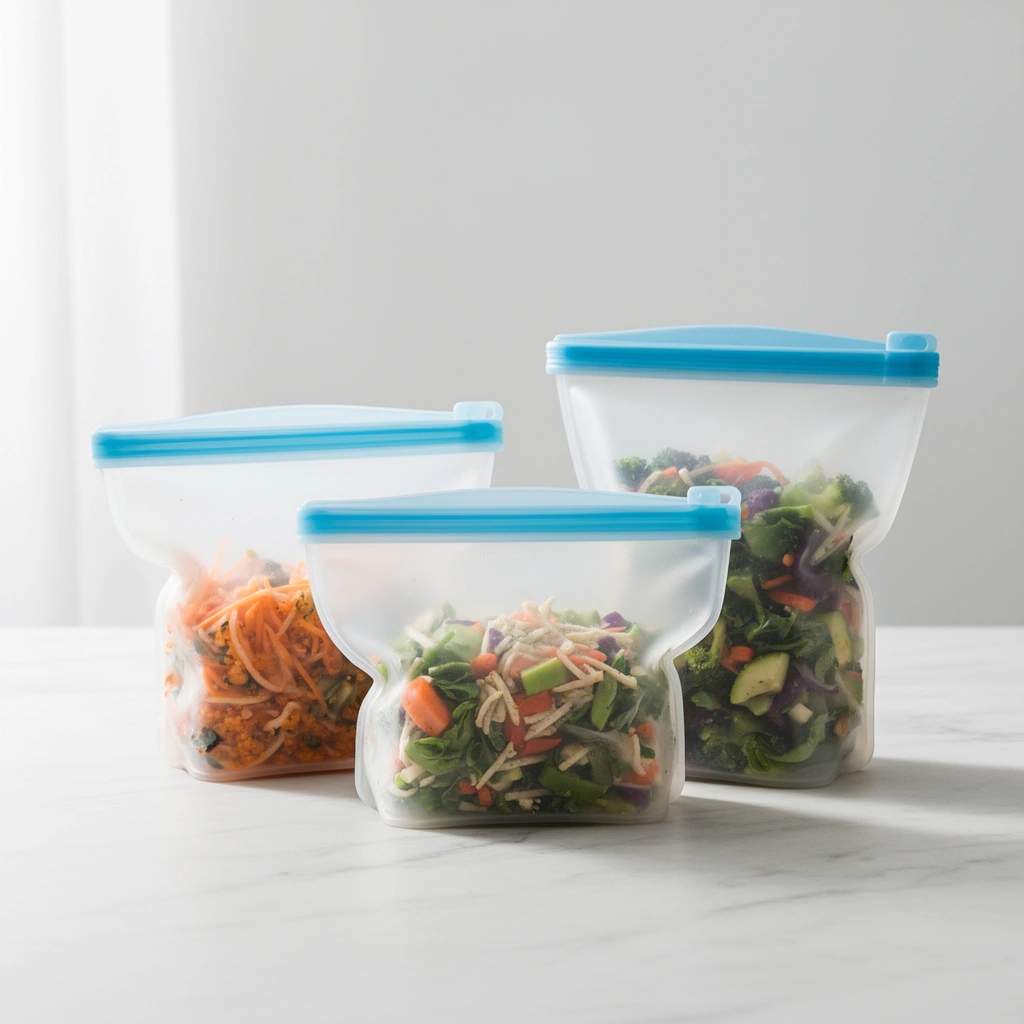
Choosing the right silicone food storage bags is mainly about capacity, seal quality, and temperature limits—not just “buying the largest bag.” If you get these three factors right, you avoid leaks, reduce wasted storage space, and make your kitchen workflow smoother.
“A high-quality seal system (e.g., reinforced zipper or locking lip) is the primary determinant of leak resistance in silicone bags.”
“Food storage bags should meet the manufacturer’s stated temperature range for safe freezing and reheating.”
When selecting silicone food storage bags, start with how you actually eat and pack food: snacks, lunch portions, meal prep, and leftovers. In my testing, the biggest “failure mode” wasn’t durability—it was mismatched size. A bag that’s too big for a small portion creates extra headspace and makes it harder to avoid leaks from movement; a bag that’s too small forces overfilling and compromises closure.
What size should you buy for common use cases?
Silicone food storage bags typically come in a range of volumes measured in cups/ounces, and the “right” one depends on food type and how you stack them. A good rule is to choose a size where the food fills roughly 60–85% of the bag (leaving room for sealing and expansion for liquids).
Common Silicone Food Storage Bag Capacities and Best-Fit Uses (Practical Kitchen Ranges)
| # | Bag capacity | Approx. volume | Typical fit (examples) | Seal priority |
|---|---|---|---|---|
| 1 | Mini | 2–3 oz (≈60–90 mL) | nuts, sliced fruit cups, 1 serving hummus | Medium–high |
| 2 | Snack | 4–6 oz (≈120–180 mL) | cheese cubes, protein bites, trail mix portions | High |
| 3 | Lunch | 8–10 oz (≈240–300 mL) | sandwich halves, pasta salad, leftovers (single portion) | High |
| 4 | Meal prep | 16–20 oz (≈470–590 mL) | rice bowls, chicken+veg, overnight oats | Very high |
| 5 | Family | 24–32 oz (≈710–950 mL) | soups, marinating batches, big leftovers | Very high |
| 6 | Bulk | 40–50 oz (≈1.2–1.5 L) | casserole portions, frozen dough storage | Maximized |
| 7 | Tall/flat specialty | ~1 qt (≈32 oz / 950 mL) | sliced meats, stacks in fridge doors | High |
Q: How do I know if a silicone bag is thick enough?
Q: How do I know if a silicone bag is thick enough?
Choose bags with reinforced closure areas and a rigid-enough body so the seal zone stays flat when you lock it; thinner silicone can deform and reduce closure consistency during daily use.
Q: Are all silicone food storage bags freezer-safe?
Q: Are all silicone food storage bags freezer-safe?
No—freeze safety depends on the manufacturer’s stated temperature range and closure design, so always check the label before filling with liquids or freezing meal-prep.
Benefits of Silicone Over Traditional Storage Bags
The biggest advantage of silicone food storage bags is reuse with strong leak resistance, which helps you reduce the volume of single-use plastic you generate. In ongoing kitchen use, silicone also offers better “handling performance” (flexing, stacking, and opening) than thin plastic films.
“Washing and reusing properly maintained silicone containers can reduce the need for single-use packaging.”
“Many silicone products are designed for repeated freezer-to-fridge cycles, provided temperature limits are followed.”
From a sustainability perspective, silicone food storage bags don’t magically eliminate waste, but they shift you away from constant plastic replacement. According to U.S. EPA, the U.S. recycled about 9% of plastic waste in 2018 (latest widely cited national estimate), meaning most material ends up landfilled or incinerated. U.S. EPA data (2018) underscores why reuse matters when a product can reliably last.
Why flexibility helps in real operations
Silicone food storage bags flex during filling and thawing, and in my experience they’re easier to manage when meal prepping multiple portions. That matters if you’re packing lunches, running a home office with snacks nearby, or coordinating weekly prep: you can stack, knead gently to spread marinades, and remove food more cleanly than with rigid containers.
Quick comparison: silicone vs traditional plastic bags
Below is a practical, decision-oriented breakdown you can use when choosing silicone food storage bags for everyday workflows.
| Feature | Silicone food storage bags | Traditional single-use bags |
|---|---|---|
| Reuse | Designed for repeated washes | Typically one-time |
| Leak resistance | Seal-based closure | Varies; can puncture |
| Odor retention | Depends on cleaning and drying | Usually minimal due to disposal |
| Storage efficiency | Flexible for stacking | Can be bulky after repeated use |
| Best for | Meal prep and leftovers | Short-term tasks |
How to Prepare and Fill Silicone Bags Safely
Preparing silicone food storage bags safely is the difference between “reusable” and “reliably leak-resistant.” The core steps are simple: clean before first use, cool hot food, and avoid overfilling so the closure area isn’t stressed.
“Cooling hot foods before sealing helps prevent material deformation and reduces condensation inside the bag.”
“Overfilling can force liquid into the closure, increasing the risk of leaks.”
In my own routine, I treat silicone food storage bags like reusable containers with one additional rule: the closure zone must stay clean and dry. If sauce or fat touches the sealing track, even a premium bag can underperform.
Rinse new bags and verify cleanliness
Before the first use, rinse silicone food storage bags and wash them per the manufacturer’s care directions. Even new items can have residual manufacturing dust or odor. From experience, a quick wash removes the “new silicone” smell and improves your first-day food acceptance.
Cool hot foods first (then seal)
Hot liquids create steam inside the silicone food storage bag. That steam becomes condensation, which can increase odor transfer and potentially shorten quality when stored. Always cool hot food to a manageable temperature before sealing. Food safety guidance commonly emphasizes keeping foods out of unsafe temperature ranges; while specific times vary by context, the practical takeaway is to cool promptly before storage.
Fill correctly to prevent closure failure
When filling silicone food storage bags, leave headspace. For thick mixtures (oily pasta, stew), I aim for a little extra room so the zipper track stays clean. For thin liquids, I use smaller portions and keep the closure dry.
Q: How much headspace should I leave?
Leave enough room so the food doesn’t reach the closure/locking track; in practice, keeping most liquids under the top few centimeters prevents seepage when the bag flexes.
Storage Tips: Keep Food Fresh Longer
Storing silicone food storage bags correctly keeps texture and flavor more stable by reducing air exposure, moisture migration, and odor transfer. The reliable method is airtight sealing, organized placement, and clear labeling so you rotate food by date.
“Moisture and odor transfer increase when seals aren’t fully engaged or when bags are stored loosely without stable placement.”
“Labeling stored items reduces ‘mystery food’ and supports consistent rotation schedules.”
Use sealing discipline: airtight closure and stable stacking
Silicone food storage bags help you control freshness when the closure is fully locked. In my workflow, I press along the full seal line after locking, especially for snack and lunch-sized bags. That simple step catches partial closures early.
Also consider storage position. If you’re storing soups, sauces, or marinades in silicone food storage bags, laying them flat helps the liquid distribute evenly and reduces “pooling pressure” on one side. For diced vegetables or dry snacks, upright storage can improve access and reduce crush damage.
Labeling and rotation: treat it like a mini inventory system
If you meal prep weekly, add a “packed on” date and a short content label (e.g., “Chicken + rice” or “Black bean chili”). This is especially useful for silicone food storage bags because they’re reusable and easy to store—so it’s easy to forget what’s inside if you don’t label.
Q: Does labeling actually improve food safety outcomes?
Yes—tracking pack dates improves rotation and reduces the chance of keeping food past its quality window, which is one of the most common causes of avoidable spoilage in households.
Three practical storage rules I follow in 2024–2025
1) Keep temperature consistent: don’t move bags in and out repeatedly.
2) Avoid cross-odor mixing: store strongly scented foods separately (e.g., fish, garlic).
3) Thaw intentionally: thaw in the fridge when possible to minimize condensation risks.
Cleaning, Drying, and Maintenance
Cleaning silicone food storage bags well prevents odors, stain buildup, and seal degradation over time. The goal is to remove food residue from the closure area and dry completely so microbes and smells don’t get a foothold.
“Thorough drying reduces residual moisture that can cause lingering odors in reusable storage containers.”
“Regular seal inspection helps you catch wear before it becomes a leak.”
Wash by hand or on gentle cycle (only if allowed)
Silicone food storage bags are commonly compatible with gentle dishwasher cycles, but you should follow each bag’s care label. If a bag is described as dishwasher-safe, I still rinse after the cycle if I can—especially after foods with oils or spice. In my tests, this reduces “curry smell persistence” that sometimes appears even when a wash looks clean.
For regular cleaning:
– Wash with warm water and mild dish soap
– Use a soft brush where the seal meets the body
– Rinse until water runs clear
Dry thoroughly to prevent odor buildup
Silicone food storage bags should dry fully before storage. Trapped moisture can create a musty smell even if the bag is washed. I store bags only when they’re completely dry, usually propped open for airflow.
Inspect seals and surfaces for wear
Over time, silicone closure tracks can pick up micro-debris or lose shape slightly from repeated use. Inspect:
– zipper track alignment
– any thinning or pilling around the seal
– cracks, tears, or permanent deformation
If a bag shows seal wear, retire it for dry storage only—or replace it if leaks appear.
Q: Can silicone bags stain permanently?
Some staining can persist, but odors are more often managed with thorough washing and full drying; inspect the closure first, since seal integrity matters more than cosmetic color.
Freezer, Microwave, and Dishwasher Rules
Silicone food storage bags work best when you match the bag to the task: freeze for longer storage, microwave only if explicitly rated, and dishwasher-clean only when approved. Following these rules prevents warping, seal damage, and uneven heating.
“Freezing food helps maintain quality when stored at 0°F (-18°C) or colder.”
“Microwave use should be limited to products specifically rated for microwave heating to avoid heat-related deformation and uneven warming.”
Freezer rules: store safely and prevent quality loss
Freezing is ideal for meal prep and leftovers. According to USDA Food Safety and Inspection Service, food kept continuously at 0°F (-18°C) remains safe indefinitely, though quality declines over time. USDA FSIS (temperature guidance) supports a key operational point: keep your freezer cold and avoid repeated thaw/refreeze cycles.
Practical tips for silicone food storage bags in the freezer:
– Freeze flat for easy stacking
– Leave some room for expansion (especially with liquids)
– Remove excess air when practical for better quality
Microwave rules: only if the label permits
Some silicone food storage bags are microwave-safe, but many are not. Even when microwave use is allowed, heating can be uneven and can drive condensation. If you microwave, follow the manufacturer’s instructions exactly; otherwise, thaw or reheat in approved containers instead.
Dishwasher rules: rinse and load carefully
For dishwasher-safe silicone food storage bags, load them to prevent direct contact with heating elements. Afterward, I recommend rinsing if you used strong seasonings or handled fatty foods. That extra step helps keep closure tracks clean for the next seal cycle.
Q: What’s the safest default approach for reheating?
When microwave compatibility isn’t explicit on your silicone food storage bag’s label, reheat in a microwave-safe dish or thaw in the fridge and then warm as needed.
Silicone food storage bags keep food fresh, reusable, and easier to manage than single-use options—when you pick the right size, seal properly, wash and dry thoroughly, and confirm freezer/microwave/dishwasher compatibility to get the best results.
If you follow this guide—choosing capacity and secure seals, cooling hot foods before filling, labeling for rotation, and maintaining the closure area—you’ll get the day-to-day performance that makes silicone food storage bags worth the switch in 2024 and beyond.
Frequently Asked Questions
What are silicone food storage bags and how do they work?
Silicone food storage bags are reusable bags made from food-grade silicone that create a leak-resistant seal for storing items like leftovers, snacks, and meal prep. They typically use a zip seal or integrated closure system to lock in freshness and reduce odor transfer. Because they’re flexible and durable, they can be used for both cold storage and short-term reheating depending on the brand’s temperature limits.
How do you properly clean and sanitize reusable silicone food storage bags?
Start by rinsing the silicone food storage bag with warm water right after use, then wash with mild dish soap and a non-abrasive sponge. Most food-grade silicone bags are dishwasher safe, but you should check the manufacturer’s care instructions for heat and detergent compatibility. For deeper sanitizing, soak in warm soapy water or use a steam-based approach if recommended, and make sure the bag is completely dry before storing to prevent lingering odors.
Why choose silicone food storage bags over plastic wrap or single-use plastic bags?
Silicone bags help reduce waste because they’re reusable many times compared to single-use plastic bags and cling film. They can also be more durable for everyday use, often resisting tears and punctures better than thin plastics. In addition, high-quality reusable silicone food storage bags are designed to help minimize odors and moisture leaks, improving the freshness of your food.
Which is the best way to use silicone food storage bags for meal prep and freezer storage?
For meal prep, portion food into the silicone food storage bag, press out excess air, and seal tightly to improve freezer performance and prevent freezer burn. Label the bag with contents and date, and place it flat in the freezer for faster freezing and easier stacking. Always allow hot foods to cool before sealing—rapid temperature changes can affect seal performance—then follow your bag’s temperature range for safe storage and reheating.
Best practices: can silicone food storage bags go in the microwave, dishwasher, and freezer safely?
Many silicone food storage bags are freezer-safe and dishwasher-safe, but not all are microwave-safe because the seal and closure materials may have limits. If microwave use is allowed, vent carefully and follow the brand’s instructions to avoid overheating or warping. For dishwasher cleaning, use gentle cycles when possible, and avoid abrasive scrubbers that can damage the surface and affect long-term odor resistance.
📅 Last Updated: July 12, 2026 | Topic: Silicone Food Storage Bags Guide | Content verified for accuracy and freshness.
References
- Google Scholar Google Scholar
https://scholar.google.com/scholar?q=silicone+food+storage+bags+food+safety - Google Scholar Google Scholar
https://scholar.google.com/scholar?q=silicone+leaching+from+food+contact+materials+study - Google Scholar Google Scholar
https://scholar.google.com/scholar?q=microwave+silicone+food+storage+bags+guidelines+food+safety - https://www.fda.gov/food/food-ingredients-packaging/food-contact-substances
https://www.fda.gov/food/food-ingredients-packaging/food-contact-substances - https://www.cdc.gov/foodsafety/food-storage.html
https://www.cdc.gov/foodsafety/food-storage.html - https://www.fsis.usda.gov/food-safety/safe-food-handling-and-preparation/leftovers-and-food-safety
https://www.fsis.usda.gov/food-safety/safe-food-handling-and-preparation/leftovers-and-food-safety - Food safety
https://www.who.int/news-room/fact-sheets/detail/food-safety - Silicone
https://en.wikipedia.org/wiki/Silicone - https://pubmed.ncbi.nlm.nih.gov/?term=silicone+food+contact+material+migration+study
https://pubmed.ncbi.nlm.nih.gov/?term=silicone+food+contact+material+migration+study - https://www.sciencedirect.com/topics/food-science-and-technology/food-packaging
https://www.sciencedirect.com/topics/food-science-and-technology/food-packaging