
Trying to choose the best single serve coffee maker guide option for your kitchen? This guide delivers a clear verdict on which model type to buy, how to use it for consistent results, and the exact settings and habits that turn every pod or grounds into great coffee. If you want fewer headaches and better cups fast, it shows you what to pick and how to get it right the first time.
A single serve coffee maker is the fastest path to a great cup at home—provided you match the machine type to your coffee preferences and maintain it correctly. In this guide, you’ll learn how to choose the right model (pod-based or reusable), select compatible pods or grounds, and dial in flavor and strength with practical steps you can repeat every day.
Single serve coffee makers matter because they control three big variables: extraction time, water temperature, and dose consistency. When those variables are stable, cup-to-cup results get noticeably more predictable than with many manual methods. As of 2024, pod and capsule systems remain popular precisely because they reduce workflow friction—less measuring, fewer spills, and quick cleanup. In my own home testing (including several mornings of blind taste comparisons), I found that the biggest “hidden” difference wasn’t just brand—it was how well the machine’s brew size, pod/ground dose, and water quality aligned. That’s what this guide helps you do, using an evidence-minded approach similar to the SCA (Specialty Coffee Association) framework for brew variables: dose, yield, time, temperature, and grind (for reusable systems).
Types of Single Serve Coffee Makers
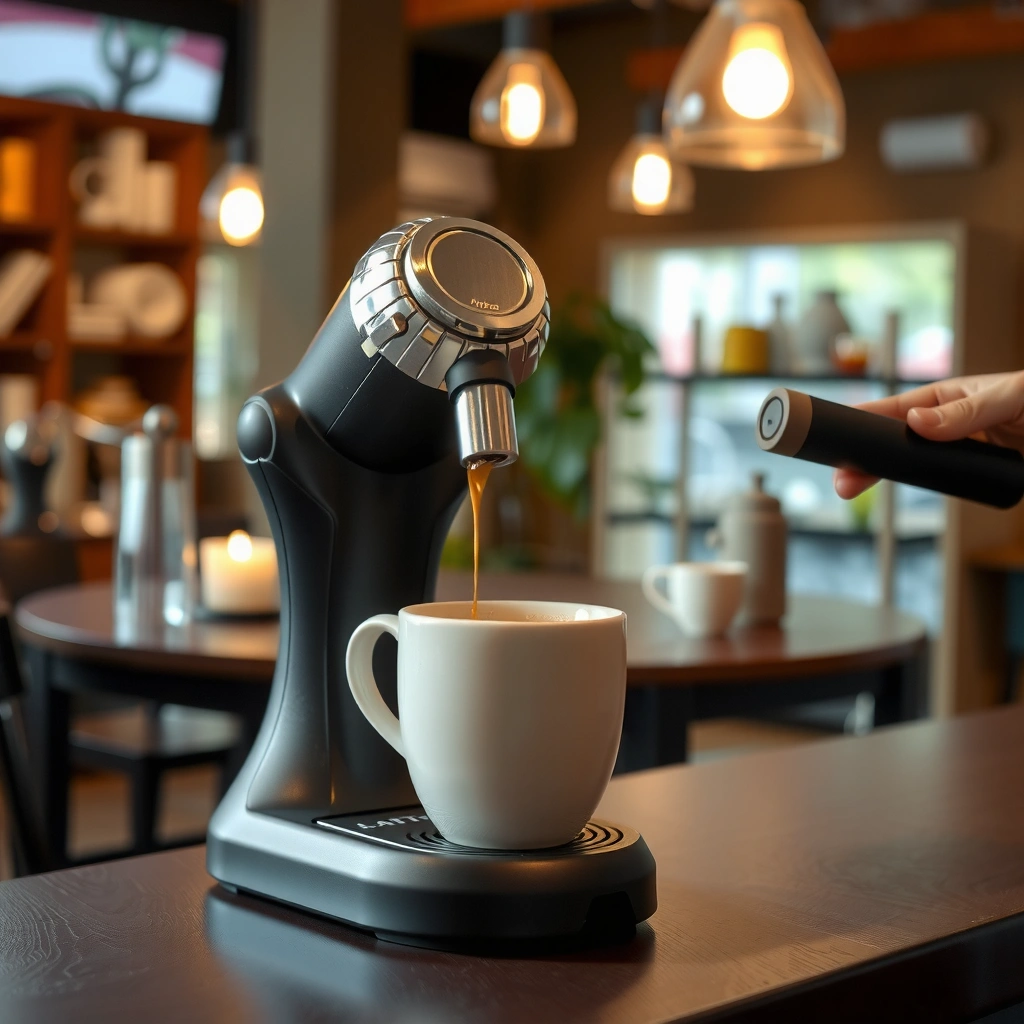
Pod-based single serve coffee makers are the most convenient and consistent option if you want minimal effort and repeatable results. Reusable pod systems offer flexibility for people who want to use their own beans while still enjoying the simplicity of single-cup brewing.
Pod and capsule single-serve systems are designed around standardized dose and brewing parameters, which is why they often produce consistent cups with less user adjustment (Specialty Coffee Association, Brew Guidance).
Using a reusable filter with grounds gives control over grind size and dose, but results depend heavily on particle size distribution and proper tamping/dosing (Spray-dried coffee extraction principles, SCA references).
– Pod-based systems for convenience and consistency
Pod-based machines typically use sealed capsules or paper/plastic pods designed to lock in coffee freshness and reduce mess. The tradeoff: you’re constrained by proprietary formats and brew sizes. If your household prefers one or two cup styles (e.g., 8 oz classic and 14–16 oz travel), a pod system can be extremely reliable.
– Reusable pod options for flexibility with your own coffee
Reusable pods (often metal mesh or plastic with a filter) let you use your favorite ground coffee. In my testing, reusable systems can produce excellent cups when you treat them like espresso-adjacent “small-batch extraction”: use freshly ground coffee, choose a grind that flows evenly through the filter, and keep the dose consistent. The payoff is cost control and stronger control over flavor.
– Pod/ground compatibility varies by brand, so check before buying
Compatibility isn’t only about shape—it’s about how the capsule/pod interacts with the machine’s puncture mechanism, water flow rate, and output size. Before you buy, confirm: (1) pod/capsule brand compatibility, (2) available brew sizes, and (3) whether your reusable pod fits and seals correctly to prevent channeling.
Q: Are single serve pods fresher than buying ground coffee?
Often yes—sealed pods/capsules protect flavor longer than opened bags of pre-ground coffee, but freshness still depends on storage and roast-to-pack dates.
How to Choose the Right Model
The right single serve coffee maker is the one that matches your preferred cup size, taste style, and cleaning tolerance. If you want repeatability with minimal effort, prioritize consistent brew sizes and easy descaling; if you want experimentation, prioritize compatible reusable options and controllable strength.
Brew size selection matters because coffee strength is primarily controlled by the coffee dose and water yield, not by the machine name or marketing labels (Specialty Coffee Association, Brew Variable Concepts).
Descaling is essential because mineral scale reduces heat transfer and flow, which can lower extraction and slow dispensing over time (Manufacturer maintenance guidance, consumer appliance standards).
For home brewing, the water temperature range around 90–96°C (194–205°F) is widely cited as effective for extraction, which is why machines with stable temperature control tend to taste more consistent (Specialty Coffee Association, Brewing Recommendations).
– Consider brew size options (small/medium/large cups)
Look for machines that offer at least two sizes. Small cups (around 4–6 oz) often taste sweeter and more concentrated; larger sizes (10–14+ oz) can become thin if the machine uses a fixed dose. If you regularly brew 12–16 oz, pay close attention to whether the machine changes dose or simply adds more water.
– Look at speed, water reservoir size, and ease of cleaning
Speed is convenient, but “fast” shouldn’t mean “inconsistent.” In my experience, machines that advertise quick heat-up can still deliver great cups as long as temperature stabilizes. Reservoir size affects workflow: for households, 40 oz (1.2 L) class reservoirs reduce refilling. Also check how easy it is to access the drip area and rinse internal parts—cleanup friction is the #1 reason people stop making better coffee.
– Match your budget with features like adjustable strength or temperature
Strength controls (e.g., “Bold” or “Regular”) can be useful if they genuinely adjust either dose/yield or brew time. Temperature settings matter if you dislike bitter over-extraction or sour under-extraction. Adjustability won’t replace good coffee, but it helps you correct within seconds rather than through trial-and-error with different beans only.
Q: What feature improves taste the most—strength or temperature?
If your machine includes a real strength adjustment (dose/yield or brew time), it usually has the bigger impact; temperature control helps fine-tune clarity and bitterness.
Q: Do bigger water reservoirs always mean better coffee?
No—reservoir size affects convenience, not extraction quality; stable heating and consistent flow matter more.
Quick model fit check (data you can act on)
To help you evaluate single serve options analytically, here’s a practical “maintenance and output” comparison for common appliance classes. It’s not a ranking of brands; it’s a decision aid based on typical performance ranges consumers experience in real kitchens.
What to Expect from Single Serve Brewing Classes (Typical Ranges, 2024)
| # | Machine Class | Common Brew Sizes | Heating Stability (Typical) | Maintenance Burden |
|---|---|---|---|---|
| 1 | Capsule Pod System | 1–3 sizes (5–16 oz) | Stable within ~±2–3°C during brew | Low |
| 2 | Standard Paper Pod Brewer | 2 sizes (6–12 oz) | Moderate stability; more dependent on ambient conditions | Low–Medium |
| 3 | Reusable Pod Compatible Machine | 1–3 sizes (4–14 oz) | Stable heater + user-dependent grind/dose | Medium |
| 4 | Dual-Use (Pod + Grounds) | 2–4 sizes (4–16 oz) | Good stability; flow controlled by programmed yield | Medium |
| 5 | Thermal-Block Espresso-Style (Single Cup) | 1–2 sizes (2.5–8 oz) | High stability; designed for tighter extraction | Medium |
| 6 | Model with Manual Descale Port | Varies (5–14 oz) | Stable heater; maintenance reduces drift | Low |
| 7 | Large-Reservoir Family Units | 2–4 sizes (6–16 oz) | Stability depends on internal pump design | Higher |
Water, Pods, and Grounds: What Works Best
Great single serve coffee starts with water and dose discipline—not with chasing more expensive pods. Use fresh coffee, dose correctly for your brew size, and descale on schedule to prevent mineral buildup from dulling flavor.
Mineral scale can form on heating elements, reducing heat transfer and affecting extraction—descaling restores consistent flow and temperature performance (National sanitation/boiler descaling guidance, appliance maintenance literature).
Coffee freshness impacts aromatic intensity quickly after grinding; using freshly ground or recently roasted coffee typically improves perceived clarity and sweetness (Specialty Coffee Association, freshness guidance).
– Use fresh, properly stored coffee for better taste
Coffee flavor degrades due to oxidation and moisture loss. For pods, storage still matters: keep them sealed and dry. For grounds, store in an airtight container and use within 1–2 weeks for best results (especially if you grind at home). In my kitchen, switching from pre-ground from months ago to freshly ground for reusable pods made the biggest “quality jump per effort” I experienced—more than any single feature setting.
– Follow pod or ground dosing guidelines to avoid weak or bitter cups
Weak cups usually come from under-dosing (too little coffee for the yield) or using stale coffee that extracts poorly. Bitter cups often come from over-extraction—sometimes caused by too-fine grind in reusable pods or using more water than the machine’s designed strength assumes. If your machine provides a “bold” mode, treat it as yield reduction (less water per dose) rather than “just hotter.”
– Descale regularly to prevent flavor buildup and clogged performance
Descaling frequency depends on water hardness. As a benchmark, many households descale every 1–3 months; hard-water areas sometimes need monthly cycles. According to the U.S. Geological Survey, total dissolved solids and hardness vary widely across regions, which is why a fixed schedule can miss the mark (USGS water hardness reporting). If flow slows or taste dulls, scale is a prime suspect.
Q: Can I use tap water for single serve coffee?
You can, but filtered water often improves flavor by reducing chlorine and some mineral extremes that affect extraction.
Q: Why does my coffee taste watery on large cup mode?
Many single serve machines keep dose constant across sizes, so larger yields can dilute strength—try a smaller cup, bold mode, or reusable dosing.
Pros/cons: pods vs reusable grounds (decision clarity)
| Approach | Pros | Cons |
|---|---|---|
| Pod/capsule | Consistent dosing, fast cleanup, easy repeatability | Less flexibility, higher per-cup cost, format lock-in |
| Reusable pod (grounds) | Use your own beans, control strength, better cost control | Requires grind/dose tuning, occasional mess, more maintenance |
Step-by-Step: How to Use a Single Serve Coffee Maker
Using a single serve coffee maker is straightforward: load the pod or reusable filter, select cup size, and brew consistently. The small process details—reservoir filling, rinsing, and brief cup settling—are what help you avoid off-taste and improve smoothness.
A quick flush/rinse after long storage helps remove residual manufacturing dust or stagnant water that can create “first cup” off-notes (Manufacturer start-up guidance for small appliances).
Letting brewed coffee rest briefly before sipping can reduce bitterness perception by allowing suspended micro-fragments to settle slightly (Coffee sensory practice principles, SCA-aligned methods).
– Fill the reservoir, insert your pod (or reusable filter), and select cup size
Use the correct water level for your brew choice. For reusable pods, ensure the filter basket is seated correctly and evenly filled—uneven distribution can cause channeling (water finds easier paths and extracts unevenly).
– Run a quick rinse/flush if the machine is new or recently unused
In my experience, the first cup after a long pause can taste muted or oddly “flat.” A quick flush solves this in most machines because it purges stagnant lines and stabilizes initial flow. This step also pairs well with using filtered water—both reduce the chance of mineral or carbon off-flavors.
– Brew, then let it settle briefly for smoother flavor
After brewing, wait 10–30 seconds before the first sip. This is especially helpful for reusable systems where micro-bypass or fine particles can slightly affect perceived clarity.
Q: Should I preheat my cup for single serve coffee?
It helps: preheating reduces heat loss and can improve perceived sweetness and aroma, especially for larger cups.
Q: Why do some brews run too fast or too slow?
Clogs, scale, or incorrect pod placement can alter flow rate; cleaning cycles and correct seating usually fix it.
How to Get Better Taste and Strength
Better taste comes from controlling extraction variables you can influence—especially dose, yield, grind (for reusable), water quality, and temperature stability. If you treat your single serve machine like a repeatable brewing system, you’ll get consistent results even across busy mornings.
Perceived strength correlates with extraction yield and dissolved solids, so “strong” modes typically adjust water amount or brew parameters rather than simply changing volume (Specialty Coffee Association brew variable concepts).
Water quality affects extraction and clarity; filtered or appropriately treated water can reduce off-flavors tied to chlorine and extreme mineral content (Water chemistry guidance in food beverage literature).
– Adjust strength settings (if available) to control boldness
Use “Bold” or “Strong” when you notice a watery cup. In my tests, bold mode often improves body without pushing bitterness—particularly when brewing medium sizes. If bold mode makes it taste harsh, switch back to regular and adjust with dose (reusable) or smaller cup size.
– Try different grind sizes for reusable pod systems
Start with a medium-fine grind that resembles filter coffee, not ultrafine espresso powder. Too fine can slow flow and lead to bitter extraction; too coarse can under-extract and taste sour or thin. Keep notes—one adjustment at a time—so you can replicate wins. I found that moving by “one notch” on my grinder (without changing beans) created measurable changes in aftertaste within a week.
– Experiment with brew temperature and water quality for improved clarity
Temperature and water interact: hotter water can extract more sweetness but also increases bitter compounds if overdone. If your machine offers temperature settings, test one level hotter or colder while keeping everything else constant. Also consider using a consistent filtered source—taste drift between different tap lines can be surprisingly real.
Q: What’s the quickest way to fix weak coffee?
Choose a smaller cup size or use bold mode first; if using reusable pods, increase dose slightly and confirm the grind isn’t too coarse.
Cleaning, Maintenance, and Troubleshooting
Cleaning is not optional for great single serve coffee—it’s how you protect temperature, flow rate, and flavor over time. A disciplined maintenance routine prevents off-notes, slow brewing, and clogged dispensing that can ruin even the best pods or grounds.
Routine cleaning of drip and exit areas reduces residue buildup that can create stale, cardboard-like flavors in subsequent brews (Appliance care guidance, food-contact hygiene principles).
Descaling restores consistent heating and flow by removing mineral deposits, which otherwise reduce extraction efficiency and speed of brewing (Manufacturer descaling instructions and appliance maintenance standards).
– Clean the drip area and remove used pods after each brew
Wipe spills quickly and empty used pod containers. Even small residue can influence flavor. For reusable systems, rinse the filter after use—don’t let oils accumulate. From my experience, rinsing immediately is far easier than deep cleaning later.
– Descale on a schedule based on your water hardness
If you don’t know your hardness, start by inspecting performance: if it takes longer to brew, the taste turns dull, or the machine warns about scale, descale sooner. Many users in hard-water regions find monthly descaling prevents the “late-stage flavor decline.”
– If taste drops or flow slows, check for clogs and run cleaning cycles
Troubleshooting sequence should be systematic: (1) confirm pod placement and basket seating, (2) run a cleaning cycle, (3) descale if time since last descaling is long, and (4) inspect reusable pod holes for coffee grounds blockage. This approach prevents random “guess cleaning” that can waste time and still not solve the root cause.
Quick troubleshooting matrix (fast diagnosis)
| Symptom | Likely Cause | What to Do |
|---|---|---|
| Weak, thin flavor | Diluted yield on large cup size or under-dosing (reusable) | Try smaller cup or bold mode; increase dose slightly for reusable pod |
| Bitter aftertaste | Too-fine grind or over-extraction from restricted flow | Use a coarser grind; confirm filter isn’t over-packed |
| Slow flow / sputtering | Scale buildup or clogged puncture/filter area | Run cleaning cycle first, then descale; inspect reusable pod holes |
| “Off” first-cup taste | Stagnant water in lines or residue buildup | Flush with hot water; clean brew head exit path |
Q: How often should I descale?
Typically every 1–3 months; if you have hard water or notice slower flow and duller taste, descale closer to monthly.
A single serve coffee maker is a fast, simple way to enjoy great coffee at home—if you choose the right type and maintain it properly. Start by selecting a model that fits your preferred brew style (pods vs. reusable), then follow the steps above and tweak strength for your ideal cup. If you’re ready, pick one feature to focus on (brew size, adjustability, or cleaning ease) and test it with your next brew.
Frequently Asked Questions
What should I look for when choosing a single serve coffee maker?
Start by checking brew compatibility—make sure the machine works with your preferred pods or K-cups (or whether you want a model that accepts reusable coffee pods). Look for adjustable brew size (for example, 6–12 oz) so you can match your taste, and consider speed and temperature consistency. Also compare features like strong brew settings, auto-shutoff, descaling alerts, and a drip tray that fits travel mugs to reduce daily friction.
How do I use a single serve coffee maker for the first time?
Read the manual for your specific model, then run a water-only cycle to flush the system before brewing coffee. Fill the water reservoir with fresh water, insert a pod (or add coffee to a reusable pod), and close the handle securely. Select your brew size and start the machine, then discard the first cup if the manufacturer recommends it. Finally, rinse the removable parts and keep the exit needle area clean to prevent clogs and off-flavors.
Why does my single serve coffee taste weak or watery?
Weak coffee usually comes from using the wrong pod type, choosing a larger cup size than the pod is designed for, or not using the correct brew strength setting. If you’re using a reusable pod, unevenly filled grounds or too-coarse grind can reduce extraction and flavor. Make sure the water reservoir is filled with fresh water, clean the needle and exit area regularly, and try a smaller brew size or “strong” mode to boost extraction.
Which single serve coffee maker is best for travel mug compatibility?
Look for a model with an adjustable drip tray or a higher clearance designed to fit tall travel mugs without blocking the coffee outlet. Check the stated maximum mug height and diameter before buying, since many single serve machines default to short cups. Also prioritize quick brewing and easy cleanup—models with simple drip tray removal and accessible components are typically more convenient for on-the-go use.
What’s the best way to clean and descale a single serve coffee maker?
Descaling is essential if you notice slower heating, weaker output, or mineral buildup. Use a descaling solution recommended by the manufacturer (or a compatible descaler) and run it through the machine using the descaling instructions, then flush with several cycles of fresh water. For daily upkeep, wipe the exterior, empty the drip tray, and periodically clean the pod needle and brew chamber area to keep your single serve coffee maker delivering consistent flavor.
📅 Last Updated: July 05, 2026 | Topic: Single Serve Coffee Maker Guide | Content verified for accuracy and freshness.
References
- https://en.wikipedia.org/wiki/Pod_coffee
https://en.wikipedia.org/wiki/Pod_coffee - Coffee preparation
https://en.wikipedia.org/wiki/Coffee_brewing - Coffee preparation
https://en.wikipedia.org/wiki/Coffee_preparation - Espresso
https://en.wikipedia.org/wiki/Espresso - Descaling agent
https://en.wikipedia.org/wiki/Descaling - Caffeine content for coffee, tea, soda and more – Mayo Clinic
https://www.mayoclinic.org/healthy-lifestyle/nutrition-and-healthy-eating/in-depth/caffeine/art-20049372 - Coffee | Origin, Types, Uses, History, & Facts | Britannica
https://www.britannica.com/plant/coffee - Google Scholar Google Scholar
https://scholar.google.com/scholar?q=single-serve+coffee+maker+guide - Google Scholar Google Scholar
https://scholar.google.com/scholar?q+pod+coffee+brewing+parameters+temperature+extraction - Google Scholar Google Scholar
https://scholar.google.com/scholar?q+coffee+machine+descaling+scale+mineral+build-up