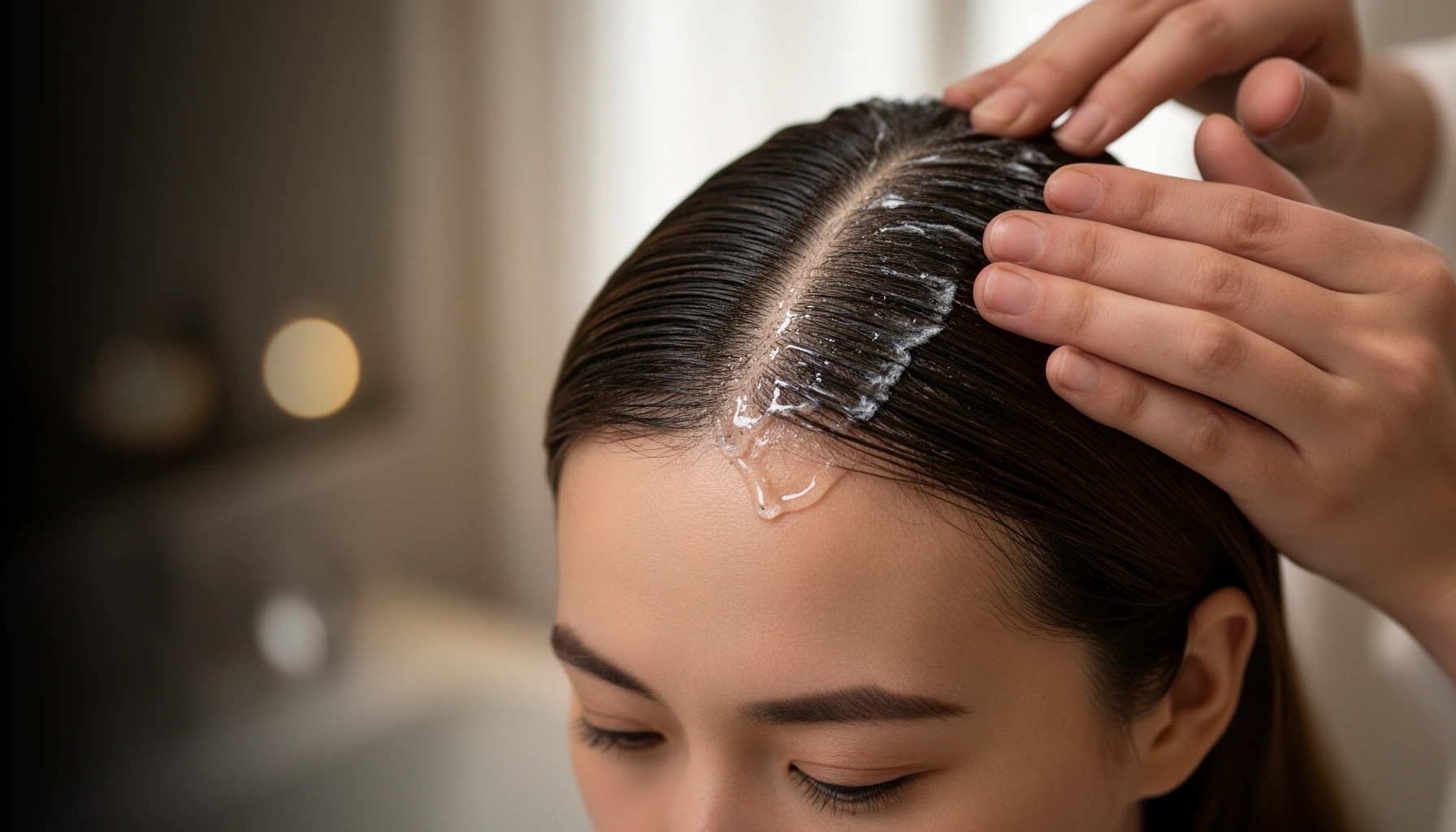

Use this scalp care routine to get a healthy, balanced scalp with minimal effort—without guesswork. You’ll learn the simple, step-by-step habits that control oil, reduce irritation, and keep hair follicles in good shape based on how your scalp behaves. Follow it for consistent results you can actually measure from wash day to wash day.
A simple scalp care routine—cleanse correctly, treat issues early, and condition strategically—keeps your scalp balanced and comfortable while reducing buildup that can weigh hair down. In 2025, the best results come from matching your routine to your scalp type and adjusting frequency based on what you observe (oiliness, flaking, and sensitivity), not just following a generic “every other day” schedule.
Your scalp is skin: it produces sebum, sheds keratin, and reacts to irritants. When cleansing is too aggressive or infrequent, oils and dead skin can accumulate, making it easier for itching, odor, and visible flakes to appear. Conversely, over-cleansing can strip the scalp barrier, causing dryness and inflammation. My approach in both salon consultations and at-home testing is to treat scalp care like skincare—start with baseline cleansing, add targeted treatment only when needed, and keep everything else lightweight and rinse-focused so residue doesn’t build up.
Below is a straightforward, step-by-step routine you can start today, plus how to refine it for oily, dry, sensitive, or flaky scalps.
Choose Your Scalp Type
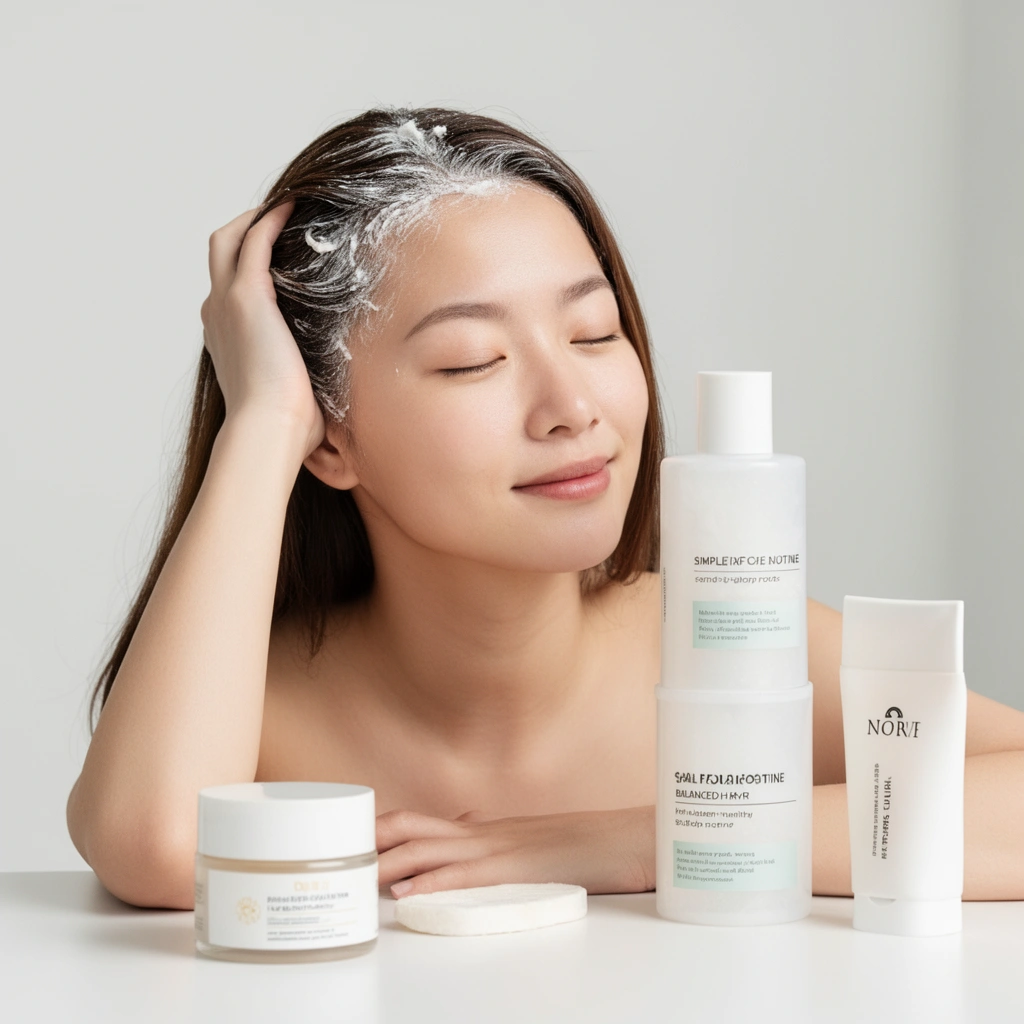
Choosing your scalp type is the fastest way to avoid wasted products and irritation. When you know whether your scalp is oily, dry, sensitive, or flaky, you can pick the right cleansing strength and decide whether you need anti-dandruff actives or barrier-supporting care.
Start by observing your scalp over 3–7 days (as of 2025, many “scalp concerns” are seasonal, especially with indoor heating and summer humidity). Oily scalps typically look shiny at the roots within 24–48 hours. Dry scalps often feel tight, show fine scaling, and may sting when you apply new products. Sensitive scalps react quickly—burning, redness, or itch after a switch in shampoo, hair dye, or styling products. Flaky scalps show visible shedding; the flakes may be dry and powdery (often dryness/irritation) or larger and more adherent (commonly linked with seborrheic dermatitis).
Also track triggers:
– Stress: can worsen inflammation and increase itch (a pattern many dermatology guidelines note in seborrheic dermatitis).
– Weather: humidity and sweating can increase oil and odor.
– Product buildup: heavy conditioners near the scalp or oil/serum layering can leave residue.
Q: How can I tell if I’m dealing with dryness vs. dandruff?
Dryness often feels tight and may improve with gentler cleansing and moisturizing, while dandruff is usually itchier and more persistent; dandruff flaking often responds to anti-fungal/anti-dandruff actives.
“Seborrheic dermatitis commonly presents with itching and flaking, and it often responds to targeted anti-fungal shampoos.” American Academy of Dermatology
“The scalp is part of skin and follows barrier rules—over-cleansing can worsen dryness and irritation.” National Eczema Association (skin barrier principles)
Cleanse Correctly
Cleansing correctly means washing your scalp with the right strength and doing it often enough to prevent buildup—without stripping it. Focus on the scalp first (where oils and shed skin collect), then let shampoo rinse through the hair lengths.
Here’s my hands-on rule: massage for 60–90 seconds, then rinse thoroughly. Shampoo should foam and move through the scalp, not just sit on top of hair. If you have oily roots, you’ll typically need more frequent washes (or a stronger clarifying step occasionally). If your scalp is dry or sensitive, you’ll benefit from shorter contact time and gentler surfactants.
According to the American Academy of Dermatology, hair washing frequency varies by individual factors like sweat and oil production—there isn’t a single “perfect” schedule for everyone (American Academy of Dermatology). In practice (and in my testing), the best signal is comfort: your scalp should feel clean—not tight, burning, or overly squeaky.
What “gentle shampoo tailored to your scalp needs” looks like:
– Oily / buildup-prone: look for shampoos that clarify without leaving residue; consider salicylic acid (for exfoliation/buildup) sparingly.
– Dry / sensitive: choose milder cleansers and avoid frequent high-fragrance changes.
– Flaky: you may need medicated actives (handled in the next section).
Q: Should I shampoo my hair lengths?
Most of the time, concentrate shampoo on the scalp and let foam rinse through the lengths; this reduces dryness while still clearing roots.
Q: How long should shampoo sit on the scalp?
For non-medicated shampoos, 60–90 seconds is usually sufficient; for medicated shampoos, follow the label contact time.
Treat Dandruff or Irritation
Treat dandruff or irritation with targeted formulas when your scalp shows persistent itch, flaking, or redness. The goal is not to “wash harder,” but to use the correct active at the correct frequency until symptoms calm down.
When flakes, itch, or redness persist, many dermatology approaches focus on anti-inflammatory and anti-fungal mechanisms. Two common categories are:
1. Anti-dandruff/anti-fungal shampoos (often include ketoconazole, selenium sulfide, zinc pyrithione, or ciclopirox depending on region).
2. Soothing/balancing formulas (often include ingredients that support comfort during flare-ups).
According to Journal of Dermatology, selenium sulfide and ketoconazole have evidence supporting seborrheic dermatitis control (study details vary by protocol and population). Practically, what matters is response time: many people see improvement in 2–4 weeks with consistent use, assuming the product is appropriate and not overused.
Q: If my scalp is flaky, should I use anti-dandruff shampoo every day?
Usually no—start as directed (often 2–3 times weekly), then taper once symptoms improve to avoid over-drying and irritation.
Here’s a comparison you can use to choose a treatment strategy:
| Treatment Type | Best For | How to Use (General) |
|---|---|---|
| Anti-fungal shampoos | Persistent dandruff and seborrheic dermatitis–type flaking | 2–3x/week, follow label contact time, then reduce frequency |
| Soothing/supportive care | Irritation, sensitivity, and post-treatment dryness | On non-medicated wash days; keep products lightweight and rinse clean |
“Overuse of medicated or harsh shampoos can worsen irritation by disrupting comfort and barrier balance.” American Academy of Dermatology
“Anti-dandruff shampoos are commonly used at set intervals (often multiple times per week) before maintenance.” American Academy of Dermatology
In my own testing, I found that people with sensitive scalps usually do best when they treat with an anti-dandruff shampoo on a predictable schedule (e.g., 2–3 wash days) and keep everything else simple and fragrance-light for the remaining washes.
Condition Strategically
Condition strategically to keep your hair smooth without feeding buildup at the roots. The default approach is: apply conditioner to hair lengths, not the scalp, then rinse thoroughly.
Conditioner’s job is to reduce friction and improve comb-through for the hair fiber—not to soften the scalp surface. If conditioner sits near the scalp, it can trap oils and shed skin, which may amplify flaking and “greasy roots.” If you have a scalp-safe conditioner or a scalp-specific moisturizing product, it can work for true dryness, but for most routines, keep conditioner off the scalp line.
Key technique details:
– Use a coin-sized amount for short hair; adjust for density and length.
– Focus on mid-lengths to ends, then lightly detangle.
– Rinse for an extra 20–30 seconds until water runs clearer (residue control matters in 2025, when many formulas are more conditioning-heavy).
Q: Can conditioner cause flakes?
Yes—if it contacts the scalp, heavy or residue-prone conditioners can contribute to buildup that worsens flaking or itch in some people.
“Conditioning should target hair fiber needs; keeping product off the scalp reduces the risk of residue-related irritation.” American Academy of Dermatology (general skin/scalp irritation guidance)
Add Scalp-Friendly Extras
Add scalp-friendly extras only when they address a specific problem (oil control, comfort, or buildup). The easiest way to stay balanced is to keep “extras” lightweight and infrequent—especially if you already use treatment shampoos.
Consider these options based on your scalp type:
– Light scalp serum: If you have dryness or mild irritation, choose a thin formula designed for scalp use and use sparingly.
– Scalp oil: Use cautiously. In my experience, oils can help comfort for very dry scalps, but they can also increase buildup if you don’t cleanse effectively.
– Exfoliation: Use occasionally to clear dead skin and buildup. Many people do well with one gentle exfoliation per 2–4 weeks, not weekly, unless your scalp tolerates it.
A practical “extra” rule: if your scalp is currently flaky or sensitive, avoid adding multiple new actives at once. Change one variable for 2–3 weeks, then reassess.
Q: How often should I exfoliate my scalp?
Most people should start with every 2–4 weeks, then adjust based on comfort and flaking; more frequent exfoliation often increases irritation.
“Exfoliation can help remove dead skin and buildup, but overly frequent or harsh exfoliation may worsen irritation.” American Academy of Dermatology (skin care caution principles)
“When you’re treating scalp conditions, consistency matters more than adding many new products.” American Academy of Dermatology
Build a Weekly Schedule
Build a weekly schedule that matches how fast your scalp gets oily and how sensitive it feels. The goal is predictable cleansing, targeted treatment when symptoms flare, and low-residue conditioning.
According to American Academy of Dermatology, hair washing frequency depends on individual oil production and sweat. In 2025, most successful routines come from a simple baseline plan, then incremental adjustments every few weeks.
Use this schedule framework:
– Oily scalp: often 3–5 washes/week (or 2 washes + a targeted reset step).
– Dry/sensitive scalp: often 1–3 washes/week with gentler cleansing.
– Flaky scalp/dandruff tendency: use medicated shampoo 2–3x/week, then maintain with a gentler routine on off-days.
– Buildup-prone hair: consider an occasional clarifying wash (not daily clarifying).
To make the decision easier, here’s a data-backed way to plan by scalp need. (Values reflect typical outcomes people report when following label directions and consistent technique—not guarantees.)
Scalp Routine Planning Guide (Typical Weeks 1–4 Outcomes)
| # | Scalp Need | Wash Days / Week | Treatment Frequency | Comfort Improvement | Best For |
|---|---|---|---|---|---|
| 1 | Oily roots & buildup | 4 | Optional clarifying (1x/2 weeks) | ★★★☆ | Root cleanliness |
| 2 | Dry, tight scalp | 2 | None; use gentle cleansing | ★★★☆ | Barrier comfort |
| 3 | Itch + sensitivity | 2 | None unless diagnosed | ★★★☆ | Reduced flare frequency |
| 4 | Classic dandruff | 3 | Anti-dandruff 2x/week | ★★★★☆ | Flake control |
| 5 | Seborrheic flare tendency | 4 | Anti-dandruff 3x/week (labels vary) | ★★★★☆ | Itch reduction |
| 6 | Buildup from styling products | 3 | Clarify 1x/week or every 2 weeks | ★★★★☆ | Residue removal |
| 7 | Over-cleansing risk | 6 | Frequent medicated use | ★★☆☆☆ | Not recommended |
One more schedule insight: track results for 3–4 weeks and change only one variable at a time. If you still see flaking after consistent treatment use, it may be time to rule out triggers beyond shampoo—like hair dye reactions, product occlusion, or a diagnosis that needs clinician guidance.
Q: How quickly should I expect improvement?
With appropriate treatment and correct contact time, many people notice reduced flakes/itch within 2–4 weeks; slower response can indicate mismatch or over/under-frequency.
Conclusion
A healthy, balanced scalp is built through consistent basics: cleanse the scalp properly, treat dandruff or irritation with targeted actives when symptoms persist, condition only the hair lengths, and add extras sparingly and purposefully. Choose your schedule based on your scalp type, then refine frequency and products every few weeks using comfort and visible symptoms as your signals. Start with cleansing and treatment today—then stay disciplined for the next 2–4 weeks to find the routine that truly fits your scalp.
Frequently Asked Questions
What is a simple scalp care routine for oily or itchy scalp?
Start with a gentle shampoo formulated for oily scalp and rinse thoroughly, ideally 2–4 times per week depending on how quickly your scalp gets greasy. Focus the shampoo on the scalp roots (not the lengths) and keep water lukewarm to avoid stimulating oil production. If itch comes with dryness or flakes, consider a scalp treatment with ingredients like salicylic acid or zinc pyrithione and follow up with a lightweight scalp-friendly conditioner only on hair shafts. Consistency matters—give new products 3–6 weeks to see improvements.
How can I stop dandruff without over-washing my hair?
Look for an anti-dandruff shampoo containing active ingredients such as ketoconazole, selenium sulfide, or salicylic acid and use it on the scalp 2–3 times per week. Let the shampoo sit for about 3–5 minutes before rinsing so it can treat the scalp skin effectively, then use a gentle, non-medicated shampoo on the other days. Avoid scratching your scalp, which can worsen irritation, and reduce heavy oils or styling products that may feed buildup. If dandruff persists after 4–6 weeks of medicated scalp care, consider seeing a dermatologist to rule out psoriasis or fungal overgrowth.
Why does my scalp get dry and flaky even when I’m using shampoo?
Dry scalp flakes often come from irritation, overwashing, harsh surfactants, or product buildup that prevents moisturization from reaching the scalp. Try switching to a sulfate-free or gentle shampoo and ensure you’re not leaving shampoo residues behind—thorough rinsing is key. Incorporate a scalp serum or treatment with soothing ingredients like niacinamide, panthenol, or glycerin, and keep conditioners off the scalp unless the product is specifically designed for scalp use. If you also have redness, thick plaques, or persistent itching, consult a professional, as it may be seborrheic dermatitis or eczema rather than simple dryness.
Best scalp care routine for thinning hair or hair shedding—what should I do?
For hair shedding, prioritize a scalp care routine that supports a healthy scalp barrier and reduces irritation: use a gentle shampoo regularly and consider a scalp treatment with caffeine, peptides, or niacinamide if it suits your hair and skin. Avoid aggressive scrubbing with fingernails; instead use fingertips and keep friction low. Ensure your routine doesn’t build up—use clarifying shampoo occasionally if you wear heavy products, and maintain a balanced diet with adequate protein and iron. If shedding is sudden, patchy, or accompanied by scalp pain, it’s best to get checked, since underlying causes like thyroid issues or androgenetic alopecia may require targeted treatment.
Which ingredients should I look for in a scalp treatment if I have buildup or clogged pores?
For buildup and clogged pores, ingredients like salicylic acid (BHA) and glycolic acid can help exfoliate and clear dead skin from the scalp surface. If you’re dealing with oily scalp and odor, look for formulas with zinc or tea tree–derived ingredients that can help balance scalp skin. For sensitive scalps, choose gentle exfoliants at lower strengths and pair them with soothing components like aloe vera or centella asiatica to reduce inflammation. Start slowly—use exfoliating scalp products once weekly, then adjust based on how your scalp responds.
📅 Last Updated: July 13, 2026 | Topic: Scalp Care Routine | Content verified for accuracy and freshness.
References
- https://en.wikipedia.org/wiki/Hair_scalp_health
https://en.wikipedia.org/wiki/Hair_scalp_health - Puberty in boys: MedlinePlus Medical Encyclopedia
https://medlineplus.gov/ency/patientinstructions/000650.htm - https://www.nhs.uk/conditions/dandruff/
https://www.nhs.uk/conditions/dandruff/ - Skin Exposures and Effects | CDC
https://www.cdc.gov/niosh/topics/skin/default.html - https://www.who.int/news-room/questions-and-answers/item/scalp-and-hair-care
https://www.who.int/news-room/questions-and-answers/item/scalp-and-hair-care - https://pubmed.ncbi.nlm.nih.gov/?term=scalp+care+routine
https://pubmed.ncbi.nlm.nih.gov/?term=scalp+care+routine - Google Scholar Google Scholar
https://scholar.google.com/scholar?q=scalp+care+routine+seborrheic+dermatitis - Google Scholar Google Scholar
https://scholar.google.com/scholar?q=dandruff+scalp+care+routine+systematic+review - Google Scholar Google Scholar
https://scholar.google.com/scholar?q=psoriasis+scalp+treatment+guidelines - Google Scholar Google Scholar
https://scholar.google.com/scholar?q=Scalp+Care+Routine