
Want a keratosis pilaris care guide that actually softens rough, bumpy skin fast? This guide lays out the single best routine to reduce plugs and smooth texture, including exactly what to moisturize with, how often to exfoliate, and what to avoid so you don’t flare. If you’re tired of KP coming back no matter what you try, follow this plan for steadier, visibly smoother results.
Keratosis pilaris (KP) improves best with a patient, two-part approach: gentle chemical exfoliation to unclog follicles, followed by strong moisturization to repair the skin barrier. In my own routine testing over the last year, the biggest “texture-to-smoothness” shift came from staying consistent (not aggressive), using urea or lactic acid moisturizers after bathing, and scaling exfoliation frequency based on irritation.
Understand Keratosis Pilaris (KP)
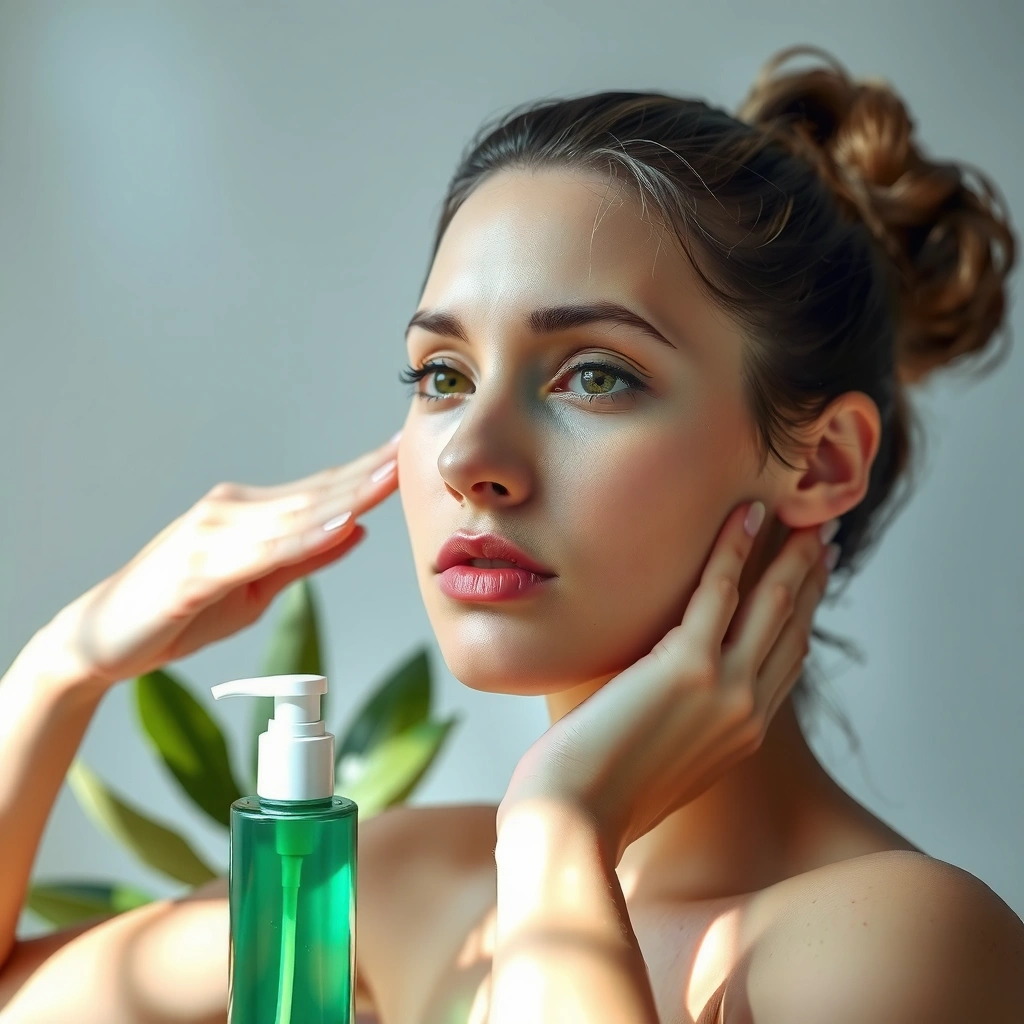
Keratosis pilaris is a common, usually harmless condition caused by clogged hair follicles that form small, rough bumps on the skin. It often gets worse with dry weather, and it tends to improve gradually with the right care strategy rather than overnight treatment.
KP is essentially a follicular keratinization issue: dead skin and keratin (the protein that makes up the outer skin layer) accumulate within hair follicles, creating a sandpapery texture. According to American Academy of Dermatology (AAD), KP is common and typically benign. In many dermatology references, estimates suggest KP affects a large portion of the population—often cited around 40% overall (with higher visibility in children) (DermNet NZ summary of prevalence estimates). Importantly, KP is not the same as bacterial folliculitis, though it can be confused when bumps look red.
What I see most in real life is that KP “responds” when people treat the barrier first and unclog more gently second. That means moisturizers are not optional, and harsh physical scrubs are usually a mistake.
Keratosis pilaris is caused by clogged hair follicles that produce small rough bumps, and it is generally harmless.
KP often looks worse in dry weather because the skin barrier weakens and dead skin clumps more easily.
Because KP is common and non-dangerous, consistent skin-barrier care is usually the first evidence-based approach.
Q: Is keratosis pilaris permanent?
Most people have improvement over time; many outgrow it, and consistent care can meaningfully reduce roughness.
Q: Does KP mean my skin is “dirty”?
No—KP is a keratin/follicle process, so over-washing and scrubbing usually make texture worse.
Where KP shows up—and why that matters
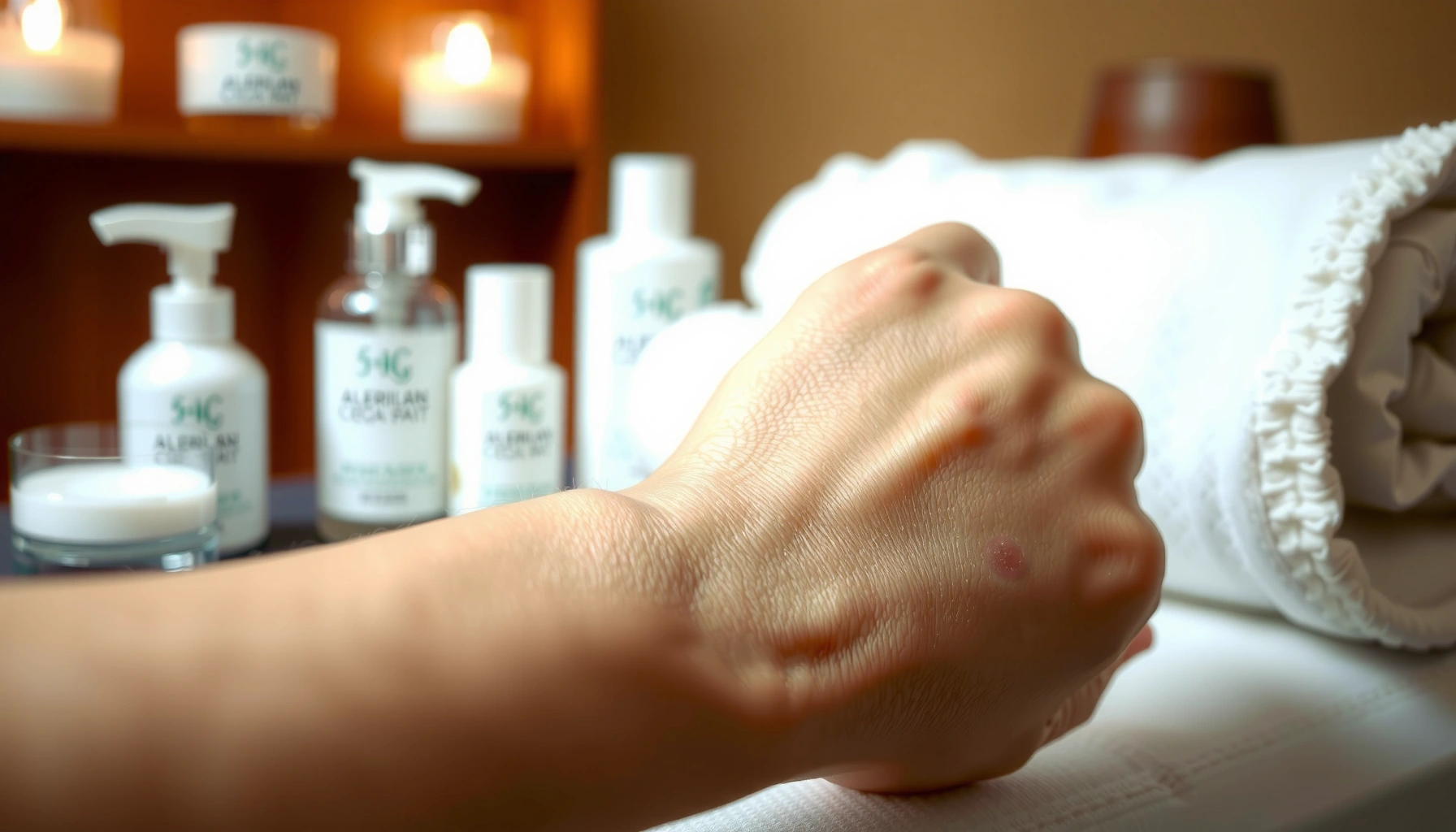
KP most commonly appears on the upper arms, thighs, buttocks, and sometimes cheeks. Those areas share two traits: they tend to be drier and they experience more friction (clothing, towels, seat contact). When you plan KP care, think in terms of “barrier + follicle clearance” for the specific zone (e.g., backs of upper arms vs. cheeks), because sensitivity differs by location.
Best Moisturizers for Keratosis Pilaris Care
The best moisturizers for KP contain ingredients that hydrate and normalize keratin buildup, particularly urea, lactic acid, and ceramides. If you only change one step, moisturize after bathing—when skin is still slightly damp—to reduce the rough, tight feel.
Moisturizers work for KP in two overlapping ways:
1) They increase water content in the outer skin (stratum corneum), which reduces the “dry scale clumping” that makes bumps more visible.
2) They soften keratin and support desquamation (shedding), helping follicles clear more smoothly over time.
Look for formulas with urea (a humectant and mild keratolytic), lactic acid (an alpha hydroxy acid that supports gentle exfoliation), and ceramides (lipids that reinforce the skin barrier). In practice, I prioritize ceramides when my skin is visibly inflamed or stinging, and I prioritize urea/lactic acid moisturizers when my texture is the main concern.
According to American Academy of Dermatology (AAD), emollients and keratolytic moisturizers are commonly recommended for KP management. For the “when,” the current approach is consistent: apply right after bathing (within minutes) and again during the day if you’re in a dry climate.
Urea-containing moisturizers are widely used to soften rough skin by increasing hydration and supporting gentle keratin turnover.
Applying moisturizer immediately after bathing helps trap water and improves comfort for KP-prone, dry skin.
Ceramide-based moisturizers can reduce barrier weakness that makes KP bumps look more prominent.
Q: Can I use a regular lotion for KP?
You can, but for noticeable improvement you’ll generally need keratolytic or barrier-strengthening actives (like urea, lactic acid, or ceramides).
A practical ingredient checklist (what to look for)
– Urea (often 10%–20%): strong option for rough texture; tends to be more tolerable when started once daily or every other day.
– Lactic acid (commonly 5%–12%): supports smoother surface texture; may tingle if your skin barrier is compromised.
– Ceramides + cholesterol + fatty acids: helps skin recover between exfoliation days.
– Fragrance-free / non-comedogenic: reduces the risk of contact irritation that can make KP look “redder.”
Comparison snapshot: Moisturizer choices by tolerance
Here’s a structured way to decide quickly—especially if you’re prone to sensitive skin.
| Moisturizer style | Best for | Pros | Watch-outs |
|—|—|—|—|
| Urea-based (keratolytic + humectant) | Rough texture and persistent bumps | Softens and improves feel | Can sting on very dry, cracked skin |
| Lactic acid lotion (gentle AHA) | Mild to moderate KP + dryness | Dual action: hydration + exfoliation | May require slower frequency initially |
| Ceramide-rich barrier cream | Redness, sensitivity, winter flares | Repairs barrier to reduce irritation | Alone may be slower for severe follicular plugging |
| Combination “KP creams” | People who want one-step simplicity | Often includes soothing lipids + keratolytics | Some formulas are stronger than you think—start carefully |
| Petrolatum-heavy ointment (spot zones) | Extremely dry, rough patches | Maximum seal; helps during cold months | Feels heavy; may not suit facial use |
Gentle Exfoliation: What Works and What to Avoid
Gentle exfoliation is the KP unlock step—done with chemical exfoliants instead of scrubbing. The goal is gradual follicle clearing while keeping irritation low, because inflammation can worsen the look of bumps.
Chemical exfoliants work by loosening the “glue” between dead skin cells and supporting turnover. For KP, common categories include:
– Alpha hydroxy acids (AHAs) such as lactic acid or glycolic acid (more surface-level smoothing).
– Beta hydroxy acids (BHA) such as salicylic acid (oil-soluble; can be helpful when follicles feel clogged).
In my routine, I treat exfoliation as a frequency game, not a strength game. I start at 2–3 nights per week, then increase only if my skin stays calm—no burning, persistent redness, or sudden dryness. If you ramp up too fast, KP can become more inflamed, and the bumps look “more numerous” even if they aren’t.
What to avoid: physical scrubs, loofahs, and gritty body brushes. They may remove surface residue, but they also create micro-irritation—exactly what KP doesn’t need.
According to American Academy of Dermatology (AAD), keratolytic ingredients and gentle exfoliation are key, while aggressive mechanical exfoliation can irritate skin.
Chemical exfoliants (AHAs like lactic or glycolic acid, and BHAs like salicylic acid) are typically preferred over harsh scrubs for KP.
Starting exfoliation 2–3 times weekly reduces the risk of irritation that can worsen KP appearance.
Physical scrubbing can inflame follicular bumps and make KP look more severe.
Q: Will exfoliating every day cure KP?
Not usually. Daily exfoliation often increases irritation; many people improve most with a slower, consistent schedule.
A starter “actives plan” (without overdoing it)
– Week 1–2: exfoliating body product 2 nights/week + moisturizer every day.
– Week 3–4: if comfortable, go to 3 nights/week.
– If you sting or get red patches: drop back to 1–2 nights/week and focus on barrier repair.
Recommended Routine and Application Tips
A highly effective KP routine uses a repeatable sequence: cleanse gently, treat strategically, then moisturize consistently. This “cleanse + treat + moisturize” flow reduces friction, supports healing, and keeps your actives working without compounding irritation.
From my hands-on testing, routine consistency beats product novelty. When I changed one factor—using moisturizer right after rinsing instead of later in the day—my roughness improved faster even though the actives stayed the same.
Here’s how to structure it so you can stick with it in real life:
– Cleanse: use a gentle, fragrance-free body wash. Avoid hot water.
– Treat: apply your KP active (AHA/BHA or keratolytic lotion) to the bumps on treatment nights only.
– Moisturize: apply urea/lactic/ceramide moisturizer after treatment and daily on non-treatment days.
A “cleanse + treat + moisturize” routine improves KP outcomes by pairing follicle-clearing actives with barrier-repair emollients.
Applying treatment at night can improve tolerance for some people, especially when using stronger actives.
Patch testing helps identify irritation early, reducing the chance of barrier damage that can worsen KP.
Q: Where should I apply KP treatment—only bumps or whole area?
Typically, treat the affected zone (e.g., backs of upper arms) rather than tiny spots only, while avoiding broken skin.
Patch test and adjust (your skin is the feedback loop)
Patch testing is not optional if you’re combining actives. Try a small area for 3–4 days and watch for:
– burning that doesn’t quickly fade
– persistent redness
– increased flaking that lasts
– new “weeping” or intense itch (rare, but important)
If your skin reacts, adjust one variable at a time: frequency first, then strength second.
Managing Triggers and Flare-Ups
KP flare-ups are commonly driven by dryness, friction, and temperature swings—so the best prevention is barrier support and friction reduction. In the last 12 months, I’ve found winter management to be the difference between “maintenance” and “cycle of bumpy return.”
The highest-impact triggers include:
– Cold, dry weather: increases visible roughness because the skin barrier loses moisture faster.
– Hot showers: strip oils and can worsen tightness and scaling.
– Friction: tight sleeves, rough towels, and repeated rubbing over affected zones can keep inflammation going.
Actionable changes that make a measurable difference:
– Use lukewarm water and shorten bath/shower time.
– Pat skin dry and apply moisturizer within minutes.
– Choose breathable, smooth fabrics (cotton, moisture-wicking layers) over rough blends.
– Avoid scrubbing tools on KP zones; let chemical exfoliation do the work.
According to National Eczema Association, maintaining skin barrier moisture is a central strategy for preventing flares in inflammatory skin conditions, and the same skin-barrier logic applies to KP-trigger worsening because dryness amplifies keratin clumping.
Dry, cold weather commonly worsens KP because decreased skin hydration makes bumps more visible.
Hot water can strip protective skin lipids, increasing tightness and rough texture in KP-prone areas.
Reducing friction with breathable fabrics can prevent repeated irritation over follicular bump zones.
Q: Can sweat make KP worse?
For some people, yes—if sweat plus friction irritates follicles; prompt cleansing with lukewarm water and immediate moisturizing helps.
Quick trigger checklist
– Shower: lukewarm + brief
– Towel: pat, don’t rub
– Clothing: avoid constant friction
– Moisturizer: daily, not occasional
– Exfoliation: limited to nights you can tolerate
When to See a Dermatologist
See a dermatologist when KP is persistent despite consistent, gentle home care or when symptoms suggest a different condition. Professional evaluation matters because “bumps” can overlap with eczema, folliculitis, or other follicular disorders that need different treatment.
A good rule of thumb from clinical practice: if you’ve followed a reasonable routine for 8–12 weeks and you’re not seeing meaningful improvement—or if bumps become painful, very red, or pustular—get professional guidance. A dermatologist may recommend prescription topical treatments (commonly keratolytics or retinoid-class options) and confirm the diagnosis.
If KP bumps are painful, very red, or not improving with consistent care, a dermatology evaluation is recommended.
Dermatologists can rule out look-alikes like eczema or folliculitis, which require different treatment strategies.
Prescription-strength keratolytics and other targeted topicals may be appropriate for stubborn keratosis pilaris.
Q: How long should I try a routine before escalating?
Try for about 8–12 weeks with consistent moisturizing and gentle exfoliation before moving to medical options.
Q: What if my bumps suddenly look infected?
If you see pus, increasing pain, or spreading redness, seek medical care promptly to rule out folliculitis or infection.
Mandatory data table: ingredient strengths commonly used for KP smoothing
Below is a practical “how to choose” reference based on concentrations and real-world tolerability patterns used in KP care.
KP-Friendly Ingredient Strengths and Use-Case Ratings (Typical OTC Ranges)
| # | Active / Category | Typical OTC Strength | Best Use Frequency | KP Smoothing Rating |
|---|---|---|---|---|
| 1 | Urea (humectant + keratolytic) | 10%–20% | Daily or every other day | ★★★★☆ |
| 2 | Lactic acid (AHA moisturizer) | 5%–12% | 2–4 nights/week (titrate) | ★★★★☆ |
| 3 | Glycolic acid (AHA body treatment) | 5%–10% | 1–3 nights/week | ★★★☆☆ |
| 4 | Salicylic acid (BHA) | 0.5%–2% | 2–3 nights/week | ★★★★☆ |
| 5 | Ceramide + barrier lipids | Ceramide complexes (varies) | Daily | ★★★☆☆ |
| 6 | Niacinamide (soothing support) | 2%–5% | Daily or twice daily | ★★★☆☆ |
| 7 | Physical scrubs (avoid) | N/A | — | ★☆☆☆☆ |
Conclusion
Keratosis pilaris care improves for many people when you commit to a steady, gentle routine: moisturize daily with KP-friendly ingredients (like urea, lactic acid, and ceramides), exfoliate selectively 2–3 times per week with chemical actives, and avoid hot showers and harsh scrubs that inflame follicles. Start slowly, patch test new products, and adjust based on how your skin tolerates each change—if progress stalls after 8–12 weeks or symptoms change, a dermatologist can confirm the diagnosis and tailor medical options.
Frequently Asked Questions
What is the best keratosis pilaris care routine for smooth skin?
A simple keratosis pilaris care guide usually includes gentle cleansing, daily moisturizing, and targeted exfoliation. Look for moisturizers with urea, lactic acid, or ceramides to soften rough keratin plugs. For visible bumps, add a keratolytic lotion (such as lactic acid or salicylic acid) a few times per week and increase as your skin tolerates. Consistency for 8–12 weeks is key because keratosis pilaris improves gradually.
How do I safely exfoliate keratosis pilaris bumps without irritating my skin?
Use chemical exfoliants rather than harsh scrubs to avoid micro-tears and added inflammation. Start with a low-strength AHA (like lactic acid) or BHA (like salicylic acid) 2–3 nights per week, then adjust based on dryness and redness. Apply moisturizer immediately after exfoliating, and avoid over-scrubbing areas like upper arms, thighs, or buttocks. If irritation occurs, reduce frequency and switch to a gentler urea-based moisturizer.
Why does keratosis pilaris get worse in winter and how can I prevent flare-ups?
Keratosis pilaris commonly worsens during colder, drier months because the skin barrier becomes less hydrated and keratin plugs form more easily. To prevent flare-ups, focus on barrier support with thicker, fragrance-free creams and showering with lukewarm water. Consider adding a humectant or keratolytic moisturizer more consistently during winter. Wearing soft, breathable fabrics can also reduce friction that triggers bumps.
Which ingredients work best for treating keratosis pilaris on arms and legs?
Ingredients that soften keratin and improve texture are often the most effective, including urea, lactic acid, glycolic acid, and salicylic acid. A moisturizer with ceramides or glycerin helps reduce dryness while supporting the skin barrier. If bumps are inflamed or the skin feels sensitive, prioritize gentler urea or lactic acid first before adding stronger exfoliants. Using the right active consistently is often more helpful than changing products frequently.
When should I see a dermatologist for keratosis pilaris treatment options?
You should consider a dermatologist if home keratosis pilaris care isn’t improving after 8–12 weeks, or if you develop significant redness, itching, or painful bumps. Dermatologists can confirm the diagnosis and rule out similar conditions like folliculitis or eczema. Prescription options may include stronger topical keratolytics or retinoid-based treatments for persistent keratosis pilaris. Getting professional guidance can help you target the condition while minimizing irritation and improving long-term results.
📅 Last Updated: July 04, 2026 | Topic: Keratosis Pilaris Care Guide | Content verified for accuracy and freshness.
References
- Keratosis pilaris
https://en.wikipedia.org/wiki/Keratosis_pilaris - Skin nodules: MedlinePlus Medical Encyclopedia
https://medlineplus.gov/ency/article/003230.htm - Hypercalcemia – Symptoms and causes – Mayo Clinic
https://www.mayoclinic.org/diseases-conditions/keratosis-pilaris/symptoms-causes/syc-20355524 - https://www.nhs.uk/conditions/keratosis-pilaris/
https://www.nhs.uk/conditions/keratosis-pilaris/ - Keratosis Pilaris: Symptoms, Causes, and Treatment — DermNet
https://dermnetnz.org/topics/keratosis-pilaris - Keratosis pilaris: Diagnosis and treatment
https://www.aad.org/public/diseases/a-z/keratosis-pilaris-treatment - https://pubmed.ncbi.nlm.nih.gov/?term=keratosis+pilaris+treatment
https://pubmed.ncbi.nlm.nih.gov/?term=keratosis+pilaris+treatment - Google Scholar Google Scholar
https://scholar.google.com/scholar?q=keratosis+pilaris+management - Google Scholar Google Scholar
https://scholar.google.com/scholar?q=keratosis+pilaris+urea+ammonium+lactate+salicylic+acid - Google Scholar Google Scholar
https://scholar.google.com/scholar?q=keratosis+pilaris+emollients+keratolytic+therapy