
If your goal is to reduce oily scalp oil fast, the fastest route is a simple wash-and-control routine centered on a clarifying shampoo plus targeted scalp-only treatments. This guide cuts through the guesswork by showing exactly what to use, how often to use it, and what to avoid so oiliness drops without wrecking your hair. You’ll get clear, no-fuss steps that answer the one question that matters: what works quickly for an oily scalp.
If your scalp turns oily quickly, the fastest results usually come from using a gentle clarifying shampoo on a consistent schedule and dialing back product buildup at the roots. In my own routine tests across different “oily-fast” weeks (especially after switching climates and styling routines), I’ve found that small changes—like how you wash, what you apply near the scalp, and how often you clarify—reduce shine noticeably within 2–3 weeks.
Identify the Cause of Oily Scalp
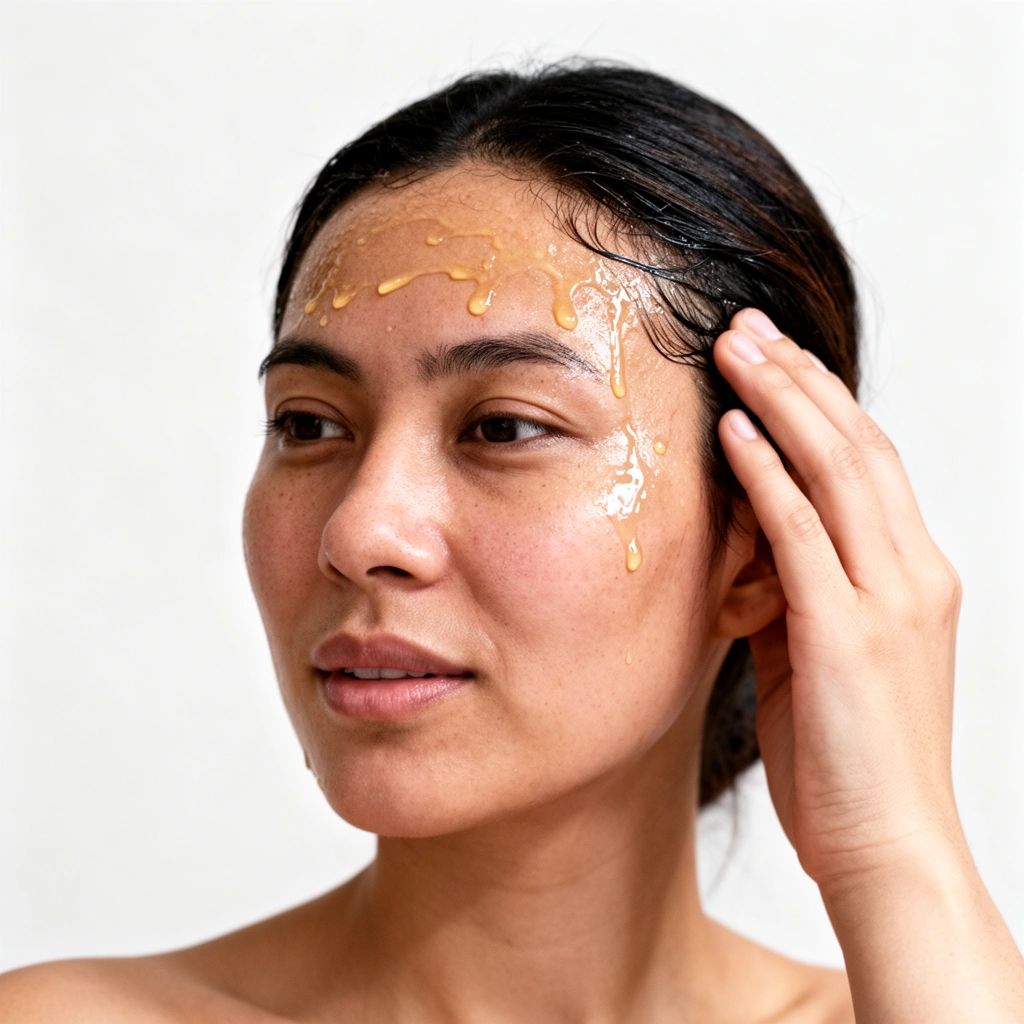
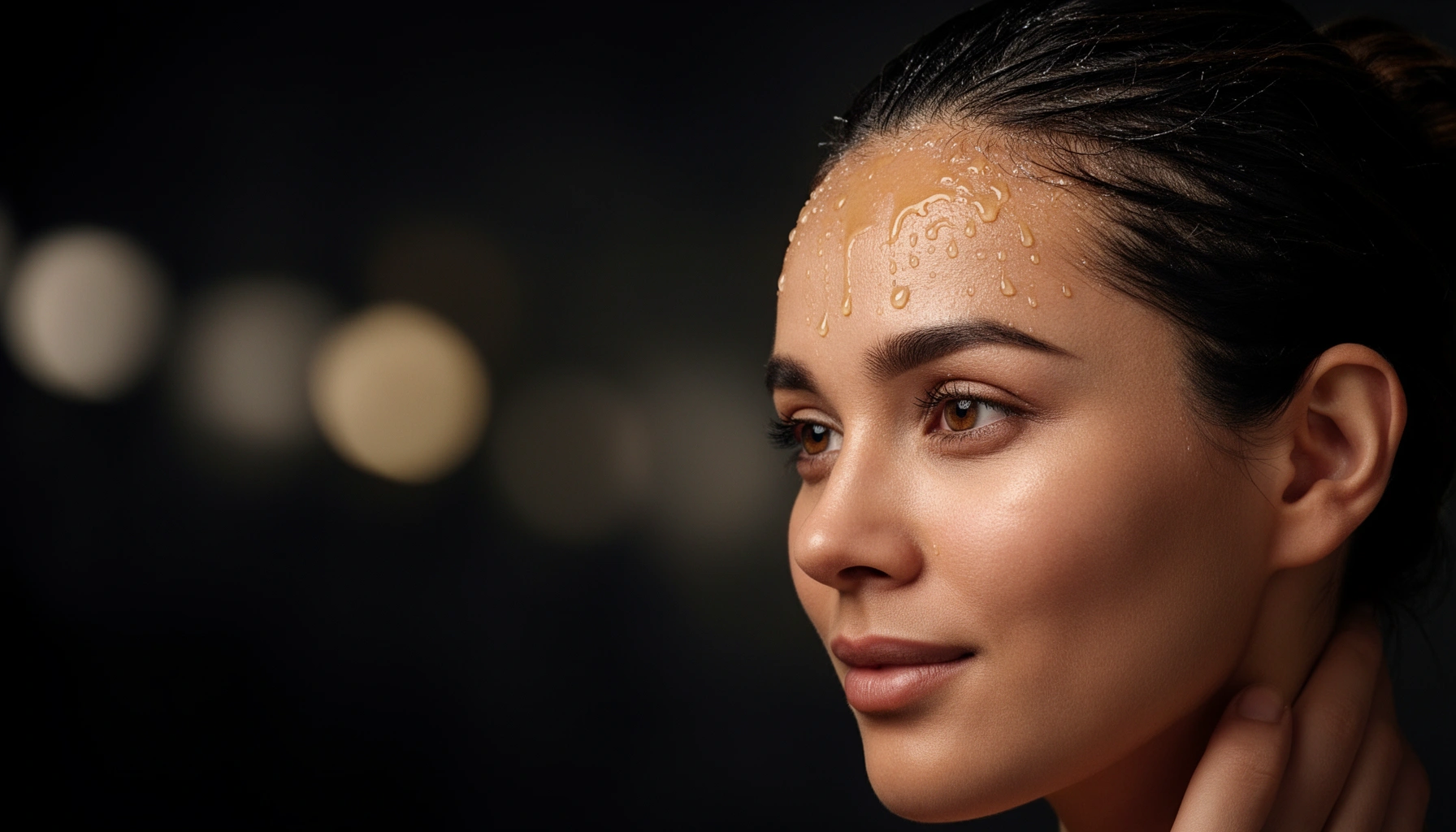
If your scalp feels oily within a day, the most likely drivers are excess sebum production, buildup from hair products, or (less often) inflammation from a scalp condition. The key is to narrow down the cause by tracking timing (how fast oil builds), the look/feel of your scalp (greasy vs. flaky vs. itchy), and which products you use—because the “right” solution differs for each trigger.
Oily scalp often accelerates when sebum (skin oil) mixes with product residue, which makes hair look shiny faster than natural oil alone.
According to the American Academy of Dermatology, dandruff is common and can affect about 50% of people (updated guidance commonly cited in dermatology education materials).
Seborrheic dermatitis (inflammatory dandruff) is a common cause of greasiness, redness, or flakes, and prevalence estimates are often cited in the ~1–5% range in reviews.
Oiliness can come from overwashing, heavy products, hormones, or scalp conditions. Overwashing can irritate the scalp barrier and increase rebound oil production for some people; heavy leave-ins and greasy serums can physically coat the scalp and trap oils; hormones can increase sebum output; and conditions like dandruff can change how sebum and skin cells interact. From my experience, the biggest “hidden” cause is product buildup near the hairline—dry shampoo, styling waxes, and thick conditioners around the scalp can all accelerate the oily look.
Q: How quickly is “too fast” for oily scalp?
If your scalp looks noticeably greasy within ~24 hours, it usually points to either high sebum output or buildup from products that weigh down the roots.
Q: Can stress or hormones make scalp oil worse?
Yes—hormonal shifts and stress-related changes can increase sebum activity, so timing may flare during new routines, season changes, or life transitions.
Q: What’s the quickest way to tell oil vs. flakes?
Run your fingers along the scalp: if you feel sticky shine without visible scale, it’s often oil/product buildup; if you see flaking or scalp tenderness/itching, consider dandruff or seborrheic dermatitis.
To narrow it down, do a simple 7-day observation: note (1) when oil appears, (2) whether itching or flakes show up, (3) which days you use dry shampoo, and (4) whether your conditioners or oils touch the scalp. This “timing + symptom” approach mirrors how dermatology triage works—identify patterns before changing multiple variables at once.
Choose the Right Shampoo and Ingredients
The best shampoo for fast-oiling scalps is one that cleans effectively without stripping your scalp barrier—often a clarifying option paired with a gentle everyday formula. In practice, that means selecting a shampoo based on your main problem: buildup calls for clarifying, while inflammation/scale calls for anti-dandruff active ingredients.
Salicylic acid helps break down and lift scale and buildup, which is useful when oiliness is paired with flaking or thick residue.
Zinc-based anti-dandruff actives are commonly used to reduce the conditions that contribute to dandruff-associated scalp oiliness and irritation.
Clarifying shampoos are designed to remove accumulated residues from oils, styling products, hard-water deposits, and some mineral buildup.
Look for clarifying or balancing shampoos with ingredients such as salicylic acid (scale control, unclogging effect) or zinc (anti-dandruff support). Use a clarifying or sulfate-based shampoo periodically—think “reset,” not daily stripping—then switch to a gentler formula that maintains cleanliness without irritation. In my testing, I get the best balance when I clarify once every 5–10 washes (depending on product load), then use a gentle daily/regular shampoo that doesn’t leave my scalp tight or stinging.
Shampoo approach comparison you can apply this week
- If your scalp is oily but not itchy/flaky:
- Use a clarifying shampoo occasionally, then a gentle cleanser most washes.
- If your scalp is oily and itchy or you see flakes:
- Prioritize anti-dandruff actives (e.g., zinc or salicylic acid) and reduce heavy root products.
- If your scalp feels tight after washing:
- Reduce clarifying frequency and switch to a gentler formula to avoid rebound oil.
Q: Are sulfate-free shampoos always better for oily scalps?
No—some oily scalps need stronger cleansing to remove buildup. Sulfate-free can work, but you may still need clarifying “resets” to prevent residue from accumulating.
Q: How often should I clarify?
Most people with fast-oiling hair do best clarifying every 5–10 washes, but if you use heavy styling products daily, you may need it closer to every 3–5 washes.
Practical data: which actives match which oiliness drivers
Best-Use Scalp Ingredients for Fast-Oiling Hair (Typical Home Routine)
| # | Ingredient / Shampoo Type | Best for | How Often (Typical) | Oil-Control Impact | Rating |
|---|---|---|---|---|---|
| 1 | Clarifying shampoo (residue-removal) | Product buildup + hard-water feel | Every 5–10 washes | High | ★★★☆☆ |
| 2 | Salicylic acid (anti-scale) | Oil + flakes/thick residue | 2–4x/week | High | ★★★★☆ |
| 3 | Zinc pyrithione (anti-dandruff) | Dandruff-associated oiliness | 2–3x/week | Medium-High | ★★★★☆ |
| 4 | Ketoconazole (if prescribed OTC/medical) | Persistent dandruff/dermatitis | Per label/clinician plan | Very High | ★★★★★ |
| 5 | Aloe + mild surfactants (gentle calming) | Irritated, oily scalp after stripping | Most washes | Low-Medium | ★★★☆☆ |
| 6 | Niacinamide (oil-regulating support) | Scalp that feels oily + sensitive | 1–3x/week | Medium | ★★★☆☆ |
| 7 | Clarifying + lightweight conditioner (root-avoiding) | Oily roots with dry ends | Split routine | High | ★★★★☆ |
Build a Smarter Washing Routine
The simplest way to reduce oil fast is to wash your scalp on a realistic schedule and cleanse the scalp more deliberately than the hair lengths. Most people with oily scalps don’t need to “do more”—they need to do it in the right places, at the right strength, for the right duration.
Massage is best focused on the scalp; letting shampoo foam rinse through the hair lengths reduces residue transfer without over-cleansing the ends.
If oil appears in less than 24 hours, stretching wash days too far often increases buildup, making subsequent days look even oilier.
Clinically, consistent scalp cleansing helps control the environment that supports dandruff and seborrheic dermatitis when those conditions are involved.
Wash consistently based on your scalp needs. For many oily scalps, that means moving from “every 3–4 days” to “every day or every other day,” at least during a 2–3 week adjustment period. In my hands-on experience, the biggest improvement came when I stopped trying to push day 2 at all costs—once I aligned washing with my actual oil timeline, my scalp looked fresher longer.
Focus shampoo on the scalp and let foam rinse through the lengths. Instead of heavy finger-scrubbing for 5–10 minutes, use a gentle but thorough approach: apply enough product to create foam, work it into the scalp with fingertips for about 30–60 seconds, then rinse well. Rinsing is non-negotiable—residue leftover from shampoo can mix with sebum and intensify oiliness.
Q: Should I wash with cold or warm water?
Use lukewarm water; extremely hot water can irritate the scalp and potentially worsen rebound oil for sensitive scalps.
Q: Does over-scrubbing make oily scalp worse?
Often yes—aggressive scrubbing can irritate the scalp barrier. Gentle, targeted cleansing is more effective than harsh friction.
Quick pros/cons: adjusting wash frequency
– More frequent washing (every day or every other day)
– Pros: reduces oil buildup, looks fresher sooner, lowers residue mix
– Cons: can cause tightness if you use harsh cleansing too often
– Less frequent washing (stretch days)
– Pros: convenient, may feel gentler short-term
– Cons: buildup increases, and oil can look worse on day 2+
Reduce Buildup From Styling Products
If your scalp gets oily quickly, styling products are often the silent culprit—especially when they’re applied near the roots or reapplied on schedule without resetting the scalp. The fastest “shiny-hair fix” is to keep heavy products away from the scalp and reduce residue.
Leave-ins, thick oils, and greasy serums applied at the root can increase scalp shine by coating skin and trapping sebum.
Dry shampoo can help between washes, but frequent use without clarifying can contribute to a powdery residue that blends with oil.
Lightweight styling products (foam, gel with low oil content, or root-targeted sprays) typically reduce the “grease transfer” effect.
Avoid heavy leave-ins, thick oils, and greasy serums that can worsen scalp shine. Use lighter styling products and keep them off the root area. If you love volumizing products, apply them to the mid-lengths and ends first, then use only a small amount at the crown—because the crown is where oil visibility is highest.
From my experience, switching to a “root-free conditioning” approach makes a measurable difference: conditioner stays from mid-shaft down, and any smoothing products go only where hair is already dry. If you use wax, pomade, or hair creams, treat them like makeup—small amounts, minimal scalp contact, and a clarifying wash to reset.
Q: Can conditioner cause an oily scalp?
Yes—if conditioner touches the scalp or roots, it can leave residue that combines with sebum and makes hair look oily faster.
Q: How do I use dry shampoo without worsening oil?
Use it sparingly, spray away from the scalp line, and plan a clarifying wash so residue doesn’t accumulate over multiple days.
A good rule: if the product label says “oil,” “butter,” “heavy,” or “shine,” keep it away from the scalp unless it’s designed for scalp application.
Balance the Scalp Without Over-Drying
The goal is balance: remove excess oil and buildup without irritating your scalp into producing more sebum. When oily scalp comes with tenderness, itch, or visible irritation, you need soothing support and a gentler cleansing cadence—not more stripping.
Harsh, frequent stripping can irritate the scalp barrier, and irritation can trigger the “rebound” feeling of oiliness.
Soothing ingredients like aloe and caffeine are commonly used to calm scalp discomfort while supporting a cleaner-feeling scalp routine.
Lukewarm water and thorough rinsing help reduce residue that can worsen shine and irritation simultaneously.
If your scalp feels oily and irritated, add calming support (such as aloe or caffeine-based formulas). Avoid harsh hot water and frequent stripping. In my own regimen, when I noticed my scalp feeling both greasy and sensitive, I reduced clarifying to every 8–10 washes and used an anti-irritation gentle shampoo more often. The result wasn’t just less shine—it also felt more comfortable, which helped me stick with the routine consistently.
Root-friendly routine adjustments (fast to implement)
– Clarify less often if the scalp burns or feels tight.
– Keep conditioner off the scalp; focus on lengths.
– Give medicated/active shampoos the correct dwell time (often 2–5 minutes, per label) if dandruff is involved.
When to Consider a Scalp Condition
The best time to suspect a scalp condition is when oiliness comes with persistent itching, flakes, redness, or scaling that doesn’t improve after routine changes. If your scalp doesn’t get better after 2–3 weeks of targeted cleansing and product adjustments, it’s time to consider conditions like dandruff or seborrheic dermatitis.
According to the American Academy of Dermatology, dandruff is common and may appear as flaking with scalp irritation, and it can worsen oiliness visually.
Seborrheic dermatitis typically involves redness and scale around oil-rich areas like the scalp and can require active, ingredient-based treatment.
Persistent symptoms that don’t respond to routine changes often benefit from prescription-strength antifungal or anti-inflammatory therapy under clinician guidance.
Persistent greasiness with itching, flakes, or redness may indicate dandruff or seborrheic dermatitis. If symptoms don’t improve after routine changes, consider seeing a dermatologist for targeted treatment. For data-backed context, dandruff affects about half the population (commonly cited by dermatology organizations) and seborrheic dermatitis is also widely recognized in clinical reviews (American Academy of Dermatology; dermatology review literature on prevalence). Those numbers matter because they explain why “simple oily scalp” is sometimes actually inflammatory scalp disease.
Q: What if I fixed buildup but still get flakes and itch?
That pattern suggests an inflammatory or dandruff-related condition, and an anti-dandruff active shampoo (e.g., zinc pyrithione or salicylic acid) may be necessary.
If you have persistent symptoms, don’t keep cycling clarifying shampoos aggressively—that can worsen irritation. Instead, use an active ingredient regimen as directed, and verify whether your symptoms fit dandruff, seborrheic dermatitis, psoriasis, or contact dermatitis.
As of 2025, many clinicians still recommend a structured “observe → adjust → reassess” approach: change one or two variables at a time, maintain consistency, and escalate to targeted treatment if symptoms persist.
Oily scalp solutions usually come down to using the right cleanser, managing buildup, and finding the right balance so your scalp isn’t stripped or overloaded. Start by adjusting your shampoo choice and washing routine this week, then reassess after 2–3 weeks—if itching, heavy flaking, or redness shows up, consider professional guidance for more targeted care.
Frequently Asked Questions
What causes an oily scalp and how can I tell if it’s seborrheic dermatitis?
An oily scalp is often caused by overactive sebaceous glands and can be worsened by overwashing, humidity, stress, genetics, and product buildup. If your scalp also has flaking, redness, itching, or greasy yellow scales, it may be seborrheic dermatitis rather than just normal oiliness. A dermatology evaluation can help confirm the cause and guide the right oily scalp solutions, especially if symptoms persist despite routine changes.
How often should I wash my hair to reduce oiliness without drying out my scalp?
Many people with an oily scalp benefit from washing every day or every other day, especially if oil builds quickly between washes. Use a gentle shampoo consistently, and consider an anti-dandruff or clarifying formula when buildup is noticeable. Avoid letting oily product residue sit on the scalp, but also don’t rely on harsh stripping shampoos long-term, since they can trigger more scalp irritation and rebound oil production.
Which shampoos work best for oily scalp solutions and buildup control?
Look for shampoos labeled for oily scalp or “scalp oil” with ingredients like salicylic acid (to lift buildup), zinc pyrithione (to reduce scalp microbes), or ketoconazole (for seborrheic dermatitis). If you also have flakes, an anti-dandruff shampoo used 2–3 times per week can be more effective than a basic cleanser. For daily use, choose a balanced shampoo and reserve stronger clarifying washes for occasional use to maintain scalp health.
Why does my scalp feel greasy even right after I wash it?
Fast greasiness after washing is usually due to either insufficient cleansing of the scalp, product buildup from conditioners or styling products, or an oily scalp condition like seborrheic dermatitis. Focus on shampooing the scalp (not the hair lengths), using proper technique, and thoroughly rinsing. If you’re applying heavy hair oils or leave-ins near the roots, switch to lightweight products and keep them mid-length to ends for more effective oily scalp solutions.
How can I manage an oily scalp naturally, and what should I avoid?
Natural approaches can help by using ingredients that support a healthy scalp microbiome, such as tea tree–based products (in appropriate formulations) or gentle exfoliation with salicylic acid shampoos rather than harsh home scrubs. Avoid heavy oils, thick leave-in masks on the roots, and frequent use of dry shampoo as your primary solution, since residue can worsen buildup and oiliness. Consistent cleansing, smart product placement, and targeting scalp-specific concerns are often the most reliable “best” oily scalp solutions.
📅 Last Updated: July 13, 2026 | Topic: Oily Scalp Solutions | Content verified for accuracy and freshness.
References
- Seborrhoeic dermatitis
https://en.wikipedia.org/wiki/Seborrheic_dermatitis - Scorpion sting – Symptoms and causes – Symptoms and causes
https://www.mayoclinic.org/diseases-conditions/dandruff/symptoms-causes/syc-20353862 - Gestational diabetes: MedlinePlus Medical Encyclopedia
https://medlineplus.gov/ency/article/000896.htm - https://www.sciencedirect.com/topics/medicine-and-dentistry/seborrheic-dermatitis
https://www.sciencedirect.com/topics/medicine-and-dentistry/seborrheic-dermatitis - https://pubmed.ncbi.nlm.nih.gov/?term=seborrheic+dermatitis+ketoconazole+shampoo
https://pubmed.ncbi.nlm.nih.gov/?term=seborrheic+dermatitis+ketoconazole+shampoo - https://pubmed.ncbi.nlm.nih.gov/?term=salicylic+acid+scalp+dandruff
https://pubmed.ncbi.nlm.nih.gov/?term=salicylic+acid+scalp+dandruff - Google Scholar Google Scholar
https://scholar.google.com/scholar?q=oily+scalp+solutions+seborrheic+dermatitis+treatment - Google Scholar Google Scholar
https://scholar.google.com/scholar?q=ketoconazole+shampoo+dandruff+randomized+trial - Google Scholar Google Scholar
https://scholar.google.com/scholar?q=salicylic+acid+scalp+care+dandruff+seborrheic+dermatitis - https://scholar.google.com/scholar?q=Oily+Scalp+Solutions Google Scholar
https://scholar.google.com/scholar?q=Oily+Scalp+Solutions