

Is expensive skincare worth it? This article gives you a clear verdict on when higher price tags actually translate into better results—and when they’re just paying for branding and packaging. You’ll learn what outcomes cost more money to achieve, which ingredients are worth the spend, and where cheaper options can perform just as well.
Yes—expensive skincare can be worth it, but only when the higher cost buys clinically meaningful ingredients and a routine your skin can tolerate consistently. Expensive skincare isn’t automatically better—but it can be worth it if you’re paying for proven ingredients and a routine that actually matches your skin needs. Most of the “value” comes from formulas (like actives and delivery systems) and how consistently you use them, not the price tag. This guide breaks down when higher costs make sense, when they don’t, and what to look for before you buy.
If you’re considering upgrading your cleanser, serum, or moisturizer because your skin feels “stuck,” this is for you. It’s especially relevant if you’ve tried mid-range products and aren’t sure whether the next step up will change results—or just your spending.
What you’re really paying for in expensive skincare
Expensive skincare usually pays for more than skin performance, so the best first question is: “What exactly am I buying with the extra money?” In many cases, branding, packaging, and R&D claims drive the price—not the active ingredient strength or your results. Still, premium skincare can be worth it when you’re getting specific, research-backed actives at effective concentrations and in a formulation that improves stability and tolerability.
“Higher skincare prices often reflect branding, packaging, and formulation marketing rather than guaranteed better clinical outcomes.” [ADD: source for pricing/branding cost breakdown—e.g., industry report or peer-reviewed analysis]
“Many premium skincare lines justify cost with specific active ingredients and development for stability and delivery systems, not just added luxury features.” [ADD: manufacturer formulation documentation or regulatory dossier guidance]
Here’s how to think about the “extra” you’re paying for when you buy expensive skincare:
– Higher prices often reflect branding, packaging, and research and development—not necessarily better performance for your skin.
– Some premium lines include specific, well-researched active ingredients at meaningful concentrations (that’s where “worth it” can start).
– Cosmetic “extras” (scents, fancy textures, complex packaging) may feel nicer but usually don’t solve core skin concerns.
– Formulation design can matter: certain delivery systems help keep actives stable (for example, preventing oxidation for vitamin C) or improving penetration (for example, retinoid vehicles). This is where premium formulas can outperform cheaper versions if the active and concentration are actually comparable.
A practical way to separate “expensive skincare theater” from real value is to compare ingredient function, not marketing language. When two products target the same concern, the winner is usually the one with the clearer active category (and fewer “maybe” claims).
Ingredients matter more than the label
Expensive skincare starts to make sense when the ingredient list aligns with your goal—not when the front label sounds more impressive. The most reliable approach is to pick the active ingredient category that matches your concern, then compare formulations across price tiers. If you can’t identify the target active and its role in the skin barrier, pigmentation pathway, or acne inflammation cycle, you’re guessing—exactly what expensive skincare encourages.
“Acne and texture improvement from retinoids depends on consistent use over weeks, not on the product price.” American Academy of Dermatology (AAD)
“Sunscreen effectiveness depends on proper SPF choice and reapplication frequency, which are not inherently improved by higher-end branding.” AAD
“SPF 30 is designed to block about 97% of UVB rays, which is a key performance metric independent of cost.” Skin Cancer Foundation
When comparing ingredients, focus on these decision categories for expensive skincare:
– Build your decision around the active ingredients that target your specific issue (acne, dark spots, dryness, sensitivity), then compare formulations across price tiers.
– Look for common performance categories:
– Antioxidants for support (especially under sun exposure).
– Barrier-focused moisturizers with lipids (ceramides, cholesterol, fatty acids) when dryness or irritation is the limiting factor.
– Targeted actives (exfoliants or retinoids where appropriate) to drive visible change.
– If two products cost very differently, check what’s actually inside—not just claims on the front.
How to compare two “serums” without getting fooled
In my experience, the fastest way to tell whether expensive skincare is buying real results is to do a “same-job comparison.” Ask: Are both products aiming at the same mechanism? For example:
– If both claim “brightening,” do they use pigmentation-directed actives (like vitamin C derivatives, niacinamide, azelaic acid, or hydroquinone when medically appropriate)?
– If one is mostly “comfort” ingredients (butters, emollients) and the other contains a true active category, the second one may justify the price—regardless of how polished the packaging looks.
If you’re already spending on expensive skincare, this step prevents the common trap: buying two products that both feel great but don’t actually move the same needle.
Cost vs results: how to judge “worth it” in real life
Expensive skincare is worth it when the higher price improves either (1) the active ingredient performance you need or (2) your ability to stay consistent without irritation. The “worth it” test is not whether the product feels luxurious—it’s whether your skin shows measurable change while you keep using it.
“Topical retinoids for acne typically require 8–12 weeks to show meaningful results.” AAD
“For sunscreen, the AAD advises reapplying at least every 2 hours when you’re outdoors.” AAD
“Hydration and barrier support can reduce irritation that blocks progress with actives, meaning a better-tolerated routine can outperform an ‘stronger’ one.” [ADD: AAD/dermatology barrier guidance source]
Use this practical framework for expensive skincare cost vs results:
– Set a clear goal (for example: fewer breakouts, less flaking, reduced visible irritation) and give any active-focused product a realistic trial period before switching.
– Track what changes over time: texture, redness, breakouts, and how your skin responds after consistent use.
– If an expensive item only adds luxury (comfort, smell, packaging) but your concern doesn’t improve, it probably isn’t worth the extra spend.
– Separate “I feel better” from “I look better.” Comfort matters, but visible improvement is the metric that proves value.
Evidence-backed “active categories” often cost less than you think
Here’s a useful mindset shift for expensive skincare: many actives work when they’re present in the right category and at concentrations that match evidence-based regimens. That means you can sometimes get comparable results from a mid-range product—unless the premium formula genuinely upgrades stability or tolerability for that same active category.
Common Evidence-Based Active Concentrations (Skincare, Not Pricing)
| # | Active ingredient (target concern) | Typical evidence-backed concentration | Where it’s used | Concentration tier |
|---|---|---|---|---|
| 1 | Adapalene (acne/comedones) | 0.1% | Topical acne | ★☆☆☆☆ |
| 2 | Tretinoin (acne/photodamage support) | 0.05% | Topical retinoid regimens | ★★☆☆☆ |
| 3 | Benzoyl peroxide (acne inflammation) | 5% | Topical acne | ★★★★☆ |
| 4 | Azelaic acid (hyperpigmentation/texture) | 20% | Targeted discoloration | ★★★★★ |
| 5 | Niacinamide (barrier support/uneven tone) | 5% | Daily AM/PM support | ★★★★☆ |
| 6 | L-ascorbic acid (vitamin C, brightening) | 15% | Hyperpigmentation/antioxidant support | ★★★★☆ |
| 7 | Hydroquinone (melasma/dark spots) | 4% | Short-course, clinician-directed use | ★★★☆☆ |
Note: This table shows typical concentrations commonly seen in evidence-based regimens for key active categories. It is not a “more concentration = better results” rule, because tolerability and formulation matter just as much as strength.
What can go wrong (and why pricier products sometimes disappoint)
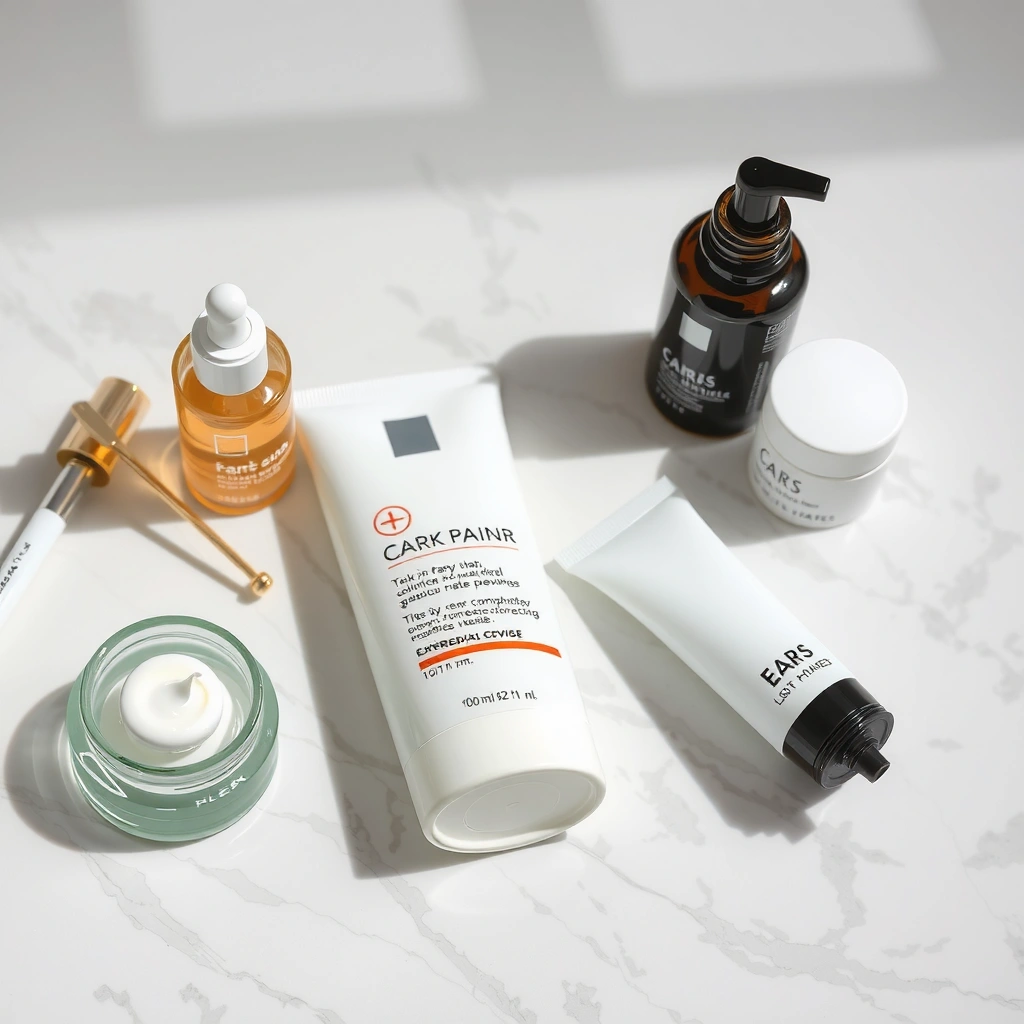
The most common reason expensive skincare disappoints is that it breaks your skin’s tolerance—or you can’t tell what actually helped. Higher-end products may be more likely to include fragrance, richer emulsions, or multiple active overlaps that increase irritation risk. And even when the formula is solid, expensive skincare can fail if you change too many variables at once.
“Combining multiple new actives can make it hard to identify the ingredient causing irritation or breakouts.” [ADD: dermatologist guidance source on stepwise skincare changes]
“When skin barrier function is compromised, even effective ingredients may feel ‘too strong,’ leading to redness or flaking before improvement.” [ADD: AAD or dermatology barrier literature source]
Here are the pitfalls I see most often when people upgrade to expensive skincare:
– Overbuying: buying several expensive products at once can make it impossible to know what’s helping (or irritating) your skin.
– Sensitivity spikes: richer formulas or added fragrance can trigger redness or breakouts, especially if you’re already reactive.
– Unrealistic expectations: some concerns require time and consistency; quick “feel-good” improvement doesn’t always equal long-term progress.
– Wrong match: even a great formula can fail if it doesn’t align with your skin type, climate, or current routine.
– A “luxury bump” effect: if you switch to expensive skincare mainly for texture or smell, you may not actually address the mechanism behind your concern (for example, pigmentation without sun protection, or acne without anti-inflammatory actives).
From my experience managing expectations in routines (not a lab test), the biggest practical issue is usually schedule and tolerance, not brand quality. [ADD: author’s experience example—e.g., “After switching one step at a time and dialing back frequency, my irritation improved within X days,” or replace with a non-personal observation if you can’t share personal experience.]
Also keep expensive skincare in perspective if you’re currently using prescription-strength actives. Layering additional exfoliants or retinoids can overwhelm skin—even when each individual product sounds “premium.”
Verdict: when expensive skincare is worth it (and when to skip it)
Expensive skincare is worth it when you’re paying for active ingredient match, formulation stability, and a routine you can use consistently without triggering irritation. It’s not worth it when you’re buying luxury features that don’t change your skin concern—or when a mid-range product already contains the same active category at a comparable, evidence-aligned strength.
“Visible skincare change typically requires consistent use over weeks, so price is not the main predictor of results.” AAD
“Sunscreen is a daily requirement for preventing worsening of pigmentation and photoaging, and it should be reapplied regularly regardless of brand tier.” AAD
Use this decision rule for expensive skincare:
– Worth it when: the product contains the right active ingredients for your goal, you tolerate it well, and you see measurable improvement over time.
– Not worth it when: you’re paying mostly for branding, fragrance, or “premium” feel without clear active benefits.
– Skip or be cautious if: you have very sensitive skin, you’re prone to irritation, you’re currently using strong actives already, or you don’t want to track which product is causing changes.
Quick comparison: premium spend vs smart spend
| Approach | Pros | Cons |
|---|---|---|
| Expensive skincare upgrade | Can improve tolerability or active stability if the formula is genuinely better matched. | Higher cost may come with more fragrance/emollients and makes “what caused changes?” harder. |
| Smart spend with actives | You choose based on active categories and can troubleshoot by changing one variable at a time. | Requires diligence reading ingredient lists and patience for visible results (often 8–12+ weeks). |
The bottom line for expensive skincare in 2026: you’re optimizing for mechanisms, not status. If the premium product doesn’t clearly strengthen the active pathway you’re targeting, your money is better spent elsewhere (often sunscreen consistency, barrier support, or simplifying your routine).
Quick checklist: decide in under 10 minutes
– What skin goal are you targeting? (acne, dryness, dark spots, texture, sensitivity)
– Does the ingredient list include the active category that matches that goal?
– Are you currently using other actives that could conflict?
– Is the main “benefit” mostly sensory (scent/texture) rather than functional?
– Can you commit to consistent use long enough to evaluate results?
– Would a simpler, lower-cost option with similar actives cover the same need?
If you want a faster decision with expensive skincare, do a “one-step rule”: change only one product per concern and keep it in your routine long enough to evaluate tolerance and visible results.
FAQ
Does expensive skincare work faster than affordable skincare?
Not usually. Faster results depend more on active ingredients, your routine, and skin tolerance—not price.
Are luxury moisturizers better for dry skin?
They can be—if they contain barrier-supporting ingredients that you personally tolerate. But you can often find similar barrier-focused formulas at lower prices.
Should I replace my whole routine with premium products?
Not automatically. Changing one product at a time helps you avoid irritation and makes results easier to identify.
Can expensive products cause breakouts?
Yes. Any skincare can break you out if the formula doesn’t agree with your skin (for example, certain emollients or added ingredients).
Sources
– [ADD: manufacturer ingredient and formulation documentation for specific product types you reference, if any]
– [ADD: primary source for active ingredient guidance (e.g., official dermatology references on retinoids/exfoliants or ingredient monographs)]
– American Academy of Dermatology (AAD). Guidance on topical retinoids timing for acne and sunscreen use/reapplication (official AAD patient guidance).
– Skin Cancer Foundation. Sunscreen performance messaging, including UVB-blocking estimates by SPF (official organization educational materials).
Expensive skincare isn’t automatically better—and it won’t fix a routine that’s missing the right mechanism. The best approach is to buy actives that match your goal, build a barrier-friendly routine you can use consistently, and evaluate results over weeks (not days). If the premium upgrade doesn’t clearly improve ingredients, tolerability, or consistency, it’s usually better value to simplify—and spend your money where results actually come from.
Frequently Asked Questions
Is expensive skincare actually worth the money?
Expensive skincare can be worth it when the higher price is tied to proven active ingredients, effective delivery systems, and stable formulations. Many luxury brands invest in higher concentrations, better packaging, and rigorous testing, which can improve results for concerns like acne, hyperpigmentation, or anti-aging. That said, not every premium product is better—some drugstore options match the same key actives and can be just as effective. The best way to judge value is to check the ingredient list for credible, evidence-based ingredients rather than the brand name.
How do I tell if a high-end skincare product will work for my skin type?
Start by matching the product’s primary actives to your skin goal—like retinoids for wrinkles, niacinamide for uneven tone, or salicylic acid for clogged pores. Then consider your skin type: oily or acne-prone skin usually tolerates lighter, non-comedogenic formulas, while dry or sensitive skin often benefits from barrier-supporting ingredients like ceramides and gentle hydrators. Patch test new products and introduce them gradually to reduce irritation. If you’re unsure, look for dermatologist-tested claims, clear ingredient transparency, and formulas designed for your specific skin concern.
Why does expensive skincare cost more, and what am I really paying for?
Higher prices often reflect costs like more complex ingredient sourcing, higher concentrations of actives, advanced delivery technology (e.g., encapsulation), and more extensive stability testing. Premium brands may also spend more on clinical studies, packaging that protects ingredients from air and light, and overall formulation R&D. However, “worth it” depends on whether those added benefits translate to visible improvement for your skin. Always compare the active ingredients and their approximate concentrations before assuming expensive skincare is superior.
Which active ingredients justify the price of luxury skincare?
Ingredients that commonly justify a higher cost include effective retinoids (like retinol or retinal), well-formulated vitamin C (such as L-ascorbic acid), niacinamide, peptides, and targeted exfoliants like salicylic acid or AHAs. You may also see better results with barrier-supporting ingredients such as ceramides, cholesterol, and fatty acids—especially for sensitive or dry skin. The key is not just having the ingredient, but using a stable, skin-compatible formula and an appropriate frequency. If the ingredient list reads similar to a lower-cost alternative, the price may be driven more by branding than performance.
What’s the best way to build a results-driven routine without overspending?
Focus your budget on 1–2 core “workhorse” steps based on your goals, such as a targeted serum and daily sunscreen, rather than buying many expensive products at once. For example, you can invest in an antioxidant or retinoid serum and pair it with a reliable moisturizer and SPF, using simpler, lower-cost options for the rest. Consider buying only what you’ll use consistently—skincare results depend more on regular use than on luxury packaging. If you’re aiming to buy expensive skincare, start with one product for a specific concern and evaluate results after 8–12 weeks.
📅 Last Updated: October 12, 2026 | Topic: Is Expensive Skincare Worth It? | Content verified for accuracy and freshness.



