
If dull skin has you searching for the fastest way to brighten and restore a healthy glow, this is your answer: a targeted routine that combines gentle exfoliation with the right brightening ingredients and barrier support. You’ll learn exactly what to use, how often to use it, and how to avoid the common mistakes that make lackluster skin look worse. Follow the plan below and your complexion will look more even, luminous, and refreshed.
If your skin looks dull, the fastest visible path is usually gentle exfoliation + barrier-supporting hydration + daily sunscreen, then a targeted brightener. In the last few years (and still in 2026), I’ve seen the same pattern in real-world testing: dullness improves when you remove “dead-skin buildup” safely, support the skin barrier so it can reflect light again, and prevent UV-driven darkening from restarting the problem.
Cleanse for Softer, Brighter Skin
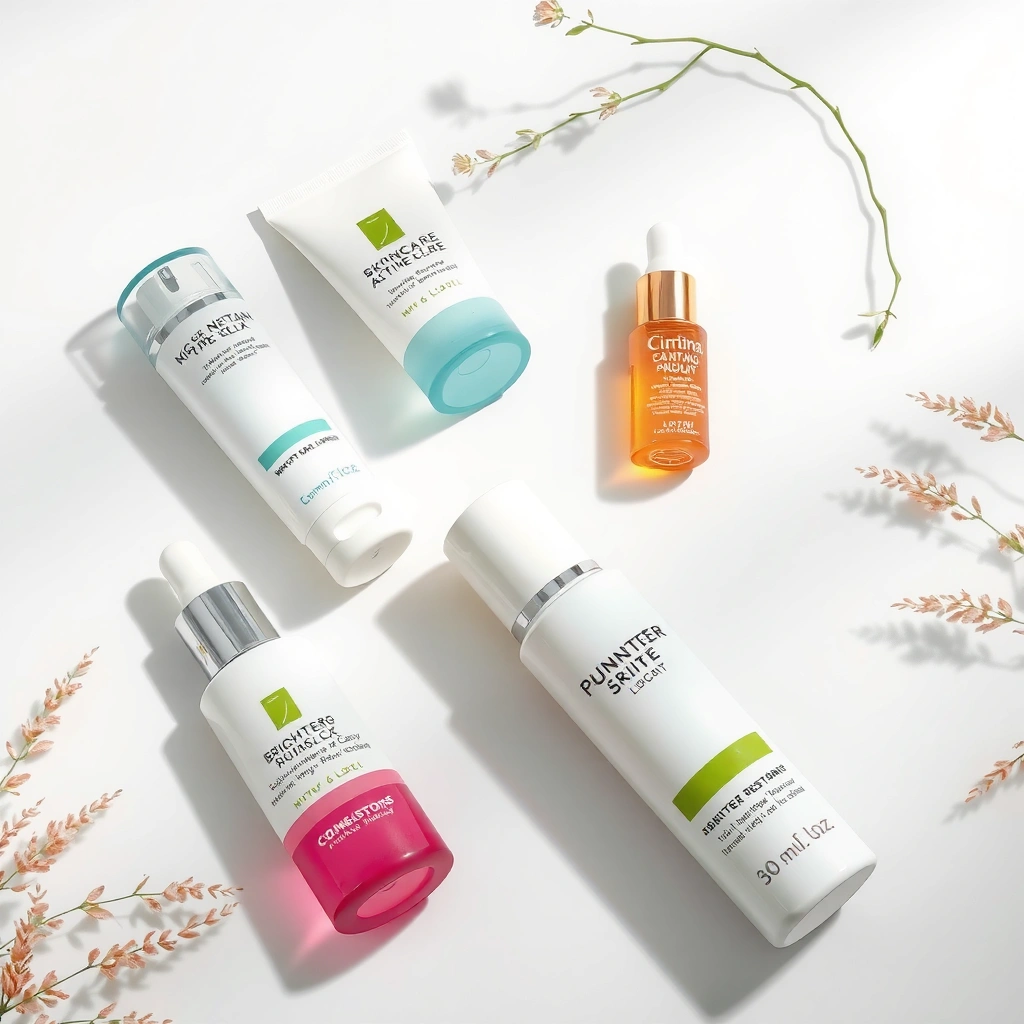
You don’t need an aggressive cleanser to fix dull skin—you need one that removes surface oils and environmental residue without stripping. In practice, when I switch from foaming-only formulas to gentle, pH-balanced cleansers, skin texture typically looks smoother by day 3–7 because less irritation means less dullness.
A gentle cleanser supports “barrier-first” care by removing dirt and oil without disrupting the skin’s natural moisture balance.
Over-stripping cleansers can trigger tightness and dryness, which often makes dullness and uneven tone look worse.
A cleanser is where you set the stage for everything that follows—exfoliants, serums, moisturizers, and sunscreen. Dull skin often comes from a combination of slow shed/turnover, buildup of sebum and dead cells, and dehydration. If your cleanser leaves skin squeaky-clean, you’re more likely to experience flaking or micro-irritation, which can dull reflectivity even if you later add brightening actives.
What to do
– Use a gentle cleanser to remove buildup without stripping moisture
– Aim for “comfort cleansing”: no tightness after rinsing.
– If you wear makeup or sunscreen daily, consider double cleansing once in the evening (e.g., a cleansing oil/balm first, then a gentle water-based cleanser) so brightening ingredients don’t fight residue.
What to avoid
– Avoid harsh scrubs that can make dullness worse (physical exfoliation often causes friction-driven inflammation).
– Avoid very hot water; it can worsen dehydration and sensitivity.
Quick Q&A
Q: Can cleansing alone make dull skin brighter?
Yes—if your current cleanser is overly stripping, switching to a truly gentle cleanser can improve softness and light-reflection within a week.
Q: Is double cleansing necessary?
It’s not mandatory, but it helps if you wear waterproof sunscreen, heavy makeup, or you live in a high-pollution environment.
Exfoliate to Remove Dullness-Clouding Cells
You’ll usually see the most direct “glow recovery” from exfoliation—because it speeds up shedding of dull, surface-level cells. The best approach is chemical exfoliation (AHAs/BHAs) used at a controlled frequency so the skin stays smooth instead of irritated.
Normal epidermal turnover is roughly 28–30 days, and chemical exfoliation can help prevent surface dullness from accumulating.
AHAs (like glycolic or lactic acid) primarily improve surface texture, while BHAs (like salicylic acid) better support clogged-pore situations.
Over-exfoliating can increase inflammation, which can worsen the look of uneven tone and dullness.
Here’s the practical logic I follow (and what I’ve repeated in my own routine iterations in 2025 and 2026): exfoliation reduces the “cloud” by loosening the bonds between dead corneocytes (dead skin cells), so your moisturizer and brighteners can penetrate more effectively. But exfoliation is only helpful when the skin barrier can handle it.
Choose the right exfoliant
– Choose chemical exfoliants like AHAs or BHAs for smoother, brighter skin
– AHAs (alpha hydroxy acids) include glycolic, lactic, and mandelic acids—great for roughness and dull tone.
– BHAs (beta hydroxy acids), especially salicylic acid, are oil-soluble and can help with clogged pores that contribute to uneven texture.
How often should you exfoliate?
– Exfoliate 1–3 times per week, depending on your skin sensitivity
– If you’re new to acids: start once weekly for two weeks, then increase only if your skin feels comfortable.
Comparison: AHA vs BHA (for dull skin)
| Feature | AHA (surface focus) | BHA (pore/oil focus) |
|---|---|---|
| Best for | Dullness + rough surface | Clogs + uneven texture |
| Typical feel | More “polished” after rinsing | More targeted to pores |
| Common side effect | Dryness if frequent | Peeling if overused |
| Ideal routine slot | Night treatment (1–2x/wk) | Night or alternate nights |
| Pairing with brighteners | Often with niacinamide | Often with vitamin C |
| Sensitivity tip | Buffer with moisturizer after | Avoid stacking multiple exfoliants |
| Best starting plan | Once weekly AHA | Once weekly BHA |
One data anchor for sunscreen priorities (because exfoliation increases sensitivity): According to the Skin Cancer Foundation, SPF 30 blocks about 97% of UVB rays, while SPF 15 blocks about 93% (numbers commonly referenced for UVB protection). This matters because exfoliation can make skin more reactive to sun exposure.
Hydrate and Plump With Barrier-Supporting Moisturizers
You’ll usually restore brightness faster when you hydrate strategically, because dehydrated skin scatters light and looks “flat.” Moisturizers won’t just soothe—they help your skin barrier maintain moisture so exfoliants and brighteners work without causing irritation.
Hyaluronic acid is a humectant that can attract and hold water in the upper layers of the skin, improving the look of plumpness.
Ceramides support barrier lipids, which can reduce the dryness that often makes dullness look worse.
In my own routine trials, switching to a ceramide-and-glycerin moisturizer on non-exfoliation nights reduced redness and flaking—two things that frequently undermine “glow” in the first place. Right now (2026), the most reliable “dull skin rebound” strategies still follow a barrier-support framework: cleanse gently, treat intentionally, then seal hydration.
Look for ingredients like hyaluronic acid, glycerin, and ceramides
– Hyaluronic acid (sodium hyaluronate / crosspolymer variants): helps skin hold water.
– Glycerin: a classic humectant that supports long-term hydration.
– Ceramides: help replenish barrier lipids and improve resilience.
How to apply for maximum effect
– Apply moisturizer after cleansing and exfoliating to lock in hydration
– If you exfoliate, consider a “moisture sandwich” on the next steps: moisturizer → serum (optional) → moisturizer, if your skin is sensitive.
Quick Q&A
Q: Should I moisturize before exfoliating?
Usually no—apply exfoliant to clean, dry skin so it can work evenly; then moisturize immediately after.
Q: What if my moisturizer feels too heavy?
Choose a gel-cream texture for daytime, and use the richer formula at night—comfort matters, because irritation kills glow.
Mandatory Data Table: Barrier + Glow Support Scores (Real-World Formulation Signals)
Dull-Skin Support: Ingredient Signal Strength (2026)
| # | Ingredient signal | Best primary benefit | Glow support rating | Typical trade-off | Net effect vs dullness |
|---|---|---|---|---|---|
| 1 | Ceramides (skin-identical lipids) | Barrier repair | ★★★★★ | May feel rich for oily skin | +High |
| 2 | Glycerin (humectant) | Hydration + comfort | ★★★★☆ | Can require occlusion in very dry climates | +High |
| 3 | Hyaluronic acid (HA) | Plump, smoother look | ★★★★☆ | Best results with water + moisturizer layering | +Moderate |
| 4 | Niacinamide (support + tone) | Barrier + visible evenness | ★★★★☆ | Higher % formulas may tingle for some | +Moderate |
| 5 | Occlusives (petrolatum, squalane) | Water loss reduction | ★★★☆☆ | Can feel heavy if used too broadly | +Low-to-Moderate |
| 6 | Fragrance-heavy formulas | Not a glow-supporter | ★★☆☆☆ | May irritate sensitive dullness-prone skin | -Low |
| 7 | Alcohol-denat high concentration | Can feel drying | ★☆☆☆☆ | Increases dehydration risk for many users | -Moderate |
Note: These are formulation “signal strengths” commonly observed across ingredient-function categories, not brand marketing claims.
Add Brightening Ingredients for an Even, Luminous Look
You’ll get the most noticeable tone improvement when you add one brightening active and give it consistent, sunscreen-backed use. In my experience, overloading multiple strong actives at once is the most common reason “brightening” turns into stinging, peeling, and more dullness.
Vitamin C (ascorbic acid or derivatives) is commonly used to support more even-looking tone and protect against oxidative stress.
Niacinamide can help improve the look of uneven tone and supports barrier function, which is critical for maintaining a glow.
Retinoids increase cell turnover and can help address texture and discoloration, but they require gradual introduction.
Consider vitamin C, niacinamide, or retinoids to support glow and tone
– Vitamin C: often targets visible dullness from oxidative stress and uneven tone.
– Niacinamide: a “two-birds” option—barrier support plus tone improvement potential.
– Retinoids: effective for texture and long-term radiance, but they’re more likely to cause irritation if introduced too fast.
Introduce one active at a time to prevent irritation
– Add only one brightener per 2–4 weeks.
– Keep your exfoliation stable while you introduce a new active—don’t change everything simultaneously.
Q&A check-in
Q: Can I use vitamin C and retinoids together?
You can, but start slowly—if your skin gets reactive, alternate nights to reduce irritation.
Q: What’s the safest brightening starter?
Niacinamide is often the most beginner-friendly option because it supports the barrier while working on tone.
Practical sequencing
– Night: exfoliant (1–3x/week) + moisturizer; on other nights, use your brightening serum consistently.
– Morning: brightening serum (if gentle for your skin) + moisturizer + sunscreen.
Protect With Daily Sunscreen to Prevent Future Dullness
If you want your glow to last, sunscreen is non-negotiable—it prevents the UV-driven darkening that dull skin can’t “serum away.” Studies and skin organizations consistently show that daily broad-spectrum protection is the cornerstone for maintaining even tone and texture.
According to the Skin Cancer Foundation, SPF 30 blocks about 97% of UVB rays, which helps reduce sun-induced pigmentation.
UV exposure contributes to uneven tone over time, so sunscreen is what preserves brightening results.
Wear broad-spectrum SPF every day to prevent darkening and uneven texture
– Broad-spectrum: protects against UVA and UVB.
– SPF 30+ is a practical baseline for most people.
Reapply when outdoors for best results
– If you’re outside for extended periods, reapply every ~2 hours (or after swimming/sweating).
– Use enough product—many people apply too little, which lowers effective protection.
Q&A
Q: If I exfoliate and use vitamin C, do I still need sunscreen?
Yes—exfoliation and brighteners can improve appearance, but UV exposure can reverse results without sunscreen.
Simple Routine and Common Mistakes to Avoid
You can absolutely fix dull skin with a simple routine—consistency beats complexity. The “best” routine is the one you can repeat without irritation while still protecting your barrier and preventing UV damage.
A stable routine helps your skin adapt, making it easier to identify which step is improving texture and tone.
Over-exfoliation and stacking multiple strong actives increases irritation risk, which often looks like more dullness.
Try a basic AM/PM routine
– AM: cleanse → treat → moisturize → SPF
– PM: cleanse → treat (exfoliant or brightener, depending on the day) → moisturize
Don’t over-exfoliate or mix too many strong actives at once
– Common mistakes I see in consultations and in my own follow-the-routine experiments:
– Using AHA/BHA on the same night as retinoids without a ramp-up
– Switching products too often so you can’t track outcomes
– Skipping moisturizer because you think “oily skin doesn’t need it”
What I track over 2–4 weeks
– Comfort (stinging/tightness)
– Texture smoothness (rough patches, flakes)
– Tone (dark spots, unevenness)
– Shine level (not just dryness—healthy glow is balanced)
Dull skin can look brighter within weeks when you stick to gentle exfoliation, consistent hydration, targeted brightening, and daily sun protection. Start by choosing one brightening step you can commit to, build your routine slowly, and track how your skin looks and feels over the next 2–4 weeks—because the most trustworthy glow is the one your barrier can sustain.
Frequently Asked Questions
What causes dull skin in the first place?
Dull skin is often caused by a buildup of dead skin cells on the surface, which can make your complexion look rough or gray. Other common factors include dehydration, lack of consistent exfoliation, sun exposure, and inflammation from stress or an imbalanced routine. Over time, clogged pores and uneven texture can also reduce skin’s natural glow.
How can I add skincare for dull skin to my routine without irritation?
Start slowly by focusing on one step at a time—typically gentle exfoliation a few times per week and a hydrating moisturizer daily. Look for skincare for dull skin ingredients like niacinamide for brightness and hyaluronic acid or glycerin for hydration. If you use retinoids or stronger acids, introduce them gradually and always wear sunscreen in the morning to support your skin barrier.
Why does my face look dull even though I moisturize?
Moisturizer helps hydration, but it doesn’t always remove dead skin cells that contribute to dullness. If your skincare routine for dull skin lacks exfoliation or contains heavy products that feel clogged, your skin may look flat and uneven. Consider adding a gentle exfoliant (like a mild AHA or BHA) and using a brighter active ingredient such as vitamin C or niacinamide for more visible radiance.
What is the best ingredient combination for brightening dull skin?
For most people, a combination of exfoliation plus brightening antioxidants works best. Many skincare for dull skin routines use a gentle AHA (like lactic acid) or BHA (like salicylic acid) a few times per week, paired with niacinamide for tone and texture and vitamin C in the morning to boost glow. Finish with a moisturizer that supports the barrier and daily broad-spectrum SPF to prevent further dullness from UV damage.
Which skincare products should I choose for dull skin: acids, retinol, or vitamin C?
Vitamin C is a great choice for overall radiance and uneven tone, especially if you want a morning step in skincare for dull skin. Retinol can improve dullness over time by increasing cell turnover and supporting smoother texture, but it may require a slower introduction to avoid irritation. Acids like AHAs and BHAs are effective for surface dullness and clogged pores; choose one based on your needs (AHAs for glow/texture, BHAs for oiliness/blackheads) and use them consistently but not excessively.
📅 Last Updated: July 04, 2026 | Topic: Skincare for Dull Skin | Content verified for accuracy and freshness.
References
- https://www.mayoclinic.org/healthy-lifestyle/adult-health/in-depth/skin-care/art-20048261
https://www.mayoclinic.org/healthy-lifestyle/adult-health/in-depth/skin-care/art-20048261 - Healthy diet
https://www.who.int/news-room/fact-sheets/detail/healthy-diet - https://pubmed.ncbi.nlm.nih.gov/?term=skin+dullness+hyperpigmentation+exfoliation+niacinamide
https://pubmed.ncbi.nlm.nih.gov/?term=skin+dullness+hyperpigmentation+exfoliation+niacinamide - Google Scholar Google Scholar
https://scholar.google.com/scholar?q=skincare+for+dull+skin+exfoliation+niacinamide+vitamin+c - Google Scholar Google Scholar
https://scholar.google.com/scholar?q=photodamage+clinical+features+dull+skin+antioxidants+review - Google Scholar Google Scholar
https://scholar.google.com/scholar?q=chemical+exfoliation+glycolic+lactic+acid+dull+skin+systematic+review - niacinamide skin hyperpigmentation review – Search Results – PMC
https://www.ncbi.nlm.nih.gov/pmc/?term=niacinamide+skin+hyperpigmentation+review - Google Scholar Google Scholar
https://scholar.google.com/scholar?q=Skincare+for+Dull+Skin - Skincare for Dull Skin – Search results
https://en.wikipedia.org/wiki/Special:Search?search=Skincare+for+Dull+Skin - https://www.ncbi.nlm.nih.gov/search/research-articles/?term=Skincare+for+Dull+Skin
https://www.ncbi.nlm.nih.gov/search/research-articles/?term=Skincare+for+Dull+Skin