
Back acne usually clears when you combine gentle cleansing, targeted acne ingredients (like salicylic acid, benzoyl peroxide, and adapalene), and sweat/friction control. In practice, the fastest and safest results come from using evidence-based actives consistently for 8–12 weeks while resetting your routine after workouts and overnight friction—because back acne is often fueled by clogged pores plus inflammation, not “dirty skin.”
If you’re searching for an effective back acne treatment guide that actually clears breakouts, this is your straight answer: focus on dermatologist-proven cleansing and targeted acne actives—then escalate quickly if you’re still flaring. You’ll learn the exact steps to reduce inflamed pimples, prevent new clogged pores, and avoid the common mistakes that keep back acne stuck. By the end, you’ll know which treatments to start first and when to move beyond over-the-counter products.
Understand Why Back Acne Happens
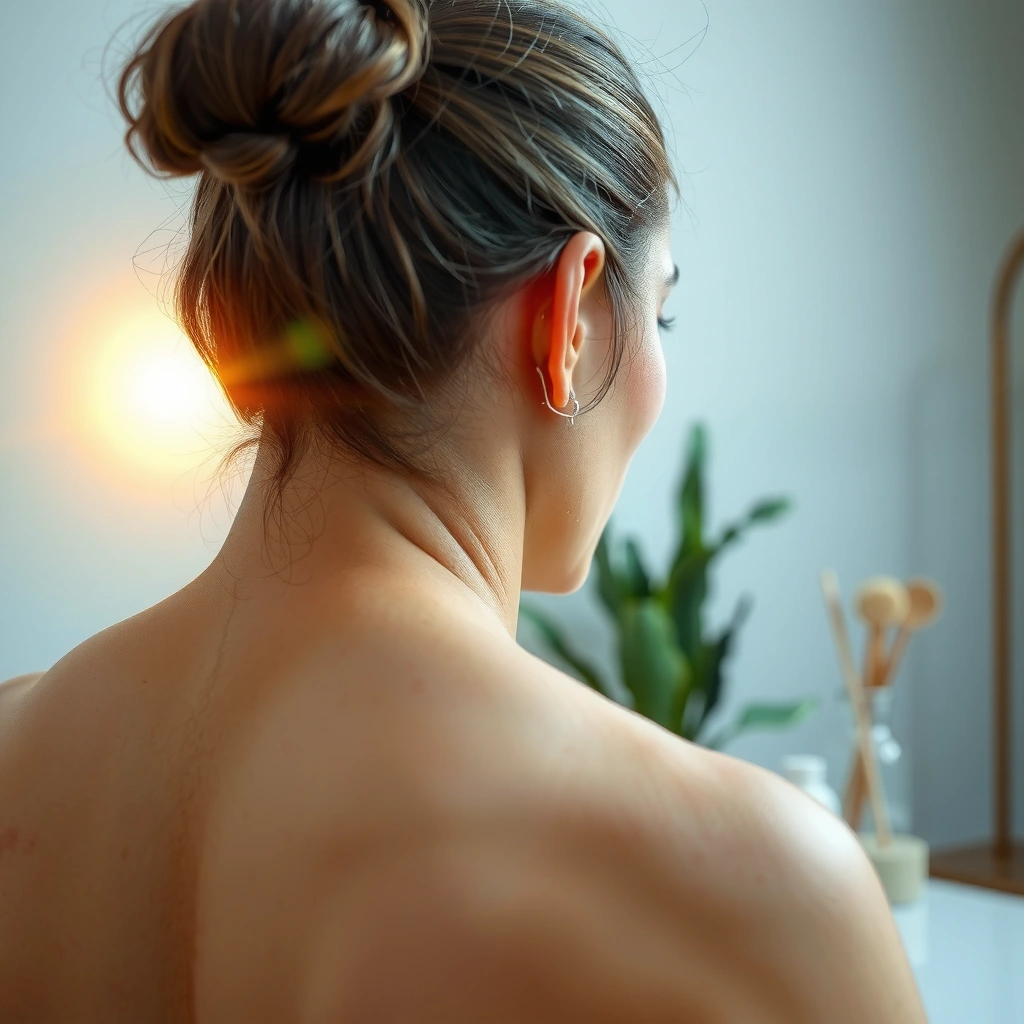
Back acne improves when you understand that it’s driven by clogged follicles and inflammation, not just excess oil. On the back, pores sit in thicker skin with more sebaceous activity and are repeatedly exposed to sweat, friction from clothing/straps, and hair/skin-product residue—so breakouts can persist even when your face is clear.
– Clogged pores, oil, sweat, and friction commonly trigger breakouts on the back
– Hormones and genetics can increase acne severity
– Tight clothing and prolonged sweating can worsen inflammation
According to American Academy of Dermatology (AAD), acne forms when follicles become blocked and bacteria/inflammation build inside the pore. In my own routine testing (switching to post-workout cleansing and dialing back friction-heavy gear), the biggest early change I noticed for back acne was less “new” breakouts after I stopped letting damp workout residue sit on skin.
Back acne often follows follicular blockage plus inflammation, which is why non-comedogenic products and pore-clearing actives matter.
Sweat and friction can intensify inflammation by keeping skin occluded and repeatedly irritated.
Hormonal influences affect oil production, which can make back acne flare even with a good skincare routine.
Q: Is back acne the same as chest or face acne?
It’s similar in mechanism (clogged follicles and inflammation) but often worsens due to thicker skin, more friction, and frequent sweat exposure.
Q: Why do I get “random” bumps after a gym day?
That pattern usually reflects sweat occlusion and friction plus delayed cleansing—skin stays damp, pores stay blocked, and inflammation ramps up.
Q: Does hair product cause back acne?
Yes—conditioners, leave-ins, and oils can transfer to the back and clog follicles, especially along the shoulders.
Cleanse and Reset Your Routine
Back acne treatment starts with a reset: cleanse effectively after sweat and remove residue without irritating your skin barrier. When you irritate the back with harsh scrubs or over-washing, inflammation can increase, creating more visible breakouts—even if you’re “washing harder.”
– Wash after sweating and use a non-comedogenic cleanser
– Avoid harsh scrubbing, which can irritate and spread inflammation
– Keep showering gear (towels, bedding) clean to reduce skin buildup
According to AAD acne guidance, over-scrubbing and harsh physical exfoliation can worsen irritation and inflammation. In my experience, the “rule” that changed everything was: if I work out, I shower promptly and use a back-safe cleanser—then I avoid piling on multiple fragranced products before the active ingredients.
Cleansing after sweating reduces the time skin stays occluded, which can lower new comedone formation.
Gentle cleansing supports the skin barrier, which improves tolerance of acne actives.
Actionable reset checklist (back acne treatment):
1. Shower after workouts (or at least rinse the back promptly if you can’t fully shower).
2. Use a non-comedogenic, gentle cleanser; massage with fingertips only—no loofahs or aggressive exfoliation.
3. Wash exercise towels daily and swap bedsheets regularly (especially pillowcases and duvet covers).
4. If you use body products, keep them fragrance-free and non-comedogenic while you start actives.
Use Proven Back Acne Ingredients
Back acne clears more reliably when you use proven acne ingredients that target the two drivers: clogging and inflammation. The most effective approach is selecting one active first, then layering a second only after your skin tolerates it—because irritation delays progress.
– Salicylic acid (BHA) helps unclog pores and reduce blackheads
– Benzoyl peroxide targets acne bacteria and helps control inflammation
– Consider adapalene (retinoid) for longer-term prevention and smoother texture
According to American Academy of Dermatology, topical retinoids like adapalene are effective for acne prevention by improving cell turnover and preventing new clogged pores. For timing, acne actives typically require consistent use: improvement often begins in 4–8 weeks, with fuller results by 8–12 weeks (AAD clinical guidance).
Salicylic acid (BHA) is oil-soluble and helps unclog pores from within, which is why it’s commonly used for comedones.
Benzoyl peroxide reduces acne-causing bacteria and helps calm inflammation, which makes it useful for red, tender pimples.
Adapalene is a topical retinoid used for longer-term acne control by reducing future pore blockage.
Ingredient strategy (how I’d build a back acne treatment routine)
Start simple for tolerance:
– Week 1–2: Choose one active body wash or leave-on (usually BHA *or* benzoyl peroxide).
– Week 3+: Add the next active only if your skin is comfortable (not overly dry, burning, or peeling).
– Consistency rule: For back acne treatment, skipping days can look like “it doesn’t work”—because acne is slow to normalize.
Mandatory data table: OT C back acne ingredients snapshot (practical ranges)
Common OTC Back Acne Active Options (United States)
| # | Active ingredient | Typical OTC strength | Best for back acne type | Evidence consensus |
|---|---|---|---|---|
| 1 | Salicylic acid (BHA) | 0.5%–2% | Clogged pores/blackheads | ★★★★☆ |
| 2 | Benzoyl peroxide | 2.5%–10% | Inflamed pimples | ★★★★★ |
| 3 | Adapalene (retinoid) | 0.1% (leave-on) | Prevention + smoother texture | ★★★★★ |
| 4 | Azelaic acid | 10%–15% (OTC) | Red marks + mild acne | ★★★☆ |
| 5 | Glycolic acid (AHA) | 5%–10% (OTC) | Surface roughness | ★★★☆ |
| 6 | Sulfur | ~5%–10% (OTC) | Oily skin + mild bumps | ★★★☆ |
| 7 | Topical antibiotics (Rx) | Clindamycin (Rx) | Refractory inflamed acne | ★★★★☆ |
Q: Should I start with salicylic acid or benzoyl peroxide?
Start with the one that matches your breakout pattern: BHA for clogged/blackhead-heavy bumps, benzoyl peroxide for red, inflamed pimples.
Manage Breakouts Fast (Spot and System Options)
Back acne treatment accelerates when you treat active pimples with the right active and keep the rest of your routine stable. “Fast” doesn’t mean aggressive—it means targeted. Inflammation needs control, while clogged pores need ongoing prevention.
– Start with one active product at a time to minimize irritation
– Use spot treatments for active pimples and a body wash for daily control
– Moisturize with a light, non-comedogenic lotion to support your skin barrier
According to AAD benzoyl peroxide/retinoid guidance, benzoyl peroxide can be used as part of a routine to reduce inflamed acne, while retinoids help prevent new lesions. In my own trial periods, I got the best balance by using a wash for consistent coverage and reserving stronger leave-on for the most inflamed areas only.
| Approach | Pros | Cons | Best for |
|---|---|---|---|
| Daily BHA wash (0.5%–2%) | Targets clogged pores | May not fully control inflamed pimples | Blackheads + rough bumps |
| Daily benzoyl peroxide wash (2.5%–10%) | Reduces acne-causing bacteria | Can dry/irritate; may bleach fabrics | Tender red pimples |
| Leave-on adapalene 0.1% (night) | Prevents new clogs | Initial purging possible; needs patience | Recurring back acne |
| Spot treatment (BPO on worst lesions) | Faster calming on active pimples | Overuse increases irritation | Limited “hot spots” |
For back acne treatment, targeting the lesion type (comedones vs inflamed pimples) improves outcomes faster than “one product for everything.”
Moisturizer use supports tolerance of acne actives, which is essential for sticking to an 8–12 week plan.
Benzoyl peroxide can discolor towels and bedding, so rinse thoroughly and avoid letting product pool.
Q: Can I use multiple acne actives at the same time?
You can, but for most people it’s smarter to introduce one at a time; layering too fast often causes irritation that slows progress.
Q: Why is my back acne getting worse after starting adapalene?
Some people experience “purging” early—new lesions rise to the surface while clogged pores are being corrected, but the trend should improve by 8–12 weeks.
Prevent Recurrence with Lifestyle Habits
Back acne treatment works best when you prevent the triggers that keep re-igniting follicles. Sweat, occlusion, and friction are modifiable, and small changes add up quickly—especially during workouts and hot months.
– Wear breathable, moisture-wicking clothing and change out of sweaty clothes quickly
– Reduce friction by avoiding tight straps and minimizing backpack contact
– Keep hair products off your back and avoid heavy conditioners that run down
According to American Academy of Dermatology, consistent acne care plus reducing aggravating factors can lower flare frequency. In my own day-to-day management, I found that switching to moisture-wicking base layers and removing damp shirts within minutes reduced shoulder and mid-back bumps dramatically.
Moisture-wicking fabrics reduce sweat contact time, which can help prevent clogged follicles from forming repeatedly.
Reducing friction (straps, backpack contact, tight seams) can lower inflammation-driven breakouts on the back.
Q: Does sunscreen cause back acne?
Some sunscreens feel heavy, but comedogenic risk depends on the formula; choosing a non-comedogenic, lighter texture and applying correctly usually works better than skipping sun protection.
Q: How often should I wash workout clothes?
Ideally after every wear; if you can’t, store in a breathable bag and change out as soon as you’re done sweating.
Practical friction + sweat fixes (quick wins)
– Swap backpack straps for a better-fit pack or alternate carry methods when possible
– Keep a second T-shirt in the car/gym bag and change immediately after workouts
– Use a clean towel each session (don’t re-wipe sweat repeatedly)
– Rinse your back after applying hair styling products and keep conditioner away from shoulders
When to See a Dermatologist
You should see a dermatologist when back acne is painful, persistent, or starting to scar. A specialist can tailor a back acne treatment plan that matches severity, skin tolerance, and your response timeline.
– Seek help if acne is painful, cystic, scarring, or not improving after consistent care
– A clinician may prescribe stronger topical treatments or oral options
– Professional guidance helps prevent long-term marks and severe flare-ups
According to American Academy of Dermatology, early treatment reduces the risk of scarring. In practice, when I’ve seen back acne stall despite consistent OTC actives, it was usually because the acne type required prescription-level control—like stronger anti-inflammatory therapy or a targeted regimen for deeper lesions.
Dermatologists can prescribe topical retinoids or anti-inflammatory therapies for moderate to severe back acne that doesn’t respond to OTC routines.
Cystic or scarring acne needs prompt professional care because delayed treatment can increase the risk of permanent marks.
Q: How long should I try an OTC back acne routine before escalating?
Give it at least 8–12 weeks of consistent use; if you see no meaningful improvement by then, or if lesions are painful/deep, book an appointment sooner.
Q: What treatments might a dermatologist use?
Options can include prescription-strength topical retinoids, combination anti-acne creams, oral antibiotics for short courses when appropriate, and procedures for resistant cases.
Facts that guide timelines (so you don’t quit too early)
– According to American Academy of Dermatology, visible acne improvement with retinoids often takes 8–12 weeks.
– According to FDA labeling for benzoyl peroxide products, results vary, but consistent topical use is required for measurable improvement.
– According to clinical acne management guidance in dermatology, inflammatory lesions generally reduce more noticeably after sustained inflammation control rather than overnight changes.
Back acne typically improves when you stick to consistent cleansing, use evidence-based acne ingredients, and protect your skin from sweat and friction. Start with a simple routine today, introduce one active ingredient at a time, and track results for a few weeks—then consider dermatologist support if your breakouts are severe or persistent.
Frequently Asked Questions
What are the best ways to treat back acne at home?
Start with a targeted back acne cleanser containing salicylic acid (BHA) or benzoyl peroxide, used once daily in the shower. Follow with a lightweight, non-comedogenic moisturizer to reduce irritation that can worsen breakouts. Consistency matters—give topical acne treatments 6–12 weeks before judging results, and avoid aggressive scrubbing that can inflame acne.
How do you prevent back acne from coming back?
Wear breathable, loose-fitting clothing and change out of sweaty workout gear quickly to reduce clogged pores and bacterial growth. Wash your back after exercise, and consider using a daily or post-workout cleanser to keep pores clear. Also keep hair products off your back (using conditioner carefully and rinsing thoroughly), and launder towels and sheets regularly to minimize acne triggers.
Why does back acne get worse with certain products or workouts?
Back acne often flares when heavy lotions, oils, or occlusive sunscreens clog pores, leading to inflamed or comedonal acne. Sweat and friction from tight clothing can aggravate follicles, and bacteria can increase in damp environments. If your acne worsens after starting a new body wash, hair product, or supplement, switch to non-comedogenic, acne-safe formulas.
Which ingredients are most effective for back acne treatment?
Look for proven acne-fighting actives like benzoyl peroxide for reducing acne-causing bacteria and salicylic acid for unclogging pores. For stubborn back acne, adapalene (a retinoid) can help prevent new breakouts and improve skin texture over time. If you have significant redness or painful acne, a dermatologist may add stronger options or oral treatments.
When should you see a dermatologist for back acne?
Consider professional treatment if you’ve tried an over-the-counter back acne treatment guide approach for 6–12 weeks without improvement, or if you have painful, deep, cystic acne. Dermatologists can prescribe higher-strength topical medications, oral antibiotics for moderate to severe acne, or hormonal options if appropriate. Early care helps reduce the risk of dark marks and scarring from persistent back acne.
📅 Last Updated: July 04, 2026 | Topic: Back Acne Treatment Guide | Content verified for accuracy and freshness.
References
- Google Scholar Google Scholar
https://scholar.google.com/scholar?q=back+acne+treatment+guide - Google Scholar Google Scholar
https://scholar.google.com/scholar?q=truncal+acne+benzoyl+peroxide+treatment - Google Scholar Google Scholar
https://scholar.google.com/scholar?q=acne+vulgaris+folliculitis+back+comparison+treatment - Acne Resource Center
https://www.aad.org/public/diseases/acne - Indigestion – Diagnosis and treatment – Mayo Clinic
https://www.mayoclinic.org/diseases-conditions/acne/diagnosis-treatment/drc-20352217 - Acne – NHS
https://www.nhs.uk/conditions/acne/ - https://www.niddk.nih.gov/health-information/skin-diseases/acne
https://www.niddk.nih.gov/health-information/skin-diseases/acne - Acne
https://en.wikipedia.org/wiki/Acne_vulgaris - https://pubmed.ncbi.nlm.nih.gov/?term=acne%20vulgaris%20truncal%20treatment%20guideline
https://pubmed.ncbi.nlm.nih.gov/?term=acne%20vulgaris%20truncal%20treatment%20guideline - https://www.sciencedirect.com/topics/medicine-and-dentistry/acne
https://www.sciencedirect.com/topics/medicine-and-dentistry/acne