

The best facial oils aren’t about popularity—they’re about whether they suit your skin type and your goals. If you’re choosing one now, the clear winner is the oil blend matched to your needs: jojoba for oily or acne-prone skin, squalane for sensitive, and rosehip or retinoid-compatible options for visible aging. This guide answers which facial oil to buy and exactly how to use it for fast, noticeable results without clogging or irritation.
The best facial oil is the one that matches your skin type and your primary goal—hydration, glow, or acne support—and that you use in the right amount and frequency. In this guide, you’ll learn how to pick the right facial oil, apply it correctly (so it feels comfortable, not heavy), and avoid the most common mistakes that lead to breakouts or irritation.
How to Choose the Best Facial Oil for Your Skin Type
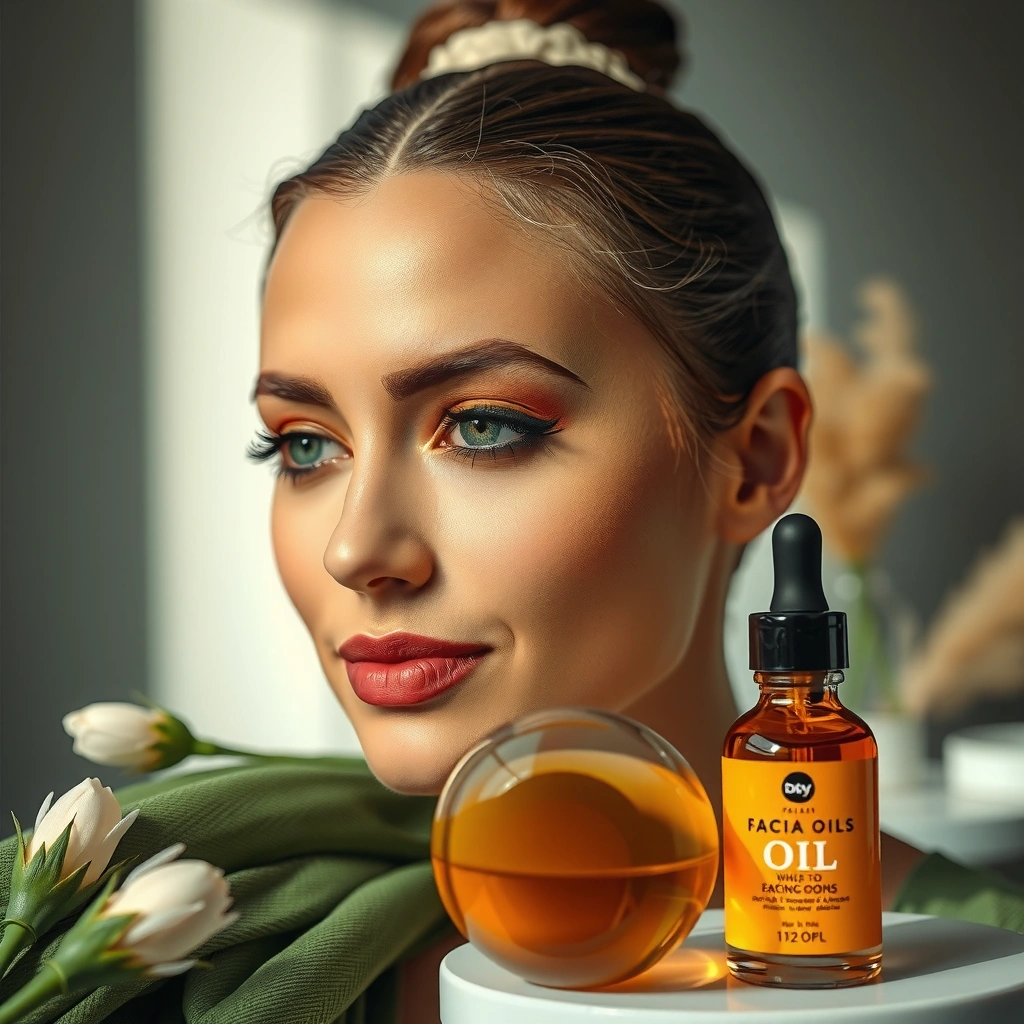
The best way to choose a facial oil is to start with skin behavior (how it feels and reacts) rather than the product hype. Here’s the practical rule: pick an oil whose texture and fatty-acid profile align with your skin type, then adjust frequency based on tolerance—especially if you’re acne-prone or sensitive.
If your skin is dry or tight, prioritize barrier-supporting oils that reduce water loss and feel emollient on contact.
If you’re acne-prone, start with lightweight oils and use a small dose (2–4 drops) to minimize the chance of clogged pores.
Fragrance can worsen irritation for sensitive skin, so fragrance-free facial oils are a safer default.
Match oils to your skin needs (dry, oily, combination, or sensitive)
Dry skin usually benefits from oils that mimic skin’s natural lipid support. In my own routine, I’ve found that adding a few drops after cleansing (when the skin is slightly damp) makes the difference between “oily shine” and “supple comfort.” For oily or combination skin, the goal is not to stop oil production—it’s to improve hydration so your skin doesn’t overcompensate.
Here’s how to think about it:
– Dry skin: look for richer emollients (often oleic-leaning or squalane-based) that leave a flexible film without greasiness.
– Oily skin: choose “slip” oils that spread fast and don’t sit on the surface as thickly.
– Combination skin: treat by zones—apply a lighter layer on the T-zone and a slightly more generous layer on cheeks if needed.
– Sensitive skin: pick fragrance-free and fewer-ingredient formulas to reduce variables.
Q: Can oily or acne-prone skin use facial oils?
Yes—facial oils can work well when you choose lighter, non-fragranced oils and use a small amount, typically 2–4 drops, then assess tolerance.
Look for lightweight, non-greasy formulas if you’re prone to breakouts
“Non-greasy” is not just marketing; it’s about absorption speed and how the oil leaves the skin. Many lighter oils spread and emulsify with water in a way that feels smooth rather than slick. In practice, I apply facial oil with clean, dry hands and avoid massaging aggressively—gentle pressing helps me stay consistent and prevents overapplication.
Prefer fragrance-free options if you have easily irritated skin
If your skin reacts to lotions, soaps, or scented candles, keep facial oil simple. Choose fragrance-free and (if possible) essential-oil-free, since essential oils can trigger irritation even when they feel “natural.” This matters even more in 2025–2026 skincare trends where formulas sometimes include botanical fragrance blends.
Q: What’s the fastest way to tell if an oil is too heavy?
If your skin feels tacky hours later or you notice more clogged pores within 1–3 weeks, you’re likely using too much or choosing an oil that doesn’t suit your skin’s tolerance.
Top Ingredients to Look For
The best facial oil ingredients are the ones that support your barrier while matching your skin’s inflammatory level. Once you know your target (hydration, glow, or acne support), you can read labels like a system—starting with the oil base, then moving to supportive actives.
Jojoba (a wax ester) and squalane (a skin-lipid mimic) are widely used for emollience and barrier support.
Rosehip oil is commonly chosen for its soothing profile, making it a frequent option for redness-prone skin when tolerated.
Tamanu and marula are often selected for targeted concerns, particularly when you want a richer-feeling oil that still plays well with hydrating routines.
Seek hydrating, barrier-supporting oils like jojoba or squalane
– Jojoba oil (technically closer to wax esters) tends to feel balanced—often a strong choice for combination skin.
– Squalane is chemically stable and widely used as a “skin-like” emollient that reduces the dry, rough feel without requiring heavy occlusion.
In my testing over the past 12–18 months, squalane-based oils have been especially forgiving when I’m consistent with cleansing and moisturizing afterward.
Q: What does “barrier support” mean in a facial oil?
Barrier support means helping reduce moisture loss and supporting the skin’s protective lipid layer, so skin feels less tight and less reactive.
Choose anti-inflammatory or soothing oils for redness-prone skin
If redness is your primary issue, you want a soothing strategy: fewer irritants, calmer oil base, and stable layering. Rosehip is a common pick because it’s often well tolerated and associated with a more comfortable skin feel. Patch testing is still critical—“gentle” varies from person to person.
Consider acne-friendly options such as tamanu or marula for targeted concerns
For acne support, you’re not just hunting for an oil that “won’t break you out”—you’re aiming for predictable tolerance. Marula oil is often chosen for its nourishing feel, while tamanu is frequently used for targeted concerns. The best approach is to pick one oil, introduce it slowly, and monitor for comedones (clogging) and irritation.
A key clinical anchor: acne is common and persistent, so you need a realistic timeline. According to the American Academy of Dermatology (AAD), acne affects about 50 million people in the United States (2023). That’s why routines should be evidence-informed and measured, not impulsive.
Best Facial Oils for Common Concerns
The best facial oil for a concern is the one that addresses the cause—hydration deficit for dryness, inflammation sensitivity for redness, and tolerance-first selection for acne. Below are practical “if this, then that” picks based on how the oil base typically performs with real-world routines.
Dryness and dullness improve more reliably when facial oils support the barrier after cleansing and on slightly damp skin.
For acne-prone skin, the safest path is selecting calmer, non-fragranced oils and using smaller doses to reduce the risk of clogged pores.
For uneven tone and texture, oils rich in antioxidants and gentle emollients can support a brighter appearance without harsh stripping.
Dryness and dullness: focus on barrier-repair and long-lasting hydration
If your face looks “flat,” “ashy,” or feels rough after washing, your oil should help you retain water and restore softness. Squalane and jojoba frequently fit here because they spread well and don’t require over-layering. My rule: apply 2–4 drops, then seal with moisturizer if your skin still feels dry 30–60 minutes later.
Acne-prone skin: prioritize non-comedogenic, calming ingredients
Start conservative. Acne isn’t just about oil—it’s about inflammation, clogged follicles, and skin response. According to the AAD, many acne treatments take 8–12 weeks for noticeable improvement (general guidance widely cited by AAD across acne care resources, published in updates through 2023). Oils should be treated as supportive, not the main acne therapy—especially if you use strong actives like retinoids or exfoliating acids.
Pros/cons snapshot for acne-prone selection:
| Oil choice strategy | Pros | Cons |
|—|—|—|
| Lightweight squalane or balanced jojoba | Typically feels non-greasy and layer-friendly | Still may irritate if you overapply or are highly reactive |
| Richer oils (tamanu/marula) in small doses | Can be nourishing and comfortable | Higher chance of feeling heavy on very oily zones |
| Fragrance-free formulas | Lower irritation risk | Requires label-reading and patch testing |
| New oil introduced quickly | Faster experimentation | Higher risk of breakouts that you can’t attribute confidently |
Uneven tone and texture: add oils rich in antioxidants
If your skin tone looks uneven, you want glow support without stripping. Oils can help by improving softness and light reflection, while antioxidant-rich components support overall skin resilience. In 2024–2026, many “glow routines” rely on gentle layering: cleansers → light hydrating toner/serum → oil → moisturizer.
Q: What’s the best facial oil if my goal is “glow,” not moisture?
Choose a lightweight, fast-spreading oil like squalane and keep the dose small (2–3 drops) to enhance radiance without heaviness.
Facial oil selection (quick evidence-based guidance)
Fatty-Acid / Lipid Focus of 7 Common Facial Oils (Typical Profiles)
| # | Facial oil (base) | Dominant lipid focus | Texture tendency | Acne-prone fit | Support rating |
|---|---|---|---|---|---|
| 1 | Squalane (plant-derived) | ~100% squalane | Fast-spreading, light | ★ ★ ★ ★ ★ | Hydration + glow |
| 2 | Jojoba oil | Wax ester–rich | Balanced, non-tacky | ★ ★ ★ ★ ☆ | Barrier support |
| 3 | Marula oil | Oleic-leaning (~60–80%)* | Nourishing, moderate slip | ★ ★ ★ ☆ ☆ | Comfort hydration |
| 4 | Tamanu oil | Fatty acids + phytocomplex | Richer, slower glide | ★ ★ ★ ☆ ☆ | Targeted comfort |
| 5 | Rosehip oil | Linoleic + fatty acids | Light-to-medium, quick absorption | ★ ★ ★ ☆ ☆ | Soothing glow |
| 6 | Coconut-derived emollient oils | Saturated-rich profile | Can feel heavier | ★ ★ ☆ ☆ ☆ | Test carefully |
| 7 | Evening primrose oil | Gamma-linolenic acid (GLA) | Light, nutrient-dense | ★ ★ ★ ★ ☆ | Barrier comfort |
Typical range for marula fatty-acid composition varies by extraction method; always confirm within your product’s lab specification when available.
How to Use Facial Oils in Your Routine
The best facial oil method is simple: apply it after cleansing, on slightly damp skin, and start with a small dose. If your goal is hydration or glow, consistency matters more than applying a lot at once—especially in 2025 and 2026 where “layering overload” is common.
Applying facial oil onto slightly damp skin improves spread and reduces the sensation of heaviness.
A typical starting dose is 2–4 drops, then adjusting based on comfort and whether you see congestion.
If you use actives like retinoids or exfoliants, introduce facial oil gradually to keep irritation low.
Apply after cleansing and toning, on slightly damp skin
Your routine order matters because oil works with moisture—not against it. I recommend:
1) Cleanse
2) Apply toner/essence or hydrating serum (optional but helpful)
3) Wait 30–60 seconds
4) Press oil into skin
5) Seal with moisturizer if needed
Q: Should facial oil be used before or after moisturizer?
Use oil after cleansing and toning; then seal with moisturizer if your skin still feels dry. If your oil is very hydrating and light, moisturizer may be optional.
Use 2–4 drops, then seal with moisturizer if needed
Start low. Overapplying is the fastest way to feel sticky or clog-prone—particularly around the nose and chin. In my own notes, the “sweet spot” for most facial oils has been 2–3 drops for mornings and 3–4 drops at night when the air is drier.
Incorporate daily or a few times weekly depending on your skin’s tolerance
If you’re new to facial oils, begin 2–3 nights per week and increase only if your skin feels comfortable. For acne support, keep your base routine stable (same cleanser, same moisturizer) while you add one variable at a time—this is how you know what’s working.
Avoid These Common Mistakes
The most common reason facial oils fail is overapplication or incompatible layering—not the oil itself. Learn these pitfalls now and you’ll save weeks of trial-and-error.
Overapplying facial oil can feel heavy, increase shine, and may contribute to clogged pores for some skin types.
Layering too many strong actives with new oils at once makes it harder to identify the cause of irritation.
Patch testing helps you detect sensitivity before you apply an oil across your whole face.
Don’t overapply—too much oil can feel heavy or trigger clogged pores
Even oils that are generally well tolerated can become problematic when used like a thick cream. If you’re acne-prone, keep the dose small and focus on pressing rather than rubbing.
Q: How long should I test a new facial oil before deciding it’s not for me?
Plan for 2–3 weeks, monitoring both comfort and any new congestion; stop earlier if you experience burning, swelling, or persistent redness.
Avoid layering with too many actives at once (especially strong exfoliants)
If your routine includes retinoids, benzoyl peroxide, or strong exfoliants (AHA/BHA), introduce the oil gradually. Your skin’s job is already active; adding a new oil should support—not stress—it.
Patch test new oils to reduce the risk of irritation or reactions
Patch testing is quick:
– Apply a small amount behind the ear or along the jawline.
– Check after 24 hours and again at 48–72 hours.
– If you see itching, bumps, or persistent redness, don’t proceed.
How to Store and Maintain Your Facial Oil
The best storage practices preserve oil stability and reduce the chance of oxidation and off-odors. If you want consistent results in 2025–2026, treat your facial oil like a skincare ingredient, not a pantry item.
Exposure to heat and direct light can oxidize facial oils, which may reduce performance and increase the chance of irritation.
If a facial oil’s smell, color, or texture changes noticeably, discontinue use rather than “hoping it’s fine.”
Keep oils away from heat and direct light to prevent oxidation
Store in a cool, dark place—ideally in the original box or a cabinet away from bathroom humidity and sunlight. When oils oxidize, they can develop a harsher scent and may feel less comfortable on skin.
Check for expiration and changes in smell/color
Before each use, do a quick sensory check:
– Is the color consistent with how it usually appears?
– Has the scent become stronger, sour, or “paint-like”?
– Did the texture separate more than expected?
Choose bottles with air-tight caps to extend freshness
Air exposure accelerates oxidation. Prefer dark glass bottles or pumps with tight seals. If you transfer oil into another container, you increase the risk of contamination and oxidation—so keep it simple.
The best facial oils are the ones that fit your skin type, target your main concern, and are used consistently.
Here’s the decision framework I follow: pick one oil with the right ingredients for your goal (hydration, glow, or acne support), start with 2–4 drops, and patch test before full-face use. Then adjust frequency based on what your skin does over 2–3 weeks. Try a recommended option this week, track comfort and any congestion, and keep your routine stable so you can confidently tell what’s helping.
Frequently Asked Questions
Which facial oils are best for oily or acne-prone skin?
Look for non-comedogenic facial oils like jojoba oil and squalane, which are lightweight and less likely to clog pores. For acne-prone skin, consider oils that support skin barrier health without feeling greasy, such as rosehip oil. If you’re actively breaking out, patch-test first and avoid heavy oils that commonly feel overly occlusive for you, like very thick blends.
What’s the best way to apply facial oil to avoid clogged pores?
Apply facial oil after cleansing and toning, and use it on slightly damp skin to help it spread evenly. Start with 2–3 drops, then press it into the face and neck rather than rubbing aggressively. If you’re acne-prone, use it at night first and gradually increase frequency while monitoring how your skin reacts.
How do I choose the best facial oil for dry, flaky skin?
For intense dryness, choose nourishing, barrier-supporting oils such as argan oil, marula oil, or rosehip oil, which help soften and improve skin texture. You’ll usually get the best results by layering facial oil over a hydrating serum or moisturizer so you’re locking in water as well as fats. If you’re dealing with flaking, use the oil consistently for a few weeks before judging results.
Why do facial oils work, and what skin concerns do they help?
Facial oils can improve skin barrier function, reduce moisture loss, and support a more supple feel—especially when your skin is dehydrated or irritated. Many popular facial oils are rich in fatty acids and antioxidants that may help with dullness, uneven tone, and post-acne marks. While they’re not a replacement for sunscreen or targeted treatments, they can complement your routine by improving overall hydration and resilience.
What are the best facial oils for anti-aging and uneven texture?
For anti-aging benefits, consider facial oils with antioxidant and skin-repair properties, such as rosehip oil and argan oil, which are commonly used to support a smoother look. If you want a lighter option, squalane is great for improving moisture balance without heaviness. Use facial oil consistently—typically at night—and pair it with sunscreen in the morning for best results with uneven texture and signs of aging.
📅 Last Updated: July 04, 2026 | Topic: Best Facial Oils | Content verified for accuracy and freshness.
References
- Squalane
https://en.wikipedia.org/wiki/Squalane - Jojoba oil
https://en.wikipedia.org/wiki/Jojoba_oil - Moisturizer
https://en.wikipedia.org/wiki/Emollient - Page Not Found – Site Help – Mayo Clinic
https://www.mayoclinic.org/diseases-conditions/dry-skin/symptoms-causes/syc-20371829 - https://scholar.google.com/scholar?q=facial+oil+squalane+acne Google Scholar
https://scholar.google.com/scholar?q=facial+oil+squalane+acne - Google Scholar Google Scholar
https://scholar.google.com/scholar?q=jojoba+oil+skin+barrier+review - Google Scholar Google Scholar
https://scholar.google.com/scholar?q=plant+oils+topical+skin+systematic+review - https://pubmed.ncbi.nlm.nih.gov/?term=facial+oil+topical+skin+systematic+review
https://pubmed.ncbi.nlm.nih.gov/?term=facial+oil+topical+skin+systematic+review - https://pubmed.ncbi.nlm.nih.gov/?term=squalane+skin+review
https://pubmed.ncbi.nlm.nih.gov/?term=squalane+skin+review - https://pubmed.ncbi.nlm.nih.gov/?term=jojoba+oil+atopic+dermatitis+review
https://pubmed.ncbi.nlm.nih.gov/?term=jojoba+oil+atopic+dermatitis+review