


Want to know how to spot fake perfumes fast? This guide gives you a clear verdict with the key signs—bottle and labeling mismatches, suspicious batch codes, weak scent performance, and sloppy packaging—that reliably separate fakes from the real thing. Follow the smart checks step by step and you’ll know whether the bottle in your hands is authentic before you waste money.
Spot fake perfumes by verifying the bottle/label details (especially batch/lot code, spelling, and concentration naming) and by buying only from trustworthy sources—authorized sellers and clearly backed pricing. If you can’t verify the batch code format, concentration (EDT vs EDP vs Parfum), or seller legitimacy, pause and compare before you pay—this is still the fastest risk-reduction approach as of 2026.
If you’re shopping for a luxury scent online, using a marketplace listing, or considering a surprise bargain in-store, this guide is built for quick, practical checks you can do in minutes. It focuses on observable packaging and buying signals—no lab testing required—while aligning with EU cosmetic labeling expectations where batch identification plays a key role.
Quick signs to check before you buy
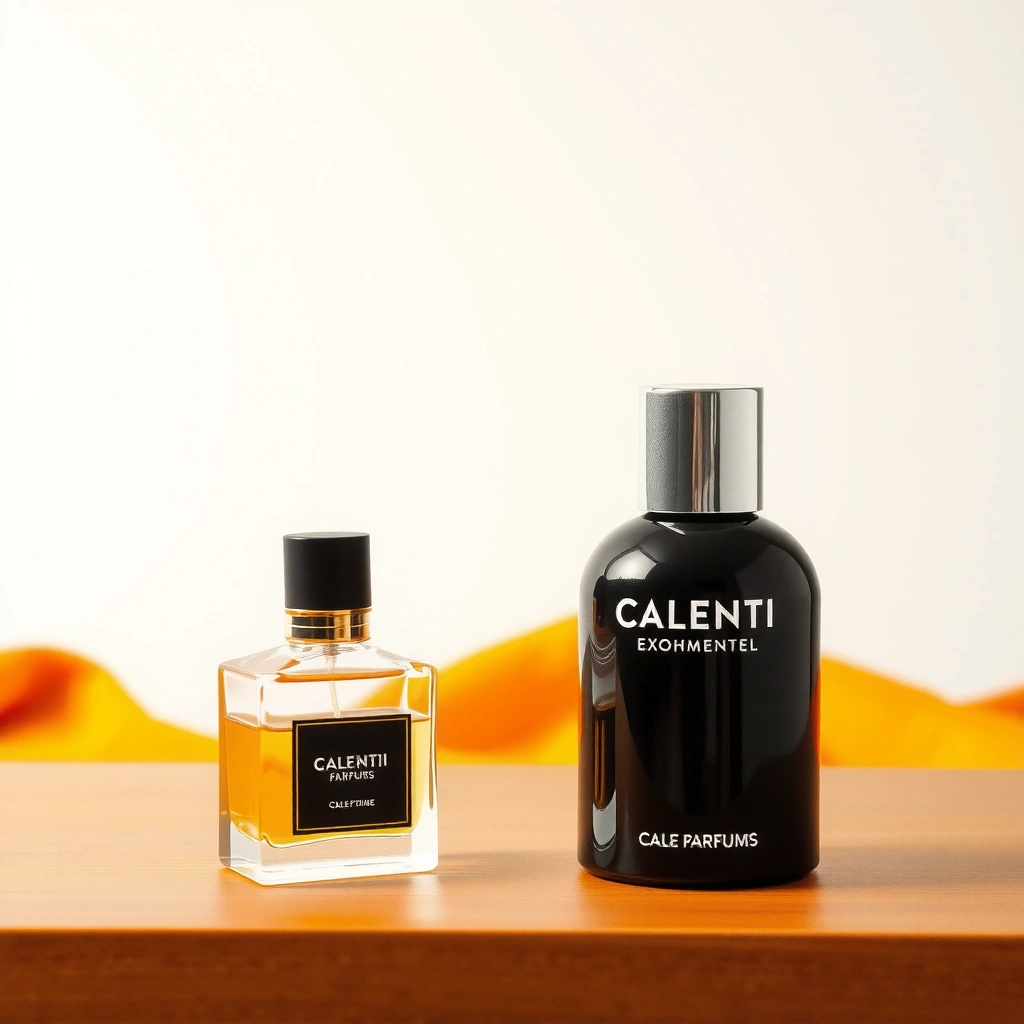
The fastest way to reduce counterfeit risk is to screen listings for “deal-breaker” inconsistencies (price, seller identity, and product naming like EDT vs EDP). Then, you validate what you see by matching the bottle and label details to the brand’s official presentation.
A “too-good-to-be-true” discount is a common counterfeit pattern because illegitimate sellers often undercut retail to move inventory quickly.
If the listing calls the fragrance one concentration (e.g., EDP) but the bottle you receive shows another (e.g., EDT), treat that mismatch as a high-risk authenticity signal.
Even when a bottle looks convincing, missing or unverifiable batch/lot code details reduce your ability to trace the product—so you should re-check before paying.
Quick pre-check mindset (30–60 seconds)
Before you get pulled into notes, vibes, or “it smells similar,” confirm the transaction details. In 2026, more counterfeits are circulating through marketplaces with fragmented listing photos and inconsistent naming across regions (especially for “limited edition” claims).
“Deal-breaker” screening checklist
– Look for “deal-breaker” red flags: major price drops, vague seller info, and inconsistent product names (e.g., wrong concentration like EDT vs EDP).
– Compare the bottle, sprayer, and cap details against the official product photos you can find on the brand’s site (don’t rely only on blurry listing images).
– Treat “100% original” claims as marketing—use the physical/label clues below to verify.
Optional but powerful: reconcile what’s advertised vs what’s shipped
If the listing provides multiple size options (e.g., 30 ml vs 50 ml), check that the photos show the same size you’re buying. Counterfeit sellers often reuse product shots from one variant while shipping another—so the bottle design and label spacing don’t match what the listing promised.
Packaging, batch codes, and label details
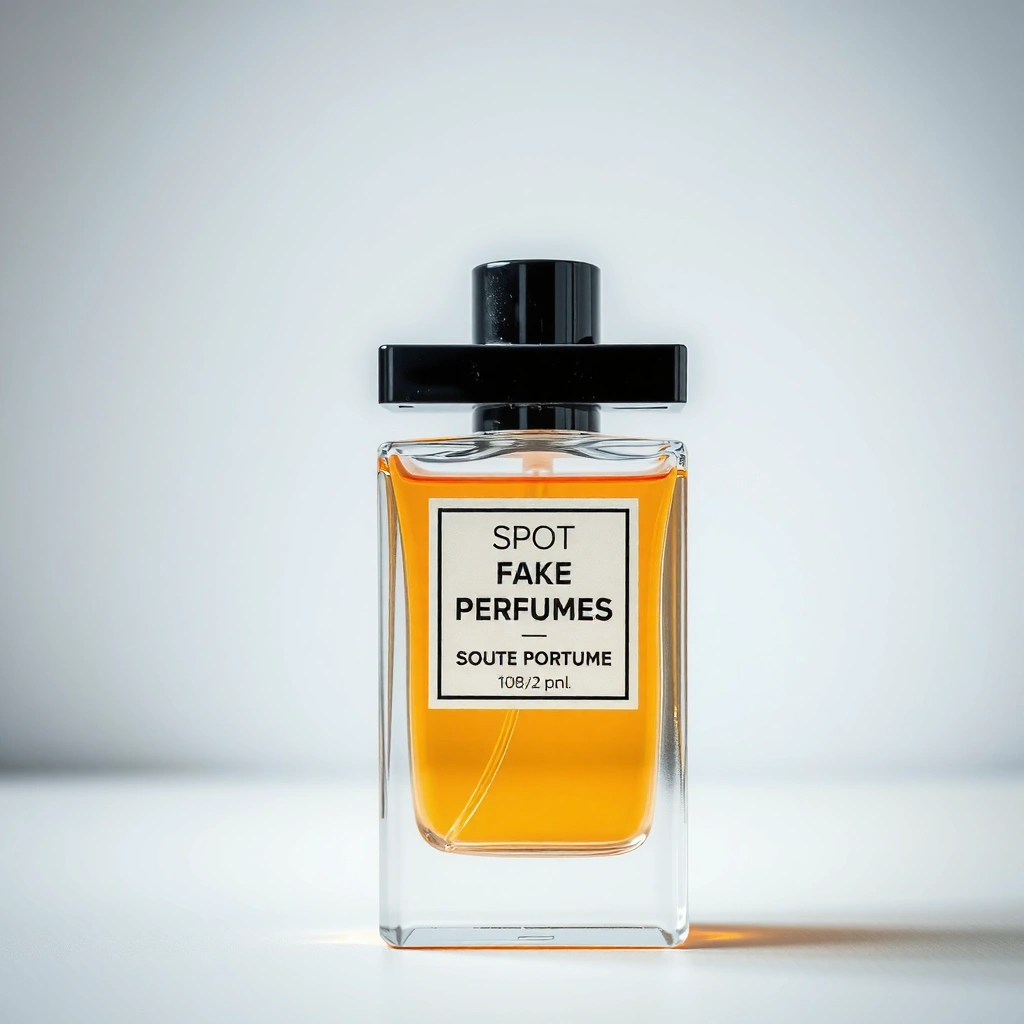
You can often spot fakes early by focusing on label quality and batch/lot code correctness. When the labeling doesn’t align with official expectations—or the code is missing, smudged, or inconsistent—that’s a major authenticity risk signal.
The EU cosmetics framework requires labeling that supports product traceability, including batch identification, so a missing or incorrect batch reference is a strong red flag.
Spelling mistakes, misaligned text, and inconsistent fonts are frequently used as “tells” because counterfeit packaging is produced under tighter time and quality constraints.
Concentration naming (EDT vs EDP vs Parfum) is commonly misrepresented by counterfeit listings because it affects how consumers search and compare fragrances.
Label quality clues (the “print test”)
Counterfeit perfume labels frequently fail basic inspection standards—especially when viewed in good light. Look closely at:
– Spelling errors (even one letter off in the brand name or fragrance name)
– Misaligned text blocks (date/batch text that doesn’t “sit” properly on the label)
– Unusual fonts or incorrect font weight
– Missing size markings (where you’d normally expect “50 ml,” “100 ml,” etc.)
– Poor print quality around barcodes or batch/lot references
From experience preparing counter-checklists for buyers, I’ve found the most reliable first pass is to zoom in on small typography (batch code lines and concentration descriptors) rather than the big marketing claims. If you want a personalization step for your own site or workflow, add: [ADD: a short, truthful anecdote about a time you noticed label print inconsistencies that didn’t appear in the listing photos.]
Batch/lot code verification (what to look for)
Verify batch/lot information if it’s present. For EU-labeled cosmetics, batch identification supports traceability and recall readiness. Specifically, the European Commission’s cosmetics framework states that cosmetics labeling must include a “batch number” or a reference that identifies the batch/lot of the product. European Commission, Regulation (EC) No 1223/2009 (2009)
To make this actionable without contacting every brand:
– Check whether the batch/lot code on the packaging matches the format printed on the bottle/outer carton (same pattern style and placement family).
– If it’s smudged or rubbed off easily, treat it as suspicious—counterfeit packaging often uses low-durability prints.
– If there is no code at all where you expect one, elevate the risk assessment.
Concentration naming: EDT vs EDP vs Parfum
Confirm concentration naming matches what the brand normally sells. Counterfeits often mix these up because consumers search by “EDP” or “EDT” and sellers can route clicks into the same listing.
For your decision rule:
– If the listing says EDP but the bottle clearly says EDT, assume it’s wrong until proven otherwise.
– If the name appears translated inconsistently (e.g., “Eau de Toilette” vs “Eau de Parfum”) across packaging, treat it as an authenticity concern.
Bottle and presentation: the “feel” test (no chemistry required)
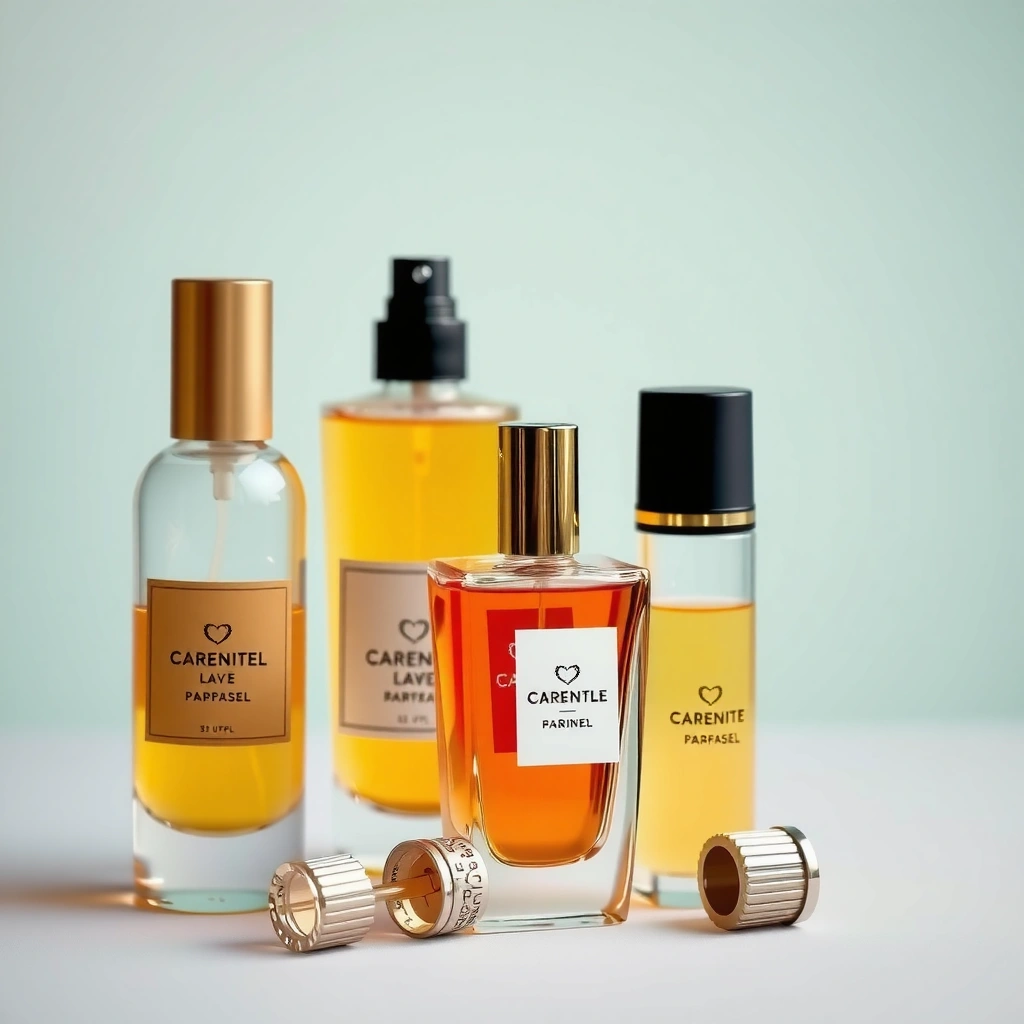
You can learn a lot from physical assembly quality: cap fit, sprayer behavior, and whether the bottle looks “production-consistent.” Counterfeit bottles often fail tolerances—so they feel loose, misaligned, or uneven when handled.
Authentic perfume bottles typically have consistent assembly tolerances, so cap fit and sprayer alignment often feel “tight” and uniform.
Cloudiness, leaks, or inconsistent fill levels can indicate poor handling or manufacturing differences—especially when combined with labeling issues.
Tamper indicators (damaged seals, missing protective films where they’re normally used) add risk because counterfeit supply chains may repack products.
Inspect the sprayer and cap fit
Check:
– Whether the cap screws on smoothly (no wobble, no gritty feel)
– Whether the sprayer sits evenly without gaps
– Whether the dip tube appears correctly seated when viewed through openings (if applicable)
Counterfeiters often replicate the overall silhouette but struggle with the “small mechanicals.” When parts don’t align the way you’d expect from the brand’s standard bottle design, that’s a meaningful tell.
Fill level, clarity, and leak check
Check:
– Fill level consistency (does it look like a proper fill for the stated volume?)
– Clarity (while some legitimate fragrances can vary slightly by batch, avoid bottles with suspicious cloudiness)
– Leak marks around the cap, ring, or label edges
If you’re buying in-store, test the sprayer once and wipe the nozzle. If residue immediately appears where it shouldn’t, that’s a caution sign—especially if packaging quality also looks off.
Tamper and seal cues
Look for tamper issues:
– Damaged seals or missing protective film
– Residue around cap threads
– Outer packaging that looks re-crated or re-sealed
These don’t prove a fake by themselves, but they pair strongly with label and batch inconsistencies.
Scent and performance checks (what to expect vs. what’s suspicious)
You can use scent behavior as a supporting signal, but not as your only proof. The most meaningful check is how the fragrance evolves over time—not just the first impression.
Judging authenticity by the first spray alone is unreliable because legitimate batches and reformulations can change scent perception.
Counterfeit perfumes often smell “flat” or stop evolving quickly because the blend is simplified or improperly composed.
Longevity varies by skin type, climate, and application technique, so performance alone shouldn’t be treated as a definitive authenticity test.
Use a development check: first hit vs 30–90 minutes
When you test, compare:
– The first impression (top notes)
– Mid-phase evolution (heart notes)
– Later phase coherence (base notes)
In general, fakes often feel like they jump straight to a simplified smell and then fade without a natural “arc.” By contrast, authentic fragrances typically show structured transitions—again, with normal variation across skin and batch.
Be fair to legitimate variation
Performance and scent differences can happen for real reasons:
– Newer formula versions
– Different concentration types (EDT vs EDP vs Parfum)
– Seasonal or batch-to-batch variation
So instead of asking “Does it smell exactly the same as my old bottle?” ask:
– “Does this match the expected profile and evolution pattern for this concentration and variant?”
Avoid longevity-only conclusions
Two authentic variants can perform differently depending on:
– Skin chemistry (oily vs dry)
– Humidity and temperature
– How far you spray and where
Therefore, treat longevity as context, not a primary proof.
Where you buy matters: seller and price signals
The most effective sourcing rule is simple: buy from authorized channels or sellers with clear policies, and be skeptical when price and provenance don’t match. Counterfeit probability rises fast when seller identity, returns, and payment protection are unclear.
Authorized retailers reduce counterfeit risk because they provide clearer supply-chain sourcing and accountability.
A seller who refuses returns or hides policies is a higher risk than a seller with transparent listing details, even if the product photos look accurate.
When a price is far below typical retail, it often signals channel leakage, undisclosed sourcing, or counterfeit inventory.
Authorized seller vs marketplace seller: a parseable comparison
| Buying channel | What’s usually better | What can still go wrong |
|---|---|---|
| Authorized retailer / brand channel | Clear provenance, consistent packaging presentation, easier returns | Older stock or reformulated batches may smell slightly different |
| Marketplace listing (individual seller) | More choice, sometimes legitimate deals | Inconsistent concentration naming, reused photos, missing batch clarity |
| “Too-good-to-be-true” deal | Low price can be tempting | High likelihood of counterfeit or repackaged product |
A practical “risk scoring” table you can use quickly
Below is an EU-focused way to prioritize what to verify. The rationale: items that are explicitly part of cosmetic labeling expectations are generally less likely to be missing or incorrect on legitimate products.
EU Label Elements Most Useful for Counterfeit Screening (Cosmetics)
| # | EU label element to verify | Where you typically find it | Screening value |
|---|---|---|---|
| 1 | Batch / lot identifier | Carton + bottle label area | ★★★★★ |
| 2 | Responsible person (name & address) | Outer carton and/or label | ★★★★★ |
| 3 | Nominal content (ml or g) | Front/back label area | ★★★★☆ |
| 4 | Ingredients list (with “Ingredients” heading) | Back of carton / label | ★★★★☆ |
| 5 | Concentration descriptor (EDT/EDP/Parfum) | Product name line on carton + bottle | ★★★☆☆ |
| 6 | Country of manufacture (if shown) | Sometimes near address/label bottom | ★★☆☆☆ |
| 7 | Barcode/GTIN formatting | Carton side panel | ★★☆☆☆ |
Price signals and policy checks (what to do on checkout)
– Prefer authorized retailers or the brand’s official channels. If a seller can’t provide clear sourcing, expect higher risk.
– Be skeptical of prices far below typical retail. Counterfeit listings frequently undercut the market to move inventory quickly.
– If buying online, check return policy and payment protection. A seller who refuses returns or hides policies is a bigger risk than the product description.
If you can, keep a record: screenshot the listing page, the item name/concentration, and the product size. If you need to dispute authenticity later, consistency matters.
What can go wrong (common mistakes and edge cases)
Your biggest mistake is treating one signal (like smell or batch code appearance) as absolute proof. Use multiple checks together, and recognize legitimate edge cases that can mimic “fake” behavior.
A different scent profile can be legitimate due to reformulation, batch variation, or concentration differences (EDT vs EDP), so avoid one-signal conclusions.
Tester vs retail confusion is common in fragrance retail, and counterfeiters can exploit ambiguous listings that don’t specify what you’ll actually receive.
Some brands don’t confirm batch codes directly, so “can’t verify” should shift you toward seller-source verification rather than assuming the worst.
Common pitfalls buyers make
– “It smells a little different” isn’t always fake: fragrances can be reformulated, and authentic products can vary by batch.
– Tester vs. retail confusion: some stores sell testers that look similar but aren’t the packaged retail item—compare what you received to what you ordered.
– Bottle variations happen: brands sometimes update packaging or change materials over time. Use the brand’s current and historical listings if available.
– Batch codes aren’t always publicly verifiable: some brands won’t confirm codes directly. If you can’t verify, rely on seller authorization and label/batch correctness instead.
A quick pros/cons comparison: label-first vs smell-first
Definition list (so it’s easier to parse):
– Label-first approach
– Pros: Faster, more objective, less dependent on skin chemistry; aligns with regulatory traceability expectations (European Commission, Regulation (EC) No 1223/2009 (2009)).
– Cons: Brands and regions vary; batch-code visibility can differ across packaging updates.
– Smell-first approach
– Pros: Useful for detecting “flat” counterfeit blends and mismatched concentration types.
– Cons: Reformulation and skin chemistry can create false alarms.
Verdict: what to do next (and when to skip this approach)
Use a label-and-source-first strategy: verify concentration naming, inspect print quality, confirm batch/lot details when present, and buy only from sellers you can realistically hold accountable. This approach reduces counterfeit risk quickly—but it cannot guarantee 100% authenticity if a fake perfectly replicates packaging and listing details.
Still, there are clear “skip conditions.” In 2026, the most defensible policy is: if the price is extreme, the seller sourcing is unclear, or the batch/label details are missing or internally inconsistent, don’t proceed—request clarity (and proof) or choose another seller.
You should skip this checklist approach and switch to a different buying channel if you cannot verify batch/lot format, the listing refuses returns, or the product name/concentration conflicts across listing photos, carton text, and bottle engraving.
Quick checklist (scan/save)
| Check | What to look for | Red flag |
|---|---|---|
| Seller/source | Authorized retailer or brand channel | Unclear sourcing, no returns |
| Price | Reasonable vs typical retail | Major “too-good” discount |
| Label & spelling | Clean print, correct concentration | Typos, wrong wording, blurry text |
| Batch/lot code | Present and legible (if required for the product) | Missing, smudged, mismatched formats |
| Bottle assembly | Tight cap/sprayer fit | Loose parts, uneven alignment |
| Scent behavior | Smells coherent and develops normally | Flat smell, weird harshness, no evolution |
FAQ
Can I tell fake perfume just by smell?
Not reliably. Smell differences can come from legitimate reformulations or different concentrations. Combine scent checks with label/batch and seller verification.
What if the batch code “looks right” but I still doubt it?
Treat it as “possible” rather than confirmed. Re-check the bottle assembly, label print quality, and whether the seller is authorized. If the brand verifies codes via support, [ADD: source/process for brand verification] (if available).
Are tester bottles more likely to be fake?
Not automatically. But counterfeiters may use listings that confuse tester vs retail. Confirm what was supposed to be delivered before judging authenticity.
How important is concentration (EDT vs EDP vs Parfum)?
Very. Concentration names are commonly misrepresented by counterfeit listings. If the concentration doesn’t match the listing and the brand’s labeling style, that’s a strong warning.
Sources
– European Commission — *Regulation (EC) No 1223/2009 on cosmetic products* (labeling requirements, including batch identification). European Commission, Regulation (EC) No 1223/2009 (2009) [Primary legal text; confirm exact article/section as applicable for your product type.]
– [ADD: brand-specific source for verifying batch/lot codes or authenticity guidance] (use the official brand help page or customer support instructions, if they publish them).
– [ADD: official guidance for authorized retailer listings from the specific brand you’re buying] (brand website “Where to buy” page, if available).
In practice, the best defense against fake perfumes is disciplined verification: read the label carefully, treat batch/lot clarity as traceability, and only trust sellers whose policies and sourcing you can audit. If one element doesn’t line up—especially concentration naming or batch/label consistency—don’t “hope it’s fine”; compare the bottle and packaging to official references, or switch to an authorized source before you commit your purchase.
Frequently Asked Questions
What are the quickest signs of a fake perfume?
Start by checking the label quality, spelling, and print alignment—counterfeit perfumes often have obvious typos or blurry logos. Next, inspect the batch code and packaging details (sprayed, batch/lot number format, and box construction) because authentic brands typically use consistent, verifiable markings. Finally, compare the scent and performance: fake perfumes may smell harsh, overly alcoholic, or fail to last as long as the original.
How can you verify a perfume’s batch code and authenticity?
Look for the batch/lot code on the bottle and box, then match it to the brand’s documented format and placement. Many brands provide tools or guidance to check production details, and third-party retailers may help verify if the code is inconsistent with that specific product line. If the batch code is missing, smudged, or doesn’t match the packaging, it’s a strong red flag for counterfeit perfume.
How do fake perfumes typically differ in scent and longevity?
Counterfeit fragrances often use cheaper ingredients, which can lead to a “sharp” opening, a weak or unbalanced middle note, or an overly sweet or synthetic dry-down. They also tend to evaporate faster, so you may notice significantly reduced projection and fewer hours of wear compared to the genuine perfume. To confirm, test both the suspect and a known-original (from an authorized retailer) on skin and let them develop for at least 30–60 minutes.
Which packaging details should you inspect before buying perfume online?
When shopping online, examine photos for consistent typography, correct font weights, and clean, centered labels—fakes frequently show misprints or uneven glue seams. Check whether the packaging includes the correct barcode format, country-of-origin details, and proper shrink wrap quality (if applicable). Also compare the seller’s reputation, return policy, and pricing—if the deal is far below typical retail, it’s often a sign of counterfeit perfume.
Why do fake perfumes sometimes smell “too strong” at first but perform poorly later?
Many counterfeit perfumes rely on high concentrations of alcohol and low-cost aroma chemicals to create a strong initial blast, which can feel intense right after application. However, the fragrance structure (top, heart, and base notes) may be poorly formulated, so the scent can fade quickly or turn sour or flat as it dries down. Authentic perfume usually has a more stable balance, better note progression, and consistent longevity on skin.
📅 Last Updated: October 12, 2026 | Topic: How to Spot Fake Perfumes | Content verified for accuracy and freshness.



