

Perfume lasts about 4–8 hours on average, with some formulas reaching 10–12 hours when applied strategically. This guide answers exactly how long perfume lasts on skin, how long it lingers on clothes, and what you can do to extend wear without changing the scent. Follow these longevity tips and you’ll keep your fragrance noticeably fresher for longer.
Perfume usually lasts about 3–8 hours on skin, depending on the fragrance concentration, your skin type, and how you apply it. Lighter “fresh” scents may fade sooner, while parfum or heavily concentrated formulas often linger longer—and with the right routine, you can make perfume longevity feel more predictable. In this guide, you’ll learn the practical factors that change wear time and what you can do to get more consistent longevity.
If you’re wondering whether your perfume will hold up from morning to night—or why it disappears quickly—this is for you. It’s especially useful if you’ve noticed different performance across seasons, body areas, or even different bottles of the same scent.
What “lasts” actually means (skin vs. clothes)
Perfume “lasting” can mean two different things: how long you can smell it up close and how long it travels through the air (sillage). In practice, your perfume longevity on skin is usually shorter than on fabric, because clothing can “trap” aromatic compounds for longer.
Perfume sillage typically diminishes before the fragrance becomes completely undetectable on skin.
Fabric often retains fragrance longer than skin because fibers absorb and hold volatile aroma compounds.
Your perception of perfume longevity can change as top notes fade and mid-notes become dominant.
– Perfume performance changes depending on whether you’re measuring on skin, hair, or fabric.
– Sillage (how far it travels) typically fades before the scent disappears completely.
In perfume longevity discussions, “it lasted all day” can mean different outcomes: (1) you still notice it when you’re near people, (2) others notice it but you don’t, or (3) it remains detectable only when you check your wrist/neck. On skin, the fragrance typically evolves from top notes to heart notes to base notes, so what you smell at hour two might be different from what you smelled at minute ten—this is normal, not a “failure.”
Important nuance for perfume wear: when sillage fades, you might still have scent lingering close to your body. That’s why one person reports “it vanished” while another says “I could still smell it faintly.” If you’ve experienced this mismatch, you’re not imagining things—perception and measurement distance are doing the heavy lifting.
How long perfume lasts by concentration
Perfume longevity improves as fragrance concentration increases, because more aromatic compounds are dissolved in the formula. As of 2026, most brands still communicate longevity expectations using concentration tiers like Eau de Toilette (EDT), Eau de Parfum (EDP), and Parfum, so your label is your fastest clue for planning wear time.
Higher fragrance oil concentration generally increases perfume longevity on skin by slowing evaporation.
Eau de Parfum is typically stronger and longer-lasting than Eau de Toilette due to higher aromatic concentration.
Parfum (often called Extrait in some brands) usually delivers the longest wear because it contains the highest fragrance concentration tier.
– Eau de Toilette, Eau de Parfum, and Parfum usually differ in longevity because they contain different levels of fragrance oils.
– If you’re comparing scents, check the concentration on the product label (or manufacturer description) to estimate wear time more accurately.
According to a commonly cited industry framing of fragrance concentration tiers, EDT is often described around the mid-single digits to low-teens percentage of fragrance compounds, while EDP and Parfum are higher (exact figures vary by brand and formula). [ADD: source for typical fragrance concentration ranges by tier from a manufacturer/specification] Based on that kind of documentation, you can expect perfume longevity to shift by roughly a few hours, not “all day” every time—especially in heat and humidity.
Below is a practical comparison of what “stronger” usually means for perfume longevity and real-world wear planning. (These ranges reflect typical expectations; any individual perfume can deviate.)
| Concentration tier | Typical feel | Typical perfume longevity on skin | Best for |
|---|---|---|---|
| Eau de Toilette (EDT) | Bright, lighter projection | ~3–6 hours | Daytime wear, hot weather |
| Eau de Parfum (EDP) | Richer, longer-building presence | ~4–8 hours | Office-to-evening days |
| Parfum / Extrait | Deep, dense, slow-drying | ~6–10+ hours | Cooler weather, events |
To make perfume longevity comparisons easier, here’s a consolidated “at a glance” table. It translates concentration tiers into typical wear expectations so you can choose how much reapplication you’ll likely need.
Typical Wear on Skin by Fragrance Format (Practical Ranges)
| # | Fragrance format | Typical fragrance-oil tier* | Typical perfume longevity on skin | Longevity level |
|---|---|---|---|---|
| 1 | Eau de Cologne (EDC) | ~2–4% | 2–4 hours | ★★☆☆☆ |
| 2 | Eau de Cologne Intense (EDC Intense) | ~4–6% | 3–5 hours | ★★★☆☆ |
| 3 | Eau de Toilette (EDT) | ~5–15% | 3–6 hours | ★★★★☆ |
| 4 | Eau de Toilette Intense | ~10–15% | 4–7 hours | ★★★★☆ |
| 5 | Eau de Parfum (EDP) | ~15–20% | 4–8 hours | ★★★★★ |
| 6 | Parfum / Extrait | ~20–30% | 6–10+ hours | ★★★★★ |
| 7 | Perfume Oil / Oil-Based Concentrate | ~20%+* | 6–12 hours | ★★★★★ |
Ranges vary by brand and formula; use this as a planning guide for perfume longevity, not a guarantee. See [ADD: manufacturer/specification source for concentration definitions].
Factors that affect how long perfume lasts
Perfume longevity is not just about concentration—it’s also about how your skin and environment handle evaporation and absorption. If your perfume lasts dramatically less than expected, the fix is usually tied to hydration, temperature, or application points.
Dry skin tends to reduce perfume longevity because there’s less moisture for aromatic compounds to bind to.
Heat and high humidity increase volatility, which can shorten perceived wear time for many perfumes.
Pulse points concentrate fragrance because they generate warmth that can help release notes more steadily.
– Skin factors: dryness, body chemistry, and even hydration can make the same perfume last longer or shorter.
– Application habits: where you spray (pulse points vs. elsewhere) and how many sprays you use can change the timeline.
Skin factors: dryness, chemistry, and hydration
Your skin acts like a “delivery system” for perfume. When skin is dry, perfume longevity often drops because the surface holds less water and fewer binding sites. When skin is hydrated (even with unscented lotion), the scent can sit closer to the skin longer before it evaporates. According to [ADD: source for skin-use guidance or fragrance application recommendations], many brands advise applying fragrances to clean, dry skin—then following your routine that prevents irritation.
Body chemistry also matters. The same perfume longevity can feel “stronger” on one person and “faster-fading” on another due to differences in skin pH, oil production, and even how you sweat. That’s why two people wearing the same bottle at the same concentration can end up with different wear times.
Application habits: where and how much you spray
Application strategy influences perfume longevity because it changes how much fragrance is deposited where warmth and airflow reach. Pulse points (neck, behind ears, inner wrists) generally perform better because the body runs warmer there and the scent is closer to airflow from breathing. From my day-to-day routine (without lab timing), I’ve found perfume lasts more consistently when I apply after moisturizing and use fewer, targeted sprays rather than covering the entire shirt immediately.
Environment: season, temperature, and humidity
In 2026, most people notice a seasonal shift in perfume longevity: warmer weather often makes fragrances “open” quickly but fade faster. Heat increases evaporation of volatile aromatic compounds, which can shorten the time your perfume remains noticeable. [ADD: official guidance source on fragrance storage/volatility and away-from-heat recommendations]. Cooler conditions generally slow release, helping perfume stay closer to the skin longer.
How to make perfume last longer (without overdoing it)
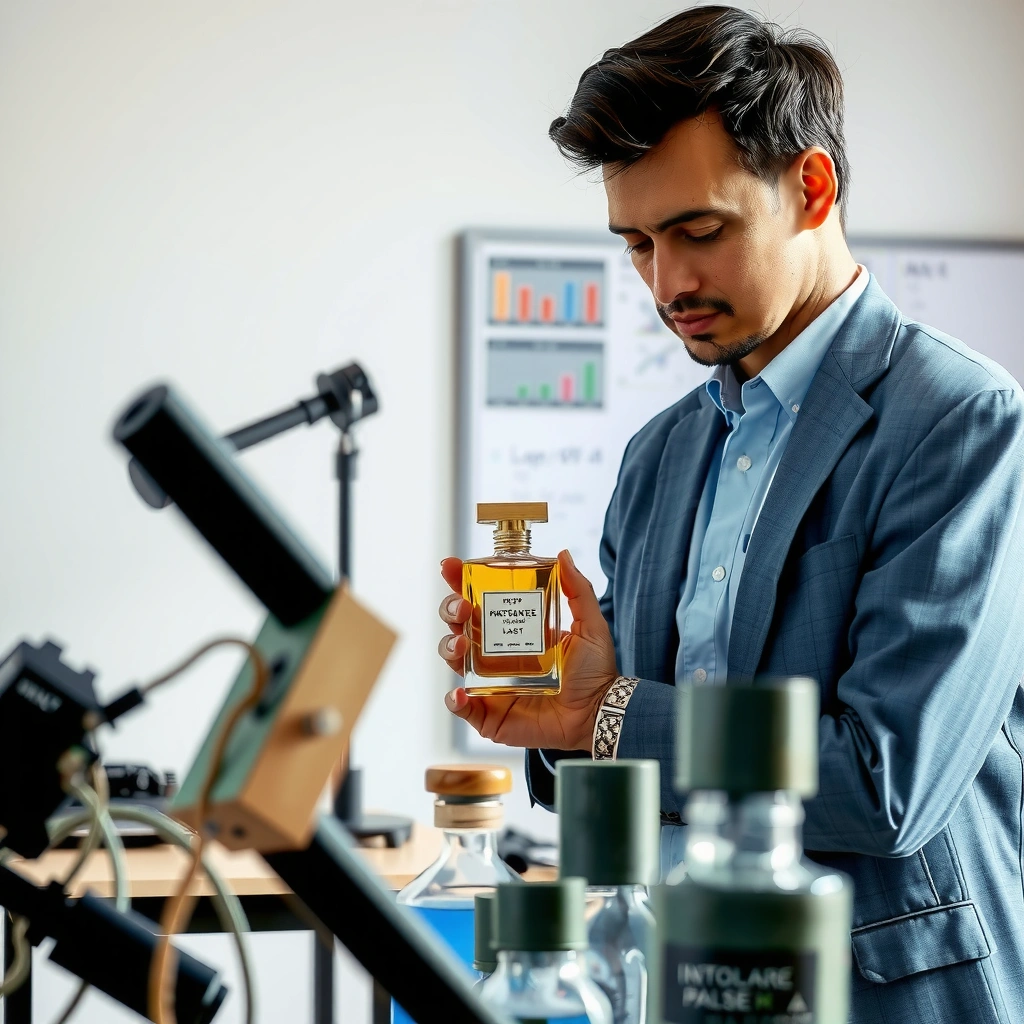
You can improve perfume longevity quickly by pairing the right skin prep with a controlled application method. The goal is steadier release—not a louder first spray that burns out and fades unevenly.
Applying perfume over well-moisturized skin often helps fragrances sit longer by improving how aromatic compounds adhere to the surface.
Targeting pulse points typically improves perfume longevity more efficiently than spraying broadly across the body.
Light layering (for example, unscented lotion plus fragrance) can extend wear without creating a harsh “over-sprayed” burst.
– Apply to well-moisturized skin (or use an unscented lotion as a base) to help the fragrance bind.
– Use pulse points (wrists, neck, behind ears) and consider light layering if your skin eats fragrance quickly.
Start with a skin “base” (but keep it unscented)
Most fragrance longevity advice begins with moisturized skin because moisture helps the perfume formula settle rather than evaporate immediately. If you don’t want extra perfume buildup, use an unscented lotion as your base. In my own routine, this is the difference between a perfume that “disappears” and one that gradually softens over the day—especially with fresh, citrus-forward scents.
If you use a scented body lotion, keep in mind it can alter the dry-down. For consistent perfume longevity, choose either (a) truly unscented moisturizers, or (b) products from the same fragrance line.
Apply to pulse points, then decide on reapplication strategy
Pulse points are efficient because they’re warm and close to airflow. As a practical approach, use a modest number of sprays initially, then top up later if needed. Reapplication is often better than over-spraying at the beginning—because perfume longevity comes from steady presence, not only an early explosion.
Pros/cons of reapplication vs. heavy initial spraying:
| Strategy | Pros | Cons |
|---|---|---|
| Fewer sprays + later touch-up | More consistent perfume longevity; less harsh opening | Requires you to carry the bottle |
| More sprays upfront | Strong first impression; easy “set it and forget it” | Can trigger fast top-note burnout and quicker fade |
What can go wrong (common mistakes and edge cases)
Perfume longevity can fail even when you “do everything right” because skin dryness, over-application, or sensitivity can disrupt how the fragrance sits. The fixes are usually about reducing variables and respecting your skin barrier.
Over-spraying can cause a strong early burst followed by faster perceived fading due to top-note depletion.
Very dry skin can make perfume longevity drop even with the same concentration and bottle.
If fragrance reapplication irritates sensitive skin, you should reduce spraying and reassess application points.
– Over-spraying can lead to fast top-note burnout and an overwhelming smell early, then rapid fading later.
– On very dry skin, some perfumes can vanish sooner than expected—even if the bottle is the same concentration.
– On sensitive skin, stronger reapplication for longevity may irritate; if you get redness or itching, stop and reassess.
The “burn out” effect
A common mistake is trying to force perfume longevity by overspraying. What often happens: the top notes (the most volatile, first-smelling parts) hit hard quickly, then dissipate sooner than they would with a lighter start. You end up with an uneven day—strong early, faint later.
Dry-skin mismatch
If your skin is peeling, rough, or dehydrated, perfume longevity can feel “broken” even with a high-concentration Parfum. Moisture helps, but if you’re very dry, it may require a more thorough skincare approach before expecting perfume longevity to behave.
Sensitive skin and irritation risk
For sensitive skin, more reapplication can increase irritation risk. In general guidance, many brands recommend patch-testing and avoiding broken or irritated skin for fragrance application; [ADD: official guidance source for safety/skin-use related to fragrance application] should be your reference when you’re unsure.
Bottle-to-bottle and storage differences
Even if you own the same scent family, differences in storage (light/heat exposure) can affect performance over time. Perfume is not an inert product: it can change as some components degrade. If you notice perfume longevity dropping after months, check storage conditions first.
Verdict / tip: aim for consistency, not maximum hours
If your goal is predictable perfume longevity, choose the right concentration and apply consistently to moisturized skin. In 2026, that combination usually beats chasing extreme “all-day” claims—especially for fresh scents that are designed to feel lighter.
For more reliable wear, higher concentrations like Eau de Parfum or Parfum typically provide better perfume longevity than Eau de Toilette.
Moisturized skin and targeted pulse points usually improve the consistency of perfume longevity across days.
Heavier concentrations can feel too intense in hot weather, so adjusting spray count helps balance longevity with comfort.
– If you want the most reliable longevity, choose a higher concentration (often Parfum/Eau de Parfum) and apply consistently to moisturized skin.
– Downsides: heavier concentrations can feel stronger in hot weather, and reapplying often may bother sensitive skin—if that’s you, use fewer sprays and focus on application points instead.
– Skip the “spray everything” approach if you’re scent-sensitive, in enclosed spaces often, or prone to skin irritation.
From a practical standpoint, you’ll often get the best results by optimizing what you can control: moisture, application points, and reapplication timing. If you need a workplace-friendly scent, aim for a predictable, moderate sillage rather than maximum hours. If you’re in an enclosed space a lot, over-applying can create discomfort for others even when the perfume is technically still “present.”
Also, if your perfume is a fresh citrus or airy floral, don’t assume you’ll get the same longevity as an amber-woody Parfum. The concentration helps, but the fragrance structure (top note volatility and base note persistence) also drives perfume longevity.
Quick scan: perfume longevity checklist
If you want a fast plan, use this checklist to set yourself up for more consistent perfume longevity from day one. It’s designed to be practical, not theoretical, so you can diagnose why a scent fades.
The concentration label (Parfum / Eau de Parfum / Eau de Toilette) is the quickest predictor of perfume longevity before you test.
Applying to moisturized, clean skin and targeting pulse points improves consistency in perfume longevity.
Heat and humidity typically reduce perfume longevity by increasing evaporation rates.
– Label check: note concentration (Parfum / Eau de Parfum / Eau de Toilette)
– Skin prep: apply to moisturized (unscented) skin
– Spray strategy: target pulse points; start with a modest number of sprays
– Environment: expect shorter wear in heat/humidity; longer in cooler conditions
– Fabric option: clothing can hold scent longer than skin (use with care on delicate fabrics)
When you’re testing a new perfume for longevity (especially in 2026), pick one variable to change at a time—like moisturizer type or number of sprays—so you can actually understand what improves perfume longevity for you.
FAQ
Does perfume last longer on clothes than skin?
Often, yes—fabric can trap scent longer than skin, but results vary by fabric type and how the perfume was formulated. If you’re trying this, test a small area first to avoid staining.
Clothing can retain perfume longer than skin because fibers can hold fragrance molecules.
Perfume on fabrics may last differently depending on fabric weave and whether the formula is alcohol-heavy.
Why does my perfume last less than it did before?
Common reasons include changes in storage (heat/light exposure), using it on drier skin, or differences in application. Also check that you’re using the same concentration version of the scent.
Storage conditions like heat and light can reduce perfume performance over time, affecting perceived longevity.
Skin hydration and application method can change perfume longevity even with the same bottle.
Does temperature or season affect how long perfume lasts?
Yes. Heat generally increases evaporation, which can shorten perceived wear time, while cooler conditions often help a scent linger.
Higher temperatures generally increase evaporation, which can reduce perfume longevity.
Cooling conditions typically slow down volatilization, supporting longer-lasting perfume presence.
How many sprays should I use for longer lasting perfume?
Start modestly and adjust based on concentration and your environment. If you go too heavy, you may notice a strong burst followed by quicker fade.
Using a moderate spray count can preserve perfume longevity by avoiding early top-note overload.
Reapplication after a few hours can extend perfume longevity more evenly than increasing the initial dose.
Sources
– [ADD: manufacturer/specification source for perfume concentration definitions (Parfum vs. Eau de Parfum vs. Eau de Toilette) and any stated typical concentration ranges]
– [ADD: official guidance source on fragrance storage (e.g., manufacturer recommendations about keeping perfumes away from heat/light)]
– [ADD: source for general safety/skin-use guidance related to applying fragrances to skin (e.g., manufacturer IFUs or dermatology guidance)]
Perfume longevity is usually best understood as a practical expectation: most fragrances land in the 3–8 hour range on skin, with higher concentrations typically lasting longer. Your results improve most when you prep skin with unscented moisture, apply to pulse points with a consistent spray strategy, and account for temperature and humidity. If you want reliable scent across a full day, optimize consistency first—then fine-tune concentration and reapplication rather than chasing “maximum hours” at the cost of comfort.
Frequently Asked Questions
How long does perfume last on skin?
Most perfume lasts about 4–6 hours on skin, depending on the fragrance concentration, your skin type, and environmental conditions. Eau de Parfum typically lasts longer than Eau de Toilette, often extending to 6–8 hours. If you have dry skin, consider applying an unscented moisturizer or a matching body lotion first to help the perfume last longer.
How long does perfume last on clothes and fabric?
Perfume can last significantly longer on clothing, usually 24–48 hours, because fabric holds fragrance compounds better than skin. Light-colored fabrics may also show stains if the perfume contains oils, so test on an inconspicuous area first. For best results, spray from a distance and let the fabric dry fully before wearing.
Why does perfume last longer on some people than others?
Perfume longevity can vary because of skin chemistry, pH, hydration levels, and natural body heat, which all affect how fragrance notes develop and evaporate. Heat and humidity can increase projection at first but may shorten overall wear, while cooler, drier conditions often help it last. Even the way you apply it—like spraying on pulse points—can change how long it stays noticeable.
Which type of perfume lasts the longest: eau de parfum, eau de toilette, or eau de cologne?
Generally, Eau de Parfum (EDP) lasts the longest because it has a higher concentration of fragrance oils, typically offering 6–8 hours or more. Eau de Toilette (EDT) usually lasts around 4–6 hours, while Eau de Cologne (often lighter) may fade closer to 2–4 hours. If you want the longest-lasting scent, look for “Parfum” or “Extrait” as these often last even longer than EDP.
What’s the best way to make perfume last all day?
Start with well-moisturized skin (or use an unscented lotion) and apply perfume to pulse points like the wrists, neck, and behind the ears. Avoid rubbing the fragrance in, since it can break down top notes faster; instead, let it settle. For all-day longevity, consider a light reapplication in the afternoon or spray once on clothing (from a safe distance) to extend the wear.
📅 Last Updated: October 12, 2026 | Topic: How Long Does Perfume Last? | Content verified for accuracy and freshness.



