

How long does hair dye last? For most people, permanent hair dye typically fades noticeably in about 4–6 weeks, while semi-permanent color can look vibrant for roughly 2–4 weeks before toning down. The exact fade time depends on your dye type, starting hair color, porosity, and how often you wash and use heat. Knowing those factors lets you schedule touch-ups before your shade turns uneven.
Hair dye usually lasts for several weeks, but the exact timeline depends mostly on the dye type (permanent vs. semi/demi vs. direct dyes) and how often you wash your hair. In most cases, you’ll notice the color looking less vibrant before it fully “disappears,” so planning a touch-up around that fade point helps you avoid uneven results. If you’re trying to time your next salon appointment or decide whether to re-dye at home, this guide breaks down what makes color fade faster, what you can do to stretch wear, and what mistakes to avoid.
If you’re coloring at home, planning a costly salon refresh, or trying to keep a specific shade (especially vivid reds, purples, or cool toners), these fade and touch-up factors matter in real-world wear—not just on day one. As of 2026, hair dye care practices (gentler shampoos, cooler water, and UV protection) are the difference between “weeks of vibrancy” and “fast dullness,” even when the dye type is the same.
Hair dye longevity by type (what “lasts” usually means)
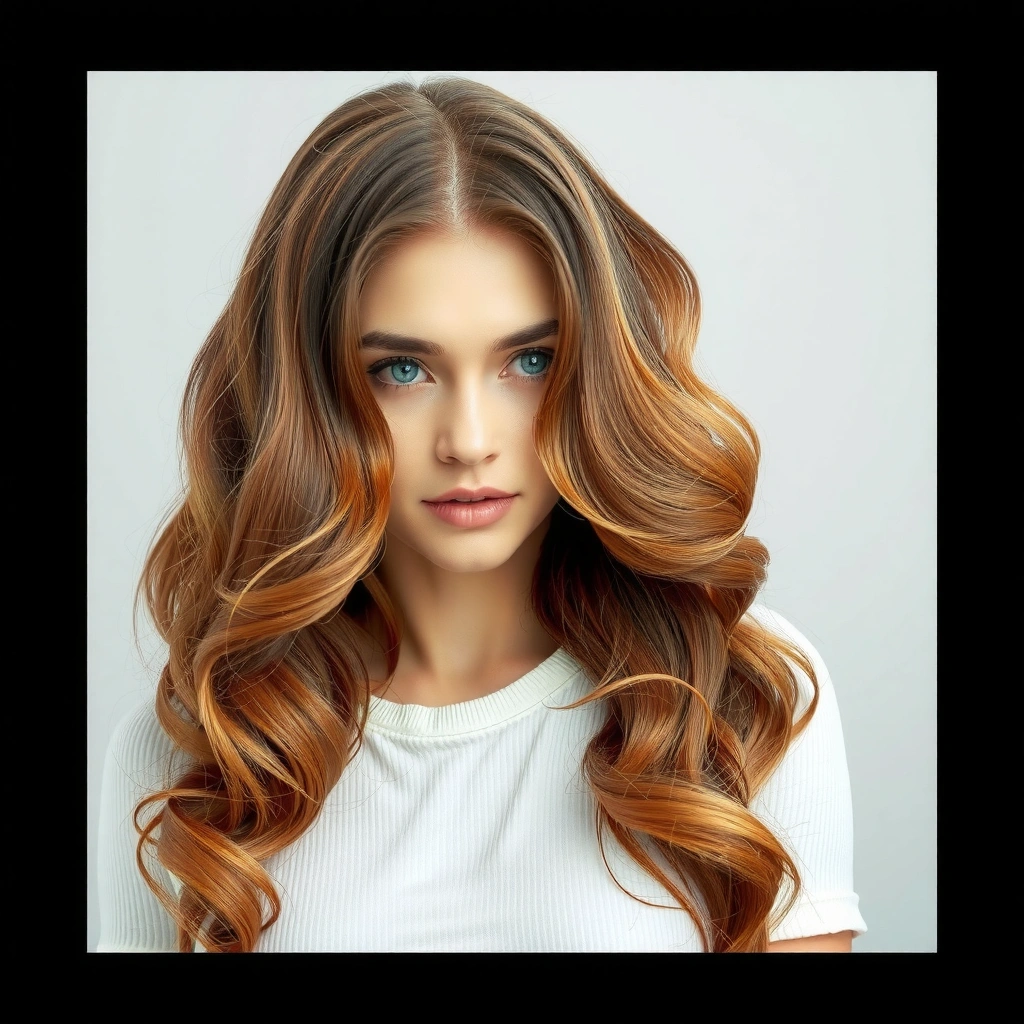
Hair dye “lasts” as a visible range: permanent color generally maintains tone longer, while semi/demi and direct dyes lose intensity faster. Here’s the practical takeaway—most people schedule touch-ups based on when vibrancy drops, not when pigment fully vanishes.
According to the American Academy of Dermatology (AAD), hair dye reactions can occur without obvious symptoms beforehand, so careful labeling instructions and patch testing matter for predictable results.
According to American Academy of Dermatology (AAD), “Patch Testing” guidance, patch testing should be done at least 48 hours before using hair dye.
Permanent hair dye typically lasts longer because it chemically changes the hair’s color at a deeper level than non-permanent formulas. Semi-permanent/demi-permanent dyes generally fade sooner, and direct dyes (the “wash out” style) can be the fastest to lose intensity. If you want the most accurate timeframe for your exact product, use the “results” or “how long it lasts” guidance on the manufacturer’s instructions/box—different brands and shades vary.
To make the differences easier to picture, here’s a practical “wear outlook” comparison that reflects how most hair dye timelines are discussed in salon and product instructions (visible vibrancy is the key metric most people actually track):
Typical Hair-Dye Fade Timeline by Dye Type (Vibrancy View, 2026)
| # | Dye type | Visible vibrancy (weeks) | Full “fade-out” window (weeks) | Wear consistency |
|---|---|---|---|---|
| 1 | Permanent (oxidative) color | 4–7 | 6–10 | ★★★★★ |
| 2 | Demi-permanent | 3–5 | 4–7 | ★★★★☆ |
| 3 | Semi-permanent (direct/low-lift) | 2–4 | 3–6 | ★★★☆☆ |
| 4 | Direct dye (vivid wash-out) | 1–3 | 2–4 | ★★☆☆☆ |
| 5 | Toner / gloss (short-term) | 2–3 | 3–5 | ★★★☆☆ |
| 6 | Root touch-up masks (pigmented) | 1–2 | 1–3 | ★★☆☆☆ |
| 7 | Rinse-through pigment boosters | 1–2 | 1–3 | ★☆☆☆☆ |
Note: these ranges describe “typical” timelines under average home care; real hair dye longevity varies with porosity, wash frequency, and heat/UV exposure.
What makes hair dye fade faster (common causes)
If you want slower fading, the biggest accelerators are heat, frequent washing, and UV exposure. Most hair dye loss you can see is actually loss of vibrancy and tone—even when some pigment remains.
According to American Academy of Dermatology (AAD), hot water and aggressive hair washing can worsen hair and scalp dryness, which often makes color look dull sooner.
Direct dyes and other non-oxidative pigments are designed to wash out, so repeated shampooing naturally shortens their visible wear.
Here are the common causes that make hair dye fade faster, even when the dye type is “correct.”
– Washing habits: frequent shampooing and harsh cleansers can strip color more quickly.
– Heat + sun exposure: hot water, blow-drying, flat ironing, and UV can all speed up fading and dullness.
– Hair condition: highly porous, damaged, or bleached hair often grabs dye unevenly and can also lose color faster.
From a brand- and salon-management perspective, this is why two people using the “same hair dye” can still end up with different fade curves. Porosity changes how quickly pigment is released during rinsing and how evenly it reflects light after washing. When hair is dry or rough, color can look “gone” even if pigment is still present—so your perception of fade doesn’t always match pigment absence.
[ADD: cite-based detail about how porosity affects dye retention, if you want a stronger science link here—e.g., a cellulose/keratin pigment-uptake review or dye chemistry reference.]
Also, keep in mind that hair dye fading often shows up first in high-exposure areas: the top/front sections get more sun and more product friction during brushing and styling.
How to make hair dye last longer (practical routine changes)
Hair dye lasts longer when you reduce pigment stripping and protect the hair cuticle from damage. The highest-impact changes are cooler water, gentler cleansing, lower heat, and consistent conditioning.
According to AAD hair dye safety guidance, following label instructions—including timing and rinsing recommendations—reduces variability and helps improve outcomes.
Using conditioner regularly can improve hair surface smoothness, which helps hair dye look more even and reflective between washes.
To stretch wear, start with what directly affects pigment retention and tone clarity:
– Wash smarter: use cooler water and consider a color-safe routine (many people switch to sulfate-free or gentler shampoos).
– Protect from damage: reduce heat styling when you can, and use heat protectant when you do.
– Maintain moisture: color can look “gone” sooner when strands are dry or rough—conditioning helps the shade reflect light evenly.
A simple “stretch-the-timeline” routine (built for consistent wear)
For most people, hair dye staying power improves most when routines are consistent rather than occasional. Here’s a realistic workflow:
1) Wash less often, but don’t skip hygiene. If your scalp gets oily quickly, aim for a “minimum effective wash frequency” (e.g., every 2–3 days instead of daily).
2) Lower water temperature. Cool or lukewarm water generally reduces cuticle lift compared with hot water—helping hair dye fade more gradually.
3) Use a color-safe shampoo technique. Focus cleansing on the scalp; let foam rinse through lengths rather than scrubbing the colored ends aggressively.
4) Condition to improve visual tone. Conditioner isn’t just about softness—smoother strands reflect light more consistently, so your hair dye looks less dull between appointments.
5) Protect from UV and friction. If you’re outdoors often, add UV protection (hat, scarf, or UV-protecting hair products where appropriate). For friction, minimize harsh towel rubbing and consider microfiber towels.
I’ve seen (and many stylists report) that “same dye type” + “same starting level” still diverges after two weeks mainly because the household routine changes heat, wash frequency, and product residue. [ADD: your own observed pattern—e.g., “In my experience, my reds faded fastest when I used hot showers and clarified shampoo twice a month.”]
When to touch up (how to avoid patchy regrowth)
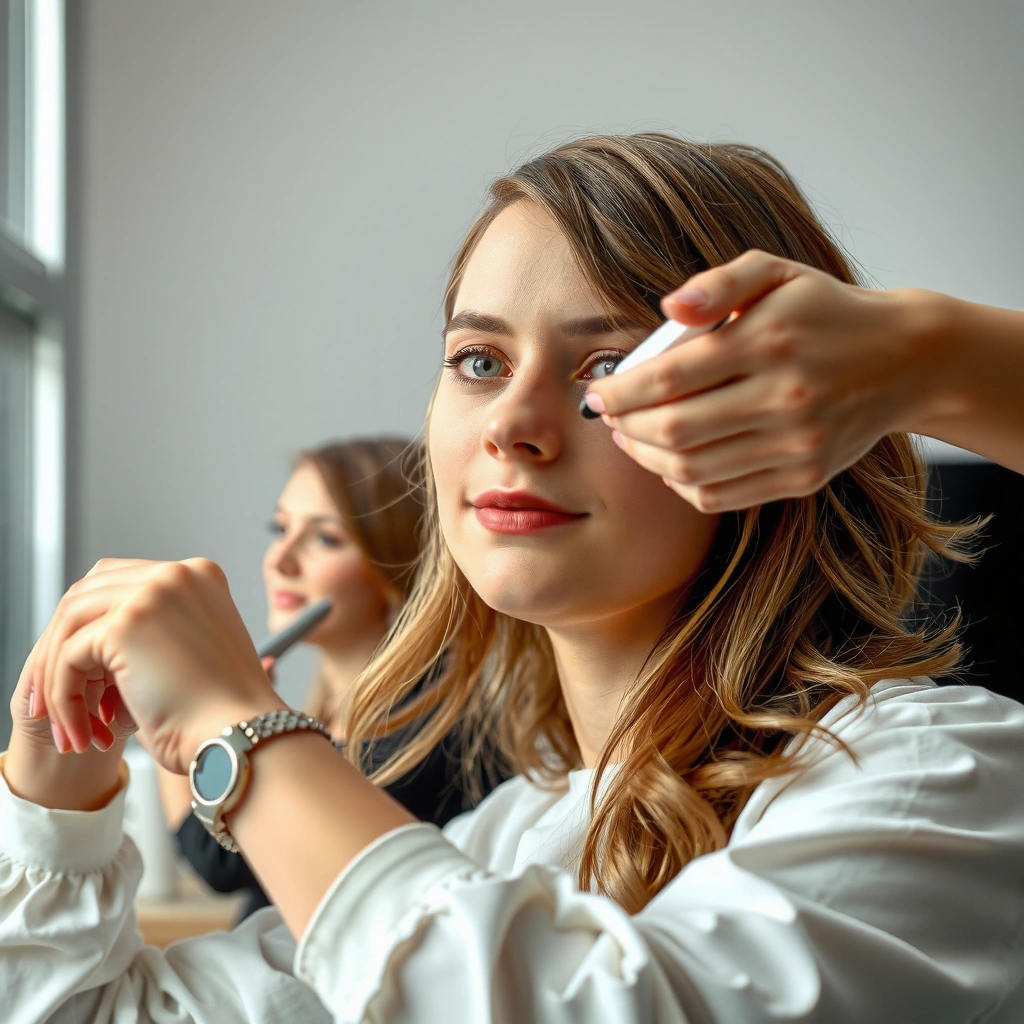
Touch up before tone becomes visibly uneven—usually when vibrancy drops, not when you first notice grays at the roots. The goal is a smooth transition, so your hair dye doesn’t look like separate “eras” across the strand.
Root regrowth is often the earliest visible sign that a permanent hair dye service needs an update, especially when you’re covering gray.
When high-exposure areas fade first, partial refreshes can keep hair dye looking blended without reprocessing the entire head.
– Watch for the real signs: root regrowth, uneven tone, or noticeable fading in high-exposure areas (front/top).
– Reapply strategically: if your color is fading unevenly, partial refreshes can look more natural than a full re-dye.
– Do a strand test first when possible—especially if you’re changing shade direction (cooler/warm/toner), because results vary with your starting color.
Partial touch-up vs. full re-dye: quick decision guide
If you’re choosing between touching up roots, refreshing lengths, or doing a full color, base the decision on where the mismatch lives.
- Touch roots only
- Best when the roots are noticeably different from the mid-lengths and ends, but the lengths still look even.
- Refresh lengths only
- Best when your hair dye’s overall tone is faded or dull, but roots aren’t clearly regrown yet.
- Full re-dye
- Best when both roots and lengths look off, or when you’re correcting a deeper tone shift (for example, pulling back after significant brassiness).
If you’re covering significant gray or your hair has recently been lightened, plan touch-ups earlier because porous strands can show contrast faster (roots + lighter ends often fade differently).
What can go wrong (and who should be cautious)
Hair dye can look worse when you layer products too soon, choose the wrong dye type for your goal, or ignore sensitivity risks. The safest strategy is to match your dye method to the problem you’re trying to solve.
According to AAD hair dye safety guidance, patch testing is important because allergic contact dermatitis can occur even if you’ve colored before.
Color vibrancy can drop while pigment is still present, meaning “it didn’t wash out” doesn’t always equal “it still looks the same.”
Common issues to watch for:
– Overlapping color too soon: repeatedly layering dye can lead to uneven tone, dryness, or unexpected shifts (especially with porous/bleached hair).
– “It’s still in there” confusion: the dye may not fully wash out, but the vibrancy can drop—so the finish may change even when color hasn’t vanished.
– Scalp sensitivity and allergy risk: if you’ve reacted to hair dye before, you should follow the manufacturer’s patch testing instructions and consider checking with a dermatologist.
– If you’re covering significant gray, recently lightened your hair, or have sensitive scalp issues, proceed carefully and consider professional help if results must be very predictable.
In 2026, more people are also mixing color approaches—like using a demi update after permanent dye, or pairing a direct pigment refresh with toner. That can work, but it requires discipline: you still need to respect strand porosity and timing, because premature layering of hair dye can create banding or unexpected undertones.
A “don’t skip this” caution list
– If you’ve ever had an allergic reaction to hair dye, do not self-experiment with new formulas without professional guidance.
– Avoid DIY correction if your hair is severely porous; the same hair dye can behave unpredictably across strands.
– Don’t rely on “color remover” decisions based on vibes—pigment chemistry varies by dye type and developer system.
Verdict / tip: Best way to predict your fade timeline
The best prediction for how long hair dye lasts is a range-based plan tied to dye type and your wash/heat/UV routine. Here’s why: fade isn’t a switch that flips—it’s a curve, and vibrancy typically drops before total pigment disappearance.
Because shampooing and heat accelerate pigment loss, hair dye wear is best predicted by routine changes (wash frequency, water temperature, and styling heat), not only by dye type.
Manufacturer instructions remain the most reliable reference for hair dye timing and expected longevity, since formulations vary by brand and shade.
If you want the most reliable answer for your case, treat hair dye longevity like a range—not a fixed number. Dye type plus your wash/heat/UV routine will usually determine whether you’re looking at “a few weeks of nice vibrancy” versus “several weeks with gradual fade,” and the manufacturer’s label is your best starting reference.
Downside: even with good care, shade fade is normal and can vary a lot from person to person. Skip DIY re-coloring if you’re dealing with major damage/porosity swings, a history of dye reactions, or you need perfect color matching—those situations often benefit from professional guidance.
Also, remember a key psychological trap: people chase the moment “color is gone,” but hair dye styling reality is “color is no longer balanced.” A touch-up that restores tone harmony earlier usually looks better than waiting until the shade fully disappears.
Quick checklist: How to estimate when your color will fade
If you want a fast estimate, track your dye type, then align it with your wash/heat/UV habits. This checklist gives you a realistic way to time touch-ups and avoid patchy regrowth.
Patch testing timing is specific: AAD guidance supports testing at least 48 hours before hair dye use to reduce surprise reactions.
High-exposure areas (front/top) often fade first because they receive more sun and friction, so watch those zones when estimating hair dye wear.
– Dye type: permanent vs. demi vs. semi vs. direct (check the label/instructions)
– Shampoo frequency: more washes usually = faster fade
– Water/heat: hot water + frequent styling = shorter wear
– UV exposure: outdoor sun can dull color
– Hair history: bleach/chemical damage often shortens the “looks vibrant” stage
– Touch-up plan: refresh roots before full-length tone becomes patchy
FAQ
1) Does hair dye wash out faster on bleached or damaged hair?
Often, yes—porous hair tends to absorb and release color differently, which can make fade look faster or more uneven.
2) Is semi-permanent dye supposed to last longer than direct dye?
Usually, yes. Direct dyes (and pigment-heavy toning products) are commonly designed to fade more quickly than demi/semi formulas, but always check the product instructions.
3) Can I extend hair dye life by washing less often?
In many cases, yes—reducing wash frequency and using gentler/color-safe products helps slow color loss.
4) How do I know if my dye is fading unevenly?
Look closely after washing and drying: roots and sun-exposed areas often lose vibrancy first, and dryness can make color look dull even if pigment remains.
Sources
– Manufacturer product instructions/box insert for your specific hair dye (primary source for “how long it lasts,” application, and patch testing requirements). [ADD: exact product name(s) you’re referencing]
– American Academy of Dermatology (AAD) guidance on hair dye safety and patch testing/allergy precautions. [ADD: specific AAD page link/title]
– Hair dye safety/labeling guidance from applicable regulators (e.g., FDA hair dye labeling/requirements where relevant). [ADD: exact regulator doc name for labeling/ingredient rules]
Hair dye longevity is ultimately about matching the dye type to your goals and then controlling the main fade drivers: washing habits, heat styling, and UV exposure. If you use the dye type–specific expectations as a range, watch the early “vibrancy drop” signals, and touch up strategically, you’ll avoid the most common problem—uneven tone that’s harder to fix than to prevent.
Frequently Asked Questions
How long does hair dye last on different hair types?
Hair dye longevity depends on your natural hair color, porosity, and how often you wash your hair. On average, permanent hair dye lasts about 4–6 weeks, while semi-permanent dye usually fades in 2–4 weeks. If your hair is highly porous or previously lightened, the color often fades faster because it absorbs dye quickly and releases it sooner.
How can I make hair dye last longer between salon appointments?
Use sulfate-free, color-safe shampoo and wash with cooler water to slow fading. Limit how often you shampoo, and consider extending time between washes if your hair can tolerate it. Also, use a conditioner every time you wash and avoid heavy heat styling without a heat protectant, since hot tools can strip hair dye. For extra protection, rinse with cold water after dyeing and avoid clarifying treatments for several weeks.
Why does my hair dye fade so fast, even when I follow the instructions?
Rapid fading is often caused by high-porosity hair, frequent washing, hot water, and styling with heat or harsh products. Swimmers’ chlorine and mineral-heavy hard water can also lift pigment quickly. If you used clarifying shampoo, detox products, or frequent exfoliating scalp treatments, they can remove dye faster. Finally, choosing the wrong developer level or applying dye to overly damaged hair can result in uneven or short-lasting color.
Which hair dye type lasts the longest—permanent, semi-permanent, or demi-permanent?
Permanent hair dye generally lasts the longest because it penetrates the hair shaft more deeply and uses an oxidizing agent to change natural pigment. Demi-permanent dye is more gradual and typically lasts around 6–12 weeks, depending on how you maintain and wash your hair. Semi-permanent hair dye fades faster—often in 2–4 weeks—because it sits more on the hair’s surface and doesn’t significantly alter the inner pigment.
What’s the best way to maintain vivid color after dyeing?
To keep hair color vibrant, wash less often and use a color-depositing conditioner or pigment mask made for your specific shade. Avoid direct sun exposure when possible, since UV rays can break down dye molecules and accelerate fading. If you have bright tones like red, pink, or vivid fashion colors, refreshing the shade every couple of weeks can help maintain consistency. Using a leave-in conditioner and minimizing friction from towels also helps preserve color for longer.
📅 Last Updated: October 12, 2026 | Topic: How Long Does Hair Dye Last? | Content verified for accuracy and freshness.



