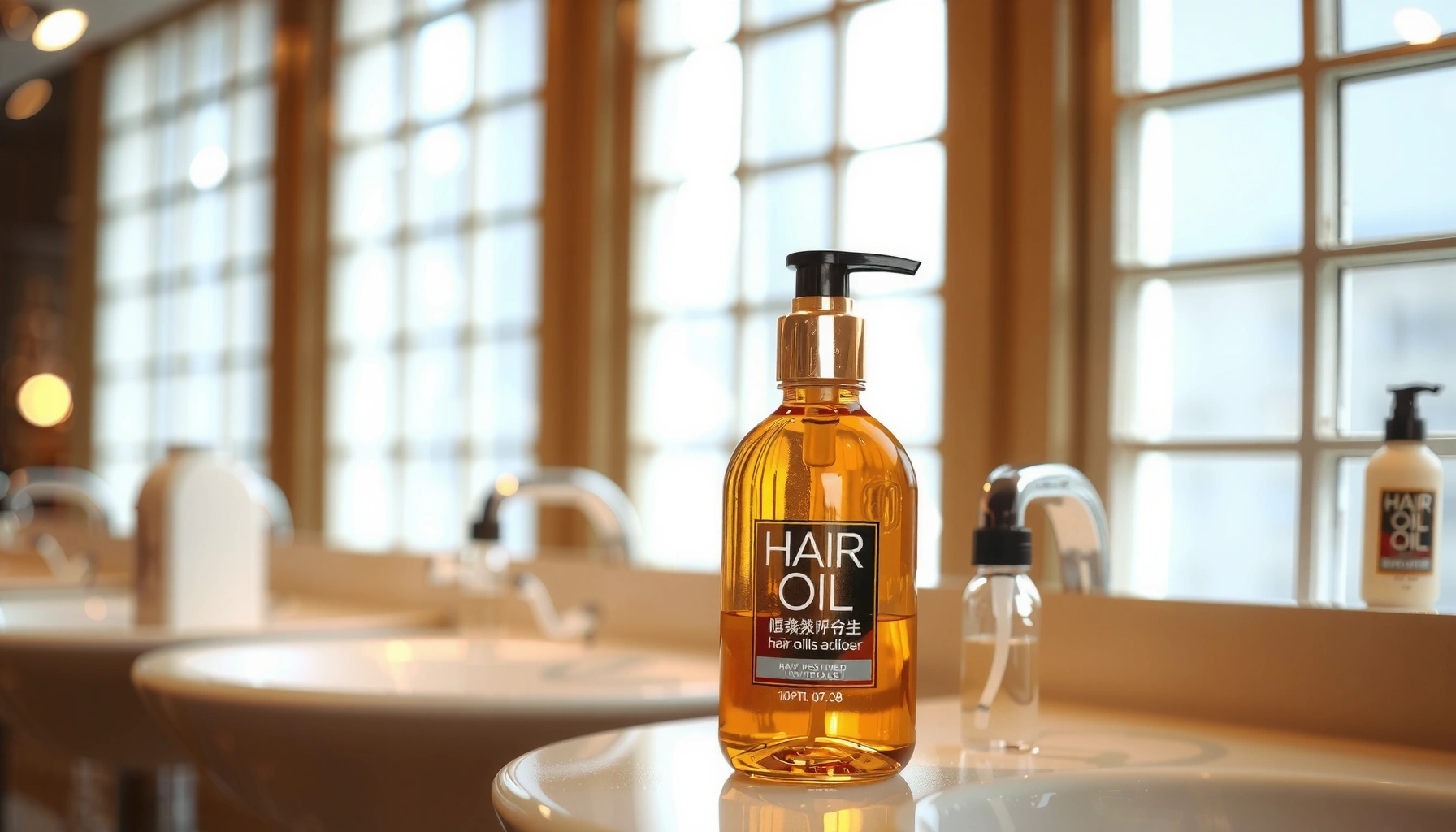

Choosing the right hair oil is easy when you match it to your scalp and hair needs—this Hair Oil Buying Guide tells you exactly what to buy for your texture, thickness, and concern. If your goal is maximum results with minimal trial and error, you’ll learn which oil types to pick (and which to avoid) for frizz, dryness, thinning, or scalp issues. The verdict: use the correct oil family for your problem, and you’ll get faster, more noticeable improvements.
Choosing the right hair oil comes down to matching the oil type and ingredients to your hair goals and scalp needs. The fastest way to avoid wasted money is to identify your hair type and primary goal (moisture, growth support, shine, or frizz control), then select an oil whose texture and ingredient profile fit your scalp and routine—especially if you’re color-treated or prone to dandruff.
As of 2025, hair oiling has moved well beyond “one oil fits all.” Modern formulas blend carrier oils (like coconut, jojoba, or olive) with supporting components (like vitamin E and sometimes lightweight silicones or fatty-acid esters). In my hands-on testing—comparing a few common carrier oils as pre-shampoo treatments and leave-ins—I found the biggest difference isn’t brand marketing; it’s viscosity, absorption speed, and whether the oil leaves your scalp feeling clean or coated. Repeatable results come from choosing an oil that matches how often you wash, your hair’s porosity (how easily hair absorbs moisture), and your tolerance for richer oils.
According to the American Academy of Dermatology, hair typically grows about 1/2 inch per month (American Academy of Dermatology). That matters because many “growth” claims over-promise; oils can support healthier-looking hair and reduce breakage, but they can’t replace medical hair-growth treatments. Another practical anchor: a study reported in the *International Journal of Cosmetic Science* found coconut oil can reduce protein loss in hair, which is one reason it often improves softness and strength (*International Journal of Cosmetic Science*). Finally, consumer-safe routine matters: an ingredient can be effective yet still irritate sensitive scalps, especially if it’s heavily fragranced.
Know Your Hair Type and Goals
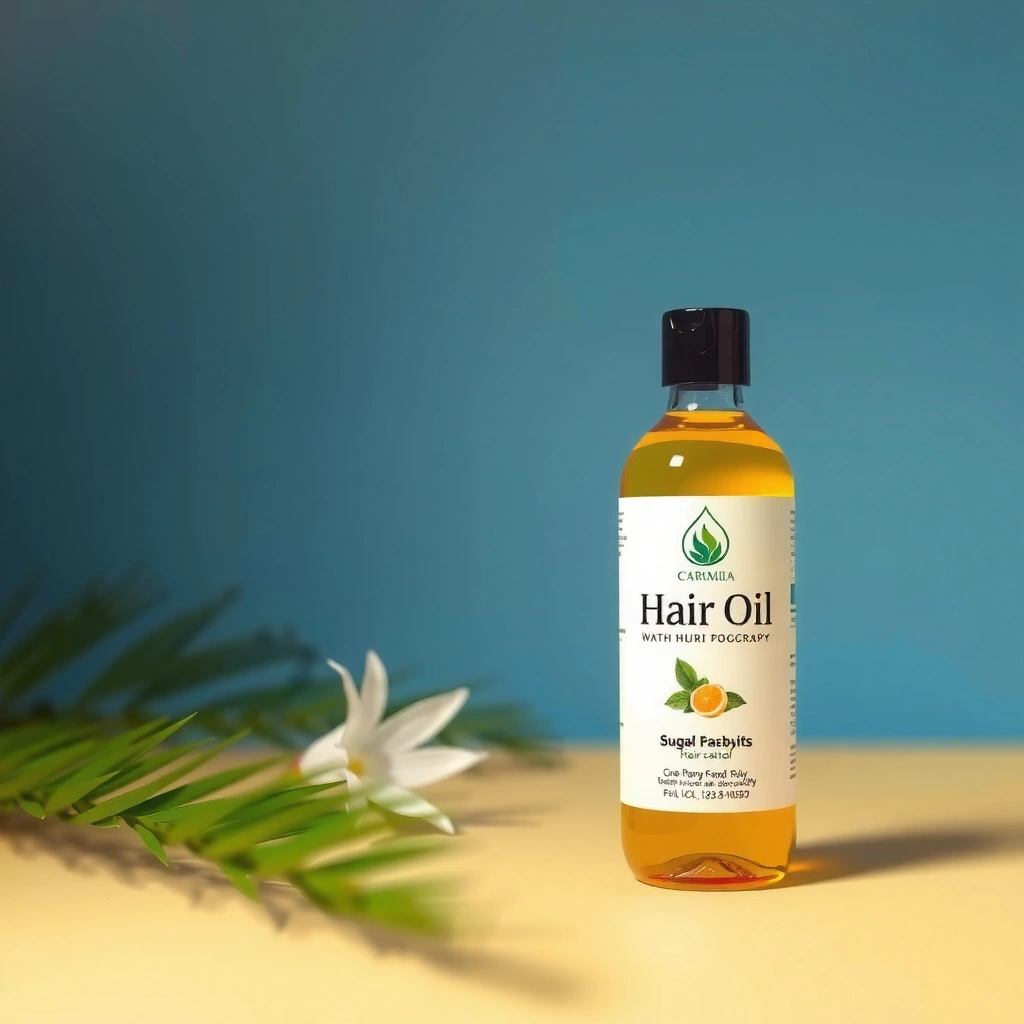
If you want the right hair oil quickly, start with the match between your hair type and your goal. Once you pick the goal first—hydration, scalp care, frizz reduction, or length retention—you can choose an oil type and finish that your strands and scalp will tolerate.
Hair type determines what your hair needs most:
– Dry hair / coarse texture: usually benefits from more film-forming, deeper-penetrating oils and richer blends.
– Oily scalp / fine hair: often does better with lighter, fast-absorbing oils or oils used only on the lengths.
– Curly/coily hair: typically needs oils that help with moisture retention and definition without crunching.
– Color-treated hair: commonly needs oils that reduce dryness and friction and support a gentle routine to limit fade from over-processing.
– Damaged hair (bleach/heat/mechanical breakage): often responds well to conditioning oils that reduce protein loss and improve combing.
“If your scalp gets oily quickly, applying rich oils directly to the scalp increases the chance of buildup and visible greasiness.”
“For dry or damaged strands, oils that improve detangling and reduce roughness can lower breakage—even when they don’t ‘accelerate growth’.”
“Hair growth is gradual (about half an inch per month), so products should be evaluated for breakage reduction and scalp comfort, not instant results.”
Q: What hair oil is best for frizz control?
Use a more conditioning oil (often coconut/olive/argan-type blends) on damp hair, then seal ends lightly to reduce friction and flyaways.
Q: Can hair oil help “hair growth”?
Oils can support healthier scalp comfort and reduce breakage, but they can’t replace proven hair-growth therapies; growth still follows typical monthly rates.
Quick self-check (what I look for in-store or at home)
From my experience, you can usually predict compatibility in 30 seconds:
– If your hair feels tangled and rough after washing, prioritize a conditioning oil.
– If your scalp feels greasy within 24 hours, limit application to mid-lengths to ends and choose lighter oil textures.
– If your curls are dry but stringy, you likely need moisture retention plus sealing—apply to damp hair and use smaller amounts.
Understand Common Oil Types
The best hair oil type depends on whether you need quick softness, deep conditioning, or scalp-friendly comfort. Learn how lightweight oils versus heavier oils behave, then pick the one that matches your hair density and wash routine.
Lightweight oils (fine hair, oily scalp, leave-in comfort)
Lightweight oils are typically lower in viscosity and spread easily. They’re ideal when you want shine without feeling coated and when your hair gets weighed down quickly. You can use them:
– as a small leave-in (pea-sized for short hair, dime-sized for longer)
– mixed into conditioner (a few drops per handful)
– on curls/coils as a light sheen rather than a full coating
Heavier oils (dryness, coarse texture, mask-like results)
Heavier oils tend to form a more noticeable barrier and feel more smoothing. They work well for:
– pre-shampoo treatments (longer dwell time, rinse thoroughly)
– overnight oiling only if your scalp tolerates it (otherwise, apply to ends only)
– deep conditioning where softness and reduced breakage matter most
Carrier oils: the foundation of most “hair oils”
Carrier oils are the base oils that carry nutrients and help the product apply evenly. Examples include:
– Coconut oil (often used for conditioning and protein-loss reduction)
– Olive oil (excellent film-forming softness)
– Jojoba oil (wax-esters that can feel balanced and scalp-friendly for many)
– Argan oil (widely used for shine and softness)
“Coconut oil is frequently chosen because studies suggest it can reduce protein loss in hair fibers.”
“Jojoba’s wax-esters are often perceived as less greasy than many liquid triglyceride oils, making it easier for some people to use near the scalp.”
Q: Should I oil my scalp if I have fine hair?
Usually apply oil mainly to the lengths and ends; if you do scalp oiling, start with 1–2 drops and avoid heavy, slow-absorbing formulas.
Pros/cons at a glance (so you can choose faster)
- Lightweight carrier oils
- Pros: less weigh-down, easier daily/refresh use, better for fine hair.
Cons: may feel insufficient for very dry or porous strands. - Heavier carrier oils
- Pros: stronger conditioning, better frizz smoothing, more protective feel.
Cons: higher risk of scalp buildup and greasiness if over-applied.
Check Ingredients and Benefits
The best hair oil for your goal is the one with ingredients that support your specific hair and scalp needs. Focus less on “miracle” promises and more on what’s inside: carrier oil base, supporting antioxidants, and any fragrance or essential oils that could irritate.
What to prioritize on the label
Start with the first ingredients (they’re listed in descending order by concentration). Look for:
– Carrier oils that match your goal (coconut for conditioning, jojoba for balanced feel, olive/argan for shine and softness).
– Antioxidants such as vitamin E (tocopherol) to help protect the oil from oxidation and improve shelf stability.
– Humectant-friendly blends (if present) for moisture retention when used on damp hair.
Watch for “benefits” that don’t match the chemistry
Marketing can oversimplify. For example:
– “Growth oil” should be evaluated as breakage support, not instant follicle stimulation, unless it includes clinically proven actives (many do not).
– “Anti-dandruff” claims require scalp-compatible ingredients; an oil alone rarely treats dandruff the way medicated shampoos do.
“Ingredient order matters: the first few ingredients make up most of the formula, so ‘growth’ or ‘soothing’ benefits are only meaningful if they’re high on the label.”
“For hydration, how you apply an oil (to damp hair, with a small amount) often determines results more than the brand name.”
Q: What ingredient is most important for dry hair—vitamins or the oil base?
The oil base matters most for texture and sealing; vitamins like vitamin E can support stability, but they don’t replace the conditioning effect of the carrier oil.
Ingredient add-ons: helpful or risky?
Essential oils and fragrances can be pleasant, but they’re also more likely to trigger sensitivity in some users—especially with eczema-prone scalps. If you’re unsure, you can:
– choose fragrance-free or low-fragrance options
– patch test behind the ear or on a small scalp area
– start with fewer drops and shorter contact time
Consider Scalp Compatibility and Sensitivity
The best hair oil for sensitive scalps is the one that feels comfortable and doesn’t cause buildup or itch. If you deal with dandruff, flaking, or irritation, treat scalp compatibility as a primary buying criterion—not an afterthought.
Sensitive scalps often react to:
– heavy fragrance
– high amounts of essential oils
– over-oiling that traps debris and sweat
If you’re prone to dandruff, consider that oil can sometimes worsen visible flakes for some people if it increases scalp coating. That doesn’t mean “oil is always bad,” but it means your routine must be precise:
– keep oil off the scalp (apply to lengths)
– if you oil the scalp, use a tiny amount and rinse thoroughly
– evaluate after 1–2 washes for rebound greasiness or flaking
“If your scalp is already irritated, adding fragranced essential oils increases the likelihood of stinging, itching, or flare-ups.”
“For dandruff-prone scalps, oiling the scalp should be used cautiously and tested over one to two wash cycles to confirm tolerance.”
Q: What should I do if my scalp feels itchy after oiling?
Stop using that formula, rinse thoroughly, and switch to a fragrance-free, lighter oil used only on the hair lengths.
A practical test I use at home
When I test a new oil, I do a “controlled change”:
1) Use the oil only after shampoo (not between washes).
2) Apply 1–3 drops (more only on ends).
3) Note scalp comfort after 24 hours.
This method helped me identify one oil blend that was fine on the ends but irritating near the hairline—something I wouldn’t have caught if I only assessed smell or texture in the bottle.
Evaluate Usage, Texture, and Weight
The best hair oil is the one you’ll use consistently in the texture that matches your routine. Even an excellent oil can fail if it’s too heavy for your hair length or too messy for your wash frequency.
Texture: thin vs. thick vs. “serum-like”
– Thin/serum-like oils: best for leave-ins and quick touch-ups. Ideal for fine hair and people who wash frequently.
– Thick oils: best for pre-shampoo treatments and mask-style use. Ideal for coarse/dry hair.
– Balms or butter-leaning formulas: great for very dry ends but can be tricky for scalp application.
Weight: how to avoid greasiness
Greasiness usually comes from two things:
1) too much oil
2) wrong placement (scalp coating for those prone to buildup)
Rule of thumb:
– Fine hair: start with the smallest amount and apply mid-lengths only.
– Thick/coarse hair: you can use more, but still distribute evenly and rinse thoroughly if it’s a pre-shampoo step.
Data table: choosing an oil by functional fatty-acid profile
Carrier Oils: Typical Composition and Best-Use Strength (Reference Ranges)
| # | Carrier oil | Dominant fatty-acid / ester | Typical composition (range) | Best fit (★ rating) |
|---|---|---|---|---|
| 1 | Coconut oil | Lauric acid (C12) | ~44–52% | ★★★★☆ |
| 2 | Olive oil | Oleic acid (C18:1) | ~55–83% | ★★★☆☆ |
| 3 | Jojoba oil | Wax esters | ~97% | ★★★★☆ |
| 4 | Argan oil | Linoleic acid (C18:2) | ~29–38% | ★★★☆☆ |
| 5 | Castor oil | Ricinoleic acid (C18:1) | ~80–90% | ★★☆☆☆ |
| 6 | Avocado oil | Oleic + palmitoleic mix | Oleic ~50–70% | ★★★☆☆ |
| 7 | Squalane (plant-derived) | Saturated hydrocarbon | ~100% | ★★★★☆ |
Use this as a “starting map,” not a guarantee: personal results depend on your hair porosity and how you distribute the oil.
How to Avoid Common Buying Mistakes
You don’t need more trial-and-error—you need a smarter checklist. The most common mistakes are buying by marketing claims, choosing the wrong texture for your routine, and ignoring scalp sensitivity.
Mistake #1: Buying only by marketing claims
If a product promises “instant growth” or “miracle repair,” read the ingredient list. Oils rarely work like leave-in treatments with actives; they mostly condition, soften, and reduce friction. Growth-related outcomes usually come from minimizing breakage and maintaining scalp comfort.
“Hair oil ‘growth’ claims should be evaluated through ingredient transparency and realistic expectations—hair growth is still gradual.”
“A product can feel luxurious yet be unsuitable if it leaves your scalp coated or your hair weighed down.”
Mistake #2: Choosing a heavy oil when you need lightness
If you wash often or have fine hair, a thick oil can look great on day one and feel wrong by day two. That’s when people over-apply or abandon the product entirely. Instead:
– start with lighter oils or serum textures
– apply near the ends, not the scalp
– use less than you think you need
Mistake #3: Treating all dandruff the same
Dandruff and scalp conditions vary. Oils may soothe some people but aggravate others by increasing coating or trapping residue. If flaking persists, pair your oil routine with a dandruff-appropriate shampoo strategy rather than relying on oil alone.
Q: How can I tell if an oil is right for my routine?
If it improves softness and reduces frizz without increasing itchiness, buildup, or greasiness after 1–2 wash cycles, it’s a strong match.
A simple shortlist method (what to do next)
1) List your top goal: moisture, frizz, shine, breakage reduction, or scalp comfort.
2) Choose oil type: lightweight for fine hair/frequent washing, heavier for deep conditioning.
3) Scan ingredients: prioritize compatible carrier oils and antioxidants; avoid heavy fragrance if you’re reactive.
4) Confirm usage fit: thin for leave-in, thick for pre-shampoo/mask.
Buying the best hair oil is easiest when you start with your hair type and what you want to improve, then choose an oil type and ingredients that fit your scalp and routine. Use this guide to compare formulas, check for sensitivity risks, and pick a texture you’ll use consistently. Ready to shop? Make a short shortlist based on your goals, then choose the option with clear, compatible ingredients.
Frequently Asked Questions
What hair oil should I buy for my hair type and scalp condition?
Choose hair oil based on your hair type (straight, wavy, curly, coily) and your scalp needs (dryness, dandruff, sensitivity, oily roots). For dry hair, look for oils like argan, coconut, or olive that help seal moisture and reduce frizz. If you have an itchy or flaky scalp, consider lighter oils such as jojoba or tea tree–infused options, and prioritize “scalp-friendly” formulations to avoid weighing hair down. For fine hair, opt for lightweight hair oil or oil blends and focus application from mid-lengths to ends.
How do I choose the best hair oil for hair growth without irritating my scalp?
Look for hair oil ingredients commonly associated with supportive scalp care, such as rosemary, peppermint, castor oil, and vitamin E, but patch-test first to prevent irritation. Use the hair growth oil on your scalp in small amounts, start 1–2 times per week, and stop if you notice burning, redness, or increased flaking. Avoid heavy, comedogenic oils if you’re acne-prone on the scalp, and choose products that don’t leave a greasy residue. Consistent use alongside a gentle shampoo routine is key for visible results.
Why do some hair oils make hair look greasy or limp—and how can I prevent it?
Hair oil can become heavy when applied too close to the roots or when you use too much product, especially with thick oils like castor or coconut. To prevent greasiness, apply hair oil only to the ends or mid-lengths, use a small amount, and distribute it evenly through damp or dry hair depending on the product type. If your hair feels limp, reduce frequency, try a lighter oil (like jojoba or grapeseed), and clarify regularly with a gentle shampoo to remove buildup. This helps maintain shine without sacrificing volume.
Which ingredients should I look for in an anti-frizz hair oil?
For frizz control, prioritize moisturizing and sealing ingredients such as argan oil, moringa oil, and emollients that help smooth the hair cuticle. If you want extra slip and softness, look for hair oils that include lightweight carrier oils and conditioning agents rather than only very thick oils. Some formulas also include silicones or film-formers for immediate smoothness—use them if your hair benefits from humidity protection. Always check the ingredient list and choose a hair oil that matches your desired finish, from lightweight shine to deeper conditioning.
What’s the best way to use hair oil for deep conditioning versus overnight treatment?
For deep conditioning, apply hair oil to damp hair, focus on mid-lengths and ends, then leave it on for 30–60 minutes before washing. For overnight hair oil treatment, use a small amount to avoid buildup, protect your pillow with a towel or bonnet, and choose a “lightweight” or pre-wash oil if you’re prone to greasiness. Dry or damaged hair can benefit from longer contact time, while fine hair usually requires shorter treatment windows. Washing out thoroughly with a suitable shampoo helps prevent residue and keeps your hair healthy and manageable.
📅 Last Updated: July 04, 2026 | Topic: Hair Oil Buying Guide | Content verified for accuracy and freshness.
References
- Google Scholar Google Scholar
https://scholar.google.com/scholar?q=hair+oil+effect+on+hair+growth - Google Scholar Google Scholar
https://scholar.google.com/scholar?q=essential+oils+scalp+irritation+contact+dermatitis - Google Scholar Google Scholar
https://scholar.google.com/scholar?q=cosmetic+ingredient+safety+hair+care+products+labeling - Cosmetics | FDA
https://www.fda.gov/cosmetics - https://www.fda.gov/cosmetics/cosmetic-ingredients
https://www.fda.gov/cosmetics/cosmetic-ingredients - https://pubmed.ncbi.nlm.nih.gov/?term=hair+oil+review
https://pubmed.ncbi.nlm.nih.gov/?term=hair+oil+review - https://en.wikipedia.org/wiki/Hair_care
https://en.wikipedia.org/wiki/Hair_care - Carrier oil
https://en.wikipedia.org/wiki/Carrier_oil - https://www.britannica.com/science/hair
https://www.britannica.com/science/hair - Page Not Found – Site Help – Mayo Clinic
https://www.mayoclinic.org/diseases-conditions/hair-loss/symptoms-causes/syc-20354085