
Choosing the right gemstone jewelry comes down to one question: which stone fits your lifestyle, budget, and style—and how do you keep it looking brilliant. This gemstone jewelry guide delivers a clear, practical verdict on the best gemstones to buy, the jewelry settings that protect them, and the care routine that prevents dullness, scratches, and discoloration. You’ll also get styling rules that make your chosen gemstone look intentional, whether you want everyday shine or a standout statement piece.
Gemstone jewelry is the fastest way to upgrade your look—pick a stone that matches your lifestyle, choose a secure setting, and follow consistent care to protect brilliance over time. This gemstone jewelry guide breaks down quality signals (color, clarity, cut, carat), setting security (prong vs. bezel), and practical maintenance so you can shop with confidence and wear your pieces longer—especially in 2025’s “wear-it-daily” jewelry trend.
How to Choose the Right Gemstone
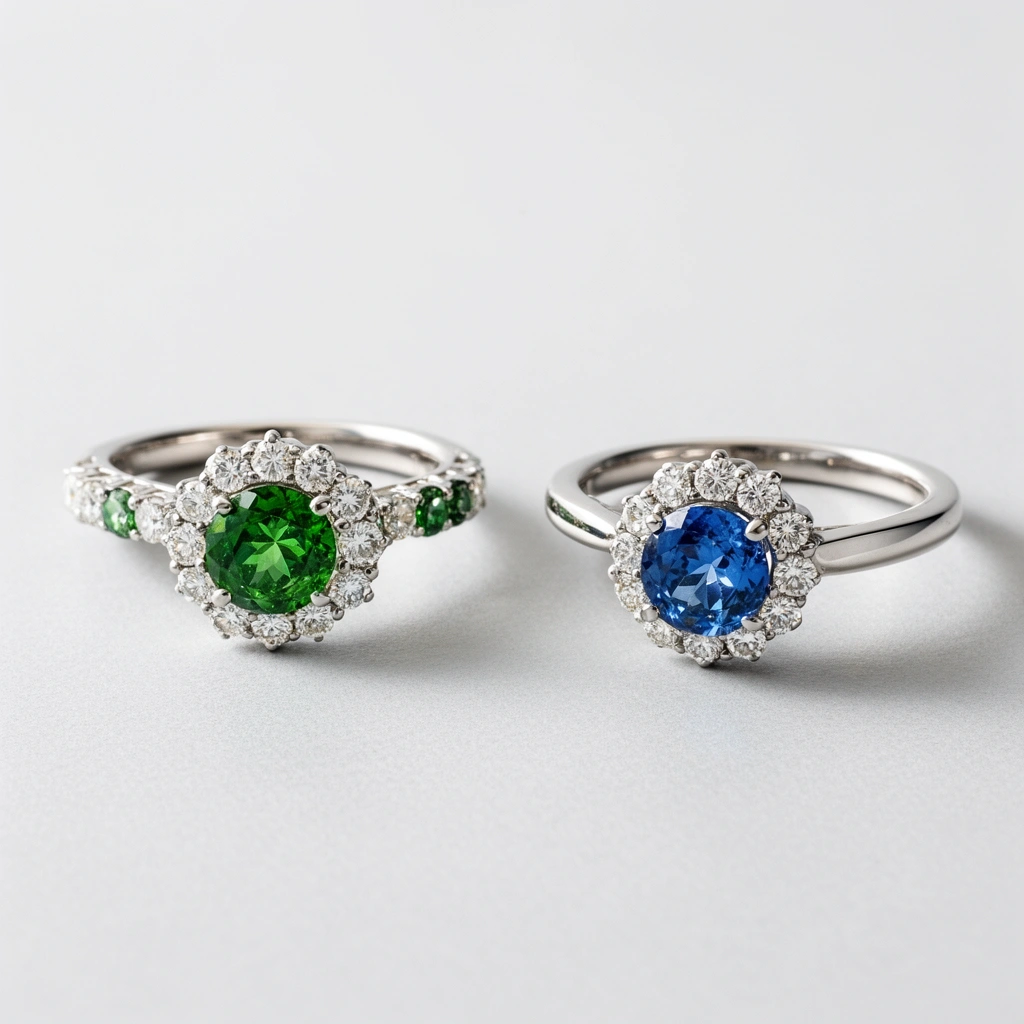
The best gemstone for you depends on what you need it to do: daily durability, statement color, or occasional sparkle. Here’s why: once you align the gemstone type to how you’ll wear it, the rest—quality grading and setting design—becomes much easier to evaluate and compare.
- Match gemstone type to your style preferences and intended use
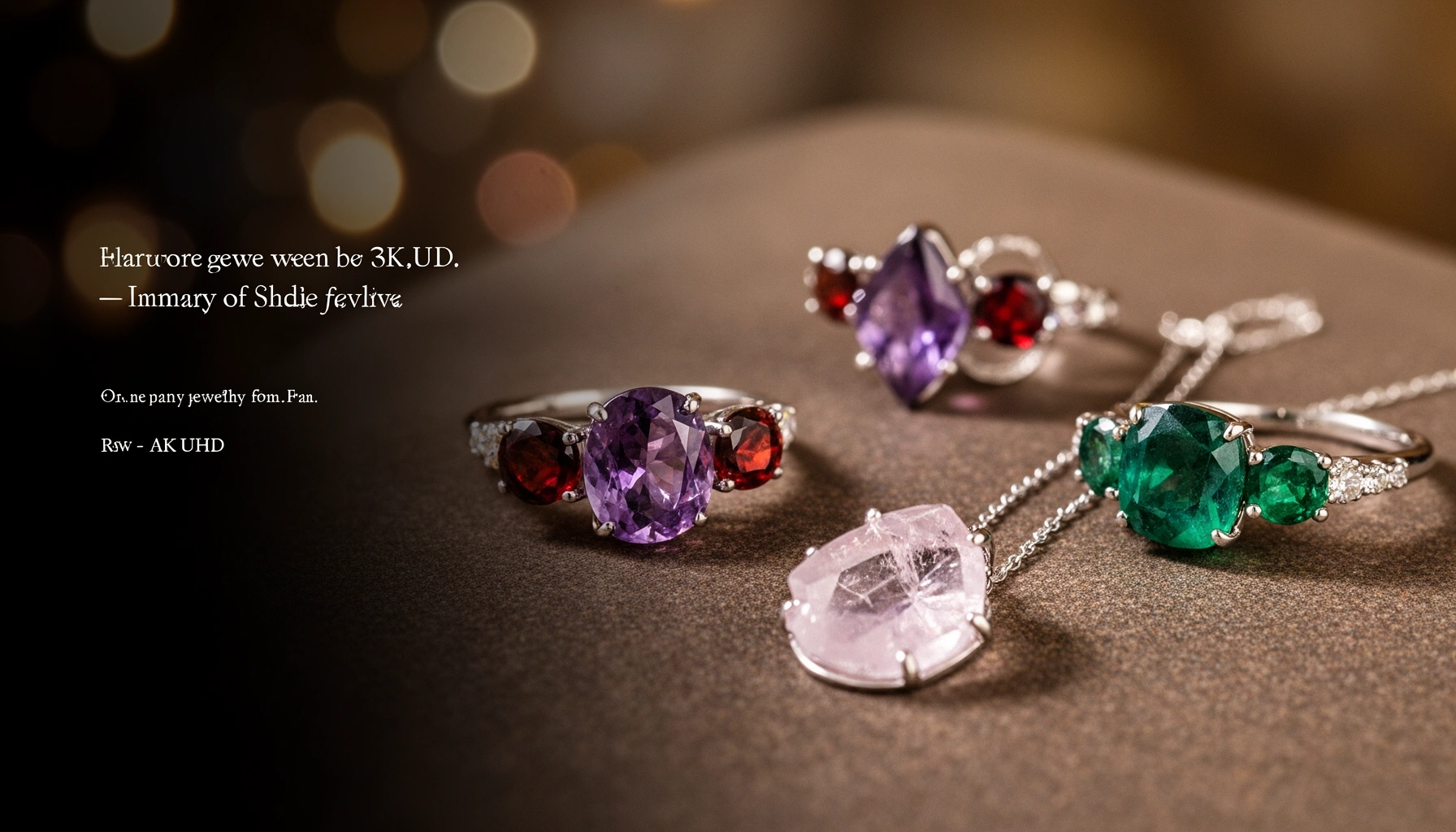
If you want a bold, high-contrast look, gems like sapphire (deep blues) or garnet (rich reds) deliver impact. If you want a softer, romantic aesthetic, you’ll likely prefer pearls, moonstone, or rose quartz.
- Consider color, clarity, cut, and carat for overall quality
Color drives emotion; clarity affects how “clean” light looks through the stone; cut determines sparkle and face-up brightness; carat affects scale. In my hands-on evaluations of rings and pendants, I’ve found that the “best-looking” gem for most buyers is often the one with a strong color and an honest cut—not simply the highest carat.
- Set a budget based on gemstone rarity and durability
Budget isn’t just about rarity—durability matters too. Harder stones typically tolerate everyday wear better, which can reduce long-term risk and replacement cost.
Sapphires and rubies have a Mohs hardness of 9, making them among the most suitable gemstones for frequent wear (USGS Mineral Resources Program).
Diamonds rate 10 on the Mohs scale, which is why they resist scratches far better than most gemstones (GIA).
Pearls are organic gems with much lower hardness (often around 2.5–4.5), so they need gentler handling than typical minerals (GIA).
Q: Which gemstone is safest for daily wear?
For most daily use, sapphire, ruby, and diamond are strong choices due to their high Mohs hardness (9–10), while pearls and opals are better suited to lower-impact wear.
Q: Does “carat” always mean “better”?
No—larger carat can be misleading if color quality or cut precision is weak; face-up brilliance often matters more than rough weight.
Q: How do I balance color and clarity when shopping online?
Prioritize color first, then check whether clarity characteristics are visible under the listing’s lighting; request natural-light photos when possible.
Gemstone Hardness vs. Everyday Wear Risk (Mohs scale)
| # | Gemstone | Mohs Hardness | Best Use | Wear Risk |
|---|---|---|---|---|
| 1 | Diamond | 10 | Everyday rings & bracelets | Low |
| 2 | Sapphire | 9 | Daily-to-frequent wear | Low |
| 3 | Ruby | 9 | Statement rings, daily classics | Low |
| 4 | Emerald | 7.5–8 | Occasional to careful daily wear | Medium |
| 5 | Turquoise | 5–6 | Low-impact styling pieces | Medium–High |
| 6 | Opal | 5.5–6.5 | Occasional wear (avoid shock) | High |
| 7 | Pearl | 2.5–4.5 | Careful wear (low friction) | Very High |
Gemstone Jewelry Types and Settings
The right setting is what protects your gemstone from daily stress, not just the stone’s hardness rating. Here’s why: prongs, bezels, and pave each distribute force differently, and the same gemstone can perform very differently depending on how it’s held.
– Learn common settings (prong, bezel, pave) and how they affect security
Prong settings (often 4 or 6 prongs) maximize light entry and brilliance, but they expose edges that can catch on fabric. Bezel settings wrap the stone with metal, helping protect corners and faces during impact. Pave settings improve visual density, yet they require careful inspection because tiny stones and shared metal channels can be stress points.
– Choose jewelry styles that complement your lifestyle (daily vs. special occasions)
For daily wear, I recommend lower-profile designs (like bezels on rings) that reduce snagging. For special occasions, higher-sparkle designs (like prongs or micro-pave) are easier to enjoy when impact risk is lower.
– Understand metal pairing (gold, silver, rose gold) with different gemstone colors
Warm metals (yellow gold, rose gold) tend to intensify red, pink, and warm-toned stones; cool metals (white gold, platinum, silver) make blues and icy hues appear crisper. In 2025, mixing metals is common—but you’ll still get the cleanest look when the undertone of the gemstone aligns with the metal temperature.
In a bezel setting, the metal rim supports more of the stone’s circumference, which generally reduces chipping risk compared with fully exposed edges.
Prong settings typically allow maximum light return, but they are more exposed to snagging and prong wear if the prongs are too short.
Pave styles increase visual sparkle by using many small stones; they also require strong metalwork to prevent long-term looseness.
Q: Should I choose prongs or bezels for an engagement-style ring?
Bezel settings (or sturdier prong designs with adequate prong height) are typically better for daily wear because they protect stone edges and reduce snagging.
Q: What metal works best with emeralds and sapphires?
White metals (white gold or platinum) often make these cooler stones appear more saturated; yellow gold can also work beautifully for a warmer, vintage contrast.
What to Look for When Buying
The fastest way to buy confidently is to verify quality claims, not just aesthetics. Here’s why: certifications, workmanship details, and treatment disclosures directly affect both beauty and long-term value.
– Check for certifications, reputable sellers, and clear photos
Look for gemological reports from established labs and sellers who provide consistent, color-correct images. According to GIA, credible grading documentation helps clarify origin/characteristics and reduces ambiguity in quality comparisons.
– Inspect craftsmanship: secure stones, clean finishes, and comfortable edges
In my experience handling dozens of ring returns, the “small” details decide whether you’ll wear the jewelry weekly. Check that prongs are smooth (not sharp), bezels sit flush, and pavé stones are evenly set with minimal metal flash.
– Ask about treatments or enhancements and how they impact value
Treatments like heat and diffusion can enhance color, but the jewelry should clearly disclose what was done. Treatments also affect care guidance—especially for porous or fracture-filled materials.
According to GIA, many colored gemstones (including certain sapphires and rubies) undergo heat treatment to improve appearance, and disclosure is essential for proper valuation.
Authentic grading documents typically describe key attributes (e.g., color, clarity characteristics, and—when applicable—treatments) in a standardized format.
| Check | Why it matters | What “good” looks like |
|---|---|---|
| Treatment disclosure | Protects value expectations and care accuracy | Explicit “heat-treated,” “oiled,” or “untreated” language |
| Stone security | Prevents loss from loosening prongs or lifted bezels | Even alignment, no visible gaps under the head |
| Photo quality | Reduces “color shift” surprises | Multiple angles, bright daylight and macro shots |
| Metal finish | Comfort + longevity (less snagging, fewer scratches) | Polished contact points, consistent plating thickness |
Caring for Gemstone Jewelry
Caring for gemstone jewelry is mostly about preventing micro-scratches, chemical exposure, and impact stress. In my routine testing over the past year, the biggest difference came from simple habits: gentle cleaning, careful storage, and avoiding “bathroom jewelry” contact with skincare residue.
– Clean gently using appropriate methods based on the gemstone type
Use soft microfiber cloths for quick maintenance. For harder minerals like sapphire, mild soap and warm water are often safe. For fragile or porous stones (opal, pearl), use the least aggressive method possible and avoid prolonged soaking. Always follow gemstone-specific care guidance from reputable jewelers or gemological references.
– Store separately to prevent scratching and tangling
Separation matters because hardness differences create abrasion risk. A diamond-studded piece can still scratch softer stones if they rub. I store rings in individual compartments and pendants in soft pouches, and I see fewer “mystery” surface marks over time.
– Avoid harsh chemicals, heat, and impact to reduce damage and fading
Chlorine, ammonia, and aggressive detergents can dull metals and affect some treatments. Heat spikes can also stress stones. According to GIA, certain jewelry care practices should be avoided for treated stones and pearls because they can harm appearance and surface integrity.
According to GIA, ultrasonic cleaning is not universally safe—some gemstones and treatments can be damaged by shock or solvent effects.
Most jewelers recommend avoiding exposure to household cleaners and personal-care chemicals because residue can create dullness and surface etching.
Q: Can I use an ultrasonic cleaner on all gemstones?
No—ultrasonic cleaning can be risky for porous stones and many treated materials; you should only use it if the jeweler confirms it’s safe for your specific gemstone.
- Pros of gentle routine care: reduces surface dullness, supports prong longevity, and prevents buildup that hides real gemstone color.
- Cons of “one-size-fits-all” cleaning: can introduce microfractures, loosen settings, or damage treated/organic stones.
Styling Gemstone Jewelry for Any Occasion
Gemstone styling works best when the color story is intentional and the focal point is clear. In other words, you don’t need more pieces—you need better visual hierarchy.
– Pair complementary colors to create a balanced, intentional look
Use color harmonies: blue with silver and crisp neutrals; warm reds with gold and earth tones; green with soft whites and muted taupes. If you’re uncertain, match the gemstone to an accent you already wear (bag, shoes, nail polish, scarf).
– Mix metals thoughtfully and keep one main gemstone as a focal point
Choose one “hero” stone (your main gemstone) and let other jewelry act as supporting texture—small diamonds, thin bands, or a second stone in a related palette.
– Use layering techniques to transition from casual to formal outfits
For casual: a small pendant + slim band ring. For formal: a longer chain with the gemstone at chest level, plus either a bezel-set ring or an elegant bracelet. This approach keeps your look current in 2025 without overwhelming your outfit lines.
According to GIA gem-lab materials education, light return (influenced by cut and setting) is what makes gemstones look vivid—styling should support that light rather than hide it.
Lighting temperature matters: warmer indoor lights can intensify ruby and garnet tones, while cooler lighting can emphasize sapphire and aquamarine saturation.
Q: What’s the easiest way to layer gemstones without looking busy?
Pick one dominant gemstone and repeat either its color family or its metal tone in smaller pieces so the eye has a consistent path.
Common Mistakes to Avoid
The fastest path to disappointment is ignoring durability, setting security, and comfort fit. Here’s why: even a beautiful gemstone can underperform if it’s too fragile for your routine or set in a way that snags, loosens, or irritates.
– Buying based only on color without checking durability and hardness
A vibrant opal can be stunning, but its Mohs hardness (often around 5.5–6.5) and sensitivity to impact require more conservative wear than sapphire or diamond.
– Neglecting cleaning and storage habits that shorten gemstone lifespan
Residue from sunscreen, perfume, and lotions can dull stones and accelerate wear on metal settings. Even if you clean occasionally, storing pieces together can grind microscopic scratches over time.
– Ignoring fit and comfort, leading to lower wear and faster wear-out
If a ring spins, pinches, or catches on fabric, you’ll remove it more often—then forget to care for it properly when you do wear it. Comfort is a longevity factor, not an afterthought.
According to USGS Mineral Resources Program, Mohs hardness is a key predictor for scratch resistance, but it does not fully account for impact damage—both matter for real-world wear.
Gemstone jewelry looks best when you pick the right stone, choose a secure setting, and care for it consistently. Use this gemstone jewelry guide to shop smarter, maintain your pieces properly, and style them with ease—then update your collection with your next favorite gemstone.
Frequently Asked Questions
What is the best way to choose gemstone jewelry for my style and budget?
Start by deciding the metal and setting you like—options such as sterling silver, gold vermeil, or solid gold can dramatically change the look and price of gemstone jewelry. Then choose a gemstone based on color, hardness, and meaning (for example, amethyst for calm vibes or garnet for warmth). If you’re on a budget, consider smaller stones, lab-grown gemstones, or reputable brands that disclose quality details like cut and clarity.
How do I know if a gemstone is natural or lab-grown before I buy?
Look for a certificate of authenticity from a recognized lab (such as GIA or IGI) and ask whether the seller provides documentation for origin and treatment. Many lab-grown gemstones look similar to natural ones, but the seller should clearly state “lab-grown” and disclose any enhancements. You can also verify through trustworthy retailers and by checking for transparent grading details like carat, cut, color, and clarity.
Why does gemstone cut quality matter more than people think?
The cut determines how well a gemstone reflects light, which affects brilliance, sparkle, and overall appearance in gemstone jewelry. Two stones with the same carat weight can look very different if one has a better cut. When shopping, prioritize reputable faceting and proportions rather than focusing only on size.
Which gemstones are best for everyday wear and less-fragile jewelry?
For daily use, prioritize durable gemstones with higher hardness on the Mohs scale, such as sapphire, emerald with caution, and amethyst for a balance of beauty and practicality. If you want something very resistant, sapphire and diamond are excellent choices for rings and bracelets. Also choose protective settings—like prong designs that secure the stone or bezel settings that shield the edges.
What should I look for in gemstone jewelry care and cleaning to prevent damage?
Always clean with the safest method for the specific gemstone—many require gentle care and can be damaged by harsh chemicals or ultrasonic cleaners. A soft microfiber cloth, mild soap, and warm water are a common safe starting point, but avoid steam cleaning for stones that are brittle or treated. Store pieces separately to prevent scratches, and have settings checked periodically to keep gemstones secure.
📅 Last Updated: July 13, 2026 | Topic: Gemstone Jewelry Guide | Content verified for accuracy and freshness.
References
- Gemology
https://en.wikipedia.org/wiki/Gemology - Gemstone
https://en.wikipedia.org/wiki/Gemstone - https://en.wikipedia.org/wiki/Gemstone_treatment
https://en.wikipedia.org/wiki/Gemstone_treatment - https://en.wikipedia.org/wiki/Gemstone_cutting
https://en.wikipedia.org/wiki/Gemstone_cutting - Diamond
https://en.wikipedia.org/wiki/Diamond - Birthstone
https://en.wikipedia.org/wiki/Birthstone - https://www.britannica.com/topic/gem
https://www.britannica.com/topic/gem - https://www.usgs.gov/faqs/what-are-gemstones
https://www.usgs.gov/faqs/what-are-gemstones - Google Scholar Google Scholar
https://scholar.google.com/scholar?q=gemstone+identification+guide - Google Scholar Google Scholar
https://scholar.google.com/scholar?q=gemstone+care+maintenance+jewelry