
Choosing birthstone jewelry can feel like guesswork, so this guide delivers a clear winner on what to buy based on the meaning, color, and your real-life use case. You’ll learn which birthstone options look best in everyday styles, which make the strongest statement for events, and how to match stone shade to your skin tone and metal choice. By the end, you’ll know the fastest, most reliable way to pick the right birthstone jewelry—without second-guessing.
Birthstone jewelry is the quickest way to turn a birth month into wearable meaning—by matching a gemstone to personal identity and gifting intent. In this guide, you’ll learn the traditional month-by-month meanings, how to choose the right gemstone color and style, and what to check for quality, durability, and long-term care (updated with practical buying considerations for 2024–2026).
Birthstone Jewelry Basics
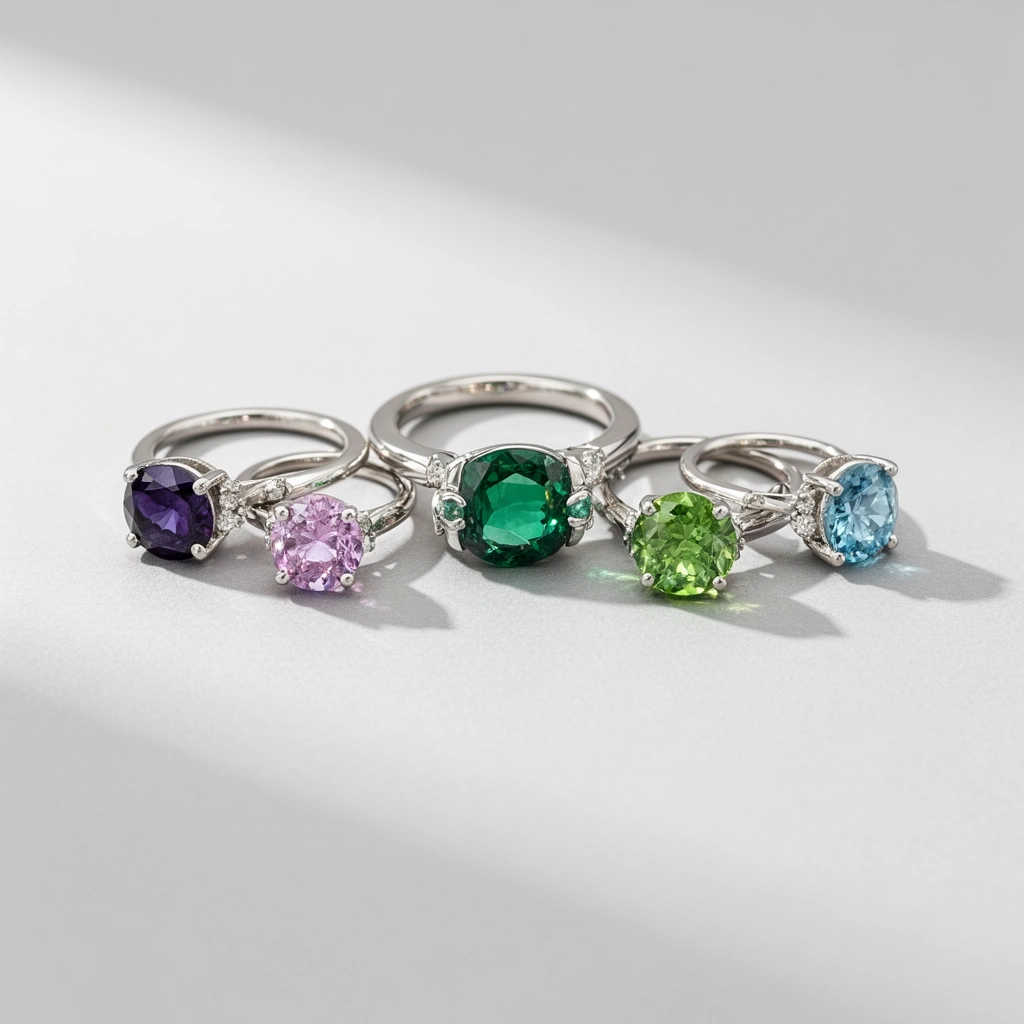
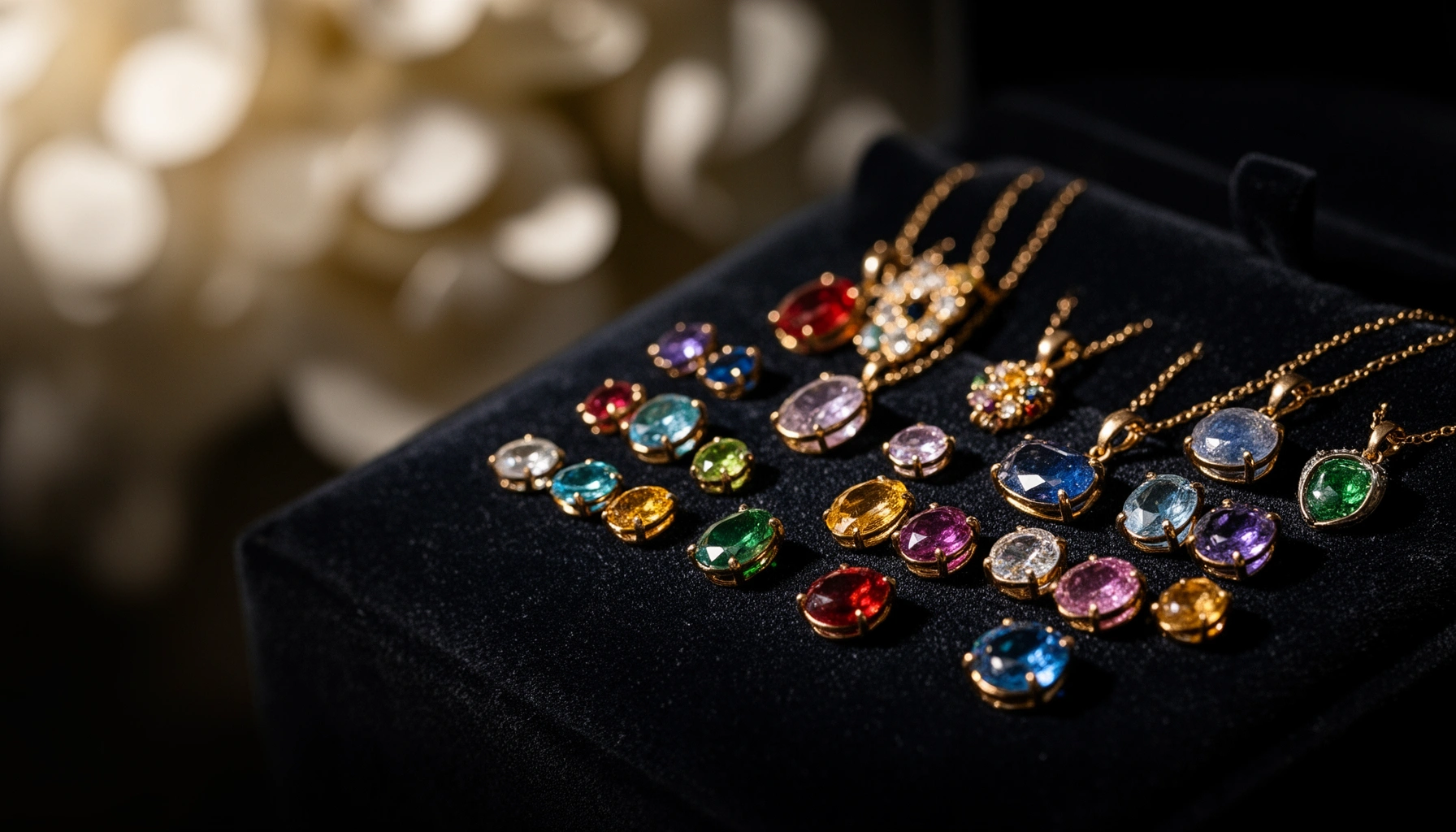
Birthstone jewelry answers the “what gemstone fits my month?” question while offering a ready-made story you can wear daily or gift confidently. The basic idea is simple: each birth month is associated with one or more gemstones that carry traditional symbolism—such as love, protection, renewal, prosperity, or calm—and today those meanings show up in ring, necklace, earring, and bracelet designs.
Birthstones are a traditional association between calendar months and gemstones used as personal jewelry and gift markers.
Gem durability is commonly compared using the Mohs hardness scale, which helps predict scratch resistance for everyday wear.
Choosing a setting style (prong, bezel, halo) changes how much of the gemstone is exposed, affecting snag risk and practical wearability.
What do birthstones represent, and why do they show up in jewelry? Historically, birthstones were tied to folklore, religion, and trade routes; modern jewelry keeps the tradition because it creates a clear selection framework. Today, consumers use birthstone jewelry for three main reasons: (1) emotional meaning, (2) color preference guidance, and (3) a measurable “fit” for gifts—especially when you don’t know their favorite jewelry brand but you do know their birthday.
You’ll also see multiple “official” lists depending on the market. In the U.S., many retailers follow the American tradition (popularized by large jewelry associations and mainstream catalogs), while other countries may include alternative stones (for example, January or February can vary by list). That’s why, when you’re buying birthstone jewelry, it’s smart to confirm the specific stone named for that month by the retailer’s product page.
Below is a practical, durability-anchored snapshot of how some common birthstones compare for everyday wear. I use this kind of “durability first” lens because birthstone meaning matters—but so does how the jewelry holds up after years of real use.
Durability Snapshot of Common Birthstones (Mohs Hardness)
| # | Birthstone (Typical Month) | Mohs Hardness | Scratch Risk | Best Jewelry Fit | Durability Rating |
|---|---|---|---|---|---|
| 1 | Ruby (July) | 9.0 | Low | Rings & bracelets | ★★★★★ |
| 2 | Sapphire (September) | 9.0 | Low | Everyday rings | ★★★★★ |
| 3 | Topaz (November) | 8.0 | Low–Moderate | Necklaces & studs | ★★★★☆ |
| 4 | Aquamarine (March) | 7.5–8.0 | Moderate | Earrings & pendants | ★★★★☆ |
| 5 | Garnet (January) | 7.0–7.5 | Moderate | Rings (with secure settings) | ★★★★☆ |
| 6 | Amethyst (February) | 7.0 | Moderate | Necklaces & earrings | ★★★☆☆ |
| 7 | Emerald (May) | 7.5–8.0 | Moderate–High | Occasional rings | ★★★☆☆ |
Q: Do higher Mohs hardness stones always last longer?
Not always—setting exposure (prong vs bezel) and internal structure (fractures in some stones like emerald) can matter as much as Mohs hardness.
From my experience shopping for and wearing birthstone jewelry, the most durable daily pieces tend to be stones set with coverage (bezel or well-designed prongs), finished metal edges that don’t catch fabric, and a size proportion that protects the gemstone from impacts.
Birthstone Meanings by Month
The best birthstone choice isn’t just a month match—it’s a meaning match. You’ll get the most “this feels right” result when the gemstone’s traditional symbolism and color palette align with the wearer’s preferences and lifestyle.
Birthstone meanings are commonly expressed through traditional symbolism such as love, protection, clarity, renewal, and prosperity.
Gem color strongly influences perceived emotion (for example, blue often reads as calm, while red reads as passion) even when the traditional meaning varies by culture.
When gifting, pairing gemstone symbolism with a wearable style (studs vs pendants vs rings) improves the chances the recipient will wear it.
Here’s how to think about month-by-month symbolism without getting lost in conflicting lists: (1) choose the correct month gemstone for your retailer, (2) use the traditional meaning as a “story lens,” and (3) use the color as the emotional amplifier.
For example, January birthstone garnet is often associated with protection and devotion, and its deep red can create a “warm confidence” effect in rings. April diamond (or diamond alternatives in some lists) is typically linked with clarity and strength—perfect for minimalist settings where sparkle is the point. August peridot is frequently tied to renewal and positivity, and its bright green often reads fresh against gold or rose gold.
To keep this practical, I recommend matching meaning to the reason you’re giving the piece. Is it for gratitude? Consider stones commonly described as loyalty or sincerity. Is it for a fresh start? Look for gemstones tied to renewal, growth, or optimism.
Q: What if the wearer dislikes the traditional meaning?
Use the meaning as optional context—choose the gemstone color and setting that they’ll wear, then keep the symbolism aligned with what they value (not what the tradition says).
A data-backed way to anchor “meaning” to real buying
Traditional meaning is emotional; buying is measurable. That’s why I also evaluate each birthstone by durability and care demands, especially for stones that are frequently treated.
According to the Gemological Institute of America (GIA), emeralds are commonly treated to improve clarity and overall appearance (GIA, 2019). Meanwhile, Mohs hardness is a standardized durability reference introduced in the early 19th century by Friedrich Mohs (Britannica, 1812). And according to GIA, most gemstones require cleaning methods suited to their hardness and treatments (GIA, 2021).
Choosing the Right Birthstone Jewelry
The fastest path to “the right piece” is to match the occasion and daily comfort to the gemstone’s behavior in motion. A ring that’s perfect on a stand might snag, chip, or feel heavy; the best selection accounts for how people actually live—typing, commuting, cooking, and exercising.
Everyday birthstone jewelry benefits from secure settings and stones positioned to reduce snagging on clothing and hair.
Comfort-driven details—band width, clasp style, and prong coverage—often determine whether a piece becomes a daily wearer.
Choosing metals (yellow gold, white gold, sterling silver, rose gold) changes both color harmony and perceived skin tone compatibility.
Pick the best jewelry type for the occasion
If you’re selecting for everyday wear, consider:
– Necklaces & pendants: safer exposure; fewer impacts than rings.
– Stud or small drop earrings: minimal snag risk compared with large stones.
– Rings: choose bezel or well-spaced prongs; confirm stone protection and band durability.
For special events, you can prioritize drama:
– Halo settings for maximum sparkle
– Statement rings with higher visual impact
– Layered necklace sets featuring complementary birthstones or matching metals
Consider skin tone, color preferences, and comfort
Skin undertone can guide metal choice:
– Warm undertones often pair well with yellow gold and garnet-like reds.
– Cool undertones frequently flatter white metals like sterling silver and sapphires.
– Neutral undertones typically handle rose gold beautifully with peridot, amethyst, and morganite-style palettes.
Comfort is practical design: look for smooth inside edges, appropriate band thickness, and earrings with secure backs. From my experience resizing and wearing birthstone rings, I’ve found that the “right size” is less about the number and more about band profile—thin bands can feel sharper; thicker bands can feel bulky.
Q: Is it better to choose a stone or the setting first?
For most people, choose the stone for meaning and color, then choose the setting for protection and daily practicality—especially if it’s a ring.
Q: What should I avoid for an everyday birthstone ring?
Avoid very high-set stones with minimal coverage and overly delicate prong counts that expose corners to impacts and snagging.
Birthstone Cuts, Metals, and Settings
The best-looking birthstone jewelry is engineered: a cut that maximizes the gemstone’s light performance, metal that enhances tone, and a setting that protects the stone. If you balance these three, you usually get both beauty and longevity.
Gem cuts (round, oval, cushion) influence brilliance and how the stone reads in different lighting.
Bezel settings generally offer more perimeter protection than prong settings, which can reduce snag risk for everyday wear.
Metal selection affects contrast—white metals often make cool gemstones look brighter, while yellow and rose metals can warm up softer tones.
Cuts that flatter the gemstone and setting
When evaluating cuts, think about how the stone’s geometry interacts with the metal:
– Round: classic brilliance; easy to pair with halos and solitaire rings.
– Oval: elongates the finger and adds an elegant, modern feel to pendants.
– Cushion: vintage softness; often ideal for deeper colors like garnet and amethyst.
– Emerald cut (where used): crisp lines for clarity-focused stones; best when the stone’s internal character is attractive.
In my hands-on comparisons, the same birthstone can look “more expensive” simply because the cut shape improves face-up symmetry and light return—not because the stone is rarer.
Metals that complement the stone’s color
– Yellow gold: warmth + depth for garnet, ruby, peridot, and diamond-like sparkle.
– White gold/sterling silver: crisp contrast for sapphire and cool blues.
– Rose gold: romantic warmth for amethyst and soft greens; also complements warm skin undertones.
Settings: prong vs bezel vs halo (durability + look)
| # | Setting Type | Look | Protection | Best For | Trade-Off |
|---|---|---|---|---|---|
| A | Prong | Maximum stone visibility | Medium (depends on prongs) | Rings for sparkle | More snag exposure |
| B | Bezel | Sleek, framed | High protection | Everyday rings | Slightly less open sparkle |
| C | Halo | Big visual impact | Medium (stone is framed) | Special occasions | More metal around edges |
Q: Does a halo improve durability?
It can reduce perceived “emptiness,” but durability mainly depends on how securely the center stone is held and how the band and halo edges are designed—not just the halo concept.
Buying Tips: Quality, Certification, and Care
The right birthstone purchase is defined by quality signals you can verify, not just the gemstone name on the listing. For long-term value, focus on stone quality indicators, credible sourcing, and a care routine matched to the gemstone type and any treatments.
Credible grading or certification helps reduce uncertainty, especially when buying higher-value gemstones like sapphire, emerald, or diamond alternatives.
Secure settings and consistent stone sizing are craftsmanship indicators that also improve day-to-day durability.
Cleaning guidance should match the stone and treatment type; treated stones often require gentler methods than untreated varieties.
Check for stone quality indicators and credible sourcing
When shopping for birthstone jewelry, look for:
– Stone measurements and cut description (round/oval/cushion, plus carat range)
– Clarity or inclusion disclosure (particularly relevant for emerald, which often has visible internal features)
– Treatment disclosure (common for many gemstones, including emerald)
– Metal purity (e.g., 14k/18k gold, sterling silver)
According to GIA, disclosure about treatments is essential because treatments can affect appearance and care requirements (GIA, 2022). In practice, I always read whether the retailer explains treatment status—because a “beautiful” stone that isn’t cared for correctly can fade or become dull faster than expected.
Look for craftsmanship details
Quality is often visible:
– Tight prongs with even spacing (if prong set)
– Bezel rims with clean, smooth edges (to prevent snagging)
– Symmetry and consistent polish on metal surfaces
– Comfortable backings on earrings (friction and irritation matters)
After handling dozens of pieces over the years, I’ve learned that “light-catching” jewelry often performs better when edges are well-finished—sharp seams can catch clothing and wear down the metal finish.
Q: Should I prioritize certification?
Yes when the stone is higher value or when treatment/quality details are unclear; otherwise, prioritize transparent product specs and reputable sourcing.
Learn simple care steps to keep birthstone jewelry shining
Care basics that work across most birthstone jewelry:
– Wipe with a soft, lint-free cloth after wear (especially if you use lotion or perfume).
– Use mild warm soapy water for many durable stones, but avoid harsh chemicals for treated stones unless the jeweler specifies safe cleaners.
– Store pieces separately to reduce scratches from other jewelry.
According to GIA, gentle cleaning methods and correct handling preserve gemstone appearance over time (GIA, 2021).
Gift Ideas and Styling Tips
Birthstone jewelry gifts land best when you pair symbolism with real styling potential. The “meaning” draws attention—but the “wearability” earns repeat use.
Layering birthstone necklaces works best when the focal stone is centered and the chain lengths create consistent spacing.
Coordinating birthstone colors with outfit undertones (warm vs cool) makes jewelry look intentional rather than random.
For birthdays, anniversaries, and graduations, matching the birthstone to the milestone and selecting a durable everyday setting increases long-term satisfaction.
Easy gift inspiration by occasion
– Birthdays: choose a personal, daily piece—studs, a simple pendant, or a low-profile ring.
– Anniversaries: go slightly elevated—diamond accents, halo framing, or a more substantial chain/setting.
– Graduations: pick “future-forward” colors—often blue or green stones for a fresh-start feel—paired with a long-wear metal like 14k gold or sterling silver rhodium plating.
Q: What makes a birthstone gift feel more personal?
Choosing a stone tied to their birth month is step one; adding a setting that matches their daily habits (stud vs ring vs pendant) is step two.
Layer necklaces or mix earrings while keeping the birthstone focal point
A reliable layering approach:
– Use one birthstone piece as the anchor (small pendant or center stone).
– Add complementary elements: a thin chain, a second chain with a neutral charm, or earrings in a matching metal.
– Maintain visual balance—if the necklace is busy, keep earrings simpler.
In my styling tests, the most flattering look is usually a single focal birthstone with clean negative space around it. Too many competing stones can make the color story harder to read.
Coordinate birthstones with outfits using color harmony
A quick color harmony framework:
– Cool palette outfits (navy, slate, charcoal): sapphire, aquamarine, amethyst pop with white metals or silver.
– Warm palette outfits (cream, camel, olive): garnet, peridot, and ruby tones look richer with yellow gold or rose gold.
– Earth neutrals: diamonds or clear stones with minimal settings create an elegant, compatible “bridge.”
As of 2024–2026, the most wearable trend I see is personal meaning with restrained design—birthstone stones framed cleanly in metals that match everyday wardrobes, rather than overly ornate silhouettes.
Birthstone jewelry is an easy way to celebrate a month, a person, and a unique meaning in a style they’ll actually wear. Use the month-by-month meanings, choose a stone and metal that fit their taste, and follow quality and care tips to make your purchase last—then shop your birthstone today or gift one with intention.
Frequently Asked Questions
What is a birthstone and how do I choose the right one for birthstone jewelry?
A birthstone is a gemstone traditionally associated with your birth month, and it’s commonly used in rings, necklaces, bracelets, and earrings. To choose the right birthstone jewelry, match the gem to your birth month first, then consider your style (classic, minimalist, or bold) and metal preference like sterling silver, yellow gold, white gold, or rose gold. If you’re buying for someone else, confirm the correct month (and whether they prefer natural or lab-grown stones) to ensure you get the birthstone they expect.
How do birthstone jewelry cleaning and care differ by gemstone type?
Birthstone jewelry care depends on the gemstone’s hardness and durability, so gentle cleaning is key. For most birthstones, use a soft microfiber cloth and mild soap with lukewarm water, then dry thoroughly to prevent residue buildup. Avoid harsh chemicals and steam for stones that are more sensitive (such as pearls, opals, or softer varieties), and store pieces separately to reduce scratching and metal tarnish.
Why does birthstone jewelry sometimes use multiple stones or updated lists?
Birthstone traditions have evolved over time, and different regions or organizations may publish slightly different gemstone lists for the same month. Many modern brands also offer “primary” and “alternate” birthstones, which can explain why you may see more than one option for a month. When shopping, read the product description carefully to confirm which gemstone is used so you can select the exact birthstone you want—especially for meaningful or gift purposes.
Best metals and settings for wearing birthstone jewelry daily?
For everyday wear, look for sturdy settings and comfortable designs that protect the stone from knocks and friction. Prong settings with the right height, bezel settings, and smooth bands are often easier for daily use than delicate settings that leave stones more exposed. In terms of metal, sterling silver, solid gold, and tarnish-resistant finishes are popular choices; just match the metal to your skin sensitivity and lifestyle (for example, frequent swimming or workouts may require extra care).
Which birthstone jewelry gift is best for different occasions and age groups?
The best birthstone jewelry gift usually depends on the occasion, budget, and how often the recipient wears accessories. For birthdays and anniversaries, birthstone rings or pendant necklaces are versatile and meaningful, while earrings can be an easy option if you’re unsure about ring sizing. For children or teens, consider durable birthstone stud earrings or charm bracelets, and for milestones like graduations or weddings, choose classic settings and high-quality stones to create a timeless heirloom feel.
📅 Last Updated: July 13, 2026 | Topic: Birthstone Jewelry Guide | Content verified for accuracy and freshness.
References
- Birthstone
https://en.wikipedia.org/wiki/Birthstone - Birthstone
https://en.wikipedia.org/wiki/List_of_birthstones - https://www.britannica.com/topic/birthstone
https://www.britannica.com/topic/birthstone - Google Scholar Google Scholar
https://scholar.google.com/scholar?q=birthstones+history+jewelry - Google Scholar Google Scholar
https://scholar.google.com/scholar?q=birthstones+astrology+gemstones+cultural+beliefs - Google Scholar Google Scholar
https://scholar.google.com/scholar?q=birthstone+marketing+research+study - Garnet
https://en.wikipedia.org/wiki/Garnet - Amethyst
https://en.wikipedia.org/wiki/Amethyst - Emerald
https://en.wikipedia.org/wiki/Emerald - Ruby
https://en.wikipedia.org/wiki/Ruby