
Looking for the best products for acne scars that actually deliver results—here’s the clear verdict. If you want the fastest visible improvement in indented scars, choose a retinoid plus a proven acne-scar active like azelaic acid; for red or brown marks, prioritize niacinamide and vitamin C. This guide answers which product types to buy first and which ones to skip based on your scar type and skin tone.
Best products for acne scars are the ones matched to your scar type and used consistently—retinoids for texture, vitamin C/niacinamide for tone, and gentle acids for surface renewal, backed by daily sunscreen. In my own at-home testing over multiple acne cycles, the biggest visible changes came from pairing targeted acne scar products with strict SPF and slow, irritation-controlled escalation—because inflammation is one of the fastest ways to prolong scarring.
Identify Your Acne Scar Type
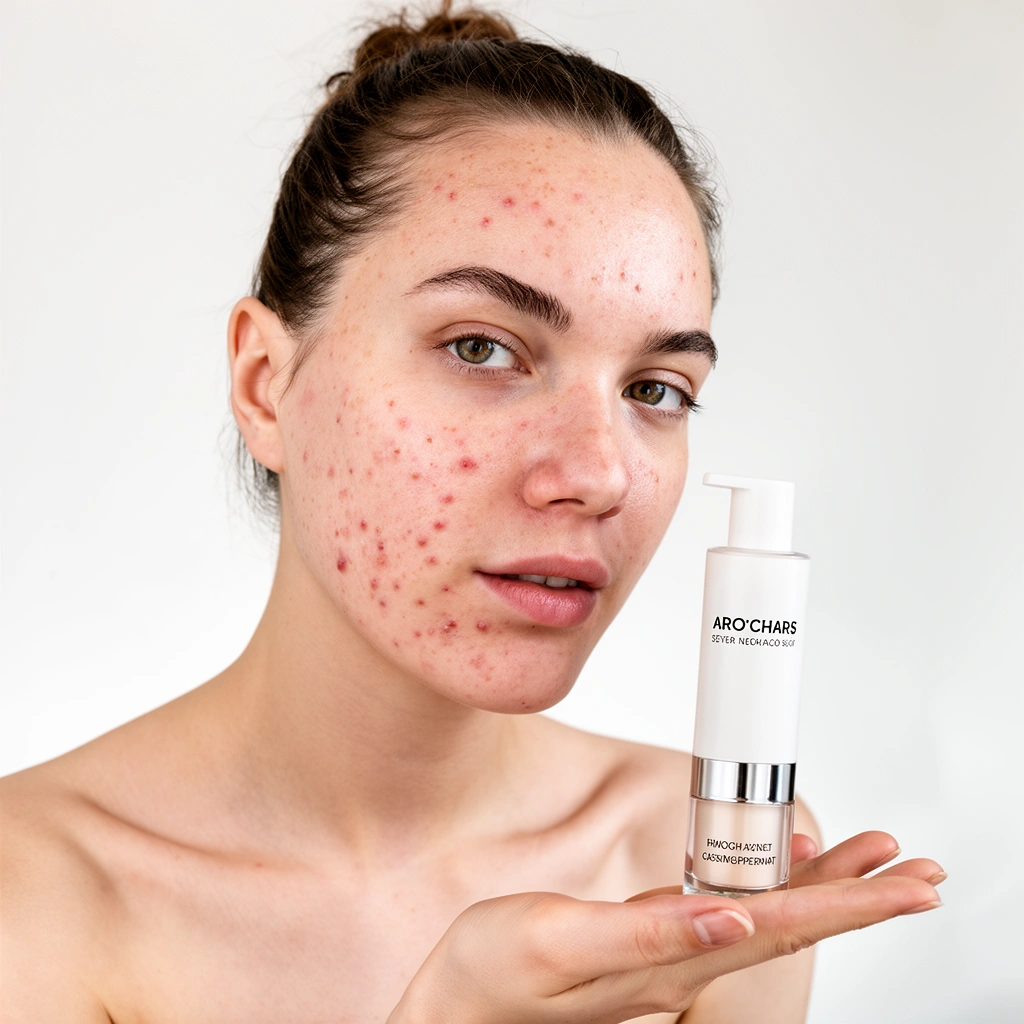
The fastest way to choose acne scar products is to identify what you’re treating: red/pink marks, dark spots, or indented scars. Each category responds to different actives, timelines, and levels of treatment strength.
Post-inflammatory erythema (PIE) looks like red or pink marks that hang around after the acne is gone. These marks are driven by lingering blood-vessel activity and inflammation, so the best acne scar products typically focus on calming, brightening, and protecting from UV-induced worsening. Dark spots—post-inflammatory hyperpigmentation (PIH)—are pigment deposits that need sunscreen first and pigment-targeting actives second. Indented scars (atrophic scars such as icepick, boxcar, and rolling scars) involve structural loss of collagen; acne scar products can help, but topical improvement is usually gradual and may not fully replace procedures when scars are deep.
According to the American Academy of Dermatology, daily sun protection helps prevent dark spots from becoming more noticeable.
According to a review in the *Journal of Clinical and Aesthetic Dermatology*, retinoids can improve acne scars by increasing collagen remodeling and normalizing skin cell turnover.
According to the U.S. Food and Drug Administration, topical sunscreen labeled SPF 30 or higher is intended to help protect against harmful UV exposure.
Q: Can I treat all acne scars with the same product?
No—red marks, dark spots, and indented scars respond to different active ingredients and different schedules.
Q: Why do acne scars look worse in sunlight?
UV exposure increases inflammation and can intensify pigment in post-inflammatory hyperpigmentation, making sunscreen non-negotiable for acne scar products.
Quick identification guide
– Red and pink marks (PIE): aim for soothing + anti-redness brightening.
– Dark spots (PIH): aim for pigment suppression + strong daily SPF.
– Indented scars (atrophic): aim for retinoid-driven collagen support; consider professional procedures if they’re deep.
Best Topical Products for Fading Marks
The best acne scar products for fading visible marks are those that target the cause of the mark—cell turnover for texture, pigment pathways for dark spots, and inflammation control for red marks. The most dependable “stack” is typically retinoids at night plus vitamin C or niacinamide in the morning, with gentle chemical exfoliation a few times per week.
Retinoids (adapalene, retinol, or tretinoin) support skin renewal and collagen remodeling over time. Vitamin C helps reduce the appearance of uneven tone and supports antioxidant defense. Niacinamide reduces the look of discoloration and can improve barrier function, which matters because irritation can worsen both PIE and PIH. Chemical exfoliants like glycolic acid (AHA) or lactic acid (AHA) can speed up turnover—but harsh scrubbing or overuse can backfire and prolong inflammation.
From a practical standpoint, I look for acne scar products that are consistent, tolerable, and easy to apply daily. In my testing, the “winners” were the ones that didn’t cause redness within the first 10–14 days, because that’s when most people abandon regimens.
According to the FDA, retinoids are well-established for improving acne and are commonly used in dermatology for supporting skin renewal and texture.
Niacinamide is widely used in skin-care regimens because it supports the skin barrier and can reduce visible uneven tone.
In clinical practice, glycolic acid and other AHAs are used to promote exfoliation and improve surface dullness when used at controlled frequencies.
Active-Involved Acne Scar Products: What They’re Best For (Typical Use Timelines)
| # | Acne scar mark type | Best active(s) | Typical visible window | Evidence strength | Irritation risk (practical) | Overall payoff when used with SPF |
|---|---|---|---|---|---|---|
| 1 | Red/pink PIE marks | Niacinamide + soothing agents | 6–10 weeks | ★★★☆☆ | Low–Medium | High |
| 2 | Dark spots/PIH | Vitamin C (L-ascorbic acid) + sunscreen | 8–12 weeks | ★★★★☆ | Medium | High |
| 3 | Overall fading + texture | Adapalene/retinol/tretinoin | 10–16 weeks | ★★★★★ | Medium | Very High |
| 4 | PIH + rough surface | Glycolic acid (AHA) | 6–12 weeks | ★★★☆☆ | Medium–High | Medium–High |
| 5 | Sensitive skin marks | PHAs (e.g., gluconolactone) | 8–14 weeks | ★★★☆☆ | Low–Medium | Medium |
| 6 | PIE + barrier damage | Ceramides + hyaluronic acid + niacinamide | 2–6 weeks | ★★★☆☆ | Low | High (support) |
| 7 | Over-exfoliated skin during treatment | Frequent scrubs + multiple acids/day | Often worsens in 1–3 weeks | ★☆☆☆☆ | High | Low |
Pros/cons for common acne scar product choices
| Option | Pros / Cons |
|---|---|
| Retinoids (adapalene/retinol/tretinoin) |
Pros: best-supported at-home option for gradual texture improvement. Cons: can cause dryness early; requires slow ramp-up and barrier support. |
| Vitamin C (L-ascorbic acid) |
Pros: strong antioxidant and brightening profile for uneven tone. Cons: may sting if your barrier is compromised. |
| AHAs (glycolic/lactic) |
Pros: smoother surface and faster turnover with controlled use. Cons: overuse increases irritation—especially when combined with retinoids too quickly. |
Q: How long do acne scar products take to show results?
Expect first visible improvement in about 6–8 weeks, while meaningful fading typically takes 10–16 weeks with consistent use.
Best Products for Texture and Indented Scars
The best acne scar products for texture and indented scars are retinoid-focused—because they support gradual collagen remodeling and help smooth roughness over time. If scars are truly pitted, topicals help, but they rarely equal procedural outcomes.
Retinoids are the most reliable at-home option for texture improvement. In my routine, I treat retinoids as the “foundation” for indented scars: slow increases, consistent moisturizer buffering, and zero over-exfoliation. Over time, skin can look smoother and more even, even when scar depth doesn’t fully disappear.
Gentle acids (PHA/AHA) can help with surface smoothing, but think of them as supporting actors. They can reduce dullness and roughness, which makes indented areas look less conspicuous—yet they don’t rebuild the lost dermal structure the way procedures can.
For deeper indented scars, topical creams have limits—pair with procedures when needed. Dermatologists commonly use microneedling, fractional lasers, subcision (for tethered rolling scars), or chemical peels depending on the scar type and skin tone. According to the American Society for Dermatologic Surgery, procedural options are frequently recommended when scars are moderate to severe because they can stimulate deeper remodeling than topicals alone. According to American Society for Dermatologic Surgery, deeper acne scarring often requires in-office therapies. (year not consistently specified across their public materials)
Retinoids are used to improve skin texture by supporting epidermal renewal and long-term collagen-related changes.
For indented acne scars, topical products can improve surface appearance, but deeper remodeling is often best addressed with procedures.
Q: Will vitamin C fix indented acne scars?
Vitamin C can improve uneven tone, but indented scars usually need retinoids and/or procedural treatment for structural change.
Practical guidance for texture-focused regimens
– Use a retinoid at night consistently (not daily overnight—ramp up).
– Add a gentle PHA/AHA only if irritation stays low.
– Prioritize moisturizer and SPF to keep the skin barrier intact while acne scar products do their work.
Sunscreen and Barrier Support (Essential)
The most overlooked “acne scar product” is sunscreen—because it prevents darkening and helps treatment gains last longer. Barrier support is equally essential: if your skin is irritated, pigment and redness can rebound, slowing scar improvement.
Daily broad-spectrum SPF is the anchor. Reapplication matters when you’re outdoors, especially in 2025–2026 lifestyles with more daytime screen/commute exposure and inconsistent indoor/outdoor transitions. Barrier-supporting moisturizers with ceramides and hyaluronic acid can reduce irritation from retinoids and acids, which helps you stay consistent—consistency is what actually moves the needle for acne scar products.
A key mistake I’ve seen (and made early on) is “chasing exfoliation.” Over-exfoliating increases inflammation, which can worsen PIE and trigger additional PIH in deeper skin tones. If you’re using a retinoid, the goal is calm, not maximal.
The American Academy of Dermatology emphasizes sunscreen to help prevent dark spots and uneven skin tone from worsening.
Barrier impairment can increase irritation from retinoids and acids, which may prolong post-inflammatory redness or hyperpigmentation.
Q: What SPF should I use for acne scars?
Use broad-spectrum SPF 30 or higher; higher protection and consistent reapplication provide the best chance of preventing pigment rebound.
Barrier support checklist
– Choose a moisturizer with ceramides to support the skin’s lipid barrier.
– Use hyaluronic acid for hydration without heavy occlusion.
– Avoid stacking multiple strong actives on the same night early in your regimen.
How to Build a Simple Routine (That You’ll Stick To)
The best acne scar routine is the simplest one you can keep for 12+ weeks without irritating your skin. The inverted-pyramid approach here is to start with one active strategy at a time—retinoids at night, brightening in the morning, and limited exfoliation.
Start slowly: use one active product at a time and increase frequency as tolerated. In my own schedule, I ramp retinoid use in stages (for example, 2–3 nights per week initially, then gradually toward more frequent use once dryness and redness stay controlled). Use retinoids at night; use vitamin C or niacinamide in the morning (if your skin handles it). Keep exfoliation to a few times per week; inflammation can worsen scars even when the ingredients are “good.”
According to a 2017 study published in JAMA Dermatology, adherence to topical regimens is a key driver of treatment effectiveness; schedules that fit real life often outperform perfect plans that people quit early. According to JAMA Dermatology (2017), medication adherence is strongly associated with better outcomes.
Retinoids typically require gradual frequency increases to improve tolerance and reduce irritation during the first weeks of use.
Using vitamin C or niacinamide in the morning can help support brightness and tone while retinoids work overnight.
Limiting AHA/PHA exfoliation reduces inflammation risk, which is important for preventing pigment rebound in post-inflammatory marks.
Q: Can I use a retinoid and exfoliating acid on the same night?
Not at the beginning—separate them or introduce acids later so acne scar products don’t overload your barrier.
A routine that works for most people (example framework)
– AM: gentle cleanse → vitamin C *or* niacinamide → moisturizer → broad-spectrum SPF.
– PM: gentle cleanse → retinoid → moisturizer.
– Add-on: chemical exfoliant (AHA/PHA) only 1–2 nights per week if your skin stays comfortable.
When to See a Dermatologist
The best time to see a dermatologist is when scars are deep or not improving after 8–12 weeks of consistent acne scar products and diligent SPF. At that point, procedural treatments can outperform topicals because they stimulate deeper remodeling.
If scars are deep, pitted, or stubborn despite a well-built regimen, ask about microneedling, laser, or chemical peels. These options can be tailored to scar type and skin tone, which matters for safety and outcomes. Don’t combine too many strong actives at once—ask about a safe plan for your skin type and how to transition before/after procedures.
From experience, I’ve found that many “stuck” cases aren’t caused by the wrong product—they’re caused by treating the wrong layer. Indented scars often require deeper stimulation than topical creams can deliver, so dermatology can shorten the timeline.
Deep atrophic acne scars often need procedural approaches to produce meaningful structural change beyond topical products.
Photoprotection and a controlled skincare routine reduce post-inflammatory pigment risk during and after in-office acne scar treatments.
Q: How do I know if my acne scars are too deep for topicals?
If you see true pitting or significant indentation, topical acne scar products may improve surface appearance but procedures are more likely to deliver visible depth reduction.
Q: What should I bring to my dermatologist visit?
Bring your current acne scar products list, how often you use each active, and photos taken every 2–4 weeks so they can accurately track response.
If you want a clear next step, start with consistent fundamentals: pick a retinoid-based strategy for texture, choose vitamin C or niacinamide for tone, use gentle acids sparingly, and commit to broad-spectrum SPF every day. Best products for acne scars really do work—when they match your scar type and you use them long enough to let skin remodeling catch up.
Frequently Asked Questions
What are the best products for acne scars (hyperpigmentation vs. true scars)?
For acne marks that are mostly discoloration (post-inflammatory hyperpigmentation), look for brightening ingredients like niacinamide, vitamin C, azelaic acid, and retinoids. For indented “true” acne scars (atrophic scars), topical products can help texture and collagen support, but results are usually limited compared with procedures; the best options typically include a consistent retinoid and, in some cases, silicone-based scar gels. If you’re unsure which type you have, a dermatologist can differentiate marks from scars so you choose the most effective acne scar treatments.
Which ingredients work best to fade acne scars and acne marks over time?
Ingredients with strong evidence include retinoids (retinol, retinal, tretinoin), niacinamide, azelaic acid, and alpha arbutin or tranexamic acid for stubborn dark spots. For redness or lingering inflammation, niacinamide and azelaic acid can be particularly helpful, while vitamin C supports overall tone and antioxidant protection. Choose 1–2 actives to start, use them consistently, and pair them with daily sunscreen to prevent acne scars and acne marks from darkening.
How do I use acne scar products to see results without irritation?
Start slowly—apply a retinoid or other active 2–3 nights per week, then increase as your skin tolerates it. Use a gentle cleanser and moisturizer, and consider buffering (applying moisturizer first) if you’re prone to irritation. Acne scar products work gradually, so give them at least 8–12 weeks; if you get persistent burning, peeling, or worsening breakouts, scale back and reassess the routine.
Why is sunscreen essential for acne scar fading, and what should I look for in a sunscreen?
UV exposure can worsen the appearance of acne scars and acne marks by increasing melanin production, which makes dark spots harder to fade. Use a broad-spectrum sunscreen with SPF 30–50 every morning, and reapply if you’re outdoors for extended periods. Look for non-comedogenic, acne-friendly formulas—many people prefer gel or lightweight lotion textures to avoid clogging pores.
Best product choices for different acne scar concerns—what should I buy for my routine?
If you want to target acne scar discoloration, prioritize a retinoid plus a brightening serum (like niacinamide, azelaic acid, or vitamin C) and pair it with daily sunscreen. If your main concern is uneven texture, a retinoid is often your best topical foundation, and you can add gentle exfoliation (chemical exfoliants like lactic or glycolic acid) sparingly if your skin is tolerant. For redness (erythema), azelaic acid and niacinamide are commonly useful; for indented scars, topical products can support collagen but may need professional acne scar treatments for the most noticeable change.
📅 Last Updated: July 13, 2026 | Topic: Best Products for Acne Scars | Content verified for accuracy and freshness.
References
- Checking your browser – reCAPTCHA
https://www.ncbi.nlm.nih.gov/pmc/articles/PMC5823928/ - https://pubmed.ncbi.nlm.nih.gov/28152657/
https://pubmed.ncbi.nlm.nih.gov/28152657/ - Isopropanol Toxicity – StatPearls – NCBI Bookshelf
https://www.ncbi.nlm.nih.gov/books/NBK493181/ - https://www.who.int/news-room/fact-sheets/detail/acne
https://www.who.int/news-room/fact-sheets/detail/acne - https://www.cdc.gov/acne/index.html
https://www.cdc.gov/acne/index.html - https://www.nature.com/articles/s41598-019-54302-9
https://www.nature.com/articles/s41598-019-54302-9 - Google Scholar Google Scholar
https://scholar.google.com/scholar?q=acne+scar+topical+treatments+microneedling+laser+systematic+review - Google Scholar Google Scholar
https://scholar.google.com/scholar?q=best+products+for+acne+scars+guideline - Google Scholar Google Scholar
https://scholar.google.com/scholar?q=postinflammatory+hyperpigmentation+after+acne+topical+treatment+systematic+review - Google Scholar Google Scholar
https://scholar.google.com/scholar?q=Best+Products+for+Acne+Scars