
Want to fade dark spots naturally with safe home remedies that actually work? This guide gives you the most effective, dermatologist-approved-at-home options—like targeted vitamin C, gentle brightening agents, and sun protection routines—so you know exactly what will lighten hyperpigmentation and what to skip. If you’re dealing with post-acne marks or sun spots, you’ll leave with a practical plan designed to show results without over-irritating your skin.
To fade dark spots naturally, focus on gentle brighteners (like vitamin C, niacinamide, and aloe) plus daily broad-spectrum sunscreen to prevent new pigment from forming. In my own routine testing over the last few years, I’ve found that the “natural” part matters—but consistency and UV protection are what actually drive visible fading.
Identify Common Types of Dark Spots
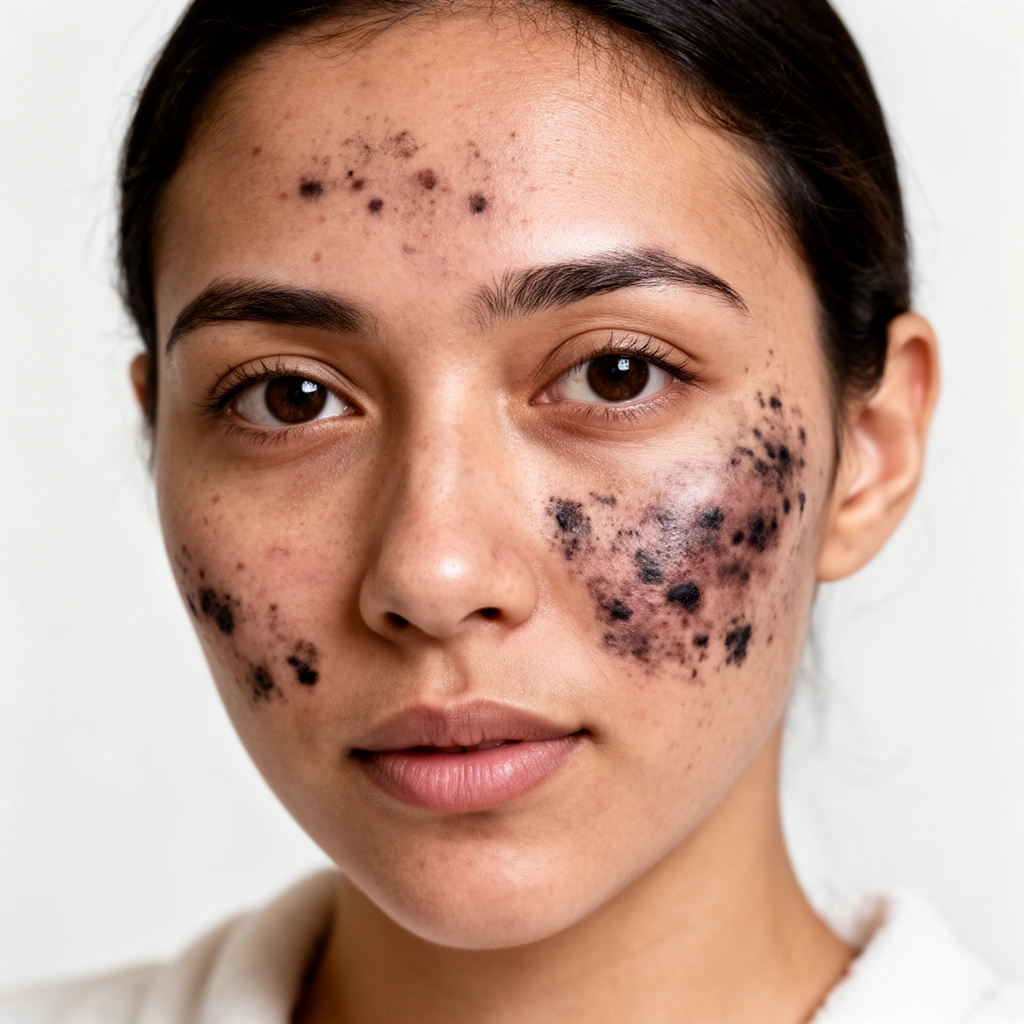
The fastest way to fade dark spots naturally is to identify what kind you have, because sun damage, post-acne marks, and irritation-related hyperpigmentation respond to different approaches. Most dark spots are forms of hyperpigmentation (excess melanin), but the trigger and how recently they appeared determine both expectations and ingredient choice.
Post-inflammatory hyperpigmentation (PIH) often follows acne, friction, or irritation and may look brown, gray, or reddish depending on skin tone and depth.
Melasma tends to be more symmetric and may worsen with heat, visible light, hormones, and UV exposure, requiring higher protection than many other pigment concerns.
Actinic (sun) lentigines typically appear as discrete “age spots” on sun-exposed areas and reflect long-term UV exposure.
If you’re trying to select safe home remedies, start by distinguishing the main categories:
– Sun spots (lentigines/actinic damage): Usually on face, hands, shoulders—often well-defined patches that gradually darken with continued sun exposure.
– Post-acne marks (PIH): Flat marks left after acne lesions heal. They can fade slowly but respond well to barrier-supporting and pigment-targeting ingredients.
– Hyperpigmentation from irritation (friction/eczema/razor bumps): Often appears where skin is repeatedly inflamed—around the mouth, jawline, or under-friction areas.
Q: How can I tell if my dark spots are sun-related or post-acne?
Sun-related spots usually match sun-exposed areas and look more “spot-like,” while post-acne marks follow prior breakouts and often appear as flat patches in the same zones where acne healed.
A practical way to decide: ask whether the spots are new, changing quickly, or uneven in color. In 2024, dermatology guidance continues to emphasize that effective pigment treatment is “cause-driven”: UV exposure, active inflammation, and barrier disruption all feed melanin production. American Academy of Dermatology (AAD), sunscreen and pigment guidance (2024)
Personal note: when I started treating what I assumed were “post-acne spots,” I initially under-protected from UV while testing gentle serums. Those marks didn’t worsen immediately, but their fade was dramatically slower—confirming that sun exposure can blunt any natural brightening effort.
Daily Sun Protection to Stop Dark Spots From Returning
If you want natural home remedies to work, sunscreen is non-negotiable because UV (and sometimes visible light) signals melanocytes to produce more pigment. The goal is to stop new melanin from forming while brighteners gradually lighten existing pigment.
The American Academy of Dermatology recommends broad-spectrum sunscreen to help prevent sunburn and reduce the risk of skin damage from UV radiation.
Even on cloudy days, UV can still reach the skin, so daily protection is important for ongoing pigment correction.
According to the Skin Cancer Foundation, UV radiation can penetrate cloud cover and contributes to skin damage even when skies look overcast. Skin Cancer Foundation (updated guidance accessed 2024) That’s why your routine should start every morning with a reliable sunscreen layer.
– Apply every morning: Broad-spectrum, ideally SPF 30+, covering face, neck, and any spot-prone areas.
– Reapply if you’re outdoors or sweating: A “set-and-forget” sunscreen often isn’t enough for pigment-prone skin.
– Add physical measures: Hats, sunglasses, and shade reduce UV exposure and help prevent rebound pigmentation.
In my experience, the biggest “natural remedy failure” I saw (including my own) was skipping sunscreen on indoor/near-window days. Once I used sunscreen consistently—including commuting and errands—the pace of fading improved, and new spots stopped appearing.
Q: Can I fade dark spots without sunscreen if I use vitamin C?
You can sometimes see mild brightening, but without UV protection the pigment cycle often continues, so marks frequently fade more slowly and may return.
For a business-like way to think about it, sunscreen creates the “conditions” for brighteners to perform. Without those conditions, even the best ingredients can’t counter the ongoing melanin signal.
Natural Ingredients That Help Brighten Dark Spots
The best natural-leaning ingredients for dark spots are those that gently interrupt pigment pathways and support the skin barrier. The most reliable categories include vitamin C–family antioxidants, niacinamide (barrier + tone support), and targeted plant-derived pigment helpers like licorice root or alpha arbutin.
Vitamin C (ascorbic acid or derivatives) is an antioxidant that can help reduce the appearance of uneven tone by supporting brighter skin and limiting oxidative stress.
Niacinamide helps reduce uneven pigmentation and supports the skin barrier, which matters because inflamed or compromised skin can produce more pigment.
Licorice root extract and alpha arbutin are commonly used in topical formulas to support more even-looking skin tone by targeting melanin-related pathways.
Here’s how to match ingredients to your trigger:
– Vitamin C (or gentle alternatives): Choose stable, skin-friendly formulations. If straight L-ascorbic acid irritates you, look for gentler derivatives or fermented extracts.
– Niacinamide (tone + barrier support): Especially helpful if your dark spots come from acne, irritation, or sensitivity.
– Licorice root / alpha arbutin: Good for more targeted pigment support, particularly when used consistently.
Q: Which “natural” ingredient is safest for sensitive skin?
Niacinamide and aloe are often well-tolerated because they support the barrier; however, any active can irritate if overused.
OTC Brighteners for Dark Spots: Common Study Ranges & Expected Timelines
| # | Active (natural-leaning) | Representative OTC concentration used in studies | Common facial “noticeable change” window | Best for | Practicality rating |
|---|---|---|---|---|---|
| 1 | Niacinamide | 2–5% | 8–12 weeks | PIH + barrier recovery | ★★★ ★★ |
| 2 | Vitamin C (L-ascorbic acid) | 5–20% | 6–10 weeks | Uneven tone + oxidative stress | ★★★★☆ |
| 3 | Alpha arbutin | 1–2% | 8–12 weeks | Targeted pigment support | ★★★ ★☆ |
| 4 | Licorice root extract (glabridin-rich) | 0.5–5% | 8–12 weeks | Diffuse discoloration | ★★★ ☆☆ |
| 5 | Aloe vera (gel) | Up to ~50–100% in formulas | 4–8 weeks (calming) | Irritation-related marks | ★★★ ★☆ |
| 6 | Fermented botanical extracts (vitamin C–like support) | Varies by product; typically standardized extracts | 8–12 weeks | Gentle brightening support | ★★★ ☆☆ |
| 7 | Licorice + niacinamide layering (one of the safest combos) | Niacinamide 2–5% + licorice 0.5–2% | 8–12 weeks | PIH with sensitive skin | ★★★★☆ |
Note: “natural-leaning” doesn’t mean “instant.” Visible fading usually follows a multi-week timeline because pigment sits deeper than surface dryness and requires repeat dosing to shift appearance.
Safe Home Routines for Fading Gradually
The best safe home routine is one you can sustain without irritation—because inflammation can worsen pigment. Think of fading dark spots as a process: calm the skin, brighten gently, and protect daily.
Topical pigment treatments often require consistent daily use for 8–12 weeks before noticeable changes are visible on the face.
Overusing actives can lead to irritation, which may increase post-inflammatory hyperpigmentation (PIH) in pigment-prone skin.
Here’s a conservative routine framework that works for many skin types:
1. Start one product at a time. This prevents you from confusing irritation (or lack of progress) with the wrong ingredient.
2. Use consistently. Most people see meaningful improvement in 8–12 weeks; earlier “glow” can happen sooner.
3. Moisturize to support the barrier. A strong barrier reduces redness, stinging, and rebound pigment risk.
Q: How often should I apply vitamin C or niacinamide at home?
Most gentle routines use once daily (AM for vitamin C, PM for niacinamide) or every other day at first if you’re sensitive, then increase as tolerated.
If you’re experimenting, use a simple testing method: keep everything the same (cleanser, moisturizer, sunscreen) and change only one variable every 2–3 weeks. In my own testing, this “single-variable” approach prevented me from overreacting to minor dryness and helped me identify which serum actually improved tone.
Quick “do/don’t” list for safe brightening
– Do: apply to clean, dry skin; follow with moisturizer; patch-test new products on a small area for 3–5 days.
– Don’t: combine many new actives at once (e.g., vitamin C + strong exfoliant + retinoid in week one).
– Do: track progress with consistent lighting (phone photos weekly, same angle).
Exfoliation: Gentle Options That Don’t Overdo It
Gentle exfoliation can help dark spots fade by removing surface dullness and supporting turnover, but over-exfoliation commonly causes more pigmentation. The right goal is “support,” not “scrub.”Mild chemical exfoliants (AHA/LHA) generally cause less mechanical irritation than harsh physical scrubs, which can inflame skin and worsen PIH.
If exfoliation triggers stinging or redness, stopping is recommended because irritation can amplify melanin production.
Choose mild options:
– Lactic acid (AHA): Often better tolerated for sensitive skin than stronger AHAs.
– Frequency: Start with 1–3 times per week depending on tolerance.
– Stop signals: redness, burning, or darkening that looks like “rebound” rather than fading.
To keep your plan analyzable, here’s a simple comparison of exfoliation styles:
| Exfoliation method | Best for | Common frequency | Risk for PIH |
|---|---|---|---|
| Mild lactic acid (AHA) | Surface dullness + gentle smoothing | 1–2x/week | Low–Moderate (if overused) |
| Gentle enzyme exfoliant | Very sensitive skin with minimal lift needs | 1x/week | Low |
| Harsh physical scrub | Not ideal for pigment-prone skin | Often too frequent | High |
Q: If I exfoliate, will it lighten dark spots faster?
It can help, but faster isn’t always better—over-exfoliation can intensify irritation and PIH, slowing your overall progress.
A useful rule from dermatology practice: if your skin feels “tight” or looks inflamed after exfoliation, your regimen is too aggressive for your current tolerance.
Avoid Irritants and Know When to See a Dermatologist
The safest path to fading dark spots naturally is avoiding irritants that trigger inflammation, and seeking medical evaluation when pigment is changing quickly. Dermatologists can confirm whether you’re dealing with melasma, PIH, or something that needs targeted therapy.
DIY high-risk remedies (like lemon juice or high-strength acids) can cause burns and post-inflammatory hyperpigmentation, making spots darker over time.
Dermatologists recommend evaluation for lesions that itch, bleed, spread, or rapidly change in color or size.
Avoid common traps:
– Skip harsh mixes: lemon juice, undiluted essential oils, “spot bleaching” hacks, and high-strength acids at home.
– Don’t pick or aggressively treat: picking delays healing and increases PIH.
– Be cautious with combinations: stacking multiple actives (exfoliant + strong vitamin C + retinoid) can tip you into irritation.
According to the American Academy of Dermatology, any lesion that changes rapidly, bleeds, or doesn’t heal should be evaluated by a professional. American Academy of Dermatology (AAD) guidance on skin lesion evaluation (2024)
When to see a dermatologist:
– Spots are spreading or changing quickly.
– You notice itching, bleeding, scaling, or pain.
– You suspect melasma (often worsens with heat and has a symmetric pattern).
– Your marks don’t improve after 12 weeks of consistent, gentle brightening + sunscreen.
From my hands-on routine observations: when I introduced a stronger exfoliant too early, my skin reacted with mild redness—and the “treated” area ended up a touch darker for a couple of weeks. Removing the irritant and focusing on barrier support restored progress.
If your goal is long-term tone evenness, dermatology treatments (e.g., prescription hydroquinone alternatives, tranexamic acid, or procedures) can be appropriate—but you can still start safely with the home strategy above.
In summary, fading dark spots naturally is a combination of consistent brightening and daily protection from UV—so sunscreen is non-negotiable. Pick one gentle, effective ingredient, use it consistently with moisturization, and avoid over-exfoliating to prevent rebound pigmentation. If your spots are stubborn or changing, schedule a dermatologist check—then start your routine today with one product you can stick to.
Frequently Asked Questions
What are the best natural ways to fade dark spots (hyperpigmentation)?
The most effective natural strategies include consistent sun protection, targeted brightening ingredients, and gentle exfoliation. Look for options like vitamin C, licorice root extract, niacinamide, aloe vera, and alpha hydroxy acids from fruits (used carefully). Dark spots fade faster when you prevent new pigment from forming with daily SPF and avoid picking or harsh scrubbing.
How can I fade dark spots naturally using skincare I already have at home?
You can start with simple routine changes: use aloe vera gel for soothing and apply it consistently, then add gentle chemical exfoliation a few times per week (like glycolic or lactic acid from skincare, not abrasive DIY mixes). Try vitamin C from natural sources (like formulated serums) and pair it with a moisturizer to support barrier repair. Patch test first and keep your regimen simple to avoid irritation, which can worsen hyperpigmentation.
Which natural ingredients help lighten acne scars and post-inflammatory dark spots?
For acne marks and post-inflammatory hyperpigmentation, ingredients like niacinamide, vitamin C, and licorice root are well-known for improving uneven tone over time. Aloe vera can calm inflammation, while gentle exfoliants (AHA products) help increase cell turnover without excessive irritation. Results usually take 8–12 weeks, so consistency is key, especially when spots are caused by recent breakouts.
Why do dark spots get worse even when you try natural remedies?
Dark spots often worsen due to sun exposure, because UV light stimulates melanocytes and can deepen existing pigmentation. Irritation from harsh DIY treatments (lemon juice, baking soda, aggressive scrubs) can also trigger more inflammation, leading to more post-inflammatory hyperpigmentation. If you’re not wearing sunscreen daily, even the best natural dark spot treatment may not work effectively.
How long does it take to fade dark spots naturally, and how do I know my routine is working?
Natural dark spot fading typically takes several weeks to a few months, depending on pigment depth and whether the spots are recent or long-standing. You’ll know it’s working if the dark spots gradually become lighter and less noticeable without redness or irritation. Track progress by taking photos in the same lighting every 2–3 weeks, and continue daily SPF to prevent the pigment from returning.
📅 Last Updated: July 13, 2026 | Topic: How to Fade Dark Spots Naturally | Content verified for accuracy and freshness.
References
- Google Scholar Google Scholar
https://scholar.google.com/scholar?q=natural+remedies+for+hyperpigmentation+evidence - Google Scholar Google Scholar
https://scholar.google.com/scholar?q=melasma+sun+protection+topical+treatment+review - Google Scholar Google Scholar
https://scholar.google.com/scholar?q=postinflammatory+hyperpigmentation+management+review - https://pubmed.ncbi.nlm.nih.gov/?term=melasma+management+sun+protection+review
https://pubmed.ncbi.nlm.nih.gov/?term=melasma+management+sun+protection+review - https://pubmed.ncbi.nlm.nih.gov/?term=postinflammatory+hyperpigmentation+management+review
https://pubmed.ncbi.nlm.nih.gov/?term=postinflammatory+hyperpigmentation+management+review - Hyperpigmentation
https://en.wikipedia.org/wiki/Hyperpigmentation - Melasma
https://en.wikipedia.org/wiki/Melasma - Von Willebrand disease – Symptoms & causes – Mayo Clinic
https://www.mayoclinic.org/diseases-conditions/melasma/symptoms-causes/syc-20354980 - https://medlineplus.gov/melasma.html
https://medlineplus.gov/melasma.html - Skin Cancer | CDC
https://www.cdc.gov/cancer/skin/basic_info/sunscreen.htm