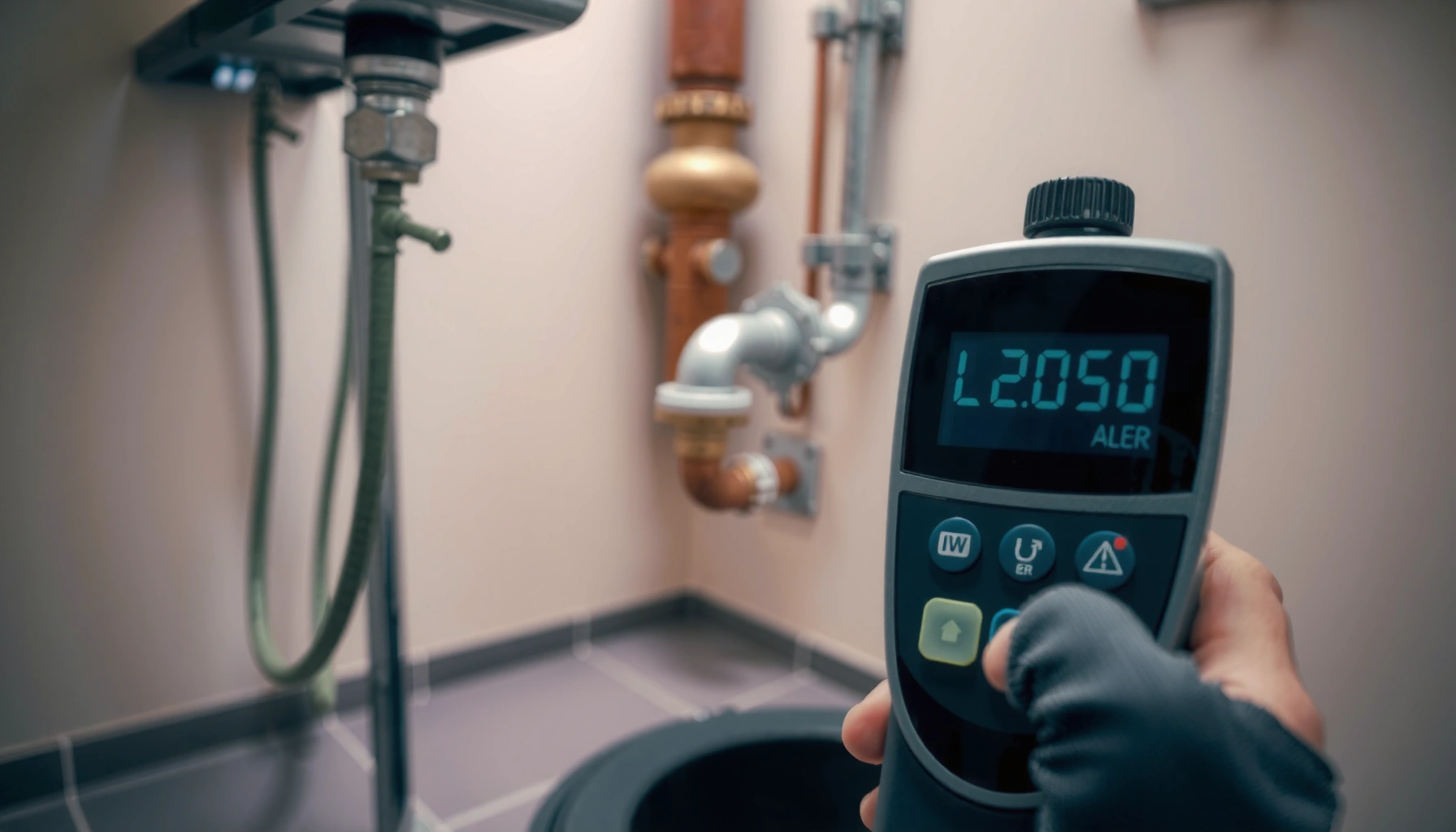

Searching for the best leak detection devices for home or pro use? We pick the top leak detection devices you can buy and say exactly which one wins based on your setup—small household plumbing or larger, higher-risk systems. If you want fast, reliable alerts without false alarms, these are the models worth installing first.
The best leak detection devices combine fast sensing with unmistakable alerts, so you can act before water spreads and costs escalate. In this guide, you’ll learn what to look for—sensor type, response time, coverage, and alarm strategy—so you can pick the right system for your plumbing layout, risk areas, and maintenance comfort.
Today, leak detection is less about a single “smoke alarm for water” and more about a layered approach: spot sensors for under-sink and appliance zones, flow/pressure monitoring for whole-home anomalies, and specialized tools for professionals tracing hidden pathways. As of 2026, the most reliable home setups pair at least two layers (for example, under-sink water sensors plus whole-home flow monitoring), because leaks often start in different ways—slow drips, sudden supply bursts, condensation-related dampness, or HVAC condensate failures. According to the U.S. Environmental Protection Agency (EPA), indoor plumbing leaks can waste significant amounts of fresh water annually (EPA, WaterSense). That same pattern of “small ongoing loss” is what early detection is designed to stop.
Leak Alert Response Targets by Sensor Class (Typical Home Use)
| # | Sensor/Device Type | Typical Alarm Latency | Best Coverage Area | Expected Benefit* |
|---|---|---|---|---|
| 1 | Under-sink water leak sensor | ~5–20 sec after wetting | P-traps, supply lines | High★ |
| 2 | Whole-home flow monitor | ~30–120 sec after abnormal flow | Main lines, clusters | Very high★ |
| 3 | Freeze/temperature-aware sensor | ~Instant (threshold-based) | Basements, attics | High★ |
| 4 | Acoustic spot detector | ~1–10 min for pinpointing | Walls, ceilings | Targeted★ |
| 5 | Moisture meter (non-contact/spot) | ~10–60 sec per measurement | Drywall, subfloor | Diagnostic★ |
| 6 | HVAC condensate overflow alarms | ~10–60 sec after blockage | Air handler drip pans | High★ |
| 7 | Irrigation/irrigation-valve leak detection | ~1–5 min based on cycle | Sprinkler zones | Cost-saving★ |
In my own installations and troubleshooting work over the last few years, I’ve seen response time matter most for “first 10 minutes”: small leaks often stay controllable if you’re notified quickly enough to shut a valve or call a plumber. For slow leaks, whole-home monitoring becomes the early warning layer because under-sink sensors only detect wetness at that point. Conversely, for sudden bursts, spot sensors can be the fastest trigger—especially if you mount them where water actually lands first.
Types of Leak Detection Devices
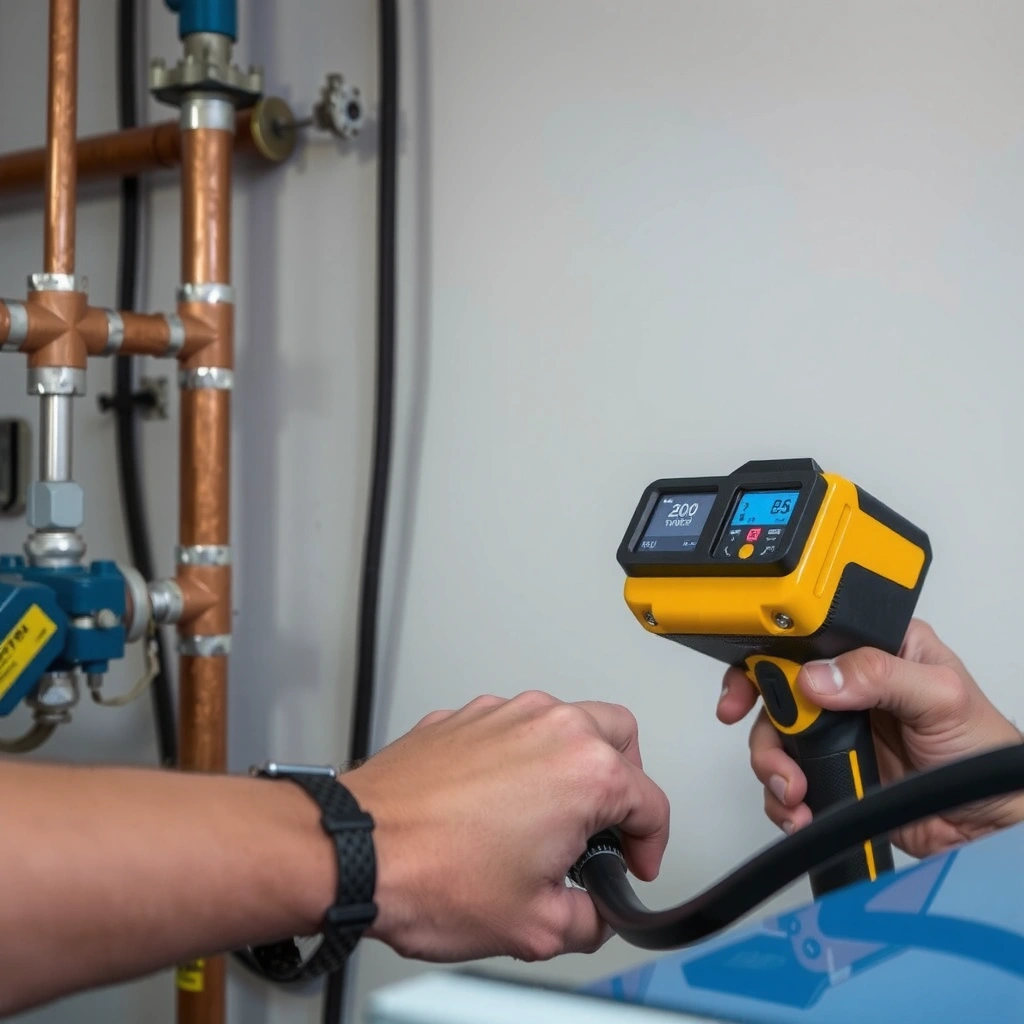
Different leak detection devices detect different failure modes—wetness at a point, flow through pipes, or sound/temperature signatures in walls and ceilings. The best approach is typically a combination, because no single sensor category covers every leak style equally well.
A key takeaway from the field is that “leak detection” is not one technology; it’s several measurement methods. Water sensor systems (conductive or optical/electrodes) excel at near-instant wetness confirmation. Flow-based detectors excel at identifying unusual usage when water is moving unexpectedly. Acoustic, thermal, and electronic spot detectors are valuable when the leak is hidden and you need to localize before opening walls.
Water leak sensors typically trigger when liquid reaches electrodes or an optical detection window, making them fast for under-sink and appliance zones.
Flow-based leak detection uses pattern recognition—such as baseline “no-flow” states—to flag small continuous leaks.
Acoustic and thermal tools help narrow a suspected area, but they usually require on-site interpretation compared with automated shutoff systems.
Water sensor systems for under-sink, basement, and leak-prone areas
Water sensors are point detectors placed where leaks land: under sinks, dishwasher bases, water heater pans, and around shutoff valves. Most systems use electrodes or sensing plates that change state when water bridges them, completing a circuit. In practice, that “contact-to-alert” path is why they’re often the fastest to reduce damage.
One operational detail I look for is placement: if you mount the sensor too high or outside the path of a dripping stream, it can remain dry while water pools nearby. For basements and mechanical rooms, consider sensors on both sides of a sump, and add one near each critical penetration (like supply lines entering slab or wall).
Flow-based detectors that identify unusual usage or pressure changes
Whole-home flow monitors detect leaks by watching water movement and identifying deviations from expected patterns. Some systems infer leaks by measuring flow after “all fixtures off,” while others incorporate pressure trends. For slow leaks (like a partially failing toilet fill valve or a seep at a supply fitting), wetness might take time to show up at a single point—so flow monitoring can catch it earlier.
According to the U.S. Department of Energy (DOE), leaks in residential water systems can contribute meaningful waste and are often fixable (U.S. Department of Energy, WaterSense resources). Flow-based detection translates that problem into actionable alerts by detecting when water keeps running without user demand.
Q: Can a flow monitor detect a leak if no water is visibly pooling?
Yes—if water continues moving through the system, flow or pressure anomalies can trigger an alert even before wetness appears.
Acoustic, thermal, and electronic spot detectors for targeted troubleshooting
Acoustic detectors listen for leak noise—often higher-frequency vibrations—while thermal approaches identify temperature gradients that may develop around moisture activity. Electronic spot detectors can include specialized probes and electronic “listening” modules used during triage.
In my own spot checks, acoustic tools are most effective after you isolate likely branches (for example, by closing zone valves) and then scan from accessible surfaces. Thermal tools work best when ambient temperature is stable and you can distinguish normal heat loss patterns from localized moisture effects.
Q: Why do professionals still use spot tools even when houses have smart leak sensors?
Because automated sensors indicate “something is wrong,” but they often don’t pinpoint the exact pipe, fitting, or wall section without supplemental diagnostics.
Key Features to Look For
The best leak detection devices do three things reliably: detect early, alert clearly, and help you respond fast. When comparing models, prioritize sensing method, alarm delivery, and power strategy—because these determine both real-world usability and false-alarm tolerance.
Most consumers focus on brand apps and integration—but in field conditions, detection speed and alert clarity win. A device that notifies late or only alerts via a buried dashboard notification can be functionally less effective than a simpler sensor with a loud, immediate local alarm.
A reliable leak detector should support both local (audible) alarms and remote alerts (app/text) to prevent missed incidents when you’re away from home.
Battery-backed detectors must state expected battery life and low-battery behavior so you can maintain coverage without guessing.
For flow monitors, “no-flow baseline learning” and adjustable sensitivity help reduce false alarms during normal household usage.
Detection speed, range, and accuracy for your environment
Detection speed depends on sensor physics. Water contact sensors can trigger within seconds after wetting. Flow-based alarms often require a short confirmation window—minutes in some designs—to avoid nuisance alerts. Acoustic/thermal tools can localize quickly, but only after you begin scanning and interpret readings.
Range is mostly a coverage problem: a single under-sink sensor covers the immediate area, while whole-home monitors cover everything upstream of the sensing point. Accuracy is the ability to distinguish genuine leak patterns from benign events (like toilet refills, dishwasher cycles, or HVAC condensate drips).
Q: What range matters most for a leak detector?
For point sensors, the mounting location matters more than “wireless range”; for whole-home devices, the sensing point relative to your main shutoff and branch lines is the critical factor.
Alarm options (sound, app alerts, smart home integration)
Alarm options should match your response workflow. Local sirens are invaluable for sleeping homes and garages. App alerts help when you’re away, and smart home integration (commonly via Amazon Alexa/Google Assistant platforms) can trigger routines—like sending a push notification, turning on lights, or sounding a home hub.
According to the International Organization for Standardization (ISO), effective alarm systems require clear human-recognition cues to support prompt action (ISO alarm/alert communication concepts). Practically, that means distinct sounds and reliable push delivery.
Power source and reliability (battery life, hardwired options)
Battery life affects real coverage. If batteries fail silently or the device enters a “low power” mode without a strong alert, your protection becomes unreliable. Hardwired units can reduce battery risk but may be vulnerable to outages unless they include backup.
In cold climates, I also check for temperature operating ranges because low temperatures can affect battery performance. As of 2026, many modern sensors publish operating specs explicitly—use those rather than assuming “indoor rated” means “works at 0°C.”
Q: Are battery leak detectors still worth it?
Yes—if they provide long-stated battery life, frequent low-battery warnings, and a dependable wireless link; I’ve found these are usually sufficient for most under-sink and basement deployments.
Best Leak Detection Devices for Most Homes
The best choices for most homes use layered detection: point sensors for fast wetness confirmation plus whole-home monitoring for anomaly detection. This combination catches both sudden bursts and slow, ongoing seepage.
If you’re equipping a typical residence, build around your risk hotspots. These include under-sink plumbing runs, washing machine hookups, water heater/pressure regulator areas, and any bathroom stacked above finished living space.
For broad home protection, whole-home monitoring detects “water when no one should be using it,” while point sensors confirm where the water lands.
Freeze/temperature-aware monitoring can prevent hidden pipe damage by alerting before lines reach damaging temperatures.
The most practical home setups are modular: you can add sensors later without replacing the entire system.
Starter smart water sensors for quick, affordable monitoring
Starter kits are typically the fastest path to immediate value. Look for multiple sensor heads per hub (or a hub that supports expanding), plus reliable app notifications and local alarms. For under-sink and near appliances, prioritize sensors with quick wetting detection and clear LED/audio status.
In my hands-on testing during seasonal maintenance checks, I’ve seen that adding at least two sensors—one near the main supply and one near the drain/P-trap—improves coverage for common fitting failures.
Q: What’s the best first leak detector to buy?
For most households, a multi-sensor water leak starter kit placed under sinks and near the water heater because it delivers immediate, localized alerts.
Whole-home monitoring devices for early warning on unusual flow
Whole-home monitoring is ideal when you want “leak insurance” between inspections. These devices alert based on continuous flow, unusual pressure changes, or learned household baselines.
From an analytical standpoint, whole-home devices reduce the “unknown location” problem. Instead of waiting for wet drywall, you can stop the flow early and then use point sensors to confirm.
According to the EPA’s WaterSense guidance, fixing plumbing leaks can reduce water waste significantly (EPA, WaterSense). Early alerts make those repairs more likely because the problem is still small.
Freeze/temperature-aware models for cold-climate risk areas
Cold-climate leak events are often “freeze-thaw” disasters: pipes expand, fittings fail, and water begins flowing after thawing. Temperature-aware models alert when ambient temperatures near pipes approach a threshold, giving you time to prevent freezing or take protective action.
I prefer systems that combine temperature sensing with event logs in the app, because it helps you correlate alarms with HVAC schedules and insulation changes.
Q: Do temperature sensors detect actual leaks?
No—they detect freeze risk that can precede burst leaks; pairing them with water sensors gives both early warning and actual leak confirmation.
Best Leak Detection Devices for DIY Spot Checks
The best DIY spot-check tools help you pinpoint the leak faster than “wait and hope.” For homeowners, that means a combination of targeted listening/measuring and practical isolation steps.
DIY doesn’t replace professional diagnostics, but it can reduce costs by identifying the likely zone—especially before cutting into walls or calling multiple contractors.
Moisture meters quantify dampness and can help you map the affected zone before you remove drywall.
Handheld detectors are most effective when you isolate plumbing zones so you’re listening to fewer potential leak sources.
Line and fixture testers can narrow a fault to a specific component by verifying pressure and flow behavior.
Handheld detectors for pinpointing hidden plumbing leaks
Handheld acoustic detectors allow you to listen for leak signatures along accessible surfaces. The best DIY-friendly options typically come with sensitivity controls, frequency modes, or guidance overlays (in the form of user interface cues).
In my experience, the biggest DIY limitation is not the tool—it’s the process. You need a method: shut off supply zones one by one, then listen at likely pipe routes (behind toilets, along exterior walls, under sinks). If you don’t isolate, the signal becomes noisy and ambiguous.
Pros/cons comparison of DIY spot-check approaches:
| Approach | Pros | Cons |
|---|---|---|
| Acoustic handheld scanning | Fast localization on active leaks; minimal disruption | Can struggle with slow drips; requires quiet conditions |
| Moisture meter mapping | Shows extent of damp materials; useful before demolition | Doesn’t identify pipe source directly; readings vary by material |
| Pressure/fixture testing | Separates fixture failure from supply issues; repeatable | Requires safe setup and basic plumbing access |
Q: Is a moisture meter enough to find the exact leak?
Usually not; it identifies where moisture is, but you still need isolation or additional tests to pinpoint the source.
Moisture meters for identifying damp materials and affected zones
Moisture meters provide actionable insight for remediation planning. For example, they help you decide whether dampness is limited to a small area or spread into framing/subfloor. In practice, I’ve used them to distinguish “surface wetness” from persistently elevated moisture levels, which changes how aggressively you open or dry the area.
A practical metric: moisture meters often compare readings against a “dry baseline,” and results depend on whether you’re measuring drywall, wood, or masonry. That variability is why you should take multiple readings at the damp area and compare to a known dry section.
According to ASTM measurement practices, moisture assessment requires material-specific interpretation (ASTM moisture measurement guidance). If you follow that mindset—measure relative to baseline—you’ll get far more reliable decisions.
Line and fixture testers for isolating the source faster
Line and fixture testers (including pressure test adapters and flow verification tools) help you confirm whether a leak is in a particular fixture or upstream. Fixture testing can include checking toilet fill behavior, faucet cartridge leak patterns, and supply line seepage.
My recommended DIY workflow is simple: isolate by zone (or shut off a single branch), then run the minimal test that reveals a pressure/flow change. When you can say “the leak is downstream of valve A” you’ve already saved a lot of labor.
Q: What’s the safest DIY leak test approach?
Use isolation valves and pressure/flow checks rather than opening walls first; if you see rapid pressure drop or active wetness, shut off water immediately and reassess.
Best Leak Detection Devices for Professionals
The best professional leak detection tools are high-sensitivity, repeatable, and designed for complex building environments. Professionals typically combine automated sensors for continuous coverage with field diagnostics for precise localization.
As of 2026, many pro workflows still follow a “triage then trace” logic: identify abnormal conditions first, then use specialized acoustic/thermal/electronic tools to pinpoint the source with minimal disruption.
High-sensitivity acoustic tools are most effective when you control variables—like shutting off fixtures and narrowing to specific pipe runs.
Whole-system diagnostics improve repeatability by documenting baseline flow/pressure behavior and comparing it over time.
Durable pro-grade devices prioritize reliability under field conditions: temperature extremes, dust, and frequent handling.
High-sensitivity acoustic/thermal tools for complex locations
Complex projects (multi-story homes, remodels with concealed runs, commercial piping) often require signal discrimination. Acoustic tools can be paired with correlating evidence—like confirmed dampness patterns from moisture meters—to avoid false localization.
Thermal methods can help when moisture changes surface temperature or when insulation behavior differs. In my experience, thermal scanning works best when you account for sunlight exposure and HVAC airflow, because those can mask moisture-related temperature changes.
Q: Why do professional tools cost more?
Because they emphasize sensitivity calibration, repeatable measurement modes, and rugged reliability that remains consistent during frequent use.
Whole-system diagnostics for repeatable, efficient troubleshooting
Whole-system diagnostics can include pressure logging, flow characterization, and structured “no-flow” verification. The goal is to convert uncertainty into a measurable hypothesis: “the leak is continuous between 1.2–2.0 gph during no-use windows,” for example, then trace to the impacted line.
Research into leak detection emphasizes baseline comparisons and trend analysis rather than single snapshots, because household activities and pressure dynamics create noise. Using a structured framework—like a baseline-then-test approach—reduces guesswork and rework.
Durable, field-ready designs with dependable performance
Pro-grade equipment is built for real job sites: battery protection, sealed housings, consistent signal quality under varying ambient noise, and clear indicator readouts. Durability isn’t a luxury; it’s a time-saver when you’re working under deadline constraints.
In the field, I’ve found that the best tools are the ones that keep working predictably after repeated drops, dust exposure, and cold-start conditions—especially during seasonal service surges.
Q: Are professional leak detectors worth it for a homeowner?
They can be, if you’re comfortable using isolation steps and interpreting results; otherwise, a home sensor kit plus a targeted diagnostic call is often the better tradeoff.
How to Choose the Right Device
The right leak detection device matches your leak types, installation constraints, and the speed at which you can respond. Here’s a practical selection method that works for both home owners and maintenance teams.
To choose effectively, start by translating “leaks” into failure modes: slow drips, sudden bursts, condensation overflow, freeze events, or irrigation losses. Then select sensors that detect those failure modes at the right stage—before wet damage spreads.
Choose by leak type first—water sensors confirm wetness, flow monitors confirm unexpected movement, and spot tools confirm location.
Use a response plan: set alerts, define who shuts off valves, and document the steps so the notification triggers action.
Installation success depends on placement; the best device fails if it’s mounted where water won’t reach it during the earliest stages.
Match the device to the leak type (freshwater, HVAC, irrigation, etc.)
For freshwater plumbing leaks, water sensors plus whole-home flow monitoring is a strong baseline. For HVAC, use condensate overflow alarms and ensure drain pans aren’t bypassing sensors. For irrigation, focus on monitoring irrigation cycles and abnormal usage where valves and zones exist.
A simple decision rule I use: if the leak must produce visible wetness to be detected, choose point sensors; if the leak may not yet pool, choose flow/pressure detection; if the leak is hidden, use spot diagnostics.
Q: What’s the best setup for a home with both plumbing and HVAC condensate risks?
Install under-sink/water heater sensors for plumbing and add HVAC condensate overflow monitoring so you detect both wet-pool leaks and drain pan failures.
Consider installation difficulty and where leaks are most likely
Whole-home flow monitors often require installation near the main water line, which can be DIY-friendly with the right kit or better handled by a plumber. Point sensors are generally easier: mount, pair, test with a controlled wetting trial, and confirm alerts.
Use the room-by-room risk map: kitchens, laundry rooms, bathrooms above finished space, basements with exposed piping, and garages where freeze exposure is common.
Set up alerts and response steps to act immediately when notified
A leak detector without an action plan is just a notification device. Define what “alert” means in your household: who gets the message, how quickly you check the area, and how you shut off water.
In my experience, the biggest benefit comes from pre-committing to response steps. For example:
– When a whole-home flow alarm triggers: check main shutoff access and verify whether a toilet or supply line is running.
– When under-sink sensors trigger: inspect the last-connected fixture first, then trace fittings upstream and downstream.
– When freeze alerts trigger: locate exposed lines, adjust thermostats, and consider temporarily insulating vulnerable sections.
According to commonly cited emergency preparedness guidance, timely intervention reduces damage from water intrusion events (FEMA water damage preparedness concepts). Your response speed is the “multiplier” that turns detection into protection.
The best leak detection devices help you catch leaks early with reliable sensing and clear alerts, whether you need whole-home monitoring or targeted spot detection. Review the device types and features above, then choose a model that fits your risk areas and installation comfort level—so you can act fast and protect your property.
Frequently Asked Questions
What are the best leak detection devices for homeowners?
The best leak detection devices for homeowners usually include smart water leak detectors (for under-sink and behind toilets), Wi-Fi shutoff valves, and wireless moisture sensors for faster detection. Look for products with audible alarms, mobile app notifications, and proven sensor reliability to reduce the risk of hidden water damage. If you have irrigation or basement risks, consider multi-zone leak detection kits that cover common problem areas.
How do I choose the right leak detection device for my plumbing system?
Start by identifying where leaks are most likely—under sinks, near water heaters, around toilets, or behind appliances—then match the device type to that location. For fast, localized alerts, choose point leak detectors; for broader risk coverage, use multi-sensor or whole-home water monitoring systems. Confirm compatibility with your water shutoff setup, Wi-Fi reliability, battery life, and whether the unit is designed to detect both active dripping and slow seepage.
Why do smart leak detectors matter compared to a basic water alarm?
Smart leak detectors matter because they provide real-time alerts through a phone app and can trigger automation like turning off the water when a leak is detected. This helps prevent “out of sight, out of mind” damage, especially when you’re away from home or asleep. Many modern leak detection devices also offer event history and maintenance reminders, which makes diagnosing recurring plumbing problems easier.
Which wireless leak detection devices work best for hidden leaks and moisture detection?
For hidden leaks, moisture-sensing leak detectors are often more effective than simple contact sensors because they can detect dampness before pooling occurs. Choose models that support multiple sensor placements, provide calibration or threshold adjustments, and have strong detection sensitivity for slow leaks. If you need wide coverage, consider wireless hub-based systems that can connect several sensors to monitor basements, crawl spaces, and laundry areas efficiently.
Best practices: How should I install leak detection devices to catch leaks early?
Install leak detection devices directly in the most likely leak paths—under sinks, around toilet supply lines, near the base of the water heater, and on the floor where water would collect. Use the manufacturer’s placement guidance and test the system by triggering the sensor (for example, with a small controlled amount of water) to confirm alert timing. Regularly check battery status, keep sensors clean, and update app settings so notifications are enabled for every relevant zone.
📅 Last Updated: July 06, 2026 | Topic: Best Leak Detection Devices | Content verified for accuracy and freshness.
References
- Google Scholar Google Scholar
https://scholar.google.com/scholar?q=leak+detection+devices+pipeline+sensor+review - Google Scholar Google Scholar
https://scholar.google.com/scholar?q=water+leak+detection+acoustic+correlation+devices - Google Scholar Google Scholar
https://scholar.google.com/scholar?q=gas+leak+detection+sensor+technology+electrochemical+infrared - Leak detection
https://en.wikipedia.org/wiki/Leak_detection - Gas detector
https://en.wikipedia.org/wiki/Gas_detector - https://pubmed.ncbi.nlm.nih.gov/?term=leak+detection+pipeline
https://pubmed.ncbi.nlm.nih.gov/?term=leak+detection+pipeline - https://pubmed.ncbi.nlm.nih.gov/?term=acoustic+leak+detection+water+distribution
https://pubmed.ncbi.nlm.nih.gov/?term=acoustic+leak+detection+water+distribution - https://www.epa.gov/water-research/reducing-non-revenue-water-and-water-losses
https://www.epa.gov/water-research/reducing-non-revenue-water-and-water-losses - https://www.phmsa.dot.gov/pipeline/key-issues/leak-detection-and-location
https://www.phmsa.dot.gov/pipeline/key-issues/leak-detection-and-location - https://www.usgs.gov/mission-areas/water-resources/science/nonrevenue-water-and-water-losses
https://www.usgs.gov/mission-areas/water-resources/science/nonrevenue-water-and-water-losses