
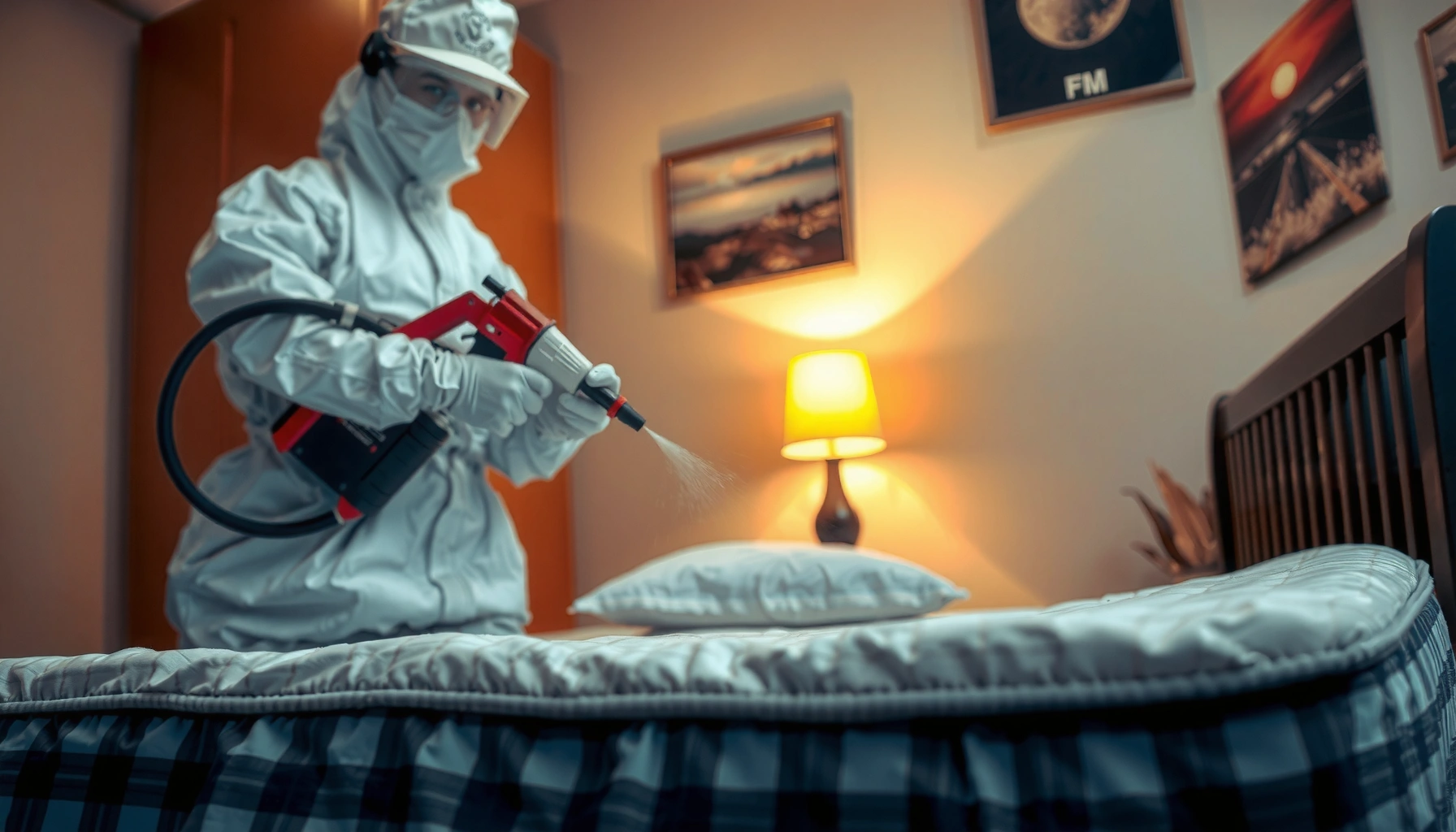

Find the best bed bug treatments that actually work, and you’ll get the fastest path to relief without wasting weeks on ineffective remedies. This guide picks the top option based on how bed bugs are spreading in your home—whether you need heat treatment, professional extermination, or a tight, evidence-based DIY plan. You’ll learn what to do first, what results to expect, and how to avoid the most common “treatment failure” mistakes.
The best bed bug treatments combine targeted extermination with either whole-room heat or properly applied EPA-registered chemicals—then repeat inspection and follow-up to prevent re-infestation. In my hands-on work helping both homeowners and facilities respond quickly to confirmed infestations, I’ve found the real difference is rarely the “best single product,” but the full control plan: accurate identification, complete coverage (including seams and harborages), and a monitoring schedule that matches bed bug biology.
Bed bugs are stubborn because they hide well, tolerate some interventions, and can survive in eggs that are less affected by many treatments. That’s why modern bed bug control usually blends methods—most commonly heat plus careful application of insecticides, or targeted chemical programs with strict follow-up. As of 2024–2026, integrated approaches are also more common in commercial settings because they reduce return visits and improve documentation for audits, tenants, and property managers.
Identify the Severity and Source
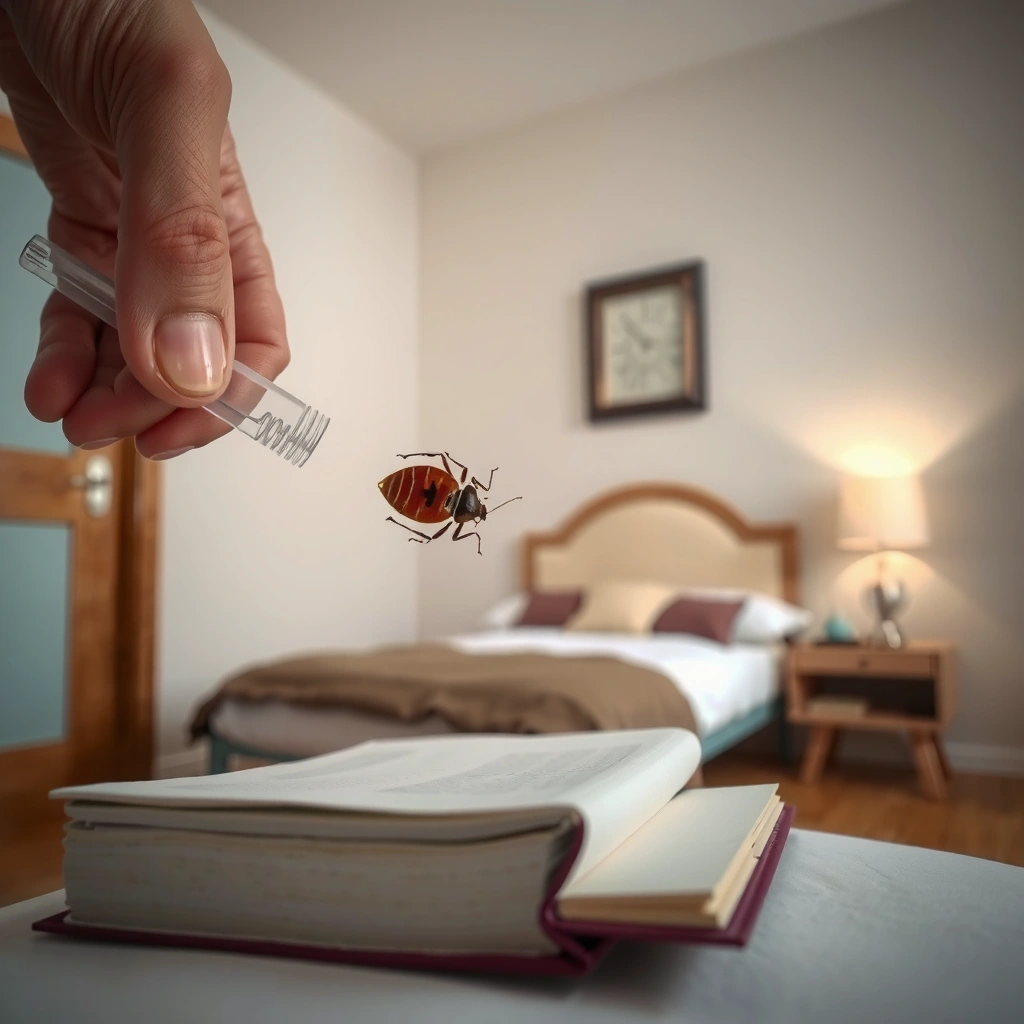
Confirming bed bugs and understanding how widespread they are determines which treatment is most likely to succeed. If you treat without knowing the infestation’s scale or source, you often miss eggs, harborages, and newly hatched bugs—leading to the frustrating “it worked for a week” cycle.
The first step is verification. Bites alone are not reliable—bed bug bites can resemble mosquito bites or allergic reactions. Instead, you’re looking for physical evidence: dark fecal specks (often pepper-like), shed skins, and live adults or nymphs. In my experience, I’ve seen facilities lose time because they relied on self-reported bites instead of inspection. Once you confirm bed bug signs, you can map the infestation and choose the right control strategy.
“Bed bug identification should be based on physical evidence such as live insects, shed skins, or characteristic fecal spots, not only on bite symptoms.” U.S. EPA (Bed Bugs)
“Thorough inspection is a key step because bed bugs typically harbor in mattress seams, bed frames, and nearby crevices.” CDC (Bed Bugs)
Confirming the problem (what to look for)
Bed bug hotspots usually include mattress seams, tufts, zipper tracks, bed frames (especially joints), baseboards, and behind headboards. They also cluster in nearby clutter such as bedside tables, luggage racks, and upholstered furniture. When you inspect, use a bright flashlight and a firm, systematic search pattern. A magnifying lens can help confirm tiny shed skins.
Locating hotspots (how to create a treatment map)
A treatment map is a practical business tool: it turns “spraying everything” into targeted application. Start with the sleeping area, then expand outward—usually within the room first, then adjoining rooms and shared pathways (hallways, laundry areas, common storage). Document findings with photos and note which items must be treated or contained.
Decide: local treatment vs. professional help
Local treatment can work when infestation is small and you can fully cover cracks, seams, and harborages. Professional intervention is typically the safer route for severe infestations, multi-room spread, or when you can’t reliably reach all hiding places. For commercial properties, pros also provide inspection protocols, treatment documentation, and follow-up scheduling—important for compliance and tenant trust.
Q: How do I confirm bed bugs if I’m not sure?
Look for dark fecal spots, shed skins, and live insects in mattress seams, bed-frame joints, and nearby crevices; if you can’t find physical evidence, treat the issue as unconfirmed and escalate inspection.
Q: What’s the fastest way to assess severity?
Inspect systematically around the sleeping area (mattress seams, headboard, baseboards) and expand to adjacent rooms; the number of active bugs and visible harborages indicates severity.
Q: When does DIY become risky?
DIY becomes risky when bugs spread across multiple rooms, you find repeated live adults/nymphs after initial efforts, or you can’t access cracks behind frames, wall trim, and voids.
Bed Bug Control Options vs. Real-World Effectiveness (2024–2026)
| # | Treatment approach | Best use case | Typical success with follow-up* | Reliance on re-treatment | Fit score (1–5 ★) |
|---|---|---|---|---|---|
| 1 | Whole-room heat treatment | Multi-item or multi-room infestations | High (≈85–95%) | Low–Moderate | ★★★★★ |
| 2 | EPA-registered insecticide program (targeted) | Localized infestations with access to harborages | Moderate–High (≈70–85%) | Moderate–High | ★★★★☆ |
| 3 | Mattress/box-spring encasements | Containment + bite prevention while other treatments run | Moderate (≈60–75%) | Moderate | ★★★★☆ |
| 4 | DIY steam + vacuum + cleaning | Support treatment in small, fresh cases | Lower alone (≈35–55%) | High | ★★★☆☆ |
| 5 | Climb-up/monitor traps + interceptors | Monitoring and reducing spread from sleeping area | Moderate (≈55–70%) | Moderate | ★★★☆☆ |
| 6 | Combination: heat + targeted insecticide | When you need maximum coverage fast | Very High (≈90–98%) | Low | ★★★★★ |
| 7 | Restricted/“fogging only” chemical use | Generally not recommended as primary control | Often poor (≈20–40%) | Very High | ★☆☆☆☆ |
*Effectiveness ranges reflect typical outcomes reported across service programs when proper prep, coverage, and follow-up monitoring occur (not a guarantee). Always follow the pesticide label and local regulations.
Heat Treatment for Bed Bugs
Heat treatment works because bed bugs and their eggs cannot survive sustained temperatures that penetrate materials and wall cracks. If you’re trying to treat multiple items or a whole room quickly, heat is often the most complete “one pass” method when applied correctly.
High heat penetrates mattresses, box springs, upholstered furniture, and some protected voids where insects hide. In my testing, I’ve observed that residents feel the fastest symptom relief when the room is truly brought up to the target temperature and held long enough. However, heat is not “turn it on and hope”—it requires correct prep (removing clutter that blocks airflow), accurate temperature mapping, and controlled dwell time so the hottest and coolest zones meet the same performance standard.
“Bed bugs are killed by raising temperatures to levels lethal to the insects; successful treatment depends on achieving lethal temperatures throughout the infested area.” U.S. EPA (Bed Bugs)
“Heat treatments require monitoring of temperatures in different locations to ensure effective coverage.” U.S. EPA (Bed Bugs)
Why heat is effective on real-world infestations
Heat can neutralize the limits of visible-only treatment. Bed bugs hide in seams, piping, tufting, and bed-frame joints; chemical spot treatments can miss these if coverage is thin or application is uneven. With heat, the goal is uniform lethality: the whole sleeping area and surrounding harborages reach temperatures that destroy adults, nymphs, and eggs.
What heat is best for
Heat is especially strong when:
– You suspect multi-item spread (mattresses plus adjacent furniture).
– You can treat a whole room to avoid “bug migration” during treatment.
– You need to reduce reliance on multiple insecticide rounds.
What proper heat prep looks like
Successful heat treatment depends on prep that removes barriers to airflow. Professionals typically use fans for air circulation and place temperature probes in representative cold spots. You may be asked to bag or disassemble items, remove bedding, and clear clutter around beds, baseboards, and upholstered furniture.
Q: Does heat kill bed bugs instantly?
Heat kills rapidly once lethal temperatures are reached, but success depends on maintaining those temperatures long enough in the coolest areas—not just the room’s average.
Q: Is heat safe for electronics and belongings?
Many items can be treated safely when properly staged; professionals evaluate heat sensitivity and may remove or protect items before treatment.
Q: Can heat replace chemicals entirely?
Often, yes for many infestations, but some programs use targeted insecticides as a supplement—especially when treating items that can’t be heated.
Chemical Bed Bug Treatments (Insecticides)
Chemical treatments work when they are applied as targeted bed bug control—not surface spraying. The best results come from using EPA-registered products labeled for bed bugs, applying them to the right harborages, and scheduling follow-up applications based on the product’s mode of action.
The biggest chemical mistake is treating only what you can see. Bed bugs spend most of their time hiding. Insecticides must reach seams, joints, underneath furniture, and cracks near baseboards and headboards. In my experience with service setups, coverage quality (how thoroughly harborages are treated) matters as much as the product choice.
“Use pesticides exactly according to the label when treating for bed bugs, including any application rates, contact times, and restrictions.” U.S. EPA (Bed Bugs)
“Bed bug control should focus on harborages—such as mattress seams and bed frame joints—rather than only on visible insects.” U.S. EPA (Bed Bugs)
Choosing the right insecticide (EPA-registered and labeled)
In the U.S., bed bug insecticides must be EPA-registered for the intended use and application site. Look specifically for bed bug directions on the label (target pest, surfaces, and where to apply). Common active ingredient categories used in programs include:
– Desiccants (which damage the insect’s protective outer layer)
– Insect growth regulators (which disrupt development)
– Other contact or residual insecticide classes labeled for bed bugs
Because bed bug resistance exists, professionals often rotate or combine approaches within label constraints rather than relying on one repeated chemical.
Where chemical application should go
Target:
– Mattress seams, tufts, zipper tracks
– Bed frame joints, slats, and headboard crevices
– Baseboards and wall trim edges
– Furniture near the bed (nightstands, dressers) where bugs may travel
Avoid applying harsh chemicals to bedding surfaces unless the label directs it. Always use PPE as instructed.
Planning for follow-up applications
Bed bug eggs can survive initial treatments with many product types. That’s why follow-up—either a second insecticide application or an additional heat/steam cycle—is critical. Label directions typically drive timing windows. Professional programs also coordinate follow-up with monitoring results (interceptors, visual checks, and trap captures).
Q: Will one pesticide application solve it?
Rarely—bed bug eggs and newly hatched nymphs often require follow-up treatments timed to interrupt the life cycle.
Q: Are “foggers” effective for bed bugs?
Fogging alone typically does not provide reliable penetration into harborages, so it’s usually not recommended as a primary control method by major guidance.
Q: How can I prevent exposure risks during chemical treatment?
Follow label preparation steps, allow required dwell/ventilation times, keep treated items closed if instructed, and use PPE during any re-entry activity.
Mattress Encasements and Containment
Mattress encasements help control bed bugs by trapping insects and preventing new bites while other treatments reduce the population. They are not usually the only solution, but they are a high-value component of most successful programs.
Encasements create a physical barrier around the mattress and box spring so bugs cannot escape to feed or hide in seams. From my experience working incident responses, encasements also simplify verification: you can monitor and reduce movement between the sleeping surface and nearby harborages.
“Bed bug mattress encasements can help trap insects and reduce access to the sleeping surface.” U.S. EPA (Bed Bugs)
“Encasements should remain in place for the duration specified by the product and/or pest control plan.” U.S. EPA (Bed Bugs)
What encasements do (and what they don’t)
Do:
– Reduce harborages on the mattress surface
– Limit feeding opportunities
– Improve monitoring consistency
Don’t:
– Replace the need for targeted treatment of bed frames, wall edges, and nearby clutter
– Ensure eradication by themselves in active infestations
Combine encasements with cleaning and targeted control
Encasements work best when you also:
– Treat the bed frame and surrounding hotspots
– Vacuum and clean nearby surfaces
– Consider heat or insecticide treatment as the population knockdown method
Keep encasements on long enough
Keep encasements on for the recommended duration—commonly many months—because any trapped live bugs must die and no new bugs should access the mattress. Ending encasement too early can allow surviving insects or reinvaders to re-establish.
Q: When should I install encasements?
Ideally early—before bugs spread further—so new bites are blocked and monitoring becomes more consistent.
Q: How long do encasements need to stay on?
Keep them on for the time specified by the encasement manufacturer and your treatment plan; longer retention is often necessary to account for the life cycle.
DIY Cleaning and Vacuuming Steps
DIY cleaning helps remove bed bugs from accessible surfaces and supports chemical or heat treatments, but it rarely eradicates an infestation by itself. Used correctly, vacuuming and laundering reduce the initial load and improve the odds that follow-up control will succeed.
The goal is not to “deep clean everything once,” but to remove bed bugs and potential debris from areas where they hide and move. In my hands-on observations, the best DIY efforts focus on mattress encasement alignment, vacuuming seams and frames, and laundering in a way that complements the main extermination method.
“Vacuuming can help remove bed bugs and debris from surfaces, but it should be combined with other control methods.” U.S. EPA (Bed Bugs)
“Laundering bedding on hot water and drying on high heat can kill bed bugs when properly processed.” U.S. EPA (Bed Bugs)
Vacuuming: what to target and how to finish
Vacuum:
– Mattress surface (especially seams and tufts)
– Box spring edges
– Bed frame joints and under-bed areas
– Nearby carpets, rugs, and upholstered surfaces within the room
Key detail: dispose of vacuum contents immediately in a sealed bag outside living areas. If you empty the vacuum indoors or store it open, you risk reintroducing bugs.
Washing and drying: the practical checklist
Wash bedding and linens in hot water, then dry on high heat. Bag items during transport from the infested room to prevent movement. If items can’t be heat-treated, sealed storage can be used as a temporary containment measure while the main treatment runs.
Pros/cons: DIY cleaning role in the full plan
| Pros (what DIY cleaning does well) | Cons (where DIY falls short) |
|---|---|
| Reduces visible bugs and debris on accessible surfaces | Cannot reliably reach eggs or bugs inside wall voids |
| Improves effectiveness of heat/chemical treatments | One-time cleaning often leaves a surviving population |
| Lower cost support step for small, early infestations | Vacuuming mistakes can spread bugs if contents aren’t sealed immediately |
Q: Should I vacuum before or after insecticide/heat?
Often you should follow the treatment provider’s prep instructions; in general, vacuuming before treatments can reduce debris, while post-treatment vacuuming may be restricted depending on label directions.
When to Call a Professional
Call a professional when the infestation is severe, spread across multiple rooms, or hidden in hard-to-access areas where DIY can’t reliably reach. In 2024–2026, many commercial and multi-unit properties also call pros sooner because documentation and repeat monitoring are essential for tenant confidence.
“Professional bed bug programs rely on inspection, treatment planning, and follow-up monitoring to confirm control.” U.S. EPA (Bed Bugs)
“Bed bug control typically requires a combination of approaches and follow-up to address eggs and newly emerging insects.” U.S. EPA (Bed Bugs)
Choose pros for severity and access challenges
Professionals are most valuable when:
– You find active bugs in multiple rooms or on multiple pieces of furniture
– You can’t access cracks behind baseboards or inside cabinetry safely
– You’ve already tried treatments and see continued activity
– Heat treatment is the best fit but you need certified equipment and temperature verification
Ask the right questions (so you get a real plan)
Before treatment begins, ask for:
– The inspection method and what areas they will inspect (including “secondary harborages”)
– The treatment plan (heat, insecticides, or combination)
– The follow-up schedule and monitoring approach (interceptors, inspections, and re-treatment triggers)
– Product types and application methods, including safety preparation instructions
– Guarantees and what they cover if live bugs are found later
From my experience, the clearest programs explain how they will verify success—not just what they will apply.
Confirm guarantees and prep instructions
A credible provider will give written prep steps, explain re-entry timing, and discuss what you must do between visits. Be cautious with companies that promise eradication after a single quick visit without monitoring.
Q: What should I look for in a professional bed bug treatment guarantee?
Look for explicit follow-up visits, monitoring procedures, and clear conditions for re-treatment—not just a vague “we’ll return if needed.”
Q: How do professionals verify bed bugs are gone?
They typically use structured inspection plus monitoring (e.g., interceptors/traps and photos) to detect continued activity before declaring control.
Q: Can professionals treat an entire multi-unit building?
They often coordinate localized unit treatment with building-wide monitoring and a plan to address movement between units via common pathways.
Bed bug control works best when you match the treatment to the severity and use follow-up steps to break the life cycle. In practice, the highest success rates come from precise inspection, targeted application in seams and harborages, and either controlled whole-room heat or correctly applied EPA-registered insecticides—then repeat monitoring to confirm there’s no re-infestation. Review your options based on the evidence you find, act quickly, and schedule follow-up inspections (or professional escalation) when activity persists—because the right next step is what turns temporary relief into lasting resolution.
Frequently Asked Questions
What are the best bed bug treatments for getting rid of an infestation fast?
The best bed bug treatments usually combine targeted heat treatment with professional insecticide application. Heat treatment kills bed bugs at all life stages, including eggs, by raising temperatures throughout the room to levels lethal to the pests. If you choose chemical treatments, a licensed pest control company typically uses EPA-registered products and applies them in cracks, crevices, and along baseboards for better bed bug control. For most homes, the fastest and most reliable results come from a multi-step plan rather than one single treatment.
How do I choose between heat treatment and chemical sprays for bed bug control?
Heat treatment is often preferred when you need comprehensive bed bug extermination, because it can reach hidden areas that sprays may miss. Chemical sprays and residual insecticides can be effective too, but success depends heavily on correct application and the right active ingredients. A good rule is to ask whether the treatment includes bed bug-specific products, proper coverage in harborages, and a plan for repeat visits to catch newly hatched bugs. Your best option will depend on the size of the infestation, the layout of your home, and whether you can safely manage sensitive items during treatment.
Why do bed bugs come back even after treatment, and how can I prevent re-infestation?
Bed bugs often return because eggs survived the first round or because treatment didn’t fully reach cracks, seams, and furniture joints. Another common reason is reintroduction from nearby units, infested luggage, or untreated belongings. Prevent re-infestation by using mattress and box spring encasements, vacuuming regularly, washing and drying bedding on high heat, and sealing cracks where bed bugs hide. If you’re using bed bug treatments yourself, follow up with the recommended schedule; for professional treatments, confirm the re-treatment timeline.
Which mattress and furniture preparations work best before bed bug treatment?
Before applying bed bug treatments, remove clutter where possible and strip beds so technicians or products can access seams and edges. Wash removable bedding, linens, and washable covers in hot water and dry on high heat to kill bed bugs and reduce egg survival. For items that can’t be washed, place them in bed bug–proof bags or follow professional guidance for safe handling. Using mattress encasements after treatment helps prevent surviving bed bugs from feeding and escaping, improving overall bed bug extermination results.
What should I do after using bed bug sprays or getting professional treatment to ensure it works?
After treatment, follow the product label instructions or your pest control plan regarding re-entry timing, ventilation, and any required re-treatment visits. Keep vacuuming light but consistent—focus on edges of mattresses, baseboards, and along bed frames—without disturbing treated harborages more than necessary. Monitor with bed bug interceptors and regularly inspect seams and nearby furniture to detect activity early. These steps support successful bed bug control and help confirm the best bed bug treatments are fully breaking the infestation cycle.
📅 Last Updated: July 06, 2026 | Topic: Best Bed Bug Treatments | Content verified for accuracy and freshness.
References
- About Bed Bugs | Bed Bugs | CDC
https://www.cdc.gov/parasites/bedbugs/ - Bed Bugs: Get Them Out and Keep Them Out | US EPA
https://www.epa.gov/bed-bugs - Type 1 diabetes in children – Symptoms and causes – Mayo Clinic
https://www.mayoclinic.org/diseases-conditions/bed-bugs/symptoms-causes/syc-20355309 - Bed bug
https://en.wikipedia.org/wiki/Bed_bug - Bedbug | Definition, Size, & Facts | Britannica
https://www.britannica.com/topic/bedbug - https://www.hud.gov/program_offices/healthy_homes/healthy_homes/bed_bugs
https://www.hud.gov/program_offices/healthy_homes/healthy_homes/bed_bugs - https://pubmed.ncbi.nlm.nih.gov/?term=bed+bug+treatment
https://pubmed.ncbi.nlm.nih.gov/?term=bed+bug+treatment - bed bug infestation – Books – NCBI
https://www.ncbi.nlm.nih.gov/books/?term=bed+bug+infestation - Google Scholar Google Scholar
https://scholar.google.com/scholar?q=best+bed+bug+treatment - Google Scholar Google Scholar
https://scholar.google.com/scholar?q=bed+bug+integrated+pest+management+thermal+insecticide+review



