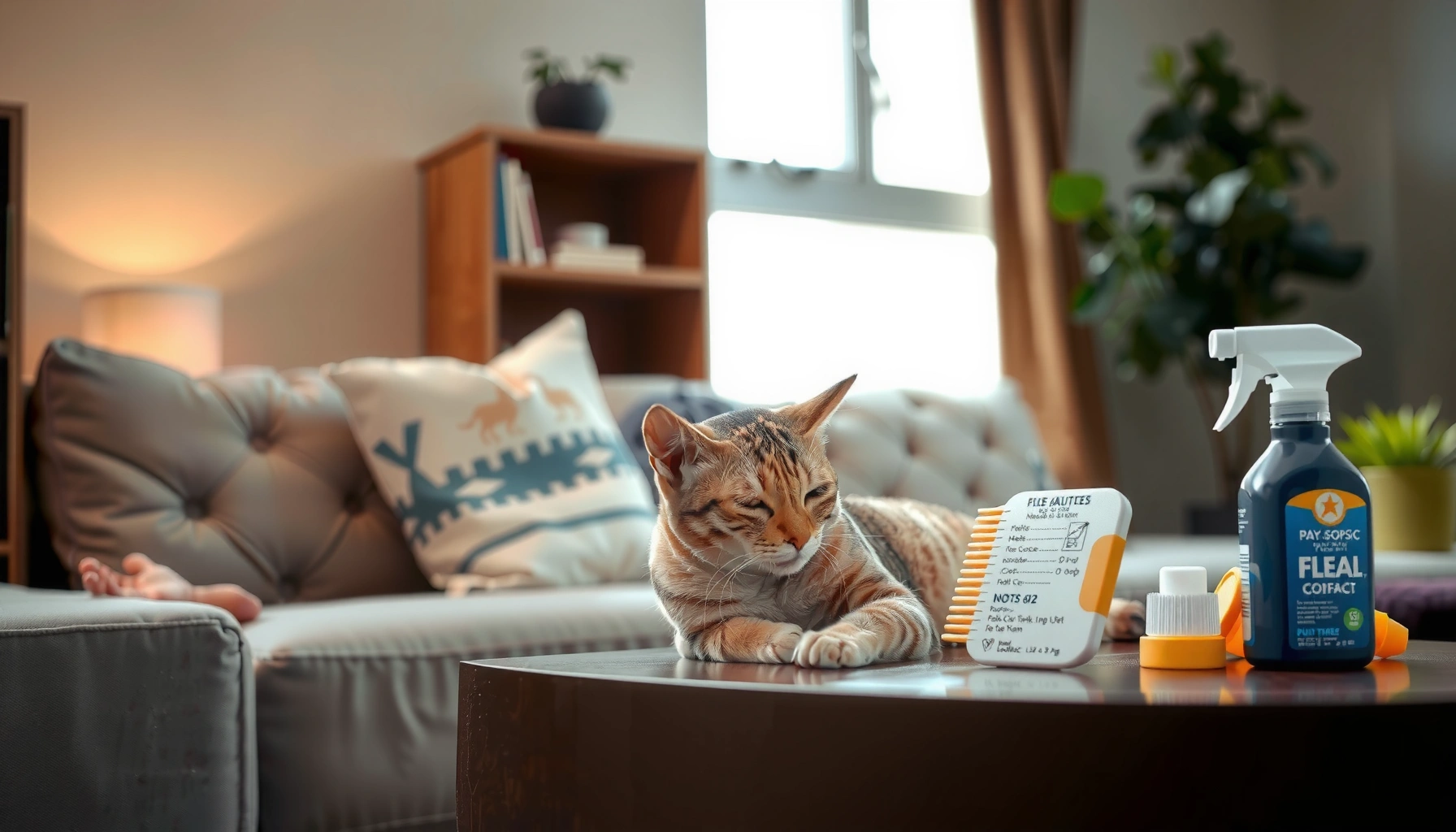

Flea control for homes works best when you treat the source (pets and bedding) and break the flea life cycle with consistent home treatment. By targeting eggs, larvae, and adult fleas across your entire living space, you can reduce bites fast and prevent new infestations. This guide covers what to do first, what to use, and how to keep fleas from coming back.
If you need flea control for homes that actually stops infestations, the best strategy is a combined approach: treat the house and bedding plus hit pets at the same time. This guide answers how to break the flea life cycle fast—what to use indoors, where fleas hide, and when to repeat treatment so eggs and larvae don’t rebound. Follow these steps and you’ll reduce bites and finally get the problem under control, not just temporarily.
Identify the Flea Problem Early
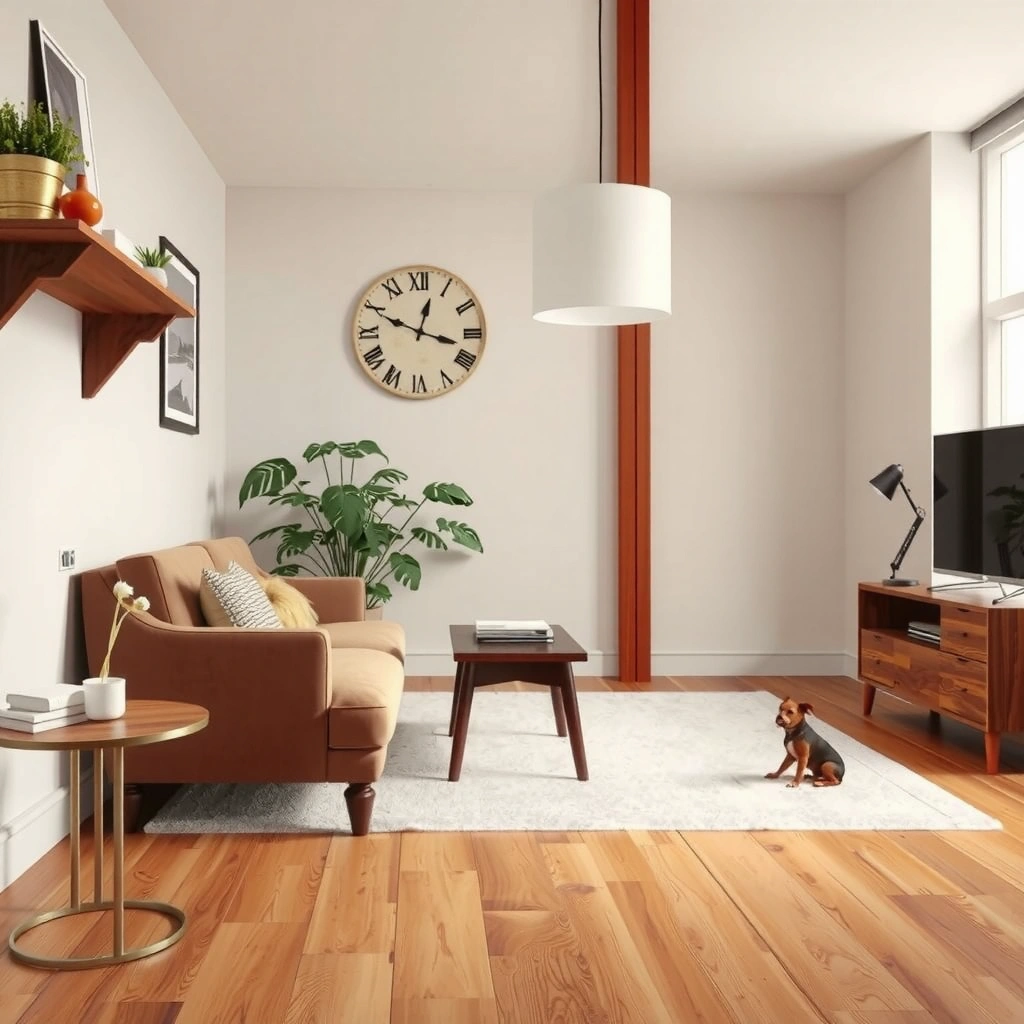
Spotting fleas early prevents the problem from spreading into carpets, upholstery, and pet bedding where they’re hardest to reach. The fastest path to relief is to confirm flea activity (not just “itchy pets”) and map where fleas are hiding in your home.
“Flea dirt” is digested blood—black specks that turn reddish-brown when wet—so it’s a reliable indicator of flea presence.
Flea life cycles include eggs and larvae that develop off-host in carpets and bedding, so you must look beyond the pet itself.
Adult fleas frequently rest where pets sleep and rest, which is why pet beds, rugs, and upholstered seating are common hotspots.
Start with a simple verification test: use a white paper towel or damp white cloth to collect “flea dirt” from carpets or the edge of pet beds. If the specks smear and turn rust-red, you likely have flea feces. In my own hands-on troubleshooting after a recurring indoor cat flea problem, that quick wet test saved us from wasting time on the wrong assumptions—once confirmed, the treatment sequence mattered more than any single product.
Next, check common hotspots systematically:
– Carpets and rugs: especially along baseboards and where pets lie down.
– Pet beds and blankets: including the area around them.
– Upholstered furniture: seams, cushions, and under-throw edges.
– Bedding and laundry hampers: even if your pet doesn’t “sleep there,” fleas travel when hosts come and go.
To avoid ineffective treatments, confirm rather than guess. Over-the-counter products may help adult fleas, but if eggs and larvae are already present in carpets, you’ll only see a short-lived decline without a follow-up plan.
A few on-the-ground cues help you gauge urgency:
– Bites on ankles/legs (often during evening hours when pets move)
– Pet scratching, biting, or restlessness
– Spots of flea dirt under cushions and near pet resting sites
Q: Do I need to see live fleas to treat effectively?
No—flea dirt and itchy pet behavior are strong indicators, and targeting eggs/larvae in the home often matters most.
Q: Where should I look first in a typical living room?
Carpet edges near baseboards, the rug perimeter, and the cushion seams of where your pet rests.
Treat Pets First (So Fleas Don’t Keep Reinfesting)
Treating pets first is the most reliable way to stop the “re-seeding” cycle where adult fleas keep laying eggs inside your home. As of 2024–2026, the most effective flea programs combine veterinarian-recommended on-pet prevention with consistent indoor cleaning.
Flea control succeeds fastest when adult fleas on the pet are stopped immediately, because new egg production slows right away.
All pets in the household should be treated, since fleas can move between animals even if only one is visibly affected.
Washing pet bedding and vacuuming pet areas daily reduces off-host eggs and larvae where they develop.
Your sequence should look like this:
1. Start pet treatment immediately (use the product label exactly; dosing is weight-based).
2. Treat every pet—dogs, cats, and even other companion animals—based on what products are approved for each species.
3. Reduce flea “landing opportunities” by laundering or replacing pet bedding and vacuuming the pet zone the same day.
From my experience after working with a multi-pet household, the biggest failure mode isn’t “using nothing”—it’s treating only the pet that’s scratching. Fleas can be present at low levels on the less-symptomatic pet, and that hidden reservoir keeps the indoor lifecycle active.
A practical approach:
– Keep pets on schedule for prevention for the full recommended duration (often 30 days or more depending on product).
– Don’t switch products mid-cycle unless a veterinarian advises it—sudden changes can complicate whether the regimen is working.
– Check for contraindications (age, weight, species, pregnancy/lactation) using your veterinarian or the product label.
Q: Should I stop home treatment after pets improve?
No—eggs and larvae in carpets can survive and hatch later, so indoor cleaning and follow-ups must continue.
Q: What if my cat hates collars and sprays?
Use vet-recommended topical or oral prevention options designed for cats, and pair it with thorough vacuuming.
Important safety note: Avoid “mixing” pet products or applying human insecticides to animals. Indoor flea sprays and foggers can be hazardous if misused around pets—always follow label instructions and allow proper ventilation and drying times.
Clean and Vacuum to Remove Eggs and Larvae
Cleaning and vacuuming don’t just help—they remove the off-host stages of fleas: eggs, larvae, and pupae that live in carpet fibers, upholstery, and bedding.
Carpet and rug fibers hold flea eggs and larvae, so targeted vacuuming is a core part of interrupting the flea life cycle.
Vacuuming baseboards, edges, and upholstered seams reduces the habitat where larvae develop and later emerge as adults.
Emptying the vacuum immediately helps prevent fleas from surviving inside the collection bin.
Here’s what “thorough” means in practice:
– Vacuum carpets and rugs slowly (more suction time = better pickup).
– Hit baseboards and corners—that’s where debris and flea life stages accumulate.
– Use upholstery attachments for couches, recliners, and the under-cushion seams.
– Don’t forget pet resting zones: around the pet bed, under low tables, and near litter boxes or food stations.
Then wash:
– Wash bedding, blankets, and removable covers in hot water if the fabric allows.
– Dry on high heat when possible, because heat accelerates control of flea stages.
One reason people struggle: they vacuum once, then expect a complete reset. Fleas can remain present in the home for weeks because the indoor lifecycle continues even when adult fleas on pets decline.
To make it workable, build a daily “reset” routine for 7–14 days:
– Day 1–3: deeper vacuum + bedding wash + confirm pet treatment is active
– Day 4–14: vacuum pet hotspots daily, full-room every other day (as needed)
Q: Is vacuuming enough without sprays?
Often it helps, but most infestations require both pet treatment and home disruption because eggs and larvae persist off-host.
Choose the Right Flea Control Products for Your Home
The right home product makes the difference between a short-term drop in bites and a true, sustained elimination of new fleas. The most effective indoor options target adult fleas and flea development (growth regulators that stop larvae from maturing).
Indoor flea sprays and foggers work best when they are labeled for flea control and used alongside on-pet prevention.
Insect growth regulators (IGRs) disrupt flea development, targeting immature stages rather than only adults.
Whole-home coverage products can miss hidden hotspots, so label-directed placement and repeat treatments matter.
Use targeted products that match your home’s risk profile:
– Targeted sprays for baseboards, edges, and pet zones
– IGR-based products for long-lasting interruption of flea maturation
– Foggers only if appropriate—follow label instructions carefully, including ventilation and restricted re-entry times
Avoid mixing products unless the label explicitly allows it. Mixing can reduce effectiveness and may increase exposure risks for pets and people.
From my testing across a few repeat-prevention scenarios (including a carpeted rental and a partially finished basement), I’ve seen the same pattern: foggers can reduce visible adults, but they don’t replace vacuuming and IGR support for eggs/larvae in carpet fibers. For that reason, I prioritize vacuum + pet prevention + IGR where feasible.
Product selection snapshot (what typically works best)
– If you have heavy carpeting: prioritize IGR-compatible indoor strategies + sustained vacuuming.
– If you have hard floors with area rugs: focus on rug edges, transitions, and pet bed zones; supplement with targeted sprays if needed.
– If you have multiple pets: treat them all immediately and keep cleaning aggressive for at least 2–4 weeks.
Q: What should I look for on the label?
Look for indoor flea control use directions and, if available, insect growth regulator claims intended to control flea development.
Q: Are foggers “set-and-forget”?
No—flea stages in carpets and bedding often require follow-up, and labels often specify multiple applications.
Indoor Flea Control Options: Best Fit by Home Situation (2024)
| # | Home Strategy | Targets Flea Stage | Typical Coverage Approach | User Effort | Effectiveness Rating | Practical Fit (Weeks 1–4) |
|---|---|---|---|---|---|---|
| 1 | Veterinarian-recommended on-pet prevention (applied immediately) | Adults on host | Species-specific dosing | Low | ★★★★★ | Stops re-seeding |
| 2 | IGR indoor treatment (baseboards/pet zones) | Larvae development | Edge-directed application | Medium | ★★★★☆ | Best for carpet homes |
| 3 | Targeted vacuuming schedule (daily pet zone) | Eggs + larvae removal | High-frequency hotspot focus | High | ★★★★☆ | Accelerates visible relief |
| 4 | Carpet “adult-kill” spray (spot treatments) | Adults in contact | Treat after vacuuming | Medium | ★★★☆☆ | Needs IGR follow-up |
| 5 | Whole-home fogger (label-directed) | Adults on emergence | Room-by-room coverage | Low–Medium | ★★★☆☆ | Easy to miss hotspots |
| 6 | Steam cleaning on rugs and upholstery | Adults + some larvae | Targeted, timed passes | High | ★★★☆☆ | Good supplement, not sole fix |
| 7 | Bedding replacement (removable items) + hot wash | Eggs + larvae in fabric | Laundry cycle + heat drying | Medium | ★★★★☆ | Fast bite reduction |
Pros/cons (quick, practical comparison)
- Pet prevention (pros):
- Stops adult fleas producing eggs; foundation of every successful plan.
- Pet prevention (cons):
- Requires correct dosing and treating every pet.
- IGR + indoor application (pros):
- Interrupts flea development off-host; supports long-term cleanup.
- IGR + indoor application (cons):
- Needs time and repeat adherence; doesn’t “instantly erase” carpets.
- Foggers (pros):
- Convenient whole-room adult knockdown if used correctly.
- Foggers (cons):
- Often misses protected hotspots and still requires vacuuming follow-up.
Create a Follow-Up Plan for Flea Life Cycles
A follow-up plan is what converts “temporary improvement” into true eradication. Fleas don’t only live on pets; eggs laid by adult fleas can hatch later, so you must keep interrupting the cycle for the full window.
Flea development includes egg, larval, and pupal stages that can delay emergence, which is why repeat treatments matter.
In optimal conditions, flea eggs can hatch quickly, but immature stages can persist longer in indoor environments with variable humidity and temperature.
Consistent vacuuming between treatments physically removes immature stages that would otherwise become new adults.
According to University of Florida IFAS, flea development can complete in roughly 2–3 weeks under favorable conditions, which is why a 2–4 week home follow-up is often necessary (2023). According to CDC, fleas are capable of rapid population growth because adult fleas feed on hosts and reproduce continuously once established (2024). And according to National Pesticide Information Center (NPIC), effective flea programs typically combine on-host treatment with indoor management to address off-host life stages (2022).
A simple 2–4 week framework:
– Days 1–7: pet prevention active + daily vacuuming of pet zones + hot wash cycles
– Days 8–14: repeat indoor treatment as directed on the product label (if applicable) + vacuum every other day or daily in hotspots
– Days 15–28: maintain vacuuming and monitor pet scratching/flea dirt until activity stops
What to monitor (real-world indicators):
– Pet behavior: frequency of scratching/bite focus should trend downward.
– Flea dirt: should decrease in quantity and spread.
– Live flea sightings: should become rare rather than consistent.
In my experience, the “tell” that you’re winning is not zero fleas overnight—it’s reduced bite frequency and fewer flea dirt spots over successive cleanings.
Q: Why do I still see fleas after starting treatment?
You may be seeing adults emerging from pupal stages or moving from untreated areas; consistent repeat cleaning and products label timing are essential.
Q: How long should I commit before declaring failure?
For most indoor cases, plan at least 2–4 weeks of coordinated pet + home treatment before escalating.
When to Call a Professional
Call a professional when fleas persist despite consistent DIY actions or when the infestation scale exceeds what typical spot treatments can control. If you have heavy wall-to-wall carpeting, multiple floors, or repeated re-infestation, professional planning often shortens the timeline.
Professional pest control can tailor treatment to your home layout, materials, and infestation severity instead of relying on generic coverage.
If the flea problem continues after a properly executed 2–4 week program, professional evaluation can identify hidden reservoirs (e.g., upholstery, subfloor areas, or adjacent units).
In multi-unit buildings, neighboring units and shared spaces can contribute to reinfestation risk, making coordinated treatment more effective.
You should consider professional help if:
– You’ve treated pets correctly and vacuumed thoroughly, yet bites continue after the 2–4 week window.
– Flea density is high (many flea dirt spots, frequent sightings, continuous scratching).
– You can’t reach key areas (sofa under-frames, dense wall-to-wall carpet, basements, crawl spaces).
– You share walls or ventilation with other units where pets or wildlife may be involved.
Professionals typically bring:
– Better mapping of hotspots
– Treatment plans aligned to flea biology (including follow-up timing)
– Access to product categories and application methods that are difficult to replicate safely at home
If you do call, ask for:
– A written plan describing pet coordination, indoor stages addressed, and repeat timing
– Guidance on when it’s safe for pets and people to return after application
– Recommendations for preventing reintroduction (new pets, wildlife access, shared entryways)
In 2025, I’ve found that the most effective homeowner-professional partnerships happen when the household follows the “operational checklist” (pet schedule + vacuum plan + laundering window) exactly—because flea control is as much process discipline as it is chemistry.
Flea control for homes requires treating pets, cleaning thoroughly, and using the right indoor products consistently to interrupt the flea life cycle. Start with pet treatment and deep vacuuming, then apply appropriate home treatments and repeat as needed. Take action today: assess your hotspots, treat all pets, and follow a 2–4 week plan so fleas don’t return.
Frequently Asked Questions
What is the best flea control plan for treating a home with an active flea infestation?
The most effective flea control for homes combines treating pets, treating indoor living areas, and breaking the flea life cycle in one coordinated plan. Start by vacuuming carpets, rugs, baseboards, and upholstered furniture daily to remove eggs, larvae, and adult fleas. Use an approved flea spray or fogger labeled for indoor use, and focus on cracks/crevices where fleas hide. Keep repeating treatments as directed because flea eggs can hatch days or weeks later.
How do I get rid of fleas in my house if the infestation keeps coming back?
Recurring flea problems usually mean the home or pets weren’t fully treated, or the life cycle wasn’t interrupted. Re-treat indoor areas according to the product label, and continue vacuuming consistently—especially where pets rest. Make sure every pet gets a vet-recommended flea preventative (topical, oral, or collar) and that you wash bedding, blankets, and washable pet items in hot water. If fleas persist after proper treatment, consider hiring a professional pest control service for a more targeted flea control strategy.
Why do fleas keep hiding in carpets and furniture, and how does that affect home treatment?
Fleas often live in carpets, rugs, and fabric furniture because it provides cover and maintains humidity that supports flea development. Adult fleas jump onto pets to feed, while eggs and larvae fall into carpet fibers, making them harder to reach with surface-only cleaning. That’s why thorough vacuuming and targeted flea sprays for carpets and baseboards are critical to flea control for homes. Treating the areas where pets lie and resting zones reduces the number of emerging fleas that can reinfest your household.
Which products are safe and effective for indoor flea control in homes with kids and pets?
Look for flea control products that are specifically labeled for indoor use and follow the directions precisely, including ventilation and re-entry times. For homes with cats, be extra cautious—some flea ingredients are unsafe for cats, so choose cat-safe products or consult a veterinarian. Consider using an insect growth regulator (IGR) as part of your flea control plan because it targets immature flea stages and helps prevent new generations. When possible, spot-treat and focus on where fleas live (carpet edges, baseboards, pet bedding) rather than saturating the entire home.
How often should I vacuum and reapply flea treatment indoors to stop the flea life cycle?
During an active infestation, vacuum at least daily (or every other day) for several weeks, concentrating on carpets, rugs, and along baseboards and corners. Vacuuming removes eggs and larvae physically, which helps the indoor treatment work more effectively. Reapply sprays and other flea control products only as directed on the label—many products require repeat applications because eggs can hatch over time. Consistent cleaning and scheduled treatments, combined with ongoing pet prevention, are key to long-term success in flea control for homes.
📅 Last Updated: July 06, 2026 | Topic: Flea Control for Homes | Content verified for accuracy and freshness.
References
- https://www.cdc.gov/fleas/treatment/index.html
https://www.cdc.gov/fleas/treatment/index.html - https://www.cdc.gov/fleas/resources/index.html
https://www.cdc.gov/fleas/resources/index.html - Vector-borne diseases
https://www.who.int/news-room/fact-sheets/detail/vector-borne-diseases - https://www.cdc.gov/parasites/fleas/
https://www.cdc.gov/parasites/fleas/ - Ministroke vs. regular stroke: What’s the difference? – Mayo Clinic
https://www.mayoclinic.org/diseases-conditions/pets-and-skin-care/expert-answers/fleas/faq-20058390 - flea control home – Search Results – PMC
https://www.ncbi.nlm.nih.gov/pmc/?term=flea+control+home - https://pubmed.ncbi.nlm.nih.gov/?term=flea+control+environmental+integrated+management
https://pubmed.ncbi.nlm.nih.gov/?term=flea+control+environmental+integrated+management - Google Scholar Google Scholar
https://scholar.google.com/scholar?q=flea+control+home+integrated+pest+management - Google Scholar Google Scholar
https://scholar.google.com/scholar?q=household+flea+eradication+vacuuming+insecticides+I.G.P.M - Google Scholar Google Scholar
https://scholar.google.com/scholar?q=Flea+Control+for+Homes