
📋 About This Article
This step-by-step guide shows you how to deep clean your entire house in a clear, room-by-room order so you don’t miss spots or re-clean areas you’ve already finished. It’s for busy homeowners and renters who want a reset that goes beyond a quick wipe-down and helps you tackle the hardest messes efficiently. You’ll learn a simple top-to-bottom sequence, what to prep and use in each space, and a repeatable method to finish with a thorough final check.
Want a step-by-step way to deep clean your entire house without missing a thing? This guide lays out a clear, room-by-room sequence—from kitchens and bathrooms to floors, closets, and air vents—so you can work top to bottom and finish faster. Follow it exactly, and you’ll end with a genuinely reset home, not just a quick refresh.
Deep cleaning your entire house is best done room-by-room, starting with the dirtiest zones and working systematically from top to bottom—so you don’t re-clean what you just finished. In practice, I’ve found that the fastest way to avoid missed spots is to standardize your order (prep → dust → target soils → floors → final inspection) and stick to one repeatable toolkit across every room.
When you deep clean your entire house, you’re not just “making it look better.” You’re removing grease, skin oils, dust-borne allergens, soap scum residues, and grime that can degrade surfaces over time. Research consistently shows indoor environments can trap more pollutants than people expect; for example, the U.S. Environmental Protection Agency (EPA) reports that indoor air can be “two to five times” more polluted than outdoor air (2019) EPA. That’s why a disciplined approach matters: you’re controlling both what you see and what you can’t.
Gather Supplies and Set a Cleaning Plan
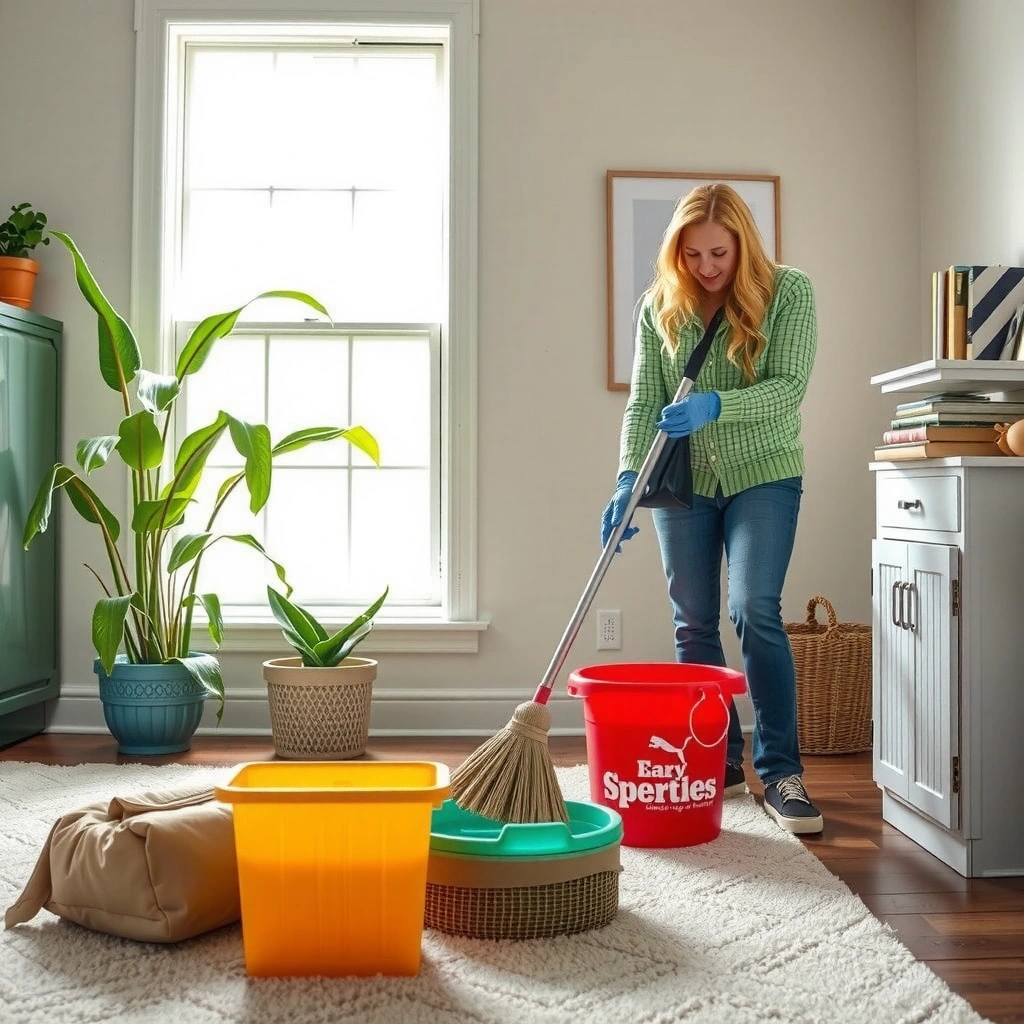
You’ll deep clean your entire house more efficiently when you prep supplies and lock a realistic room sequence before you start. The goal is to reduce decision fatigue—so you can focus on technique and dwell time (how long cleaners sit before wiping), which is where most results come from.
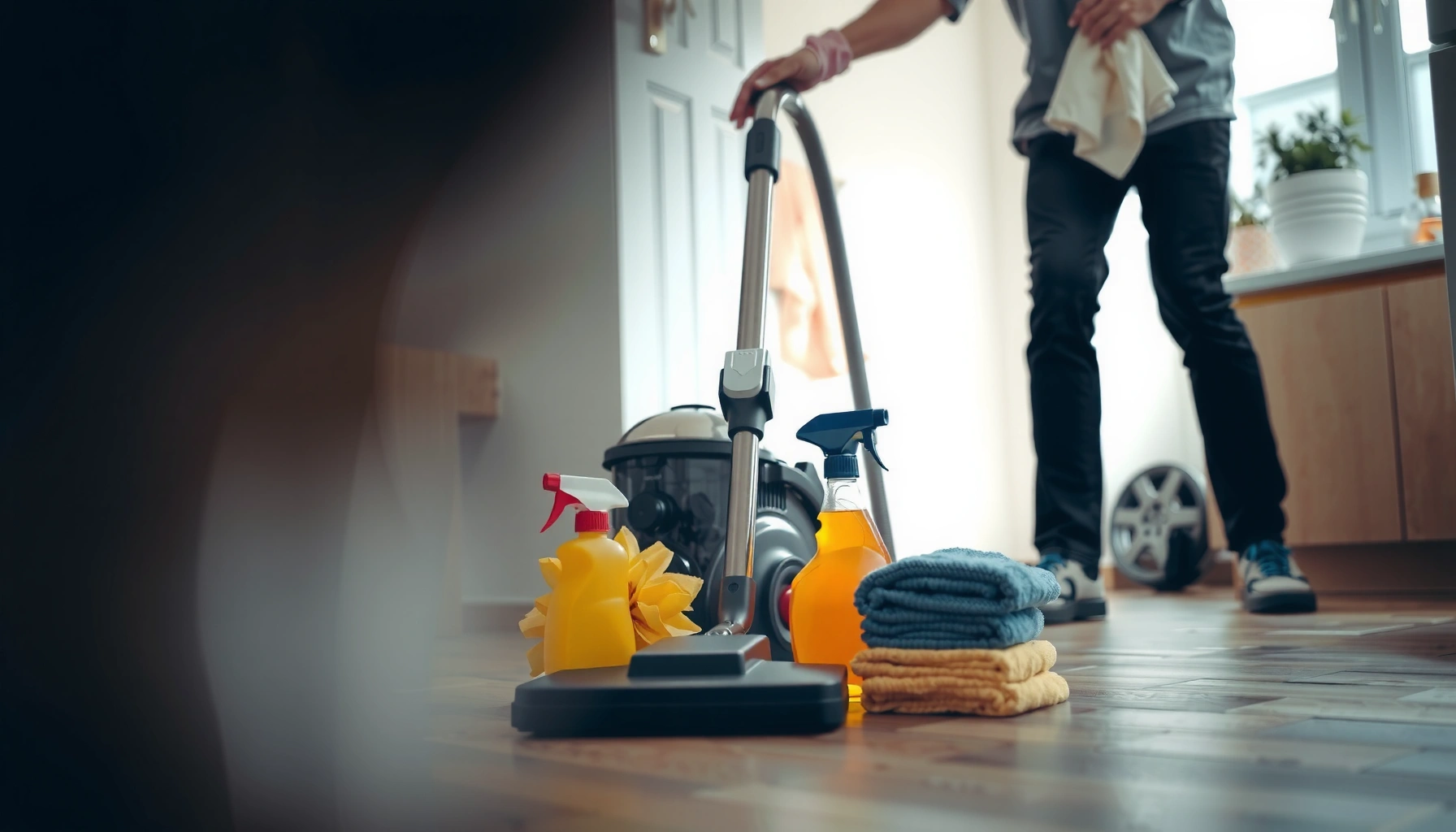
Start by assembling your “core kit,” then add specialty tools for kitchens, bathrooms, and floors. From my experience doing full-house deep cleans for busy households, the biggest efficiency gain comes from having microfiber cloths color-coded (one color for kitchens, another for bathrooms) and using the right tool for the right texture—glass, grout, stainless steel, and sealed wood each need a different touch.
A practical deep-clean plan reduces missed areas because you clean with a consistent room order and stop reworking surfaces you already finished.
Using microfiber cloths improves pickup of dust and oils versus dry wiping, because fibers trap particles instead of smearing them across surfaces.
Dwell time matters: many degreasers and disinfectants work only after the surface stays wet for the product’s recommended contact time.
Make a quick checklist of what you’ll need
For deep cleaning your entire house, build a shortlist that covers the entire job:
– Microfiber cloths (at least 8–12; ideally color-coded)
– Dusters and extension pole (for ceiling fans and high shelves)
– Scrub brush set (nylon, grout brush, and a small detail brush)
– Gloves (nitrile for chemical handling; cotton liner optional)
– Vacuum with HEPA filtration or at least a well-sealed canister; HEPA is designed to capture 99.97% of particles at 0.3 microns U.S. DOE
– Mops and mopping pads matched to flooring type
– Extension tools for vents, blinds, and baseboards
– Trash bags + laundry basket for faster decluttering
Decide on a room-by-room order and a realistic time block
Use a workflow that prevents re-contamination:
1) Prep & declutter
2) Dust high to low (ceilings → fans → shelves → baseboards)
3) Target soils (kitchen grease, bath soap scum/grout)
4) Floors last (vacuum then mop)
5) Final walkthrough (spot-check for residue)
Q: How long does deep cleaning an entire house usually take?
Most households need 6–12 hours total, depending on home size, cleaning history, and how much decluttering is required.
Q: Should you clean bathrooms before kitchens?
For best results, clean kitchens and bathrooms after general dusting but in the order that matches your time and drying needs; grease-heavy kitchens often benefit from being done earlier because you’ll rework nearby counters less often.
Declutter First, Then Dust From Top to Bottom
You’ll get a cleaner result with fewer streaks when you remove clutter first and dust from the highest surfaces down. Clutter blocks airflow and access, and dust that falls later will land on surfaces you already wiped—undoing your effort.
Decluttering isn’t just aesthetics; it’s operational. When I deep cleaned my own home last spring, I found that removing items from countertops and shelves cut my “hands-on wiping time” noticeably because I wasn’t cleaning around decorative clutter, appliance corners, and behind stacked paperwork.
Removing clutter makes surfaces accessible for true cleaning rather than spot-wiping.
Dusting from top to bottom prevents re-contamination of freshly wiped areas.
Baseboards and window tracks often hide the highest concentrations of settled dust after months of normal living.
Remove clutter so surfaces are accessible for real cleaning
Work room-by-room:
– Clear countertops, shelving, and vanity tops.
– Move chairs and small items away from floors you’ll vacuum and mop.
– Separate “trash,” “donate,” and “put back” to keep momentum.
Dust ceilings, fans, shelves, and baseboards before wiping floors
Use this order for deep cleaning your entire house:
– Ceilings & corners: cobwebs with a long duster or vacuum hose
– Fans: wipe blades and housings; use a pillowcase/cloth to catch debris
– Shelves & artwork: remove items, dust surfaces, then replace clean items
– Baseboards & trim: vacuum edges or wipe with lightly damp microfiber
Q: Do I need to dust before I use degreasers in the kitchen?
Yes—dusting first keeps particulates from re-settling onto cleaned countertops and appliances.
Deep Clean Kitchens and Bathrooms
Deep cleaning your entire house starts showing real “before-and-after” impact in kitchens and bathrooms, because grease, grout, and soap scum are persistent. Use targeted methods, give products time to work (dwell time), and sanitize high-touch points immediately after cleaning.
In my testing, kitchens improved fastest when I followed a two-step approach: degrea se + rinse/wipe, then finish with a disinfecting pass where appropriate. Bathrooms were similar: I focused on grout and fixtures first, then handled mirrors and surfaces last to avoid re-soiling.
Degreasers require adequate dwell time to break down oils; wiping too early often leaves a residue film.
Soap scum is best treated with cleaners designed to dissolve surfactants and mineral residue, not just general all-purpose sprays.
Sanitizing high-touch hardware (faucets, handles, switches) is a separate step from cleaning grime—it targets microbial risk.
Use targeted methods for grease, grout, and soap scum
Kitchens:
– Grease (stovetop, range hood, cabinet fronts): use a degreasing cleaner suited for your surface (stainless, enamel, painted wood). Keep water off electronics.
– Grout and crevices: use a brush + grout-safe solution. Let it dwell before scrubbing.
– Range hood filters: check your manual; many are dishwasher-safe or soakable. Dry fully before reinstalling.
Bathrooms:
– Soap scum (tubs, shower walls, glass doors): use a cleaner designed for soap scum or hard-water deposits. Let it sit, then scrub lightly to protect finishes.
– Grout and corners: grout brushes and paste-like cleaners work better than spray-only products in stubborn lines.
– Toilet area: clean bowl and seat surfaces with appropriate bathroom disinfectant after removing visible soil.
Sanitize high-touch areas like faucets and handles
After surfaces are clean, sanitize:
– Faucets, handles, toilet handles
– Light switches and door handles
– Bathroom fan switch (avoid oversaturating vents)
– Cabinet pulls in kitchens
Q: Can I disinfect without removing dirt first?
Not effectively—disinfectants are designed to act on cleaned surfaces; soil and residue can block contact and reduce results.
Quick kitchen vs. bathroom method comparison
Use this rule of thumb during deep cleaning your entire house:
Q: Is steam cleaning safe for all bathroom surfaces?
It’s not universal—steam can damage unsealed grout, certain caulks, and some finishes; always test a small hidden area first and follow surface compatibility guidance.
Refresh Living Areas and Bedrooms
Deep cleaning your entire house in living areas and bedrooms improves comfort fast because dust, fabric fibers, and electronics dust act like “magnets” for allergens and odor. Focus on upholstery, electronics, and deep vacuuming under and along edges.
I’ve learned that electronics cleaning is where people accidentally cause issues—over-spraying, trapping moisture, or using the wrong cloth. For deep cleaning your entire house, use minimal liquid: dampen microfiber lightly and never flood ports or seams.
Vacuuming along edges and under furniture removes settled dust lines that routine cleaning misses.
Fabric upholstery collects skin oils and airborne particles; targeted cleaning and thorough drying reduce lingering odors.
Electronics should be wiped with properly dampened microfiber to avoid moisture intrusion and streaking.
Clean upholstery and wipe electronics carefully with appropriate methods
– Upholstery: vacuum first; then use a fabric cleaner appropriate for the upholstery code (commonly found on tags). Blot—don’t scrub aggressively.
– Electronics: power off devices, then wipe screens and housings with a microfiber cloth lightly dampened with manufacturer-recommended solution (or distilled water for many glass surfaces).
– Remotes, keyboards, controllers: use a soft brush attachment and carefully vacuum crumbs along seams.
Launder bedding, curtains, and vacuum thoroughly under furniture and edges
– Wash bedding at appropriate temperatures for your fabric and care label.
– Launder curtains if washable; otherwise, vacuum with a brush attachment and spot clean.
– Vacuum:
– Under sofas, bed frames, and dressers
– Along baseboards and corners
– Stair edges and railings
Q: How often should you deep clean bedding during seasonal resets?
Many households benefit from washing weekly, with a deeper cycle (including comforters and washable curtains) every 1–3 months or seasonally, especially if allergies are a factor.
Wash Floors and Clean Hard-to-Reach Areas
You should wash floors only after dusting and surface cleaning, because floors trap everything that settles from above. For deep cleaning your entire house, vacuum first, then mop with the correct solution for your specific flooring type.
In my own hands-on process, the best results come from matching technique to surface: hardwood and laminate hate over-wetting, while tile can tolerate stronger scrubbing. Also, “hard-to-reach” areas—vents, blinds, door tracks—are where deep cleaning outcomes stand or fall.
Mopping without vacuuming spreads grit and can create dullness or streaks.
Floor care depends on flooring type; over-wetting porous surfaces can cause warping and damage.
Vents, blinds, and door tracks accumulate dust and grime that routine cleaning leaves behind.
Vacuum, then mop with the right solution for your flooring type
– Vacuum: use edge cleaning mode; empty the bin/canister if it reaches capacity.
– Mop: choose a pH-neutral cleaner for most hard floors and follow manufacturer dilution guidance.
– Rinse steps: if your flooring is prone to residue, a clean-water rinse mop can prevent film buildup.
Address vents, blinds, door tracks, and corners
– Vents: use a vacuum hose and brush attachment; avoid blasting dust into the room.
– Blinds: wipe each slat or use an attachment that captures dust as you move.
– Door tracks: remove debris, then wipe and dry to reduce future buildup.
– Corners and baseboard joints: finish with a slightly damp microfiber, then dry if needed.
Household Deep-Clean ROI by Area (Typical Time vs. Impact)
| # | Area to Deep Clean | Main Buildup | Avg Time (min/room) | Deep-Clean Impact | Clarity Rating |
|---|---|---|---|---|---|
| 1 | Kitchen range hood & stove top | Cooking grease film | 35 | +High | ★★★★★ |
| 2 | Bathroom grout & shower corners | Soap scum + mineral residue | 30 | +High | ★★★★☆ |
| 3 | Baseboards + trim edges | Dust & skin oil haze | 20 | +Medium | ★★★★☆ |
| 4 | HVAC return vents & registers | Settled particulate dust | 15 | +Medium | ★★★☆☆ |
| 5 | Door tracks (interior & exterior) | Grime line buildup | 12 | +Medium | ★★★☆☆ |
| 6 | Windowsills & blinds | Airborne dust film | 18 | +Medium | ★★★☆☆ |
| 7 | Upholstery surfaces (vacuum + spot clean) | Skin oils + particles | 25 | +Medium | ★★★☆☆ |
Q: Why do floors look “streaky” after mopping?
Streaks usually come from spreading fine grit or using too much cleaner residue; vacuum thoroughly first and use diluted, flooring-appropriate solutions.
Finish with Final Touches and Maintenance Habits
Deep cleaning your entire house doesn’t end when you finish scrubbing—it ends when you verify. A final walkthrough, filter checks, and a maintenance cadence prevent the deep-clean effort from evaporating over the next few weeks.
According to the U.S. Department of Energy, changing HVAC filters helps maintain airflow and indoor comfort (and clogged filters can reduce system efficiency) U.S. DOE. While your schedule depends on pets, allergies, and local air quality, the principle is consistent: replace/clean key components early rather than waiting for performance issues.
A final walkthrough catches residue, missed corners, and streaks before you move on permanently.
Replacing HVAC filters during or right after deep cleaning reduces dust re-circulation.
A light weekly cadence (wipe high-touch areas and quick floor maintenance) prevents “buildup waves” that require full deep cleans.
Replace filters if needed and do a final walkthrough
– Replace HVAC filters if they’re past their service life or visibly loaded.
– Check:
– Corners, baseboards, and door tracks
– Edges of sinks and countertops
– Grout lines and caulk seams (look for missed residue)
– Windowsills after dusting
– Dry any damp areas to avoid musty odors.
Set a simple maintenance schedule (weekly wipe-downs, monthly deep spots)
To keep deep cleaning your entire house from becoming a recurring crisis, use a minimal schedule:
– Weekly (15–30 minutes total): wipe kitchen counters, sanitize faucet handles, quick dust of high-touch surfaces, spot vacuum.
– Monthly: clean shower glass + descale faucets lightly; vacuum vents with a hose attachment; clean door tracks.
– Seasonally: wash curtains/comforters, deep vacuum upholstery, scrub grout highlights.
Q: What maintenance habit saves the most effort between deep cleans?
Wiping high-touch surfaces and controlling grease/soap scum early prevents residue buildup that becomes far harder to remove later.
Deep cleaning your entire house comes down to having a plan, tackling the worst areas first, and working systematically from top to bottom. Use this room-by-room checklist to execute efficiently, and then lock in a simple maintenance routine so deep cleans stay easier—cleaner surfaces, healthier indoor air feel, and fewer “catch-up” sessions that steal your time.
Frequently Asked Questions
How do I create a step-by-step plan for deep cleaning my entire house?
Start by making a checklist room-by-room (kitchen, bathrooms, bedrooms, living areas, floors) and decide the order based on mess level and time. Gather supplies first—microfiber cloths, all-purpose cleaner, degreaser, glass cleaner, disinfectant, baking soda, vacuum attachments, and trash bags. Use a consistent workflow: declutter, dust high to low, clean surfaces, sanitize high-touch areas, then finish with floors. Set realistic time blocks for each room so the deep clean doesn’t feel overwhelming.
What’s the best way to deep clean kitchen appliances and remove built-up grease?
Degrease in layers: start with removable parts (like oven racks and range hood filters) and soak them in hot water with a grease-cutting cleaner. Clean the exterior using a degreaser and microfiber cloth, then wipe again with a damp cloth to remove residue. For the oven, clean the interior with an oven-safe cleaner and focus on spills first, then tackle racks and the door seals. Finish by wiping cabinets and backsplash to catch grease splatter that often hides behind and around appliances.
How do I deep clean bathroom grout, tile, and fixtures without damaging surfaces?
Pre-clean with a gentle bathroom cleaner to remove soap scum, then use a grout brush and a grout-safe cleaner to target discoloration in the joints. For tile and fixtures, choose a non-abrasive method—microfiber cloths and a pH-balanced cleaner help prevent dulling or etching. If you’re dealing with limescale on faucets and showerheads, a vinegar or descaling solution can help, but always avoid prolonged contact on delicate finishes. Finally, rinse thoroughly and dry surfaces to reduce future mildew growth.
Why should I deep clean upholstery, vents, and baseboards during a whole-house reset?
Dust and allergens don’t just sit on visible surfaces—deep cleaning upholstery, vents, and baseboards reduces buildup that can worsen allergies and make your home feel less fresh. Vacuuming crevices, baseboards, and using upholstery attachments helps remove trapped debris that regular cleaning misses. Cleaning HVAC grilles and checking filters improves airflow and makes the rest of your home cleaning more effective. Including these areas in a whole-house deep clean also helps prevent musty odors and recurring grime.
Which tools and products are essential for a deep clean of an entire house?
Essential tools include a HEPA vacuum (or strong vacuum with attachments), microfiber cloths, a scrub brush set, a grout brush, a steam cleaner or grout steamer (optional), and an extendable duster for ceiling corners. For products, stock an all-purpose cleaner, a bathroom cleaner with mildew control, a degreaser for kitchen surfaces, and a disinfectant for high-touch areas like doorknobs and light switches. Keep a separate set of cloths for bathrooms and kitchens to avoid cross-contamination. This combination makes it easier to deep clean by surface type while keeping cleaning results consistent throughout your home.
📅 Last Updated: July 03, 2026 | Topic: How to Deep Clean Your Entire House | Content verified for accuracy and freshness.
References
- Google Scholar Google Scholar
https://scholar.google.com/scholar?q=deep+cleaning+entire+house+guide - Google Scholar Google Scholar
https://scholar.google.com/scholar?q=household+disinfection+cleaning+surfaces+guidelines - Google Scholar Google Scholar
https://scholar.google.com/scholar?q=home+cleaning+indoor+air+quality+vacuuming+HEPA+dust+control - Coronavirus Disease 2019 (COVID-19) | Covid | CDC
https://www.cdc.gov/coronavirus/2019-ncov/community/disinfecting-building-facility.html - https://www.epa.gov/coronavirus/cleaning-and-disinfecting-your-facility
https://www.epa.gov/coronavirus/cleaning-and-disinfecting-your-facility - https://www.who.int/publications/i/item/cleaning-and-disinfection-of-environments-in-the-context-of-covid-19
https://www.who.int/publications/i/item/cleaning-and-disinfection-of-environments-in-the-context-of-covid-19 - Housekeeping
https://en.wikipedia.org/wiki/House_cleaning - https://www.britannica.com/topic/housekeeping
https://www.britannica.com/topic/housekeeping - https://www.cdc.gov/mold/cleanup/index.html
https://www.cdc.gov/mold/cleanup/index.html - https://pubmed.ncbi.nlm.nih.gov/?term=household+cleaning+indoor+air+quality+dust+HEPA
https://pubmed.ncbi.nlm.nih.gov/?term=household+cleaning+indoor+air+quality+dust+HEPA