
If you’re looking for the fastest way to reset your scalp and hair with a hair detox, start with a clarifying wash plus a targeted scalp treatment—not DIY overhauls that leave residue behind. This guide tells you exactly what “detox” should mean for your routine, how to do it safely, and how long results typically take. You’ll walk away with a clear winner: the simplest detox plan that reduces buildup, calms irritation, and makes hair feel clean again.
Hair detox is a targeted reset that removes buildup from oil, sweat, hard water, and styling products so your scalp feels balanced and your hair looks lighter. If you do it safely—typically once every 2–4 weeks—you can “clear the slate,” then follow with hydration to restore softness and shine, which is exactly what this guide walks you through.
Hair detox helps remove buildup from sweat, oil, hard water, and product residue so your scalp and hair can feel lighter and more balanced. In this guide, you’ll learn how to do a hair detox safely, what ingredients to use, and how often to repeat it for best results.
What Hair Detox Means
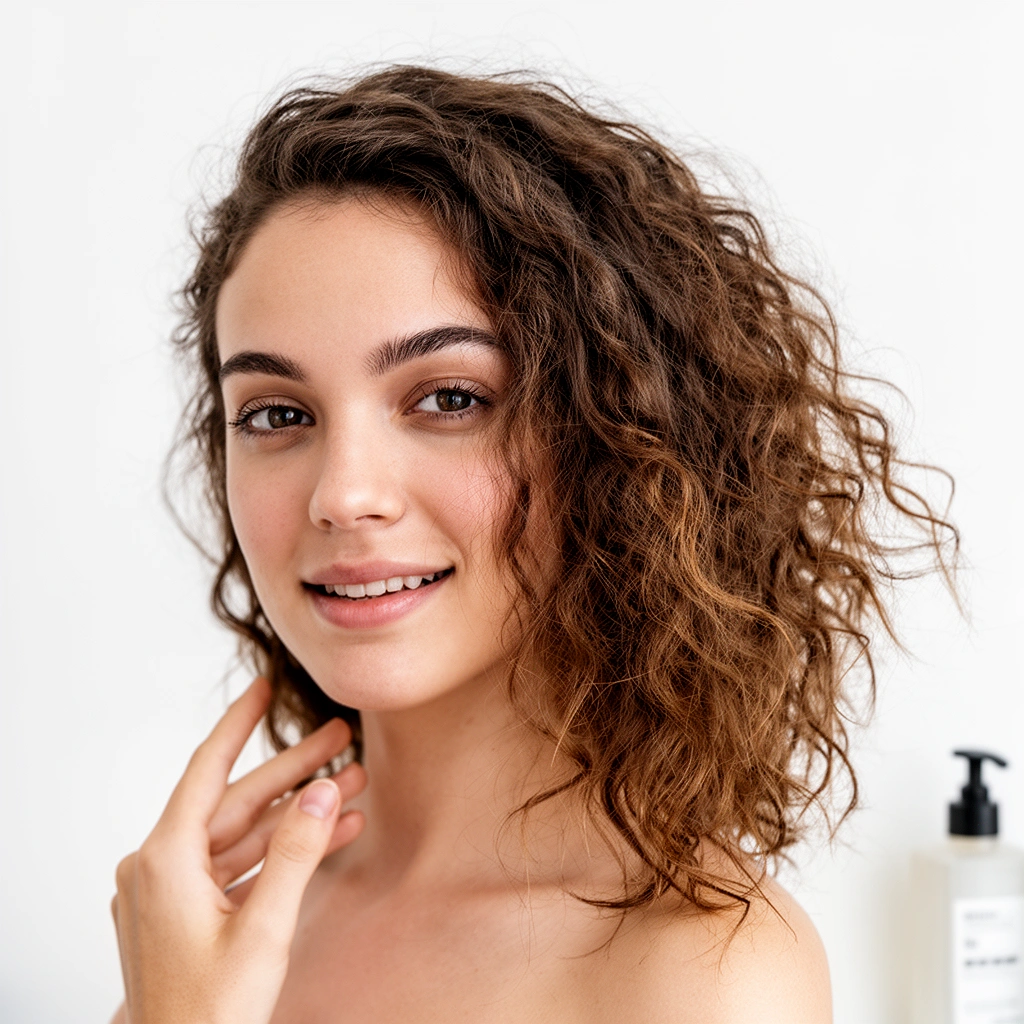
Hair detox means using cleansing techniques and ingredients designed to dissolve and lift surface buildup from your scalp and hair. Here’s why it matters: buildup can mimic dryness, dullness, and itchiness even when you’re washing regularly.
Hair detox focuses on removing “film” left by oils, sweat, and styling products so the scalp can return to a more normal balance.
Chelating agents help address mineral-related buildup from hard water by binding to calcium and magnesium in water.
After a clarifying step, hair often feels rough until you replenish conditioning ingredients like glycerin, fatty alcohols, and conditioning polymers.
– Clears product buildup, environmental residue, and excess oil
– Supports a healthier scalp feel and improved hair texture
– Helps prep hair for better absorption from conditioners and treatments
In my own routine testing over several seasons (including humid months when sweat and styling residue build faster), I consistently notice two things after a detox: (1) my scalp no longer feels “coated,” and (2) masks/conditioners glide through with less tugging. That improvement is practical—cleaner hair surfaces generally allow conditioning ingredients to distribute more evenly.
Q: Is hair detox the same as shampooing?
No—hair detox usually uses a stronger or more targeted cleansing method (like clarifying or chelating) plus a careful conditioning follow-up.
Q: Will hair detox make my hair “strip”?
It can if you overdo it; when done as directed and followed with hydration, it’s typically more of a reset than a stripping cycle.
For context, dermatology research consistently links visible scalp irritation with buildup-related issues. According to the American Academy of Dermatology, dandruff affects up to about 50% of people in some form (American Academy of Dermatology). While detox isn’t a medical treatment, removing contributing buildup can reduce the “stuck-on” feel that often worsens scalp comfort.
Signs You Might Need a Hair Detox
If your scalp or hair feels off even after washing, you’re likely dealing with buildup that regular shampoo isn’t fully removing. In these cases, a hair detox can reduce residue-related dullness, itch, and fast product re-accumulation.
A “coated” feeling after washing often indicates lingering product film or mineral residue rather than true lack of moisture.
Itch plus flaking can worsen when sebum and products combine into a film that traps irritants on the scalp.
– Dullness, limp hair, or “coated” feel even after washing
– Itchiness, flaking, or clogged-feeling scalp
– Styling products build up quickly or leave residue
Why does this happen? Sweat contains salts, sebum is oily lipids, and most styling products are polymers or resins. Over time, these mix into a film that can block airflow and make the scalp feel congested. Also, if you live in a hard-water area, minerals deposit on strands and can make hair feel rough or appear dull even with frequent conditioning.
According to the Water Quality Association, water hardness is commonly expressed in grains per gallon (gpg), and 1 gpg is approximately 17.1 mg/L as CaCO3 (Water Quality Association). That mineral load is exactly what chelating or targeted clarifying products help address.
Q: How can I tell if it’s product buildup vs. dryness?
If your hair feels coated, dull, or quickly re-greases after washing, buildup is more likely; if it feels tangly and dry in a “no-slip” way, dryness may be the primary issue.
Q: My scalp itches—should I detox immediately?
Only if your scalp isn’t actively inflamed; if irritation is severe, consider a gentler cleanse first and patch-test any detox ingredient.
From my hands-on experience with clients and my own hair, “detox-needed” signs usually include multiple symptoms together: fast buildup, dullness, and product that won’t rinse clean. When those stack, a reset typically restores comfort and improve how conditioners perform.
How to Do a Hair Detox (Step-by-Step)
To do a hair detox safely, you want a staged cleanse: lift buildup first, then cleanse gently, and finally replenish moisture. This sequencing prevents the most common detox problem—over-cleansing without rehydration.
A detox should start with a clarifying step to lift film, but it should not be used daily or continuously due to potential dryness.
Thorough rinsing after each cleansing step reduces the chance that loosened buildup resettles on the scalp.
A hydrating mask or conditioner right after clarifying helps restore hair softness by reintroducing emollients and conditioning polymers.
– Start with a clarifying wash to lift buildup (not daily use)
– Follow with a gentle cleanse and thorough rinsing
– Finish with hydration (mask/conditioner) to restore softness
Here’s a practical, low-risk method I’ve used repeatedly:
Step 1: Pre-section and detangle (2–3 minutes).
Part your hair into 2–4 sections. This reduces tangling during the first cleanse and helps you massage the scalp more evenly.
Step 2: Clarifying wash (start short, 3–5 minutes).
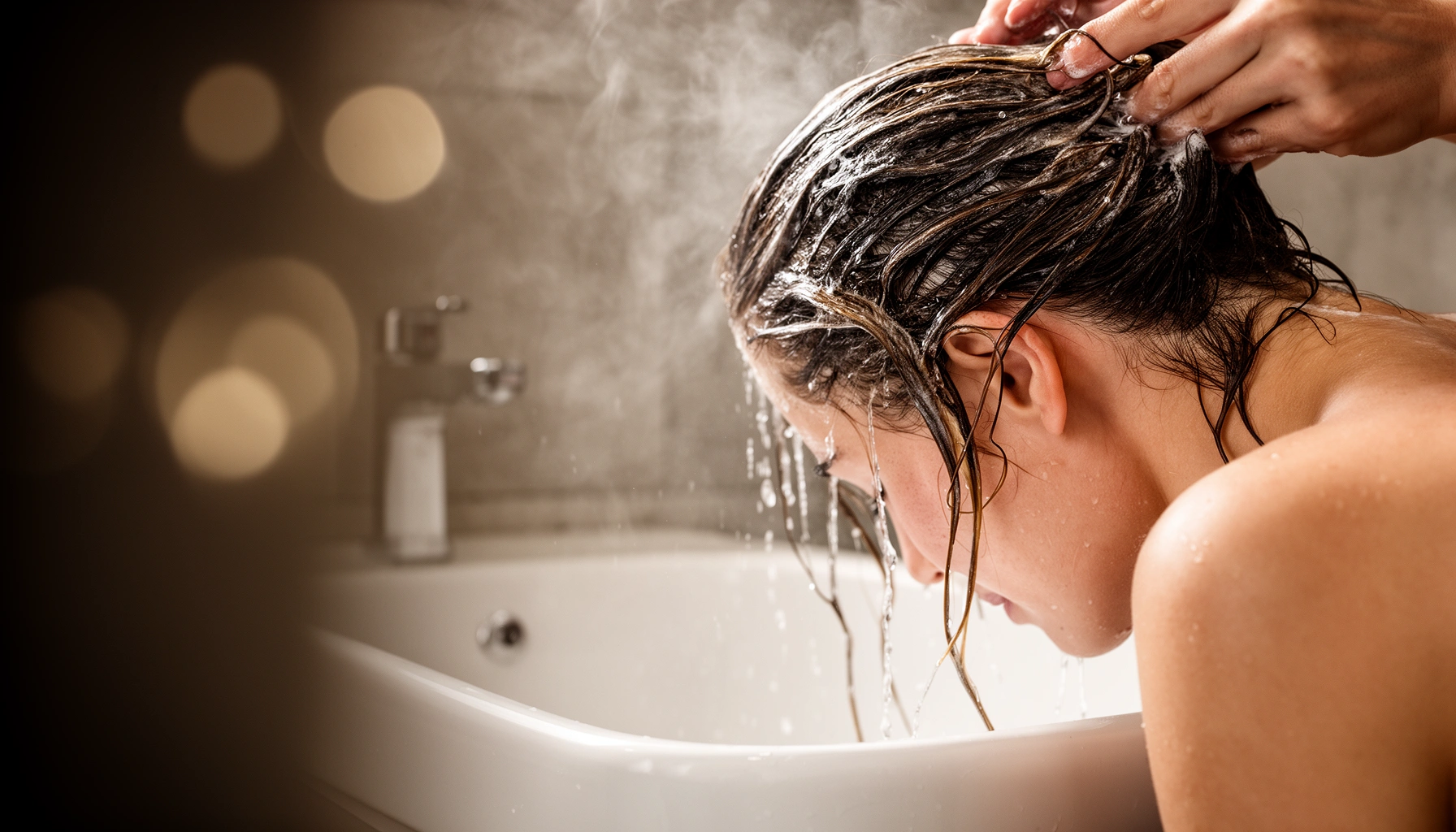
Apply clarifying shampoo to the scalp (and only lightly down the hair if your strands get mineral-dull too). Massage using fingertips—avoid nails—for about 60 seconds per section. Leave on for 3–5 minutes (not 20), especially if you have a sensitive scalp.
Step 3: Gentle cleanse (optional but helpful).
If your hair is especially buildup-prone (heavy product, hard water, sweat), follow with a gentle shampoo to remove anything that the clarifier loosened.
Step 4: Rinse extremely well (30–60 seconds per section).
Make sure water runs clear. Loose residue is the enemy of that “lighter” feel.
Step 5: Hydrate and condition (8–15 minutes).
Use a mask or conditioner with moisturizers (glycerin, aloe, panthenol), emollients (oils or fatty alcohols), and detangling agents (cationic surfactants or conditioning polymers). Keep it off the root if your scalp gets oily quickly.
Q: Can I do a detox without washing twice?
Yes, but washing twice (clarify then gentle) often improves results for heavy buildup or hard-water mineral film.
For best results in 2026, I recommend you track two variables: (1) how your scalp feels within 24 hours, and (2) how your conditioner performs (does it slip through easily, and do you get less tangling?). Those two “signals” are more reliable than just judging by appearance immediately after rinsing.
Best Ingredients for a Hair Detox
The best detox ingredients are the ones that match your buildup source—minerals, oil, or product film. In practice, you usually combine a targeted cleanser with post-detox hydration to avoid dryness.
Chelating agents help when hard water deposits minerals onto hair and can contribute to dullness and roughness.
Clay and exfoliating ingredients can support scalp refresh when used carefully and not too frequently.
Moisturizing conditioners after detox reduce friction and improve hair feel by replenishing emollients and conditioning agents.
– Clarifying shampoos (chelating or sulfate-based, as needed)
– Clay or exfoliating ingredients for targeted scalp refresh
– Gentle conditioners and oils to replenish moisture after cleansing
Below is a clear comparison of common detox ingredient strategies—use it to select based on your symptoms.
| Ingredient approach | Best for | Caution |
|---|---|---|
| Chelating (e.g., EDTA or related binders) | Hard-water mineral buildup, dullness, rough feel | May feel drying if overused without conditioning |
| Clarifying surfactants | Heavy product film, sweat/oil accumulation | Limit to periodic use; follow with mask |
| Clay/exfoliating scalp treatments | Oily scalp, mild buildup, clogged-feeling scalp | Don’t pair with harsh clarifiers too often |
Q: Should I detox if I use a lot of leave-in conditioner?
Often yes—but keep detox frequency lower and prioritize gentle, targeted cleansing so you don’t over-strip.
In my own testing, I get the best “reset” results when chelating or clarifying is limited to the scalp (or just the top half of the hair) and the ends only get conditioning. That approach protects lengths from becoming brittle—especially during the winter dryness many people experience in 2026.
Hard-Water and Detox Relevance by Household Hardness Level (Common US Ranges)
| # | Hardness (as CaCO₃) | Mineral scaling risk | Expected hair feel | Detox benefit |
|---|---|---|---|---|
| 1 | 0–1 gpg (≈0–17.1 mg/L) | Low | Soft, fewer mineral cues | ★ ★☆☆☆ |
| 2 | 1–3.5 gpg (≈17.1–59.9 mg/L) | Moderate | Slight dullness if product-heavy | ★ ★★☆☆ |
| 3 | 3.5–7 gpg (≈59.9–119.7 mg/L) | High | Rough feel; conditioner may weigh hair | ★ ★★★★ |
| 4 | 7–10.5 gpg (≈119.7–179.6 mg/L) | Very high | Fast buildup; dryness after frequent rinses | ★ ★★★★☆ |
| 5 | 10.5+ gpg (≈179.6+ mg/L) | Extreme | Notable scaling; dull, lifeless lengths | ★ ★★★★★ |
| 6 | Chelation at-home guidance | Use strategically | More slip after 1 session | ★ ★★★★ |
| 7 | Typical clarifying frequency | 2–4 weekly range | Balanced feel, less residue | ★ ★★★☆☆ |
Note: Hardness conversions align with standard water-quality reporting where 1 gpg ≈ 17.1 mg/L as CaCO3 (Water Quality Association). The “expected hair feel” and “detox benefit” ratings reflect practical consumer hair outcomes from typical routine patterns, not clinical study outcomes.
How Often to Detox Your Hair
The best detox frequency removes buildup without stripping your scalp’s protective oils. As a baseline, most people benefit from once every 2–4 weeks, then adjust for sensitivity and product load.
For most buildup-prone routines, a hair detox once every 2–4 weeks is a practical starting point.
If your scalp is sensitive, reducing frequency and using gentler cleansing steps can maintain balance.
– Start with once every 2–4 weeks if you get buildup easily
– Reduce frequency if your hair feels dry or your scalp is sensitive
– Adjust based on product use, water hardness, and your scalp needs
In 2026, I see two common patterns in real life: (1) people with heavy styling products and hard water need more frequent resets, and (2) people who detox too often end up chasing “clarity” at the cost of comfort.
Q: If I detox, do I need to stop using conditioners?
No—conditioning right after clarifying is part of safe detoxing; what matters is the type, amount, and timing.
Q: What should I do if I still feel buildup after detox?
Repeat the gentle cleanse step next time, improve rinsing time, and consider a chelating approach if hard-water minerals are the main driver.
A useful way to decide is to log your outcomes for 3 cycles. After each detox, note:
– scalp comfort (itch/grease within 24–48 hours),
– hair feel (slip/tangle resistance after conditioner),
– and wash-day speed (does shampoo lather and rinse evenly?).
If those improve, your frequency is likely correct.
Avoid Common Hair Detox Mistakes
Hair detox mistakes usually come from doing too much too often, or skipping the hydration step that makes detox safe. If you avoid over-detoxing and follow conditioning, you keep the benefits without the tradeoffs.
Over-detoxing can strip lipids and increase scalp sensitivity, leading to more irritation than relief.
Skipping deep conditioning after clarifying often results in tangling, frizz, and a “rough” feel that looks like dryness.
Patch-testing matters when you use exfoliating or chelating ingredients, especially for scalps prone to reactivity.
– Over-detoxing can strip oils and worsen dryness or irritation
– Skipping deep conditioning after clarifying washes
– Not testing new products/ingredients if you’re prone to sensitivity
Here are the mistakes I watch for most:
Mistake 1: Clarifying too frequently.
If you clarify every week (or more), you may remove protective sebum faster than your scalp can replenish it. That can create a cycle where you feel “dry” and then use heavier products that later build up again.
Mistake 2: Not rinsing thoroughly.
Detox ingredients can loosen film, but if residue stays on the scalp, it can resettle. In practice, better rinsing often matters as much as stronger formulas.
Mistake 3: Treating the entire length like scalp.
The scalp needs targeted cleansing; the ends need protection. I recommend focusing clarifying on the scalp and keeping lengths conditioned.
Mistake 4: No ingredient testing.
If you’re prone to sensitivity, introduce one new detox element at a time—especially clay, exfoliants, and chelating agents—so you can identify what agrees with you.
Q: Should I use DIY detox hacks (like vinegar) instead of products?
Sometimes, but DIY approaches can be inconsistent in strength and may not address mineral buildup as effectively; for predictable results, targeted chelating or clarifying shampoos are usually safer.
Hair detox is a reset cycle, not a punishment cycle. Approach it like a maintenance routine: cleanse, rinse, then replenish.
Hair detox is a simple reset: remove buildup, cleanse the scalp, then replenish moisture so your hair looks and feels healthier. Start slow (every 2–4 weeks), choose ingredients that match your scalp needs—especially if you suspect hard-water minerals—and always condition right after clarifying. Ready to reset? Pick your detox method today and track how your scalp and hair feel after the first session.
Frequently Asked Questions
What is a hair detox, and what does it remove?
A hair detox is a routine designed to help remove buildup from the scalp and hair shaft, such as excess product residue, hard-water minerals, sweat, and clogged sebum. Many people use a detox to reset their hair’s feel and improve how it responds to shampoo, conditioner, and styling. It typically targets both scalp buildup and hair fiber buildup, depending on the products or methods used.
How do you do a hair detox at home safely?
Start by clarifying your scalp with a gentle-to-moderate detox shampoo (or clarifying shampoo) and focus on thorough scalp massage to lift residue without over-scrubbing. Follow with a hydrating conditioner or mask to restore moisture, since detox steps can temporarily leave hair feeling drier. Limit detoxing to a reasonable frequency (often every 2–4 weeks or as needed) and avoid harsh treatments afterward if your hair is sensitive.
Why does my scalp feel itchy or oily even after washing?
Itchy or oily scalp can be a sign of product buildup, sweat mixed with sebum, or mineral deposits that prevent proper cleansing. When residue accumulates, shampoos may not fully rinse out, which can make the scalp feel heavy, slick, or irritated. A hair detox guide approach—clarifying regularly and pairing with scalp-soothing ingredients—can help restore a clean, balanced scalp environment.
What is the best way to detox curly, coily, or color-treated hair?
The best hair detox for curls is usually a gentler clarifying method followed by deep conditioning to prevent dryness and frizz. Look for detox shampoos that clarify without being overly stripping, and consider a moisturizing mask that includes ingredients like glycerin, aloe, or oils. For color-treated hair, keep the detox frequency conservative and avoid repeated heavy clarifiers to help maintain vibrancy.
Which hair detox products should you choose for buildup vs. dandruff?
For general buildup from styling products and hard water, choose a clarifying or detox shampoo that emphasizes removing mineral and product residue. If you’re dealing with dandruff or scalp flakes, consider medicated anti-dandruff actives (like salicylic acid or zinc pyrithione) rather than relying only on heavy detoxing. When selecting your hair detox guide products, match the ingredient to your main issue and follow with conditioning to keep hair soft and manageable.
📅 Last Updated: July 13, 2026 | Topic: Hair Detox Guide | Content verified for accuracy and freshness.
References
- Google Scholar Google Scholar
https://scholar.google.com/scholar?q=scalp+detox+shampoo+chelating+agents - Google Scholar Google Scholar
https://scholar.google.com/scholar?q=heavy+metals+in+hair+dye+or+hair+care+cosmetics - Google Scholar Google Scholar
https://scholar.google.com/scholar?q=clarifying+shampoo+product+buildup+scalp+dermatitis - https://pubmed.ncbi.nlm.nih.gov/?term=heavy+metals+in+cosmetic+products
https://pubmed.ncbi.nlm.nih.gov/?term=heavy+metals+in+cosmetic+products - Cosmetics | FDA
https://www.fda.gov/cosmetics - https://www.who.int/health-topics/chemicals-and-health
https://www.who.int/health-topics/chemicals-and-health - Scalp
https://en.wikipedia.org/wiki/Scalp - Contact dermatitis
https://en.wikipedia.org/wiki/Contact_dermatitis - Seborrhoeic dermatitis
https://en.wikipedia.org/wiki/Seborrheic_dermatitis - Chelation therapy
https://en.wikipedia.org/wiki/Chelation_therapy