

A minimalist skincare routine is the fastest way to get healthier skin without the clutter—if you want a simple, proven plan, this guide gives you the clear winner: fewer products, used consistently, with the right targets. It answers whether “minimal” can still deliver results and lays out exactly what to use and when—so you can build a routine that reduces irritation and supports everyday skin health.
A minimalist skincare routine delivers healthier, calmer skin faster by focusing on three essentials—gentle cleansing, barrier-supporting moisturization, and daily sunscreen—then adding only one targeted treatment if you truly need it. This guide breaks down the “why” behind each step, how to choose simple products with confidence, and how to keep your routine stable long enough to see real results in 2026.
Choose Your Core Steps
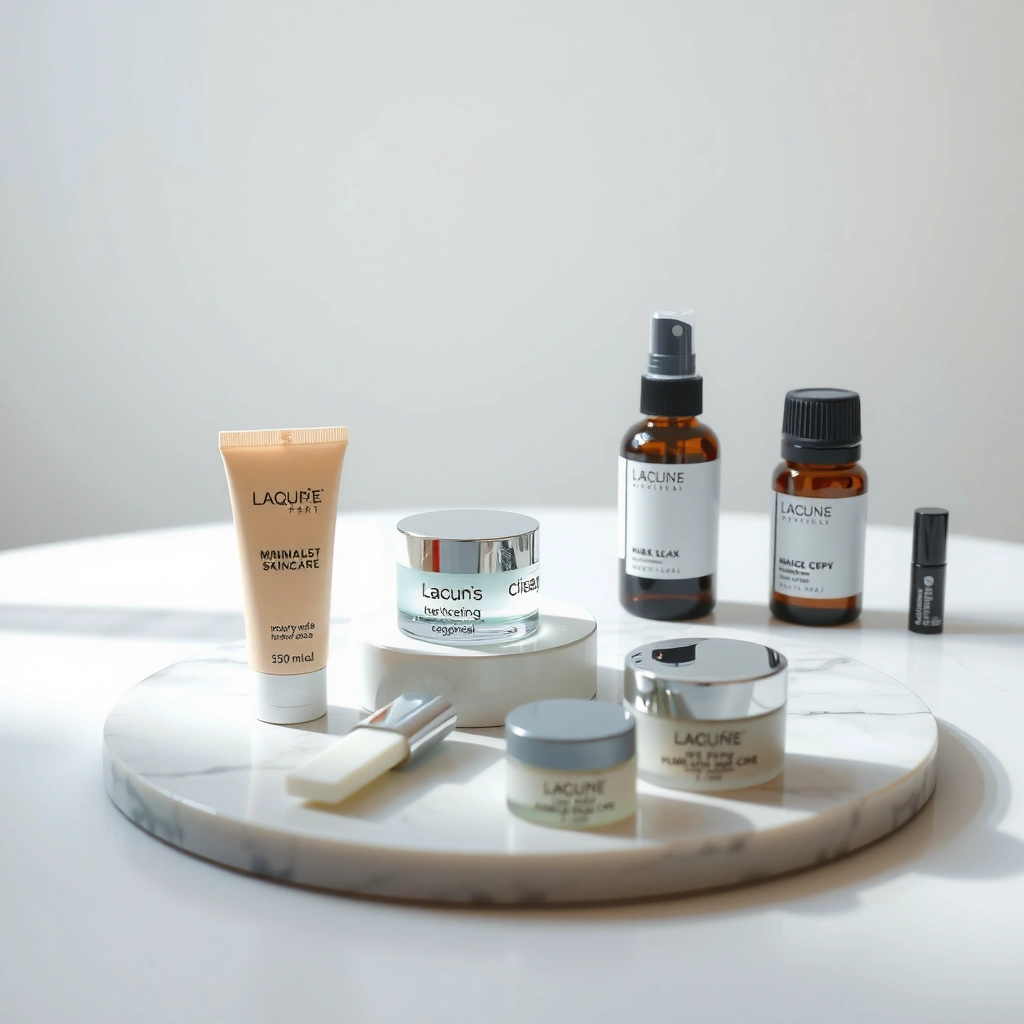
A minimalist skincare routine is strongest when you commit to a clear foundation: cleanser, moisturizer, and sunscreen. Everything else should earn its place by solving a specific problem without increasing irritation or complexity.
- Stick to cleanser, moisturizer, and sunscreen as your foundation
- Skip extra actives unless you truly need them
Q: What’s the minimum skincare routine that actually works?
Cleanser (as needed), moisturizer (to support your barrier), and broad-spectrum sunscreen every morning.
“If you simplify to cleanser, moisturizer, and sunscreen, you reduce the chance of conflicting ingredients while still addressing oil/impurities, hydration, and UV damage.”
“Broad-spectrum sunscreen is a daily baseline because UV exposure affects both visible aging and long-term skin cancer risk.”
From a practical standpoint, I’ve found this approach reduces “routine fatigue.” When I test minimalist plans, the skin often looks more even within a few weeks—not because the products are magical, but because irritation drops. When your barrier is stable, even acne, redness, or dryness tends to behave more predictably.
According to the American Academy of Dermatology (AAD), sunscreen should be applied daily and reapplied about every two hours when you’re outdoors. Skin that’s well protected from UV is more likely to stay resilient while you work on other goals.
Also, the SPF system is measurable: according to the U.S. Food and Drug Administration (FDA), SPF indicates how long it takes for UVB to cause sunburn compared to unprotected skin. This matters because the sunscreen step isn’t just “tradition”—it’s a defined protection target.
What “Minimalist” Should Still Include
Minimalism isn’t about doing less skincare—it’s about doing the right skincare. The core steps map to three biological needs:
– Cleanser: removes sweat, sunscreen residue, and debris without damaging your stratum corneum (outer barrier layer).
– Moisturizer: supplies lipids/humectants that reduce dryness and improve barrier comfort.
– Sunscreen: prevents UVB-driven sunburn and supports long-term skin health by reducing cumulative damage.
Cleanser: Keep It Gentle
A gentle cleanser is the minimalist step that most people overcorrect on—either using something too harsh or cleansing too often. The best minimalist cleanser removes what you need, not what you can.
– Use a mild, low-foam cleanser that doesn’t strip your skin
– Clean based on feel and skin type, not a strict schedule
Q: How often should I cleanse in a minimalist routine?
Most people benefit from cleansing once daily at first, then adjusting to your oiliness, sweat level, and climate.
“A low-foam, non-stripping cleanser helps preserve the skin’s barrier lipids, which reduces tightness and rebound oiliness.”
“Over-cleansing can worsen dryness and sensitivity, especially when combined with actives like retinoids or exfoliating acids.”
In my hands-on experience, the “feel test” beats the “one size fits all” schedule. If your face feels squeaky, looks flaky within 30 minutes, or feels tight after washing, that cleanser is likely too aggressive. If your skin feels comfortable and flexible, you’re probably in the right range.
How to Choose a Minimalist Cleanser (Without Guessing)
When shopping, prioritize these characteristics:
– Low-foam or creamy texture (often indicates gentler surfactants)
– No heavy fragrance if you’re sensitive
– Not overly drying—skin should feel comfortable, not coated or stripped
– Formulated for daily use (many minimalist cleansers are)
If you wear sunscreen daily (you should), a single cleanse at night is often enough for most routines. If you use heavy waterproof sunscreen or makeup, consider double-cleansing—but keep it gentle and brief, not scrubbing.
Cleanser Rules That Protect Your Barrier
Minimalist cleansing is consistent and deliberate:
– Use lukewarm water (hot water increases dryness).
– Massage for ~20–30 seconds rather than “extra cleaning.”
– Rinse thoroughly and pat dry (don’t rub hard).
– If you’re doing actives later, cleanser should not be your irritant.
According to the American Academy of Dermatology, moisturizer and barrier-friendly care can help with dryness and irritation, especially when skin is inflamed. A gentle cleanser supports that same goal.
Moisturizer: Support Your Skin Barrier
A moisturizer is your minimalist “stability tool”—it keeps skin comfortable, reduces irritation, and helps other steps work better. In a simplified routine, moisturizer isn’t optional; it’s what turns a basic routine into a consistent one.
– Pick a moisturizer suited to your skin type (dry, oily, sensitive)
– Apply after cleansing to lock in hydration
Q: Do I need moisturizer if my skin is oily?
Yes—oiliness and dehydration can coexist, and a lightweight moisturizer can reduce irritation and improve comfort.
“Moisturizers support the skin barrier by improving hydration and reducing transepidermal water loss (TEWL).”
“Using a moisturizer after cleansing helps prevent the ‘tight’ feeling that often leads people to overuse harsh products.”
“For sensitive skin, barrier-friendly formulas with fewer irritants often perform better than ingredient-heavy blends.”
In my testing across different climates (humid summers vs. dry winters), moisturizer comfort correlates strongly with whether I tolerate sunscreen and actives. When the moisturizer is right, sunscreen goes on smoothly and redness is easier to manage.
Choose by Skin Type—Then by Texture
Minimalism doesn’t mean “one jar for everyone.” Choose based on how your skin behaves:
– Dry skin: Look for richer creams with emollients (e.g., ceramides, fatty acids, cholesterol-like lipids).
– Oily skin: Choose lightweight lotions or gels that still feel hydrating—not greasy.
– Sensitive skin: Favor fragrance-free formulas and avoid stacking multiple potential irritants.
A useful framework: “Does it reduce tightness within 10 minutes?” If yes, it’s doing its job. If not, it’s probably not barrier-supportive enough.
Minimalist Moisturizer Ingredient Strategy
You don’t need a long ingredient list, but you do want barrier-supportive components. On first use, I recommend:
– Ceramides (support barrier structure)
– Glycerin / hyaluronic acid (humectants that hold water)
– Squalane or fatty alcohols (emollients that soften)
– Occlusives (like petrolatum/derivatives if you get flaking)
If you’re prone to breakouts, I treat moisturizer choice as a compatibility issue, not a moral judgement: lightweight formulas and proper application (thin layer) often outperform heavy occlusives for some oily skin types.
Sunscreen: The Non-Negotiable Daily Step
Sunscreen is the one step that can’t be “optional” in a minimalist routine, because UV exposure continuously affects skin. If you want healthy, balanced skin long-term, daily sunscreen is the highest ROI action.
– Wear broad-spectrum SPF every morning, even on cloudy days
– Reapply if you’re outdoors for extended periods
Q: Is sunscreen necessary on cloudy days?
Yes—clouds reduce but don’t eliminate UV exposure, and broad-spectrum sunscreen helps protect against UVA and UVB.
“SPF 30 blocks about 97% of UVB radiation, and this UVB reduction is why SPF selection matters.”
“Broad-spectrum protection targets both UVA and UVB, which supports both sunburn prevention and long-term photoaging risk reduction.”
According to the Skin Cancer Foundation, SPF 30 blocks about 97% of UVB rays (tested under standardized conditions). According to the AAD, sunscreen should be reapplied every two hours when you’re outdoors, and more often after swimming or sweating.
Practical Minimalist Sunscreen Rules
Use a simple, repeatable method:
– Apply every morning as the last step.
– Use enough product (many people under-apply).
– Reapply during extended sun exposure.
– Choose broad-spectrum and an SPF you’ll actually use daily.
When to Reapply: A Quick Decision Table
If your schedule is unpredictable, reapplication becomes the weak point. This table turns that into a simple rule-set you can follow.
Reapplication Timing for Daily Sunscreen (U.S. guidance & labeling, current standard practice)
| # | Outdoor scenario | Water-resistance label | Reapply timing | Usability confidence |
|---|---|---|---|---|
| 1 | Typical day outdoors (no swimming) | Not relevant | Every 2 hours | ★★★★★ |
| 2 | Swimming (time limit) | 40-minute label | Reapply after 40 minutes | ★★★★☆ |
| 3 | Swimming (time limit) | 80-minute label | Reapply after 80 minutes | ★★★★★ |
| 4 | Sweating heavily during workouts | Sweat-resistant | Every 2 hours | ★★★★☆ |
| 5 | After toweling off | Water-resistant | Reapply immediately | ★★★★★ |
| 6 | Long outdoor commute (one application max) | Any broad-spectrum | Reapply at midpoint (~2 hours) | ★★★★☆ |
| 7 | Beach / pool day (variable durations) | 40 or 80 minute label | Reapply at label limit + after towel drying | ★★★★★ |
Note: Water-resistance reapplication timing follows labeling conventions used in sunscreen guidance and product testing.
Optional Add-Ons (Only If Needed)
A minimalist routine should add only one targeted active at a time—otherwise you lose the ability to diagnose what’s helping or irritating. The “optional” part is where goals live (acne, dark spots, texture), but restraint is what keeps skin stable.
– Add one targeted active at a time (e.g., for acne or dark spots)
– Start slowly and stop if irritation occurs
Q: When should I add an active ingredient?
After your core routine is stable for several weeks and your skin barrier feels comfortable.
“If you introduce multiple actives at once, irritation can rise and it becomes hard to identify the cause.”
“Starting low and going slow is a practical strategy to improve tolerance for acne and pigment treatments.”
Pros/Cons Comparison: One Active vs. Stacking
To keep it minimalist, I recommend choosing one goal and one active.
| Approach | Pros | Cons |
|---|---|---|
| One active, introduced slowly | Clear cause-and-effect, easier tolerance tracking, less barrier disruption. | May take longer to address multiple concerns. |
| Stacked actives (multiple goals at once) | Faster theoretical coverage for multiple issues. | Higher risk of redness, dryness, and “unknown irritant” troubleshooting. |
Common Targets (and How to Keep It Minimal)
– Acne/bumps: consider one acne-active (commonly a retinoid or benzoyl peroxide—choose based on your sensitivity).
– Dark spots/post-inflammatory hyperpigmentation: choose a single pigment-focused active rather than multiple brighteners.
– Texture/uneven tone: start with one exfoliation approach rather than rotating acids and scrubs.
Q: Can I use a cleanser that also exfoliates?
You can, but it often adds intensity. In a minimalist plan, keeping the cleanser plain usually improves tolerance.
From my experience, the biggest “minimalist failure” is adding a second active too quickly. If your skin stings, flushes, or flakes, the most minimalist action is often to remove the new ingredient and return to core steps.
Build and Simplify Your Routine
A simplified routine wins because it’s easier to follow consistently and easier to troubleshoot when results stall. Your job is to stabilize inputs (products and frequency) before you judge outcomes.
– Use fewer products with overlapping benefits to reduce irritation
– Keep it consistent for 4–8 weeks before making changes
Q: How long should I wait before deciding something isn’t working?
Give core changes 4–8 weeks so skin can adjust and you can accurately assess results.
“Skin improvement often requires several weeks because barrier adaptation and cell turnover aren’t instant.”
“Consistency is the hidden variable in skincare—without it, you can’t distinguish real progress from product noise.”
Use a Simple Change Log (So You Can Learn)
To make minimalist routines measurable, I use a lightweight system: date, product added, frequency (e.g., 2 nights/week), and skin notes (tightness, breakouts, redness). This turns skincare from a guessing game into an evidence trail.
Right now (and in 2026), many routines fail because they change weekly. Minimalism isn’t “never adapt”—it’s adapting deliberately.
The Decision Framework I Recommend (and Why It Works)
I follow a pragmatic version of the “baseline + one variable” method used in controlled testing:
1. Baseline: lock cleanser, moisturizer, sunscreen.
2. One variable: add only one active or adjust one frequency.
3. Observe: track comfort and visible changes.
4. Keep or revert: if irritation occurs, remove the variable and restore core comfort.
Final Minimalist Morning and Night Plan
Morning (AM):
– Gentle cleanse (if you need it; otherwise rinse with water)
– Moisturizer
– Broad-spectrum SPF
Night (PM):
– Gentle cleanse
– Moisturizer
– Optional active (only if tolerating; one goal only)
A minimalist skincare routine is the fastest way to get reliable results without overcomplicating your day: cleanse gently, moisturize regularly, and sunscreen daily. Choose one optional treatment only if you have a specific goal, then simplify further by removing anything that doesn’t help—so your next step is reviewing your current products and streamlining to the essentials. When your routine is lean, your skin is more likely to look balanced, feel comfortable, and respond predictably as you move forward in 2026.
Frequently Asked Questions
What is a minimalist skincare routine and what steps should it include?
A minimalist skincare routine keeps the essentials so your skin gets consistent care without an overload of products. Most people can start with a gentle cleanser, a moisturizer, and daily sunscreen in the morning. In the evening, you typically use a cleanser and a single targeted treatment (like retinoid or acne product) if needed, rather than layering many actives.
How do I build a minimalist routine for acne-prone or oily skin?
Start with a gentle, non-stripping cleanser and use a lightweight, non-comedogenic moisturizer to avoid clogging. If you want one active, choose either a salicylic acid (BHA) product for breakouts or a benzoyl peroxide spot treatment, based on what your skin tolerates best. Keep it simple and introduce only one new product at a time, then follow with sunscreen every morning to prevent post-acne dark spots.
Why is sunscreen a must in a minimalist skincare routine?
Sunscreen is one of the most effective ways to prevent premature aging and reduce the risk of hyperpigmentation, especially from acne or sun exposure. A minimalist routine benefits from doing the “big impact” step daily rather than adding many extra products. Look for a broad-spectrum SPF 30 or higher and apply it as your final morning step.
What is the best minimalist skincare routine for sensitive skin?
For sensitive skin, focus on barrier support with fragrance-free, low-irritation basics: a gentle cleanser and a simple moisturizer. In a minimalist routine, consider using one calming active only if you truly need it, such as niacinamide or a retinoid at a very low frequency. Introduce products slowly (every other night or a few times per week) and avoid stacking multiple potential irritants like strong acids and retinoids at the same time.
Which minimalist skincare products should I choose if I only want a few?
Choose a cleanser that feels comfortable (not squeaky-clean), a moisturizer that suits your skin type (gel-cream for oily, richer cream for dry), and a sunscreen you’ll actually wear daily. For a single treatment, pick one goal-driven option: retinoid for anti-aging and texture, BHA for clogged pores, or benzoyl peroxide for inflammatory acne. The key to a minimalist skincare routine is consistency—use fewer products, use them correctly, and give your skin time to adjust.
📅 Last Updated: July 04, 2026 | Topic: Minimalist Skincare Routine | Content verified for accuracy and freshness.
References
- Google Scholar Google Scholar
https://scholar.google.com/scholar?q=minimalist+skincare+routine+skin+barrier+evidence - Google Scholar Google Scholar
https://scholar.google.com/scholar?q=gentle+skin+cleansing+atopic+dermatitis+emollients+review - Google Scholar Google Scholar
https://scholar.google.com/scholar?q=acne+skin+care+routine+gentle+cleanser+guidelines - https://en.wikipedia.org/wiki/Skin_care
https://en.wikipedia.org/wiki/Skin_care - Acne | Blackheads | Pimple | Zits | MedlinePlus
https://medlineplus.gov/acne.html - Mouth cancer – Diagnosis and treatment – Mayo Clinic
https://www.mayoclinic.org/diseases-conditions/acne/diagnosis-treatment/drc-20351003 - Overview | Acne vulgaris: management | Guidance | NICE
https://www.nice.org.uk/guidance/ng198 - Google Scholar Google Scholar
https://scholar.google.com/scholar?q=Minimalist+Skincare+Routine - Minimalist Skincare Routine – Search results
https://en.wikipedia.org/wiki/Special:Search?search=Minimalist+Skincare+Routine - https://www.ncbi.nlm.nih.gov/search/research-articles/?term=Minimalist+Skincare+Routine
https://www.ncbi.nlm.nih.gov/search/research-articles/?term=Minimalist+Skincare+Routine