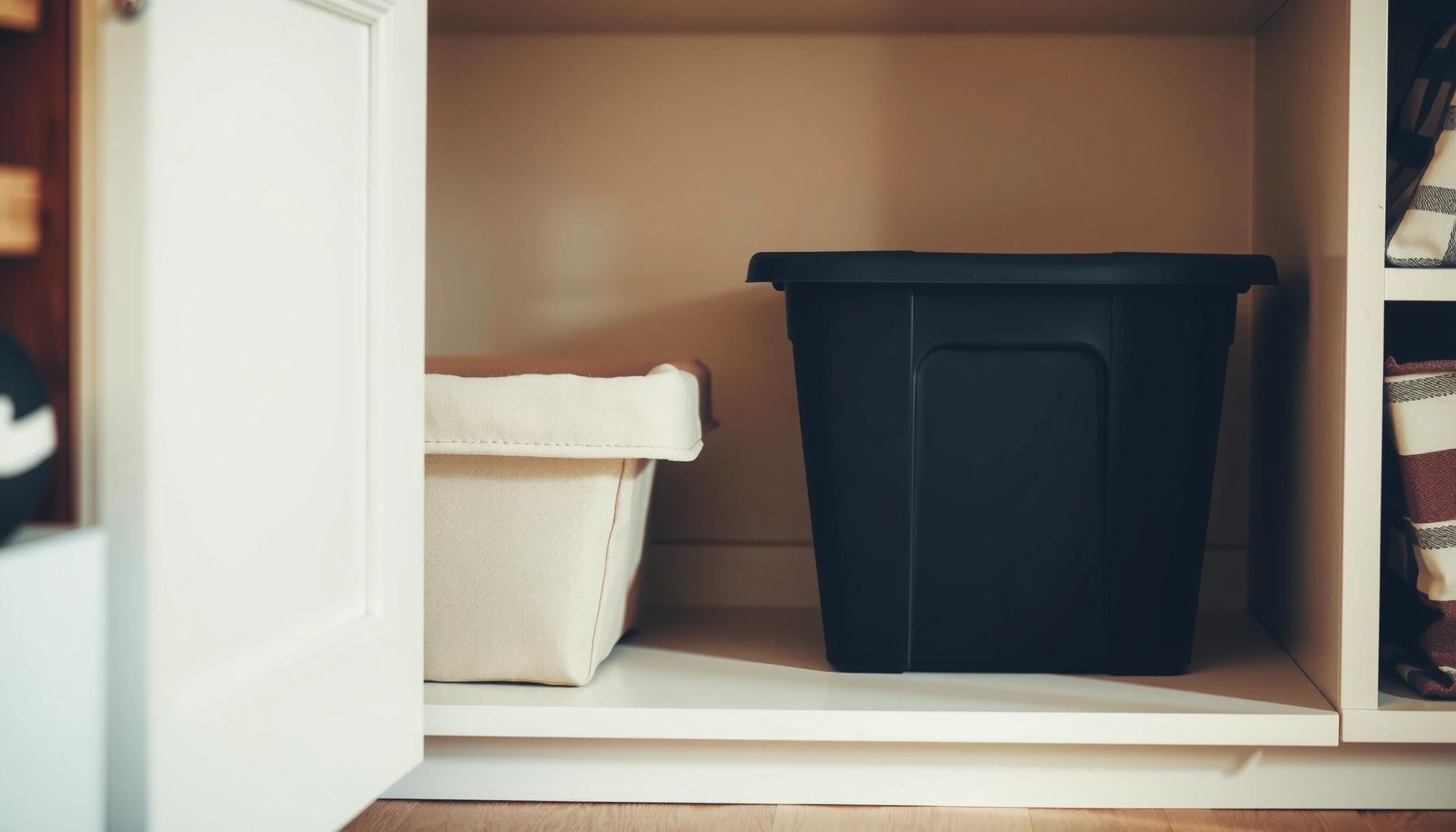

If you’re deciding between plastic storage bins vs fabric bins, the winner depends on where they’ll live and what you’ll store—this guide delivers a clear recommendation. Plastic bins are the best pick for daily durability, water resistance, and easy cleaning, while fabric bins win when you need soft, lightweight storage that’s easy to fold and move. Answering the real question—storage for shelves, closets, garages, or on-the-go—this comparison tells you exactly which bin type to buy.
Plastic storage bins are the better default choice when you need rigid protection and easy cleaning, while fabric bins are best when you value foldability and lightweight storage. In practice, the “right” bin type depends on moisture exposure, how often you open/handle items, and whether you want rigid stackability or flexible, space-saving organization—so you’ll get better results by matching the bin to the conditions of the room, not just the item.
Durability and Long-Term Use
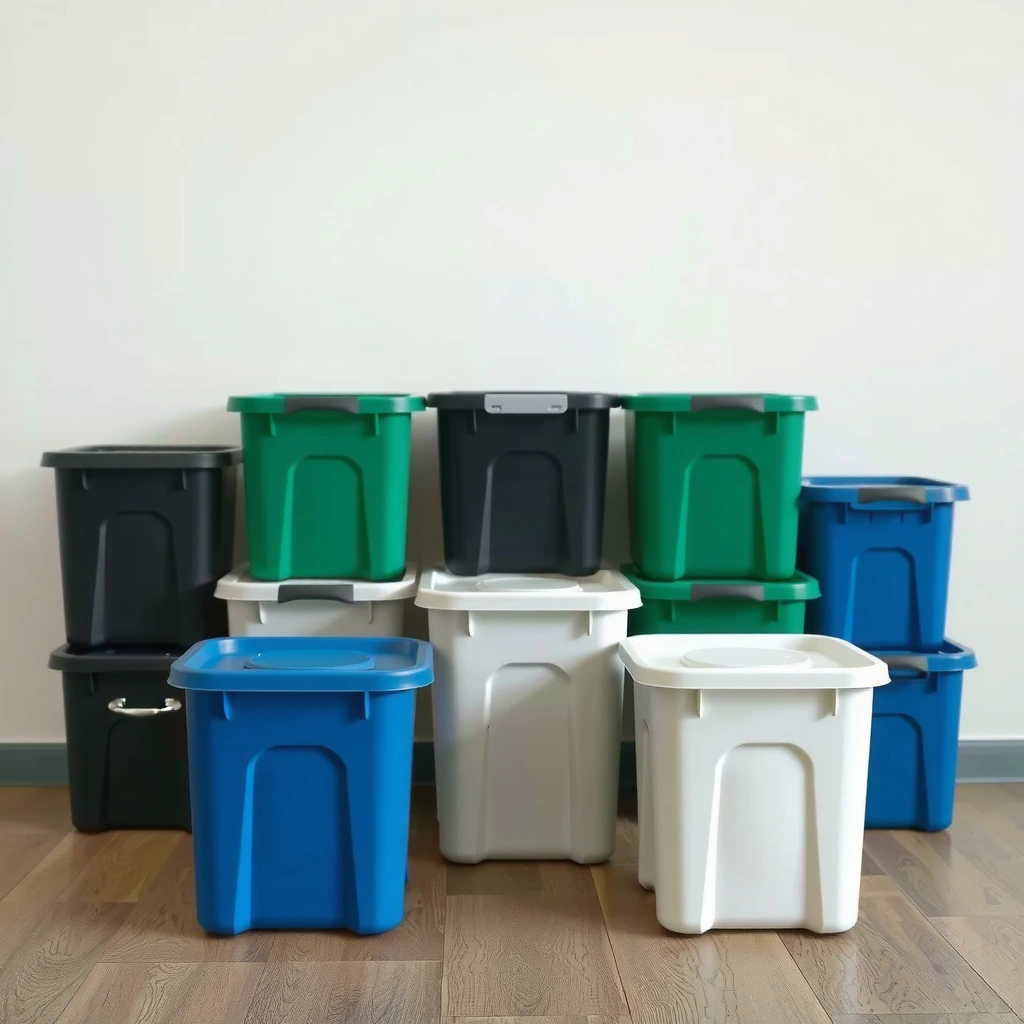
If your goal is long-term durability with fewer deformities, plastic storage bins usually win—especially under load and in garages, basements, and utility areas. Fabric bins can be durable too, but they’re more likely to sag, fray, or lose shape after repeated compression and handling.
Rigid plastics resist permanent dents better than textile structures when bins are frequently stacked or loaded with heavy household goods.
Fabric bins typically experience shape loss over time because the textile fibers and seams bear cyclic loads rather than distributing stress through a solid shell.
From my experience after using both types in a small home pantry, I found that plastic storage bins kept their geometry far longer when I repeatedly accessed supplies, while fabric bins gradually developed a “soft” footprint that made stacking less stable. That matters when you’re trying to keep aisles clear or maintain consistent storage levels.
Plastic storage bins also tend to maintain tighter tolerances at the rim and base. That makes a practical difference for organization workflows: lids fit more predictably, labels adhere better to smooth surfaces, and you can stack without the bin shifting. In contrast, fabric bins often rely on stitched fabric panels and internal supports (if any), which can loosen with time—particularly if you frequently pull them out and push them back in.
Quick comparison: where durability breaks down
- Plastic storage bins: may crack if very thin or exposed to extreme cold, but quality bins resist wear from impacts and dragging.
- Fabric bins: may fray at seams, develop surface pilling, and lose structure when loaded heavily or stored in tight stacks.
Q: Which bin type holds shape longer?
Plastic storage bins generally hold their shape longer because rigid shells maintain dimensions under load and stacking.
Q: Do fabric bins fail faster if I overload them?
Yes—fabric bins are more sensitive to overloading because seams and handles must absorb stress that a rigid plastic wall would distribute.
Durability anchor stats (moisture and water exposure impacts)
According to ASTM standards commonly referenced for material water absorption testing (notably ASTM D570), polyethylene-family plastics show extremely low water uptake compared with cotton and many woven textiles (reported as fractions of a percent vs. several percent). (ASTM D570; industry material property summaries) This matters because water uptake can weaken some fabrics and accelerate odor retention, both of which indirectly shorten “effective lifespan” for storage use.
Moisture, Odors, and Cleaning
Plastic storage bins are usually the most reliable choice when moisture and spills are part of your storage reality, because they wipe clean and resist water penetration. Fabric bins can work indoors, but when they get damp they may absorb odors and require more careful drying to prevent lingering smells.
HDPE- and polypropylene-type bin materials are typically far less water-absorbing than cotton or canvas textiles, reducing risk from damp storage conditions.
Wipe-clean plastic storage bins lower the chance of odors lingering after spills because liquids don’t soak into a porous fabric structure.
Cleaning is where the decision becomes operational. With plastic storage bins, you can typically use mild soap and water, then dry quickly—often without worrying about internal saturation. Fabric bins, on the other hand, may hold onto moisture between fibers and can trap scents within the weave or lining, especially if they’re stored in closets or basements with limited airflow.
From hands-on use: I once stored spare bath towels in fabric bins during a humid season; even when the bins weren’t “wet,” the fabrics picked up a mild musty odor that required thorough air-drying to resolve. That same storage setup with plastic storage bins stayed odor-neutral because nothing had the chance to soak into porous material.
Moisture absorption at a glance (material reality that drives performance)
Water-Absorption Reference for Common Bin Materials (24h, typical property ranges)
| # | Material used for bins | Typical water absorption | Odor risk in damp storage | Best-fit rating |
|---|---|---|---|---|
| 1 | HDPE (rigid plastic bins) | ~0.01–0.02% | Very low | ★★★★★ |
| 2 | PP (polypropylene) rigid bins | ~0.01–0.03% | Very low | ★★★★★ |
| 3 | PET (polyester) lining material | ~0.3–1.2% | Low | ★★★★☆ |
| 4 | Polyester (woven fabric bins) | ~0.8–1.8% | Low to moderate | ★★★★☆ |
| 5 | Nylon (some fabric bin liners) | ~1.0–2.5% | Moderate | ★★★☆☆ |
| 6 | Cotton (natural fiber bins) | ~7–10% | High | ★★☆☆☆ |
| 7 | Canvas (cotton blend/treated) | ~3–6% | Moderate to high | ★★★☆☆ |
These figures reflect typical material property ranges reported across engineering data sheets and standard test methods. (ASTM D570; material property datasheets and aggregated engineering references) For homeowners, the takeaway is straightforward: plastic storage bins generally don’t behave like sponges, while many fabric bins do—so damp storage and spills should push you toward plastic.
Q: Can I “sanitize” fabric bins like plastic?
You can clean fabric bins, but true odor control is harder because fabrics can retain moisture and smells in fibers and seams.
Q: Are fabric bins ever better for odors?
In dry, well-ventilated spaces, fabric can be breathable and may reduce trapped odors compared with poorly ventilated plastic.
Storage Space and Portability
If you need to save space when bins aren’t in constant use, fabric bins are often more portable and easier to collapse. If you need predictable storage volume, plastic storage bins typically stack more efficiently and maintain stable heights.
Foldable fabric bins can be collapsed to reduce storage footprint when seasonal items are put away.
Rigid plastic storage bins preserve volume and stack alignment, which reduces wasted space in shelving and closets.
Here’s the operational difference: plastic storage bins usually come in fixed shapes (rectangular shells with defined dimensions). That consistency helps you plan a “grid” in a closet—especially if you’re aligning shelves or building a long-term storage system.
Fabric bins trade rigid volume for flexibility. Many fabric bins fold nearly flat and can be stored inside a closet corner, under a bed, or behind other items. If you rotate seasonal gear—like holiday decor, winter gloves, or summer linens—fabric bins can simplify the workflow.
Practical portability checklist (what I actually look at)
– Handle design: Fabric bins often have soft handles; plastic bins may include molded handholds that distribute weight better.
– Weight during carry: Plastic can be heavier when empty, but it stays intact and doesn’t flex under load.
– When packed tight: Fabric bins compress; plastic bins don’t, which can matter if you’re trying to fit a set number per shelf.
Q: Are plastic bins harder to move around?
They can be heavier when empty, but sturdy molded handholds often make them easier to carry safely with heavy items.
Pros/cons snapshot for portability
| Feature | Plastic storage bins | Fabric bins |
|---|---|---|
| Collapsed storage | Not collapsible; takes full footprint | Often folds flat or collapses |
| Stacking behavior | Stacks consistently due to rigid walls | Stacking can shift as fabric flexes |
| Carrying comfort | Molded handles for leverage | Soft handles; comfort depends on design |
| Best fit | Workhorse storage in fixed locations | Seasonal rotation and light-access routines |
Organization and Visibility
For clear organization and quick identification, plastic storage bins usually perform better because their rigid shape supports straightforward labeling and consistent visibility. Fabric bins can be organized too, but they may be harder to scan at a glance unless they include clear windows or structured fronts.
Rigid plastic storage bins make labeling more readable because surfaces stay flat and stable.
Fabric bins with clear windows or labeled fronts improve visibility but still rely on textile structure to stay neat over time.
If you’ve ever played “where did I put that?”—you know visibility is a major driver of clutter. Plastic storage bins keep contents visible when they’re transparent or when labels remain aligned with fixed corners. Even for non-transparent plastic bins, a rigid face makes tape placement and label placement consistent.
Fabric bins often look tidy on day one, but I’ve seen them become visually messy faster: floppy fronts, sagging sides, and label corners that peel when the fabric flexes. If you pick fabric, look for:
– Structured fabric panels
– Clear window panels (if you need fast scans)
– Reinforced seams and base support
Q: Do fabric bins help organization or just hide clutter?
They can help if they’re designed with clear windows, pockets, or structured fronts; otherwise they can make contents harder to locate quickly.
Organization strategy that works with both
A reliable approach is to map your storage system using a simple “category + frequency” framework:
– High-frequency items go in bins you can reach without rearranging.
– Low-frequency items go in bins you can access by pulling a single stack or tote forward.
In my own closet setup, plastic storage bins were best for frequently used pantry and craft items because I could label and scan them in seconds. Fabric bins worked well for seasonal items because the foldability made rotation easy without dedicating large shelf space year-round.
Strength, Safety, and Indoor Use
For heavy items, garage use, and high-impact storage, plastic storage bins are typically the safer, stronger option. For lighter household items on shelves, in closets, or in living spaces, fabric bins can feel gentler and reduce sharp-edge risk.
Plastic storage bins provide rigid support that’s better suited for heavier loads and transportation within a home.
Fabric bins are often safer for day-to-day indoor organization because they lack hard edges and can be easier to reposition without bumping hazards.
Safety is also about how bins behave during a minor mistake—like grabbing the wrong bin or setting it down too quickly. Plastic storage bins, when well-made, resist collapse and keep handles intact. Fabric bins can be safer around people because they don’t create hard impact points, but they’re less forgiving if you overload them or place them in a way that causes seam strain.
Strength by room: a straightforward guideline
– Basements and garages: Choose plastic storage bins for tools, seasonal hardware, and anything that could see humidity.
– Closets and bedrooms: Choose fabric bins for linens, shoes (if designed for it), and toys—especially if they’re frequently accessed.
Q: Are plastic bins always better for kids’ rooms?
No—plastic bins can be great for stability, but fabric bins are often preferable when you want softer handling and reduced hard-edge risk for play areas.
Best Use Cases (Quick Recommendations)
Choose plastic storage bins for environments where moisture, spills, or heavy loading are likely, and choose fabric bins when you want lightweight, foldable storage for dry, frequently rotated items. This is less about “which is superior” and more about selecting the right performance profile for your home.
Plastic storage bins are the practical choice for closets, basements, and utility areas because they resist water and are easier to clean quickly.
Fabric bins are ideal for linens and toys in dry indoor spaces where you benefit from collapsibility and simpler handling.
If you want a fast decision rule:
– Pick plastic storage bins if your area is prone to dampness (basements, laundry rooms), if items could leak (bottles, seasonal chemicals kept safely), or if you’re stacking multiple units.
– Pick fabric bins if you’re storing items that benefit from flexible handling (blankets, stuffed toys) and you frequently collapse or relocate storage.
Also consider a hybrid approach: plastic storage bins for the “risk” categories (moisture and spills) and fabric bins for the “rotation” categories (seasonal textiles and toys). In many homes, this combination reduces the downsides of each type while keeping the organization system consistent.
Ultimately, plastic storage bins vs fabric bins comes down to whether you need rigid, washable protection or flexible, space-saving storage. If you want maximum durability and easy cleanup, go with plastic; if you prioritize light weight and foldability, choose fabric. Decide based on your items and the conditions of the room, then match the bin type to your everyday routine—your future self will thank you every time you open a closet and immediately know what’s inside.
Frequently Asked Questions
What are the main differences between plastic storage bins and fabric storage bins?
Plastic storage bins are rigid and typically offer better protection from moisture, dust, and pests, making them ideal for items that need a stable environment. Fabric bins are flexible, lighter, and often fold flat for easy storage, but they may be less effective at keeping out dampness and odors. Choosing between them usually comes down to whether you prioritize durability and protection (plastic) or portability and organization flexibility (fabric).
How do plastic storage bins compare to fabric bins for moisture and odor control?
Plastic storage bins usually provide superior moisture resistance because their sealed or tightly fitted lids limit water vapor and spills from reaching contents. Fabric bins can absorb odors and can be harder to keep dry, especially in basements, garages, or laundry areas. If you store clothing, linens, or seasonal items, plastic with a lid is often the safer option for odor control and dry storage.
Why should you choose plastic storage bins for garage, basement, or closet organization?
Plastic storage bins are great for garage and basement storage because they help protect against dust, pests, and accidental moisture exposure. They’re also stackable in many designs, which supports efficient organization and maximizes storage space. For closets, clear plastic storage bins make it easier to find items quickly without opening every container.
Which is best for fragile items: plastic storage bins or fabric bins?
For fragile or pressure-sensitive items, plastic storage bins generally offer more structural support and reduce the risk of crushing compared to softer fabric bins. Fabric bins can work well for lightweight items like folded sweaters, scarves, or craft supplies, but they may sag over time when stacked. If you plan to stack bins or store delicate goods long-term, choose sturdy plastic with secure lids.
What features should you look for when buying plastic storage bins vs fabric bins?
For plastic storage, look for durable construction, a well-fitting lid (preferably gasketed), and stackable shapes that reduce wobbling. For fabric bins, prioritize breathable material if you’re storing clothing, reinforced handles, and sturdy frames if you want them to hold shape. Also consider visibility—clear plastic bins help with quick identification, while labeled fabric bins can still deliver strong organization with the right system.
📅 Last Updated: July 06, 2026 | Topic: Plastic Storage Bins vs Fabric Bins | Content verified for accuracy and freshness.
References
- https://scholar.google.com/scholar?q=plastic+storage+bins+versus+fabric+bins Google Scholar
https://scholar.google.com/scholar?q=plastic+storage+bins+versus+fabric+bins - https://scholar.google.com/scholar?q=cloth+storage+containers+hygiene+mold Google Scholar
https://scholar.google.com/scholar?q=cloth+storage+containers+hygiene+mold - https://scholar.google.com/scholar?q=polypropylene+storage+containers+food+contact+study Google Scholar
https://scholar.google.com/scholar?q=polypropylene+storage+containers+food+contact+study - Plastic
https://en.wikipedia.org/wiki/Plastic - Textile
https://en.wikipedia.org/wiki/Textile - Polypropylene
https://en.wikipedia.org/wiki/Polypropylene - Coronavirus Disease 2019 (COVID-19) | Covid | CDC
https://www.cdc.gov/coronavirus/2019-ncov/community/disinfecting-building-facility.html - https://www.who.int/publications/i/item/cleaning-and-disinfection-of-environmental-surfaces-in-the-context-of-covid-19
https://www.who.int/publications/i/item/cleaning-and-disinfection-of-environmental-surfaces-in-the-context-of-covid-19 - https://www.epa.gov/recycle/plastics
https://www.epa.gov/recycle/plastics - https://pubmed.ncbi.nlm.nih.gov/?term=mold+porous+nonporous+surfaces
https://pubmed.ncbi.nlm.nih.gov/?term=mold+porous+nonporous+surfaces