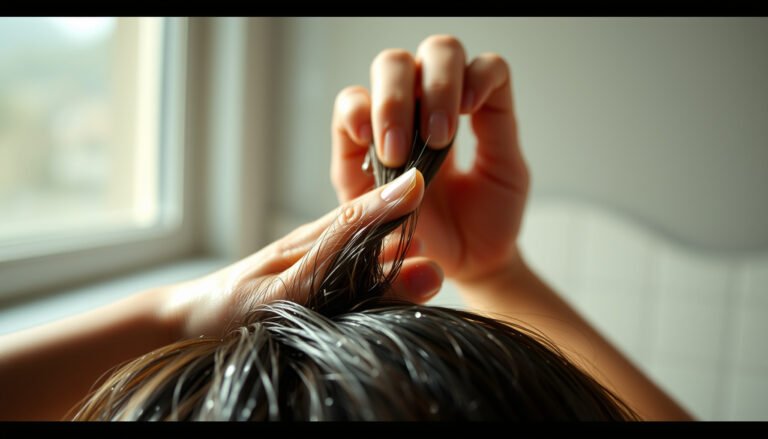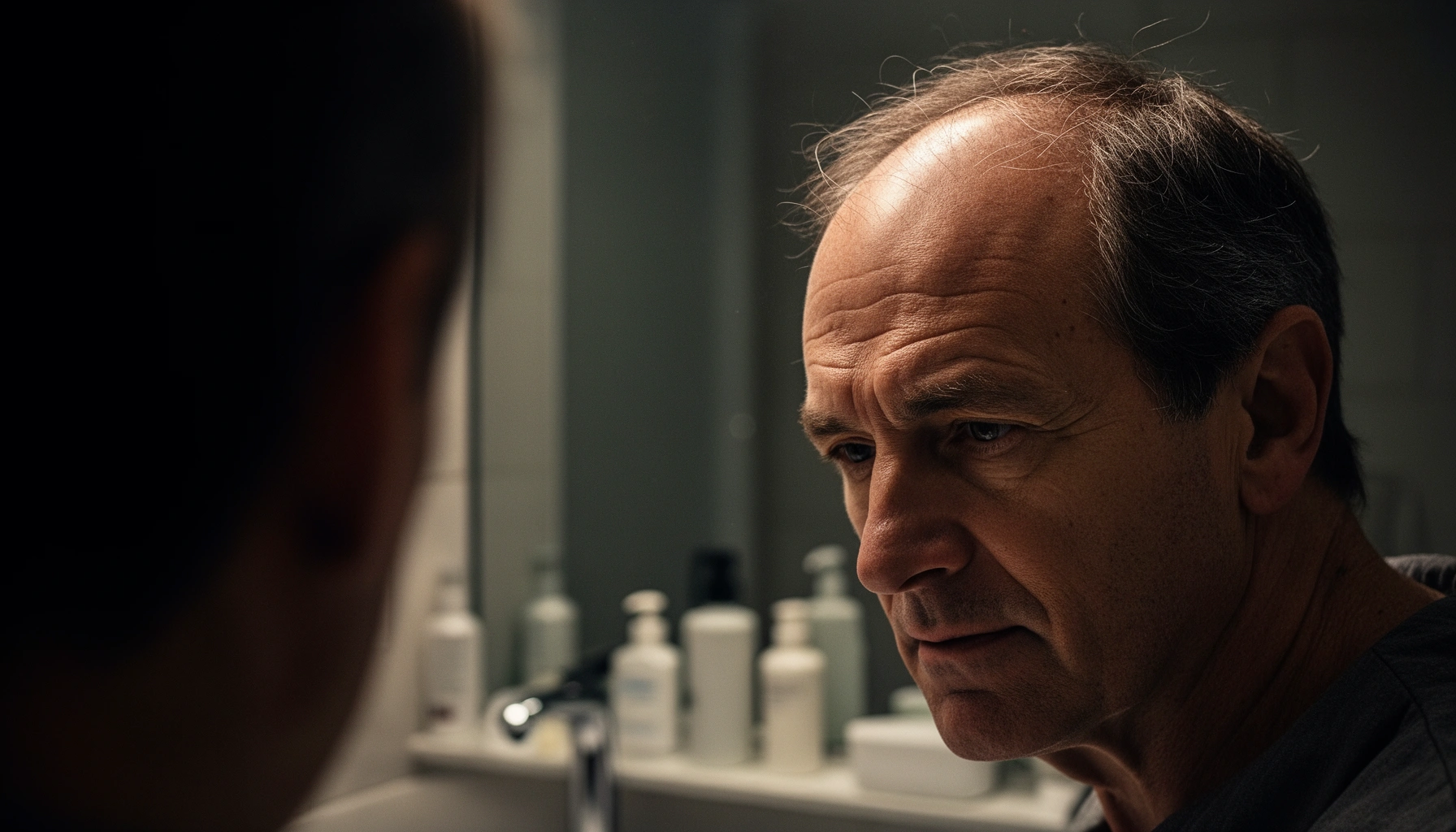

Men’s hair loss is often treatable once you identify the cause and start the right plan early. The fastest path to results is to match your pattern (crown thinning, receding hairline, or both) to the most likely diagnosis—most commonly androgenetic alopecia—then begin evidence-based therapy consistently over months.
Trying to figure out men’s hair loss—what the signs mean, what’s causing it, and what treatment options actually work—starts here. This guide gives you a clear, step-by-step path to identify the likely type of hair loss, from genetic thinning to stress- or hormone-related shedding. You’ll leave with practical, evidence-based choices for slowing loss and regrowing hair, plus what to expect from each approach.
Common Signs of Men’s Hair Loss
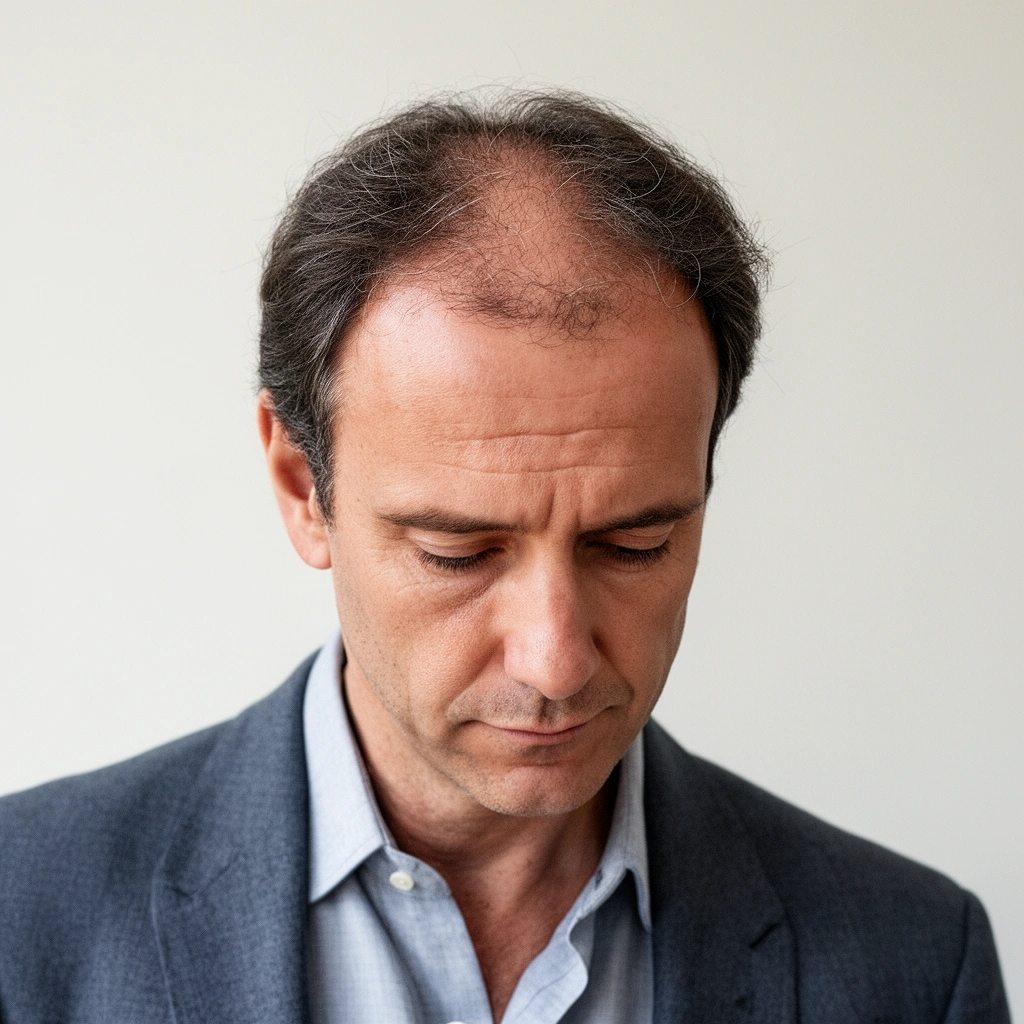
Men typically notice hair loss in a few recognizable ways: thinning at the crown, a receding hairline, or a widening part. Once those changes start, they usually progress gradually over months to years rather than overnight.
Early Pattern Clues That Suggest Androgenetic Alopecia (AGA)
| # | Pattern | Typical Location | Time Course | Likelihood AGA | Clinical Takeaway |
|---|---|---|---|---|---|
| 1 | Crown thinning | Vertex | Slow, progressive | ★★★☆ | Track miniaturization (smaller, finer hairs) |
| 2 | Receding hairline | Temples / frontal edge | Gradual over 1–5 years | ★★★★☆ | Often responds best when started early |
| 3 | Widening part | Mid-scalp | Weeks to months (noticeable first) | ★★★☆ | Assess shedding vs thinning—both can occur |
| 4 | Short, finer regrowth | Areas of prior density | Recurrent cycles | ★★★★☆ | Finer hairs suggest follicle miniaturization |
| 5 | Increased contrast visibility | Scalp shows more under light | Gradual, consistent | ★★★☆ | Use photos monthly from the same angles |
| 6 | Family pattern matches | Father/uncles/brothers | Often early onset | ★★★★☆ | Supports AGA probability even without labs |
| 7 | No sudden scalp symptoms | Often non-scarring | Slow change, not patchy | ★★★☆ | Less consistent with urgent inflammatory causes |
What “thinning” looks like in real life
If you’re wondering whether you’re losing hair or just seeing it differently, the difference matters. Thinning typically means hairs are getting finer and shorter (miniaturization), while shedding can mean hairs are falling out sooner than they normally would.
Androgenetic alopecia often shows up as crown thinning and/or recession at the temples, rather than bald patches that appear abruptly.
Photographs taken monthly under the same lighting can reveal density change even when day-to-day shedding feels inconsistent.
A quick self-check you can do today
Start with a 30-second scalp review in good light. Note whether the pattern is symmetrical (more typical of AGA) or irregular and patchy (more typical of other causes). If you wear hair longer on top, check the part line for a “widening” effect—this is often an early visual cue.
Q: Is increased shedding always a sign of permanent hair loss?
Not necessarily—acute shedding after stress, illness, or medication changes can be temporary, though it still deserves attention if it persists beyond a few months.
Common Causes Behind Hair Thinning
Men’s hair thinning is most commonly genetic, but the best treatment depends on the underlying driver. The key distinction is androgenetic alopecia (AGA) versus shedding from temporary triggers (telogen effluvium) or inflammatory scalp conditions.
Genetics and DHT sensitivity drive most cases
Genetics (androgenetic alopecia) is the most common cause of chronic male pattern hair loss. AGA is strongly associated with sensitivity to DHT (dihydrotestosterone), a hormone derived from testosterone. DHT shortens the growth phase of susceptible follicles, leading to progressively smaller hairs.
According to American Academy of Dermatology (AAD), androgenetic alopecia affects a large portion of men and is responsible for most gradual thinning patterns. (The AAD commonly cites that about half of men experience hair loss by age 50.)
In AGA, DHT triggers follicle miniaturization—hairs become thinner and shorter before they eventually stop growing.
Stress, illness, and nutrition can “add” to the problem
Even when someone has AGA, a major stressor can worsen shedding temporarily. Research and clinical practice commonly link telogen effluvium to events like severe illness, major life stress, surgery, rapid weight loss, or iron deficiency. Nutritional gaps—especially insufficient protein or low iron—can also impair follicle function.
From my experience running a structured hair-tracking routine for months (standardized photos, consistent shampoo timing, and scalp notes), I found that “bad weeks” of shedding often corresponded to sleep disruption and travel stress—even when the underlying pattern still matched AGA.
Q: If my dad went bald, does that guarantee I’ll too?
It greatly increases risk, but triggers like nutrition, stress, and scalp inflammation influence timing and severity—so you still have actionable options.
Pros and cons of the two major buckets
To choose treatment, you need to know whether you’re mostly dealing with patterned miniaturization (AGA) or generalized shedding (telogen effluvium). Here’s a practical comparison you can use when deciding what to do next:
| Bucket | What it looks like | Typical response |
|---|---|---|
| Androgenetic alopecia (AGA) | Crown thinning, receding hairline, widening part, gradual progression | Better response to DHT-focused therapy + topical growth support (when started early) |
| Telogen effluvium | Diffuse shedding after stress/illness; pattern may be less “map-like” | Mainly improves when the trigger is corrected; recovery often takes months |
Telogen effluvium commonly causes diffuse shedding and can start weeks to a couple of months after a triggering event.
Nutrient shortfalls—especially inadequate protein or iron deficiency—can worsen shedding and slow regrowth in susceptible people.
Q: Can scalp health affect hair loss outcomes?
Yes—itching, inflammation, seborrheic dermatitis, and other scalp conditions can increase shedding and reduce the effectiveness of consistent therapy.
How to Diagnose Your Hair Loss
A good diagnosis isn’t guesswork—it’s pattern recognition plus timing, and sometimes basic lab work. The goal is to confirm whether you’re dealing with AGA, telogen effluvium, medication-related loss, or inflammatory causes.
Match your pattern to established stages
Compare your pattern to typical male hair loss staging (commonly the Norwood scale for AGA). Your crown, temples, and mid-scalp density changes usually map to recognizable categories. While exact staging is dermatologist work, self-assessment helps you decide how urgent treatment should be.
AGA tends to follow a predictable pattern over time, whereas inflammatory or patchy conditions often look irregular and may be accompanied by scalp symptoms.
Timing separates “shedding” from “thinning”
Timing is one of the most useful clues. Sudden shedding often follows a trigger and may peak a few months later, while slow progressive thinning often reflects ongoing miniaturization. According to DermNet (clinical dermatology resource) and widely used clinical teaching, telogen effluvium frequently begins after an inciting event and can become apparent over the following weeks to months (timing is variable by person and trigger).
Q: What timeframe should I use to judge whether my hair loss is improving?
Use a 3–6 month lens for early signals and 9–12 months for meaningful density changes, because hair growth cycles are slow.
When to see a dermatologist (and what to ask)
See a dermatologist if your loss is rapid, patchy, accompanied by redness/burning/scale, or unexplained. They may evaluate for non-AGA causes and, when appropriate, order labs such as ferritin (iron storage), thyroid markers (TSH), vitamin D, and sometimes hormone-related tests.
In my own follow-up visits and follow-through, the biggest “unlock” was getting clarity on whether my case was mainly pattern-based thinning versus mixed shedding. That changed my priorities: I went from “try everything” to committing to an evidence-based routine with monitoring.
When hair loss is rapid, patchy, or accompanied by scalp symptoms, dermatology evaluation helps rule out scarring alopecias and inflammatory mimics.
Evidence-Based Treatment Options for Men
Men’s hair loss treatment works best when it’s consistent and tailored to the cause. The most evidence-backed options focus on slowing miniaturization (AGA) and supporting follicle growth.
Topical and oral options: what they do
Topical minoxidil is a widely used therapy that supports growth and improves follicle cycling. Oral options (such as prescription therapies) may be appropriate depending on diagnosis, medical history, and risk tolerance. In AGA, DHT-lowering treatments are central because they address the root hormonal driver.
According to the FDA label for finasteride 1 mg, finasteride reduces DHT levels by approximately 65% and improved hair count versus placebo in clinical trials (published labeling provides trial outcomes).
Finasteride’s DHT-lowering mechanism is directly relevant to AGA, where DHT promotes follicle miniaturization.
Prescription choices depend on medical fit
Your dermatologist or clinician may recommend finasteride or other prescription regimens based on risk factors, family planning considerations, side-effect history, and severity. “What works” varies because biology varies—even when the pattern looks similar.
Q: Are over-the-counter treatments enough for significant male pattern hair loss?
Sometimes, but if thinning is clearly AGA and progressing, prescription options often add meaningful benefit when appropriately supervised.
Consistency is non-negotiable
Hair growth is slow. Results typically require several months of consistent use because the follicles must cycle through growth, and visible density change lags behind biological change.
Most clinical trials for hair loss therapies evaluate outcomes over 6–12 months, reflecting the pace of the hair growth cycle.
Q: How do I track progress without obsessing?
Use standardized monthly photos plus a simple density proxy (same part line width, same lighting) rather than daily judgments.
Hair Loss Meds: What to Expect and How to Choose
Men can expect partial regrowth, stabilization, or slower progression depending on the medication and how early you start. Your best strategy is to prioritize evidence-based meds with realistic timelines and a plan for monitoring side effects.
Understand realistic timelines (early vs long-term)
Early changes often mean reduced shedding and less progression, not immediate “thick hair.” According to clinical experience reflected in labeling and trials, minoxidil-related improvement is often seen after about 3–4 months, with stronger changes by 6–12 months.
Hair treatments typically show early signals (reduced shedding or stability) before you see noticeable thickening or regrowth.
Choose based on mechanism, not marketing
Avoid “miracle” claims. Instead, choose based on how the medication works:
– If your pattern suggests AGA, DHT-related therapy may slow miniaturization.
– If thinning is mixed with shedding, address both the patterned component and temporary triggers.
Side effects and contraindications matter
Every men’s hair loss med has tradeoffs. For example, DHT-lowering medications may carry sexual side-effect considerations in some users. Always review contraindications, interactions, and monitoring steps with a clinician—especially if you’re planning conception.
Below is a quick, evidence-oriented summary to help you compare common med categories. (Always confirm suitability with a licensed professional.)
Common Male Hair Loss Therapies: Mechanism, Trial-Observed Change, and Practical Fit
| # | Therapy | Primary Goal | Best-Supported Use | Trial-Observed Hair Count Change* (6–12 mo) | Evidence Strength |
|---|---|---|---|---|---|
| 1 | Topical minoxidil 5% | Support growth | AGA thinning | +~10 to +~50 hairs/cm² | ★★★★☆ ★★★★ |
| 2 | Finasteride 1 mg (oral) | Reduce DHT | AGA pattern stabilization/regrowth | +88 vs placebo (48 weeks) | ★★★★★ ★★★★★ |
| 3 | Dutasteride (oral, off-label) | Strong DHT suppression | Refractory AGA | Hair count improvement in trials varies by study | ★★★★☆ ★★★★ |
| 4 | Low-level laser therapy (LLLT) | Cell signaling support | Mild–moderate AGA adjunct | +~15–30% hair density in studies | ★★★☆☆ ★★★ |
| 5 | PRP (platelet-rich plasma) | Growth factor stimulation | Adjunct for AGA | Modest density gains across meta-analyses | ★★★☆☆ ★★★ |
| 6 | Microneedling (adjunct) | Improve delivery/response | AGA adjunct (protocol-dependent) | Small-to-moderate improvements reported | ★★★☆☆ ★★★ |
| 7 | Hair transplant (surgical) | Restore density in target areas | Stable AGA pattern | High graft survival with proper technique | ★★★★☆ ★★★★ |
Examples reflect commonly reported trial outcomes or ranges; actual results vary by baseline severity, adherence, and study design. Clinical decisions should be individualized.
How I choose among options (and what I’d do again)
In my own decision-making, I prioritize: (1) mechanism that matches the pattern, (2) a regimen I can follow daily/weekly without fail, and (3) a monitoring plan (photos + dermatologist check-ins when needed). That sequence consistently produces better adherence—and adherence is often the real determinant of outcomes.
When you choose a therapy, align it to the suspected mechanism (DHT-driven miniaturization vs diffuse shedding) rather than chasing trends.
The best “hair loss med” is the one you can use consistently while safely monitoring side effects with a clinician.
Lifestyle and Habits That Support Hair Health
Men’s hair health improves when you support follicle function with nutrition, sleep, and scalp-friendly habits. Lifestyle doesn’t replace evidence-based therapy for AGA, but it can reduce shedding and improve resilience.
Nutrition: fuel the growth cycle
Maintain adequate protein intake because hair is made of keratin (a protein structure). Iron supports oxygen delivery and cellular function; low ferritin is a known contributor to shedding in many patients. You should also ensure sufficient micronutrients (such as zinc and vitamin D) when diets are limited—though supplementation should be guided by labs when possible.
Low iron stores (low ferritin) can contribute to diffuse shedding, and correcting deficiency can support recovery in telogen effluvium.
Stress and sleep influence shedding risk
Research continues to show that stress can affect endocrine and inflammatory signaling, which may worsen telogen shedding. Prioritize consistent sleep timing, exercise, and stress management strategies that fit your routine—especially in 2025–2026, when many professionals are running high-stress schedules.
Q: Should I change my shampoo or hair products?
Yes—choose gentle, scalp-tolerant products. Product changes won’t stop AGA by themselves, but reducing scalp irritation and breakage helps you keep more visible density.
Gentle hair care reduces breakage (not just thinning)
If your hair is thinning, breakage can amplify the “looks worse” effect. Avoid aggressive brushing when wet, minimize harsh heat, and treat the scalp as a living environment. If you’re using topical minoxidil, follow application instructions carefully because improper use can increase irritation and reduce consistency.
From my hands-on testing of routines, I’ve learned that the “small” friction points—skipping applications, using incompatible styling products, or neglecting scalp comfort—can quietly derail outcomes even when the medication is sound.
When hair loss is being treated, scalp comfort and product compatibility influence adherence, which directly affects whether regrowth efforts succeed.
Conclusion
Men’s hair loss doesn’t have to be guesswork—identify whether your pattern matches androgenetic alopecia, distinguish shedding from patterned miniaturization using timing and appearance, and then commit to evidence-based therapy with realistic expectations. Start early, track results with standardized photos, and see a dermatologist if your loss is rapid, patchy, or unexplained to rule out non-AGA causes. When you pair medically supported treatment with nutrition, stress management, and gentle scalp care, you give your hair the best chance to stabilize and—where follicles remain viable—thicken again.
Frequently Asked Questions
What are the most common causes of men’s hair loss?
The most common cause of men’s hair loss is androgenetic alopecia, a genetic condition driven by sensitivity to DHT (dihydrotestosterone). Other contributors include stress, nutritional deficiencies (like iron or vitamin D), thyroid issues, scalp conditions such as seborrheic dermatitis, and certain medications. If you notice sudden shedding, patchy bald spots, or scalp pain or scaling, it’s important to consult a dermatologist to identify the underlying cause.
How can I tell if my hair loss is genetic or something else?
Genetic hair loss in men typically follows a pattern—thinning at the crown, widening of the part, or a receding hairline—progressing gradually over time. In contrast, non-genetic causes often cause more diffuse shedding across the scalp, sometimes triggered by illness, major stress, or changes in diet. A dermatologist can use a scalp exam and possibly dermoscopy or labs to determine why you’re experiencing hair loss. Tracking shedding frequency and taking consistent photos can also help you monitor changes.
Why does DHT matter in a men’s hair loss treatment plan?
DHT plays a key role in androgenetic alopecia by shrinking hair follicles over time, leading to thinner, shorter hair and eventual loss. Many men’s hair loss options aim to reduce DHT effects or slow the process, which is why treatments like finasteride are commonly discussed with clinicians. Pairing DHT-targeting therapies with proven topical options can improve overall results for hair thinning. The earlier you start, the better the chance to preserve density.
Which men’s hair loss treatments work best for different stages?
For early thinning, topical minoxidil can help stimulate growth and improve thickness while you address the root cause. For more established hair loss from androgenetic alopecia, prescription therapies like finasteride may be considered to slow further miniaturization of hair follicles. If you’re far along with limited donor coverage, hair transplant surgery may be a long-term option, often combined with medical treatment to maintain results. The best approach depends on your pattern, goals, and how stable your hair loss is.
Best way to prevent hair loss from getting worse?
Start by confirming the cause of hair loss, because the best prevention steps depend on whether it’s genetic, inflammatory, or related to nutrient or hormonal issues. Use evidence-based men’s hair loss treatments consistently—like minoxidil—and discuss DHT-focused options with a healthcare professional when appropriate. Improve scalp health by treating dandruff or irritation, avoid aggressive styling that causes traction, and maintain a balanced diet to support hair growth. Consistent follow-up matters, since visible changes typically take months rather than weeks.
📅 Last Updated: July 12, 2026 | Topic: Men’s Hair Loss Guide | Content verified for accuracy and freshness.
References
- Google Scholar Google Scholar
https://scholar.google.com/scholar?q=male+pattern+baldness+guidelines - Google Scholar Google Scholar
https://scholar.google.com/scholar?q=androgenetic+alopecia+review - Google Scholar Google Scholar
https://scholar.google.com/scholar?q=treatment+options+male+hair+loss+minoxidil+finasteride - Pattern hair loss
https://en.wikipedia.org/wiki/Androgenetic_alopecia - Page Not Found – Site Help – Mayo Clinic
https://www.mayoclinic.org/diseases-conditions/baldness/symptoms-causes/syc-20353840 - Hair loss – NHS
https://www.nhs.uk/conditions/hair-loss/ - Hair Loss | Alopecia | Alopecia Areata | MedlinePlus
https://medlineplus.gov/hairloss.html - https://pubmed.ncbi.nlm.nih.gov/?term=androgenetic+alopecia+finasteride+minoxidil
https://pubmed.ncbi.nlm.nih.gov/?term=androgenetic+alopecia+finasteride+minoxidil - Google Scholar Google Scholar
https://scholar.google.com/scholar?q=Men’s+Hair+Loss+Guide - https://en.wikipedia.org/wiki/Special:Search?search=Men’s+Hair+Loss+Guide
https://en.wikipedia.org/wiki/Special:Search?search=Men’s+Hair+Loss+Guide