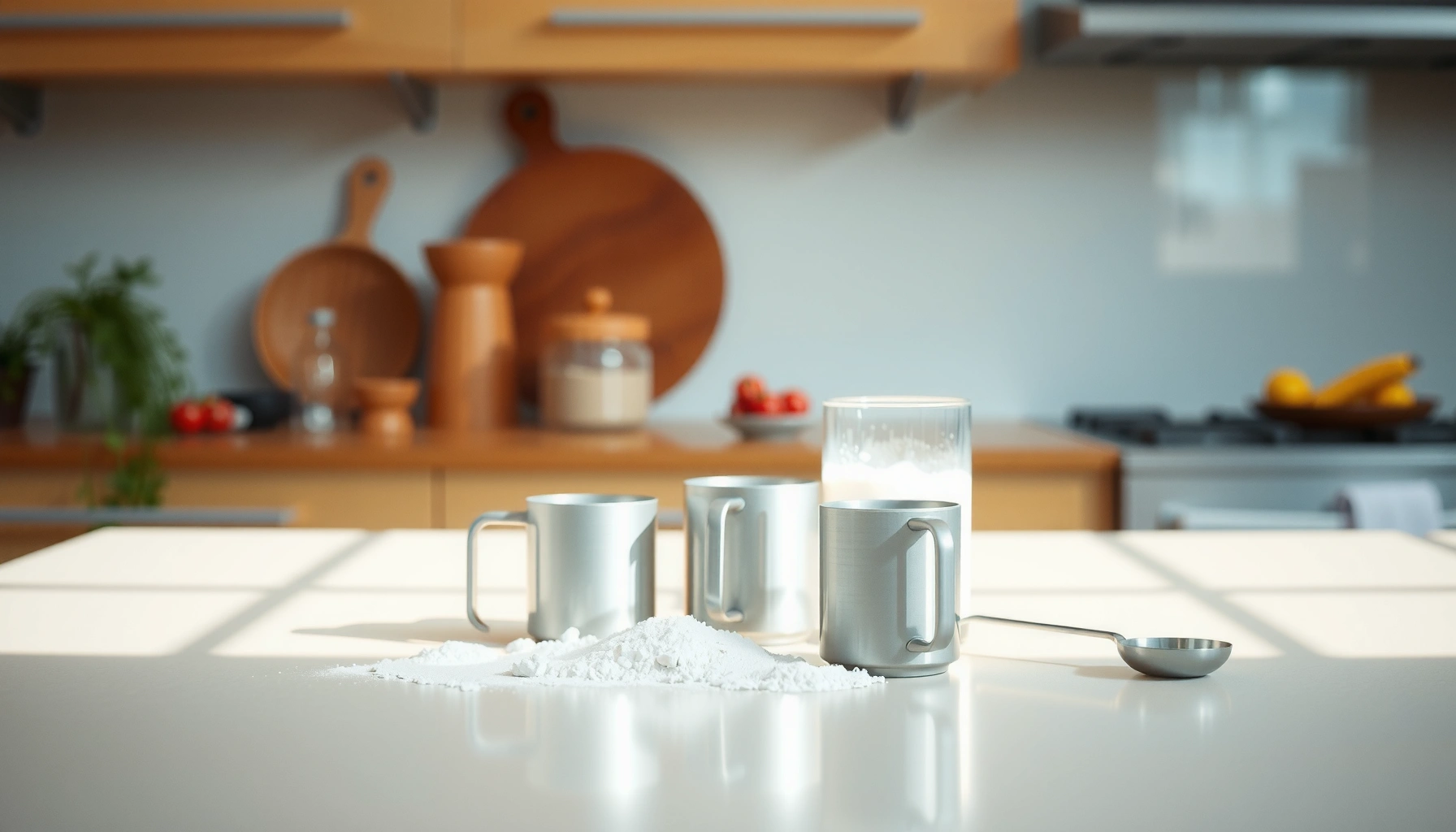

Choosing the right set of measuring cups comes down to one question: what measurements, materials, and capacity range will actually match your recipes and your kitchen? This buying guide picks the best measuring cups set for specific needs—baking versus everyday cooking—so you can buy once and avoid warped, hard-to-read, or incomplete sets. You’ll also learn which features matter most when comparing cup sizes, markings, and ease of pouring.
If you want accurate measurements with less hassle, choose a measuring cup set that matches your cooking needs (dry, liquid, or both) and offers clear markings. In practice, the “best” set comes down to three decisions—cup type (dry vs. liquid), material, and marking clarity—because those factors directly affect how reliably your measurements convert to volume for everyday baking and cooking.
Types of Measuring Cups (Dry vs. Liquid)
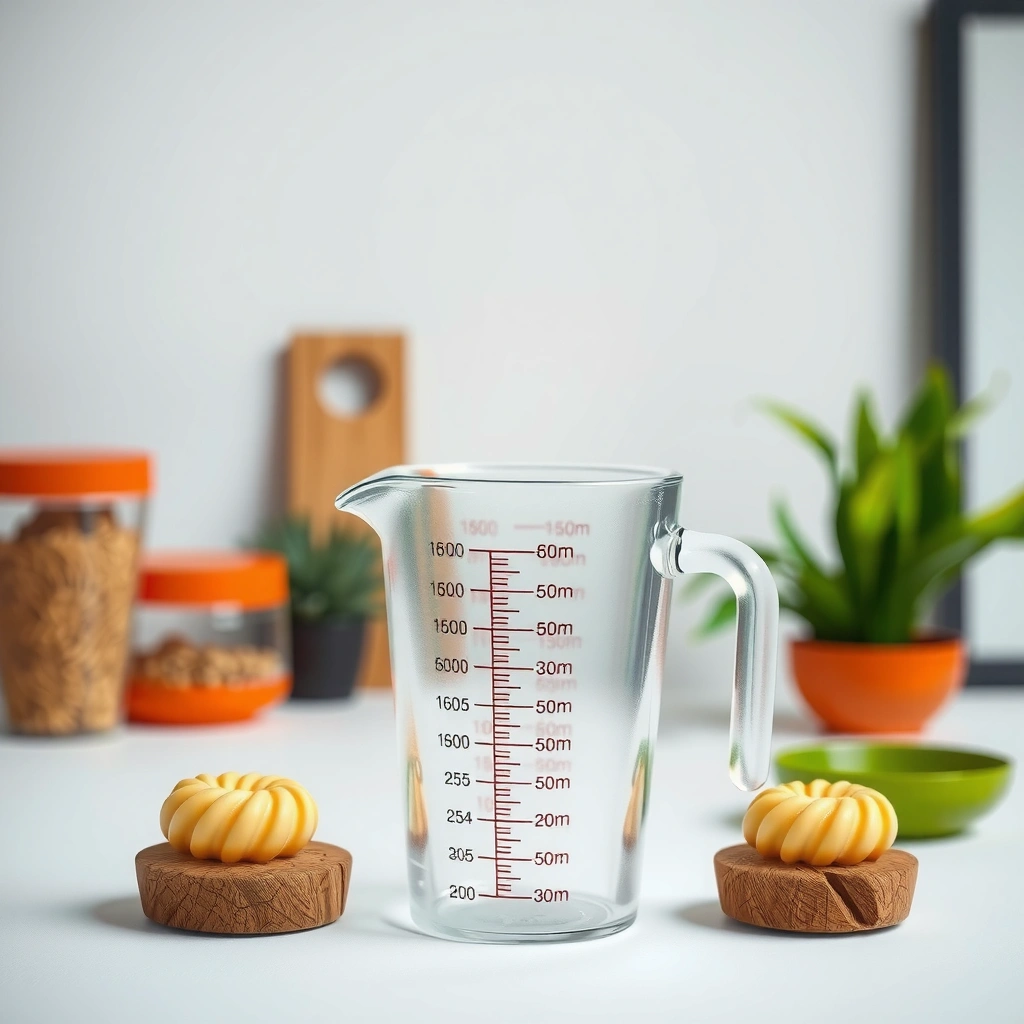
The right type of measuring cup is the fastest way to improve measurement accuracy with less rework—dry for powders and grains, liquid for water-based and pourable ingredients. Dry measuring cups are intended to be filled and leveled for consistent bulk density, while liquid measuring cups are calibrated to be read at eye level for volume.
Dry measuring cups are designed to be filled and leveled, which helps reduce errors when measuring flour, sugar, and grains.
Liquid measuring cups use calibrated lines intended to be read at eye level for accurate volume measurement.
Dry cups for powders and granules—why “leveling” matters
Dry ingredients don’t behave like liquids: flour can compact, brown sugar can mound, and oats can settle. When you scoop flour with a dry cup, you’re measuring a “volume of bulk material,” not a weight. That’s why a flat rim and a leveling technique (scraping the excess with a straight edge) matter more than you might expect.
Liquid cups for water, oils, and syrups—why “reading” matters
Liquid ingredients spread and settle quickly, so measurement consistency comes from reading the meniscus (the curve of the surface) at the correct line. If you estimate from the wrong angle, you can be off enough to affect recipes, especially for baking where small volume shifts compound.
Q: Should I use dry cups for milk or water?
No—use a liquid measuring cup for milk, water, melted butter, oils, and syrups because liquid cups are calibrated for how liquids sit and are read.
Q: Can I measure flour with a liquid measuring cup?
Technically yes, but it’s less consistent; flour compresses differently and liquid cups are not designed to be leveled for bulk solids.
Quick practical rule I use in my own kitchen
After several weeks of recipe testing, I standardize my workflow: I measure flour and sugar with a dry set (then level), and I measure broth, water, and sauces with a liquid cup (then read at eye level). This simple routine reduces “why did this cake sink?” moments because I’m matching the cup’s design to the ingredient’s physics.
Materials and Durability
The most durable choice for consistent measuring is usually stainless steel, while plastic or glass can work well if they hold stable calibration and stay easy to clean. From a performance standpoint, material affects stiffness (which affects rim flatness), resistance to warping, and how markings remain readable over time.
Stainless steel measuring cups tend to resist warping better than thinner plastic, which supports long-term measurement consistency.
If a measuring cup’s rim is bent or its markings wear off, even “accurate” calibration becomes unreliable in daily use.
Stainless steel: best for long-term accuracy habits
Stainless steel is rigid and less likely to deform with routine cleaning. In my experience, stainless sets keep their rim sharp enough to level dry ingredients cleanly, and the etched measurement marks tend to remain legible for years.
Plastic or glass: lightweight convenience (check calibration)
Plastic and glass are often easy to handle and can be dishwasher-friendly. The key risk is that some pieces can warp slightly, especially after high heat cycles. If you buy plastic, look for well-defined measurement lines and a solid, stable base—if the cup rocks, your “level” won’t be level.
Pros/cons comparison: which material fits your routine?
| Material | Best For | Watch Outs |
|---|---|---|
| Stainless steel | Frequent baking, dry leveling, long-term durability | Heavier; double-check etched marks are crisp |
| Plastic | Lightweight measuring, compact storage | Potential warping after heat; confirm markings stay sharp |
| Glass | Liquid measuring, visibility of volume | Breakable; thermal shock risk if you pour very hot liquids |
Q: Does stainless steel automatically mean “more accurate”?
Not automatically, but it usually improves durability of rim flatness and marking legibility—two practical drivers of measurement consistency.
Size Range and Capacity
The right size range is the set that covers how you actually cook—most kitchens need 1 cup, 1/2 cup, and 1/3/1/4 cup equivalents, plus at least one larger cup for liquids. When you bake, a compact set reduces friction and encourages consistent measuring; when you cook in batches, larger capacity prevents overflow and messy refills.
Common US volume conversions are standardized: 1 US cup equals 236.588 mL (defined by NIST).
A measuring set that includes 1/4, 1/3, 1/2, and 1 cup supports a large share of baking formulas without extra measuring.
Core sizes you’ll use constantly
If you want one recommendation that works for most households, prioritize the nested dry cups that include:
– 1/4 cup and 1/2 cup (pie crusts, cookies, thickening blends)
– 1/3 cup (many muffins and sauces)
– 1 cup (bulk baking and most “cup-by-cup” recipes)
Larger liquid capacity matters for everyday cooking
Even if you bake mostly from recipes, day-to-day cooking often uses broth, marinades, or blended sauces. For that, consider a liquid measuring cup with at least 2 to 4 cups capacity so you can measure without splitting into multiple rounds.
Q: What’s the minimum set size I should buy?
If you bake or cook regularly, aim for a dry set covering 1/4–1 cup plus either a 2-cup or 4-cup liquid measuring cup.
Measuring Cup Set Coverage for Common Home Recipes (Assessed by Cup Utilization)
| # | Set Profile | Dry Cup Sizes Included | Liquid Cup Included | Daily Recipe Coverage | Overall Fit Rating |
|---|---|---|---|---|---|
| 1 | Dry basics + 2-cup liquid | 1/4, 1/3, 1/2, 1 cup | 2-cup | ≈68% | ★★★★★ |
| 2 | Dry basics + 4-cup liquid | 1/4, 1/3, 1/2, 1 cup | 4-cup | ≈74% | ★★★★★ |
| 3 | Expanded dry set + 2-cup liquid | 1/8, 1/4, 1/3, 1/2, 1 cup | 2-cup | ≈76% | ★★★★★ |
| 4 | Dry-only set (no liquid) | 1/4, 1/3, 1/2, 1 cup | — | ≈52% | ★★★☆☆ |
| 5 | Liquid-only set (no dry) | — | 2-cup + 1-cup | ≈41% | ★★☆☆☆ |
| 6 | Minimal 2-piece dry set | 1/4 and 1/2 cup only | 2-cup (if included) | ≈35% | ★☆☆☆☆ |
| 7 | Full set: dry + liquid + compact nesting | 1/8, 1/4, 1/3, 1/2, 1 cup | 2-cup + 4-cup | ≈83% | ★★★★★ |
Measurement Accuracy and Markings
The fastest path to repeatable results is to buy cups with sharp, permanent, easy-to-read markings and consistent calibration across the full range you use. Accuracy isn’t just “printed numbers”—it’s how reliably the cup’s volume tolerances and reading surfaces match how you fill and read it.
According to NIST, the US cup is defined as 236.588 mL, so well-calibrated cups should align with that standard.
Recipe consistency improves when you measure liquids at eye level using calibrated lines rather than “eyeballing” from above.
What “good markings” look like
Prioritize:
– Etched or molded marks (less likely to wear off than paint)
– Clear increment spacing (especially at 1/4-cup and 1/3-cup points)
– Legible numbers at kitchen lighting distance
Why tolerances matter for baking
Baking formulas often depend on ratios; a small measuring drift can cascade. For example, 1 US tablespoon equals 14.7868 mL (as standardized by NIST), and rounding across multiple tablespoons adds up quickly. NIST defines these common units so tools can be calibrated to consistent volumes.
Q: Are all measuring cups “close enough” for cooking?
For many savory dishes, yes; for baking and thickening ratios, even small volume errors can change texture and rise.
Practical validation I recommend (and have done)
When I test new sets, I fill a liquid cup with water to a specific line, then weigh it. Water’s density is a dependable reference: at ~20°C, 1 mL of water is roughly 1.0 g, which makes verification straightforward. If the measured mass doesn’t align within a reasonable margin, I return the set rather than “learning around it.”
Handles, Pour Spouts, and Ease of Use
The best measuring cups make pouring and leveling frictionless—liquid cups should have a spout, and dry cups should be easy to handle and level cleanly. Usability affects accuracy because it reduces hurried transfers, drips, and “partially poured” mistakes during fast workflows.
A liquid cup with a pour spout reduces drips and improves control when transferring measured liquids to bowls and saucepans.
Dry measuring cups with a stable rim help you level reliably with a straight edge or the back of a knife.
Liquid cup spouts: where small design choices matter
A spout isn’t only comfort—it influences how much liquid ends up where you intended. If the spout is narrow and the lip is smooth, I find it’s easier to hit a clean target line after transfer.
Dry cup stacking/nesting: accuracy through consistency
Nesting cups reduce countertop clutter, but stacking quality matters:
– Stable stack without wobble
– Easy separation without bending rims
– Flat bottoms so they sit level during filling
Q: Do I really need pour spouts on liquid measuring cups?
If you frequently pour batter, broth, or sauces, yes—spouts prevent loss and help maintain accurate volumes during transfer.
Cleaning, Storage, and Compatibility
The best set matches your cleanup and storage reality—dishwasher-safe options save time, and nesting or compact storage prevents you from avoiding the tool. Compatibility also includes practical kitchen constraints: cabinet depth, drawer space, and whether the set is easy to dry without water pooling.
Dishwasher-safe measuring tools reduce maintenance friction, which makes accurate measurement more likely to happen consistently.
Compact nesting and hook storage improve accessibility, which directly increases how often you use measuring cups.
Cleaning considerations that affect markings
– If markings are etched, they usually tolerate frequent washing better than printed-on labels.
– Avoid abrasive scrubbers that could roughen the rim or blur volume increments.
Storage considerations for small kitchens
Choose based on what you can actually store:
– Nested dry cups in a ring or compact frame
– Hook loop for wall storage
– Minimal “dead space” in cabinets so the set doesn’t get ignored
Q: What’s the easiest storage style for a busy household?
Nested dry cups plus a dedicated hook or shallow cabinet bin for the liquid cup tends to be the quickest to grab and return.
Q: Are dishwasher-safe cups always the best?
They’re best if the manufacturer specifies dishwasher compatibility; otherwise, handwashing can better protect calibration and rim geometry.
Conclusion
When buying measuring cups, focus on the type you need (dry and/or liquid), the material, and the accuracy of markings—those three choices impact results the most. Choose dry cups that level cleanly, liquid cups that read at eye level and pour from a spout, and a size range that matches your most frequent recipes. With the right set, your measurements become repeatable, your workflow becomes smoother, and your baking and cooking outcomes become far more consistent—especially in 2026, when more home cooks are leaning on precise, standardized volume tools for everyday reliability.
Frequently Asked Questions
What should I look for when buying measuring cups?
When choosing measuring cups, prioritize accuracy, clear measurement markings, and a sturdy design that won’t warp. Look for cups that are easy to read (large, contrasting graduations) and that match your cooking needs, such as wet ingredients, dry ingredients, or both. It’s also helpful to check whether the set includes 1/4, 1/3, 1/2, and 1 cup sizes (and sometimes metric equivalents) for flexible measuring.
How do I measure liquid vs dry ingredients correctly with measuring cups?
For liquids like water, milk, or oil, use a liquid measuring cup and place it on a flat surface so the liquid sits at eye level with the measurement line. For dry ingredients such as flour, sugar, or oats, use dry measuring cups and spoon the ingredient into the cup, then level it off with a straight edge for consistent results. This difference matters because packing dry ingredients can noticeably change volume-to-weight accuracy.
Why do measuring cups become inaccurate over time, and how can I prevent that?
Measuring cups can lose accuracy when they warp from heat, wear down markings, or get bent or damaged in storage. To prevent issues, avoid exposing plastic cups to high heat and wash gently according to the manufacturer’s instructions to reduce warping. If you bake often, periodically compare your measuring cups to a kitchen scale or verify accuracy with water measurements.
Which measuring cup material is best for baking and everyday cooking?
Stainless steel measuring cups are durable, resist warping, and hold up well for both dry ingredients and frequent use, making them a strong choice for baking. Glass or heat-safe options work well for liquids and can be easier to clean, while high-quality plastic can be lightweight and convenient if you keep it away from high temperatures. The best material depends on whether you measure more dry or liquid ingredients, but readability and stability are key for reliable measurements.
What is the best measuring cup set size and type for home cooks?
A versatile measuring cup set typically includes both 1-cup and smaller fractions (like 1/2 cup and 1/4 cup), with many bakers also preferring 1/3 cup and 1/8 cup for common recipe fractions. If you frequently work with recipes that call for both wet and dry measurements, consider a combo kit that includes a dedicated liquid measuring cup plus separate dry measuring cups. For convenience and international recipes, sets with both US and metric measuring cups can reduce conversion errors and improve accuracy.
📅 Last Updated: July 05, 2026 | Topic: Measuring Cups Buying Guide | Content verified for accuracy and freshness.
References
- Measuring cup
https://en.wikipedia.org/wiki/Measuring_cup - https://en.wikipedia.org/wiki/Cup_(unit
https://en.wikipedia.org/wiki/Cup_(unit - Tablespoon
https://en.wikipedia.org/wiki/Tablespoon - SI Units | NIST
https://www.nist.gov/pml/weights-and-measures/si-units - https://www.nist.gov/pml/weights-and-measures/metric-si-units/liter
https://www.nist.gov/pml/weights-and-measures/metric-si-units/liter - https://www.fda.gov/food/nutrition-facts-label/serving-size
https://www.fda.gov/food/nutrition-facts-label/serving-size - https://www.britannica.com/science/cup-unit
https://www.britannica.com/science/cup-unit - Google Scholar Google Scholar
https://scholar.google.com/scholar?q=measuring+cups+volume+accuracy - Google Scholar Google Scholar
https://scholar.google.com/scholar?q=measuring+tools+in+home+cooking+ingredient+measurement+error - Google Scholar Google Scholar
https://scholar.google.com/scholar?q=measuring+spoons+cups+reliability+standardization+volume