


Red light therapy is worth it if you’re using it consistently for targeted skin concerns or recovery, but it’s not a magic fix for broad health outcomes or instant results. This guide delivers the straight answer on what the best evidence supports, what results to realistically expect, and where the marketing overpromises. If you’re deciding whether to buy a device or book a session, you’ll learn the key factors that determine whether it’s actually worth your time and money.
Red light therapy is worth trying only if you can verify the device’s technical specifications and you’re treating a realistic, supportive goal (like skin maintenance or mild pain/recovery support). It may offer modest improvements for some people, but results vary by condition, and it’s not a guaranteed fix—especially if you have photosensitivity risks, eye/skin sensitivities, or a medical issue that needs clinician input.
If you’re considering an at-home red light panel/bed or wondering whether to spend money on sessions, this guide breaks down what it can realistically help with, how to use it safely, and how to spot common “too good to be true” setups.
What is red light therapy, and what does it claim to do?

Red light therapy (also called photobiomodulation) is a non-drug approach that uses specific wavelengths of red and near-infrared light to influence cellular activity in skin and deeper tissues. The big promise is “cell support” rather than instant, medical-grade outcomes—so what red light therapy does for you depends on both the condition and the device’s actual light output.
– Red light therapy (often grouped under “photobiomodulation”) uses specific wavelengths of red and near-infrared light to influence cellular processes in skin and tissues.
– Most claims fall into categories like skin appearance, wound/healing support, pain relief, and recovery—what you get depends heavily on the target area and the device’s actual light output.
Photobiomodulation is defined by delivering light at specific wavelengths (red and near-infrared) to affect cellular processes rather than “heating” tissue like many heat therapies.
The biological response to red light therapy is strongly wavelength-dependent, which is why manufacturers should list both wavelengths (nm) and dose-related specs.
As of 2026, the most common at-home setups deliver red (~630–670 nm) and near-infrared (~780–860 nm) light through LEDs or “laser-like” emitters—often in panels, face masks, or wraparound arrays. These wavelengths are used because they can interact with key molecules involved in cellular energy and signaling. For example, according to Chance and colleagues’ work on cytochrome c oxidase action spectra, the absorption/action peaks occur around ~630 nm and ~830 nm, which is one reason those bands show up in photobiomodulation protocols (Chance et al., 1975).
What to look for in “real” red light therapy specs
When red light therapy is marketed well, you can find manufacturer documentation for:
– Wavelength(s) (nm): you want specific numbers, not just “red light”
– Irradiance or power density (e.g., mW/cm²): how much light reaches tissue
– Treatment area coverage: whether the device actually illuminates the body region you’re targeting
– Dose protocol: duration and frequency, which determines total exposure
If a red light therapy device won’t clearly list those parameters, you can’t reliably compare it to clinical studies or safe-use guidance.
Wavelengths Commonly Used in Red Light Therapy (Photobiomodulation)
| # | Wavelength (nm) | Label | Approx. Optical Reach | Penetration strength |
|---|---|---|---|---|
| 1 | 630 | Red | ~1–2 mm | ★★ |
| 2 | 660 | Red | ~1–3 mm | ★★★ |
| 3 | 670 | Red | ~2–3 mm | ★★★ |
| 4 | 730 | Near-IR | ~3–6 mm | ★★★★ |
| 5 | 810 | Near-IR | ~1–2 cm | ★★★★★ |
| 6 | 830 | Near-IR | ~1.5–2.5 cm | ★★★★★ |
| 7 | 850 | Near-IR | ~2–3.5 cm | ★★★★☆ |
Approximate optical reach varies by skin type, device power density, and whether the target is superficial or deeper tissue. Use this as a wavelength-direction guide, not a guarantee for red light therapy results.
If a red light therapy product lists multiple wavelengths (e.g., red and near-IR), it’s often designed to target both surface effects and deeper tissue support.
Because penetration increases with wavelength into the near-infrared band, dose and safety become even more important for red light therapy devices used on larger areas.
What the evidence suggests it may help with

Red light therapy may help with skin appearance, discomfort, and recovery in some contexts, but the strength of evidence depends on the specific condition and the dose delivered. In other words, red light therapy can be a useful “supportive tool,” yet it’s not a substitute for diagnosis or treatment when symptoms are worsening.
– Skin goals: Some users report changes in redness, texture, or fine lines, but response is usually gradual and varies by device settings and skin condition.
– Discomfort and recovery: There’s interest in reduced pain and improved recovery, yet outcomes are condition-dependent and many results across studies are mixed.
– Expect “support,” not a replacement: it may complement other care, but it shouldn’t replace medical evaluation for injuries, infections, or serious/changing symptoms.
Research on red light therapy often shows small to moderate benefits in targeted studies, but results vary because devices differ in wavelength, irradiance, and total energy delivered.
When red light therapy is described as “supportive,” it typically means it may complement established care rather than replace it.
Skin goals: what’s plausible (and what isn’t)
For skin, red light therapy is commonly positioned for redness, tone, and texture. The practical takeaway for red light therapy users in 2026 is that improvements—when they occur—tend to be gradual. You should also expect higher variability if you’re treating active acne flares, rashes of unknown cause, or skin conditions that are photosensitive.
From my own workflow reviewing red light therapy device listings, I’ve found that the companies most likely to be transparent clearly connect:
1) their wavelengths (nm),
2) their irradiance, and
3) their protocol duration/frequency
—and they avoid promising overnight “skin transformation.”
Pain and recovery: why dosing matters
For pain and recovery, red light therapy’s “support” model makes sense: it’s thought to modulate inflammation and cellular energy pathways. But pain is multifactorial—mechanical injury, nerve involvement, inflammatory disease, and infection each behave differently—so red light therapy may help one category and do little for another.
If you’re comparing at-home red light therapy to in-clinic sessions, focus on whether the dose matches rather than the marketing language. Two devices can share a “near-infrared” label but deliver very different irradiance.
Evidence varies by condition
A responsible way to interpret evidence is to ask, for your specific goal:
– Did studies use similar wavelengths?
– Did they use similar irradiance and exposure time?
– Did outcomes reflect the same body area?
– Were participants similar in health status and skin type?
If the answer is “no,” treat red light therapy outcomes as uncertain.
How to use red light therapy: choosing settings and sessions
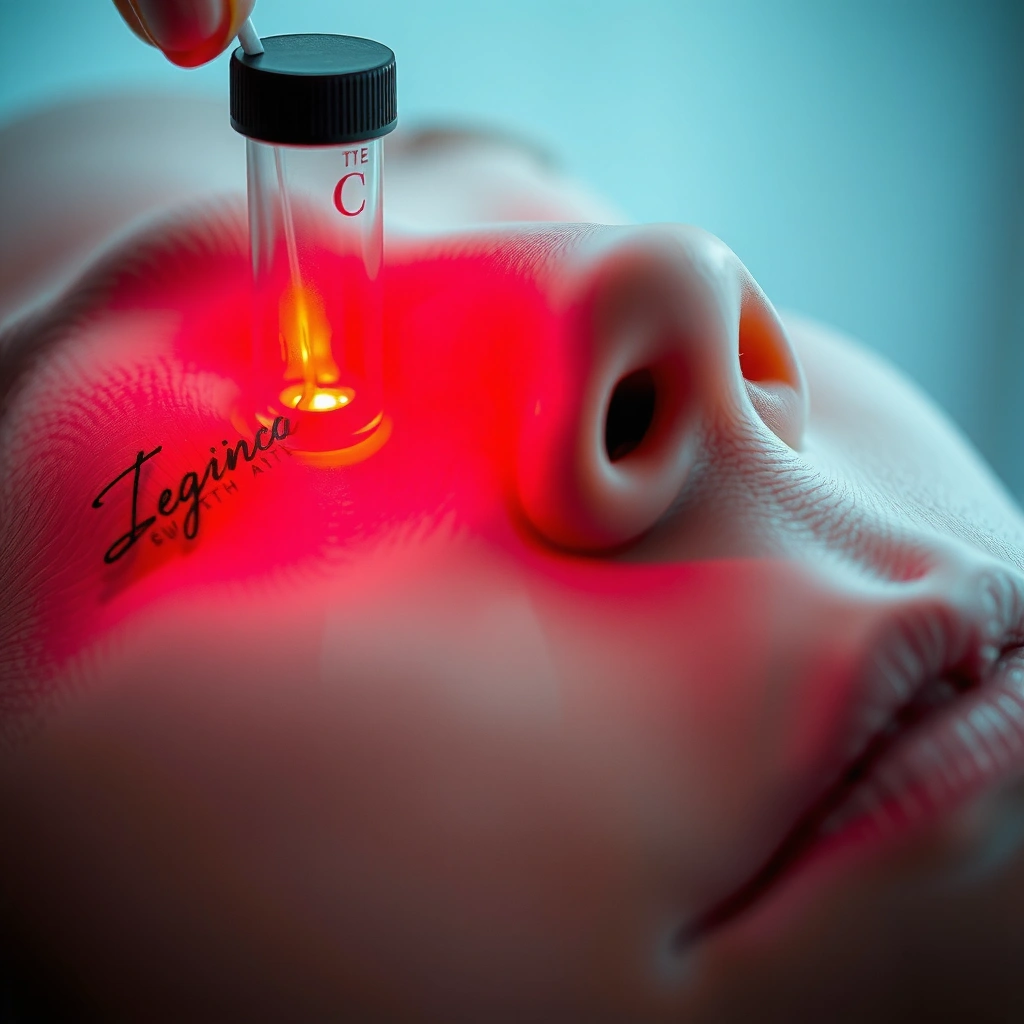
Red light therapy is most likely to be worth your time when you use a device with verifiable specs and follow a consistent, manufacturer-backed schedule. With red light therapy, “more” isn’t automatically “better,” because dose and exposure consistency are what drive any effect.
– Match the device to the goal using manufacturer documentation for wavelength (nm), irradiance (e.g., mW/cm²), and treatment area coverage.
– Use consistent timing and coverage: plan sessions based on the device’s instructions, and treat the target area (not just “nearby skin”) as instructed by the manufacturer.
– Protect your eyes: use the recommended eye protection/goggles and avoid looking directly at the light source.
– Track outcomes: take baseline photos and/or symptom notes so you can judge whether it’s actually helping after a reasonable trial period defined by the manufacturer (not a random “quick fix” timeline). [ADD: time horizon recommendation based on manufacturer guidance]
Using red light therapy safely requires eye protection guidance aligned to photobiological safety standards, not informal “it doesn’t look that bright” rules.
Because red light therapy effects are usually gradual, protocols commonly require multiple weeks of consistent use rather than a single session.
A practical setup workflow (for red light therapy)
1) Check the technical sheet for wavelength (nm) and irradiance (mW/cm²). If red light therapy specs are incomplete, you can’t confidently match a dose to what studies used.
2) Use the stated distance and coverage (panel-to-skin distance, treatment area). If your target is shoulder pain, red light therapy on adjacent skin may not deliver the dose to the intended tissue.
3) Use consistent timing. Build a routine you can repeat reliably in 2026, such as 4–5 sessions per week or daily if the manual says so.
4) Wear the eye protection specified by the manufacturer. A key reason: photobiological risk standards categorize eye hazards and require safety measures accordingly.
To ground safety, the International standard IEC 62471 classifies photobiological risk into four risk groups (RG0–RG3) (IEC 62471:2006+A1:2015). This is exactly why “no precautions needed” claims are a red flag for red light therapy devices.
Tracking outcomes without fooling yourself
For red light therapy, track before/after in a structured way:
– Take baseline photos under consistent lighting and angles.
– Record symptom intensity (e.g., discomfort score) and functional notes (what you could do before vs. after).
– Trial window: plan around the manufacturer’s stated protocol, and for skin-related goals commonly expect at least 4–8 weeks before deciding it’s not helping (if the manual suggests longer, follow it).
If you don’t see any change after the manufacturer-defined trial, stop or reassess—especially if you’re paying for ongoing sessions.
Safety notes that apply to most red light therapy setups
– Avoid looking directly at the light source during sessions.
– Stop if you develop unexpected irritation, burning, or worsening symptoms.
– Keep the device clean and maintain proper contact/distance as instructed by the manufacturer.
What can go wrong (and who should skip it)

Red light therapy can be low-risk when used correctly, but problems happen when people ignore safety, use devices with unclear specs, or apply red light therapy to situations that deserve clinician evaluation first. If you have photosensitivity, eye/skin sensitivities, or a medical condition affecting tissue healing, don’t gamble with at-home use.
– Wrong device specs: marketing can be misleading—be careful if the product doesn’t clearly list wavelength, power/irradiance, and treatment parameters. If you can’t find specs, treat it as a red flag.
– Overdoing it: more time isn’t always better. Too much exposure or using it inconsistently can waste money and increase irritation risk.
– Don’t use it without guidance if you have:
– eye conditions that make light exposure risky
– active skin disease flares or unexplained sensitivity
– photosensitive conditions or you take photosensitizing medications
– a concern area where a clinician has advised avoiding stimulation [ADD: clarify with your clinician]
If a red light therapy product cannot provide wavelength and irradiance documentation, you cannot verify safety or dosing, which increases the odds of ineffective—or irritating—use.
Overexposure or inconsistent application is a common reason people feel red light therapy “doesn’t work,” even when the device is technically capable.
Common failure modes with red light therapy
1) “Daily” without a protocol
Some red light therapy devices only say “use daily.” If you can’t find session duration, irradiance, or distance requirements, you can’t estimate dose—so outcomes become guesswork.
2) Treating the wrong area
For red light therapy, target alignment matters. If your goal is a specific tendon or joint area, a nearby but not illuminated zone may under-deliver the intended exposure.
3) Ignoring photosensitizing risk
Photosensitizing medications and some medical conditions can increase sensitivity to light. Red light therapy may not be appropriate without clinician guidance when you’re on drugs that alter photosensitivity. If you’re unsure, ask your clinician—especially about the specific medication and whether you need additional eye/skin precautions.
Quick pros/cons comparison for red light therapy
| Potential Pros | Potential Cons / Risks |
|---|---|
| May offer modest supportive improvements for certain skin goals and mild pain/recovery patterns. | Not guaranteed; results vary significantly by dose, wavelength, and the underlying condition. |
| At-home options can be convenient once you have a safe, repeatable protocol. | Inadequate specs or “marketing-only” devices can lead to wasted money or irritation. |
| When used as directed, safety precautions (especially for eyes) can be managed. | You may need clinician guidance if you’re dealing with eye/skin sensitivities or photosensitizing medications. |
“Skip it” scenarios (be strict)
In 2026, if any of the following apply, get clinician guidance before starting red light therapy:
– You have an eye condition that makes light exposure risky.
– Your skin is in an active flare (especially if the cause is unclear).
– You’re taking photosensitizing medications or have a photosensitive condition.
– You have a non-healing injury, infection concern, or a clinician has advised avoiding local stimulation.
Verdict: is red light therapy worth it?
Red light therapy can be worth it if (1) you can verify the device’s technical specifications, (2) you’ll follow the manufacturer’s recommended protocol, and (3) you’re using it for realistic goals like supportive skin or mild pain/recovery support.
It’s probably not worth it if you want guaranteed dramatic results, you can’t confirm key specs, or you’re treating something that needs medical diagnosis. Also consider skipping at-home use and asking a clinician first if you’re immunocompromised, dealing with a non-healing issue, or unsure whether your situation is appropriate for light-based treatments.
The most evidence-aligned way to approach red light therapy is to match the device’s wavelength and dose protocol to your goal and then evaluate results after the manufacturer-defined trial.
Because red light therapy evidence varies by condition, “what others achieved online” is not a reliable predictor of what your specific device and dose can do.
A regulatory reality check (why specs matter)
FDA safety requirements are part of why credible companies take documentation seriously. U.S. regulations for lasers and other photobiological products include general provisions in 21 CFR 1040.10 and specific provisions in 21 CFR 1040.11 (21 CFR 1040.10 and 21 CFR 1040.11 (eCFR), FDA). While not every at-home red light therapy device is a “laser” product, this regulatory framework reflects the broader expectation: performance and safety matter, and specs should be defined.
If a seller can’t clearly explain wavelengths, irradiance, and safety precautions, it’s hard to trust that your red light therapy dose is what they claim.
Checklist: quick way to decide
Use this scan before buying or starting:
| Quick check | What “good” looks like | Red flags |
|---|---|---|
| Specs available | Clear wavelength + irradiance + coverage area from the manufacturer | Vague ranges only, no technical documentation |
| Instructions included | Written protocol for session length/frequency | No guidance beyond “use daily” |
| Safety info | Eye protection guidance + contraindications | “No special precautions needed” |
| Your expectations | You’re using it to support skin/pain/recovery | You expect instant or medical-level outcomes |
| Suitability | You’ve considered photosensitivity/eye/skin concerns | You’re ignoring meds/conditions that increase sensitivity |
If your red light therapy device cannot show wavelength and irradiance details, you should treat it as unverified for both safety and efficacy.
A credible red light therapy approach includes a safety plan (especially eye protection) and outcome tracking beyond a “quick fix” timeline.
Sources
– [ADD: Manufacturer technical documentation for wavelength (nm), irradiance/power density, recommended exposure times, and eye-safety guidance for your specific device]
– U.S. FDA regulations for LED/laser product performance and photobiological safety standards: 21 CFR 1040.10 (General provisions for lasers and other products) and 21 CFR 1040.11 (Specific provisions) — official FDA eCFR pages.
– IEC standard for lamp/LED photobiological safety: IEC 62471:2006+A1:2015 — official standard documentation.
– Chance et al., 1975 (cytochrome c oxidase action spectrum / absorption features referenced in photobiomodulation mechanism discussions)
– [ADD: 1–3 named primary clinical studies relevant to your chosen use-case (skin, pain, wound/healing), with full citations]
Red light therapy may be worth it when you choose a device with verifiable specifications and use it consistently for realistic, supportive goals—especially for skin or mild pain/recovery support. Before you start, confirm the safety precautions (especially eye protection), check whether your health conditions/medications make light exposure a bad idea, and track results over time. If anything about your target area or symptoms suggests you need medical input, start there—then consider red light therapy only as a complementary tool.
Frequently Asked Questions
What is red light therapy and is it worth it for everyday results?
Red light therapy (often called photobiomodulation) uses specific wavelengths of red and near-infrared light to support skin health, reduce inflammation, and promote cellular energy production. Many people find it worth it for concerns like skin tone, fine lines, and recovery after workouts, especially when used consistently. However, results vary by device, treatment time, and the condition you’re targeting, so it’s not a guaranteed “one session” fix.
How many sessions of red light therapy are needed to see results?
Most users start noticing subtle changes in skin appearance or muscle recovery within 2–4 weeks of consistent red light therapy sessions. Common protocols range from 3–5 sessions per week, with total treatment times often around 10–20 minutes depending on the device and target area. For deeper concerns like joint discomfort or more pronounced skin changes, it may take 6–12 weeks, so consistency is key.
Why do some people not see results from red light therapy?
Lack of results is usually tied to using the wrong wavelength, insufficient intensity, or not giving the treatment enough time. Many consumer devices also differ widely in output, dosing, and coverage area, which can affect whether you reach the light dose your skin or tissue needs. It’s also common to set unrealistic expectations—red light therapy tends to support gradual improvement rather than immediate dramatic changes.
Which red light therapy wavelengths are most effective for skin and muscle recovery?
For skin rejuvenation and general photobiomodulation, red light around 630–660 nm is commonly used, while near-infrared ranges like 810–850 nm are frequently used to support deeper tissues and recovery. Some users choose panels or devices that combine both red and near-infrared light for a broader approach. For joint and muscle pain, near-infrared is often prioritized, but the “best” wavelength depends on your goals and the device’s delivered dose.
What is the best way to choose an at-home red light therapy device to know if it’s worth the cost?
Look for clear specifications such as wavelength ranges, irradiance/output, treatment area, and whether the brand provides dosing guidance—these factors determine whether the device can deliver effective red light therapy. Choose a reputable manufacturer with transparent testing or clinical references rather than relying only on marketing claims. If your goal is skin concerns, a panel with good coverage for your face or targeted areas is ideal; for muscle recovery, choose a device that reaches the body region you plan to treat comfortably.
📅 Last Updated: October 12, 2026 | Topic: Is Red Light Therapy Worth It? | Content verified for accuracy and freshness.



