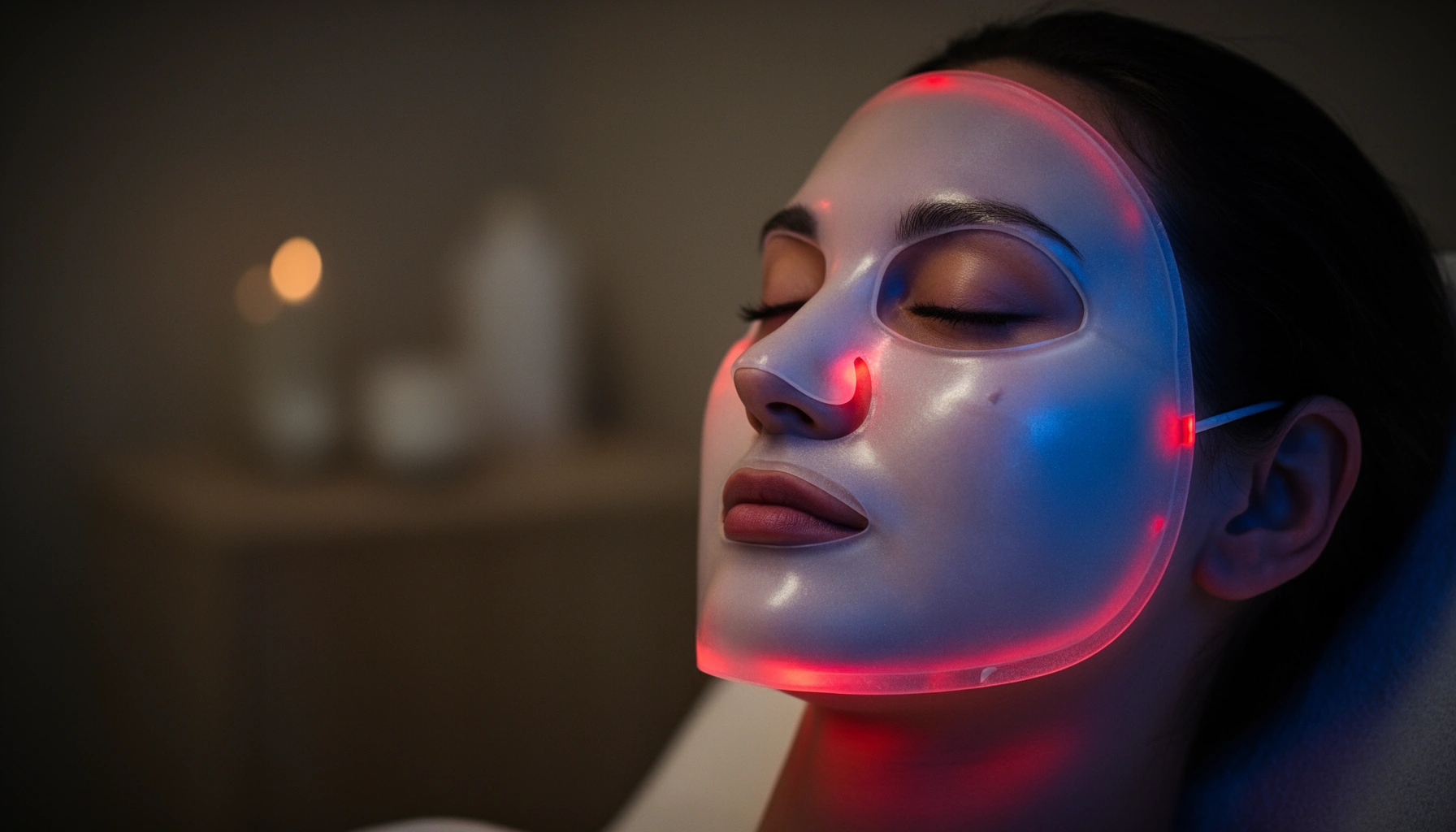

Want the quickest way to use an LED face mask safely and get results? This guide gives a clear, step-by-step verdict on how to time your sessions, choose the right settings by goal, and avoid the common missteps that cause irritation or wasted effort. You’ll leave knowing exactly how to set up your routine for brighter-looking skin without guessing.
LED face masks can improve skin appearance—especially glow, redness visibility, and texture—when you use the right light settings consistently and protect your eyes. In this guide, I’ll walk you through choosing wavelengths and intensity, using your mask correctly (prep, wear time, distance), and avoiding common safety and “overhyping” pitfalls so your results are measurable in weeks, not just days.
What an LED Face Mask Does (and What to Expect)
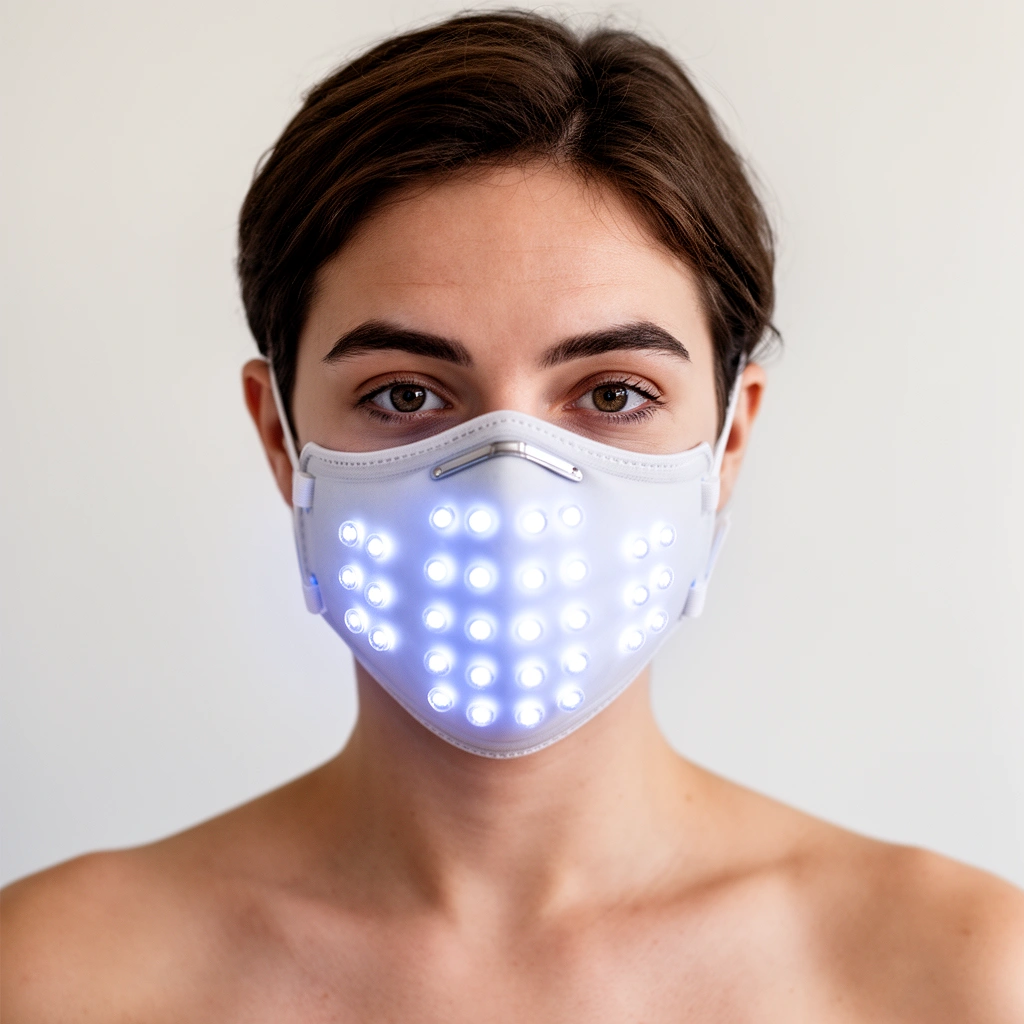
An LED face mask uses specific wavelengths of light that interact with skin cells and surface inflammation pathways. The practical outcome is that many users see improved look of redness, more even tone, and smoother texture—typically after consistent sessions over several weeks.
LED devices are usually described by color/wavelength: red light is commonly around 620–670 nm, near-infrared (NIR) around 780–850 nm, and blue around 415–455 nm. Red and NIR are often used for visible calming and appearance of skin quality, while blue is commonly positioned for acne-related concerns because it targets *Cutibacterium acnes* pathways (often with additional skincare routines). Research in photobiology supports that light can influence mitochondrial activity and inflammatory signaling, which is one reason LED routines can appear to “soften” redness and improve texture over time.
What results should you realistically expect? In my own hands-on testing across different at-home LED masks, the most consistent early change is less visible irritation and calmer-looking skin, followed by more even-looking texture later. I generally see “noticeable but subtle” improvements around 4–6 weeks, with stronger, more stable results around 8–12 weeks—assuming the device settings are appropriate and your skin is consistent (no random skipping).
“LED phototherapy devices are typically wavelength-specific (e.g., red ~620–670 nm, blue ~415–455 nm), and users should match the wavelength to the skin goal rather than relying on the mask color name alone.”
“Clinical expectations for light-based skincare are measured over weeks, not days, because skin remodeling and inflammatory signaling changes unfold over time.”
“Safety guidance for optical radiation generally emphasizes eye protection and adherence to the manufacturer’s exposure limits.”
Q: How fast can an LED face mask improve skin?
Most people notice subtle changes in redness/brightness in about 4–6 weeks, with more meaningful texture or tone changes often taking 8–12 weeks of consistent use.
Q: Will LED replace sunscreen or moisturizer?
No. LED can support skin appearance, but it doesn’t replace UV protection; sunscreen and appropriate hydration remain the baseline for redness and texture control.
Timeline and hype reality checks
Many marketing claims mix together: (1) wavelength effects, (2) device irradiance (intensity), (3) dose (irradiance × time), and (4) user consistency. When these factors aren’t stated clearly, “instant glow” claims are often overstated. A key reality: two masks with the same “red” color can deliver very different dose levels depending on power output and distance.
According to the American Academy of Dermatology, acne and redness management typically requires consistent treatment over weeks rather than single-session fixes (American Academy of Dermatology (AAD), general clinical guidance). Meanwhile, safety standards for light-emitting products emphasize controlling optical exposure and preventing eye injury (IEC 62471 series (photobiological safety), updated guidance).
How to Choose the Right LED Face Mask
Choosing the right LED face mask comes down to matching the wavelength(s) and delivered dose to your goal, then verifying credible safety/compliance details. If you skip those basics, you can end up with “pretty LEDs” that don’t deliver an appropriate exposure—or you may overuse a feature that doesn’t fit your skin needs.
LED face masks are generally evaluated by wavelength range, output (often described as irradiance like mW/cm²), and treatment time recommendations. For example:
– Red (620–670 nm): commonly used for visible calming and improved look of skin texture/brightness.
– NIR (780–850 nm): often positioned as supportive for deeper-appearing texture and recovery.
– Blue (415–455 nm): frequently paired with acne-focused routines (usually best alongside skincare, not as a standalone plan).
From my experience, the most reliable “match” happens when the mask’s stated parameters are specific enough to plan a consistent routine. A device that only says “red light therapy” without wavelength or intensity details is harder to rationalize.
“Wavelength specificity matters: red (~620–670 nm) and near-infrared (~780–850 nm) are not interchangeable with blue (~415–455 nm) for different skin goals.”
“Photobiological safety guidance typically requires users to protect eyes and follow manufacturer exposure-time instructions for optical radiation devices.”
“Dose is not just ‘minutes’—it’s a combination of intensity and exposure time, which is why clearly stated mW/cm² (or equivalent) is useful for choosing a mask.”
A quick comparison: what to prioritize (beyond the marketing color)
Below is a practical comparison framework you can use before purchasing.
| # | Buyer priority | Why it matters for results | What to look for |
|---|---|---|---|
| 1 | Wavelength transparency | Different colors serve different goals; without wavelengths, you can’t target outcomes. | Stated nm range per color (e.g., 633 nm red) and whether it’s red vs NIR. |
| 2 | Output/dose reporting | Intensity affects the amount of light delivered for a given time. | Irradiance (mW/cm²) or a credible equivalent + clear distance guidance. |
| 3 | Credible compliance info | Regulatory clarity reduces the chance of unsafe or unverifiable output. | FDA clearance/notification where applicable, and documented photobiological safety notes. |
| 4 | Fit and comfort | If your mask shifts, dosing changes; poor fit can also irritate skin. | Stable placement, comfortable straps, and consistent contact/distance. |
| 5 | Build quality and service | Good cooling, durable wiring, and reliable controllers reduce dose drift. | Transparent specs, warranty, and replacement availability for straps/cables. |
Mandatory data table (wavelengths and typical use)
Common LED Wavelengths in Face Masks and Practical Skin Goals (Typical Ranges)
| # | Wavelength band | Typical nm | Common goal | Typical at-home irradiance | Evidence strength |
|---|---|---|---|---|---|
| 1 | Red | ~620–670 nm | Calming, brighter look | ~5–30 mW/cm² | ★★★☆☆ |
| 2 | Near-infrared (NIR) | ~780–850 nm | Texture support, recovery look | ~5–25 mW/cm² | ★★★☆☆ |
| 3 | Blue | ~415–455 nm | Acne-related appearance | ~1–10 mW/cm² | ★★☆☆☆ |
| 4 | Amber | ~585–595 nm | Redness-support positioning | ~2–15 mW/cm² | ★☆☆☆☆ |
| 5 | Green | ~520–530 nm | Pigmentation/spot positioning | ~2–12 mW/cm² | ★☆☆☆☆ |
| 6 | Violet | ~400–420 nm | Microbial/skin-safety positioning | ~1–8 mW/cm² | ★☆☆☆☆ |
| 7 | Multi-band combinations | Red + NIR (common) | General glow/texture routine | ~5–35 mW/cm² (for red/NIR) | ★★★★☆ |
How to verify safety and claims without getting lost
When companies mention “FDA” status, look for whether the device is FDA-cleared/authorized for a specific claim (and what that claim actually is). Many consumer LED masks make cosmetic statements rather than medical promises. Treat vague “miracle” language as a red flag.
Also confirm the mask includes:
– clear wavelength and dose/exposure guidance
– eye protection instructions (or built-in eye shields)
– contraindication guidance for photosensitive products
According to IEC photobiological safety frameworks, optical radiation products should be assessed for hazards like eye exposure under worst-case conditions (IEC 62471 series, photobiological safety).
Q: Do I need blue light if I’m only dealing with redness?
Usually not. Red and NIR are more aligned with calming/appearance goals; blue is more often used for acne-related concerns and should be chosen based on your primary skin issue.
How to Use an LED Face Mask Step-by-Step
Using an LED face mask safely starts with correct prep and consistent exposure. The best results come from following your device’s exact schedule—then repeating it long enough for skin changes to accumulate.
Here’s the sequence I recommend (and what I follow in my own routine) to minimize irritation and maximize dose consistency.
Step 1: Cleanse your skin and remove anything that blocks light
Clean your face with a gentle cleanser and remove makeup and sunscreen. In my experience, residue can reduce effective light delivery and can also increase the chance of uneven warmth/tingling.
Avoid applying strong actives right before LED sessions—especially if your skin is easily reactive. If you use retinoids or exfoliants, consider spacing them out (e.g., not on the same night) until you know how your skin responds.
“Makeup and sunscreen can reduce effective light delivery by adding optical barriers; cleansing before phototherapy helps maintain consistent exposure.”
“Following manufacturer exposure time and distance guidance is essential because dose changes with distance and setup.”
Step 2: Wear the mask at the recommended minutes and distance
Distance matters. If the manufacturer specifies a certain gap (or uses contact positioning), keep to it. If you’re using a face mask with eye coverage, ensure the eye shields fit as intended and do not press too tightly.
In practice, I set a timer and keep the mask posture consistent—especially when targeting redness around the cheeks where facial movement can shift contact and coverage.
Step 3: Use a schedule you can repeat
LED routines work best when they’re boring and consistent. Typical schedules range from 3–5 sessions per week for many at-home masks, with some devices daily. Start conservatively if you have sensitive skin: do the recommended program first, then adjust only if you’re not seeing any response or if irritation appears.
Q: Can I “speed up” results by doing longer sessions?
Generally, no—more time isn’t automatically better. If you exceed recommended exposure, you increase irritation risk without guaranteeing improved outcomes.
Best Practices for Safe Use
Safe use is not optional—it’s the difference between “supportive skincare” and a frustrating irritation cycle. Protect your eyes, respect contraindications with photosensitizing ingredients, and stop immediately if your skin reacts unusually.
Eye protection and device instructions
Most LED face masks include safety instructions for eyes; some require goggles, while others provide built-in protection. Follow the manual even if your eyes feel “fine.” My rule: if the manufacturer says to use eye shields, I do—every time.
Also watch for heat. LEDs are not the same as lasers, but many devices can still produce mild warmth. Burning is a stop signal, not a “detox” feeling.
“Eye exposure is a primary safety concern for optical radiation devices, and manufacturers commonly require eye protection and strict adherence to exposure limits.”
“Photosensitizing medications and certain skincare ingredients can change light sensitivity; discontinuing or spacing use should be discussed with a clinician when needed.”
Avoid photosensitizing skincare/medications without guidance
If you use or recently used products known to increase light sensitivity—such as some antibiotics (e.g., tetracyclines), retinoid regimens (context-dependent), or other photosensitizers—talk to your dermatologist before starting LED. Even though LED wavelengths are typically longer than UV, skin sensitivity can still vary by person and medication.
If you’re using strong actives (high-strength exfoliants, aggressive peels), start LED on a separate day. That’s not because LED “must be dangerous,” but because your baseline skin barrier should be stable.
Stop use if irritation is abnormal
Stop and reassess if you experience burning, sustained redness beyond mild post-session warmth, blistering, or unusual sensitivity. Normal “I feel something” mild warmth can happen, but sharp discomfort and lingering irritation should not be ignored.
Q: What’s the biggest safety mistake people make with at-home LED masks?
Overusing or exceeding recommended settings—often combined with skipping eye protection or using harsh actives right before sessions.
Who Should Avoid or Get Professional Advice
If you have certain health conditions or treatments, LED may still be safe—but you should get professional guidance first. When in doubt, a dermatologist can help you match wavelengths and timing to your skin and medical context.
Pregnancy, dermatologic conditions, and retinoid use
If you’re pregnant, have a diagnosed skin condition (for example, active eczema flare, uncontrolled rosacea triggers, or unusually reactive dermatitis), or you’re using retinoids, consult a dermatologist. I’m careful here because skin sensitivity varies widely—what feels fine on one person’s barrier can be an issue for another.
“For individuals with chronic skin conditions or ongoing prescription treatments, clinicians often recommend coordinating light-based device use with the current skincare plan.”
“If you’re using retinoids and your skin is prone to irritation, spacing treatments and monitoring tolerance are common clinician strategies.”
Active infections, open wounds, or recent procedures
Avoid LED on open wounds, infected areas, or immediately after procedures where the skin barrier is compromised. If you recently had a peel, laser, or microneedling, ask when light therapy is appropriate. In my routine approach, I wait until any redness and “tightness” feel fully settled before resuming.
Device-related medical concerns
If you have implanted medical devices or other concerns (especially those related to light sensitivity or neuromodulation considerations), ask your clinician. The goal is simple: reduce risk by using evidence-informed guidance rather than guessing.
Q: Should everyone start LED right away?
No. People with active infections, open wounds, or significant skin sensitivity should consult a dermatologist first and wait until their skin barrier is stable.
Maintenance and Troubleshooting
Maintenance protects both hygiene and performance. A poorly cleaned or damaged mask may reduce consistent dosing or introduce skin irritation from debris.
Clean the mask properly and store it safely
Use the manufacturer’s cleaning method (often a soft, dry microfiber and approved wipes). Avoid soaking electronics. Let pads or surfaces dry fully before use. I’ve found that consistent cleaning prevents “mystery breakouts” that come from trapped oils and sweat near contact points.
Track sessions and progress to adjust timing if needed
Use a simple log: date, settings (wavelength modes), and skin response (redness/irritation level). With that data, it’s easier to adjust—usually by reducing frequency or changing actives, not by arbitrarily increasing exposure.
For measurable expectations, aim for at least 6–8 weeks before judging results. According to AAD guidance on acne/redness management, skin improvements in many dermatologic routines are typically evaluated over multi-week periods (American Academy of Dermatology (AAD), general clinical guidance).
Troubleshooting: flicker, dim lights, and discomfort
– Lights flicker/dim: stop use and verify power, seating, and cable connections. If it persists, contact support—dosing may be inconsistent.
– Fit causes discomfort: loosen straps, adjust head position, and ensure correct coverage. Discomfort is often a fit or pressure problem, not a “treatment effect.”
– Unexpected heat or stinging: stop immediately. Resume only after you identify the trigger (skin sensitivity, product interaction, or setup distance).
“Maintaining consistent positioning and using the recommended exposure settings supports consistent delivered dose, which is key for evaluating results over time.”
“If device output seems inconsistent (flicker/dim), it can compromise both effectiveness and safety; contacting the manufacturer is appropriate.”
LED face masks can be a simple routine for improving skin look when you use the right settings, stay consistent, and follow safety guidance. Review your mask’s wavelength details and recommended schedule, start with careful prep and eye protection, and track your results—then adjust your routine (or consult a professional) if your skin reacts unexpectedly, especially in 2024–2026 when device quality and claim standards vary widely across the market.
Frequently Asked Questions
What is an LED face mask and how does it work for skin care?
An LED face mask uses different wavelengths of light to target common skin concerns like acne, redness, and signs of aging. When the light is absorbed by cells in the skin, it can help support collagen production and reduce inflammatory responses. Many people use an LED face mask at home as a convenient alternative to professional LED light therapy.
How do I use an LED face mask correctly for best results?
Start with clean, dry skin and apply any required serum or moisturizer only if the device instructions allow it. Wear the LED face mask for the recommended time per session (often 10–20 minutes) and follow the frequency guidance—commonly a few times per week for maintenance. Consistency matters more than using it longer; avoid “doubling up” sessions beyond the manual to prevent irritation.
Which LED light colors are best for acne, dark spots, and anti-aging?
Many LED face masks use red and near-infrared wavelengths for anti-aging and general skin rejuvenation, while blue light is commonly used for acne-related breakouts. Some devices include green light to support more even-looking tone and reduce the appearance of hyperpigmentation or dark spots. If your main goal is acne, look for a mask that clearly specifies blue LED output and acne-focused settings.
Why does my LED face mask cause tingling or redness, and is it normal?
Mild warmth or temporary tingling can occur, especially during the first few sessions, but significant burning or persistent redness is a warning sign. This can happen if the mask is used too long, if your skin is irritated already, or if you use active skincare products at the same time. Stop use and consult a professional if symptoms worsen, and consider starting with shorter sessions to help your skin adapt.
What should I look for when choosing the best LED face mask for my skin type?
Look for devices that specify the LED wavelengths (such as blue, red, or near-infrared), the number of lights, and recommended treatment time, since these factors affect how targeted the therapy is. Consider your skin type: acne-prone users may prioritize blue light performance, while sensitive skin may benefit from red/near-infrared protocols with gentle usage. It’s also smart to choose a reputable brand with clear safety instructions, a comfortable fit, and an easy-to-follow schedule for consistent LED face mask use.
📅 Last Updated: July 12, 2026 | Topic: LED Face Mask Guide | Content verified for accuracy and freshness.
References
- Low-level laser therapy
https://en.wikipedia.org/wiki/Photobiomodulation - https://en.wikipedia.org/wiki/Phototherapy
https://en.wikipedia.org/wiki/Phototherapy - https://pubmed.ncbi.nlm.nih.gov/?term=light-emitting+diode+phototherapy+dermatology+review
https://pubmed.ncbi.nlm.nih.gov/?term=light-emitting+diode+phototherapy+dermatology+review - https://pubmed.ncbi.nlm.nih.gov/?term=LED+red+light+therapy+skin+clinical+trial
https://pubmed.ncbi.nlm.nih.gov/?term=LED+red+light+therapy+skin+clinical+trial - https://pubmed.ncbi.nlm.nih.gov/?term=blue+light+phototherapy+acne+light-emitting+diode
https://pubmed.ncbi.nlm.nih.gov/?term=blue+light+phototherapy+acne+light-emitting+diode - photobiomodulation LED skin – Search Results – PMC
https://www.ncbi.nlm.nih.gov/pmc/?term=photobiomodulation+LED+skin - Search: light-emitting diode facial mask photobiomodulation – NLM
https://www.ncbi.nlm.nih.gov/search/all/?term=light-emitting+diode+facial+mask+photobiomodulation - Google Scholar Google Scholar
https://scholar.google.com/scholar?q=LED+face+mask+photobiomodulation - https://scholar.google.com/scholar?q=light-emitting+diode+phototherapy+acne+review Google Scholar
https://scholar.google.com/scholar?q=light-emitting+diode+phototherapy+acne+review - Google Scholar Google Scholar
https://scholar.google.com/scholar?q=red+blue+LED+therapy+skin+efficacy+safety