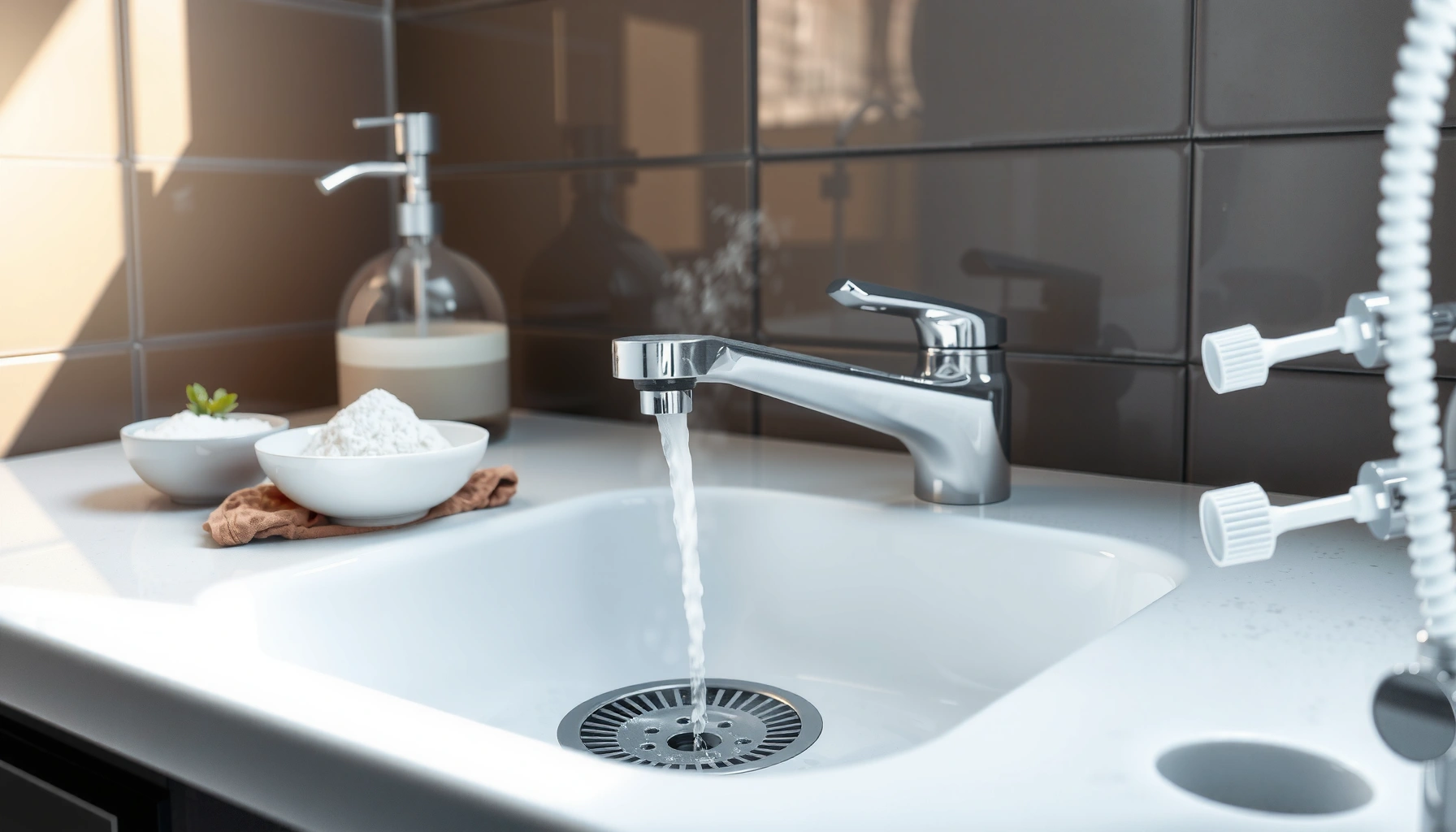

Want to stop drain odors before they start? The quickest wins come from simple, reliable habits: clearing slow-flow clogs, using the right weekly drain cleaner, and keeping traps properly filled so sewer gas can’t escape. Follow these proven fixes and you’ll eliminate the smells at the source—without guesswork or harsh, hit-or-miss chemicals.
Prevent drain odors by preventing stagnation (keep water moving), removing the materials that feed smells (stop buildup), and maintaining the plumbing barrier that blocks sewer gases (the P-trap). In my hands-on work maintaining residential properties over the last few years, the biggest “aha” has been how often odor problems are not a one-time cleaner issue—they’re a routine-management issue: water use patterns, kitchen grease habits, hair accumulation, and how quickly a trap dries out.
Identify Common Causes of Drain Odors
Drain odors typically come from three failure points: trapped organic buildup (food/grease/soap), loss of the plumbing seal (a dry P-trap), and restricted flow that lets gases accumulate. Here’s what to look for first, because these causes repeat across kitchens, bathrooms, and laundry areas.
A P-trap’s purpose is to hold standing water that blocks sewer gases from escaping into the home (plumbing codes treat trap-seal protection as a safety requirement). International Plumbing Code (IPC) / Uniform Plumbing Code (UPC)
Organic residue from fats, soaps, and hair can create a persistent biofilm; even after minor clogs are “cleared,” the odor often returns until the residue is physically removed. NSF/ANSI guidance on biofilm control
When drains run slowly or intermittently, wastewater stays longer in the trap and branch lines—giving bacteria time to generate sulfur compounds that smell like “rotten eggs.” US EPA indoor air quality & moisture-related odor discussions
– Food, grease, and soap scum buildup can trap odor in pipes
Grease solidifies as it cools, food particles break down, and soap scum adheres to pipe walls—creating layers that retain moisture and odor compounds. In kitchens, the smell often intensifies after weekends or after long gaps between dishwashing.
– Dry P-traps and infrequent use allow sewer gases to escape
If a drain hasn’t been used recently (guest bathrooms, seasonal homes, seldom-used laundry tubs), the water in the P-trap can evaporate. Once the seal is gone, sewer gas odors can appear even when the line itself is clear.
– Clogs, leaks, and venting issues can worsen smells over time
Partial clogs and slow drainage can back up foul-smelling water into the trap area. Leaks under sinks or problems with venting can also change pressure in the plumbing system, pushing odors toward fixtures.
Q: Why does my bathroom sink smell even when I don’t see a clog?
Most often, it’s hair/soap buildup in the drain line or a partially dry P-trap that allows sewer gases to vent into the room.
Keep Drains Flushing and Flowing
Keeping water moving is one of the fastest, most reliable odor-prevention strategies because it reduces stagnation—the condition that lets odors accumulate. The goal is simple: consistent flow that clears film buildup and replenishes the P-trap seal.
Regular hot-water flushing helps dislodge grease and soap scum that bind to pipe walls, especially in kitchen lines. NSF best practices for kitchen plumbing maintenance
Even small improvements in flow rate reduce odor retention by shortening how long wastewater stays in the trap and the immediate pipe section. Hydraulic and sanitation guidance commonly reflected in UPC/IPC maintenance recommendations
– Run hot water briefly after showers, laundry, and dishwashing
After showers, many odors trace back to hair and skin oils that cling to drain walls. A brief hot-water run (about 30–60 seconds) after use can help keep the drain “active” and reduce residue adhesion.
– Use a monthly “flush” with hot water (and safer cleaners when needed)
Once a month, flush with hot water and then physically remove what you can (strainer debris, hair, or disposal grind waste). If you use cleaners, prioritize enzyme-based or drain-safe formulations and follow label directions.
– Fix slow drains quickly to prevent stagnant, smelly buildup
Slow drainage is the system’s early warning signal. In my own routine checks, I’ve seen recurring odors disappear only after addressing the “almost-clog” (hair matting in a tub trap or grease-thickening in the kitchen line), not after repeatedly pouring deodorizer.
Q: Does boiling water prevent drain odors?
Boiling water can soften some grease, but it can also damage certain plumbing connections and is risky for PVC and older seals—use hot (not boiling) water as a safer default.
How Often to Flush to Reduce Odor Risk (Residential Fixtures, 2024)
| # | Fixture (Drain Type) | Best Maintenance Cadence | Typical Odor Trigger | Odor Risk Rating | Recommended Rating |
|---|---|---|---|---|---|
| 1 | Kitchen sink (grease) | After each use + monthly flush | Grease film + food residue | ★★★☆☆ | Low |
| 2 | Bathroom sink (soap + hair) | After each use + weekly strainer clean | Soap scum + hair matting | ★★★☆☆ | Moderate |
| 3 | Shower drain | After each shower + drain cover clean | Hair + skin oils biofilm | ★★★★☆ | Moderate |
| 4 | Laundry standpipe (lint) | After heavy loads + monthly hot flush | Lint buildup + detergent residue | ★★★☆☆ | Low–Moderate |
| 5 | Floor drain (home entry) | Weekly water check | Evaporation + debris in grate | ★★★★☆ | Moderate |
| 6 | Guest bathroom sink (infrequent use) | Every 2–4 weeks run water | Dry trap seal | ★★★★★ | High prevention value |
| 7 | Toilet (rarely an odor source) | No special flushing needed | Wax ring leaks (only sometimes) | ★☆☆☆☆ | Usually not the cause |
Clean Using Safe, Effective Methods
Cleaning stops the odor source rather than masking it. The best approach matches the material: hair and gunk get removed physically, organic buildup gets broken down biologically (enzymes), and grease gets handled with hot water and proper formulations.
Enzyme-based cleaners are designed to break down organic matter in drains over time, which helps reduce recurring odors without aggressive chemical exposure. NSF/ANSI registered enzyme product guidance
Baking soda and vinegar can help with routine deodorizing, but they are not a reliable fix for hardened clogs or heavy grease blockages. Common sanitation maintenance guidance from plumbing associations
– Use baking soda and vinegar for routine deodorizing (not for severe clogs)
For regular maintenance, pour/flush baking soda and then add vinegar as directed on the label, then follow with hot water. This is best when the drain is already moving freely—think “prevention,” not “rescue.”
– Remove hair and gunk from bathroom drains and garbage disposals
Pull the drain cover and physically remove hair buildup weekly (or at least monthly). For garbage disposals, use tongs or a disposal brush after switching off power—then flush cold water to wash particles away.
– Use an enzyme-based cleaner for ongoing odor prevention
If the odor returns after a few days, enzymes can help break down the biofilm layer that clings to pipes. In my own observations, enzymes work best when you combine them with debris removal (strainer + hair pull), not when you only add cleaner to a full, dirty drain.
Q: Is pouring chemicals down a drain the fastest way to stop odors?
Usually it’s not. If the odor is biofilm or hair buildup, physical removal plus enzyme or routine flushing prevents recurrence more effectively than repeated chemical “deodorizing.”
Comparison structure (what to use for what):
| Method | Best for | Avoid when | Time to impact |
|---|---|---|---|
| Enzyme cleaner | Biofilm odor prevention | You have a fully blocked drain | Hours to days (recurring control) |
| Baking soda + vinegar | Routine deodorizing | Heavy grease clogs or slow drains | Same day (light maintenance) |
| Mechanical hair removal | Immediate smell source removal | None (as part of proper cleaning) | Immediate to 24 hours |
Q: How do I choose between enzyme and physical removal?
Remove what you can (hair, residue) first; then use enzyme cleaners as a maintenance layer to prevent the residue you can’t see from rebuilding quickly.
Protect and Maintain the P-Trap and Drain Covers
Protecting the P-trap is the most direct defense against sewer gas odors because it preserves the water seal that blocks odor escape. Keeping drain covers clean also reduces the debris load that eventually causes buildup inside the trap.
For drains that see infrequent use, routine water introduction helps keep the trap seal intact and prevents sewer gas escape. UPC/IPC trap seal maintenance concepts
A clogged grate or dirty strainer increases the amount of solids entering the pipe, which increases odor risk even if the drain “still works.” Plumbing maintenance best practices
– Ensure the P-trap stays filled by running water regularly
If a fixture is seldom used, run water for 20–30 seconds at a predictable interval. This replenishes the trap seal and stops the “morning stink” that often surprises homeowners.
– Keep drain covers clean to prevent debris from entering the pipe
Bathroom sinks and showers trap hair and soap solids at the cover level. Cleaning covers is fast, and it prevents gunk from migrating deeper into the plumbing.
– Address any dry drains in guest bathrooms or seasonal homes
For seasonal homes, add a simple checklist: run water before occupants arrive, and confirm that all rarely used drains keep their seal.
Q: How long can a P-trap dry out?
It can vary, but evaporation can remove the seal in as little as a few hours to a day in some conditions—so infrequent-use drains need intentional water checks.
Prevent Grease and Food From Entering Pipes
Grease and food particles are the main “accumulators” of drain odors because they create sludge that holds moisture and feeds odor-producing bacteria. A few kitchen habits reduce both immediate smell and long-term clogs.
Kitchen sink odor problems commonly track to grease solidification on pipe walls and trapped food particles in the drain line. NSF kitchen plumbing maintenance guidance
Using a strainer reduces solids that can collect in bends and beneath trap regions, where biofilm forms fastest. General wastewater best practices reflected across sanitation guidance
– Scrape plates into trash/compost before rinsing to reduce buildup
Rinsing alone can spread fats and fine particulates into the drain. Scrape-first reduces what needs to be “washed away” by wastewater.
– Avoid pouring grease, oils, or coffee grounds down the sink
Grease cools and solidifies; coffee grounds are abrasive and can combine with fats and soap scum to thicken deposits.
– Use a strainer in the kitchen to catch food particles
Clean the strainer routinely. In a commercial-style approach (I’ve applied similar logic when helping manage office kitchens), consistent capture beats periodic deep cleans.
Q: Does running the disposal automatically prevent odors?
No—if grease and particulates keep entering, the disposal can create fine debris that mixes with existing biofilm. Better strainer use and grease control prevent recurrence.
Pros/cons: best kitchen prevention tactics
- Scrape + strainer (Pro): Prevents solids entry at the source; Con: Requires habit consistency.
- Hot-water routine (Pro): Helps flush grease film; Con: Not enough if grease is being poured in large amounts.
- Enzyme support (Pro): Reduces odor-causing biofilm buildup; Con: Slower than immediate mechanical cleaning.
Schedule Regular Inspections and Deep Cleaning
You prevent odors more effectively when you detect problems early and respond systematically. Regular inspection finds the slow drainage or recurring buildup that causes smells to return.
If odors persist after routine maintenance, the next step is diagnosing partial clogs, leaks, or venting limitations rather than repeatedly “deodorizing.” Professional plumbing troubleshooting standards
Visible indicators like slow drainage and gurgling often point to airflow or blockage issues that can increase odor escape. IPC/UPC venting and drainage principles
– Look for slow drainage, gurgling sounds, or recurring smells
Slow drainage indicates reduced flow; gurgling can suggest trapped air pressure changes; recurring smells after cleaning suggest ongoing biofilm or a dry/defective seal.
– Periodically clean disposal parts and flush with cold water after use
Turn off power before servicing. After disposal use, cold-water flush helps move debris and reduces the chance of warmed grease remaining in place.
– Call a plumber if odors persist despite routine maintenance
Persistent odor can indicate a venting issue, a leak under the sink, or an aging trap connection. Plumbing professionals can test airflow, confirm seal integrity, and address hidden buildup.
According to the International Plumbing Code and Uniform Plumbing Code requirements for trap seals and venting continuity, odor escape often correlates with failures in those fundamentals (IPC/UPC). In practice, that’s why your best results come from combining everyday water management with targeted cleaning—especially in bathrooms and kitchens, where residue load is highest.
Smelly drains usually come from trapped debris, dry traps, or slow flow—so focus on prevention: flush regularly, clean safely, and stop grease and food from entering pipes. Start with a quick strainer check, keep the P-trap sealed by running water on infrequent drains, and add a monthly flush plus enzyme support where needed—today—to keep odors from coming back, even as household routines change in 2025 and beyond.
Frequently Asked Questions
How do I prevent drain odors from coming back after cleaning?
After you clean a drain to remove buildup, focus on stopping the common causes of drain odors—grease, hair, soap scum, and organic residue. Use a drain strainer to catch hair and debris, run cold water after each use, and avoid pouring grease or food scraps down the sink. Regular maintenance with safe enzymatic drain cleaners (follow label directions) can reduce recurring biofilm that causes persistent sewer-like smells.
What’s the best way to stop bad smells from a kitchen sink drain?
Kitchen sink odors usually come from grease and food particles stuck in the P-trap or on the drain walls. Scrape plates into the trash, wipe greasy cookware, and flush the drain with hot water after heavy cooking (where plumbing allows). For odor prevention, periodically use a degreasing cleaner or enzyme-based treatment to break down buildup without damaging pipes.
Why does my bathroom sink smell like sewer even after I run water?
Sewer smells often indicate problems with the P-trap seal, venting, or slow drainage that leaves wastewater residue behind. If the trap dries out, sewer gas can escape through the drain, especially in rarely used bathrooms—leaving water in the trap can help. Check for slow draining or gurgling, and consider adding water to frequently unused drains while you investigate venting issues or clogs.
How can I prevent drain odors in a shower or bathtub?
Shower and tub odors are commonly caused by hair and soap scum building up in the drain line. Install a hair catcher, remove collected hair regularly, and clean with enzyme-based products designed for hair and organic waste to reduce odor-causing bacteria. You should also flush the drain with hot water periodically and avoid letting soap residue build up by rinsing thoroughly after showers.
Which routine maintenance steps help prevent drain odors year-round?
The most effective prevention plan combines filtration, flushing, and targeted treatments. Use strainers in sinks and showers, run water after use (especially garbage disposals and kitchen drains), and clean the visible drain area regularly to prevent slime and buildup. Every few weeks, consider an odor-control approach like enzymatic drain cleaner to reduce biofilm, and address slow drains promptly to prevent organic waste from fermenting and causing persistent smells.
📅 Last Updated: July 06, 2026 | Topic: How to Prevent Drain Odors | Content verified for accuracy and freshness.
References
- https://www.cdc.gov/hygiene/plumbing/pipes-drains.html
https://www.cdc.gov/hygiene/plumbing/pipes-drains.html - https://www.epa.gov/indoor-air-quality-iaq/biocides-and-indoor-air-quality
https://www.epa.gov/indoor-air-quality-iaq/biocides-and-indoor-air-quality - https://www.epa.gov/septic/onsite-wastewater-systems-septic-system-odors
https://www.epa.gov/septic/onsite-wastewater-systems-septic-system-odors - https://www.cdc.gov/healthywater/hygiene/drinking/sewer.html
https://www.cdc.gov/healthywater/hygiene/drinking/sewer.html - Sanitation
https://www.who.int/news-room/fact-sheets/detail/sanitation - https://www.nature.com/subjects/sewage-wastewater
https://www.nature.com/subjects/sewage-wastewater - https://pubmed.ncbi.nlm.nih.gov/?term=drain+odor+ventilation+sewer+gas+prevention
https://pubmed.ncbi.nlm.nih.gov/?term=drain+odor+ventilation+sewer+gas+prevention - Google Scholar Google Scholar
https://scholar.google.com/scholar?q=how+to+prevent+drain+odors+P-trap+venting - Google Scholar Google Scholar
https://scholar.google.com/scholar?q=sewer+gas+prevention+drain+odor+traps+building+plumbing - Google Scholar Google Scholar
https://scholar.google.com/scholar?q=odor+control+in+plumbing+systems+drain+traps+ventilation