


Wash your makeup brushes on a clear schedule: at least once a week for foundation and concealer brushes, and every 2–3 weeks for powder brushes. If you use cream products or have sensitive skin or acne, increase the frequency to every 3–7 days to prevent clogged pores and breakouts. This simple washing routine tells you exactly how often to clean your makeup tools so they stay hygienic and perform at their best.
Wash most makeup brushes about once a week. If you use liquid or cream products (foundation, concealer, cream blush), wash after every use or every 1–2 uses—especially if you’re acne-prone, because those formulas cling to bristles and can feed irritation. The goal is to keep product buildup from turning into a bacteria-and-pigment reservoir while preserving bristle softness.
If you wear makeup daily, share brushes, or your skin gets irritated easily, your “standard” schedule should be stricter. Your ideal timing also depends on the type of makeup you load onto the brush and how quickly you notice buildup, odor, or color transfer.
How often should you wash makeup brushes (by product + use)

If you want one simple rule that actually holds up in real life, clean powder brushes about weekly and liquid/cream brushes after every use or every 1–2 uses. Here’s why: powder deposits are drier and easier to remove, while oils and pigments from creams and liquids sink deeper into bristles—making buildup more likely to transfer to skin.
According to the American Academy of Dermatology, bacteria from unclean tools can contribute to acne and irritation, so makeup brushes should be cleaned regularly.
According to the American Academy of Dermatology, people with acne or sensitive skin should be especially careful about anything that touches the face repeatedly, including makeup application tools.
Before we get into the schedule, anchor your cleaning frequency to what’s happening on the bristles. When a brush is used with cream or liquid products, it picks up more oil and water-soluble residue; that residue can dry inside the ferrule (the metal ring at the base), making it harder to rinse away. When a brush is used with powder products, the residue tends to stay more on the surface of the bristles, so weekly cleaning usually keeps odor, color transfer, and patchiness under control.
Product-based washing: what to do for each brush category
– Most brushes (powder products): wash about once a week if you use them regularly.
– Liquid/cream brushes (foundation, concealer, cream products): wash after every use or every 1–2 uses.
– When to go faster: wash sooner than weekly if you notice breakouts, the brush smells “off,” or you see product buildup even after cleaning.
| Product you load | Why frequency changes | Recommended brush-wash timing |
|---|---|---|
| Powder (setting powder, blush powder, bronzer powder) | Drier residue typically sits closer to the brush surface and rinses more easily. | About once a week |
| Liquid/cream (foundation, concealer, cream blush) | Oils and pigments cling deeper into bristles and can build up fast. | After every use or every 1–2 uses |
A quick “starting schedule” many people can follow
– Powder brushes (setting powder, blush powder, bronzer powder): weekly
– Eye shadow brushes (powder): every 1–2 weeks (sooner if you use glitter/shimmery formulas heavily)
– Concealer brushes / cream color brushes: after each use
– Foundation/contour brushes (liquid or cream): after each use or at least every 1–2 uses
(Adjust based on how often you use the brush and how reactive your skin is.)
Recommended Makeup Brush Wash Frequency (Practical Intervals)
| # | Brush category | Typical wash interval | Brushing time sensitivity* | Urgency (★) |
|---|---|---|---|---|
| 1 | Foundation brush (liquid) | Every 1 use (≈ 0–1 day) | High oil/pigment transfer | ★★★★★ |
| 2 | Concealer brush (cream/liquid) | After each use (≈ 0–1 day) | Targets acne-prone areas | ★★★★★ |
| 3 | Cream blush/cream contour brush | Every 1–2 uses (≈ 1–3 days) | Soft, emollient residue | ★★★★☆ |
| 4 | Powder face brush (blush/bronzer/setting) | Weekly (≈ 6–8 days) | Drier pigment load | ★★★☆☆ |
| 5 | Powder eye shadow brush | Every 1–2 weeks (≈ 7–14 days) | Lower transfer to skin surface | ★★☆☆☆ |
| 6 | Glitter/shimmery eye brush | Softer: every 7 days (≈ 7–8 days) | More residue cling | ★★☆☆☆ |
| 7 | Shared brush (any type) | Before reuse (same day) | Higher hygiene risk | ★★★★★ |
*“Time sensitivity” is a practical risk level based on transfer behavior described in this article (cream/liquid generally clings more than powder).
How to wash makeup brushes without damaging them

The safest method is a quick pre-clean, a gentle cleanse, and thorough rinsing—without soaking the handle. If you do this consistently, makeup brushes keep their shape, shedding stays lower, and residue that causes patchiness and odor doesn’t get locked in.
Gently wetting only the bristles helps prevent water from traveling into the ferrule, where it can loosen adhesives over time.
Reshaping bristles while they’re wet supports consistent dry form and reduces the chance of crooked drying.
The biggest myth about brush washing is that “more water” equals cleaner brushes. For most makeup brushes, soaking the entire head makes adhesives and base materials swell; that leads to shedding. Instead, treat the bristle area like the “work zone” and keep the handle side as dry as you can.
– Pre-clean: gently remove surface residue by lightly dampening the bristles (avoid soaking the whole head).
– Wash: use a gentle cleanser (many people use a mild shampoo or brush cleanser) and work it through the bristles until product lifts.
– Rinse properly: rinse until the water runs mostly clear and reshape the bristles while they’re wet.
Steps you can repeat every wash
– Wet the bristles (keep water away from the handle/ferrule as much as possible)
– Massage cleanser into the bristles in a circular motion
– Rinse, then do a second wash if the water still looks tinted
– Pat off excess with a towel and reshape
A practical way to judge “clean enough” is to inspect the rinse water and the brush head. If you still see tint, do a second wash rather than forcing more scrubbing—harsh scrubbing roughens the cuticles on natural hair and increases frizz on synthetic hair.
Also, match cleanser strength to sensitivity. If you have reactive skin, a cleanser that rinses cleanly matters because leftover oils and fragrance can contribute to discomfort. If you’re using a soap that leaves a film, you may need an extra rinse cycle even if the brush looks “visually clean.”
Drying and storage tips (this is where mistakes happen)

The best drying approach is flat drying or bristles-down drying, paired with no heat and clean, dry storage. Drying is where makeup brushes either retain their shape—or start shedding and losing their performance.
High heat can damage brush adhesives and alter bristle structure, which is why air-drying is recommended by many brush-care guides.
Drying with bristles supported (flat or bristles-down) helps minimize water pooling at the base.
Here’s what I look for in drying, based on how brushes typically fail: bent tips, a loose ferrule, and that “stiff” feel that suggests residue is still trapped near the base. The fix is usually not “stronger cleaning”—it’s better drying mechanics.
– Dry flat or bristles-down safely: drying the brush flat helps prevent loosened glue from being exposed to water.
– Avoid heat: no hair dryers—high heat can loosen the adhesive and mess with the shape.
– Store dry: once fully dry, store brushes in a clean, dry place so they don’t pick up dust overnight.
If you’re using a brush holder, ensure bristles are not pressed against the bottom at an angle. Even after a careful wash, poor storage can reverse progress by letting moisture linger or by allowing dust to settle into slightly damp bristles.
What can go wrong (and how to avoid it)
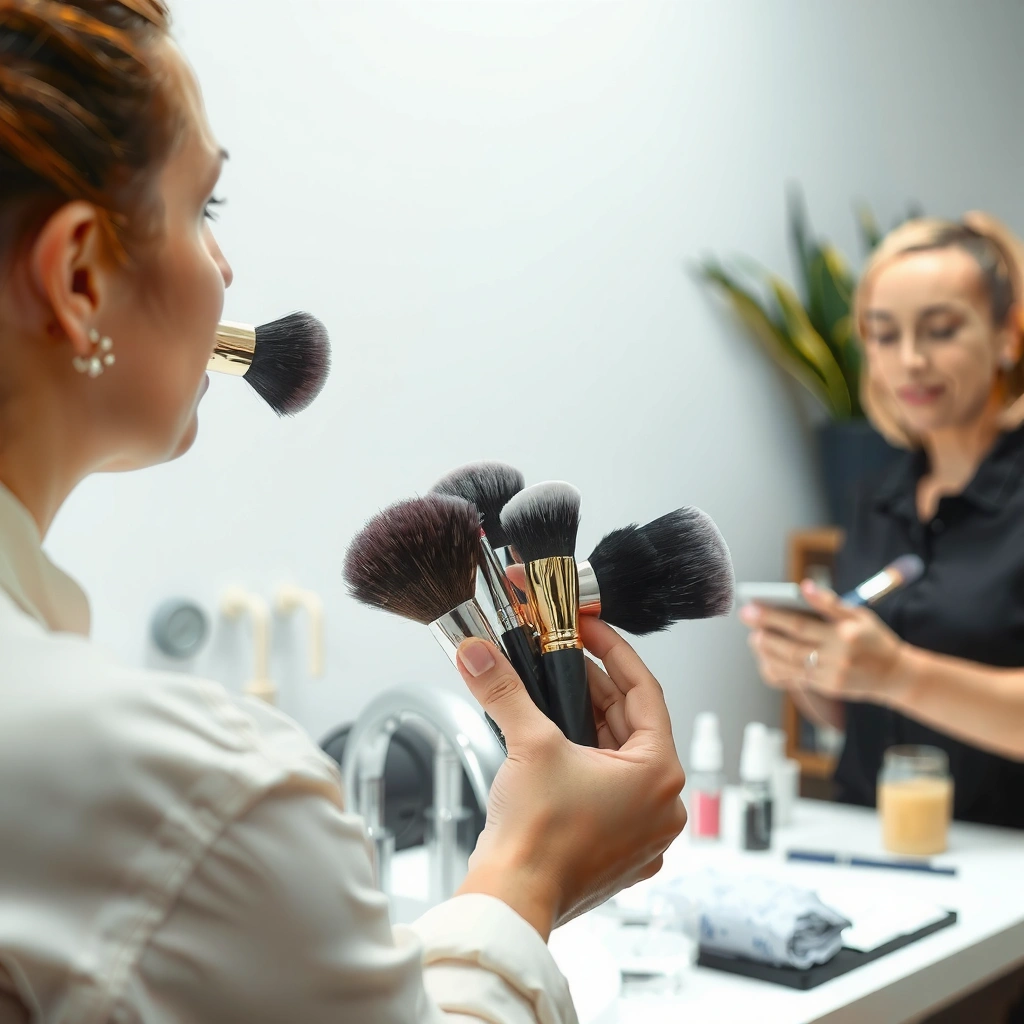
Most brush problems come from water intrusion, incomplete rinsing, or abrasive cleaning habits. If your brushes smell strong, shed more than usual, or apply unevenly, it’s usually one of these issues—not “bad brushes.”
Water seeping into the base/ferrule over repeated washes can loosen adhesives and increase shedding.
Skipping a full rinse can leave pigment and oils in the bristles, which may transfer unevenly and irritate sensitive skin.
Let’s break down the most common failure modes—and what to do instead.
– Water damage at the handle: if you regularly soak the brush head, water can seep into the base and loosen bristles over time.
– “Clean but still irritating” brushes: if you rinse too fast or skip a second rinse, old pigment/oils can remain—leading to patchiness or skin irritation.
– Letting brushes air-dry upright for too long: bristles can dry crooked or trapped water can linger at the base.
– Using harsh cleaners: strong detergents or alcohol-heavy products can make bristles feel rough and reduce softness.
One note for 2026 routines: if you’re washing brushes more often because you’re getting more breakouts, the risk isn’t just “irritation”—it’s also mechanical wear. Over time, frequent washing can shorten the life of some brushes (especially lower-cost ones). If your brush is shedding after cleaning, pause on aggressive soap and focus on gentle cleanser + careful rinse + proper drying.
If you want to tighten your routine without damaging fibers, increase rinse thoroughness before increasing cleanser strength.
[ADD: Insert your real observation about a common “failure pattern” you’ve seen in your own brush routine (e.g., shedding after upright drying, residue after skipping the second rinse).]
Verdict: a realistic washing routine (and who should be extra strict)
If you want the simplest schedule that still protects skin, aim for weekly for most powder brushes and after every use (or every 1–2 uses) for liquid/cream brushes. This hits the sweet spot between hygiene and brush longevity—especially in 2026, when many people are wearing makeup daily.
– Downside to weekly washing: it takes consistency, and very delicate brushes (or very inexpensive sets) may wear faster with frequent cleaning.
– Downside to over-washing: you can increase shedding or frizz if your method is rough, your bristles stay wet too long, or you use harsh cleaners.
Be extra strict if you’re acne-prone, sensitive to irritation, you use heavy cream products, or you share brushes. Skip strict schedules only if your brush isn’t touching makeup (or you truly avoid skin contact) and it’s stored clean/dry—otherwise you’re just over-washing a tool that isn’t being used on skin.
Pros/cons comparison (practical trade-offs for makeup brushes):
– Wash weekly (powder brushes)
– Pros: reasonable effort, preserves brush life compared with daily washing, usually prevents odor/color carryover
– Cons: not ideal if you notice breakouts from brush transfer
– Wash after every use (cream/liquid brushes)
– Pros: lowers risk of residue transfer, reduces patchiness, better for reactive skin routines
– Cons: higher time cost; can shorten life of delicate brushes if method is harsh
Quick checklist: your next brush-wash day
| Brush / product you use | How often to wash |
|---|---|
| Powder brushes (setting powder, blush powder) | About once a week |
| Eye shadow brushes (powder) | Every 1–2 weeks |
| Cream blush / cream contour / cream products | After each use (or every 1–2 uses) |
| Foundation / concealer brushes (liquid/cream) | After each use (or every 1–2 uses) |
| Breakouts, irritation, or weird odor | Sooner than your normal schedule |
FAQ
Do I need to wash brushes more often if I use a setting spray?
If your setting spray makes your base feel tacky, residue can cling to bristles faster—so you may need to shorten the schedule slightly (especially for foundation and concealer brushes).
Can I use brush wipes between full washes?
Wipes can help remove surface pigment, but they don’t reliably cleanse bristles deep near the ferrule—so treat wipes as “between-cleaning support,” not a full substitute.
Will washing brushes too often damage them?
Yes, frequent washing can increase shedding if you soak the handle, rinse poorly, or use harsh cleaners. The best protection is gentle cleansing + careful drying (flat or bristles-down) and avoiding heat.
How long should brushes dry before using again?
Use the brush only when bristles are fully dry and the shape returns. If you feel dampness near the base, give it more time—lingering moisture can affect performance and hygiene.
Sources:
– [ADD: primary source for skin/dermatology guidance on cleaning makeup tools regularly—e.g., American Academy of Dermatology (AAD) recommendations]
– [ADD: manufacturer care instructions for makeup brushes from a specific brush brand—use the “cleaning/washing” or “care” page]
This routine is simple on purpose: weekly washing for most powder makeup brushes, and faster cleaning for liquid/cream tools. If you notice odor, color transfer, patchiness, or skin irritation in 2026, adjust immediately—because the “right” schedule is the one that prevents residue from reaching your skin without wearing out your brush faster than necessary.
Frequently Asked Questions
How often should you wash makeup brushes used daily?
If you use your makeup brushes daily, wash them at least once a week to prevent bacteria and old product buildup. Brushes used for liquid or cream products (like foundation or concealer) often need more frequent cleaning—every 1–2 weeks at minimum. For brushes that go near your eyes, consider washing weekly for better hygiene.
How often should you wash makeup brushes for different product types?
Powder brushes (setting powder, blush, bronzer) can usually be cleaned every 2–4 weeks because powder doesn’t hold as much bacteria as wet formulas. Liquid or cream makeup brushes (foundation, cream blush, concealer) should be washed about every 1–2 weeks since these products cling more and can spoil faster. If you share brushes or apply on clients, clean them after each use or use disposable liners/sanitizers between washes.
Why is cleaning your makeup brushes regularly important?
Washing makeup brushes helps reduce bacteria buildup that can cause breakouts, clogged pores, irritation, and even eye infections. Regular cleaning also improves makeup application—your brushes pick up product evenly and blend more smoothly. Over time, unwashed brushes can become stiff from product residue, which leads to patchy foundation and poor color payoff.
What is the best way to wash makeup brushes without damaging them?
Use a gentle brush cleanser or mild shampoo, and lather the bristles without soaking the ferrule (the metal part) to protect glue and shaping. Rinse with lukewarm water until it runs clear, then reshape the brush head and lay it flat or hang it to dry. Avoid hot water and aggressive scrubbing, which can loosen bristles and cause shedding. Always let brushes dry fully before using them again to prevent mildew.
Which makeup brushes should you clean more often—face, eye, or lip brushes?
Eye area brushes deserve more frequent cleaning because they’re closer to sensitive skin and are more likely to spread bacteria to the eyes. Clean eye shadow brushes and eyeliner brushes at least weekly if used regularly, and immediately if you notice irritation or a change in how the brush applies product. Lip brushes and brushes used with cream lip products should be washed after each use or at least every few days, since these formulas transfer bacteria quickly.
📅 Last Updated: October 11, 2026 | Topic: How Often Should You Wash Makeup Brushes? | Content verified for accuracy and freshness.



