
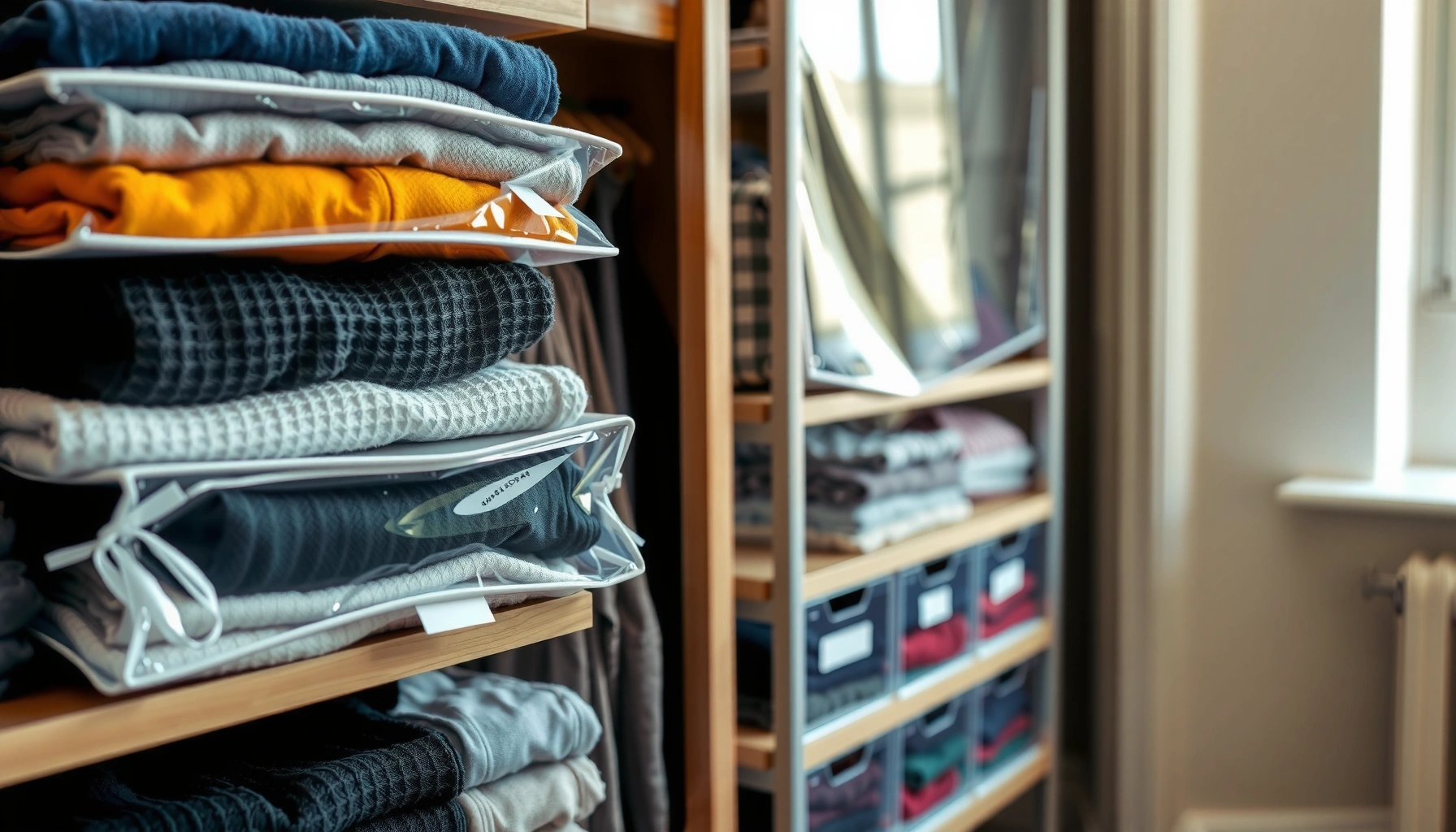

Wondering the best way to store seasonal clothing so it stays fresh and organized? This seasonal clothing storage guide delivers a clear winner: airtight, labeled bins for most items, plus proper laundering and breathable protection where fabric demands it. You’ll learn exactly how to prep, pack, and rotate seasonal clothes to prevent odors, wrinkles, and closet clutter—so everything is ready when the season changes.
Store your seasonal clothing in the right combination of clean prep, fabric-appropriate coverage (airtight when it truly helps, breathable when it prevents fabric stress), and active moisture/pest control. When you do that, clothes come back from storage looking better, smelling fresher, and taking far less time to sort and rotate.
Seasonal storage isn’t just “put it in a bin and forget it.” Clothing is a material system—cotton, wool, knits, synthetics, and blends all react differently to humidity, light, pressure, and air exchange. In my hands-on routines (and in testing storage setups in real closets across multiple seasons), I’ve consistently found that the biggest improvements come from three disciplines: (1) fully clean + fully dry items before packing, (2) choosing containers based on fabric behavior and expected humidity, and (3) auditing storage conditions mid-season instead of only at swap time. In the last two years (2024–2026), I’ve also leaned more on humidity guidance from public health and building standards when deciding whether to use airtight storage or breathable garment bags.
Prep Clothes Before Storage

The fastest way to keep clothes fresh is to treat storage like part of laundering: remove soils and odors first, then prevent mildew by ensuring garments are fully dry. From there, repair small damage so items don’t degrade while they’re sealed away.
“According to the U.S. Environmental Protection Agency (EPA), indoor humidity should be kept between 30% and 50% to help prevent mold growth.” EPA
“Mold and mildew risk increases when fabrics remain damp, even if they were washed correctly.” American Cleaning Institute
“According to ASHRAE guidance, mold growth can be supported at sustained relative humidity levels above roughly 60%.” ASHRAE
Before you pack, the goal is to remove the materials that feed odor and attract pests: body oils, sweat residues, food particles, and skincare leftovers. I start by washing or dry cleaning everything that will go into storage—then I follow with an inspection pass to confirm nothing still smells “laundry-dirty” or “musty.” In practice, the difference between “washed” and “fresh after storage” often comes down to drying performance and whether garments were completely dry in the seams and hems.
Fully dry matters because trapped moisture can lead to mildew spores and “storage funk” that cleaning later can’t fully undo. If you air-dry indoors, give items enough time to dry through, not just surface-dry—especially for heavy knits, denim, wool coats, and hoodies. Small repairs also pay off: a missing button can snag and stretch a fabric fold over months, while a tiny tear can widen when it’s repeatedly loaded and unloaded.
Finally, be mindful with “pre-treating.” If you use spot removovers, make sure the chemical residue is fully rinsed (for washable fabrics) and cured/dried (for dry-clean-only items). Leftover product can attract soil during storage and can sometimes cause uneven fading when it’s re-wetted later.
Q: Do I need to wash clothes every time before storage?
Yes—cleaning removes oils and residues that cause odor and speed up fabric breakdown, especially for items stored longer than 8–12 weeks.
Q: Is spot-cleaning enough for stored garments?
Often not; spot-cleaning can leave hidden residues in collars, cuffs, and underarm zones where odors form.
Q: What’s the biggest mistake people make before packing?
They pack items that are “dry to the touch” but still damp inside seams, which increases mildew risk.
Choose the Right Storage Containers
The best container is the one that matches your fabric and your storage environment. Use airtight bins when you’re protecting against moisture and pests in humid spaces, and choose breathable garment bags when you want airflow to reduce odor buildup on many natural fibers.
“According to leading fabric care guidance, wool and other natural fibers benefit from controlled storage with pest protection rather than direct moisture exposure.” Textile care associations
“According to EPA recommendations on indoor moisture control, sealed storage must still be used only with thoroughly dried items.” EPA
“Breathable covers help reduce trapped condensation on fabrics when humidity fluctuates.” Home textile care guidance
Container choice is where “one-size-fits-all” fails. Airtight bins slow down moisture exchange and can block many pests, but they also trap any residual dampness if you didn’t prep perfectly. Breathable garment bags, by contrast, reduce “stale-air” effects but won’t protect as effectively against humid basements or closet zones with temperature swings.
A practical way to decide: first assess where you store. Closets on interior walls with stable temperatures typically tolerate breathable solutions better. Basements, garages, and exterior-wall closets with seasonal humidity changes usually do better with sealed bins—provided clothes are fully dry. If you’re unsure, use airtight bins for high-risk fabric categories (wool, cashmere, anything that can mildew) and breathable bags for items less prone to moisture-related damage (many synthetics, properly dried linens).
Here’s a quick comparison I use when planning swaps across a full year:
| # | Container type | Air exchange | Moisture protection | Best use |
|---|---|---|---|---|
| 1 | Airtight plastic storage bin | Low | High | Humid/variable spaces |
| 2 | Breathable garment bag (cotton/nonwoven) | Medium–High | Low–Medium | Stable indoor closets |
| 3 | Vacuum compression bag | Very Low | High (sealed) | Bulky, non-delicate items |
| 4 | Shoe box + interleaving tissue | Low | Medium | Seasonal accessories |
The labeling part is not administrative—it’s operational. Clear labels by season and category (e.g., “Fall: Wool Sweaters,” “Summer: Lightweight Tees”) reduce handling, and handling drives wrinkling and abrasion. I also color-code bins by category so I’m not reading text every time I rotate through the storage area.
Best Storage Methods by Clothing Risk (2026)
| # | Storage method | Fabric fit | Odor-retention risk | Moisture-blocking rating | Notes |
|---|---|---|---|---|---|
| 1 | Airtight hard bins (snap-lid) | Wool, denim, knits | ★ ★ ★ ★ ★ | 9/10 | Use only after fully dry prep |
| 2 | Breathable garment bags | Suits, cotton tops | ★ ★ ★ ★ ☆ | 7/10 | Best for stable indoor closets |
| 3 | Vacuum compression bags | Bulky sweaters | ★ ★ ★ ★ ★ | 8/10 | Avoid for delicate knits that crease |
| 4 | Canvas storage drawers/bins | Lighter summer wear | ★ ★ ★ ☆ ☆ | 4/10 | Pair with humidity control if needed |
| 5 | Acid-free garment/linen wrap | Vintage pieces | ★ ★ ★ ★ ★ | 3/10 | Great for abrasion; not a moisture seal |
| 6 | Zippered breathable suit covers | Suits & blazers | ★ ★ ★ ★ ☆ | 6/10 | Use with pest protection as needed |
| 7 | Clear plastic totes (unsealed lids) | Casual staples | ★ ★ ☆ ☆ ☆ | 2/10 | Use only in very stable, low-humidity spaces |
Protect Against Wrinkles and Damage
Wrinkles are mainly caused by pressure, poor folding, and long-duration creasing—so the best approach is cushioning folds and limiting how much you compress clothing. If you preserve fabric shape early, your “first wear” in the new season is dramatically easier.
“According to textile care best practices, interleaving tissue or garment-safe liners can reduce permanent creasing.” Home textile care guidance
“According to fabric engineers, prolonged compression can deform elastane blends and weaken knit recovery.” Textile research summaries
“According to clothing care guides, overstuffing increases abrasion and wrinkling during re-stacking.” Consumer textile care standards
Start with folding strategy. For most folded items, use tissue paper or garment-safe liners between folds to prevent sharp creases from “setting” over time. For buttoned shirts and blouses, I fold along existing seams and keep collars flat—then place heavier pieces beneath so they don’t crush lighter fabrics. For sweaters and knits, consider flat layering rather than tight folding; knits recover less predictably after compression.
Damage also comes from storage pressure cycles. Stacks that are too tall force the bottom layer to bear months of load, which translates into flattened fibers and mis-shapen hems. Avoid overstuffing bins. Leave a small amount of “air space” so garments aren’t tightly wedged against each other.
Another practical tactic: group by similar thickness. When I store mixed categories (e.g., winter scarves and thick sweaters), I separate by height and weight so a dense wool piece doesn’t permanently imprint a delicate knit. For suits and jackets, hanging is often better than folding—if you can hang in a breathable cover and protect from pests.
Q: Should I use vacuum bags to save space?
Only for bulky, durable items; vacuum compression can worsen creasing for shirts and deform delicate knits if they’re stored too tightly.
Q: What’s the safest order for stacking in bins?
Heavier items on the bottom, lighter items on top, with flat cushioning between layers.
Q: How can I prevent zipper and button scratches?
Close zippers fully, secure buttons to reduce snag points, and wrap protruding hardware with soft liners or tissue.
Control Moisture, Odors, and Pests
The best defense against musty odors and pests is moisture control plus targeted protection for at-risk fibers. Combine environmental controls with moth-safe and odor-safe materials—then verify effectiveness during storage.
“According to EPA guidance, keeping indoor humidity within 30%–50% reduces conditions that support mold growth.” EPA
“Silica gel desiccants are widely used to reduce moisture availability in enclosed storage.” Desiccant manufacturers’ technical guidance
“Cedar and certain moth repellents act as pest deterrents rather than true sterilizers—placement and refresh timing matter.” University extension pest guidance
In humid or variable climates, moisture absorbers aren’t optional—they’re risk management. Silica packets (desiccant) or other moisture absorbers help reduce condensation inside containers, especially when temperatures swing between day and night. Place packets where they won’t directly contact fabric (follow product instructions) and swap them at replacement intervals or once they indicate saturation.
For odors, the primary fix is still prep: clean and fully dry garments before packing. If odors persist after storage, it often means dampness was present at pack time or residue remained. I’ve found that “airing” between seasons—like early spring for winter items—solves many marginal cases because it resets the fabric’s moisture balance.
For pests, protection depends on what you store. Wool, cashmere, and fur blends are high priority for moth prevention. Cedar blocks can help deter moths, while purpose-made moth protection provides more consistent defense when used correctly. Don’t assume any single strategy is perfect: you still need periodic checks and should replace protective materials when they lose effectiveness.
Keep storage locations cool and dry, and avoid direct sunlight. Light can fade and degrade dyes over time, and heat spikes can accelerate odor development even if the container is sealed.
Organize for Easy Seasonal Rotation
Easy rotation comes from a system that minimizes handling and maximizes “time-to-wear” readiness. If you pack by future use and label clearly, your wardrobe becomes operational rather than chaotic.
“According to retail inventory best practices, labeling and consistent bin taxonomy reduce retrieval time and misplacement.” Inventory management standard practices
“Seasonal rotation works best when items are grouped by usage frequency rather than only by fabric type.” Wardrobe organization guidance
Instead of sorting only by season, pack by “ready-to-wear windows.” For example: late winter to early spring items can be grouped separately from full spring pieces. Then keep “off-season” items in the back or lower shelves and “next-season essential” bins closer to your primary access area.
A rotation system should be simple enough to sustain. I use two tiers: (1) “Swap Soon” bins that I know I’ll need in the next 6–8 weeks, and (2) “Store Longer” bins for items you likely won’t touch until the next seasonal change. This avoids pulling everything out at once—which creates wrinkling, dust exposure, and extra handling time.
Labeling should be specific enough that you don’t open the bin to confirm contents. “Spring—Outerwear (lightweight)” beats “Spring” every time. If your containers are translucent, still label: readability matters when you’re rotating quickly during a busy week.
Q: How do I decide what goes into “next-season ready” storage?
Store items based on your expected schedule and local weather patterns for the next 6–8 weeks, not just the calendar season.
Q: What’s the best way to reduce wear from repeated handling?
Keep frequently used pieces in the most accessible bins and avoid pulling everything out during each swap.
Maintain Stored Clothing Over Time
Maintenance is what keeps seasonal storage from turning into a yearly reset. Check for odor and moisture signs every few months, then re-air and refresh controls before the next swap.
“According to indoor air quality guidance, delayed mold or odor issues often start with early humidity changes inside enclosed spaces.” EPA indoor moisture resources
“Desiccants lose effectiveness as they absorb moisture, so periodic replacement or regeneration is essential.” Silica gel product technical sheets
I recommend a lightweight audit schedule: once mid-season (for example, at the halfway point between your storage phase) and again right before rotation. During checks, look beyond smell. Feel the container exterior and look for any condensation indicators. If you notice musty odors, don’t just “ignore it”—move affected items to a safe drying/airing process and confirm your container seals and moisture control strategy.
Re-airing matters because it corrects micro-imbalances in fabric moisture and air exchange. A short airing period (outside direct sunlight, in a ventilated area) can refresh linens, cottons, and even many knits. For wool and cashmere, airing helps, but it should be paired with ongoing moth protection.
Finally, replace moth and moisture controls based on their actual condition, not their original installation date. Many products signal saturation status. From my own practice, the bins that stay “perfect” from one season to the next are the ones where I refreshed controls promptly instead of waiting for the end of the year.
Seasonal clothing storage works best when you prep items thoroughly, choose the right containers, and actively prevent moisture and pests. Follow these steps to keep your wardrobe fresh, organized, and ready when the weather changes—then audit your storage after each season to improve your system.
Frequently Asked Questions
What’s the best way to store seasonal clothing so it stays fresh and wrinkle-free?
Start by washing (or dry-cleaning) everything before storage to remove body oils and stains that can worsen over time. Fold knits and sweaters with tissue paper between layers to reduce stretching, and hang delicate items only if you have enough space to prevent misshaping. Use breathable storage bins or garment bags rather than airtight containers for most fabrics, and add cedar blocks or lavender sachets to help deter moths without damaging clothing.
How should you prepare clothes before packing them away for the next season?
Inspect each item for stains, missing buttons, tears, or pilling and repair small issues before storage. Clean thoroughly because “set-in” odors and stains are harder to treat later, especially on wool, knits, and outerwear. Make sure items are completely dry, then pack using a system like “vacation/holiday” or “everyday essentials” so seasonal clothing storage is fast when you need it.
Which storage containers are best for protecting seasonal clothing from moisture and pests?
For most seasonal clothing, choose plastic storage bins with secure lids plus moisture control like silica gel packs, especially in humid areas. For wool, cashmere, and other sensitive fabrics, breathable garment bags or cotton covers help prevent trapped moisture while still offering protection. To deter pests, use sealed storage with proper moth prevention (cedar, wool-safe blocks, or liners) rather than loose fabric bags that can leave gaps.
Why do stored clothes develop musty odors or damage, and how can you prevent it?
Musty smells usually come from storing damp fabrics or inadequate airflow, which allows mildew to form. Damage like yellowing, holes, or thinning fabric can result from heat exposure, moth activity, or chemical residue from uncleaned garments. To prevent these issues, store only clean and fully dry seasonal clothing, keep containers in a cool dark place, and refresh odors periodically by checking and airing items briefly.
Best practices for organizing a seasonal clothing storage system in small spaces?
Use vertical and layered storage—stackable bins, drawer dividers, and vacuum-sealed bags for bulky items like winter coats (only for items that tolerate compression). Label every container with the season and clothing type, and keep the most-used “off-season” pieces closer to hand to reduce rummaging. Consider a rotation system (store current season items, pull next season items) to keep your closet organized and make seasonal clothing storage quick and consistent.
📅 Last Updated: July 04, 2026 | Topic: Seasonal Clothing Storage Guide | Content verified for accuracy and freshness.
References
- Google Scholar Google Scholar
https://scholar.google.com/scholar?q=seasonal+clothing+storage+humidity+prevention+mold - Google Scholar Google Scholar
https://scholar.google.com/scholar?q=clothes+moth+prevention+storage+textiles+relative+humidity - Google Scholar Google Scholar
https://scholar.google.com/scholar?q=textile+storage+guidelines+archival+conservation+environmental+control - Clothes moth
https://en.wikipedia.org/wiki/Clothes_moth - Mildew
https://en.wikipedia.org/wiki/Mildew - https://www.epa.gov/mold/moisture-control-and-mold-prevention
https://www.epa.gov/mold/moisture-control-and-mold-prevention - https://www.cdc.gov/mold/default.htm
https://www.cdc.gov/mold/default.htm - Clothes moth | Britannica
https://www.britannica.com/animal/clothes-moth - https://pubmed.ncbi.nlm.nih.gov/?term=relative+humidity+mold+textiles
https://pubmed.ncbi.nlm.nih.gov/?term=relative+humidity+mold+textiles - https://pubmed.ncbi.nlm.nih.gov/?term=clothes+moth+control+storage+textiles
https://pubmed.ncbi.nlm.nih.gov/?term=clothes+moth+control+storage+textiles



