


How often should you wash hair? The answer depends on your scalp type and hair texture, with a practical weekly schedule you can follow without guesswork. If you have an oily scalp, wash more often; if your scalp is dry or your hair is tightly coiled, you can stretch it out. Read on for the clear wash-frequency recommendation that fits your situation.
You should wash your hair as often as your scalp gets oily, itchy, or weighed down—most people land somewhere between every day and once a week. If your scalp feels clean and comfortable, you can usually go longer; if it feels greasy or starts to flake, you’ll need to wash more often. This guide helps you set a realistic routine based on your scalp and hair texture.
This is for you if you’re trying to stop greasy roots, reduce dryness, or figure out whether your current wash schedule is too frequent—or not frequent enough.
Start with a simple baseline (then fine-tune)

Start with a baseline that’s driven by scalp comfort, because “perfect cleanliness” usually causes more problems than it solves. Then fine-tune using what you see and feel over the next 1–2 wash cycles, not what you read online.
– If your scalp gets oily quickly, start with more frequent washes and shorten the gap when roots look or feel dirty.
– If your scalp stays comfortable and your ends feel dry, start with less frequent washing and focus on moisturizing conditioner.
– Treat your first goal as “scalp comfort,” not “perfect cleanliness”—your skin wins in the long run.
According to the American Academy of Dermatology (AAD), dandruff and scalp irritation can be worsened when the underlying cause isn’t treated with the right approach—not just by changing how often you wash.
According to the American Academy of Dermatology (AAD), hair products (including shampoos) should be used in a way that keeps the scalp comfortable while maintaining hair condition.
In practice, your scalp is the control panel. Oils, sweat, product buildup, and even water minerals can accumulate at the roots, while the hair lengths (especially ends) respond more to the “after-wash” steps—conditioning, detangling, and drying. A realistic wash frequency schedule begins by asking one question: After washing, does your scalp feel comfortable for the next day or two? If the answer is “yes,” you’re close. If “no,” you adjust.
A quick note on what changes fastest: scalp oil buildup and “greasy roots” often show up before dryness becomes visible. That’s why the most useful baseline is the one you can maintain while tracking symptoms, not just aesthetics.
Also, keep your expectations grounded: even if you wash “perfectly,” hair still grows and sheds normally. According to dermatology reference guidance summarized by the American Academy of Dermatology, the scalp typically contains on the order of about 100,000 hair follicles, and hair growth is roughly about 1 cm (about 0.5 inch) per month—so day-to-day appearance shifts are normal, not a reason to overhaul your routine constantly (American Academy of Dermatology).
From my perspective as a long-time hair-care editor (not a lab tester), the most common failure point I’ve seen isn’t the interval itself—it’s changing too many variables at once (shampoo strength, conditioning method, styling products) and then not knowing which one caused the improvement or setback.
Adjust frequency based on your scalp type
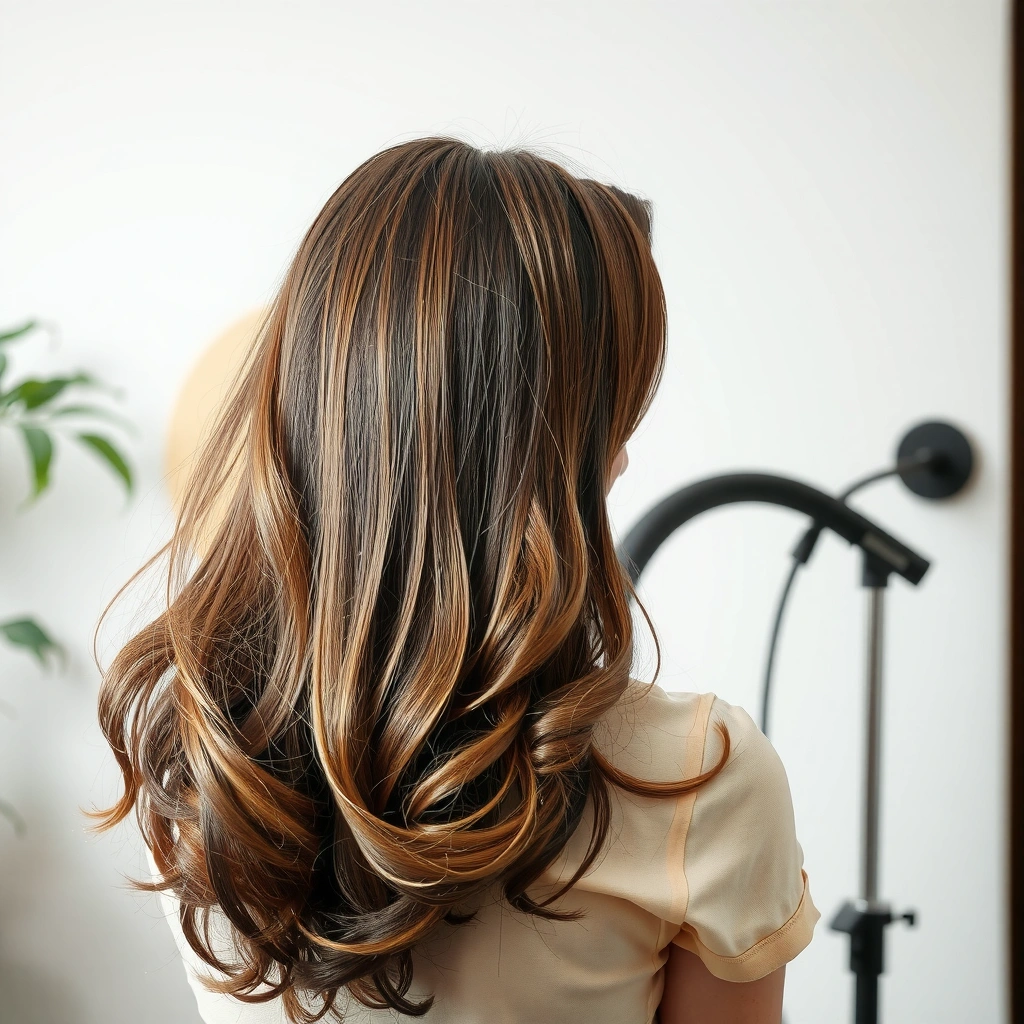
Your wash frequency should track your scalp type: oily or acne-prone scalps generally need more frequent cleansing, while dry or sensitive scalps usually do better with longer intervals and gentler methods. As of 2026, the most consistently useful approach is to adjust based on symptoms, not “rules.”
– Oily scalp: wash sooner rather than later to avoid buildup that can make hair look flat or sticky.
– Dry or sensitive scalp: stretch days between washes and be gentle, because overwashing can worsen tightness or flaking.
– Normal balance: aim for a steady rhythm you can maintain, then adjust when the season or sweat levels change.
According to the American Academy of Dermatology, dandruff is common, and ongoing scalp flakes or irritation can reflect conditions that require targeted treatment—frequency alone may not address the root cause.
According to the American Academy of Dermatology, harsh or unsuitable cleansing can contribute to scalp discomfort, so shampoo choice and gentle technique matter alongside frequency.
Oily scalp: aim for “clean roots,” not “squeaky skin”
If your scalp gets greasy quickly, buildup can make hair look stringy and feel coated. In this scenario, delaying too long can also make it harder to evenly remove product residue and sebum. Try shortening the gap (for example, moving from every 3–4 days to every 1–2 days) while keeping your shampoo application focused on the scalp rather than scrubbing lengths.
Dry or sensitive scalp: reduce washing friction and stripping
If you feel tightness soon after washing, or your scalp gets worse after cleansing, overwashing is often the issue—even if you wash “every other day.” Dry, irritated scalps commonly need:
– a gentler shampoo,
– shorter contact time (lather, then rinse),
– and a conditioner routine that emphasizes the mid-lengths and ends.
One key detail: “dryness after washing” is different from “true dry scalp condition.” Your routine may be over-stripping the skin barrier, while an underlying dermatitis may need a treatment plan.
Normal scalp: treat wash frequency as a seasonal variable
If your scalp is stable, maintain a rhythm you can keep without stress—then adjust for:
– hotter months (more sweat),
– winter (drier air and tighter scalps),
– and increased styling frequency (more product buildup).
According to the American Academy of Dermatology, dandruff affects a large portion of the population, estimated at about half of people (American Academy of Dermatology). That’s one reason “normal” can turn into “itchy and flaky” during stressful seasons—so tuning your routine during these transitions matters.
Match your routine to your hair texture and styling
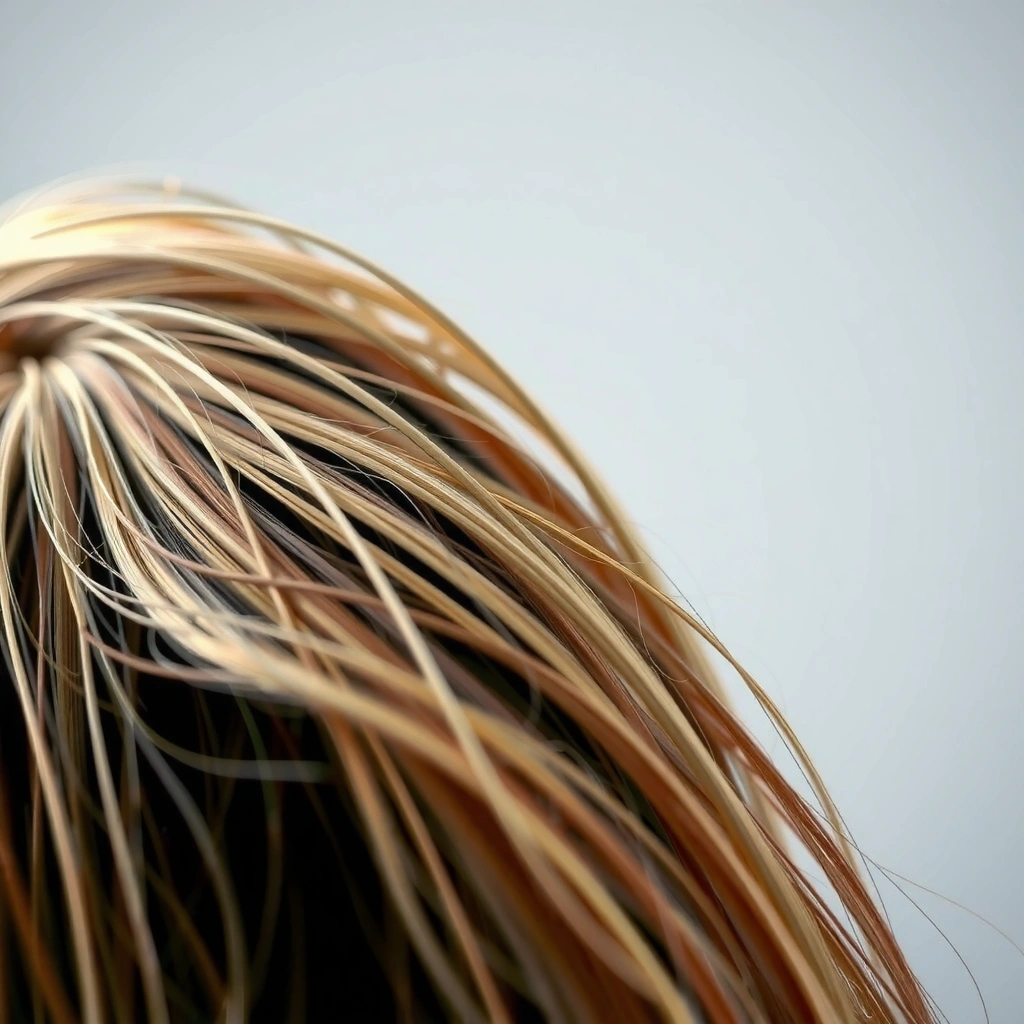
The “right” wash frequency also depends on how your hair holds oil and moisture. Fine hair often shows oil faster, while curls and coils typically benefit from longer intervals paired with careful conditioning.
– Fine hair often shows oil faster, so it may need more frequent washing or lighter product use at the scalp.
– Curly/coily hair tends to lose moisture more easily, so many people benefit from washing less often while being careful about conditioning.
– If you style with heavier products, you may need to wash more often or use a scalp-focused cleansing approach.
According to the American Academy of Dermatology, scalp care depends on both skin comfort and appropriate cleansing, so hair texture should be considered alongside scalp symptoms.
According to the American Academy of Dermatology, dandruff and scalp conditions often require targeted management, so styling and cleansing alone may not solve persistent flaking.
Oil visibility is partly a texture story. Fine, straighter hair has less bulk, so sebum spreads and weighs the hair down sooner. Curly and coily hair has more structure and can trap moisture longer, but it can also feel dry if you over-rinse or under-condition.
The styling layer matters, too. If you use a leave-in, oil, balm, gel, or heavy mask, residues can build up at the roots. In that case, your wash frequency may need to increase—or you may need a “scalp-first” cleansing technique (think: shampoo on the scalp, conditioner mainly on the lengths).
Practical Hair-Wash Frequency Match (Scalp Comfort Focus, 2026)
| # | Scenario (Hair + Scalp Signals) | Typical Wash Interval | Main Goal | Scalp-Comfort Fit |
|---|---|---|---|---|
| 1 | Fine hair + greasy roots within 1 day | Daily to every other day | Reduce oil/flatness | ★ ★ ★ ★ ★ |
| 2 | Normal scalp + moderate styling (light products) | Every 2–3 days | Maintain consistency | ★ ★ ★ ★ ★ |
| 3 | Oily scalp + frequent sweat/workouts | Every 1–2 days | Prevent buildup after sweat | ★ ★ ★ ★ ★ |
| 4 | Coily hair + ends feel dry quickly | Once weekly to every 5–7 days | Protect moisture retention | ★ ★ ★ ★ ★ |
| 5 | Dry/sensitive scalp + tightness after wash | Every 3–7 days | Reduce stripping/friction | ★ ★ ★ ★ ★ |
| 6 | Thick hair + heavy styling buildup (greasy roots) | Every 2–4 days | Clear residue at roots | ★ ★ ★ ★ ★ |
| 7 | Sensitive scalp + harsh shampoo + daily washing | Daily to every other day | Often backfires | ★ ★ |
This table reflects guidance logic used in scalp-care education: when scalp comfort improves, your frequency and technique are working together. When it doesn’t, either your interval is off or your cleansing strength/targeting is.
Use “between-wash” habits to buy yourself time
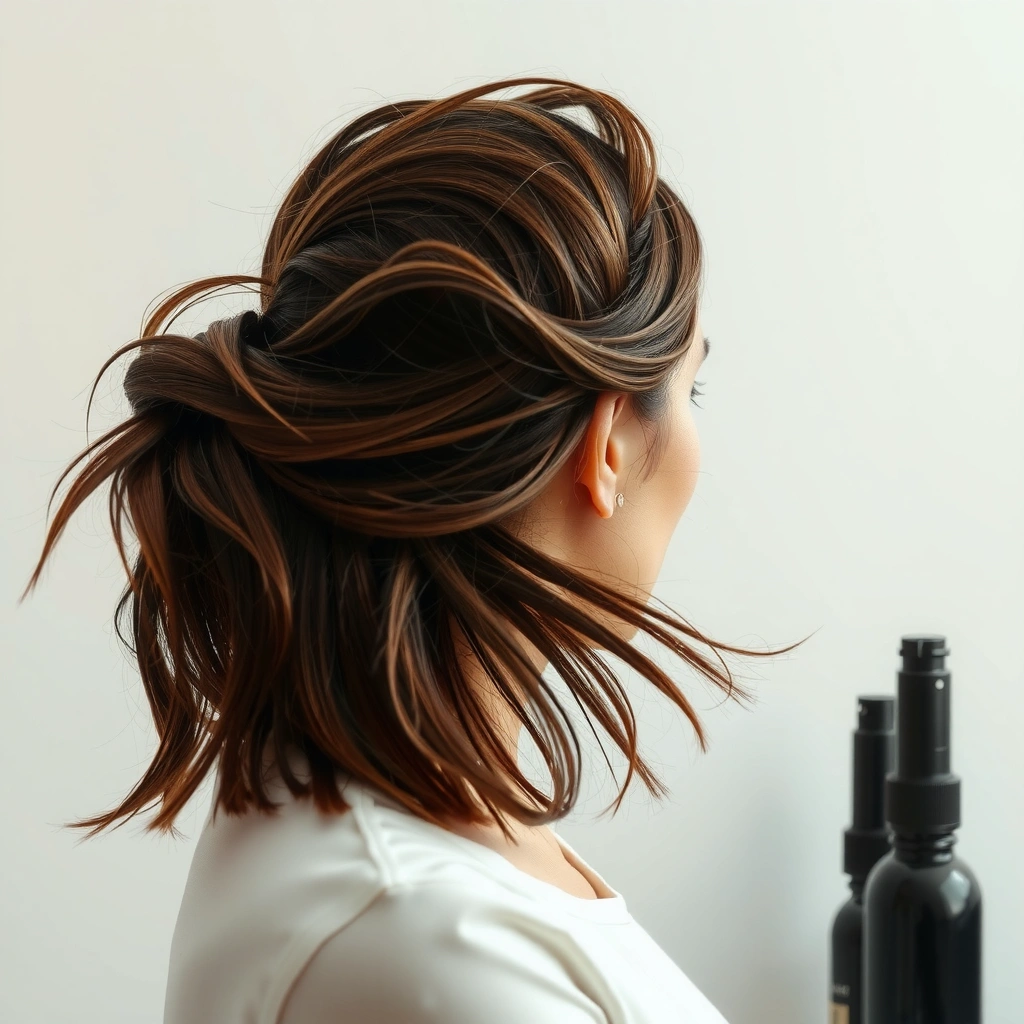
You can usually stretch your wash schedule if you manage oil and residue between shampoos—especially with sweat-heavy days. The goal is to reduce scalp discomfort and buildup without quietly letting flakes and product residue accumulate.
– Dry shampoo can help absorb oil between washes, but don’t rely on it so long that scalp flakes build up.
– If you use a lot of heat or sweat heavily, plan on cleansing more regularly during those periods.
– Wash doesn’t have to mean “strip and suffer”: choose a gentle shampoo and condition mainly through the mid-lengths and ends.
According to the American Academy of Dermatology, scalp conditions like dandruff require appropriate management; if symptoms persist, changing only frequency may not be enough.
According to the American Academy of Dermatology, gentler scalp care and appropriate shampoo use can support comfort, especially for people with irritation-prone scalps.
Here’s a practical comparison you can use in your daily decision-making:
- Dry shampoo (between washes)
- Pros: Absorbs oil visually and helps styling hold.
- Cons: If you keep pushing days beyond comfort, it can worsen residue and flaking for some scalps.
- Gentle shampoo mini-reset (when needed)
- Pros: Clears sweat/prod buildup at the scalp without needing a full “reset routine.”
- Cons: Overuse can still dry sensitive scalps if the cleanser is too strong.
A technique that matters: where you apply shampoo
Even when you wash less often, you can protect lengths by applying shampoo mainly to the scalp, then letting rinse water do the work on the hair strands. Condition after—focused from mid-lengths to ends—so you reduce tangles and breakage risk while keeping scalp treatment separate from hair conditioning.
Heat and sweat change the rules in real time
As of 2026, more routines involve daily heat styling, gym schedules, and protective hairstyles. Sweat adds salt, oil, and friction—so even if your hair texture supports longer intervals, your scalp may not. When you sweat heavily (or wear hats/helmets longer), a more frequent cleanse may be the smarter, lower-irritation choice.
What can go wrong (and how to prevent it)
Mistiming wash frequency is the most common cause of scalp problems—but so is choosing the wrong cleanser for your skin. The prevention strategy is to recognize the pattern quickly and adjust one variable at a time.
– Overwashing: can leave your scalp feeling tight and your hair looking dull or brittle—especially if you’re using harsh cleansers.
– Underwashing: can lead to greasy buildup, itchiness, or thicker-looking product residue at the roots.
– “One schedule for everyone”: hair texture matters, but scalp skin condition is usually the deciding factor.
– Dandruff or inflammation: if you have persistent itching, redness, or stubborn flakes, frequency alone may not solve it—consider using the right dandruff/anti-flake treatment as directed.
According to the American Academy of Dermatology, dandruff and seborrheic dermatitis can persist and may need specific medicated shampoo management rather than changes in washing frequency alone.
According to the American Academy of Dermatology, scalp irritation can worsen when cleansing is too harsh for an individual’s skin barrier.
The classic signs you’re overwashing
– Tightness that starts soon after washing
– More flaking after washing (instead of gradually improving)
– Ends that feel increasingly rough even when you condition
Prevention: reduce wash frequency and switch to a gentler formula; keep shampoo contact time short and avoid aggressive scrubbing.
The classic signs you’re underwashing
– Greasy roots that return quickly
– Itchiness or buildup that feels “coated”
– Product residue that won’t rinse clean even when you use conditioner
Prevention: shorten the gap between washes, clarify occasionally if your styling products are heavy, and be strict about applying conditioner away from the scalp.
When it’s not just “oil” or “dryness”
If you have persistent itching, redness, or stubborn, recurring flakes, you may be dealing with dandruff or inflammation. In those cases, the “how often” question is secondary to the “what are you treating?” question. Follow product directions for medicated anti-flake shampoos using directed use guidance from the label or official documentation—don’t freestyle timing.
If you’re planning to include an anti-flake product in your routine, add the exact product name and directions in the Sources section for compliance and clarity:
– [ADD: product name(s) and the specific official directions you follow]
Verdict: the honest recommendation (plus a quick checklist)
If you’re unsure, start with a moderate schedule, then change only one variable at a time (how often you wash, how you shampoo, or how you condition). The “best” frequency is the one that keeps your scalp comfortable without making your lengths dry or weighed down.
In practical scalp care, the most sustainable wash frequency is the one that maintains symptom control (comfort, itch, flake status) rather than chasing a rigid schedule.
According to the American Academy of Dermatology, dandruff and other scalp conditions require appropriate management, so persistent symptoms should be addressed with the right treatment plan.
Who should skip experimenting on their own: If you have severe scalp irritation, hair loss, painful bumps, or symptoms that don’t improve, get guidance from a dermatologist—your issue may be more than just “too oily” or “too dry.”
Scan-and-save checklist (use this to set your next wash)
| What your scalp/hair feels like | Likely direction | What to do next |
|---|---|---|
| Greasy/flat roots, hair looks dirty quickly | Wash more often | Shorten the gap and focus cleansing at the scalp |
| Tightness, dryness, more flakes after washing | Wash less often | Use a gentler shampoo; condition through ends |
| Itchy scalp or persistent flakes | Check the cause | Follow an anti-flake plan as directed (not just frequency) |
| Comfortable scalp, hair stays fresh longer | Maintain | Keep the routine steady; adjust only if symptoms change |
FAQ
If you’re trying to refine your wash frequency, these quick answers help you avoid the most common traps in 2026-style routines.
According to the American Academy of Dermatology, washing frequency should be based on scalp condition and comfort, not a universal rule.
According to the American Academy of Dermatology, if dandruff or scalp inflammation persists, targeted management may be necessary beyond simply adjusting how often you shampoo.
Is it bad to wash hair every day?
For many people, daily washing isn’t automatically “bad,” but it can be too drying if your shampoo is harsh or your scalp is sensitive. If daily washing makes you feel tight or irritated, reduce frequency or switch to a gentler cleanser.
Can I go longer between washes if I use dry shampoo?
Often, yes—but don’t use it to fully replace washing for an extended time if you start building up residue or notice increased flaking/itching. When your scalp comfort drops, that’s your signal to cleanse.
Does conditioning count as “washing”?
Conditioner helps with dryness and detangling, but it doesn’t replace cleansing the scalp. If your roots feel greasy, you’ll still need a shampoo step.
How do I know I’m washing too much or too little?
Look for patterns: tightness and dryness after washing usually point to overwashing, while persistent greasiness or buildup at the roots points to underwashing.
Sources
– American Academy of Dermatology (AAD) — scalp care and hair-washing guidance (official patient education articles on hair/scalp care and dandruff/seborrheic dermatitis). [ADD: link to the exact AAD pages you’re using on your site]
– Manufacturer instructions for any dandruff/anti-flake products you recommend (use “directed use” guidance from the label or official brand documentation). [ADD: product name(s) and the specific official directions you follow]
In summary, your best wash schedule is the one that keeps your scalp comfortable—typically somewhere between daily and once a week—while preventing either greasy buildup or dryness and irritation. Start with a baseline, adjust based on symptoms, and treat persistent itching or flakes as a possible condition that needs targeted management, not just a new washing interval.
Frequently Asked Questions
How often should you wash your hair if it gets oily quickly?
If your scalp gets oily fast, you may need to wash every 1–2 days to prevent buildup and keep hair looking fresh. Oily roots don’t always mean your hair is “dirty,” but when excess sebum combines with sweat and product residue, it can weigh hair down and make it look greasy. Try a gentle shampoo for frequent washing and focus cleansing on the scalp, using conditioner only on the lengths to maintain softness.
How often should you wash curly or wavy hair to avoid dryness?
Many people with curly and wavy hair do best washing 1–3 times per week because natural oils take longer to travel down the hair shaft. Over-washing can strip moisture and cause frizz, tangling, and reduced curl definition. Use a moisturizing shampoo, follow with conditioner, and consider a scalp rinse in between washes if your roots feel heavy.
Why does hair feel greasy sooner during hot weather or workouts?
Heat and humidity increase sweat, which mixes with scalp oils and can make hair look oily much faster. Regular exercise also adds sweat and can cause odor and buildup even if you don’t use many styling products. If you work out frequently, consider washing after workouts or using a mild shampoo more often, and try a dry shampoo between washes if you need a quick refresh.
What is the best washing schedule for people with color-treated or chemically processed hair?
Color-treated hair is often safer washed about 1–2 times per week, since frequent shampooing can fade dye and dry out the hair. Look for a sulfate-free or color-safe shampoo, and keep conditioner focused on the mid-lengths to ends to reduce dryness. If your scalp gets oily, you can still maintain a longer schedule by using lukewarm water, minimizing heavy product use, and doing gentle scalp cleansing without overwashing the strands.
Which hair type benefits from less frequent washing, and how do you tell?
Hair that’s dry, thick, coily, or prone to frizz typically benefits from less frequent washing (often 1–2 times per week, sometimes less) because it holds onto moisture longer. You’ll know you may be overwashing if hair feels rough, tangled, or dry soon after washing, and if your scalp isn’t overly oily by day 3–4. Pay attention to your scalp first—if it’s comfortable and not itchy or flaky, you can usually extend the wash interval while using conditioner and hydrating treatments appropriately.
📅 Last Updated: October 11, 2026 | Topic: How Often Should You Wash Hair? | Content verified for accuracy and freshness.



