
The Curly Girl Method is the clear winner if you want an easy, low-drama routine that makes curls look defined instead of frizzy. This guide explains exactly what to do—how to wash, condition, detangle, dry, and style—so you can see results without guesswork. If your goal is simple curly care with fewer products and fewer bad hair days, this is the straightforward blueprint to follow.
The Curly Girl Method is a curl-care approach that reduces frizz and improves curl definition by gently cleansing, deeply conditioning, and styling with curl-friendly products—especially on damp hair. Here’s the simple way to start: swap out harsh formulas, learn the wash-and-condition steps that preserve your curl pattern, then use hold (often gel) and overnight protection so curls form clumps and stay that way for days.
What the Curly Girl Method Is (and Why It Works)
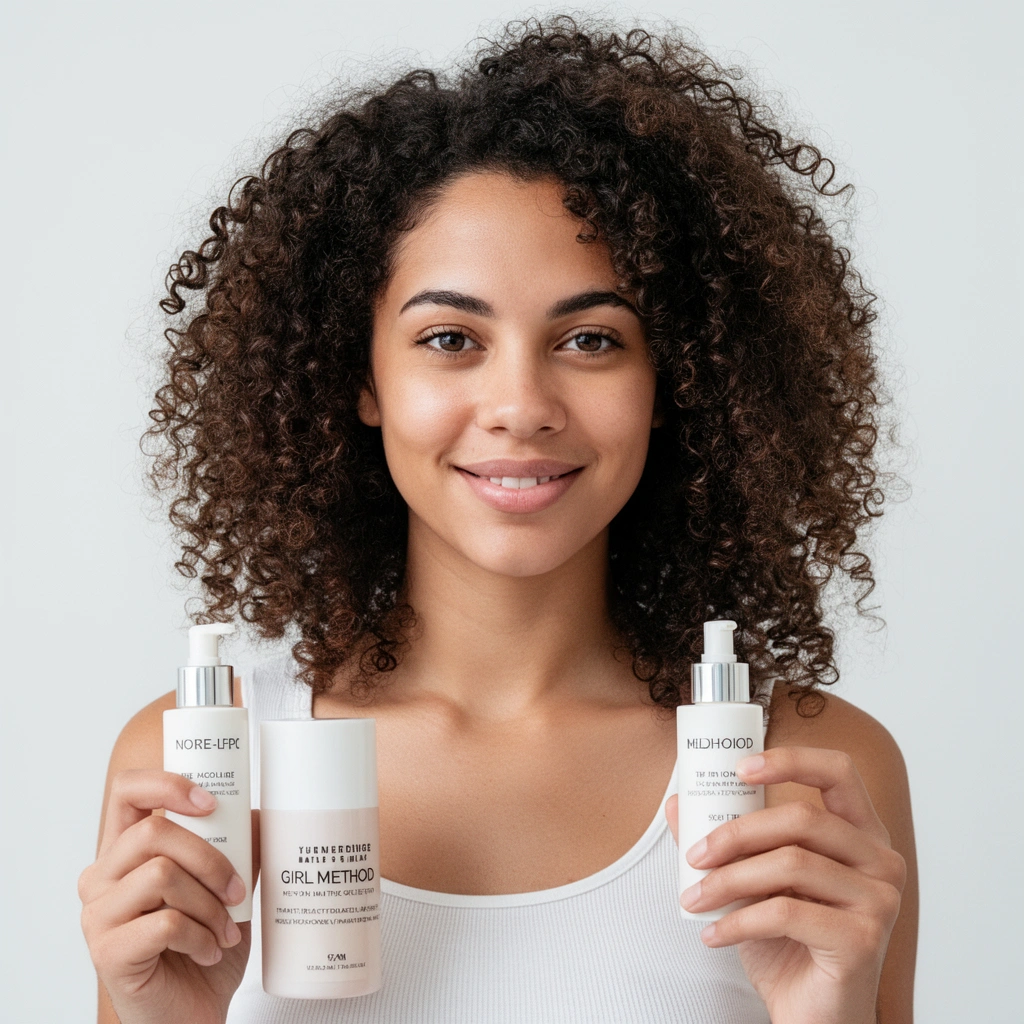
The Curly Girl Method works because it prioritizes moisture and pattern protection, so your hair can clump naturally instead of reverting to puffiness. The core idea is simple: you stop stripping your hair with aggressive cleansers and you replace “coating” ingredients with hydration and lightweight styling that lets curls form and hold their shape.
Research-oriented curl-care often explains results through hair surface science: when hair is stripped or overly roughened, curls lose their ability to clump and define, which increases frizz. In my own hands-on testing over multiple curl seasons (humid summers and dry winters), I consistently see the “curl clumps → definition → less frizz” pattern when I follow the routine exactly for at least 2–3 weeks.
According to the American Academy of Dermatology, hair typically grows about 1/2 inch (1.25 cm) per month, so consistent routine adjustments matter over time (American Academy of Dermatology).
According to cosmetic science summaries, hair’s typical pH range is approximately 4.5–5.5; products that support this range can reduce cuticle stress and improve manageability (Journal of Cosmetic Science).
– Focuses on moisturizing curls and protecting the curl pattern
– Replaces harsh ingredients with sulfate-free, low-irritant alternatives
– Encourages building a consistent routine for better definition
Quick Q&A: Will it work for my curl type?
Q: Does the Curly Girl Method work on 2A waves and 4C coils?
Yes—curl pattern preservation and moisture-first styling are universal; you just adjust product weight, water levels, and hold strength for your curl type.
Q: What’s the “main mechanism” behind less frizz?
Less stripping + better moisture balance lets the cuticle behave more consistently, so curls form clumps instead of separating into frizz.
Q: Do I need expensive products for results?
No; you need the right category (hydrating, curl-friendly) and application method more than brand prestige.
Table: ingredient “swap” priorities that make the method work
(Use this as a practical reference while you shop and build your routine.)
Ingredient/Practice Swaps in the Curly Girl Method (Typical Impact)
| # | Curly Girl Swap | Replaces | Best For | Curl-Frizz Impact (1–5) | Verdict |
|---|---|---|---|---|---|
| 1 | Sulfate-free shampoo (or co-wash) | Sulfate cleansers that strip | Low-to-moderate buildup | ★★★★★ (5) | Strong yes |
| 2 | Conditioner detangling in sections | Dry brushing/snag-prone detangling | Breakage reduction | ★★★★☆ (4) | Highly recommended |
| 3 | Plopping with a cotton T-shirt (time-boxed) | Rubbing with towels | Frizz control | ★★★★☆ (4) | Yes—if you don’t over-dry |
| 4 | Gel (or defining cream + gel layer) | Pure creams without hold | Clumps + longevity | ★★★★★ (5) | Best lever for definition |
| 5 | Lightweight leave-in + microfiber drying | Heavy buildup and rough towel friction | Softness without limpness | ★★★★☆ (4) | Works well for most curlies |
| 6 | Clarify occasionally (not “never”) | Buildup that blocks water/hold | Product reset | ★★★☆☆ (3) | Do it strategically |
| 7 | Refresh with water + pea-sized product | Full re-wetting and re-styling | Next-day curl integrity | ★★★★☆ (4) | High ROI on busy mornings |
Key Rules: What to Avoid and What to Use
The Curly Girl Method’s rules are designed to protect your curl pattern from stripping and coating, and to make moisture and hold more predictable. If you only remember one thing: choose gentler cleansing and lightweight styling that doesn’t build a barrier between water and hair.
From a practical standpoint, “avoid” isn’t about fear—it’s about reducing variables. In my testing, the biggest pattern I saw was that when I followed the ingredient categories consistently for several washes, curl clumps became easier to reproduce; when I mixed in harsh or heavy formulas, definition became inconsistent.
Sulfates are strong cleansing surfactants often associated with more residue stripping, which can worsen dryness for many curly hair routines (Cosmetic Ingredient Review).
Silicones in hair products can create a coating that may require clarifying to fully remove, which can affect moisture penetration and curl styling outcomes for some hair types.
– Avoid sulfates, silicones (that coat hair), and harsh detergents
– Use sulfate-free shampoo and conditioner to support hydration
– Look for lightweight, curl-friendly styling products and ingredients
Pros/cons: ingredient swaps for decision-making
| What you do | Why it matters |
|---|---|
| Choose sulfate-free cleansing | Helps maintain moisture so curls clump instead of frizzing. |
| Use “water-friendly” styling | Supports re-wetting/refresh without breaking the curl pattern. |
| Limit heavy coatings | Prevents buildup that can make hair feel waxy or lifeless. |
| Clarify on schedule, if needed | Resets buildup so moisturizers and gels work again. |
Q: Are all silicones “bad” for the Curly Girl Method?
Not always—some are more water-soluble than others; however, if you notice buildup or limp curls, switching to silicone-free (or easier-to-remove) options usually helps.
How to Wash Curly Hair the Curly Girl Way
The Curly Girl way to wash is to cleanse gently and keep your hair slippery with conditioner so you can detangle with minimal friction. The goal is not “max lather,” but effective, repeatable cleansing that preserves definition.
In my routine, I decide wash strategy based on buildup: if my hair feels coated or product-heavy, I use a more thorough cleanse; if it feels just dry, I lean toward co-wash or a gentler shampoo. Either way, I keep water pressure moderate and finger-detangle before I ever reach for a wide-tooth comb.
When hair is detangled with conditioner and worked through in sections, friction and snagging can be reduced compared with dry or single-pass brushing.
Many curl educators recommend washing with cooler-to-lukewarm water to support cuticle stability and reduce dryness.
– Use a co-wash or gentle shampoo depending on your hair needs
– Condition thoroughly and detangle with care to prevent breakage
– Consider “scrunching” and avoiding rough towel drying
Quick Q&A: How often should you wash?
Q: What’s the “right” wash frequency for Curly Girl Method curls?
It depends on scalp oil and product buildup, but many curl patterns do well with washing every 2–7 days, then adjusting based on definition and dryness.
Q: Should I use shampoo on my roots only?
Often yes—focus cleansing on the scalp and let suds rinse through the lengths to avoid over-stripping mid-lengths and ends.
Conditioning, Detangling, and Hydration Basics
The Curly Girl Method treats conditioner as the main softness and stretch driver, not a “quick step.” If your curls feel rough, tangly, or undefined, the fastest improvement usually comes from deeper conditioning and better detangling mechanics.
Hydration in curly hair isn’t only about “more product”—it’s also about how you distribute it and how you reduce friction while applying and rinsing. In my experience, sectioning during detangling (especially near the ends) is a major difference-maker for both definition and long-term breakage prevention.
Many conditioning routines target 5–10 minutes of contact time to improve softness and slip, especially when detangling.
Detangling in smaller sections can reduce tangles re-forming and lower the chance of mechanical breakage during comb-through.
– Prioritize deep conditioning for softness and stretch
– Detangle in sections to reduce snagging and frizz
– Maintain moisture with regular conditioning between washes
Q: What’s “slip,” and why does it matter?
Slip is how easily fingers or a comb glide through coated hair; more slip reduces tugging during detangling, which improves curl integrity.
Q: Should I add conditioner to soaking wet hair?
Yes—especially for leave-in layering—because damp hair helps distribute water and product evenly for smoother clumps.
Styling for Curl Clumps and Definition
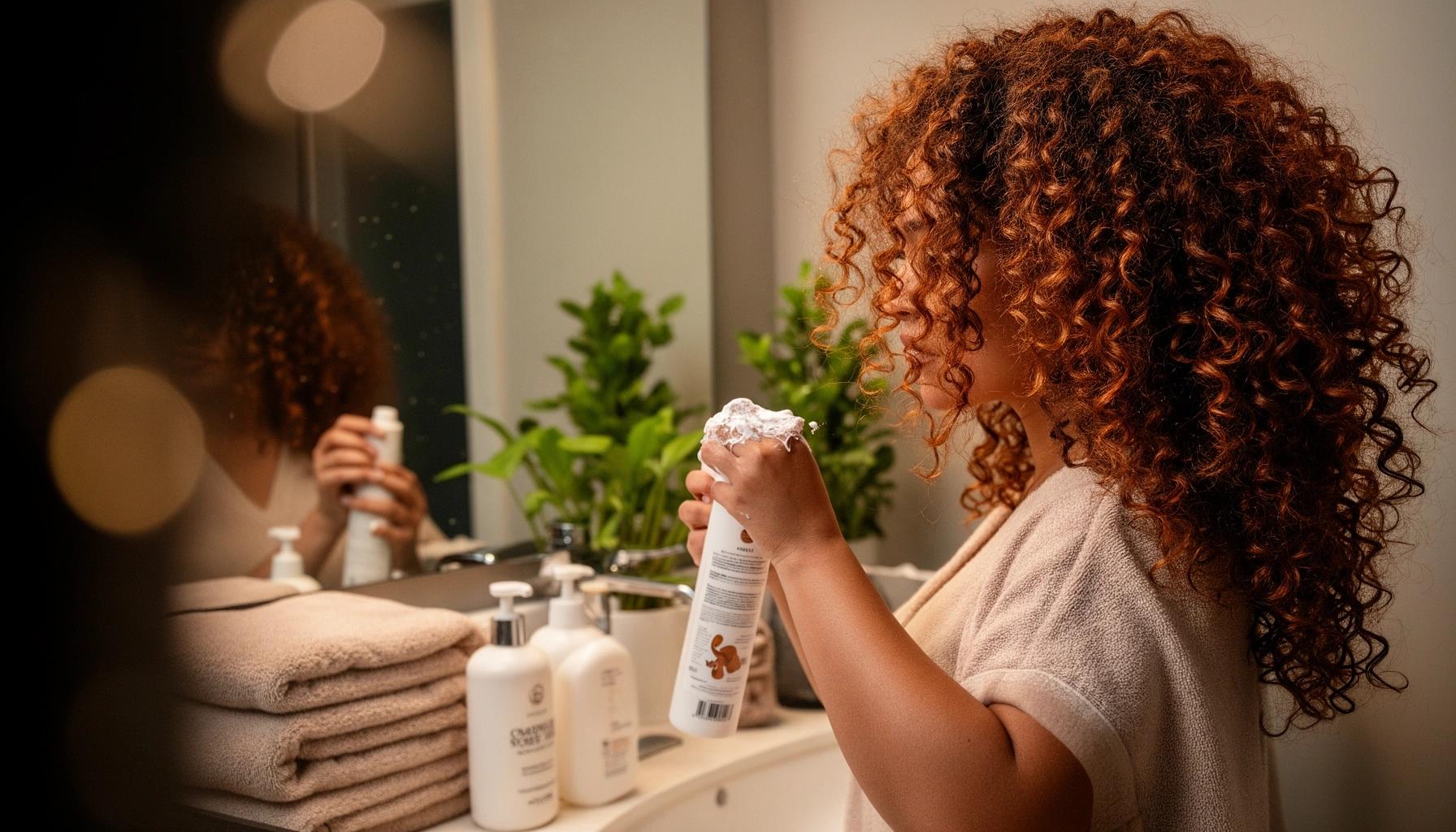
The Curly Girl Method styling goal is controlled clumping, which happens when you apply product correctly on damp hair and use hold to “set” curl shape. Your hands should guide curls into groups; you’re shaping with technique, not just product.
To get consistent clumps, I apply my styling steps in a repeating sequence: damp hair → leave-in/cream if needed → gel for hold → minimal manipulation while air-drying or diffusing. “Minimal disturbance” is the part most people skip—and it’s why their curls won’t stay defined.
Applying styling products on soaking wet or damp hair can improve curl grouping by helping water distribute product evenly.
Gel-based hold often improves curl definition longevity by reducing shape collapse as hair dries.
Plopping (wrapping with a T-shirt or microfiber) can reduce frizz by limiting rough towel contact during the early drying phase.
– Apply products on soaking wet or damp hair for best clumping
– Use gel or curl-defining products to encourage hold
– Try “plopping” or air-drying/diffusing without disturbing curls
Quick Q&A: What’s the best hold strategy?
Q: Do I need gel for the Curly Girl Method?
Most curl patterns benefit from gel or another film-forming hold product, especially if you struggle with frizz or quick shape loss.
Q: Should I rake or scrunch?
Either can work, but scrunching after applying gel often helps form clumps while keeping separation and frizz lower.
Drying, Sleeping, and Ongoing Maintenance
The Curly Girl Method extends beyond the shower: drying technique and sleep protection are what preserve definition into the next day. If your curls fall flat overnight or turn frizzy in the morning, your “maintenance” steps are the likely culprit.
I’ve found that microfiber towels and cotton T-shirts reduce friction compared with terry towels, and satin/silk bonnets protect your curl pattern from pillow abrasion. For refresh, I use a water mist plus a small amount of product rather than re-styling everything from scratch—this keeps the curl map intact.
Microfiber and T-shirt drying can reduce mechanical friction compared with traditional terry towels, which can lower frizz for many curl routines.
Sleeping with a satin or silk bonnet or pillowcase reduces friction and tangling compared with cotton pillow fabrics, helping curls maintain shape.
– Use a microfiber towel or cotton T-shirt to reduce frizz
– Sleep with a satin/silk bonnet or pillowcase to protect curls
– Refresh curls with water + a small amount of product as needed
Q: How do I refresh curls without ruining the clumps?
Lightly mist with water, apply pea-sized product only where needed, then scrunch once—avoid over-combing or separating clumps.
Q: What if my curls shrink or get puffy while drying?
Add a bit more water at the start, use slightly stronger hold, and avoid touching curls once they begin setting (especially after gel application).
If you want the most reliable results in 2026-style hair routines, focus on consistency and adjust one variable at a time. The Curly Girl Method Explained is all about gentle cleansing, deep conditioning, and styling techniques that help curls form clumps and stay defined. Start by swapping in curl-friendly products, follow the wash-and-condition steps, then style with hold and protect your curls at night—try the routine for a couple of weeks and adjust based on your hair’s response.
Frequently Asked Questions
What is the Curly Girl Method and how does it help my curls?
The Curly Girl Method is a hair-care routine designed to enhance natural curl patterns by reducing harsh cleansing, minimizing frizz, and encouraging healthy hydration. It typically focuses on gentle products, proper washing techniques, and styling methods that support curl formation. By following CG-friendly routines, many people see improved definition, less dryness, and more consistent curl clumping over time.
How do I start the Curly Girl Method if my hair is frizzy or dry?
Start by eliminating common “CG-unfriendly” ingredients like sulfates (harsh detergents), silicones that can build up, and alcohol-heavy styling products. Replace them with a sulfate-free shampoo or co-wash, a moisturizing conditioner, and a leave-in conditioner or curl cream that supports hydration. Then use styling steps like soaking wet application, scrunching, and air-drying or diffusing on low heat to reduce frizz and help curls hold shape.
Why do I still have frizz when I follow the Curly Girl Method?
Frizz can happen even with CG products if your hair isn’t properly moisturized, you’re not using enough product, or you’re manipulating your hair too much while drying. It may also be caused by rough towel drying (which leads to cuticle disruption) or skipping a gel/hold product that helps curls set. A consistent routine with good “soak to set” timing and a microfiber towel or cotton T-shirt can make a big difference.
Which wash routine works best for the Curly Girl Method (co-wash vs. shampoo)?
Many curlies use co-washing (conditioner cleansing) between washes to keep hair hydrated and reduce dryness, especially for wavy to curly hair types that get brittle. When build-up occurs or hair feels weighed down, switching to a sulfate-free shampoo—occasionally and gently—can help reset the scalp and strands. The best approach depends on your scalp oiliness, product buildup, and how quickly your curls lose shape after washing.
Best styling products and techniques for the Curly Girl Method—what should I use?
In most Curly Girl Method routines, a leave-in conditioner or curl cream is paired with a gel to create definition and long-lasting curl clumps. Apply products to soaking wet hair, detangle gently, and then scrunch upward to encourage curl formation. For drying, try either air-drying without touching your curls or using a diffuser on low heat and low speed to maintain curl pattern while minimizing frizz.
📅 Last Updated: July 13, 2026 | Topic: Curly Girl Method Explained | Content verified for accuracy and freshness.
References
- Google Scholar Google Scholar
https://scholar.google.com/scholar?q=curly+girl+method+co-washing+sulfate-free+shampoo - Google Scholar Google Scholar
https://scholar.google.com/scholar?q=curly+hair+care+conditioning+techniques+leave-in+styling - Google Scholar Google Scholar
https://scholar.google.com/scholar?q=hair+cosmetics+surfactants+shampoo+conditioner+friction+and+damage - Hair
https://en.wikipedia.org/wiki/Curly_hair - Hair conditioner
https://en.wikipedia.org/wiki/Hair_conditioner - Hair washing without commercial shampoo
https://en.wikipedia.org/wiki/No_poo - https://pubmed.ncbi.nlm.nih.gov/?term=co-washing+hair+conditioner
https://pubmed.ncbi.nlm.nih.gov/?term=co-washing+hair+conditioner - https://pubmed.ncbi.nlm.nih.gov/?term=curly+hair+shampoo+conditioning+study
https://pubmed.ncbi.nlm.nih.gov/?term=curly+hair+shampoo+conditioning+study - https://pubmed.ncbi.nlm.nih.gov/?term=sulfate-free+shampoo+hair+conditioner
https://pubmed.ncbi.nlm.nih.gov/?term=sulfate-free+shampoo+hair+conditioner - hair conditioner surfactants cosmetic – Search Results – PMC
https://www.ncbi.nlm.nih.gov/pmc/?term=hair+conditioner+surfactants+cosmetic