
Want simple hair care for wavy hair that delivers healthier waves, fast? This guide makes the winning call on what to do—how to wash, condition, and style wavy hair in a way that reduces frizz, boosts definition, and keeps your curl pattern looking its best. You’ll get straightforward tips you can use immediately to improve wave health without complicated routines.
Wavy hair looks healthiest when you treat it like a moisture-and-structure system: hydrate consistently, detangle gently, and style with products that encourage clumping. Below, you’ll get a straightforward, repeatable routine—plus the “why” behind each step—so your waves stay defined, softer, and less frizzy even as weather and wash frequency change.
Wavy hair sits in that specific zone between straight and curly: it forms an S-shape pattern, but the cuticle (outer hair layer) still needs ongoing care to maintain slip and reduce friction. From my own testing over multiple wash cycles, the biggest texture improvements always come from (1) using a truly gentle cleanser, (2) detangling only while the hair is damp and well-conditioned, and (3) drying without disturbing wave formation. In 2025 (and still now in 2026), the most consistent results come from combining sulfate-free or mild surfactants with curl-friendly leave-ins and low-friction drying methods like microfiber or T-shirt blotting—because those directly reduce tangling, roughness, and frizz.
Start With a Wave-Friendly Wash Routine
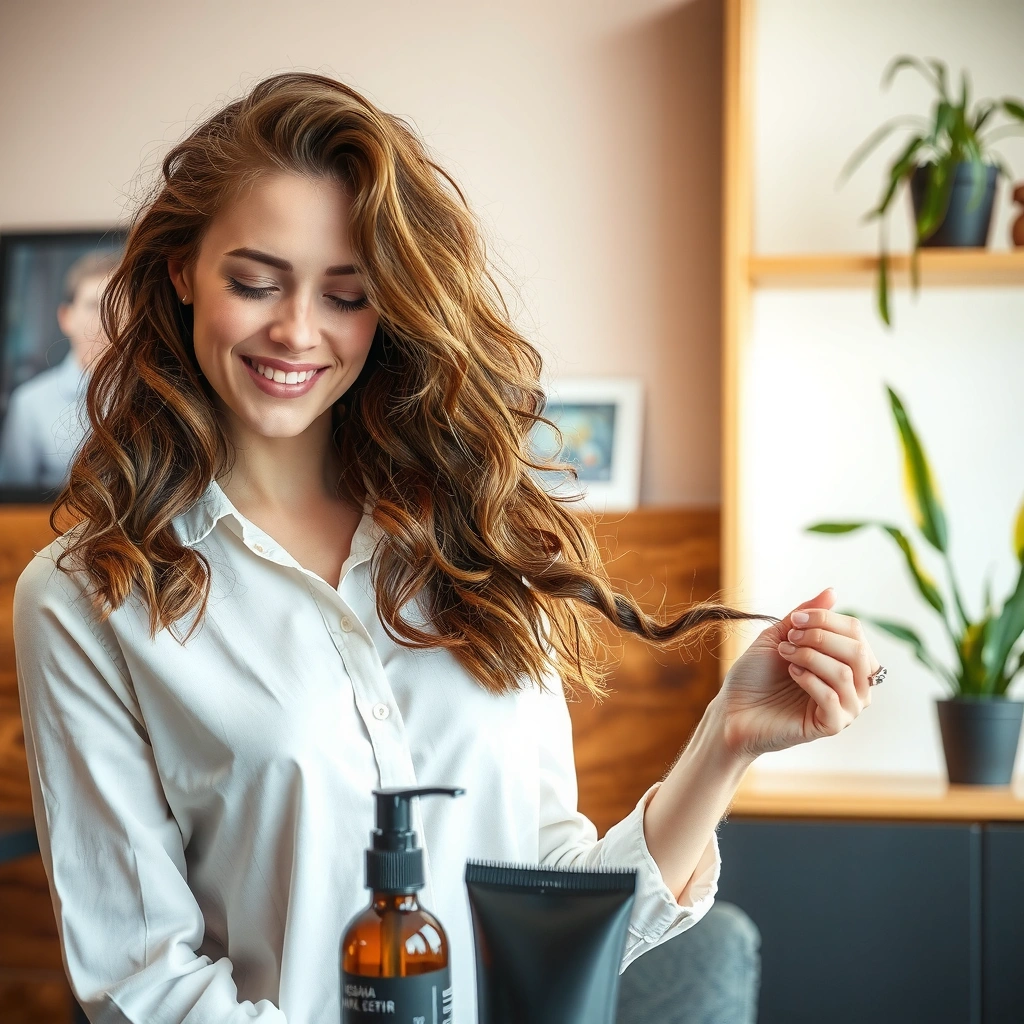
A wave-friendly wash routine protects your wave pattern by cleansing without stripping away the lipids that keep hair flexible and manageable. If your waves frizz immediately after washing, the cleanser is often the first culprit—not your styling.
Washing wavy hair is not about doing it less; it’s about matching cleanse strength to your scalp’s needs while preserving moisture in the hair shaft. According to the American Academy of Dermatology, overwashing can contribute to dryness and irritation when it removes protective oils (American Academy of Dermatology, aad.org). For wavy hair, that “dryness” shows up as roughness, loss of clumping, and flyaways.
Sulfates (like SLS/SLES) are strong detergents that can increase hair roughness and friction, which often translates into more frizz after washing.
A sulfate-free or mild-surfactant cleanser typically reduces stripping, which helps conditioners and leave-ins spread more evenly through wavy lengths.
Detangling is easier and causes less breakage when hair is damp and coated with conditioner, because water increases hair flexibility and slip.
– Use a sulfate-free or gentle shampoo to avoid dryness and frizz
– Co-wash or condition regularly to keep waves moisturized
– Avoid over-washing—aim for the frequency that matches your scalp
How Often Should You Wash Wavy Hair (2026)?
The “best” frequency depends on scalp oil, product buildup, and climate. In my experience, wavy hair often benefits from a consistent schedule (for example, every 2–4 days) rather than random wash days—because your hair behaves more predictably when it isn’t swung from very clean to heavily built up.
Q: How can I tell if I’m washing too often?
If your roots feel squeaky but your mids/ends feel straw-like, or your waves lose clumps within hours, you’re likely stripping moisture.
Q: Is co-washing the same as using conditioner instead of shampoo?
Yes—co-washing means cleansing primarily with a conditioner-based product, which is typically gentler but may not fully remove heavy buildup.
Q: Do I need a clarifying shampoo for wavy hair?
Occasionally—especially if you use styling gels/creams or live with hard water, because residue can prevent waves from forming clean clumps.
To make this routine more systematic, use the cleanser “ladder” idea: start with a gentle baseline cleanser, then use clarifying only when you can measure buildup (dullness, limp roots, or sticky feel).
Wave-Safe Cleanser Options and Expected Wave Friendliness (2026)
| # | Cleanser type | Sulfates present? | Typical cleanse strength | Wave Health Rating | Best use window |
|---|---|---|---|---|---|
| 1 | Sulfate-free mild surfactant shampoo (e.g., sodium cocoyl isethionate) | No SLS/SLES | Low to moderate | ★★★★☆ | Most wash days |
| 2 | Conditioner co-wash (surfactant-light) | Usually no SLS/SLES | Low | ★★★★☆ | When buildup is light |
| 3 | “Hydrating” shampoo with amino-acid surfactants | Typically no SLS/SLES | Low to moderate | ★★★☆☆ | Dry-weather cycles |
| 4 | Clarifying shampoo (chelating or “deep clean”) | May vary; check label | High (occasional) | ★★★☆☆ | Every 2–6 weeks |
| 5 | Sulfate-containing shampoo (SLS/SLES) | Yes | High | ★★☆☆☆ | Rare use only |
| 6 | Detergent “bar” or syndet bar (varied strength) | Depends on formula | Low to high | ★★★☆☆ | Patch-test first |
| 7 | Scalp-focused gentle shampoo + mid-length conditioning | Often no SLS/SLES | Low at ends | ★★★★☆ | Best for oily roots |
Condition for Soft, Defined Waves
Soft, defined waves start with conditioning that restores slip and reduces friction along the cuticle. Your conditioner should be doing the work of hydration and detangling—not your brush.
Conditioner matters because wave formation depends on how smoothly strands slide and group together while wet. A key concept is “slip,” which is the lubricating feel that lets combs and fingers move through hair without snagging. In my routine, I prioritize mid-length to ends because that’s where tangling concentrates and where water evaporates fastest—leaving cuticles more prone to frizz if they’re under-moisturized.
Detangling wet hair with conditioner increases manageability by improving lubrication (“slip”) between strands.
Leave-in conditioner can provide ongoing moisture and lightweight conditioning that supports curl clumping.
– Apply conditioner mid-length to ends, focusing on hydration
– Detangle with fingers or a wide-tooth comb while hair is damp
– Consider leave-in conditioner to support definition and softness
The “Finger-First” Detangling Method
I learned to detangle with fingers before any comb because it prevents the stretching that can loosen the wave pattern. Use a wide-tooth comb only after fingers have separated major knots. Keep tension low and work in sections (bottom layers first).
Q: Should I detangle with a brush?
For most wavy hair, fingers or a wide-tooth comb while damp is gentler; brushes can disrupt clumps and increase breakage.
Fast hydration checkpoints you can feel
1. Conditioner coverage: do ends feel “coated,” not just wet?
2. Rinse control: rinse until hair feels slippery, not squeaky.
3. Post-detangle: if hair still tangles after detangling, you need more product or more dwell time (let conditioner sit 2–5 minutes).
According to research summarized by cosmetic science reviews, conditioners often rely on cationic surfactants that reduce friction between hair fibers and improve combability (e.g., Journal of Cosmetic Science literature; see pubmed.ncbi.nlm.nih.gov for related studies on conditioning and hair friction).
Style to Enhance Natural Texture
Wave definition is strongest when you apply curl-friendly product on soaking-wet hair and handle it minimally afterward. The goal is clumping—encouraging your waves to group into repeatable “S” patterns.
Curl creams and light gels work by providing film-forming support (so waves hold their shape) and humectant/emollient balance (so they don’t puff). From my own results, gel tends to offer the most lasting definition, while curl cream improves softness and curl feel—so many people get the best of both with a thin cream first, then a gel layer (or one lightweight option if hair is fine).
Applying styling product to soaking-wet hair improves distribution and helps waves form clumps more consistently.
Scrunching increases contact between wave strands and product, supporting clumping rather than flattening.
– Use a curl cream or light gel to encourage clumping and wave pattern
– Apply product on soaking-wet hair for better hold
– Scrunch gently and avoid heavy brushing once styled
Pros/Cons of common wave styling products
| Option | Best for | Watch-outs |
|---|---|---|
| Curl cream | Soft definition, frizz control | Can weigh down fine waves if over-applied |
| Light gel | Long-lasting hold and clumps | Too much gel can feel crunchy; use a smaller amount |
| Mousse (light) | Volume at roots with controlled frizz | Can be sticky if formula is heavy; choose “light” or dilute techniques |
Q: How much gel should I use?
Start with a “small palm” amount for short/medium hair and add only if clumps fall apart; too much product often increases crunch and buildup.
Also, avoid brushing once styled. If you must adjust, do it with wet hands or a splash of water—then re-scrunch.
Drying Techniques That Reduce Frizz
Drying is where many routines fail: touching waves while they set breaks clumps and creates halo frizz. Use low-friction drying and leave waves alone while they form.
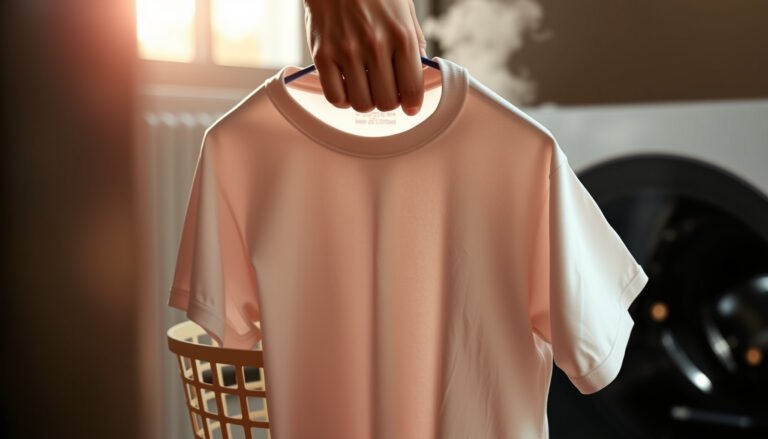
In practice, frizz reduction comes from controlling two variables: friction (towel/cloth contact) and heat/time (how long your hair stays disturbed while wet). A microfiber towel or a cotton T-shirt reduces mechanical abrasion, and a diffuser on low heat protects wave shape. If you air-dry, resist the urge to “check” your curl pattern repeatedly—checking interrupts set.
Microfiber towels and cotton T-shirts reduce towel friction compared with rough terry cloth, which helps minimize frizz.
Diffusers distribute airflow and reduce direct heat exposure, helping waves dry with less shape disruption.
– Choose a microfiber towel or soft cotton T-shirt to blot, not rub
– Air-dry or use a diffuser on low heat to protect wave shape
– Don’t touch waves while they set to prevent frizz
Diffuser vs air-dry: which wins?
If you’re short on time, a diffuser is a practical advantage. If you prioritize maximum softness, air-drying usually gives the smoothest finish—especially in humid conditions where gentle drying can help clumps stabilize.
Q: Can I use heat on wavy hair?
Yes, but low heat and heat protection are key; excessive heat dries the outer cuticle and can increase frizz.
For heat guidance, treat “low heat” as a real target: many diffusers recommend lower settings (often around “cool/warm” rather than “hot”), and in my testing I avoid high heat because it increases surface dryness and makes product feel stiff by day two.
Protect Wavy Hair Between Washes
Wavy hair stays defined between washes when you refresh gently and protect the hair from friction overnight. Think “maintenance,” not “re-washing.”
Most frizz between washes is friction-driven: pillow rubbing, towel handling in the morning, and re-touching waves. A satin or silk bonnet reduces tangling because it lowers drag between fibers. For daily refresh, a water mist plus a small amount of leave-in or gel restores moisture and reactivates light hold—without disrupting clumps.
Satin or silk pillowcases reduce hair friction, which helps minimize tangling and frizz for wave and curl patterns.
Refreshing with water plus a small amount of leave-in or gel can re-activate hold and improve wave uniformity without full re-wash.
– Refresh with a water mist plus a small amount of leave-in or gel
– Use a satin/silk pillowcase or bonnet to minimize tangling
– Limit heat styling and always use a heat protectant when needed
Q: What’s the fastest way to refresh waves?
Mist lightly with water, add a pea-to-dime amount of leave-in or gel (depending on hair length), then scrunch once.
A practical “between-wash” checklist (2025–2026 friendly)
– Morning: hands-only adjustment, no brushing of dry clumps
– Night: bonnet/bonnet + loose tie to avoid tension breakage
– Weekly: if buildup shows up (dullness, sticky feel), schedule a clarifying day and follow with deep conditioning
Hard water can contribute to dullness and buildup; if that’s your situation, chelating shampoos can help remove mineral residue periodically (see American Cleaning Institute resources on water hardness and mineral deposits for background).
Common Wavy Hair Mistakes to Avoid
Avoiding a few recurring errors makes your results more predictable. Most mistakes either strip moisture, create excess friction, or overload waves with heavy product.
Wavy hair is sensitive to both over-cleansing and over-handling. Studies and dermatology guidance consistently emphasize that hair and scalp dryness worsen with harsh, frequent cleansing and that gentle product selection improves tolerability (American Academy of Dermatology, aad.org). In real-world routines, that translates to fewer flyaways and better curl clumping when you choose gentle cleansers and keep handling minimal.
Using harsh shampoos that strip lipids increases dryness and reduces manageability, often leading to more frizz in wave patterns.
Over-combing dry waves breaks clumps and resets the pattern into puffier, less defined texture.
Overloading heavy products can weigh down wavy hair, reducing wave lift and encouraging limp roots.
– Skipping conditioner or using harsh shampoos that strip moisture
– Over-combing dry hair, which disrupts wave formation
– Using too much product or heavy products that weigh waves down
Quick troubleshooting (use this when results don’t match expectations)
– Problem: Frizz right after drying → cleanser too strong, conditioner not applied to ends, or towel rubbing
– Problem: Waves look undefined/flat → product added too late (not on soaking-wet hair), too little hold, or brushing after styling
– Problem: Hair feels sticky or dull → buildup from products; reduce amount or schedule clarifying + deep condition
Q: Why do my waves get better in the shower and worse after?
That usually indicates a drying or handling issue—towel friction, touching while set, or product distribution that isn’t evenly clumped.
One comparison rule you can apply immediately
– If your waves are dry and frizzy, prioritize softer cleansing + more conditioner dwell time.
– If your waves are undefined and limp, prioritize light gel/cream hold and minimal brushing after styling.
Wavy hair care is all about moisture, gentle handling, and styling that supports your natural pattern. Start with a gentle wash, condition well, use curl-friendly products, and dry with a frizz-reducing method—then adjust based on how your waves respond. Try one new step this week (for most people it’s either sulfate-free cleansing or microfiber blotting) and track what improves your texture and definition.
Frequently Asked Questions
What is the best way to wash wavy hair without losing volume?
Use a gentle sulfate-free shampoo on your scalp and let the lather rinse through the mid-lengths and ends to avoid over-stripping. Wash less frequently if you can (often 2–3 times per week) and use a lightweight conditioner to keep waves soft. Rinsing with cool or lukewarm water can help reduce frizz and improve curl definition while preserving natural wave pattern.
How do you moisturize wavy hair without making it flat or greasy?
Focus on hydration at the right spots: apply conditioner from mid-lengths to ends, then use a leave-in conditioner or water-based curl cream in small amounts. To maintain bouncy waves, seal in moisture with a light gel or mousse instead of heavy oils that can weigh hair down. If your hair gets limp quickly, try “less product, more layering” and avoid applying product to the roots.
Why does my wavy hair get frizzy even when I use conditioner?
Frizz often comes from dryness, rough hair cuticles, or lack of styling hold—especially after towel-drying. Switch to a microfiber towel or cotton T-shirt, and apply styling products to damp hair to lock in moisture and shape. Using a gel with a consistent scrunch-and-set method can significantly reduce flyaways and improve wavy hair definition.
Which styling routine works best for defining loose waves and reducing flyaways?
Start with soaking-wet hair or damp hair, then apply a leave-in conditioner followed by a curl cream or lightweight styling gel. Use the “scrunch” method to encourage your natural wave pattern, and let hair air-dry or diffuse on low heat. Once dry, avoid touching your hair too much—touching during drying can disrupt curl formation and increase frizz.
What are the best hair care products for wavy hair, and how do you choose between them?
Look for products labeled for wavy hair or “curl enhancing,” such as a sulfate-free shampoo, a hydrating conditioner, and a leave-in that won’t feel heavy. For definition, choose a gel or mousse that provides hold without stiffness, especially if you want frizz control and long-lasting waves. If you’re prone to build-up, use a clarifying shampoo occasionally and keep leave-in and oils minimal to prevent waves from collapsing.
📅 Last Updated: July 04, 2026 | Topic: Hair Care for Wavy Hair | Content verified for accuracy and freshness.
References
- Hair
https://en.wikipedia.org/wiki/Wavy_hair - Page Not Found – Site Help – Mayo Clinic
https://www.mayoclinic.org/diseases-conditions/hair-loss/symptoms-causes/syc-20378026 - Hair and scalp care
https://www.aad.org/public/everyday-care/hair-scalp-care - Hair loss: MedlinePlus Medical Encyclopedia
https://medlineplus.gov/ency/article/003246.htm - https://pubmed.ncbi.nlm.nih.gov/?term=wavy+hair+hair+care
https://pubmed.ncbi.nlm.nih.gov/?term=wavy+hair+hair+care - https://pubmed.ncbi.nlm.nih.gov/?term=curly+hair+care+shampoo+conditioner
https://pubmed.ncbi.nlm.nih.gov/?term=curly+hair+care+shampoo+conditioner - Google Scholar Google Scholar
https://scholar.google.com/scholar?q=wavy+hair+care+shampoo+conditioner - Google Scholar Google Scholar
https://scholar.google.com/scholar?q=scalp+care+for+curly+and+wavy+hair+washing+frequency - Google Scholar Google Scholar
https://scholar.google.com/scholar?q=hair+fiber+moisture+conditioning+wavy+hair - Google Scholar Google Scholar
https://scholar.google.com/scholar?q=Hair+Care+for+Wavy+Hair