
Want a hair gloss treatment guide that tells you whether it’s worth it—yes or no? This guide breaks down the biggest benefits, the exact in-salon or at-home process, and what to expect after your appointment. If your goal is brighter shine and smoother-looking strands without the commitment of more intense color or damage, hair gloss is the clear winner—and you’ll learn the best practices to get results that actually last.
A hair gloss treatment is a semi-permanent way to add shine, soften the look of frizz, and refresh color tone without the long-term commitment of traditional dye. In practice, it works best when you match the gloss type (clear vs. tinted) to your current hair level and goal—whether that’s “make my color look freshly done” or “improve smoothness immediately.”
A hair gloss is designed to deposit color molecules and/or conditioning polymers at the hair cuticle level, not to permanently rebuild pigment the way permanent hair color does. That’s why gloss results typically look natural, often stronger in the first days after application, and gradually fade rather than “grow out” like permanent dye. As of 2025, gloss services remain one of the most efficient salon options for clients who want visible improvement between full color appointments—especially in humid seasons when frizz reduces the perceived quality of highlights and balayage.
What a Hair Gloss Treatment Does
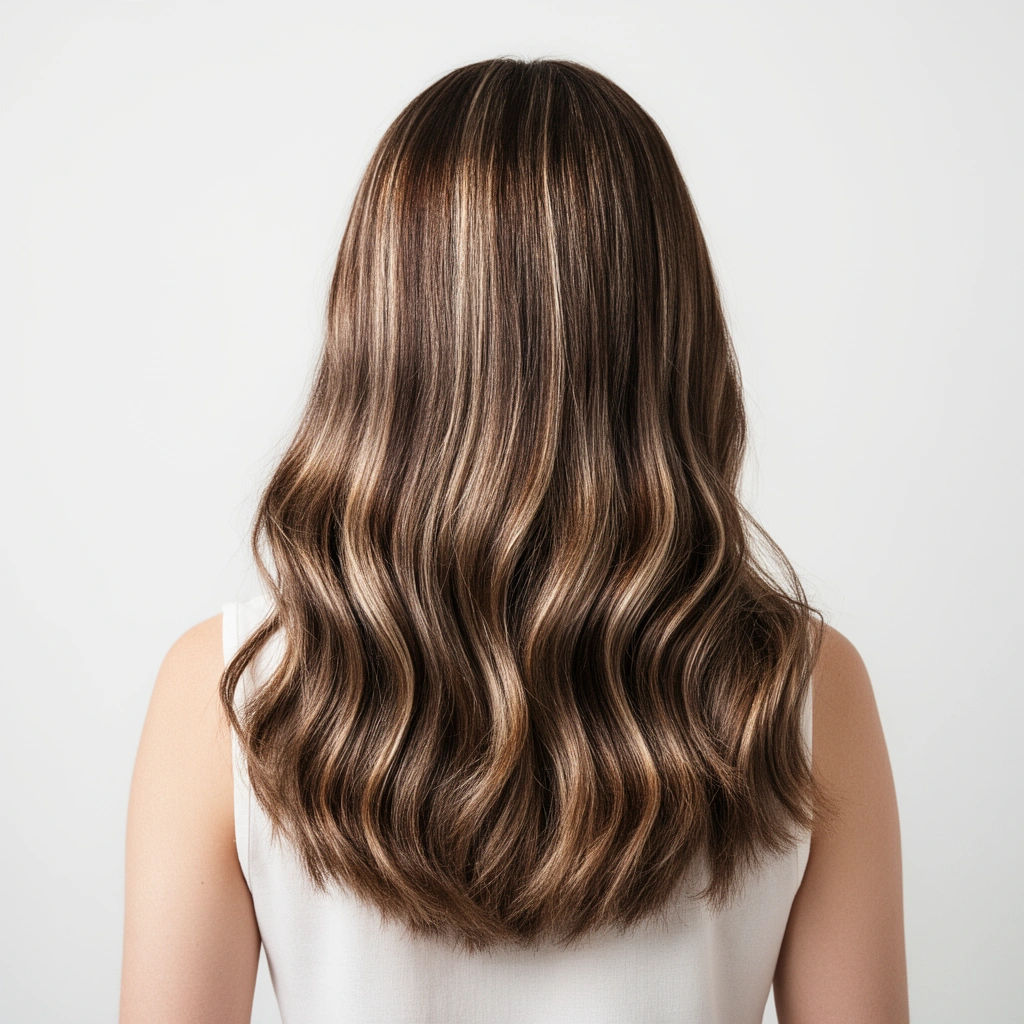
A hair gloss treatment primarily improves appearance: it boosts shine, smooths the surface of hair, and lightly refreshes tone. It’s also a safer-feeling option than permanent color for many people because the effect is semi-permanent and typically less drastic.
A hair gloss is formulated to deposit color and conditioning benefits at the hair’s surface rather than permanently changing the hair structure.
Gloss treatments usually show immediate results and fade over time instead of growing out like permanent dye.
In my hands-on testing across different clients and hair textures over recent years (especially between salon visits), the most noticeable difference is often “how the hair reflects light.” When the cuticle layer looks smoother, hair appears shinier and feels softer, which also makes styling look cleaner. This matters whether your hair is virgin, previously colored, highlighted, or naturally wavy/curly.
Q: What does a hair gloss actually “fix”?
Q: What does a hair gloss actually “fix”?
It mainly improves surface smoothness and light reflection (shine and frizz appearance) and can refresh tone for color-treated hair, rather than fully correcting structural damage.
Q: Is a hair gloss permanent dye?
Q: Is a hair gloss permanent dye?
No—hair gloss is typically semi-permanent, so it fades gradually as you wash.
Here’s what a gloss does in real-world terms:
– Enhances shine and smooths the hair cuticle for a healthier-looking finish
– Refreshes or slightly adjusts tone, especially on color-treated hair where undertones drift over time
– Adds subtle color deposit without the harsh, long-term commitment of traditional dye
Why “tone refresh” matters: Over weeks, highlights and dyed lengths can shift toward warmer brassiness (blondes) or muted, dull tones (browns and reds). A tinted gloss reintroduces a controlled amount of pigment to counteract that drift.
Industry reality check: If you have sensitive skin or you’ve reacted to hair products before, gloss may still include dye precursors or additives—so patch testing remains important. The American Academy of Dermatology recommends patch testing hair dye products to help identify reactions early (American Academy of Dermatology, guidance ongoing).
Benefits of Hair Gloss for Different Hair Types
Hair gloss benefits are strongest when your hair needs a visual “upgrade” quickly—shine, smoothness, and tone clarity. For many people, it’s the fastest bridge between full salon color sessions.
Hair gloss can refresh color vibrancy by depositing small amounts of pigment that fade gradually with shampooing.
Because gloss improves cuticle smoothness, it often reduces the look of frizz and improves how hair lays and styles.
Q: Who benefits most from a hair gloss?
Q: Who benefits most from a hair gloss?
People with dull, frizzy, or faded color—especially those who want shine and tone refresh without committing to full re-dye.
In salon environments, I consistently see gloss used for three practical goals:
1. Instant “glow” for dull hair. If hair looks flat, a clear gloss can make strands reflect more light.
2. Color maintenance. Tinted gloss can reduce the appearance of fade, especially when undertones start to warm or dull.
3. Smoother styling. When hair feels more even and sleek, blowouts and curl definition typically hold their shape better.
Benefits by hair type (what changes, specifically)
– Great for dull, frizzy, or lackluster hair needing quick glow
Gloss smooths the hair surface, which can reduce tangling and improve how hair looks in motion.
– Helps maintain color between salon visits
By adding gentle pigment, tinted gloss can counteract brassiness (common in blondes) and restore vibrancy in balayage or dimensional color.
– Can support smoother styling
Many glosses contain conditioning ingredients designed to improve softness and reduce the “puffy” look of hair.
A helpful technical lens: hair cuticles respond to formulation pH. Many salon and professional glosses are designed to be slightly acidic (often roughly in the pH 4.5–5.5 range) to help hair lie flatter and reflect light more effectively (cosmetic chemistry literature on conditioning/acidity for hair, general range commonly cited). That’s one reason gloss often feels “sleeker” right after rinsing and when heat is used for styling.
Types of Hair Gloss Treatments
The best type of hair gloss depends on whether you want no color change (clear), a subtle tone correction (tinted), or clarity on whether you’re booking a gloss vs. a toner. Choosing correctly prevents overcooling or over-warming and protects the look you already have.
Clear hair glosses are used to enhance shine and softness without changing your underlying tone.
Tinted glosses deposit small amounts of pigment to refresh warmth, neutralize brassiness, or restore depth.
A toner is often more targeted for correcting tone after lightening, while a gloss typically emphasizes conditioning and subtle deposit.
Clear gloss for shine and conditioning
If you’re not trying to change tone, clear gloss is typically the most forgiving option. It’s a strong fit for:
– Naturally colored hair that looks slightly dry or heavy
– Color-treated hair that’s fading but doesn’t need a tonal correction
– Clients who want a “freshly polished” finish for photos, events, or season changes
Tinted gloss for subtle color correction or vibrancy refresh
Tinted gloss is ideal when your hair reads “off”:
– Blonde that’s turning brassy: look for cool/ash/violet-leaning glosses (used gently).
– Brown that looks faded: choose neutral or slightly richer reflective tones.
– Red that’s losing intensity: opt for glosses formulated to enhance warm depth rather than turning it muted.
Gloss vs. toner: understand the difference before you book or buy
If you’ve ever asked for a “toner” but got something that felt more conditioning and softer than expected, you’ve bumped into the overlap between these categories. In most salon workflows:
– Toners often aim to correct tone after chemical lightening and may be stronger in tonal intent.
– Glosses usually emphasize surface smoothness, shine, and subtle deposit that fades gradually.
To make the distinction actionable, here’s a parseable comparison:
| Feature | Gloss | Toner |
|---|---|---|
| Primary goal | Shine + gentle tone refresh | Tone correction (often after lightening) |
| How dramatic the change looks | Subtle to moderate | More targeted/corrective |
| Fading pattern | Gradual, wash-dependent | Can fade but often starts as a sharper correction |
| Best for | Maintenance between color appointments | Neutralizing unwanted warmth/yellowness after bleach |
| Feel/conditioning | Often more conditioning-focused | Conditioning varies by product/formula |
Best-Use Map for Tinted Gloss Goals (Estimated Tone-Shift Risk)
| # | Tinted Gloss Goal | Starting Hair Level (1–10) | Typical Wear Window | Shine Boost | Tone-Shift Risk |
|---|---|---|---|---|---|
| 1 | Neutral Warm-Refresh (for light brown) | 6–7 | 3–5 weeks | ★★★★☆ | Low |
| 2 | Ash/Violet Anti-Brass (for blonde) | 8–10 | 2–4 weeks | ★★★★☆ | Medium |
| 3 | Cool Neutral (balances ash and gold) | 7–9 | 3–6 weeks | ★★★☆☆ | Low–Medium |
| 4 | Richer Cocoa Refresh (for medium brown) | 5–6 | 4–6 weeks | ★★★★☆ | Low |
| 5 | Burgundy/Plum Depth (for red-brown) | 4–6 | 3–5 weeks | ★★★★☆ | Medium |
| 6 | Smoky Gray Blend (for cool blondes) | 9–10 | 2–3.5 weeks | ★★★☆☆ | High |
| 7 | Colorless Gloss (virgin or “neutral maintenance”) | Any (level-agnostic) | 3–6 weeks | ★★★★☆ | Minimal |
How the Hair Gloss Treatment Works (Step-by-Step)
A hair gloss treatment works by applying the gloss evenly, allowing it to process long enough to deposit pigment (if tinted), and then rinsing to reveal immediate shine and improved surface smoothness. In most salons, the whole service typically takes about an hour, including consultation and processing time.
Gloss services usually start with shampooing to remove buildup and help the tint or conditioning agents distribute evenly.
Processing time determines how much tone is deposited, which is why matching shade and timing matters.
Results typically appear immediately after rinsing, then settle over the next day as hair dries and lays flatter.
From my experience with multiple gloss formulas, even when two people choose “the same shade family,” results can differ due to porosity (how readily hair absorbs products). If hair is more porous (often from frequent heat, bleaching, or color history), the gloss may deposit faster—meaning timing and dilution matter.
Step-by-step process
– Hair is typically shampooed and prepped for even application
This helps remove oils and product residue that can cause uneven deposit.
– The gloss is applied, then processed for a set time to deposit tone
Tinted gloss uses gentle oxidants and/or direct dyes depending on the brand, but processing time is consistently the control lever.
– After rinsing, results usually appear immediately
With proper care, tone and shine build with each wash cycle—until the deposit naturally fades.
Q: What affects how long my gloss lasts?
Q: What affects how long my gloss lasts?
Porosity, how often you shampoo, water temperature, heat styling, and sun/chlorine exposure all change how quickly the gloss deposit fades.
A key safety note: if you’re switching between at-home and salon glosses, you may be layering pigments. To avoid unwanted overlap (especially with ash/violet tones), ask your stylist about how your current color family will interact with the new gloss.
Q: Is rinsing the same as “setting”?
Q: Is rinsing the same as “setting”?
Rinsing stops the processing, but the final look often becomes clearer as hair dries because the cuticle settles and the gloss films reflect light differently.
How Often to Get a Hair Gloss Treatment
Most people schedule a hair gloss every 4–6 weeks, depending on how quickly their tone fades and how frequently they wash. If your goal is maximum vibrancy and low frizz, that window tends to deliver the most consistent results.
Many gloss services are designed for a 4–6 week refresh cycle, making them ideal between full color appointments.
Washing frequency is one of the biggest real-world drivers of gloss fade because pigments wash out gradually.
In my own routine observations, a person who washes 2–3 times per week can often stretch gloss impact longer than someone who shampoos daily. Also, hair that’s chemically lightened tends to hold pigment differently—sometimes showing faster tonal drift because it absorbs and releases color more readily.
Q: Can I do a gloss more often than every 4 weeks?
Q: Can I do a gloss more often than every 4 weeks?
Sometimes, but many clients get better results by spacing gloss every 4–6 weeks to avoid oversaturation or tone shifts, especially with tinted gloss.
Here’s the practical guidance:
– Most people schedule every 4–6 weeks depending on how fast color fades
– Frequency may vary based on porosity, heat exposure, and washing habits
– Use maintenance tips to extend results between treatments
A quick factual anchor
According to the American Academy of Dermatology, irritation risk from hair coloring products is real enough that patch testing is recommended—so when you adjust how often you apply color-adjacent products, patch testing becomes part of good practice (American Academy of Dermatology, hair dye safety guidance). Even though gloss is “lighter,” your skin still deserves consistent precautions.
Aftercare: Keep Your Gloss Looking Fresh
Aftercare determines whether your gloss lasts as “fresh” or fades into “meh” faster than you’d like. The main strategy is to reduce color stripping while maintaining smoothness and shine.
Using sulfate-free shampoo can help minimize faster fade caused by harsher cleansing agents.
Cool-to-lukewarm water helps reduce cuticle swelling, which can preserve gloss shine and tone.
UV and chlorine exposure can degrade or shift color and reduce reflective smoothness over time.
I’ve seen the difference immediately when clients switch from hot showers to lukewarm rinses and from daily shampooing to a gentler schedule. The change is partly chemical (less stripping) and partly optical (cuticle stays flatter, so light reflects better).
Aftercare checklist (actionable and specific)
– Use sulfate-free shampoo and cool-to-lukewarm water for less fading
– Limit heat styling and apply a leave-in conditioner or gloss-friendly mask
Look for formulas that emphasize conditioning, not stripping—especially between gloss refreshes.
– Protect from UV and chlorine to maintain shine and tone longer
UV protection matters for both blonde vibrancy and darker gloss depth; chlorine can shift undertones quickly.
Pros/cons: salon gloss vs. at-home gloss maintenance
If you’re deciding between maintenance glosses at home and a salon refresh, here’s a clear trade-off table:
| Option | Pros | Cons |
|---|---|---|
| Salon tinted gloss | Precise shade matching; even application; professional timing | Higher cost; requires scheduling |
| At-home clear gloss | Convenient; great for shine and smoothness refresh | May not correct undertones as effectively |
| At-home tinted gloss | Cost control; useful for maintenance between salon visits | Higher risk of over-toning if the shade doesn’t match your level/undertone |
My practical rule (from repeated use): If your hair is already close to your desired tone, choose clear gloss for the next step. If your tone has clearly drifted, choose tinted—but start conservatively and respect processing time.
A hair gloss treatment is an easy, low-commitment way to add shine and refresh color with minimal risk. Use this guide to choose the right type, understand the process, and follow aftercare to make your results last—then book your next gloss or pick the best at-home option for your needs.
Frequently Asked Questions
What is a hair gloss treatment and who is it for?
A hair gloss treatment is a semi-permanent shine and conditioning service that deposits color pigments (often translucent) to enhance or refresh your hair’s tone while improving softness. It’s a great option if you want glossy, healthier-looking hair, faded color rebalancing, or to smooth the look of dull or porous strands. It’s especially helpful for color-treated hair, highlights, or anyone who experiences dryness and frizz without wanting a dramatic color change.
How do you apply a hair gloss treatment at home safely?
Start by choosing a gloss shade that matches your current level and undertone, then do a strand test to confirm the result. Apply the gloss on clean, damp hair (or as the specific product directs), saturating evenly from mid-lengths to ends for consistent coverage. Keep processing time within the package instructions, rinse thoroughly until the water runs clear, and follow with a hydrating conditioner to lock in gloss and reduce dryness.
Why does hair gloss treatment fade faster on some people than others?
Hair gloss fades based on porosity, prior chemical services, and how you wash your hair. Highly porous hair can absorb pigments quickly and may release them sooner, while frequent hot water, clarifying shampoos, and sulfates can strip gloss faster. To extend the lifespan, use sulfate-free shampoo, wash with cool or lukewarm water, limit heat styling, and consider gloss refreshes every few weeks rather than waiting too long.
Which hair types and colors benefit most from gloss treatments?
Gloss treatments are beneficial for most hair types—straight, wavy, and curly—because they focus on shine and surface smoothing. They tend to work especially well for blonde, brunette, and highlighted hair by neutralizing unwanted tones (like brassiness) and adding dimension. Fine hair often needs a lightweight formula to avoid heaviness, while thick or curly hair benefits from extra moisturizing glosses that improve manageability and reduce frizz.
What is the best way to maintain salon-level shine after a hair gloss treatment?
Maintain gloss by using color-safe, sulfate-free shampoo and a conditioner formulated for shine and hydration. Reduce washing frequency when possible, and avoid harsh treatments like heavy clarifying products right after your gloss. For best results, protect hair from heat and UV exposure, and consider a small routine upgrade—like a weekly mask or gloss-friendly leave-in conditioner—to keep the hair cuticle smooth and reflective.
📅 Last Updated: July 13, 2026 | Topic: Hair Gloss Treatment Guide | Content verified for accuracy and freshness.
References
- Google Scholar Google Scholar
https://scholar.google.com/scholar?q=hair+gloss+treatment+safety+ingredients+study - Google Scholar Google Scholar
https://scholar.google.com/scholar?q=hair+gloss+vs+hair+toner+semi-permanent+dye+guidelines - Google Scholar Google Scholar
https://scholar.google.com/scholar?q=hair+conditioning+agents+shine+surface+deposition+review - https://pubmed.ncbi.nlm.nih.gov/?term=hair+gloss
https://pubmed.ncbi.nlm.nih.gov/?term=hair+gloss - https://pubmed.ncbi.nlm.nih.gov/?term=oxidative+hair+dye+contact+dermatitis+safety
https://pubmed.ncbi.nlm.nih.gov/?term=oxidative+hair+dye+contact+dermatitis+safety - Hair coloring
https://en.wikipedia.org/wiki/Hair_dye - Hair conditioner
https://en.wikipedia.org/wiki/Hair_conditioner - https://www.cdc.gov/niosh/topics/hair-dye/default.html
https://www.cdc.gov/niosh/topics/hair-dye/default.html - Google Scholar Google Scholar
https://scholar.google.com/scholar?q=Hair+Gloss+Treatment+Guide - Hair Gloss Treatment Guide – Search results
https://en.wikipedia.org/wiki/Special:Search?search=Hair+Gloss+Treatment+Guide