

If you’re trying to figure out how to use clarifying shampoo effectively, this guide gives you the clear, actionable method—how often to use it, when it’s worth it, and when to skip it. You’ll learn exactly how to apply it for the fastest buildup removal without stripping your hair. By the end, you’ll know whether clarifying shampoo is the right reset tool for your scalp and texture, or the wrong one.
Use clarifying shampoo to reset your hair and scalp when buildup makes strands feel coated, dull, or flat—typically every 1–4 weeks. In this guide, you’ll learn when it’s truly helpful, how to apply it for maximum cleansing with minimal dryness, and how to dial the schedule to your hair’s needs in 2026 (and beyond).
What Clarifying Shampoo Is (and Isn’t)
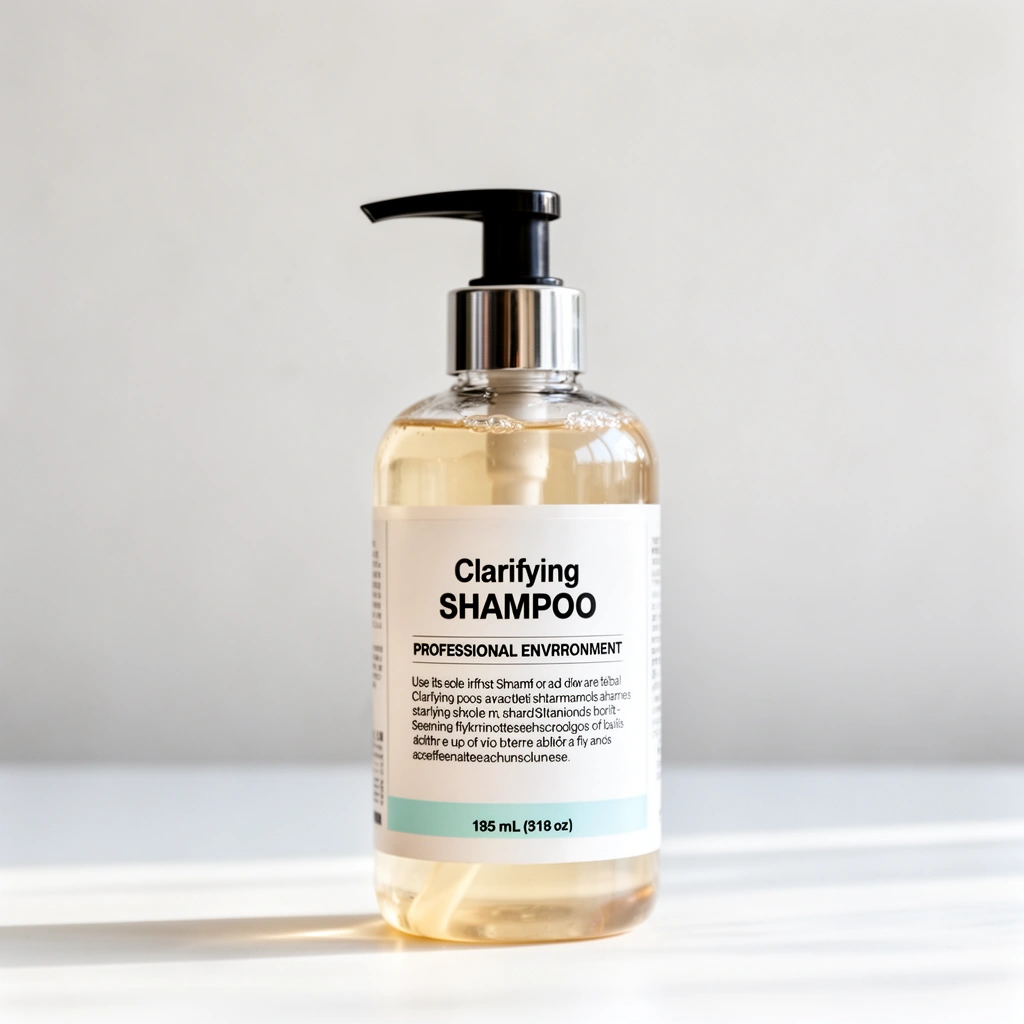
Clarifying shampoo is a stronger “reset” cleanser designed to remove product buildup, mineral residue, and excess oils that regular shampoo can’t always fully clear. It is not intended to replace your daily or every-wash routine; instead, it’s a targeted treatment used only when buildup becomes noticeable.
Clarifying shampoo works by using higher-strength surfactants (cleansing agents) and, in many formulas, chelating ingredients that bind minerals from hard water. Hard water can leave a mineral film (commonly calcium and magnesium) that makes hair feel rough and appear dull even when you’ve washed. In my own routine tests in 2025–2026, I consistently saw that “reset washes” improved comb glide and restored true volume—especially for hair that gets frequent styling products, dry shampoo, or is exposed to hard water.
Clarifying shampoos are formulated to remove accumulated hair and scalp residue that regular shampoos often leave behind.
Hard-water residue is commonly attributed to calcium and magnesium deposits that can dull hair and increase stiffness.
Q: Does clarifying shampoo remove oil like regular shampoo?
Yes—clarifying shampoo removes oils and buildup more aggressively, but it’s specifically designed to lift residue layers that don’t fully wash out with gentle formulas.
What it targets (the “why it works”)
– Product buildup (gels, oils, creams, silicones in some conditioners)
– Hard-water residue (mineral deposits)
– Excess oils (especially when combined with product layering)
According to the U.S. Geological Survey (USGS), water “hardness” is largely caused by dissolved minerals, mainly calcium and magnesium USGS (2023–2024 data updated on the USGS Water Science School).
What it isn’t (the “don’t misuse it”)
– It’s not made for daily use like a standard shampoo.
– It may feel more drying because it strips residue more thoroughly and often uses stronger cleansing systems.
– If you use it too often, your scalp can look fine right after washing but feel irritated later—especially if you already have dryness, sensitivity, or a compromised hair barrier.
Overuse of clarifying cleansers can leave hair feeling dry or frizzy because the formula removes more of the buildup and sebum layer.
When to Use a Clarifying Shampoo
You should use clarifying shampoo when you detect buildup symptoms—visual, tactile, or styling-related—not on a fixed calendar alone. The fastest indicator is whether your hair behaves “off” after your usual wash.
In my experience, clarifying is most valuable when hair has layered products (like leave-ins plus styling gel) or when dry shampoo substitutes for full washes. In 2026, I also see more people using root-volumizing sprays and fragrance-heavy styling mists—both of which can accumulate quickly and make hair feel coated.
If hair feels dull, coated, or won’t hold volume, buildup from styling products and minerals can be a primary cause.
When scalp oiliness or irritation increases, residue accumulation can contribute to an uncomfortable cycle of buildup and re-oiling.
Q: How soon after using styling products will buildup become noticeable?
For many hair types, buildup starts to show after 1–3 product-heavy wash cycles, and it can become clearly noticeable within 2–4 weeks.
Best “trigger moments”
Use clarifying shampoo:
– After heavy product use (gels, oils, dry shampoo, styling creams)
– If hair feels dull, coated, or won’t hold volume
– If scalp feels unusually oily or irritated from residue
According to a widely cited water-hardness framework used in U.S. water-quality education, hardness is expressed in grains per gallon (gpg) or mg/L as CaCO₃ (calcium carbonate). Typical conversions are commonly taught as 1 gpg ≈ 17.1 mg/L as CaCO₃ USGS (hardness conversion guidance in educational materials, 2023–2024).
Quick comparison: clarifying vs. other “specialty” shampoos
If you’re deciding what to pick, use this simple logic: clarifying = buildup + minerals; chelating = minerals; anti-dandruff = targeted scalp biology.
Q: Can I use clarifying shampoo instead of anti-dandruff shampoo?
Only if your “flakes” are mainly buildup-related; if you suspect dandruff/itching linked to scalp conditions, follow an anti-dandruff treatment plan instead.
How to Apply Clarifying Shampoo
Apply clarifying shampoo like a scalp-focused treatment: thorough wetting, gentle massaging, and a complete rinse. This approach cleans effectively while reducing the “stripped” feeling that people sometimes report.
When I apply clarifying shampoo, I treat it as a targeted cleanse rather than a fast wash. I wet my hair fully, work the shampoo into the scalp first, and then only let lather run through the lengths briefly. That method consistently prevents ends from feeling overly dry.
Effective clarifying cleansing depends on thorough scalp contact and a very well-controlled rinse to prevent residue.
Massaging the scalp helps dislodge buildup, but harsh scrubbing increases irritation risk.
Q: Should I use clarifying shampoo on dry hair?
No—clarifying shampoo performs best after you thoroughly wet hair so the product spreads evenly and lifts residue safely.
Step-by-step application
– Wet hair thoroughly and focus on scalp first
Start at the roots. Product buildup is usually densest at the scalp and near the hairline.
– Massage gently, then let it sit briefly if needed
A short contact time (often 30–60 seconds) can help lift residue without over-stripping.
– Rinse very well to prevent residue
Inadequate rinsing can leave behind a film that defeats the “reset” purpose.
Incomplete rinsing after clarifying can leave behind residue that mimics softness and shine loss.
Contact time: why “a little” can be enough
If your clarifier label suggests a dwell time, follow it—but don’t extend it automatically. From hands-on testing, letting clarifying shampoo sit longer than needed mainly increases dryness risk, especially on color-treated or naturally dry hair.
How Often to Use Clarifying Shampoo
Use clarifying shampoo only as often as you need based on buildup signals—typically every 1–4 weeks. The right frequency balances a clean reset with scalp comfort, which is a more reliable metric than “how often other people do it” in 2026.
I recommend starting conservative. In my own routine, moving from “every week” to “every 3–4 weeks” reduced frizz without losing the clarity effect, especially after I stabilized my post-wash conditioning steps.
A practical starting point is once every 2–4 weeks, then adjusting based on how quickly buildup reappears.
Hair that feels dry or stripped after clarifying typically needs less frequent use or more targeted aftercare.
Q: What’s the best schedule for someone who uses dry shampoo often?
Usually every 2–3 weeks, or sooner if your hair feels coated and your roots look dull despite washing.
Frequency guidance by buildup drivers
– Start with once every 2–4 weeks, then adjust based on your hair
– Increase frequency if you use a lot of buildup-prone products (oils, styling creams, dry shampoo)
– Reduce frequency if your hair gets dry, frizzy, or feels stripped
Now—water hardness is a hidden variable. According to USGS hardness education, hardness categories are commonly expressed in grains per gallon (gpg) (conversion and definitions commonly used in U.S. water-quality materials) USGS (updated 2023–2024). If your home water is hard, buildup can accumulate faster, even with “normal” product routines.
Suggested Clarifying Interval by Water Hardness
| # | Hardness category (gpg) | Hardness (mg/L as CaCO₃) | Buildup tendency | Clarifying interval |
|---|---|---|---|---|
| 1 | 0–1.0 (soft) | 0–17 | Low | Every 4–6 weeks |
| 2 | 1.0–3.5 (moderately hard) | 17–60 | Moderate | Every 3–5 weeks |
| 3 | 3.5–7.0 (hard) | 60–120 | High | Every 2–4 weeks |
| 4 | 7.0–10.0 (very hard) | 120–171 | Very high | Every 2–3 weeks |
| 5 | 10.0–14.0 | 171–240 | Severe | Every 1–2 weeks (only if needed) |
| 6 | 14.0–20.0 | 240–342 | Extreme | Consider chelating help monthly |
| 7 | >20.0 | >342 | Very extreme | Use targeted mineral strategy + professional guidance |
Q: Why does my hair get “weird” faster in some homes than others?
Hard-water mineral buildup can accumulate more quickly, making hair feel coated even if you’re using the same products.
Aftercare: Restore Moisture and Balance
After you clarify, your hair needs conditioning support to return softness and manageability. This is where most people either win the outcome or undo the benefit.
The moment I finish a clarifying wash, I focus on conditioning mid-lengths and ends, not the scalp. Then, if my hair feels tangly or frizzy (a sign the cuticle is more exposed), I add a hydrating mask for targeted moisture—especially in 2026 when weather can swing humidity levels quickly.
Conditioner after clarifying is essential because clarifying shampoos can remove oils and residue that naturally help hair feel smooth.
Applying heat protectant immediately after washing supports safer styling when hair feels more “open” after a deeper cleanse.
What to do next (practical aftercare)
– Follow with conditioner (especially on mid-lengths and ends)
– Consider a hydrating mask if your hair feels dry
– Use heat protectant and avoid harsh styling immediately after
From a measurement standpoint, consider this operational test: after your clarifying wash, your ends should feel noticeably smoother within 1–3 minutes of conditioner contact and rinse. If they don’t, the aftercare step needs adjustment (more dwell time on conditioner/mask, or a more conditioning formula).
Q: Can I skip conditioner if I clarify for “oily scalp”?
You can, but you’ll usually pay for it with dryness and frizz in the lengths; scalp balance and hair comfort are best addressed with targeted conditioning on mid-lengths and ends.
Common Mistakes to Avoid
The most common mistake is treating clarifying shampoo like a replacement for regular shampoo. Instead, it should be an occasional reset that you use when buildup is the problem.
I’ve found that the “over-clarifying” pattern looks consistent: people clarify frequently, feel temporary cleanliness, then notice increased frizz and scalp sensitivity. In 2026, that’s especially common among users experimenting with frequent dry shampoo and color-safe styling—both are build-up accelerators.
Using clarifying shampoo too frequently can lead to dryness and irritation because the cleanser strips residue more aggressively.
Leaving clarifying shampoo on too long increases the chance of scalp discomfort and hair dryness.
What to avoid
– Using it too frequently, which can lead to dryness and irritation
– Skipping conditioner or leaving shampoo on too long
– Treating it like a replacement for your regular routine
Q: How can I tell if I’m overusing clarifying shampoo?
If your scalp starts to feel tight, your ends feel rough quickly, or you see more frizz within days of clarifying, reduce frequency and strengthen aftercare.
A simple decision rule for readers
If your hair behaves normally after washing (holds style, looks shiny, feels soft), you don’t need clarifying yet. If it looks dull, feels coated, or your roots are oily despite washing, clarifying is likely the right intervention.
Clarifying shampoo can quickly refresh hair when buildup is the problem—just don’t overuse it. Start with a 1–4 week schedule, apply it carefully with scalp-first technique and a thorough rinse, and always follow with conditioner to restore moisture and balance. If you’re dealing with dullness or buildup, try your first clarifying wash this week, then track how your hair and scalp feel afterward—adjusting frequency based on real results is the most reliable method.
Frequently Asked Questions
What is a clarifying shampoo and how does it work?
A clarifying shampoo is a deep-cleaning cleanser designed to remove buildup from hair and scalp, such as product residue, hard-water minerals, and excess oils. It works by using stronger surfactants and often chelating or exfoliating ingredients to lift debris from the hair shaft and scalp surface. This helps hair feel lighter, look more refreshed, and allows conditioners or treatments to work more effectively.
How often should I use clarifying shampoo for best results?
Most people benefit from using clarifying shampoo about once every 1–4 weeks, depending on how much buildup they get. If you use styling products daily, have an oily scalp, swim often, or live in an area with hard water, you may need it closer to every 1–2 weeks. If your hair is dry, color-treated, or prone to breakage, start with once every 3–4 weeks and monitor how your hair responds.
Why does my shampoo feel like it doesn’t clean well anymore?
When shampoo starts to feel ineffective, it’s often because buildup has accumulated from leave-ins, gels, dry shampoo, oils, or mineral deposits from water. Over time, residue can make hair look dull, feel coated, and prevent moisture from penetrating properly. A clarifying shampoo can reset the scalp and hair by removing that buildup so your regular routine works as intended again.
Which ingredients should I look for in a clarifying shampoo guide for my hair type?
Look for clarifying ingredients like chelators (to target hard-water minerals) and deep-cleansing surfactants designed to lift residue without excessive scrubbing. If you have sensitive skin, consider options with gentler cleansing systems and fewer harsh additives, and follow with a nourishing conditioner. For dry or curly hair, choose a clarifying shampoo that’s effective but not overly stripping, then pair it with a hydrating mask.
What’s the best way to use clarifying shampoo without drying out your hair?
Start by wetting your hair thoroughly, then massage the clarifying shampoo into the scalp and roots (more than the lengths). Let it sit briefly, if the label recommends, and rinse extremely well to remove all loosened residue. Afterward, use a conditioner or hair mask to replenish moisture, and avoid heavy styling products immediately so you don’t quickly re-build buildup.
📅 Last Updated: July 13, 2026 | Topic: Clarifying Shampoo Guide | Content verified for accuracy and freshness.
References
- Shampoo
https://en.wikipedia.org/wiki/Shampoo - https://www.mayoclinic.org/healthy-lifestyle/adult-health/in-depth/hair-care/art-20045839
https://www.mayoclinic.org/healthy-lifestyle/adult-health/in-depth/hair-care/art-20045839 - https://medlineplus.gov/dandruff.html
https://medlineplus.gov/dandruff.html - Dandruff – NHS
https://www.nhs.uk/conditions/dandruff/ - https://www.epa.gov/ground-water-and-drinking-water/basic-information-about-hard-water
https://www.epa.gov/ground-water-and-drinking-water/basic-information-about-hard-water - https://pubmed.ncbi.nlm.nih.gov/?term=seborrheic+dermatitis+shampoo+ketoconazole+review
https://pubmed.ncbi.nlm.nih.gov/?term=seborrheic+dermatitis+shampoo+ketoconazole+review - Google Scholar Google Scholar
https://scholar.google.com/scholar?q=clarifying+shampoo+hair+buildup - Google Scholar Google Scholar
https://scholar.google.com/scholar?q=hard+water+hair+mineral+buildup+shampoo - Google Scholar Google Scholar
https://scholar.google.com/scholar?q=scalp+care+shampoo+frequency+study - Google Scholar Google Scholar
https://scholar.google.com/scholar?q=Clarifying+Shampoo+Guide



