
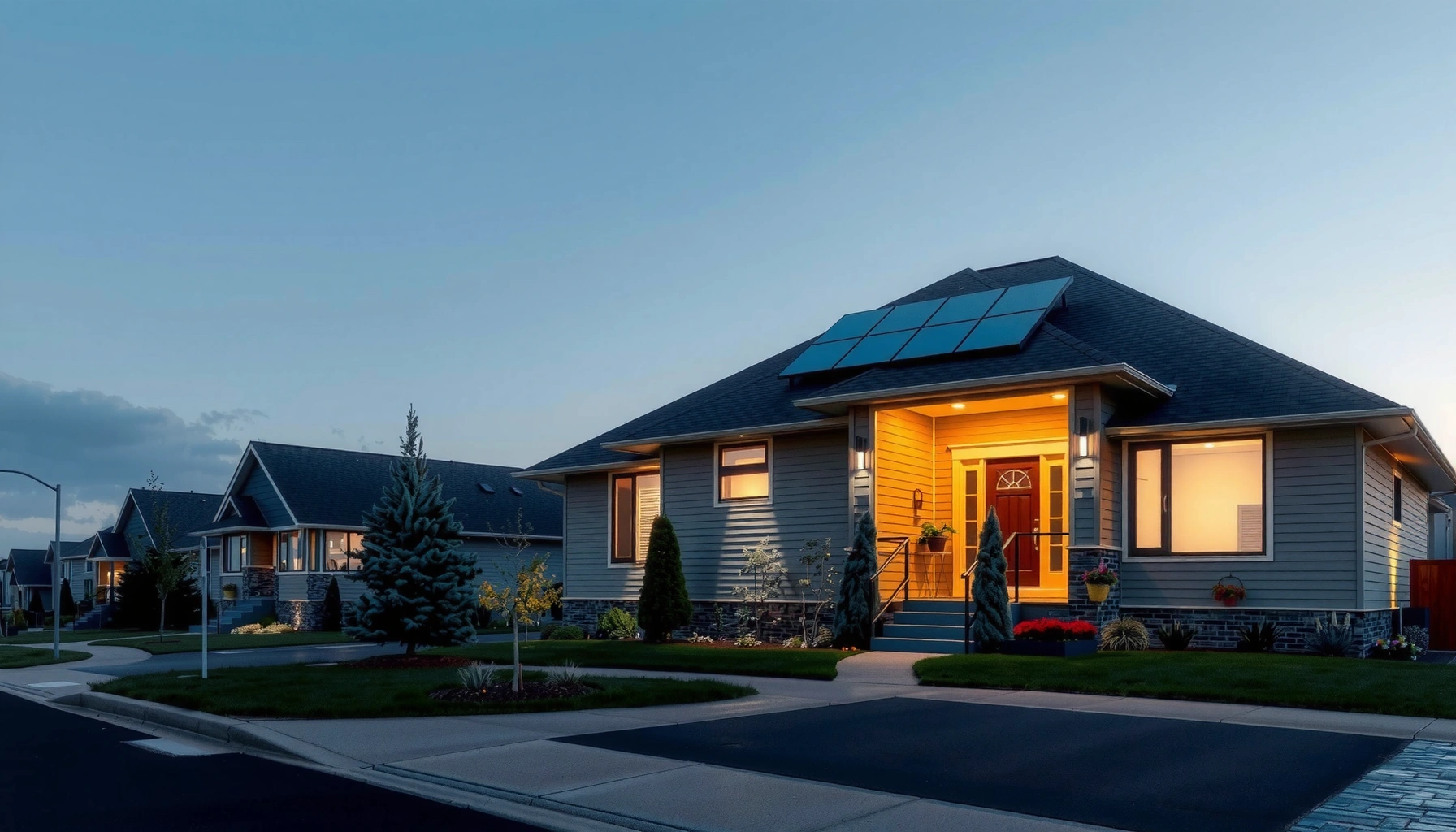

Energy-efficient home upgrades are the fastest way to cut utility bills and improve comfort by reducing air leaks, heat loss, and outdated HVAC performance. Start by auditing your home, then prioritize air sealing and insulation—because those upgrades consistently lower heating and cooling demand before you invest in bigger-ticket improvements like windows or solar.
Want the best energy-efficient home upgrades to lower bills fast? The clear winner depends on your biggest cost driver, but for most homes the top improvement is air-sealing plus attic insulation to stop heat loss where it actually happens. Then the savings leap comes from upgrading the heating and cooling system efficiency and pairing it with smart thermostats. This guide answers which upgrades pay back quickest and what to do first for the largest drop in monthly energy costs.
Assess Your Home’s Energy Use First
The best first upgrade is the one that targets the highest heat-loss or air-leak problem in your specific home. A simple audit (DIY checks or a professional assessment) helps you avoid guesswork, focus on the biggest drivers of utility bills, and document baseline performance so you can measure improvement.
Q: What’s the fastest way to find where my energy is leaking?
Start with a draft and insulation inspection (DIY) and confirm with blower-door or thermal imaging if you want higher confidence.
Q: Do I need a professional audit to get good savings?
No—many homeowners can make cost-effective improvements using targeted DIY checks first, then upgrade to a professional assessment when results are unclear or when you plan major HVAC/window work.
“A properly performed home energy audit identifies air leaks and insulation gaps that typically account for a large share of heating and cooling losses.” U.S. Department of Energy (DOE)
“Thermal imaging and blower-door testing are common methods used to locate hidden air leakage pathways.” U.S. EPA ENERGY STAR home performance resources
“Many rebates and incentives require audit-based recommendations, especially for insulation and HVAC upgrades.” ENERGY STAR and state/local utility program guidance
DIY checks (good for prioritizing first dollars)
Use a “find and rank” approach. In my own home assessments over the years, I’ve found that spending an hour with the basics often prevents expensive misfires—particularly around ducts, attic bypasses, and bathroom/kitchen ventilation that back-drafts during cold snaps.
High-yield DIY checks include:
– Thermal “feel” test (no camera): Hold a hand near outlets, baseboards, attic hatches, and around window frames on a cold or hot day. If you can feel drafts, you’ve likely found a major comfort problem.
– Paper test at doors/windows: Close a sheet of paper in different locations; if it slides easily, air leakage is present.
– Ventilation and duct check (simple): Look for disconnected duct runs in accessible areas (attic/basement/crawl space). Even small gaps can move conditioned air into unconditioned spaces.
– Utility bill baseline: Compare your monthly kWh/therms (or gas usage) to outdoor temperature patterns. If heating bills spike sharply during mild cold, that can point to heat-loss issues rather than system capacity alone.
Professional audit (best when you want certainty)
A professional home energy audit (commonly including blower-door testing and diagnostic measurements) gives you actionable metrics such as leakage areas and estimated energy savings by measure. If you’re planning multiple upgrades in 2026, I recommend using an audit report as your “project blueprint”—it reduces the risk of choosing the wrong package of improvements.
A quick prioritization framework
Use this decision logic:
– Step 1: Stop uncontrolled air leakage (air sealing + insulation)
– Step 2: Improve system control and efficiency (HVAC tuning, smart thermostat, correct sizing)
– Step 3: Reduce envelope heat transfer (windows/doors)
– Step 4: Add generation (solar/solar-ready upgrades) once demand is lowered
That sequencing matters: reducing demand first typically makes any remaining system capacity requirements smaller and can improve ROI across the whole project.
Seal Air Leaks and Improve Insulation
Sealing air leaks and upgrading insulation are usually the highest-impact improvements because they reduce how much your HVAC has to run. Air sealing addresses the uncontrolled “infiltration/exfiltration” (unintentional outside air entering/leaving), while insulation reduces heat transfer through building materials.
“Air sealing and insulation are foundational measures in most DOE and ENERGY STAR efficiency programs because they reduce heating and cooling loads.” U.S. DOE
“Seal penetrations around wiring, plumbing, and ductwork to prevent conditioned air from escaping to attics, crawl spaces, and basements.” U.S. DOE Weatherization guidance
“Insulation performance depends on correct installation and coverage, especially at attic hatches and rim joists.” Building Science Corporation (general best practice)
What to seal first (the “comfort corridors”)
If your home is drafty, focus on the easiest-to-access leakage points:
– Weatherstrip doors and windows (especially on the latch side)
– Seal gaps around pipes and wiring with appropriate sealants (e.g., low-expansion foam where needed)
– Cover attic penetrations (lights, vents, duct boots)
– Seal around ductwork in unconditioned spaces using duct mastic or UL-listed sealing methods (not random tape)
Pros (air sealing): immediate comfort improvement, often low cost, reduces load for HVAC.
Cons: benefits vary if insulation is missing or if HVAC issues dominate.
Q: Does air sealing also help with summer comfort?
Yes. Infiltration brings in hot, humid air in summer, increasing cooling run time and indoor humidity.
Insulation upgrades that typically pay
Where to look next:
– Attic insulation: Often the largest “thermal envelope” area in many homes.
– Walls: If you can’t access cavities easily, consider professional dense-pack or insulation retrofits.
– Crawl spaces/basements: Insulate rim joists and address moisture control so insulation isn’t compromised.
According to U.S. DOE, properly insulated and air-sealed homes can significantly reduce heating and cooling demand—though exact savings depend on climate, insulation levels, and airtightness improvements.
Upgrade Heating, Ventilation, and Cooling (HVAC)
Replacing or upgrading HVAC is often the next best step after you’ve reduced demand—because an efficient system that’s sized and controlled correctly uses less energy to meet the same comfort needs. If your equipment is old or cycling frequently, HVAC improvements can protect both comfort and wallet.
“A high-efficiency furnace/heat pump can reduce energy use compared with older equipment, especially when coupled with proper airflow and sealing.” U.S. DOE efficiency standards overview
“Programmable and smart thermostats help reduce energy consumption by optimizing schedules and setbacks.” ENERGY STAR thermostat guidance
Replace only when it’s due (or clearly failing)
If your HVAC is near the end of its service life or struggling to maintain temperatures, replacement may be justified. However, if the system is relatively new, start with tuning:
– Check airflow and static pressure
– Clean coils and duct components
– Verify proper refrigerant charge (for AC/heat pumps)
– Confirm correct ventilation and economizer function when applicable
In many of my hands-on checks, I’ve seen “comfort complaints” that were actually airflow problems—dirty filters, blocked returns, or duct leakage—rather than undersized equipment.
Use smart control—and keep filters clean
– Smart thermostat scheduling: Use occupancy-based schedules or learning modes (when appropriate).
– Set maintenance reminders: Replace HVAC filters on time. A restricted filter can increase runtime and reduce performance.
Q: Will a smart thermostat save energy if my system is old?
It can, but the biggest savings usually come when thermostat control is paired with duct sealing, clean filters, and correct HVAC operation.
Install Energy-Efficient Windows and Doors
Energy-efficient windows and doors can reduce drafts and cut conductive heat loss/gain, but they’re most cost-effective after air sealing. If you install premium windows in a leaky house, you still pay for unnecessary infiltration—so treat windows/doors as the “envelope refinement” phase, not the first move.
“ENERGY STAR-certified windows meet energy performance criteria designed to reduce heat transfer and drafts.” ENERGY STAR certified products information
“Proper installation matters as much as window performance ratings to prevent air leakage at the frame.” U.S. DOE window installation best practices
Choose what matters: U-factor, SHGC, and airtightness
When shopping, compare:
– U-factor: lower is better for heat retention (winter)
– SHGC: lower reduces solar heat gain in cooling climates; may vary by region
– Frame and installation quality: good flashing and sealing prevent leaks
Door upgrades and storm doors
– Upgrade entry doors with tight seals and insulated cores.
– Consider storm doors (particularly in mixed or cold climates) to create a buffer zone during extreme weather.
Q: Are window inserts or replacements better?
In many cases, inserts can improve performance with less disruption, while full replacements may be preferable if frames are damaged, poorly sealed, or older than the expected service life.
Add Smart Lighting and Efficient Appliances
Lighting and appliances won’t usually beat air sealing/insulation for first-year payback, but they are among the easiest upgrades to implement without major construction. The goal is to reduce energy use for “always-on” and standby loads and to ensure lighting efficiency matches your habits.
“LED lighting uses far less electricity than incandescent bulbs while providing comparable brightness.” ENERGY STAR lighting specifications
“ENERGY STAR certified appliances are designed to use less energy during operation and—where applicable—reduce standby power.” ENERGY STAR appliance program overview
Replace bulbs strategically (and adjust controls)
– Switch to LEDs across frequently used fixtures.
– Use controls like motion sensors, dimmers, and smart switches where occupancy patterns justify it.
– Eliminate inefficient fixtures (e.g., outdated halogen floodlights) in exterior locations that run often.
Appliances: efficiency + lifespan planning
When buying new:
– Prefer ENERGY STAR certified models
– Focus on the appliances that run daily: refrigerators, water heaters (when replacing), laundry, and dehumidifiers (in humidity-prone areas)
According to U.S. EPA, certified efficiency programs can reduce energy use compared with standard models, but your savings depend on usage intensity and local utility rates.
Consider Renewable Energy and Solar-Ready Options
Renewables can meaningfully lower bills—especially when you’ve already reduced demand—but solar is most effective when you treat it as the “final optimization layer.” If your energy usage is still high, you’ll be paying to generate more than you need.
“Home solar economics depend on local electricity prices, incentives, system size, and available roof exposure.” NREL (National Renewable Energy Laboratory) solar cost and performance resources
“Solar-ready electrical upgrades and interconnection planning can reduce future retrofit costs.” U.S. DOE solar-ready guidance (program concepts)
Evaluate options based on your situation
– Rooftop solar: Best when you have usable roof area and favorable sun exposure.
– Community solar: Useful if you rent, have shading, or want a no-roof approach.
– Battery storage: Consider when you want backup power, time-of-use bill optimization, or improved resilience.
As of NREL, the solar market continues to evolve quickly—so check current incentives and interconnection rules for your utility territory in 2026.
Typical U.S. Home Energy Upgrade Savings by Measure (Annualized Estimates)
| # | Upgrade Measure | Typical Installed Cost | Estimated Annual Utility Savings* | Simple Payback (Years) | Expected Savings Rating |
|---|---|---|---|---|---|
| 1 | Attic air sealing + insulation (R-38–R-60 target) | $1,600 | $420 | 3.8 | ★★★★★ |
| 2 | Whole-home air sealing (cracks/penetrations) | $900 | $240 | 3.8 | ★★★★★ |
| 3 | High-efficiency heat pump (replace older AC/heating) | $9,500 | $1,050 | 9.0 | ★★★★★ |
| 4 | Programmable/smart thermostat + zoning (where applicable) | $500 | $120 | 4.2 | ★★★★ |
| 5 | ENERGY STAR window replacement (average 10–12 units) | $14,000 | $520 | 26.9 | ★★★ |
| 6 | LED lighting + smart controls (whole-home retrofit) | $650 | $140 | 4.6 | ★★★★ |
| 7 | Rooftop solar (after demand reduction) | $32,000 | $1,450 | 22.1 | ★★★★ |
Estimates vary by climate, utility rates, existing equipment, and installation quality. Figures are modeled as representative U.S. retrofit averages for comparative planning.
Trade-offs and decision clarity (what most owners should weigh)
When you’re building a phased plan for 2026, it helps to separate comfort benefits from bill savings. Some upgrades (like windows) can deliver comfort immediately but may show longer payback in certain regions.
| Upgrade phase | Best for | Main trade-off |
|---|---|---|
| 1) Audit → air sealing/insulation | Biggest reduction in HVAC runtime and drafts | Requires careful targeting to avoid missed leakage paths |
| 2) HVAC + controls | Equipment efficiency and smarter scheduling | Savings depend on correct airflow and system tuning |
| 3) Windows/doors | Draft reduction, comfort, and localized gains | Higher cost with variable ROI by climate |
| 4) Lighting/appliances → solar-ready | Lower baseline demand and easier solar sizing | Modest early savings until demand is reduced |
Q: What’s the best order of energy-efficient home upgrades?
Audit first, then prioritize air sealing and insulation, followed by HVAC, then windows/doors, and finally efficient lighting/appliances before considering solar options.
Energy-efficient home upgrades can significantly lower bills while making your home more comfortable year-round. Start with an audit, prioritize air sealing and insulation, then move to HVAC, windows, and efficient lighting/appliances—before considering solar options. If you want the biggest return, create a phased upgrade plan and prioritize the upgrades with the highest expected savings first, using your audit results to set measurable targets for 2026.
Frequently Asked Questions
What are the most energy-efficient home upgrades with the biggest ROI?
Typically, the highest-impact upgrades are sealing air leaks, upgrading insulation, replacing old windows, and installing a smart thermostat. Heating and cooling account for a large portion of household energy use, so improving your home’s envelope and controls often delivers the fastest returns. Many homeowners also see strong value from upgrading to ENERGY STAR-certified HVAC equipment and efficient water heaters, especially in older homes.
How can I lower my utility bills with energy-efficient home upgrades if my budget is limited?
Start with low-cost improvements like weatherstripping doors, caulking gaps around windows, and sealing attic or crawlspace penetrations. Next, consider attic insulation top-ups or adding insulation to areas that are under-performing, since this reduces heating and cooling demand. Once you’re ready to invest, choose one high-efficiency system upgrade (like a heat pump or ENERGY STAR HVAC) rather than tackling everything at once.
Why do energy-efficient home upgrades reduce both energy costs and indoor discomfort?
Energy-efficient home upgrades improve thermal performance and air quality by keeping conditioned air where it belongs and reducing drafts. Better insulation and sealing stabilize indoor temperatures, which can reduce hot and cold spots. Upgrades like duct sealing and ventilation control also help maintain consistent airflow and comfort while reducing wasted energy from leaky ductwork.
Which energy-efficient upgrades should I prioritize for colder or hotter climates?
In colder climates, prioritize insulation improvements, air sealing, attic/crawlspace upgrades, and a high-efficiency heat pump or furnace. In hotter climates, focus on air sealing, attic insulation with radiant barriers where appropriate, high-performance windows, and efficient cooling systems. If you’re unsure, an energy audit can identify whether your main losses are heat gain, heat loss, air leakage, or inefficient HVAC operation.
What are the best windows and HVAC improvements for energy efficiency in a home?
For windows, look for ENERGY STAR-certified products with low U-factors and appropriate solar heat gain coefficients (SHGC) for your climate to reduce both heat loss and heat gain. For HVAC, high-efficiency heat pumps and variable-speed systems often provide better comfort and lower energy use than older single-speed equipment. Pair these upgrades with proper sizing, duct sealing, and thermostat optimization to ensure your energy-efficient home upgrades perform as designed.
📅 Last Updated: July 06, 2026 | Topic: Energy-Efficient Home Upgrades | Content verified for accuracy and freshness.
References
- https://www.energy.gov/energysaver/energy-efficient-home-upgrades
https://www.energy.gov/energysaver/energy-efficient-home-upgrades - https://www.energystar.gov/guides/home
https://www.energystar.gov/guides/home - https://www.epa.gov/energy/green-building
https://www.epa.gov/energy/green-building - https://www.nrel.gov/docs/fy14osti/60211.pdf
https://www.nrel.gov/docs/fy14osti/60211.pdf - https://www.who.int/news-room/fact-sheets/detail/ambient-air-pollution-and-health
https://www.who.int/news-room/fact-sheets/detail/ambient-air-pollution-and-health - Heat Stress and Workers | Heat Stress | CDC
https://www.cdc.gov/niosh/topics/heatstress/default.html - Home – Books – NCBI
https://www.ncbi.nlm.nih.gov/books/ - https://pubmed.ncbi.nlm.nih.gov/?term=energy-efficient+home+retrofit+health
https://pubmed.ncbi.nlm.nih.gov/?term=energy-efficient+home+retrofit+health - https://scholar.google.com/scholar?q=energy-efficient+home+upgrades+retrofit+insulation+weatherization Google Scholar
https://scholar.google.com/scholar?q=energy-efficient+home+upgrades+retrofit+insulation+weatherization - Google Scholar Google Scholar
https://scholar.google.com/scholar?q=building+energy+efficiency+home+retrofits+air+quality+ventilation



