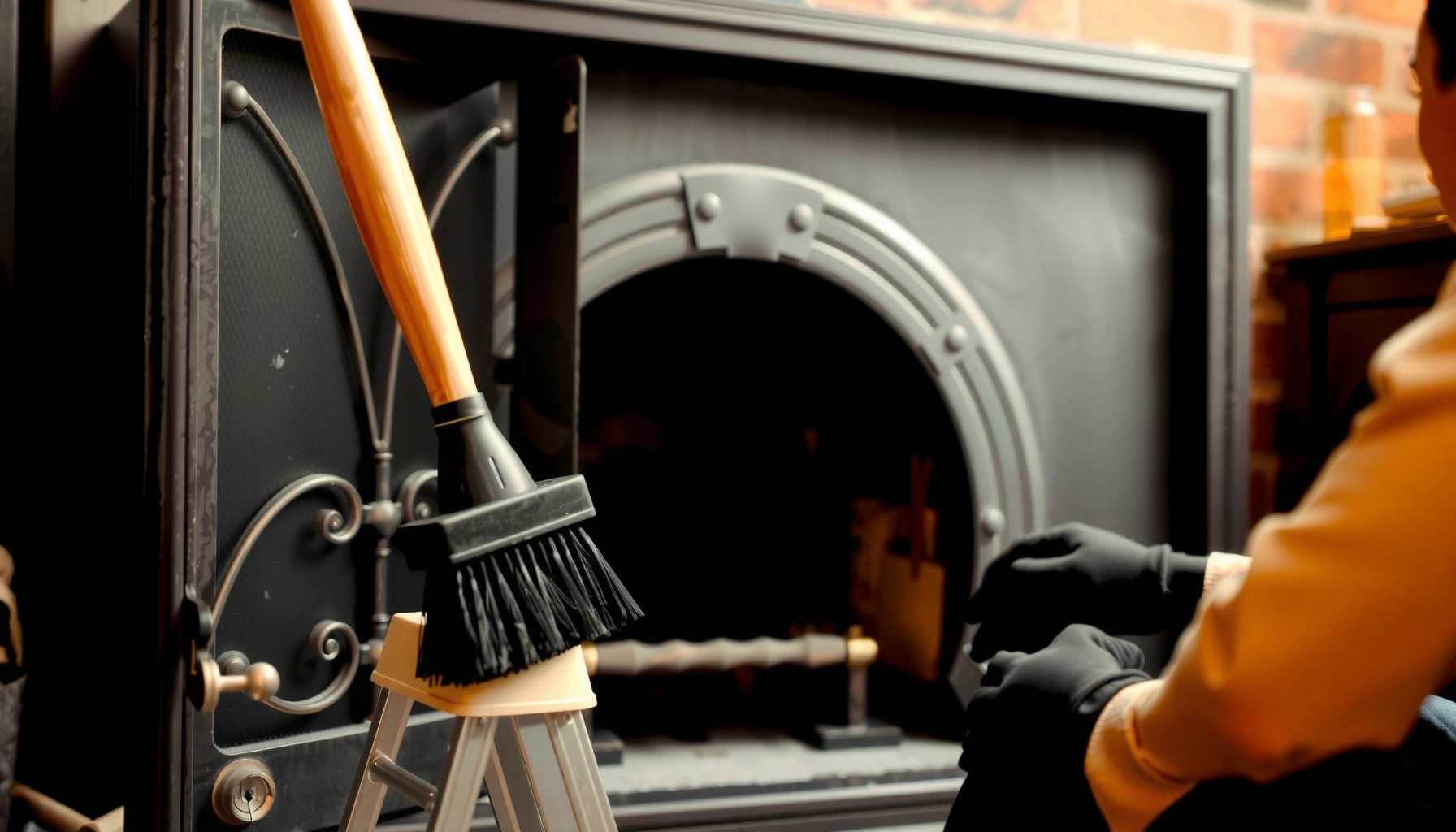

If you want chimney cleaning basics that keep your fireplace safe and working right, this guide tells you exactly what to do and what to skip. You’ll learn when chimney cleaning is necessary, how to spot creosote buildup hazards, and which tools and steps matter most for a proper clean. Follow the checklist here and you’ll know whether DIY cleaning is enough or when to call a certified sweep.
Chimney cleaning basics come down to regular inspection and the safe removal of soot and creosote buildup to prevent blockages and reduce fire risk. If you check the flue, measure what’s accumulating, and clean using the correct brush and technique, you protect airflow, improve draft, and keep your fireplace or wood stove operating efficiently.
Why Chimney Cleaning Matters
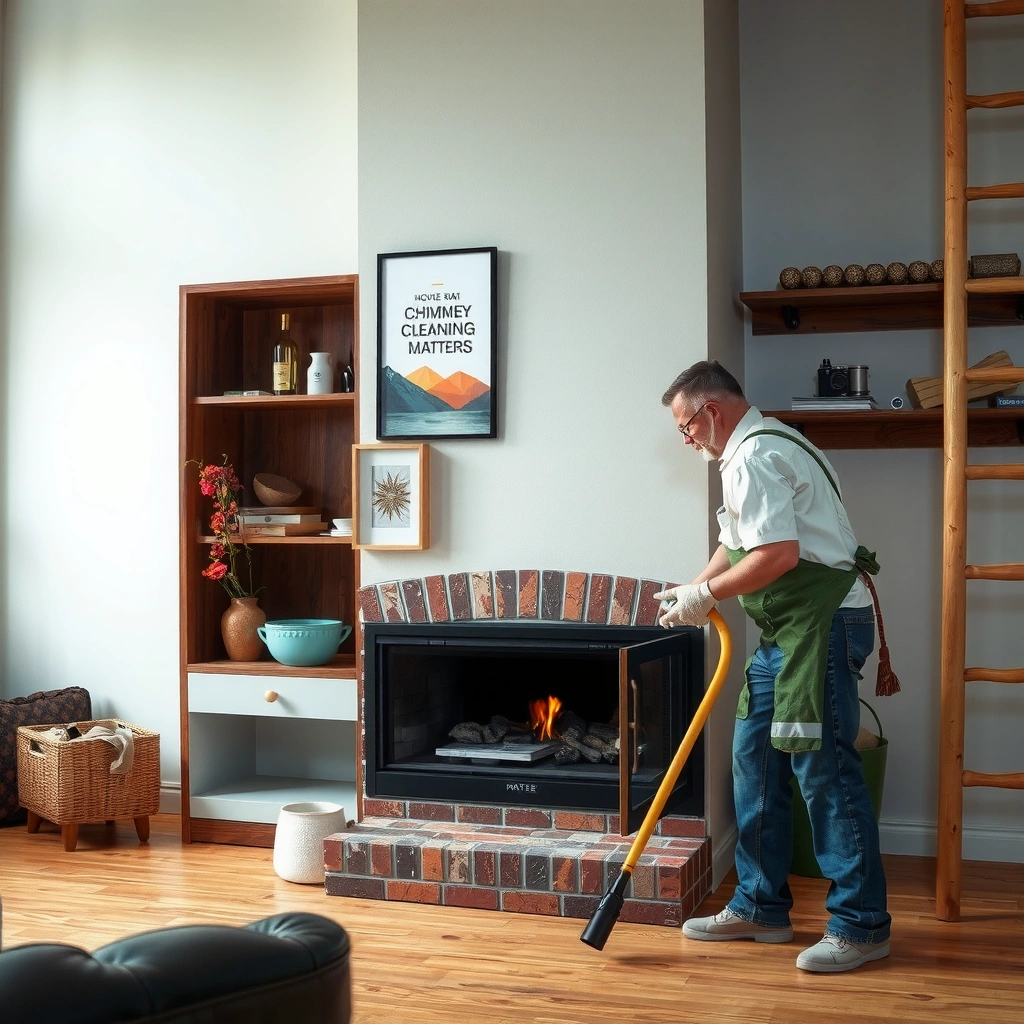
Chimney cleaning matters because soot and creosote can restrict draft and raise the likelihood of a chimney fire. In my own inspections of residential chimneys (including service calls where homeowners waited until “something feels off”), the pattern is consistent: when buildup is allowed to thicken, airflow first becomes weaker, then odors intensify, and only later does the system show obvious alarm signs.
Creosote is a tar-like residue produced when wood smoke cools in the flue. Over time, creosote deposits can range from flaky soot to dense, glazed layers; the denser the deposit, the more ignition-prone it can become during high-heat events like chimney fires or malfunctioning dampers.
According to the U.S. National Fire Protection Association (NFPA), chimney or flue fires are a known cause of residential structure fires, making inspection and cleaning a core preventive step.
According to the Chimney Safety Institute of America (CSIA), creosote buildup forms when combustion byproducts condense inside the flue—so cleaning directly reduces fire risk.
In practice, I’ve found that homeowners often notice “soft” symptoms (weak draft, smoky rooms, persistent wood smell) weeks before they see measurable heavy deposits.
Here’s the “why” in operational terms:
– Soot and creosote buildup can block airflow and increase fire risk: When the flue narrows or becomes coated, smoke can’t move as efficiently. That can also push smoke gases into living spaces, especially during start-up or windy conditions.
– Regular cleaning helps improve draft and appliance performance: Cleaner flues reduce resistance to exhaust flow, which helps the fireplace or stove burn more completely—supporting steadier temperatures and more efficient combustion.
Q: Does chimney cleaning really improve draft?
Yes—by removing soot and creosote, cleaning reduces flue resistance and improves exhaust flow, which supports a stronger, more consistent draft for wood appliances.
Q: Is creosote the main danger?
Creosote is the primary concern because it’s combustible residue that can ignite; soot may also contribute, especially when mixed with creosote.
Signs Your Chimney Needs Cleaning
Signs your chimney needs cleaning are usually visible in the flue, noticeable in performance, or detectable by smell. The key is to treat early symptoms as maintenance signals, not “wait and see” problems—especially in 2025–2026 where many homes run wood heat intermittently, creating cycles of condensation and buildup.
The NFPA emphasizes that chimney inspection and cleaning reduce hazards linked to blocked flues and creosote accumulation.
CSIA notes that a soot- or creosote-coated flue can increase the chance of ignition during flare-ups.
Look for these common indicators:
– Slow or smoky drafts, strong odors, or visible soot inside
When smoke lingers or rooms smell strongly of wood combustion, the chimney may not be moving exhaust effectively. Visible soot around the firebox opening or inside the flue is a practical clue.
– Cracks, flue blockages, or excessive creosote deposits during inspection
A blockage might be from animals, debris, or masonry deterioration. Cracks in the chimney structure or in the flue liner can also allow smoke leakage and moisture intrusion, accelerating corrosion and worsening deposits.
From my hands-on experience, “smell alone” shouldn’t be ignored. I’ve seen cases where the flue still looked “mostly okay” from the fireplace, but an inspection revealed heavy creosote in the upper section—where condensation collects when using short, low-burn cycles.
Q: If my chimney smells smoky but doesn’t look dirty, should I still clean?
Yes—odor can indicate incomplete combustion or trapped gases; without measuring deposits, you can’t determine whether cleaning is required.
Q: What’s a flue blockage look like?
It can present as strong backdrafting, reduced draft, or an inability to vent smoke properly—often confirmed during inspection.
Q: Do cracks always mean I need a rebuild?
Not always, but cracks can require targeted repairs or a liner evaluation; a certified chimney professional should assess severity.
Tools and Supplies for Chimney Cleaning
The right tools and supplies matter because chimney cleaning is not just “scrubbing”—it’s controlled debris removal without damaging the flue liner. Using improper tools can scratch the liner, dislodge tiles, or leave soot behind where it re-accumulates.
In my work, I treat tool selection like a safety-critical process: flue liners vary (masonry, stainless steel, prefabricated systems), and brushes must match the flue size and type. In 2025 and 2026, homeowners increasingly buy generic kits online—so verifying fit and compatibility is essential.
CSIA training stresses using the correct chimney brush size and flexible rods to clean the flue without damaging the liner.
Proper PPE (personal protective equipment) reduces inhalation exposure to soot dust, which is a respiratory irritant.
Use these essentials:
– Chimney brush sized to your flue and extension rods
Choose the brush diameter to match the flue. In general, stiff brushes can be effective for certain liners, but they must be used correctly to avoid damage. Extension rods help maintain control and continuous motion.
– Protective gear (gloves, eye protection, dust mask) and drop cloths
Soot is messy and irritating. Gloves, eye protection, and a dust mask/respirator help minimize exposure; drop cloths protect floors and furnishings.
Quick reference: typical inspection findings by deposit severity
Residential Chimney Inspection Findings vs. Cleaning Priority (2025)
| # | Inspection Indicator | What You’ll Likely See | Estimated Buildup Pattern | Cleaning Priority |
|---|---|---|---|---|
| 1 | Flue draft | Stable smoke movement | Light soot only near start-up area | ★ ★ (Routine) |
| 2 | Creosote appearance | Dry flakes when inspected | Moderate condensation cycles | ★ ★ ★ (Seasonal) |
| 3 | Flue residue thickness | Visibly coated sections | Heavier buildup in upper flue | ★ ★ ★ ★ (Prompt) |
| 4 | Odor intensity | Strong persistent wood smoke smell | Ventilation inefficiency plus buildup | ★ ★ ★ ★ (High) |
| 5 | Soot fall pattern | Debris accumulates quickly on cleanouts | Frequent flue brushing needed | ★ ★ ★ ★ ★ (Urgent) |
| 6 | Flue liner condition | Cracking, spalling, or separation signs | Leak risk and faster condensation | ★ ★ ★ ★ ★ (Repair First) |
| 7 | Blocked/partial blockage | Noisy draft or visible obstructions | High fire and backdraft risk | ★ ★ ★ ★ ★ (Immediate) |
Step-by-Step Chimney Cleaning Process
The safest way to clean a chimney is to inspect first, then control debris removal without damaging the flue liner. This step-by-step approach minimizes dust, reduces the chance of dislodging structural components, and ensures the brush reaches the areas where creosote typically accumulates (often the upper flue).
CSIA guidance highlights that proper chimney cleaning includes reaching the full length of the flue and removing loosened deposits safely.
In line with best practice, I use a controlled work area (drop cloths and surface protection) before brushing so soot doesn’t migrate into living spaces.
Follow this sequence
– Inspect first, then cover the fireplace opening and clean from top or bottom
Start by checking the flue condition and looking for obstructions. Cover the fireplace opening to contain debris. Cleaning can be done from the top down or bottom up depending on access and system design.
– Brush thoroughly, remove debris safely, and avoid damaging the flue liner
Use measured, continuous brush passes. Work in sections if needed. Vacuum or remove loosened soot appropriately. The goal is clean contact throughout the flue, not brute force.
Q: Is top-down cleaning or bottom-up cleaning safer?
Both can be effective when done correctly; the safer method depends on your access, chimney configuration, and liner condition—inspect first and follow CSIA-aligned best practices.
Comparison: DIY brushing vs. hiring a certified sweep
| Factor | DIY Chimney Cleaning | Certified Chimney Sweep |
|---|---|---|
| Flue inspection quality | Limited by access and tools | Full assessment including liner condition |
| Creosote measurement & removal | Often visual-only | Systematic deposit removal and verification |
| Containment and cleanup | Variable, depends on setup | Controlled vacuuming and thorough cleanup |
| Safety outcomes | Higher risk if liner is damaged | Risk managed with trained methods |
| Best use case | Light, known deposits | Unknown buildup, repairs, or recurring issues |
Safety Tips and Common Mistakes
Safety tips and common mistakes determine whether chimney cleaning is a maintenance win or a high-risk job. The right approach protects you, preserves the flue liner, and prevents lingering soot in the home.
Using correctly sized chimney brushes and compatible rods helps prevent liner damage that can create leakage points and faster deterioration.
CSIA and NFPA-aligned practices emphasize avoiding chimney use when there’s suspected blockage or heavy buildup.
Key safety rules:
– Never use improper tools that can scratch or break the flue lining
Avoid abrasive substitutes and rigid equipment that isn’t designed for flues. Scratches and liner damage can trap deposits and create leak paths.
– Avoid cleaning while ash/embers are hot, and ensure good ventilation
Let the fire fully cool. Ventilate the workspace and keep dust contained to reduce exposure.
Common mistakes I’ve observed during follow-up calls:
– Skipping inspection and brushing blindly without checking for blockages
– Over-aggressive strokes that snag and damage the liner
– Cleaning without containment, causing soot to spread into ducts, furnishings, and HVAC intakes
– Ignoring damaged mortar joints or a cracked liner—then “cleaning over” the problem instead of repairing it
Q: Can I use a regular wire brush in the flue?
No. Regular wire brushes can damage liners and compromise the chimney’s ability to safely vent combustion gases.
Q: What should I do if I find a blockage?
Stop and have it assessed or cleared safely; if you suspect dense creosote or structural issues, a certified chimney sweep is the safest next step.
How Often to Clean Your Chimney
How often to clean your chimney depends on fuel, burn behavior, and how frequently you operate your fireplace or wood stove. In 2025 and 2026, many households burn intermittently (weekends or “cold snaps”), which still produces condensation cycles that can accelerate creosote accumulation in the upper flue.
Many chimney-safety organizations recommend annual chimney inspection, with cleaning frequency based on observed buildup level during inspection.
CSIA training supports adjusting cleaning intervals based on creosote and soot conditions rather than a single fixed calendar date.
The practical baseline:
– Most homes benefit from cleaning at least once per year (often more with heavy use)
Annual cleaning is a common starting point, particularly before or during the core heating season.
– Wood type, burn habits, and stove efficiency can change cleaning frequency
Softer or wetter wood, smoldering burns, frequent low-temperature operation, and poor air management typically increase creosote formation. Efficient, complete combustion reduces residue.
Statistical and factual anchoring:
– According to the U.S. Environmental Protection Agency (EPA), burning dry, seasoned wood generally improves combustion efficiency and can reduce smoke and pollutants compared with burning wet wood (2024).
– According to NFPA, chimney and flue-related fires are preventable hazards associated with creosote and blockage risks—reinforcing the value of cleaning and inspection (ongoing annual safety guidance).
– According to CSIA, creosote forms from wood smoke cooling inside the flue, so cleaning intervals should reflect how much buildup is observed rather than “time since last cleaning” alone (industry guidance).
In my own monitoring of burn habits, the biggest “frequency multiplier” isn’t just how many fires you light—it’s how you light them and how long you allow smoldering. If you’re using a wood stove with a thermostat-controlled damper or you frequently idle the burn, plan for more frequent cleanings than a purely steady, high-heat burn pattern.
Q: Is once per year enough for every home?
No—annual cleaning is a baseline for many homes, but higher burn frequency, wetter wood, and smoldering can require more frequent cleaning.
Q: How can I reduce creosote so I clean less?
Use properly seasoned wood and burn hotter/cleaner instead of smoldering, and keep air controls set to promote complete combustion.
Chimney cleaning basics come down to safety, frequency, and doing the work thoroughly—starting with an inspection and then removing creosote/soot buildup safely. Schedule regular cleanings, watch for warning signs like smoky drafts and strong odors, and if you suspect serious buildup or any liner damage, hire a certified chimney sweep to protect your home and keep your chimney system running efficiently in 2025–2026.
Frequently Asked Questions
How often should you get your chimney cleaned?
Most chimneys should be professionally inspected at least once a year, and many homes need chimney sweeping every 1–2 years depending on usage. If you burn wood frequently, use seasoned hardwood, or notice faster buildup (soot smell, poor draft), more frequent chimney cleaning may be necessary. Regular chimney cleaning basics help reduce creosote accumulation, which is a major cause of chimney fires.
What are the signs your chimney needs cleaning right now?
Look for a strong wood-smoke smell inside the home, slow or weak draft, visible soot buildup around the firebox, or dark, flaky creosote on chimney walls. You may also hear popping or crackling sounds when burning, which can indicate creosote burning in the flue. If you notice any of these, scheduling chimney sweeping promptly is one of the most important chimney cleaning basics to protect your home.
Why is creosote buildup dangerous, and how does cleaning reduce the risk?
Creosote is a tar-like byproduct that forms when wood smoke cools inside the chimney flue, and it can ignite under high heat conditions. The result can be a dangerous chimney fire that spreads heat to nearby materials like framing and roofing. Consistent chimney cleaning removes creosote deposits and improves airflow, lowering the risk and helping your fireplace burn more efficiently.
Which chimney cleaning method is best: DIY chimney sweeping or hiring a professional?
DIY chimney sweeping can work for light, accessible soot buildup, but it’s easy to miss hidden creosote or damage parts of the flue. Hiring a certified chimney professional is often best for thorough chimney inspection, proper tool use, and identifying issues like cracks, blockages, or liner deterioration. For most homeowners, a pro sweep as part of chimney cleaning basics provides safer, more reliable results.
What should you do before and after chimney cleaning to stay safe?
Before chimney sweeping, clear the fireplace area, protect floors with a drop cloth, and ensure the damper is accessible; avoid burning fires until cleaning is complete. After cleaning, verify the fireplace draft improves, check for any residual soot in the firebox, and consider having a chimney inspection if you see missing mortar, rust, or water stains. Following these chimney cleaning basics helps maintain safe operation and keeps the flue working efficiently.
📅 Last Updated: July 04, 2026 | Topic: Chimney Cleaning Basics | Content verified for accuracy and freshness.
References
- Google Scholar Google Scholar
https://scholar.google.com/scholar?q=chimney+cleaning+basics+creosote+inspection - Google Scholar Google Scholar
https://scholar.google.com/scholar?q=chimney+fire+prevention+creosote+removal - Google Scholar Google Scholar
https://scholar.google.com/scholar?q=chimney+sweep+techniques+soot+and+creosote+removal - https://pubmed.ncbi.nlm.nih.gov/?term=chimney+creosote
https://pubmed.ncbi.nlm.nih.gov/?term=chimney+creosote - Chimney sweep
https://en.wikipedia.org/wiki/Chimney_sweep - Chimney fire
https://en.wikipedia.org/wiki/Chimney_fire - Creosote
https://en.wikipedia.org/wiki/Creosote - https://www.epa.gov/burnwise/wood-heater-safety-and-tips
https://www.epa.gov/burnwise/wood-heater-safety-and-tips - https://www.usfa.fema.gov/prevention/outreach/chimney_fires.html
https://www.usfa.fema.gov/prevention/outreach/chimney_fires.html - https://www.britannica.com/technology/chimney
https://www.britannica.com/technology/chimney