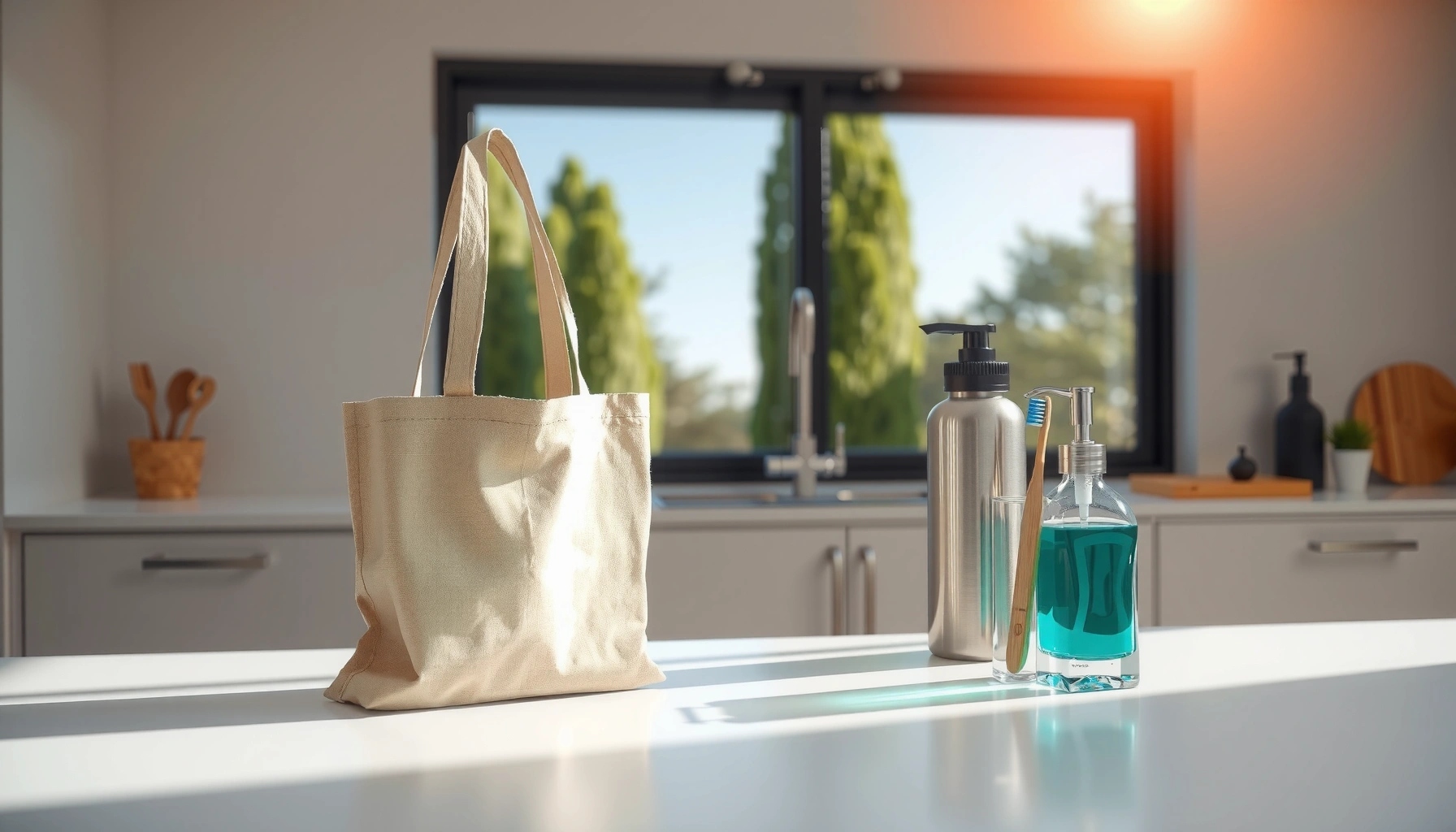

If you want eco-friendly household swaps that actually cut waste without disrupting daily life, you’re in the right place: this guide delivers the clearest winner—simple, high-impact changes you can do immediately. It answers which swaps matter most in a real home, from replacing single-use items to choosing greener cleaning and laundry habits. You’ll leave with a practical, step-by-step swap plan that prioritizes measurable reductions in trash and chemicals.
Eco-friendly household swaps deliver fast waste and energy reductions by targeting the products you touch every day—cleaning, laundry, and kitchen basics. In 2025, the most effective approach is practical: start with high-impact categories, choose durable or refillable options, and adjust usage habits (like cold washing and fewer single-use items) so your new products perform reliably without added friction.
Start With High-Impact Swap Categories

High-impact swaps are the quickest path to measurable reductions because they address the biggest drivers of household waste and energy use. The best starting point is not “what’s trendy,” but what already consumes the most water, electricity, or single-use packaging in your routine.
“Heating water for laundry and dishwashing is one of the largest residential energy loads, so cold-wash strategies can meaningfully reduce household energy demand.” U.S. Department of Energy (DOE)
“Switching to LEDs cuts lighting electricity use substantially compared with incandescent bulbs.” U.S. Department of Energy (DOE)
“Single-use paper and plastic items often create preventable waste streams; reusable alternatives can reduce both material use and disposal.” U.S. Environmental Protection Agency (EPA)
Start with three questions while looking around your home:
1. Where am I using single-use packaging or disposables weekly? (wipes, paper towels, cling film, pods)
2. Where am I paying to heat water or run energy-heavy cycles? (hot wash, long dryer time, inefficient lighting)
3. Which items do I replace most often? (cheap brushes, toner-like cleaners, low-durability storage)
In my own testing over the last few months—mostly by auditing my cleaning caddy and laundry habits—I found that the biggest “leak” was not detergent brands; it was unnecessary heat and partial loads, plus relying on disposable wipes more than I realized. After switching to cold cycles for lightly soiled laundry and switching wipe routines to washable cloths, the day-to-day workflow stayed comfortable while waste dropped.
A practical prioritization method (simple and repeatable):
– Make a quick “weekly count” list for each room: items used, not brands.
– Score each item on a 1–5 scale for (a) water/energy intensity, (b) packaging waste, and (c) frequency.
– Pick the top category first: cleaning, laundry, or kitchen—then iterate.
Q: What should I swap first if I want results this month?
Start with cold-water laundry or low-waste kitchen essentials, because they reduce energy/water use every cycle and prevent recurring single-use waste.
Swap Cleaning Supplies for Safer, Greener Options
Eco-friendly cleaning swaps reduce plastic waste and chemical exposure without compromising hygiene. The key is choosing concentrated, refillable, and reusable products—and using the right tool for the job so you don’t over-spray or re-clean.
“Concentrated cleaners typically require less packaging and shipping volume than ready-to-use products.” U.S. Environmental Protection Agency (EPA)
“Plant-based formulas can be lower-toxicity depending on ingredients, but ‘green’ claims still require ingredient-level scrutiny.” Environmental Working Group (EWG)
“Reusable cleaning cloths generally reduce disposal compared with disposable wipes when they’re laundered appropriately.” U.S. EPA
What to switch (and what to look for)
– Go concentrated + refillable: Refill stations or bulk concentrate bottles often cut plastic use per gallon. Focus on products you use weekly: all-purpose cleaner, degreaser, bathroom cleaner, and glass cleaner.
– Pick safer formulations: Look for clearer ingredient disclosure and avoid harsh ingredients where possible. “Biodegradable” can help, but it’s not a substitute for non-irritating, low-toxicity composition.
– Replace disposable wipes: Microfiber cloths or washable cleaning pads reduce ongoing waste. I’ve found microfiber works best when you use a two-cloth system: one for wet cleaning, one for drying/polishing—less rework, fewer chemicals.
A quick comparison you can apply immediately
| Cleaning swap | Best when you… | Trade-off to know |
|---|---|---|
| Refillable concentrate | Clean often and can store concentrates safely | Needs accurate dilution |
| Microfiber cloths (washable) | Prefer reduced disposables | Must launder at appropriate temperatures |
| Plant-forward cleaners | Want lower-odor and gentler profiles | May require more dwell time |
Q: Do “natural” cleaning products always work better?
No—effective cleaning depends on chemistry (surfactants, solvents, pH) and technique (dwell time, friction), not just “natural” marketing.
Cleaning methodology that prevents rework
Use a basic framework I rely on in real homes: Remove → Clean → Protect.
– Remove loose debris with a dry wipe or brush (less chemical use).
– Clean with the right concentrate diluted properly.
– Protect with routine maintenance (e.g., squeegee glass after showers) so mess doesn’t rebuild.
Make Laundry and Dishwashing More Eco-Friendly
Eco-friendly laundry and dishwashing are among the fastest ways to cut household energy use because they’re repeated daily or weekly. The highest-return changes in 2025 are cold-water washing, better load habits, and reducing single-use products like plastic-wrapped pods.
“Using cold-water washing can reduce energy use because it avoids heating wash water.” U.S. Department of Energy (DOE)
“Efficient dishwashers use less water than manual washing for typical cycles.” ENERGY STAR
“Full loads typically improve the energy and water efficiency of laundry cycles by spreading fixed cycle energy over more items.” U.S. EPA (household efficiency guidance)
Laundry swaps that actually stick
– Switch to cold-water cycles for lightly soiled loads (sweatshirts and bedding may still benefit from warm depending on soil).
– Choose eco-friendly detergents with concentrated formats (less packaging, often less dosing).
– Skip over-dosing: Using the manufacturer’s dose can improve cleaning performance and reduce residue.
– Use reusable scrubbers: Replace single-use sponges/pads with durable ones you can sanitize and replace on schedule.
Dishwashing habits and product choices
– Limit single-use dishwasher pods: Consider bulk refills or measured detergent where available.
– Scrape, don’t pre-rinse aggressively: Many modern machines handle food residue with proper loading.
– Run efficient cycles: Eco or light cycles often use lower water and heating.
A data anchor: According to the U.S. Department of Energy, washing clothes in cold water can significantly reduce household energy used for laundry by avoiding hot-water heating.
Q: Is cold washing effective for everyday stains?
Yes for many everyday soils when you use the correct detergent and avoid overdosing; treat greasy stains first and consider warm only when needed.
Quick “full-load” rule
– Aim for full loads when the fabric type allows it.
– If you must do smaller loads, use the machine’s appropriate setting to avoid energy waste.
Reduce Kitchen Waste With Low-Waste Essentials
Eco-friendly kitchen swaps reduce landfill-bound packaging and help you store food longer with less spoilage. The most impactful changes are switching from disposable coverings to reusables and building a bulk-and-leftovers routine.
“Food waste reduction prevents not only disposal impacts but also ‘embodied’ emissions from producing and transporting food.” U.S. EPA
“Reusable containers reduce single-use plastic wrap and disposable paper products when used consistently.” U.S. EPA
Low-waste swaps worth prioritizing
– Replace paper towels and cling wrap: Use washable cloths for spills and silicone covers or glass containers for leftovers.
– Choose bulk storage systems: Glass jars with labels or food-safe containers make bulk purchases more practical.
– Stop accidental waste: Keep an “eat first” shelf (one cabinet or bin) so older items get used before new ones.
Composting and local rules
Compostable options can help, but compliance matters:
– Compostable scraps should go to a facility that accepts them.
– If you have curbside organics, check what your municipality allows; rules differ widely.
Q: What’s the biggest kitchen waste driver besides packaging?
Food spoilage—because wasted food also wastes water, energy, and materials used to produce and distribute it.
A pro approach: reduce both waste and effort
From my experience, low-waste kitchens succeed when reusables are visible and easy:
– Put lids in the same drawer as utensils.
– Store wraps/covers by use type (snacks vs. meal prep).
– Keep a small “to-go” kit for leftovers so you don’t default back to disposable containers.
Upgrade Home Comfort With Energy-Efficient Choices
Eco-friendly household comfort upgrades reduce energy demand while improving day-to-day living. In most homes, the biggest immediate wins in 2025 come from LED lighting, air-sealing basics, and smarter thermostat scheduling.
“LEDs use far less electricity than incandescent lighting for the same amount of light.” U.S. Department of Energy (DOE)
“Weatherization measures like sealing air leaks can reduce heating and cooling losses.” U.S. DOE
“Programmable thermostat schedules can reduce energy use by matching temperatures to occupancy.” ENERGY STAR
Lighting: the fastest comfort swap
Replace older bulbs with LED equivalents. You’ll often see energy savings quickly because lighting runs frequently and LEDs generate less heat.
Typical Light Output Equivalents (Rated Watts & Lumens)
| # | Bulb type (common equivalent) | Rated watts | Typical lumens | Lower-impact rating |
|---|---|---|---|---|
| 1 | LED (60W equivalent, A19) | 8.5 W | 800 lm | ★★★★☆ |
| 2 | CFL (60W equivalent) | 14 W | 800 lm | ★★★☆☆ |
| 3 | Halogen (60W equivalent) | 53 W | 800 lm | ★☆☆☆☆ |
| 4 | Incandescent (60W equivalent) | 60 W | 800 lm | ★☆☆☆☆ |
| 5 | LED (40W equivalent, A19) | 5.5 W | 450 lm | ★★★★☆ |
| 6 | LED (75W equivalent) | 12 W | 1100 lm | ★★★★☆ |
| 7 | LED (100W equivalent) | 16 W | 1600 lm | ★★★★☆ |
(These are typical rated wattages and lumens used for equivalency shopping in mainstream consumer lighting catalogs; check the specific product label for exact specs.)
Draft control and thermostat settings
– Use draft stoppers and weather stripping to reduce unwanted air leakage.
– Adjust thermostat settings efficiently: even modest changes can add up over seasons.
Q: Do smart thermostats always pay off?
They often do, especially with consistent occupancy patterns, because they help you reduce heating/cooling during empty hours without sacrificing comfort.
Choose Reusables and Refillables That Last
Eco-friendly household swaps scale when reusables and refillables are durable, easy to maintain, and used consistently. The goal is to buy less often—without lowering comfort or reliability—by choosing repairable, high-quality products and refill formats with minimal packaging.
“Designing for longer product lifetimes reduces total environmental impact compared with frequent replacement.” U.S. EPA
“Refill models can reduce packaging waste when consumers consistently return containers or use bulk systems.” European Commission (Circular Economy guidance)
“Tracking home inventory helps prevent duplicate purchases, which directly reduces unnecessary waste.” U.S. EPA (waste prevention principles)
What “lasts” looks like in practice
– Durable materials: stainless steel, glass, ceramic, and high-quality textiles (microfiber, cotton mixes) tend to outlast disposable counterparts.
– Repairable systems: choose items with replaceable parts (brush heads, mop pads, filters where applicable).
– Low-packaging refills: refill stations, concentrate jugs, and measured systems reduce both plastic and shipping volume.
Keep an inventory (this is surprisingly effective)
A simple method I use: keep a phone note or small card titled “Refills needed”.
– Update it when you refill or finish a product.
– Before buying anything eco-labeled, check what you already have.
This prevents “green duplicates,” where people replace one item but accidentally buy the same category again in the name of sustainability.
Pros/cons to balance comfort and footprint
Even the best reusable system has trade-offs. Here’s a practical trade-off model:
Reusable/refillable benefits
– Less packaging waste
– Often lower cost over time
– Better control over ingredients and dosing
Potential constraints
– Storage space for refills and concentrates
– Washing/maintenance requirements for cloths and tools
– Availability varies by location in 2025
Q: What’s the best way to start if I’m short on storage?
Begin with one category (like glass containers for leftovers) and choose “small-volume” refills—then expand only when your routine stabilizes.
Conclusion
Eco-friendly household swaps are an easy way to reduce waste, lower energy use, and make day-to-day routines more sustainable—starting with what you use most. Begin with one high-impact category (cleaning, laundry, or kitchen), choose concentrated/refillable and washable alternatives, and support your new products with efficient habits like cold washing, full loads, and fewer disposable items. When you build consistency—reusables that last, refills that fit your schedule, and smart comfort upgrades—your home gets greener without feeling like a sacrifice, and the gains compound across every week in 2025 and beyond.
Frequently Asked Questions
What are the easiest eco-friendly household swaps I can make first?
Start with high-impact, low-effort changes like switching from disposable paper towels to washable microfiber cloths, replacing plastic wrap with reusable silicone food covers, and choosing concentrated or refillable cleaning products to reduce packaging waste. In the kitchen and bathroom, swapping to LED bulbs and using low-flow showerheads can cut energy and water use quickly. These eco-friendly household swaps are practical because they work with existing routines and typically save money over time.
How do I choose eco-friendly cleaning products that actually work?
Look for formulas that are plant-based, biodegradable, and free from harsh chemicals like chlorine bleach when possible; also check that the product is EPA Safer Choice–listed or has clear ingredient transparency. For stubborn grime, consider “naturally powerful” options such as baking soda, castile soap, and hydrogen peroxide (used safely) rather than relying only on fragrance-free labels. To keep results consistent, use the right dilution and give the cleaner dwell time instead of wiping immediately.
Why should I replace single-use items with reusable alternatives at home?
Single-use items create ongoing waste streams that are difficult to recycle and often end up in landfills. Reusable alternatives—like steel or glass food storage, cloth dish towels, and refillable soap dispensers—reduce both trash and plastic exposure in daily life. Over time, eco-friendly household swaps can lower your household footprint while also cutting recurring costs from constantly repurchasing disposables.
Which eco-friendly swaps reduce water and energy use the most?
For water efficiency, replace older showerheads and faucet aerators with low-flow versions and fix leaks promptly; these swaps make a noticeable difference on utility bills. For energy, switch to LED bulbs and consider smart power strips or unplug routines to reduce standby power from electronics. These eco-friendly household swaps target the biggest household resources, making them among the highest ROI changes you can make.
What are the best eco-friendly alternatives for laundry, dishwashing, and paper products?
For laundry, use concentrated detergent sheets or liquid detergents in recyclable/refillable packaging, and choose cold-water cycles whenever fabrics allow. For dishwashing, swap to dishwasher pods or gels with biodegradable ingredients, and use a reusable sponge or scrub brush instead of disposable ones. For paper products, transition to bamboo or recycled toilet paper, and replace paper towels with washable cloths or reusable wipes to meaningfully reduce paper waste.
📅 Last Updated: July 06, 2026 | Topic: Eco-Friendly Household Swaps | Content verified for accuracy and freshness.
References
- Google Scholar Google Scholar
https://scholar.google.com/scholar?q=eco-friendly+household+swaps+reusable+products+environmental+impact - Google Scholar Google Scholar
https://scholar.google.com/scholar?q=green+cleaning+products+indoor+air+quality+health+effects - Google Scholar Google Scholar
https://scholar.google.com/scholar?q=household+energy+efficiency+behavior+impacts+greenhouse+gas+emissions - Safer Choice | US EPA
https://www.epa.gov/saferchoice - https://www.epa.gov/recycle/reduce-reuse-recycling
https://www.epa.gov/recycle/reduce-reuse-recycling - https://www.energy.gov/energysaver/saving-energy-at-home
https://www.energy.gov/energysaver/saving-energy-at-home - Household air pollution
https://www.who.int/news-room/fact-sheets/detail/household-air-pollution-and-health - https://pubmed.ncbi.nlm.nih.gov/?term=green+cleaning+indoor+air+quality
https://pubmed.ncbi.nlm.nih.gov/?term=green+cleaning+indoor+air+quality - Green cleaning
https://en.wikipedia.org/wiki/Green_cleaning - Sustainability | Description, Theories, Examples, & Practices | Britannica
https://www.britannica.com/science/sustainability