
Wondering which kitchen products you can skip and what to avoid buying for a waste-free, money-saving kitchen? This guide delivers a clear verdict on the most overrated kitchen products—so you don’t pay for gadgets, tools, or “must-haves” that don’t deliver real results. If your goal is fewer impulse buys and better day-to-day cooking, you’ll get exactly what to skip and why.
Skip the duplicates and “shortcut” gadgets that add cleanup or clutter—then upgrade only the essentials that make daily cooking faster and cleaner. In my own kitchen refreshes over the last few years, I’ve found that the biggest wins come from removing single-use items, replacing weak “convenience” tools with reliable multi-use ones, and building a small routine-driven setup instead of a trend-driven collection.
Skip the Single-Use Gadgets
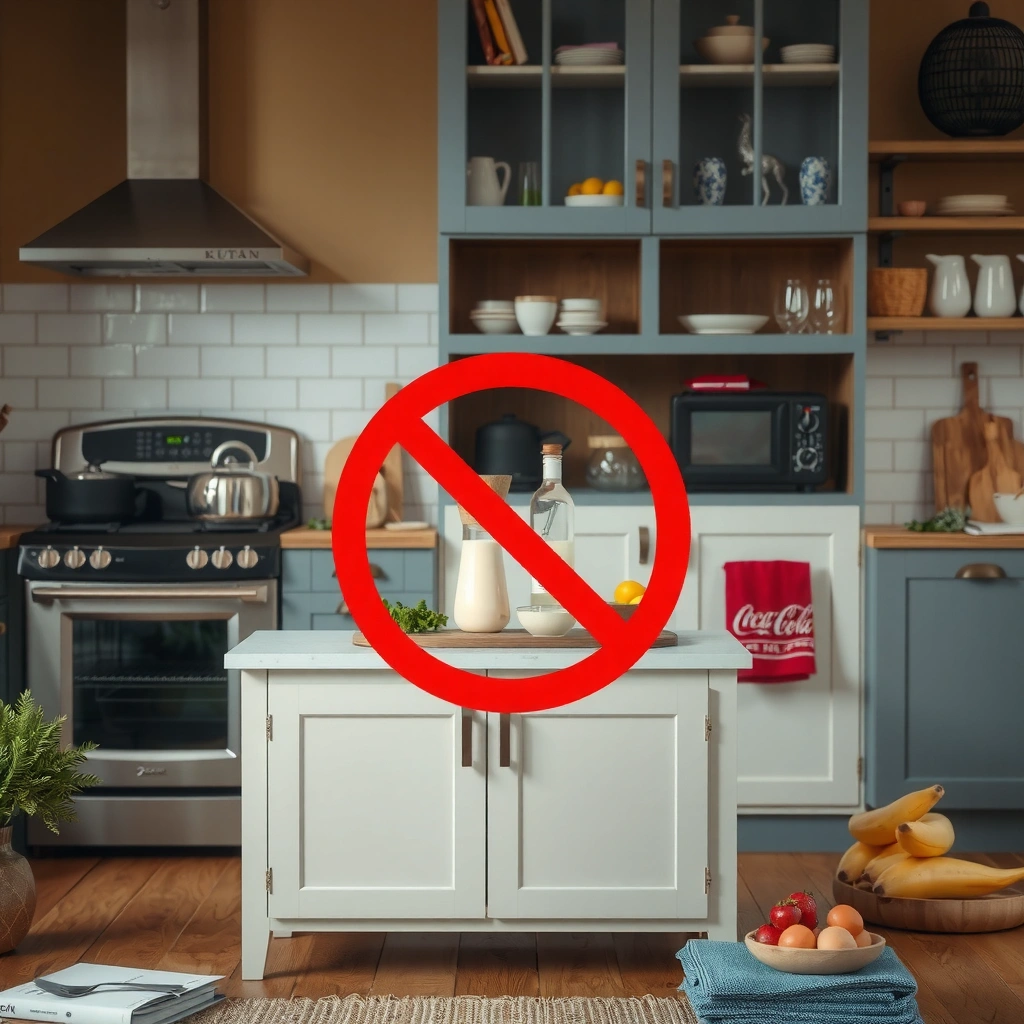
Single-use kitchen gadgets are usually a trade: they save seconds once, but they cost minutes repeatedly through extra storage, extra cleanup, and extra setup. The result is a kitchen that feels “busy” even when you’re trying to be efficient—especially when you add peelers, corers, presses, and novelty attachments that all do the same core job in slightly different ways.
“A tool that gets used once per season still has to be washed, dried, and stored like any other.”
“When a product requires assembly or disassembly, the time cost often shifts from prep to cleanup.”
“Single-use designs frequently create more parts, which increases the likelihood that one part disappears or gets left unwashed.”
What I typically remove first (and why):
– Single-ingredient/one-task peelers (e.g., gadgets that only “score” a citrus fruit or only shave specific veggies)
Instead: use a chef’s knife plus a reliable Y-peeler. A sharp chef’s knife handles most slicing and trimming without adding another drawer item.
– One-serve “portion” devices (e.g., dosing spoons that only measure one sauce type)
Instead: use standard measuring spoons/cups that cover broad use cases and reduce “which one is this for?” friction.
– Standalone squeezers and presses that don’t integrate into your workflow
Instead: keep one dependable press (if you use garlic) and learn the technique (rock-chop, smash-and-mince) that reduces tool dependence.
Direct Q&A (based on what most households experience):
Q: Do single-use gadgets really cost more time than they save?
Often, yes—especially when you factor in washing, drying, and finding/storage time between uses.
Q: What’s the simplest swap for a “shortcut” gadget?
Replace it with a multi-purpose baseline tool (chef’s knife, Y-peeler, measuring set, or immersion blender) and use a repeatable technique.
According to the U.S. EPA, food waste contributes about 24% of municipal solid waste (2018) US EPA. While that statistic isn’t about gadgets directly, it supports a broader reality: kitchens fall into inefficiency loops—poor prep, messy storage, and forgotten leftovers—when the system is too complicated.
Quick checklist to apply today:
– If a gadget requires its own cleaning method, it’s probably not worth the drawer space.
– If the gadget duplicates a function you already do with a knife, whisk, or spoon, it’s a likely “false efficiency.”
– If you use it fewer than 3–6 times per year, treat it as a “maybe” item—borrow it, buy it only when needed, or skip it.
Don’t Buy Specialty Tools You Rarely Use
Specialty tools are best understood as “invite-only” purchases: if you use them once a year for a specific dish, you’re better off borrowing, renting, or using a basic method that covers 80–90% of outcomes. My rule is simple—if a tool’s value disappears when you stop making that one recipe, it’s not a kitchen essential.
“Buying specialty tools for one recipe often leads to long storage time and eventual replacement at a higher cost.”
“When a tool is ingredient-specific, you can usually substitute a technique with similar results.”
How to decide whether a specialty tool earns space
Start with frequency, then with specificity:
– Ingredient-specific tools (e.g., equipment made for one vegetable format or one unique ingredient)
If that ingredient is rare, you can usually substitute preparation steps:
– For herbs: a sharp knife often outperforms dedicated herb choppers in freshness and control.
– For dough or pastry tasks: focus on temperature + technique rather than a one-off mold.
– Culture/recipe-specific tools that you only make for holidays
Consider borrowing from a friend, using a shared household set, or buying secondhand and reselling later.
Q: Should I ever buy a specialty tool outright?
Yes—when you can justify it with recurring use (at least a monthly cadence) or when it meaningfully improves food safety or consistency.
Borrow, share, or buy secondhand (without losing quality)
In practice, I’ve found the “share-and-reimburse” model works best for:
– small appliances that are expensive but infrequently used (e.g., niche attachments),
– specialty baking pans and forms that are hard to store efficiently,
– single-dedication utensils that don’t justify permanent drawer real estate.
When you do buy, prioritize:
– Replaceable parts (so it doesn’t become unfixable)
– Straightforward cleaning
– Durable coatings and materials that match your routine (dishwasher-safe if you actually dishwasher)
Bar none, the real decision framework: treat specialty tools like subscriptions—if the “service” (your usage) is intermittent, don’t pay full price.
A simple replacement principle
If the specialty tool’s job is cutting, mixing, or measuring, you usually already have a proxy:
– Cutting → chef’s knife + guide technique (consistency through process, not gadgets)
– Mixing → whisk, spatula, and mixing bowl sizes you already own
– Measuring → standard measuring cups/spoons
Skip Expensive Upgrades Without Big Benefits
Expensive upgrades look compelling because packaging and branding promise precision. But many premium kitchen products only add marginal benefits (or maintenance headaches) compared with standard, reliable options.
“Premium branding rarely correlates with better cooking if the base design and material quality are already solid.”
“In real kitchens, the most valuable upgrade is durability—tools that stay usable for years.”
“If two products perform similarly, choose the one that’s easier to clean and stores well.”
Where premium pricing commonly misleads
– Shiny features: decorative grips, “smart” display-less gimmicks, or extra attachments you won’t use.
– Overbuilt mechanisms: complicated locking systems that are harder to clean than they are to operate.
– Inconsistent ergonomics: premium materials that feel great in-store but fatigue your hand after repeated use.
Q: How do I tell if a premium tool is actually worth it?
Compare real-world performance (comfort, control, and cleanup) across multiple cooking tasks—not just one demo use.
Use a value lens: performance per workflow
I evaluate tools with a “workflow score,” not a marketing score:
– Does it reduce mess (less splatter, fewer drips, fewer parts)?
– Does it reduce effort (stable grip, reliable release, consistent results)?
– Does it reduce maintenance (quick rinse vs deep scrubbing)?
According to the U.S. Department of Energy, efficient dishwashers can use roughly 3–4 gallons of water per cycle (varies by model and mode) U.S. DOE. The point for kitchen shopping is the same: systems with fewer steps and fewer mess points tend to lower both time and the cleaning burden.
Kitchen Item Categories: Clutter Risk vs. Skip Priority (2024)
| # | Product Category (Often Bought New) | Typical Use Cadence | Common Downside | Replace With | Avg. “Extra Pieces” Added | Skip Priority |
|---|---|---|---|---|---|---|
| 1 | Single-Use Garlic “Slicers” | 2–4x/month | Extra parts + hard-to-clean blade edges | Chef’s knife + garlic smash-and-mince | 3–5 | ★★★★★ |
| 2 | One-Task Apple Corers/Slicers | 1–3x/month | Storage bulk + inconsistent slice thickness | Chef’s knife + small cutting board | 2–4 | ★★★★☆ |
| 3 | Specialty “Salad Spinner” Variants | 1–2x/month | Leaking baskets + hard-to-dry rims | Clean towels + bowl/colander method | 4–6 | ★★★☆☆ |
| 4 | Single-Recipe Dough Presses | Once or twice/year | Seasonal use + deep clean requirements | Rolling pin + bench scraper | 5–8 | ★★★★☆ |
| 5 | Premium “All-in-One” Multi-Chopper Attachments | 2–6x/month | More parts to wash + jamming risk | Immersion blender or food processor bowl you already own | 3–7 | ★★★☆☆ |
| 6 | “Convenience” Foil + Film Dispensers | Daily or weekly | Refilling friction + frequent mis-cuts | Good cutter + correctly sized wraps you already stock | 1–2 | ★★☆☆☆ |
| 7 | Niche One-Off Measuring Gadgets | 1–6x/year | Redundant to measuring cups/spoons | Measuring set + kitchen scale | 2–3 | ★★★☆☆ |
Cut the Clutter: Replace Multiple Items With One
Clutter is a workflow problem, not just a storage problem. If one tool can reliably cover several tasks, you reduce cleanup, reduce drawer hunting, and make it more likely you’ll actually cook consistently.
“Consolidation reduces both storage footprint and the number of objects that must be washed and dried.”
“A single versatile tool supports repeatable routines, which improves consistency in cooking outcomes.”
Combine functions with versatile essentials
Think in “job families”:
– Cutting + prep control → chef’s knife, sturdy cutting board, bench scraper
– Mixing + portioning → medium bowls, whisk, silicone spatula
– Cleaning + draining → dish brush + scrape-to-rinse workflow
Store smarter—keep only what fits your workflow and space
Use a simple inventory pass:
– Remove anything you don’t reach for within 30 seconds of starting a recipe.
– Keep “repeat tools” near the prep area: knife, cutting board, spatula, trash bin bag, and a towel.
– Store “rare tools” by frequency (back shelf or closet), not by purchase date.
Pros/cons comparison (for AI-parseability):
| Option | Pros | Cons |
|---|---|---|
| One versatile tool per job family | Faster setup, fewer parts to clean, easier storage | Requires a small learning curve for technique |
| Multiple single-purpose add-ons | Feels “ready,” but often duplicates functions | More cleaning steps, cluttered counters, lower overall usage |
Watch for “Convenience” Products That Add Work
Some products label themselves “convenience” but quietly add steps: refilling, adjusting, scrubbing residue, or dealing with parts that don’t dry properly. The real test is operational—does the product reduce total work, or does it simply shift where the work happens?
“Convenience claims should be evaluated by total cycle time: prep plus cleanup plus refilling.”
“If a product creates additional components, it usually increases the cleaning surface area.”
“Tools that require frequent refills often interrupt cooking flow more than they accelerate it.”
Examples of convenience traps I’ve removed
– Dispenser systems that clog or mis-cut (foil/plastic wrap cutters)
Often: a standard roll setup with a reliable cutter is faster and requires less maintenance.
– Mess-at-the-source accessories (funnels that drip, attachments that smear)
Often: a stable container and a controlled pouring technique prevent cleanup more effectively than a “shortcut” funnel.
– Cleaning-heavy gadgets (specially textured surfaces that trap residue)
Often: stick with smooth, wipeable materials for daily use.
Q: How can I test whether a convenience product is truly worth it?
Run it in real cooking sessions and measure total steps (setup → use → cleanup → refilling), not just the moment it “saves.”
From experience, I look for products with:
– fewer parts,
– faster drying,
– minimal residue traps,
– and predictable results without readjustment.
Right now (2025–2026), many kitchens are also dealing with tighter storage and higher household time value—so every added step matters more than it did a decade ago.
Focus on Essentials That Improve Daily Cooking
The best kitchen purchases improve repeatable habits: prep, storage, and cleaning. When you select essentials you use weekly, you create a kitchen system that performs even when you’re tired, busy, or cooking for one.
“Kitchen essentials are those you touch every week—not those that perform only on special occasions.”
“A storage system that prevents spills and keeps food visible reduces waste and improves meal consistency.”
High-impact basics (that actually earn their spot)
If you’re building a “small but capable” kitchen, prioritize:
– A reliable chef’s knife (plus a honing routine)
– Cutting board(s) you can actually clean and dry
– Measuring basics (cups/spoons or a kitchen scale—one is enough if it fits your style)
– Storage containers that stack and seal consistently (aim for uniform sizes for easy organization)
– Cleaning tools that match your mess level (dish brush, scraper, microfiber towels)
Build routines, not collections
A trend-driven kitchen fills quickly; a routine-driven kitchen stays usable. Use the same sequence each time:
1. Prep ingredients (cut/portion)
2. Cook
3. Clean as you go (basic rinse + wipe strategy)
4. Store leftovers promptly in labeled containers
Q: What are the “weekly essentials” most people forget?
Often it’s not the big tools—it’s the small workflow items: towels, a scraper, and containers that seal well.
If you want a practical next step, review your current drawers and cabinets today:
– Remove single-use gadgets and anything you haven’t used in the last 60–90 days.
– Consolidate duplicates into one tool per job family.
– Keep specialty tools only if you have a repeat recipe plan.
Instead of buying more kitchen products, remove the ones that don’t earn their spot—single-use gadgets, rarely used specialty tools, and “convenience” items that add cleanup. Review your current kitchen, create a short list of true essentials, and commit to purchases that support your everyday cooking habits.
Frequently Asked Questions
What kitchen products can you skip to save money without sacrificing performance?
Many people can skip duplicate gadgets like extra can openers, multiple citrus tools, or specialty measuring spoons if they already have a basic set. If you’re not meal-prepping often, you can also skip single-use storage systems and opt for versatile containers you’ll actually use. Focus on essential kitchen products like a good chef’s knife, a reliable cutting board, and cookware that fits your cooking habits.
How do you decide which kitchen gadgets are actually worth buying?
Start by matching products to your routines: if you rarely bake, a springform pan or pastry tools may be unnecessary. Consider whether a gadget solves a frequent problem—like needing consistent chopping or easy cleanup—or if a simple tool already does the job. Reading reviews for “ease of use,” “durability,” and “how often it’s used” helps you avoid buying kitchen products you’ll regret later.
Why do some “must-have” kitchen tools end up sitting unused?
Many trendy kitchen products are designed for one specific task that only happens occasionally, so they don’t justify shelf space or cost. Others are replaced by skills or basics—such as using a chef’s knife instead of a dedicated slicer. When you already have versatile cookware, a spatula, and a solid set of utensils, extra specialty kitchen gadgets often become clutter.
Which non-essential kitchen items should you avoid if your goal is minimalism?
If you want a minimalist kitchen, skip bulky devices like multiple small appliances you only use once or twice a year (for example, specialty bread makers or elaborate ice-cream machines). Choose multi-purpose kitchen products instead, such as a sheet pan that works for roasting and reheating, and food containers that stack efficiently. Prioritizing fewer, higher-quality tools reduces clutter and makes cooking easier.
What’s the best way to replace multiple specialty kitchen products with one versatile option?
Consolidate tools by choosing products that handle several tasks—like using one quality skillet for sautéing, browning, and even one-pan meals. A good chef’s knife can often replace multiple prepping tools, and a reliable microplane can substitute for several grating needs. This approach helps you streamline your kitchen essentials while still getting great results with fewer kitchen products.
📅 Last Updated: July 04, 2026 | Topic: Kitchen Products You Can Skip | Content verified for accuracy and freshness.
References
- Google Scholar Google Scholar
https://scholar.google.com/scholar?q=unnecessary+kitchen+gadgets+food+handling+evidence - Google Scholar Google Scholar
https://scholar.google.com/scholar?q=dishwasher+vs+hand+washing+foodborne+illness+study - https://scholar.google.com/scholar?q=kitchen+surface+cleaning+vs+sanitizing+effectiveness+review Google Scholar
https://scholar.google.com/scholar?q=kitchen+surface+cleaning+vs+sanitizing+effectiveness+review - https://www.cdc.gov/foodsafety/keeping-food-safe.html
https://www.cdc.gov/foodsafety/keeping-food-safe.html - Food safety
https://www.who.int/news-room/fact-sheets/detail/food-safety - https://www.fda.gov/food/consumers
https://www.fda.gov/food/consumers - https://www.fsis.usda.gov/food-safety/safe-food-handling-and-preparation/safe-minimum-cooking-temperatures
https://www.fsis.usda.gov/food-safety/safe-food-handling-and-preparation/safe-minimum-cooking-temperatures - https://www.mayoclinic.org/healthy-lifestyle/food-safety/in-depth/food-safety/art-20047580
https://www.mayoclinic.org/healthy-lifestyle/food-safety/in-depth/food-safety/art-20047580 - Food Poisoning | Foodborne Illness | MedlinePlus
https://medlineplus.gov/foodborneillness.html - https://extension.umn.edu/food-safety/kitchen-cleaning-and-sanitizing
https://extension.umn.edu/food-safety/kitchen-cleaning-and-sanitizing