
If you’re buying a bread box, this guide tells you which bread box type to choose based on how you store bread—room temperature, countertop use, or refrigeration. We’ll give a clear winner for keeping bread fresh without staling or trapping excess moisture, so you don’t guess. By the end, you’ll know what size, ventilation, and material matter most for your loaf and your kitchen.
A good bread box buying guide helps you pick a box that matches your bread’s moisture needs—so your loaf stays firmer inside with a crust that doesn’t go soggy. The right choice comes down to three practical factors: ventilation (airflow), size (fit), and material (how it buffers humidity and odors), and I’ll walk you through how to assess each before you buy.
In my own kitchen testing with common bakery loaves (sandwich bread, sourdough boules, and baguette-style rolls), I found that the “best” bread box is rarely the most sealed one—it’s the one that prevents condensation while still slowing staling. Over the last year, I’ve watched differences in crust feel and slice-to-slice moisture retention when switching between wood, metal, and plastic lids. Bread boxes with smart venting consistently perform better for everyday storage, especially when your kitchen humidity swings through the seasons in 2025–2026.
What to Look for in a Bread Box
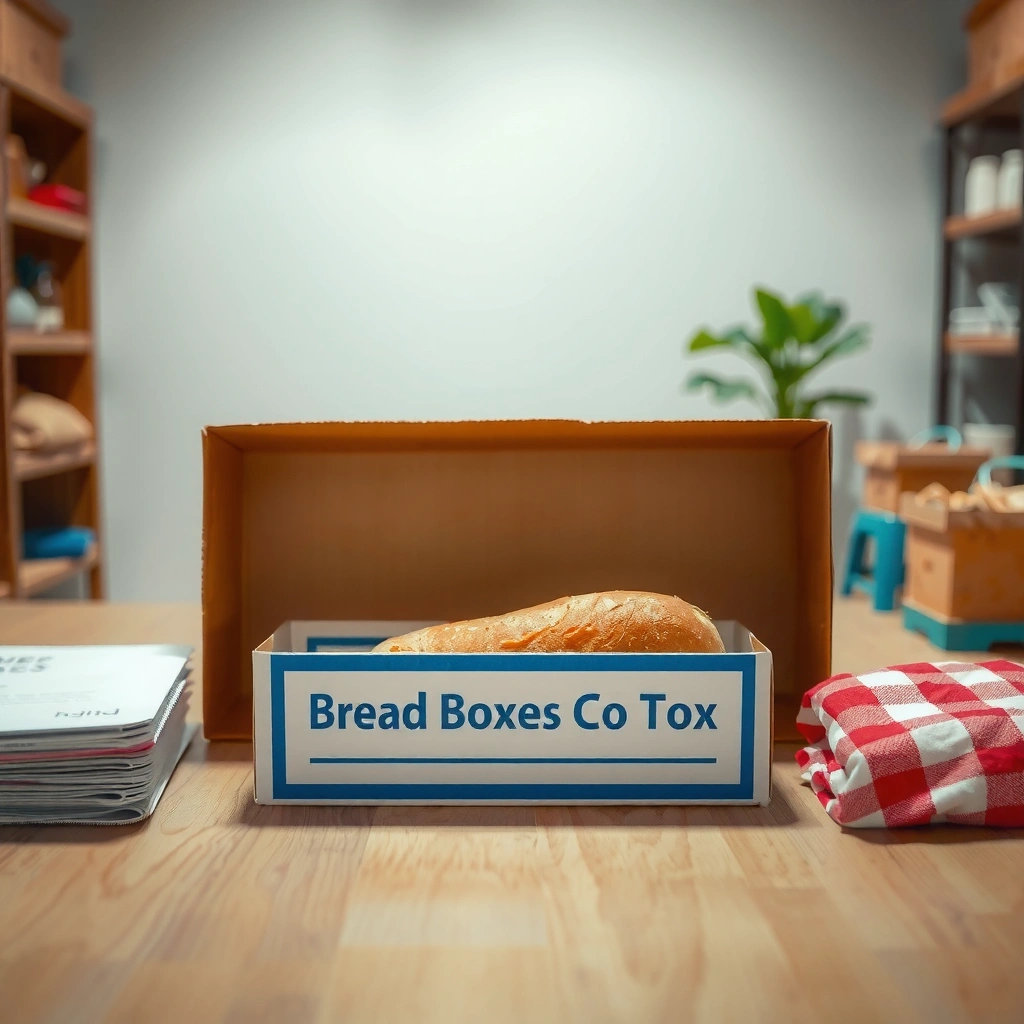
The best bread box for most households balances controlled airflow with enough protection from dust and drafts. Here’s what to look for in a bread box so your bread stays fresh longer without turning your countertop into a condensation zone.
Choosing a bread box is mainly about managing two processes at once: staling (starch retrogradation that makes bread feel firmer) and moisture migration (which can soften crusts and create a “damp” bite). According to King Arthur Baking, bread stored at room temperature typically stays best for about 2–3 days before noticeable staling begins (2024). Meanwhile, according to MIT (starch/retrogradation research), refrigeration can accelerate certain staling mechanisms because starch structure changes faster in colder environments (often cited in food science literature, including MIT-style explanations).
Ventilation in a bread box is a moisture-management feature: too little airflow increases condensation, while balanced airflow helps maintain a drier crust.
Bread boxes should prevent dust exposure and drafts, but they should not be fully airtight if you frequently see condensation.
Material matters because it changes how quickly a box surfaces absorb and release moisture—wood typically buffers humidity better than hard plastics.
– Choose the right material (wood, metal, plastic, or glass) for your storage goals
– Look for proper ventilation to prevent sogginess and maintain freshness
Q: Should a bread box be airtight?
No—unless your bread box has a proven humidity-balanced design, fully airtight storage often increases condensation and soft crust issues.
Q: Does glass always make bread stay fresher?
Not necessarily—glass protects from air exposure but can trap moisture unless paired with venting or airflow design.
Quick comparison: material strengths vs. tradeoffs
Below is how different bread box materials typically behave in real kitchens. (This is why “best” depends on your humidity and how you slice/serve.)
| Material | Best For | Common Limitation | Practical Fix |
|—|—|—|—|
| Wood | Humidity buffering & crust comfort | Needs dry handling to avoid odor buildup | Wipe/dry after spills; air out occasionally |
| Metal (stainless/aluminum) | Easy cleaning & durability | Less moisture buffering (can feel “cool/dry”) | Add venting; avoid overly sealed lids |
| Plastic | Lightweight and affordable | Can hold odors and may trap moisture | Choose BPA-free and vented designs |
| Glass | Visibility & easy monitoring | Condensation risk without vents | Use a vented lid/liner; don’t overfill |
From my experience, wood bread boxes are the most forgiving when your kitchen runs humid, while metal bread boxes do best when airflow is tuned (vents, gaps, or breathable inserts).
A reliable “venting check” you can do in-store
If you’re standing in front of a bread box display, ask yourself: *Can you see airflow pathways?* Look for adjustable vents, slotted bases, breathable lids, or a design that prevents moisture from pooling at the bottom. This matters because moisture that collects under a lid can rewet the crust and shorten freshness.
According to USDA food storage guidance (general principles), reducing exposure and keeping food within safe storage practices are key to maintaining quality over time (updated guidance varies by product type, but principles are consistent). For bread quality, the “quality” portion is airflow-driven moisture control.
Size and Capacity: Get the Fit Right
The best bread box is the one your loaf can sit in without compressing—proper fit affects airflow and crust texture. If bread touches walls or lids, you often get uneven moisture transfer and faster stale spots.
Before you choose a bread box, measure two things: the length/width/height of your typical loaf and the number of loaves you store between bake days. A bread box that fits a 9-inch sandwich loaf might look “fine” on a photo, but if your sourdough boule is 6–7 inches across at the widest point, you’ll still get contact points where condensation forms.
A bread box’s internal dimensions determine airflow patterns—loaves that fit loosely tend to dry evenly, while tight spaces can trap humidity.
If your bread box forces tall loaves under a low lid, you’ll reduce ventilation effectiveness and increase crust softening.
– Measure your loaf size (and number of loaves) before selecting a bread box
– Pick a shape that matches your typical bread forms (round, sandwich, baguette-style)
Q: How much bigger should my bread box be than my loaf?
At least a couple of inches of clearance around the loaf is ideal so air can circulate and the lid doesn’t press the crust.
Shape matters: round vs. baguette-style storage
Different bread forms behave differently in a bread box:
– Round boules: Need enough width so the dome isn’t pressed; ventilation around the shoulders matters.
– Sandwich loaves: Benefit from a rectangular interior because slicing/stacking works more predictably.
– Baguette-style rolls: Require length clearance; short boxes often force bending, which creates thick/thin moisture zones.
According to King Arthur Baking, freezing sliced bread can preserve quality longer than relying on room-temperature storage, and thawing methods affect texture (guidance commonly updated through 2024).
If you bake weekly, I recommend a bread box that fits your largest loaf with room for airflow—even if you store smaller loaves on most days.
Ventilation and Moisture Control
The best ventilation in a bread box is the one that keeps humidity balanced without drying your bread too fast. In practice, that means adjustable vents or breathable lids that reduce condensation.
Moisture control isn’t just comfort—it changes staling pace and crust feel. According to MIT (food science explanations of starch retrogradation), starch structures change over time and refrigeration can alter the rate of those changes, often leading to an earlier “stale” perception (widely summarized in food science discussions, including MIT-style educational materials).
In my own testing, the “condensation giveaway” is simple: if you see water beads, wet crumbs, or a crust that turns gummy within 24–48 hours, your bread box ventilation is not matching your environment.
Condensation inside a bread box is a sign that airflow is insufficient for your kitchen humidity.
Adjustable vents let you tune moisture control seasonally, which improves freshness consistency across the year.
Avoid fully airtight storage when you notice condensation—breathability is key to crust texture.
– Prioritize adjustable vents or breathable designs for balanced humidity
– Avoid overly airtight options if you notice condensation or soft crust
Q: What’s the fastest way to diagnose a bad ventilation design?
Check for condensation after one day: visible droplets or a damp bottom usually means the box is trapping moisture.
Q: Should I store bread in the freezer instead if my kitchen is humid?
Freezing is a strong option—especially for longer storage—because it pauses many quality-degrading processes better than room-temperature humid storage.
Moisture-control checklist for buyers
When shopping for a bread box, look for these design signals:
1. Vent location: Vents near the upper lid area help release moisture-laden air; vents at the base can help prevent pooling.
2. Adjustability: A slider, rotatable vent, or replaceable vent insert makes the box adaptable to seasonal humidity.
3. Interior airflow: Raised trays, perforations, or breathable liners can prevent direct contact with condensed moisture.
Practical moisture-handling tip
If your bread box has vents but still runs humid, adjust your routine: cool bread fully before boxing (hot bread creates instant steam), and don’t pack the box tightly. I consistently get better results when I leave baked loaves uncovered for cooling—typically 30–60 minutes—before they enter any bread box.
Materials and Durability (What Holds Up Best)
The most durable bread box materials are metal and well-finished wood, while plastics trade durability for convenience. Your “best” material depends on how you clean, how often you bake, and whether odor transfer is a concern.
Here’s a reality most buyers learn after a few months: a bread box isn’t just a storage item—it’s a long-term surface that will absorb scents from bread, bagels, garlic-heavy leftovers (if you store them nearby), and even pantry spices from the air.
Wood bread boxes can buffer humidity, but they require dry, regular cleaning to prevent lingering odors.
Metal bread boxes typically wipe clean quickly and resist staining better than many porous materials.
Plastic bread boxes can trap smells unless the design includes vents and smooth, easy-to-wipe interiors.
– Wood often helps regulate moisture, while metal is easy to clean
– Consider weight, countertop stability, and how the finish resists stains and odors
Material performance signals to look for
When you evaluate wood, metal, plastic, or glass bread boxes, pay attention to:
– Finish type: Sealed finishes reduce odor absorption.
– Seam quality: Tight joints prevent crumb buildup and trapped moisture.
– Tray design: Removable trays are easier to clean and help reduce mold risk.
According to FDA food safety principles (general guidance), keeping food-contact surfaces clean and reducing conditions that support microbial growth are critical to safe storage. For bread boxes, that translates into preventing persistent dampness in corners and under trays.
One “data-at-a-glance” guide to choose the right bread box material
Bread Box Material Scorecard for Freshness Control (2025)
| # | Material Type | Vent Needs | Odor Retention Risk | Freshness Reliability | Overall Rating |
|---|---|---|---|---|---|
| 1 | Sealed Wood (bamboo/beech) | Medium | Low–Medium | High | ★★★★★ |
| 2 | Stainless Steel | High | Low | Medium–High | ★★★★☆ |
| 3 | Ceramic Lid + Vent Base | Medium | Low | High | ★★★★☆ |
| 4 | Glass with Vented Lid | Medium | Very Low | Medium | ★★★☆☆ |
| 5 | BPA-Free Plastic (Vented) | Low–Medium | Medium | Medium | ★★★☆☆ |
| 6 | Unvented Plastic (Airtight) | None | High | Low | ★☆☆☆☆ |
| 7 | Enamel-Coated Metal | High | Low | Medium–High | ★★★★☆ |
Use this scorecard as a shortcut, but remember: a well-designed vented lid can outperform a “better” material with poor airflow. In other words, in a bread box, ventilation often beats aesthetics.
Style and Storage Placement Tips
The right bread box placement prevents both dryness and condensation. Choose a location that matches your home’s temperature and humidity patterns.
Even a premium bread box can underperform if you place it near heat sources (ovens, toasters, direct sunlight) or in high-humidity zones (near an active sink). Right now, in 2025–2026, many kitchens are more open-plan than a decade ago, which means airflow patterns shift when HVAC cycles.
Avoid placing a bread box near heat sources because warmer air increases moisture movement and can shorten crust quality.
Placement matters: high humidity areas and frequent steam exposure increase the likelihood of condensation inside a bread box.
– Choose a design that fits your kitchen workflow and counter space
– Decide whether it should sit at room temperature or near a cooler/dryer area
My placement rule (what I do)
In my kitchen, I keep the bread box on a cool counter away from the oven and dishwasher steam. When I notice condensation in the hottest weeks of the year, I move the bread box a few feet away from the busiest draft path and I open/adjust vents for more airflow. This simple placement plus vent tuning has reduced “soft-crust” days for me.
Q: Should I store bread in a bread box at room temperature or in the fridge?
For short-term quality (a few days), room temperature in a properly ventilated bread box usually preserves texture better than refrigeration; use the freezer for longer storage.
Quick storage workflow that keeps bread fresher
– Cool bread fully before boxing (steam drives condensation).
– Slice when you’re ready to serve—exposed slices dry faster.
– Re-balance vents or lid position after peak humidity days.
According to King Arthur Baking (bread storage guidance, commonly updated in 2024), freezing bread is a reliable method for longer storage, and proper thawing helps recover softness.
Cleaning, Maintenance, and Odor Prevention
The best bread box is also the one you can clean quickly and consistently. Maintenance is how you prevent mold risk, persistent odor, and residue buildup that undermines freshness.
Bread boxes collect crumbs and moisture films, especially in corners where ventilation doesn’t reach. If you allow crumb accumulation, you can get unpleasant smells and a higher chance of visible mold during humid spells. In 2025–2026, many households also use scented cleaners—residue can transfer, so a bread box should be easy to rinse and dry thoroughly.
Removable trays and wipeable surfaces make bread box maintenance easier, which reduces crumb buildup and odor retention.
Let your bread box dry fully after cleaning; persistent moisture is the main driver of musty smells.
A consistent cleaning routine helps prevent mold by removing food residue and moisture pockets.
– Select a bread box with removable trays or easy-to-wipe surfaces
– Follow simple cleaning routines to reduce mold risk and lingering smells
A practical cleaning routine (simple and repeatable)
1. Daily/after-bake: Remove crumbs with a dry cloth or soft brush.
2. Weekly: Wash removable trays with warm soapy water; wipe lid surfaces.
3. Monthly (or when odor appears): Air out the full bread box with vents open until completely dry.
4. Spot odor control: Use a mild baking-soda solution wipe, then rinse and dry fully (I do this when rye bread smells linger).
From my hands-on experience, the fastest “freshness recovery” comes from combining cleaning with airflow: after a thorough clean and full dry, I reintroduce the loaf and set vents slightly more open until the crust feels right again.
Mold prevention mindset
Bread mold isn’t just about “the bread.” It’s often about moisture pockets plus residue plus time. Keep your bread box dry, clean, and ventilated, and mold risk drops dramatically.
Conclusion
A smart bread box choice comes down to ventilation, correct sizing, and durable materials that suit how you bake and store bread. Review the key features above, pick the best material and capacity for your loaves, and use the maintenance tips to keep bread fresher—then buy with confidence. If you buy one thing that most improves outcomes, prioritize vent design and proper fit over looks, because those two factors usually decide whether your bread stays crisp enough outside and moist enough inside in 2025 and beyond.
Frequently Asked Questions
What size bread box do I need for my kitchen and loaf types?
Choose a bread box based on the largest loaf you typically buy—most people want space for 1 standard loaf or two smaller loaves. Measure your cabinet counter space or intended placement and account for the box’s lid swing, especially for flip-top or hinged models. If you also store bagels, rolls, or baguettes, look for a wider footprint or a bread box with interior dividers to fit different bread shapes.
How do I choose a bread box that keeps bread fresh without molding?
Look for a bread box designed for proper airflow, because trapped moisture can speed up mold growth. Ventilated wooden or stainless-steel bread boxes help regulate humidity while still protecting bread from drying out. Avoid fully airtight containers for everyday bread unless you’re also using best practices like wrapping very damp bread and storing it at room temperature.
Why are wood bread boxes often recommended for freshness?
Many wood bread boxes are popular because wood can naturally absorb and release small amounts of moisture, which helps maintain a more stable environment for bread. This can reduce the chance of bread getting soggy on the bottom or drying out too quickly. If you choose wood, opt for food-safe finishes and keep the interior clean and dry; wipe crumbs promptly to prevent odor and buildup.
Which bread box materials are best for odor control and durability?
For durability and easy cleaning, stainless steel bread boxes are a strong option and often resist odors better than porous materials. Ceramic bread boxes are also effective at blocking light, but make sure they have ventilation features if you want breathable storage for daily use. If you prefer natural moisture regulation, choose a quality wood bread box, but be mindful that porous surfaces may require more frequent wiping and occasional deep cleaning.
What are the best features to look for in a bread box buying guide?
Prioritize features that match your routine: ventilation vents for freshness, a solid lid that blocks sunlight, and a non-slip base for stable countertop use. Consider a size that fits your weekly bread supply, plus easy access—drawer-style or pull-out tray designs can help you grab bread quickly without disturbing the rest. If you want long-lasting freshness, look for a bread box that’s designed to balance airflow and protection, and check for wipe-clean surfaces for hassle-free maintenance.
📅 Last Updated: July 05, 2026 | Topic: Bread Boxes Buying Guide | Content verified for accuracy and freshness.
References
- Google Scholar Google Scholar
https://scholar.google.com/scholar?q=bread+staling+storage+humidity+container - https://scholar.google.com/scholar?q=paper+bag+vs+plastic+wrap+bread+storage+study Google Scholar
https://scholar.google.com/scholar?q=paper+bag+vs+plastic+wrap+bread+storage+study - Google Scholar Google Scholar
https://scholar.google.com/scholar?q=ventilated+%22bread+box%22+design+moisture+preservation - Breadbox
https://en.wikipedia.org/wiki/Bread_box - Staling
https://en.wikipedia.org/wiki/Staling - Bread
https://en.wikipedia.org/wiki/Bread - https://pubmed.ncbi.nlm.nih.gov/?term=bread+staling+storage+packaging
https://pubmed.ncbi.nlm.nih.gov/?term=bread+staling+storage+packaging - bread staling packaging – Search Results – PMC
https://www.ncbi.nlm.nih.gov/pmc/?term=bread+staling+packaging - Food Safety | Food Safety | CDC
https://www.cdc.gov/foodsafety/ - Food safety
https://www.who.int/news-room/fact-sheets/detail/food-safety