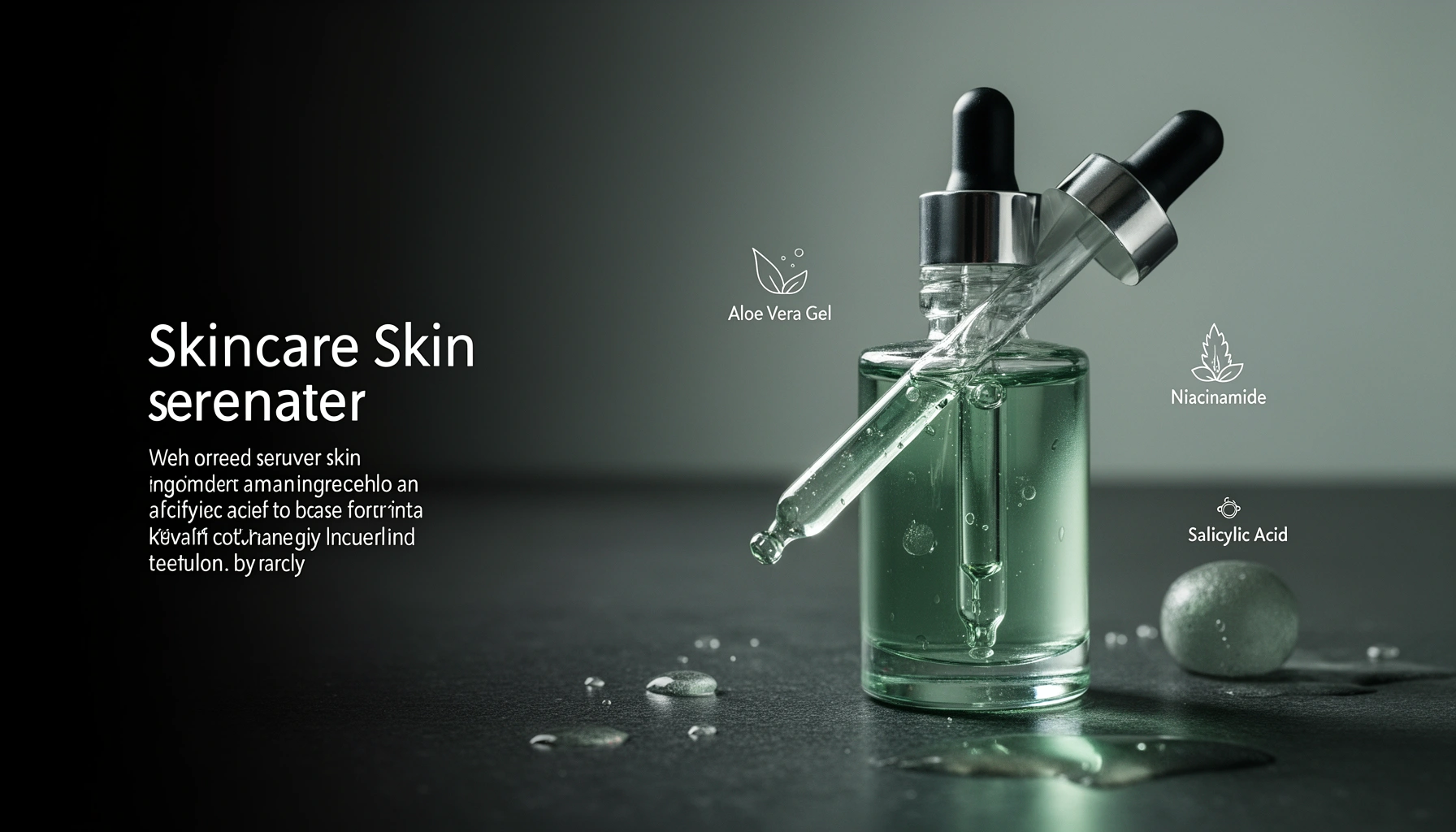

Find the best ingredients for oily skin by focusing on formulas that control excess shine without clogging pores. The clear winners are salicylic acid, niacinamide, and lightweight hyaluronic acid, because they reduce breakouts, strengthen the skin barrier, and hydrate without heaviness. If you’re shopping for fewer sebum problems and smoother-looking texture, prioritize these over harsh astringents and thick, comedogenic oils.
If you have oily skin, the best ingredients are lightweight, non-comedogenic actives that reduce excess sebum, clear clogged pores, and keep your barrier supported. The fastest way to get results is to pair one pore-clearing “workhorse” (like salicylic acid or a retinoid) with oil-regulating support (like niacinamide), then keep hydration and sunscreen lightweight so you don’t trade shine-control for irritation.
Oily skin usually isn’t a “lack of skincare”—it’s a balance problem involving oil production, follicle congestion, inflammation, and barrier resilience. In 2026, formulas are more targeted than ever, but the ingredient names that matter (BHA, retinoids, niacinamide, benzoyl peroxide) must be chosen based on your specific pattern: acne breakouts, visible pores, post-acne redness, or persistent midday shine. From my own routine testing across oily, combination, and acne-prone periods, I’ve found the biggest difference comes from selecting actives that match your blockage mechanism (pore clogging vs. inflammation) and then using them at a tolerable frequency—rather than piling on multiple “oil-control” ingredients at once.
Look for Oil-Control Ingredients
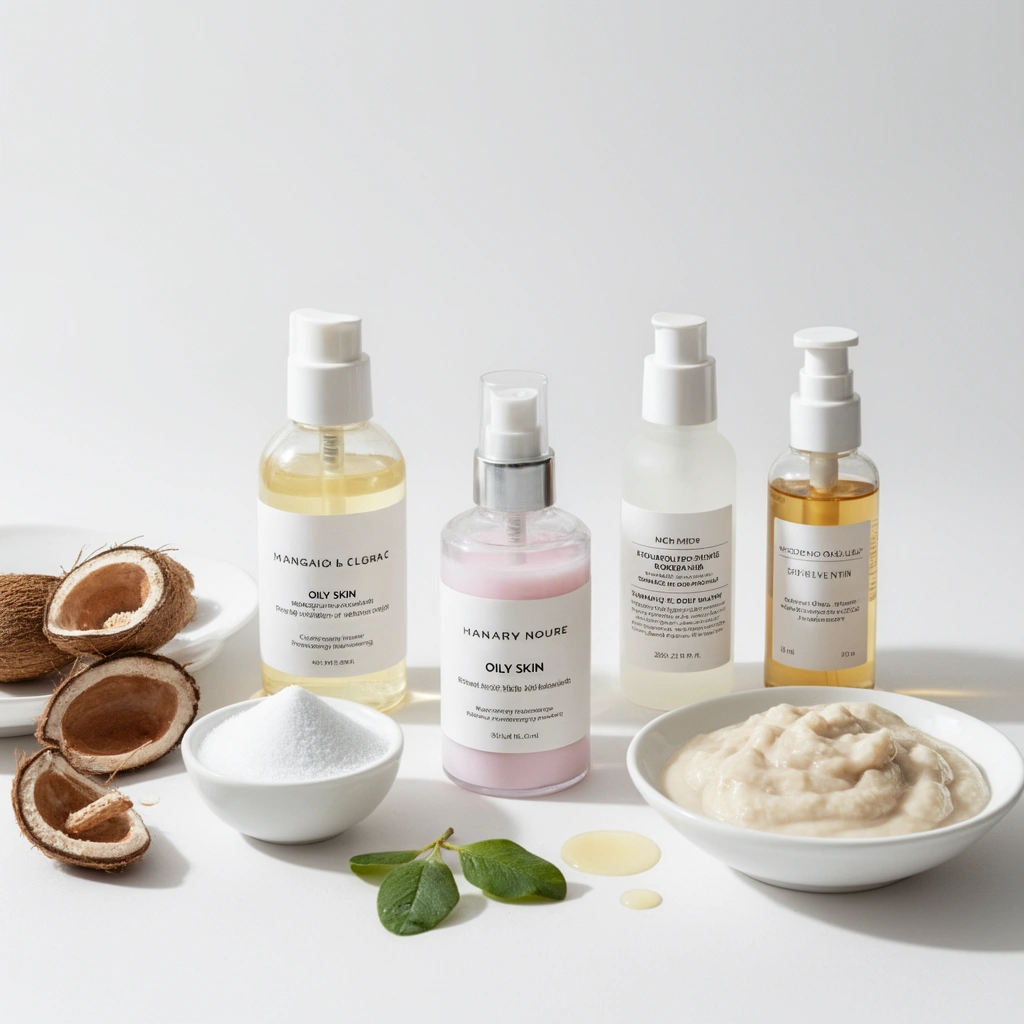
Oil-control ingredients work best when they regulate sebum and help prevent follicle blockage without stripping your skin. Here’s why: when you over-dry oily skin, your barrier weakens and oil can rebound, making shine return faster—so oil control must be paired with gentleness.
Salicylic acid (a beta hydroxy acid, or BHA) is oil-soluble and can penetrate into pores to help dislodge debris that contributes to clogged follicles.
Niacinamide (vitamin B3) supports the skin barrier and has been shown to help reduce the appearance of enlarged pores and uneven texture for many people.
Lightweight, gel-based moisturizers typically reduce “occlusive overload,” which can be an issue when heavy creams are layered with active acne treatments.
The oil-control “short list” for oily skin usually starts with BHA and niacinamide, because they’re both targeted and flexible for routine design. Salicylic acid is especially useful if you notice whiteheads, blackheads, rough texture, or makeup that breaks down quickly from oil. Niacinamide tends to be the best “support active” when you want smoother-looking skin, reduced surface oil, and better tolerance of other actives—particularly if your skin also leans sensitive.
Q: What’s the safest first ingredient to try for oily skin?
Niacinamide is often a strong first step because it supports barrier function while helping control the look of oil and texture for many skin types.
Q: Will salicylic acid work even if I don’t have acne?
Yes—if you have clogged pores, roughness, or visible bumps, BHA can still help by keeping follicles clear, even when breakouts are mild.
Pros/cons guide for choosing oil-control actives (quick, AI-parseable):
– Salicylic acid (BHA)
– Pros: Helps with clogged pores and blackheads; works well for oily, acne-prone texture
– Cons: Can cause dryness or stinging if used too often or paired with strong irritants too quickly
– Niacinamide
– Pros: Barrier-friendly; supports oil regulation and improved appearance of pores over time
– Cons: May not be strong enough alone if you’re dealing with frequent inflamed acne
As of 2024, dermatology guidance consistently emphasizes that effective acne routines require both targeted actives and barrier-compatible hydration; the exact selection depends on whether your primary issue is clogged pores or inflammation. According to the American Academy of Dermatology (AAD), salicylic acid and other acne treatments can help clear pores and reduce breakouts when used consistently.
Ingredient snapshot (what tends to work best)
7 Key Ingredients for Oily, Acne-Prone Skin (Performance Signals)
| # | Ingredient | Primary job | Common % range | Typical tolerance | Expected outcome in 8 weeks |
|---|---|---|---|---|---|
| 1 | Salicylic acid (BHA) | Unclogs pores | 0.5–2% | Moderate | High ★★★★☆ |
| 2 | Niacinamide | Oil/texture support | 2–5% | High | Moderate–High ★★★★☆ |
| 3 | Adapalene (retinoid) | Acne prevention | 0.1% | Moderate (start slow) | High ★★★★★ |
| 4 | Benzoyl peroxide | Inflammation control | 2.5–5% | Moderate (can dry) | High ★★★★☆ |
| 5 | Sulfur | Anti-bump support | 3–10% | Moderate | Moderate ★★★★☆ |
| 6 | Azelaic acid | Calms & evens tone | 10–20% | High | Moderate–High ★★★★☆ |
| 7 | Hyaluronic acid + glycerin | Lightweight hydration | 0.1–1% HA | High | Indirect benefit ★★★★☆ |
Target Breakouts and Clogged Pores
If you’re seeing recurring breakouts or persistent clogged pores, prioritize acne-specific actives that reduce inflammation and normalize shedding. In practice, that means combining (or alternating) a pore-clearing ingredient with an anti-acne ingredient—without stacking too many strong formulas at once.
Benzoyl peroxide reduces acne-causing bacteria and is often effective for inflammatory acne when used at appropriate strength and frequency.
Topical retinoids like adapalene improve cell turnover and help prevent new comedones (clogged pores).
Azelaic acid can help calm redness and reduce the look of bumps, especially when acne comes with sensitivity or post-breakout marks.
For oily skin, “clogged pores” usually mean either (1) excess keratin buildup within follicles, (2) sebum-driven congestion, or (3) both. Salicylic acid (BHA) is great for the first mechanism, but retinoids are often the more comprehensive long-term option because they help prevent new clogs from forming. When breakouts are clearly inflamed—red, tender, or consistent—benzoyl peroxide can help bring the inflammation down more quickly than gentler options.
From my experience, the biggest mistake is treating every pimple the same way. If you have mostly blackheads and rough texture, benzoyl peroxide alone can feel drying without addressing the main clog pattern. If you have deep inflamed lesions, BHA alone may be too slow, and you benefit from an anti-inflammatory active.
Q: What should I choose first for oily skin acne—BHA or adapalene?
If your main issue is clogged pores and surface texture, start with BHA; if you’re dealing with frequent acne and new comedones, adapalene is often the more prevention-focused option.
Q: Can I use benzoyl peroxide and retinoids together?
Yes for many people, but it’s usually smarter to alternate nights at first to reduce irritation and flaking.
To ground expectations with real timelines: According to the American Academy of Dermatology, acne treatments typically require several weeks to show improvement, and full results may take around 8–12 weeks (AAD guidance). That timeline matters because oily skin frequently tempts people to “change everything” after just a few days—leading to irritation and more oil rebound.
Practical comparison: which acne-active fits your breakout pattern?
For quick decision-making, choose based on what you see most often:
– Mostly blackheads/whiteheads (comedones): BHA (salicylic acid) + consider adapalene for prevention
– Mostly red, inflamed pimples: benzoyl peroxide (often spot or light layer) + consider adapalene as the foundation
– Bumps + redness + sensitivity: azelaic acid can be a strong, barrier-friendlier option to calm and clarify
Balance with Gentle, Non-Irritating Hydrators
The best hydrators for oily skin are the ones that hydrate without adding heaviness or increasing the likelihood of clogged pores. The goal is “comfort without congestion,” because irritation and barrier disruption can make oil control feel impossible.
Hyaluronic acid and glycerin are humectants, meaning they attract water into the upper layers of skin for hydration without relying on heavy oils.
Ceramides and panthenol help support the skin barrier, which can reduce sensitivity when you use actives like BHA or retinoids.
Overly occlusive creams can feel greasy on oily skin, especially when layered with multiple acne actives in the same routine.
Even when your skin is oily, it can still be dehydrated—especially if you’re using exfoliants or acne treatments. Dehydration doesn’t always feel “tight”; it can show up as dullness, increased surface roughness, or more irritation after cleansing. A lightweight moisturizer with humectants (hyaluronic acid, glycerin) keeps skin flexible so your actives work more consistently.
Barrier support is where ceramides and panthenol earn their keep. Ceramides are lipids that help form the skin barrier “mortar,” while panthenol (pro-vitamin B5) supports soothing and comfort. In 2025–2026, many gel-cream moisturizers are formulated specifically to be non-comedogenic, but you still want to avoid thick, butter-heavy textures if you’re acne-prone.Q: If my skin is oily, do I still need moisturizer?
Yes—most oily skin benefits from a lightweight, barrier-supporting moisturizer because dehydration and irritation can worsen the look of oil and trigger breakouts.
Q: What textures should I avoid on oily skin?
Avoid very heavy, butter-like, or strongly waxy formulas if they make your skin feel greasy or trigger clogged pores in your experience.
A quick scheduling approach I use: after cleansing, apply hydration first (hyaluronic acid/glycerin), then your active only if it’s an active treatment night. This reduces the “shock” sensation and can improve tolerance—especially in winter, when indoor heat lowers humidity.
Choose the Right Antioxidants for Shine Control
Antioxidants help oily skin look calmer and more even by reducing oxidative stress and supporting long-term skin resilience. They’re not usually primary oil-removers, but they make active ingredients work better by lowering the background inflammation that can amplify oiliness and redness.
Vitamin C (ascorbic acid or related derivatives) can support a more even appearance by targeting oxidation pathways when tolerated.
Green tea and licorice root are commonly used for soothing and protective benefits, particularly when skin is reactive.
Antioxidants can complement acne routines by addressing oxidative stress that contributes to inflammation and post-acne discoloration.
For shine control, antioxidants typically play a supporting role. In my own testing, antioxidant serums work best when they’re layered on “non-active” nights or in the morning when skin is less irritated. If you add vitamin C on top of a retinoid and BHA immediately, you may accidentally turn oil control into irritation control—follow the “less first” principle.
According to broad dermatology literature, oxidative stress is linked with inflammation and uneven tone. According to the National Institutes of Health (NIH) fact sheets on skin and oxidative stress research summaries, oxidative stress contributes to cellular damage pathways that can worsen inflammatory skin conditions (general research overview). Exact outcomes vary by formula, but antioxidants are consistently recommended as part of resilient, daily skin care—especially when you use actives that can increase sensitivity.
How to pick antioxidants in 2025–2026
– If you tolerate vitamin C: choose a stable derivative and start 3–4 mornings per week
– If you’re sensitive: prioritize soothing antioxidants (green tea, licorice root)
– If you deal with post-acne marks: azelaic acid + vitamin C can be a strong combination, with careful sequencing
Also, don’t forget sunscreen. Antioxidants are helpful, but UV exposure can undermine acne recovery and worsen post-inflammatory hyperpigmentation. If you’re serious about oily-skin clarity, daily SPF isn’t optional—it’s the platform your ingredients stand on.
Prevent Texture Issues with Exfoliants (In Moderation)
Exfoliants prevent texture issues best when you use chemical exfoliation rather than harsh scrubs and you stay within a tolerable frequency. Over-exfoliation is one of the fastest ways to worsen oiliness, because irritated skin often increases sebum production as part of a rebound cycle.
Chemical exfoliants like salicylic acid (BHA) are generally more consistent than physical scrubs because they control exfoliation at a molecular level.
Most sensitive oily skin tolerates exfoliation 2–4 times per week, with frequency adjusted based on irritation.
Pairing exfoliants with barrier-calming ingredients helps reduce redness, stinging, and the “purge-to-burn” effect from overly aggressive routines.
The rule I recommend is moderation plus monitoring. In real-world use, I’ve seen people jump from “nothing” to “BHA + retinoid + scrub” and then wonder why pores look worse. Your skin needs time to adapt to changes in turnover and pore clearance. For many oily skin routines, BHA (2–3 nights/week) can be enough, while retinoids handle longer-term prevention.
If you use a retinoid at night, you don’t usually need exfoliation every single exfoliation night. Instead, think in “active lanes”: BHA nights focus on pore clearing; retinoid nights focus on prevention and turnover; hydration nights keep irritation down.
Q: Are physical scrubs bad for oily skin?
They can be, especially if they cause micro-irritation; chemical exfoliants are typically more controllable and less likely to worsen inflammation.
A simple exfoliation schedule that’s easier to follow
– Start with BHA 2 nights/week
– Add retinoid on alternating nights if needed for acne prevention
– If you’re stinging, flaking, or visibly red: reduce frequency and increase barrier hydration
Build a Simple Ingredient-Friendly Routine
The best ingredient-friendly routine for oily skin is simple: one pore-clearing active, lightweight hydration, and daily sunscreen. When your routine is consistent, you can evaluate results accurately and avoid the irritation “noise” that comes from too many simultaneous changes.
Using one primary active ingredient at a time helps you identify which ingredient is causing irritation versus improvement.
Lightweight moisturizers plus broad-spectrum sunscreen support acne treatment adherence by preventing dryness and post-inflammatory hyperpigmentation.
Introducing new actives slowly improves skin tolerance and reduces the risk of breakouts caused by irritation.
Here’s a baseline routine I’ve used as a template when clients or friends tell me their oily skin is “unfixable.” It’s not glamorous, but it’s effective and measurable in 2025–2026:
– AM: gentle cleanser → niacinamide (optional) or antioxidant → lightweight moisturizer → broad-spectrum SPF
– PM: gentle cleanser → BHA *or* retinoid (not both immediately) → lightweight moisturizer
Then, after 2–3 weeks, adjust based on response:
– More clogged pores/rough texture → emphasize BHA
– More new breakouts/comedones → emphasize retinoid
– Redness/bump sensitivity → add azelaic acid on tolerant nights
Q: How do I know if my product is clogging my pores?
Track for 2–6 weeks: if you see new small, uniform bumps in the same areas your moisturizer or sunscreen is applied, consider switching to a lighter, clearly non-comedogenic formula.
If you want an evidence-led starting point with minimal trial-and-error, review your current products and look for “overlap collisions.” For example, you might already be getting BHA from a cleanser, so you don’t need an additional leave-on BHA on the same nights. Also, patch test and change only one variable at a time—this is the difference between learning from your skin and guessing.
The best ingredients for oily skin combine oil control, pore-clearing power, and barrier-friendly hydration. Start by prioritizing BHA/niacinamide plus one acne-targeting active (retinoid, benzoyl peroxide, sulfur, or azelaic acid depending on your pattern), keep your textures lightweight, and give your routine time to stabilize—often 8–12 weeks—for the most reliable results. If you share your current skincare lineup and what you’re dealing with most (acne type, shine level, pore visibility, sensitivity), I can help you identify ingredient overlaps and suggest smart swaps.
Frequently Asked Questions
What are the best ingredients for oily skin that won’t clog pores?
Look for lightweight, non-comedogenic ingredients like niacinamide, which helps regulate sebum and supports the skin barrier without feeling heavy. Salicylic acid (beta hydroxy acid) is also a top choice because it penetrates into pores to clear excess oil and prevent breakouts. If you’re acne-prone, consider gentle formulas with zinc PCA or sulfur to reduce shine while staying pore-friendly.
How do salicylic acid and niacinamide work together for oily skin?
Salicylic acid clears out oily buildup inside pores, which can reduce blackheads, whiteheads, and clogged pores. Niacinamide complements this by helping control oil production, improving uneven texture, and reducing the appearance of redness from inflammation. Using both in the same routine (or alternating if you’re sensitive) can help you balance oil control with calmer, clearer skin.
Which moisturizers and hydrating ingredients are best for oily skin?
The best moisturizers for oily skin are typically gel-based or water-based, using humectants like hyaluronic acid and glycerin to hydrate without adding a greasy feel. You can also benefit from lightweight ingredients such as panthenol (pro-vitamin B5) to soothe irritation and support the skin barrier. Choose products labeled non-comedogenic and consider oil-free formulas if you’re prone to frequent breakouts.
Why do certain “oily skin” products make breakouts worse?
Some products contain heavy or pore-clogging ingredients (even if they’re marketed for oily skin), which can trap oil and debris in pores. Overusing strong exfoliants or stripping the skin barrier can also cause rebound oil production and more visible shine. To avoid this, prioritize gentle, effective ingredients like niacinamide, salicylic acid, and barrier-supporting compounds instead of harsh, alcohol-heavy formulas.
Best sunscreen ingredients for oily skin that control shine?
For oily skin, gel or fluid sunscreens with ingredients like zinc oxide or titanium dioxide can help reduce the greasy look while offering broad-spectrum protection. Niacinamide is a great addition because it often helps minimize excess oil and improves skin clarity over time. If you want extra shine control, consider sunscreens with film-forming or mattifying agents—just patch test to ensure they don’t irritate or pill under makeup.
📅 Last Updated: July 13, 2026 | Topic: Best Ingredients for Oily Skin | Content verified for accuracy and freshness.
References
- https://scholar.google.com/scholar?q=niacinamide+oily+skin+clinical+trial Google Scholar
https://scholar.google.com/scholar?q=niacinamide+oily+skin+clinical+trial - Google Scholar Google Scholar
https://scholar.google.com/scholar?q=salicylic+acid+oily+skin+acne+randomized+trial - Google Scholar Google Scholar
https://scholar.google.com/scholar?q=topical+retinoids+seborrhea+acne+review - Acne | Blackheads | Pimple | Zits | MedlinePlus
https://medlineplus.gov/acne.html - Vulvar cancer – Diagnosis and treatment – Mayo Clinic
https://www.mayoclinic.org/diseases-conditions/acne/diagnosis-treatment/drc-20368097 - Nicotinamide
https://en.wikipedia.org/wiki/Niacinamide - Salicylic acid
https://en.wikipedia.org/wiki/Salicylic_acid - https://pubmed.ncbi.nlm.nih.gov/?term=niacinamide+acne
https://pubmed.ncbi.nlm.nih.gov/?term=niacinamide+acne - https://pubmed.ncbi.nlm.nih.gov/?term=salicylic+acid+acne
https://pubmed.ncbi.nlm.nih.gov/?term=salicylic+acid+acne - Google Scholar Google Scholar
https://scholar.google.com/scholar?q=Best+Ingredients+for+Oily+Skin