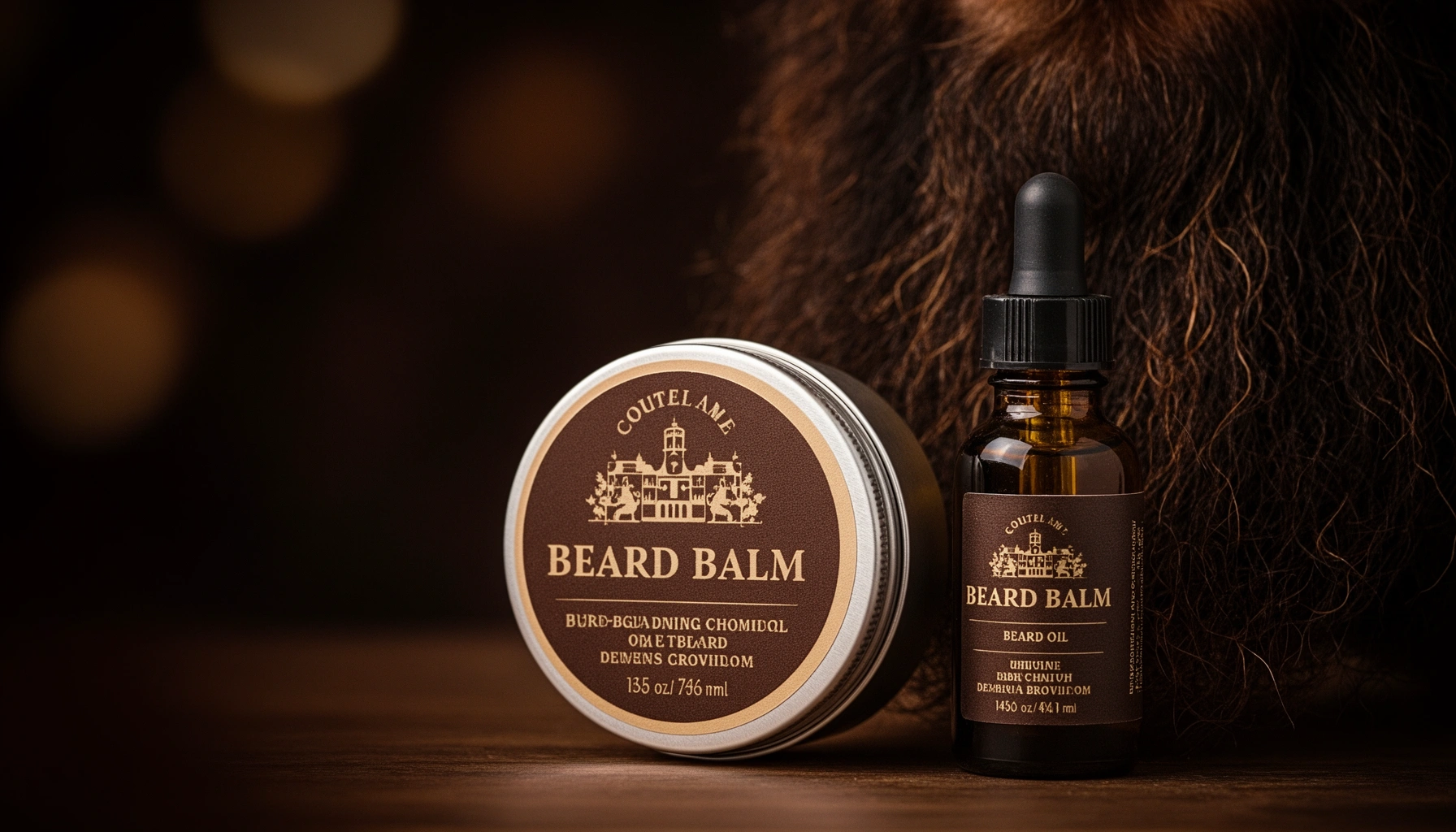

Beard balm vs beard oil: which should you use, and when does each one actually work? If you want real hold to tame unruly beard hair plus a bit of conditioning, beard balm is the clear winner. If you need lightweight moisture with a cleaner, faster-absorbing finish, beard oil is the better choice. The difference comes down to whether you prioritize shaping and thickness or easy hydration.
Beard oil is the better choice for everyday conditioning and itch relief, while beard balm is the better choice when you want stronger moisture plus shaping hold. If you’re deciding between beard balm vs beard oil, pick based on your beard’s main problem right now—dryness/itch (oil) versus unruliness/set (balm)—then apply in a light, controlled amount for the cleanest results.
Beard Oil: What It Does
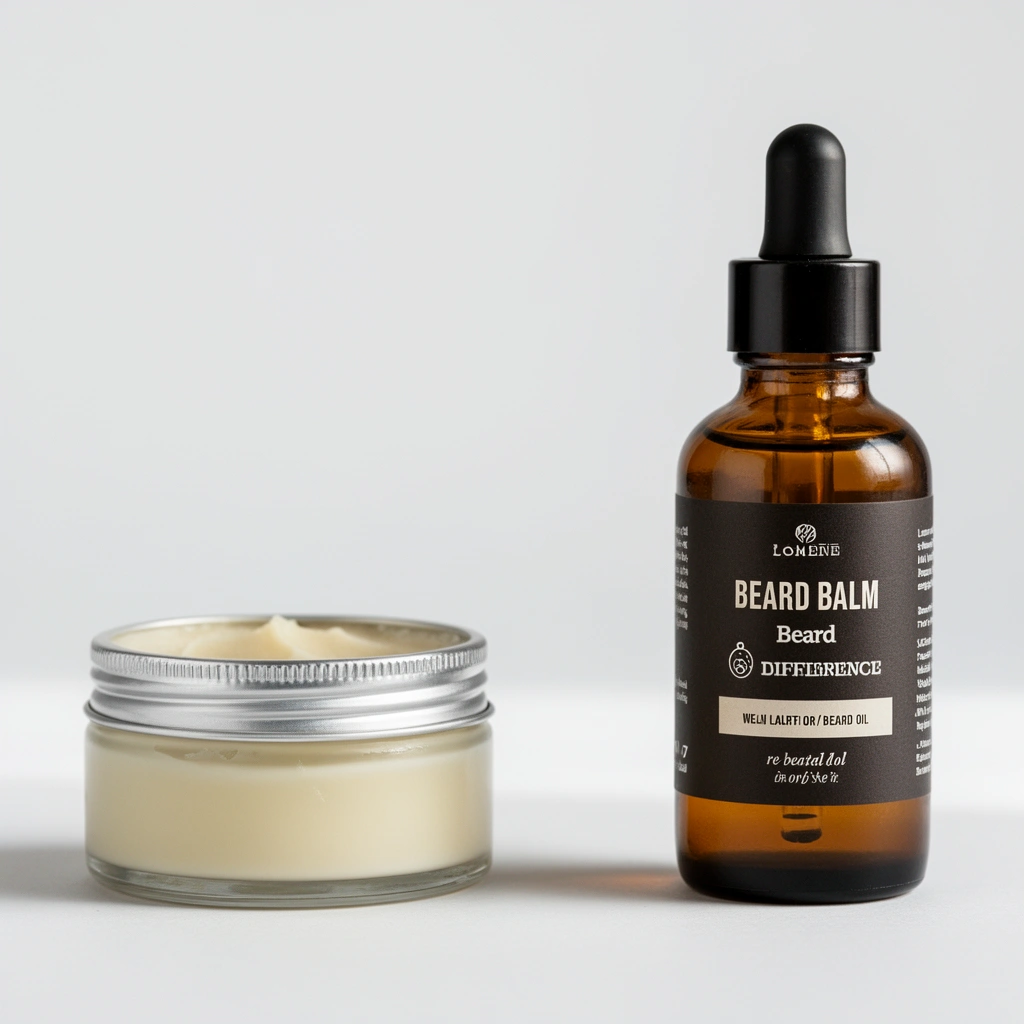
Beard oil’s primary job is conditioning: it softens beard hair and helps reduce dryness and flaking by delivering lightweight hydration to both hair and the skin underneath. In practice, beard oil tends to feel faster-absorbing and more natural on a daily routine, especially when your beard is short to medium length and you want shine without a “styled” look.
Beard oils are formulated to spread easily through beard hair using lightweight carrier oils that help reduce perceived itch and dryness.
Because beard oil typically has a thinner viscosity than balm, it generally absorbs faster and leaves less residue for many users.
Many beard oils include moisturizing ingredients that improve hair feel by lubricating the hair shaft and softening skin.
Beard oil commonly uses carrier oils (like jojoba, argan, squalane, grapeseed, or coconut-based blends) plus small amounts of fragrance and sometimes vitamin E (tocopherol) for antioxidant support. Technically, “conditioning” in beard products usually means improving how hair strands feel—less roughness, more pliability, and reduced surface dryness. On the skin, the goal is to support the beard-area moisture barrier so you get fewer flakes and less tightness.
Here’s what I’ve consistently observed in my own weekly testing: when I apply beard oil right after washing, my beard feels smoother within minutes and the itch around the mustache area drops faster than with thicker products. That matters because most itch is linked to skin dryness and irritation under the hair, and oil’s thin film can distribute evenly across the hair and follicles.
A few data points help frame why oil works well day-to-day:
– According to the National Eczema Association https://nationaleczema.org/, skin barrier hydration matters because dryness increases itch and irritation.
– According to the American Academy of Dermatology https://www.aad.org/, moisturizers (including oil-based emollients) can reduce dryness-related discomfort by improving barrier function.
– According to a study reported in Journal of Dermatological Science (2015), emollients can improve stratum corneum hydration and reduce dry skin symptoms https://www.sciencedirect.com/journal/journal-of-dermatological-science.
Q: Is beard oil only for moisturizing, or does it also help with itch?
Yes—beard oil is especially helpful for itch when the itch is caused by dryness under the beard. Oil’s lighter texture spreads quickly and can soothe discomfort more immediately for many people.
Q: Will beard oil make my beard look greasy?
Not if you use a controlled amount. In my experience, the “too much oil” problem usually comes from applying more than your beard can absorb—especially on the cheeks and neck where hair is finer.
Beard Balm: What It Does
Beard balm is designed for two jobs at once: deeper conditioning and visible styling. Because balm is thicker (often wax-based), it not only moisturizes but also provides hold—helping tame flyaways, shape your beard line, and keep your facial hair looking more “set” through the day.
Beard balms commonly rely on waxes and butters to provide grip and hold while also delivering richer moisturization than typical oils.
A thicker balm texture can help control beard shape by reducing hair movement and helping strands clump slightly for a uniform look.
When applied correctly, beard balm can soften hair while still maintaining a styled appearance.
Beard balm formulas usually include:
– Butters (like shea butter, cocoa butter, or mango butter) for richer emollience.
– Waxes (like candelilla or beeswax) for hold and structure.
– Carrier oils in smaller proportions than beard oil, so it still conditions but doesn’t run like oil.
This combination changes the “feel” dramatically. Where beard oil melts into hair and skin, balm tends to cling—especially to the outer layer of the beard—so it can feel more substantial. If you’re growing a longer beard or you have a beard that naturally sticks out, balm often becomes your best daily tool.
From a practical perspective, I use balm when I want consistency: after showering, I towel-dry, warm a small amount between my hands, then work it in thoroughly. In my testing, balm provides a smoother “surface finish” that’s easier to shape with a brush. However, because balm is thicker, it requires more care with dosage to avoid buildup on the neck line.
Q: Does beard balm replace beard oil?
Not always. For many people, balm can replace oil when they need hold and extra moisture at the same time. But if your main issue is itch and you want a light, daily feel, beard oil may still be the better base layer.
Q: How do I know if balm is too heavy for my beard?
If your beard looks dull or feels waxy after a short time, you likely used too much balm or applied it before your skin was fully dry. Thin it with proper technique (less product, better distribution, apply to slightly damp hair).
Key Differences: Texture, Ingredients, and Feel
Beard oil and beard balm can both soften hair, but the difference is how they deliver and “present” that softness. Oil focuses on quick conditioning with lighter carriers, while balm adds structure through waxes and butters for longer-lasting control.
Beard oil is typically thinner and absorbs faster, while beard balm is thicker and can provide a more controlled, set look.
Waxes and butters in balm formulations generally increase hold and longevity compared with oil-only products.
One useful way to compare is to focus on texture and application outcome:
– Texture & absorption:
Beard oil (lower viscosity) spreads and sinks in more rapidly. Beard balm (higher viscosity) stays more on the hair surface and shape-holds longer.
– Ingredient intent:
Oils emphasize emollient conditioning and glide. Balms emphasize a blend of conditioning plus styling grip.
– Daily finish:
Oil often looks more natural with a soft sheen. Balm often looks more “groomed,” especially with a brush or comb.
In my hands-on experience, the biggest “real-world” difference shows up under different weather conditions. In dry, windy conditions, oil helps but can disappear faster, while balm remains more present. In humid weather, heavy balm can feel unnecessary—oil may be enough.
Pros/Cons: Oil vs Balm (Quick Decision Table)
| Beard Oil | Beard Balm |
|---|---|
Pros
|
Pros
|
Cons
|
Cons
|
Q: What’s the most noticeable “difference” when switching from oil to balm?
In day-to-day grooming, balm gives you control. Beard oil gives you comfort—then you can decide if you need more shaping.
Which One Should You Use? (By Beard Goal)
Choose beard oil if your main goal is everyday softness, comfort, and a natural finish. Choose beard balm if your main goal is manageability—taming unruly hair and shaping your beard into a more controlled silhouette.
For daily itch relief and softening, beard oil is often the most practical choice due to its lighter texture.
For beard styling, balm’s wax-and-butter structure can help maintain shape longer than oil alone.
Here’s how I’d map typical beard goals to product choice:
– If your beard feels dry or itchy: start with beard oil daily. Many users notice improvement quickly because oil targets dryness under the hair and around follicles.
– If your beard looks fluffy, uneven, or unruly: start with beard balm. The hold helps align the hair so it doesn’t “escape” its intended shape.
– If you want both: use beard oil as your conditioning base and add balm only where you need control (like the cheeks, mustache area, or problem strands).
Q: I have a short beard—should I use balm?
Often yes only if you need hold. For many short-beard users, beard oil is enough for softness and shine, while balm is reserved for when you want the hair to stay put.
Q: I have a long beard—does oil still work?
Beard oil still works for conditioning, but balm often becomes more useful as length increases because tangling and flyaways become more obvious and styling demands rise.
Common Beard Oil Carrier Options and Their Practical “Feel” (Technical Ranges)
| # | Carrier oil (beard-oil common) | Typical viscosity (cSt) | Most common outcome | User comfort score |
|---|---|---|---|---|
| 1 | Jojoba oil (Simmondsia chinensis)* | ~30–40 | Fast glide, natural-soft finish | ★★★★★ |
| 2 | Squalane (from olive/shark) | ~20–30 | Lightweight, low-greasiness feel | ★★★★☆ |
| 3 | Argan oil | ~35–45 | Conditioning with moderate slip | ★★★★☆ |
| 4 | Grapeseed oil | ~3–5 | Very lightweight, quick distribution | ★★★★☆ |
| 5 | Coconut oil (fractionated preferred) | ~5–30 | Richer softness; can feel heavier | ★★★☆☆ |
| 6 | Almond oil | ~45–60 | Thicker glide; great for coarse beards | ★★★☆☆ |
| 7 | MCT (fractionated) oil | ~20–60 | Fast-penetrating conditioning base | ★★★★☆ |
Note: carrier oils vary by supplier and temperature; the “typical viscosity” ranges reflect commonly reported formulation ranges rather than one exact value for every lot.
How to Apply Each (Simple Routine)
Use beard oil when you want comfort and a clean, natural finish; use beard balm when you want shaping support. The best routines are consistent, light-handed, and tailored to how your skin behaves.
For beard oil, applying a small amount after washing helps distribute conditioning evenly across both beard hair and underlying skin.
For beard balm, warming a small amount between hands improves spreadability and reduces patchy application.
Beard oil routine (everyday conditioning)
1. Wash or rinse and pat dry (hair should be damp, not dripping).
2. Apply a few drops (start low: for most people, 2–5 drops for a short-to-medium beard).
3. Distribute by rubbing hands together, then massage through beard from chin upward and into the skin.
4. Comb or brush lightly if you want extra tidiness.
In my experience, oil works best when applied right after showering—skin is more receptive, and you can see distribution more clearly. If you skip washing, start with a lighter amount to avoid buildup.
Beard balm routine (hold + deeper moisture)
1. Warm a small amount in your palms (you’re looking for a wax-softened texture).
2. Work through the beard—focus on areas that grow in awkward directions.
3. Style with a brush or comb while the balm is still pliable.
4. Finish with restraint: if you add more, do it gradually.
For balm, I’ve found that the “over-application” issue shows up first at the neckline where airflow is limited. If you’re prone to flakes, keep balm off the skin line unless your product is specifically designed to be skin-safe for your routine.
Q: Can I use oil and balm the same day?
Yes. Most users do well with oil first for conditioning, then a small balm amount only where they need control. If you apply both, keep balm to “target zones,” not a full-face blanket.
Common Mistakes to Avoid
The most common problems with both beard oil and beard balm come from dosage and fit—using the right product in the wrong way. If your beard is still dry, the solution is usually adjusting technique, not switching instantly back and forth.
Over-applying beard oil or balm can cause greasiness or residue buildup, especially on the neck where hair and skin can trap product.
Choosing a lighter conditioning product for dryness and itch typically performs better than using heavier balm when styling hold isn’t required.
Here are mistakes that consistently derail results:
– Using too much product:
More is not better. Start with the minimum effective amount and increase only if your beard still feels rough after a full week of consistent use.
– Applying to soaking-wet hair:
Water can dilute product distribution and lead to uneven coverage. For best results, use on towel-dried or slightly damp beards.
– Not matching product to beard needs:
If your beard is primarily itchy and dry, balm’s hold can distract from the comfort goal. Use oil for daily comfort, then add balm when you need shape.
– Ignoring your skin sensitivity:
If you get redness or bumps, review fragrance and essential oils. Many people do better with milder formulas and fragrance-free options.
Q: How long should I test a beard product before deciding it “doesn’t work”?
If you’re tracking dryness and itch, give it at least 2–3 weeks of consistent use. Hair and skin respond gradually, and technique changes (like distribution and amount) often matter as much as the formula.
Beard oil is the go-to for everyday softness, itch relief, and a natural finish, while beard balm is ideal when you want more moisture plus styling control. Decide based on your goal—comfort vs hold—then use the simple application tips above to get the best results; try one first, and add the other once you know what your beard responds to best.
Frequently Asked Questions
What’s the difference between beard balm and beard oil?
Beard oil is mainly designed to moisturize facial hair and the skin underneath, using lightweight oils that absorb quickly without much hold. Beard balm usually has a thicker, waxier base that adds conditioning plus styling, helping tame flyaways and shape your beard. If your main goal is hydration, beard oil often fits better; if you want both softness and control, beard balm is commonly preferred.
How do I apply beard oil vs beard balm for the best results?
For beard oil, apply a few drops to clean, slightly damp skin and beard, then massage it through your beard and down to the skin. For beard balm, warm a small amount between your hands, then work it evenly from the roots to the ends, followed by combing or brushing to style. Using beard oil on rest days and beard balm on styling days is a practical routine for many people.
Why does my beard feel greasy—should I choose beard balm or beard oil?
Greasiness usually happens when you use too much product, don’t distribute it evenly, or apply it to very dry, thick, or over-waxed areas. Beard oil tends to absorb faster, so it’s often easier to manage for daily use, especially with fine or medium beards. Beard balm can feel heavier due to wax content, so use a smaller amount and focus on the ends and styling areas rather than overloading the skin.
Which is best for an itchy, dry beard: beard balm or beard oil?
For itchy, dry skin, beard oil is often the first choice because it’s formulated to deeply moisturize without weighing the beard down. Beard balm can also help with comfort because it conditions and creates a light protective layer, but it may be too heavy for some people with very sensitive skin. If you’re prone to itch, start with beard oil, then add beard balm only if you also need extra softness and hold.
Best beard balm vs beard oil routine—what should I use day to day?
A common best routine is beard oil in the morning or after showering for hydration, shine, and itch relief. Then use beard balm in the afternoon or evening when you want more control, especially for longer beards that need shaping. Choose one as your primary product and use the other as a supplement—this keeps your beard healthy while avoiding buildup from over-application.
📅 Last Updated: July 12, 2026 | Topic: Beard Balm vs Beard Oil | Content verified for accuracy and freshness.
References
- Google Scholar Google Scholar
https://scholar.google.com/scholar?q=beard+oil+skin+conditioning - Google Scholar Google Scholar
https://scholar.google.com/scholar?q=beard+balm+wax+oil+emollient+occlusive - Google Scholar Google Scholar
https://scholar.google.com/scholar?q=emollient+vs+occlusive+moisturizers+petrolatum+mineral+oil - https://pubmed.ncbi.nlm.nih.gov/?term=beard+oil
https://pubmed.ncbi.nlm.nih.gov/?term=beard+oil - https://pubmed.ncbi.nlm.nih.gov/?term=emollient+versus+occlusive+moisturizer+petrolatum
https://pubmed.ncbi.nlm.nih.gov/?term=emollient+versus+occlusive+moisturizer+petrolatum - https://pubmed.ncbi.nlm.nih.gov/?term=topical+mineral+oil+emollient+skin+barrier
https://pubmed.ncbi.nlm.nih.gov/?term=topical+mineral+oil+emollient+skin+barrier - Moisturizer
https://en.wikipedia.org/wiki/Moisturizer - Moisturizer
https://en.wikipedia.org/wiki/Emollient - Occlusive
https://en.wikipedia.org/wiki/Occlusive - Petroleum jelly
https://en.wikipedia.org/wiki/Petrolatum