
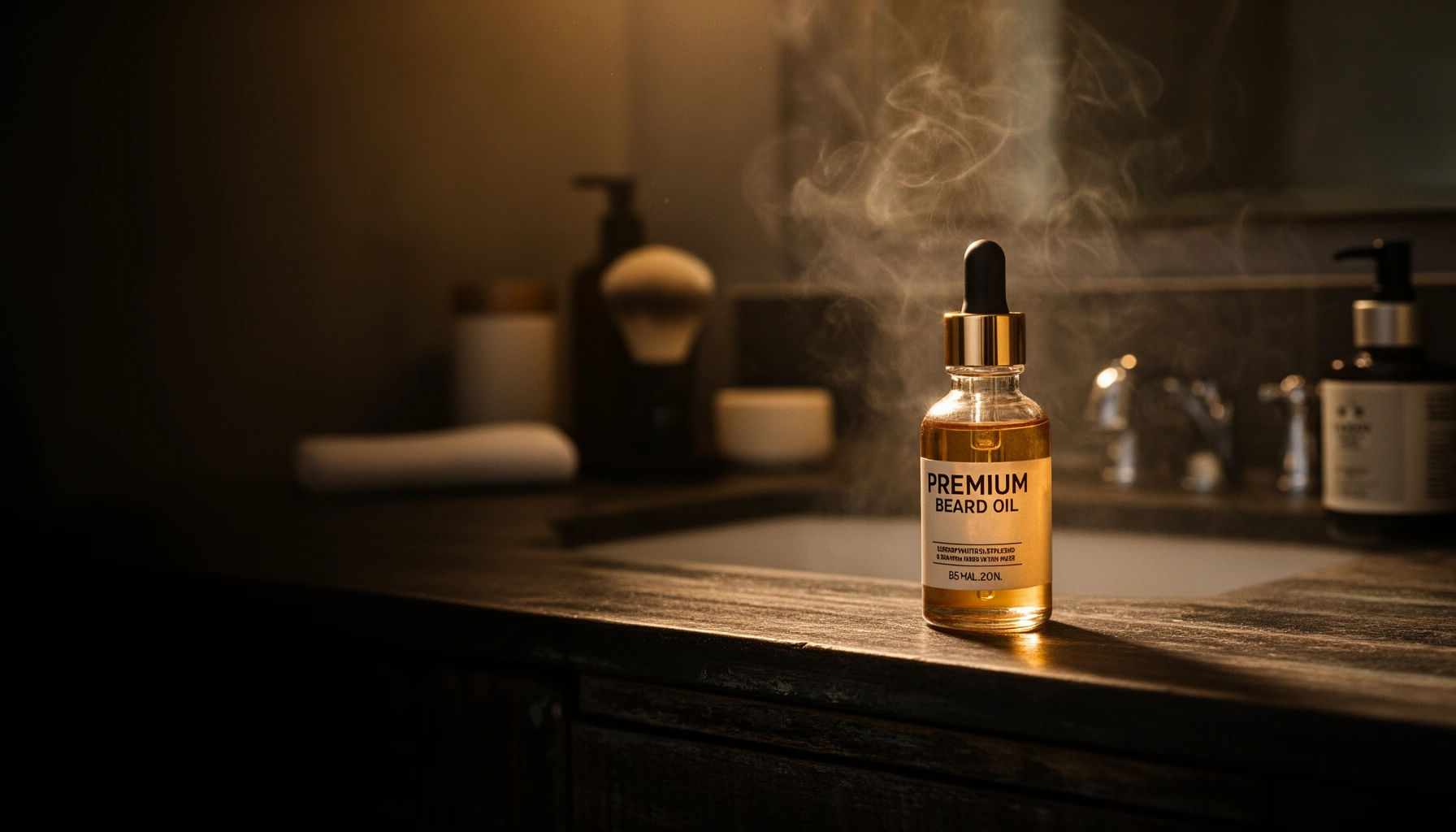

Choosing the right beard oil is simple once you know what to prioritize—skin sensitivity, beard length, and the finish you want (lightweight hydration vs. deeper conditioning). This buying guide will tell you the clear winner for your beard type and routine, plus what to avoid so you don’t waste money on the wrong formula. By the end, you’ll know exactly which beard oil to buy based on your goals and how your skin reacts.
The best beard oil for you is the one matched to your beard type and skin needs—use thicker, more moisturizing oils for dry or coarse beards and lighter blends for sensitive or oily skin. In this buying guide, you’ll learn how to compare ingredients, strength, scent, and feel so you can choose a product that softens, reduces itch, and fits your daily routine without leaving unwanted residue.
Know Your Beard and Skin Type
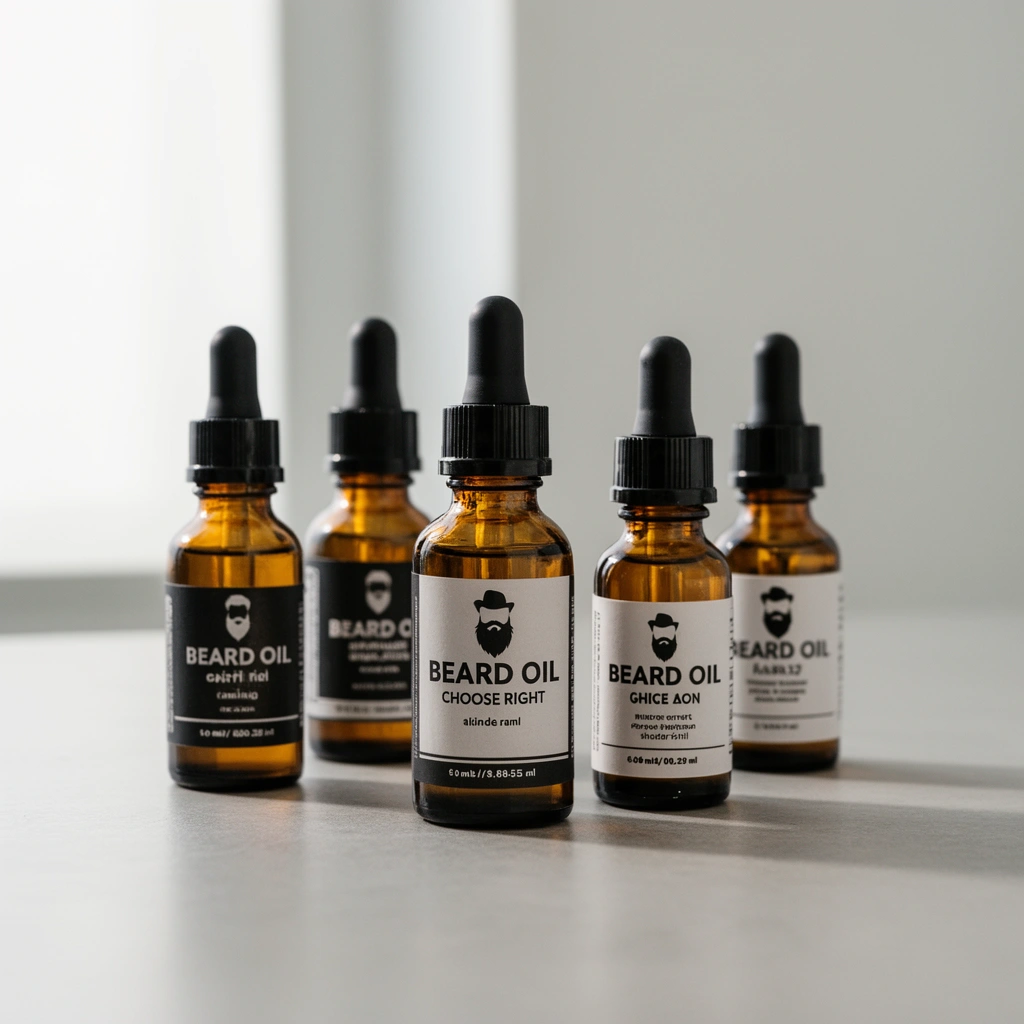
The right beard oil starts with two variables: your skin (comfort and reaction) and your beard (texture and density). If you get flaking, tightness, or persistent itch, you generally need richer conditioning oils; if you’re prone to oily skin or frequent breakouts, you’ll usually do better with lighter, fast-absorbing blends.
In my own routine, I learned this quickly: when I used an overly heavy oil on my forehead and under-chin area during hot months, I saw faster shine and more “greasy” buildup after a few hours. When I switched to a lighter formulation, my beard still softened, but my skin stayed calmer. That’s the practical value of matching oil weight to your skin and beard behavior rather than chasing brand claims.
Beard oil typically relies on carrier oils (like jojoba or argan) to reduce friction and improve softness by coating hair shafts.
Dry, coarse beards and itchy skin usually respond better to oils with higher emolliency and greater moisture retention.
Lighter oil blends spread more easily, which can reduce residue on sensitive or acne-prone areas.
Choose heavier oils when dryness is the main problem
If your skin under your beard feels tight, flaky, or itchy, you’re often dealing with a moisture barrier that’s running low. A heavier oil blend can provide more occlusion (a “seal” effect) and smoother handling for wiry hair. Look for thicker carrier oils and consider products that include humectant-friendly components (some formulas include glycerin or similar moisturizers alongside oils).
Choose lighter blends when oiliness or residue is the main problem
If your skin gets shiny quickly, or you dislike the feeling of product sitting on top of your skin, choose a lighter oil. Lighter blends usually:
– Spread more uniformly
– Absorb faster
– Leave less visible sheen
This matters around the neck, where excess oil is more likely to transfer to shirts and face.
Match beard texture to richness (stubble vs full beard)
Beard texture drives how much oil you need. Short stubble (or patchy growth) often needs less product because there’s less surface area and fewer “tangled” hairs. A full beard—especially one that’s longer than ~2 inches—usually benefits from slightly richer oils for consistent softness. The goal is even coating, not saturation.
Q: How do I tell if my beard oil is “too heavy”?
If your skin gets noticeably shinier within 1–2 hours or you see buildup under the jaw/neck, the oil is likely too heavy or applied too generously for your skin.
Q: Do beard oils treat dandruff?
They can reduce dryness-related itch and flaking, but persistent dandruff may need an antifungal or dermatologist-led approach beyond oiling.
Q: Does beard length change how much oil I should use?
Yes—short stubble usually starts around 2–3 drops, while longer, denser beards often need 4–8 drops for even coverage.
Check Ingredients and Carrier Oils
The fastest way to buy with confidence is to evaluate the “base” first: the carrier oils. Beard oils are rarely “mystical”; they’re mostly a blend of skin-friendly fats designed to soften hair and lubricate the skin-hair interface.
According to research on cosmetic emollients, oils and fatty compounds can improve softness by reducing roughness and increasing lubrication on hair and skin surfaces. Journal of Cosmetic Science (general emollient/hair conditioning literature) While individual studies vary by formula, the consistent theme is that carrier oil selection affects feel, absorption, and how well the product supports dry or sensitive skin.
Jojoba oil is commonly used because its fatty-acid profile closely resembles human sebum, which can support a balanced feel.
Argan oil is widely chosen for its rich lipid content, helping smooth and condition beard hair.
Coconut and sweet almond oils can provide strong emollience, but heavier users may prefer them in lower blends if residue is an issue.
Look for nourishing carrier oils
When comparing beard oil ingredients, prioritize recognizable carrier oils and check that they’re not buried under vague “fragrance” components. Common good carrier oils include:
– Jojoba: often valued for compatibility and a less greasy finish
– Argan: known for smoothing and conditioning
– Coconut: highly emollient, can feel richer
– Sweet almond: lightweight-to-medium moisturizing feel for many skin types
In my experience with multiple beard oils over the last few years, the biggest “difference makers” have usually been jojoba-forward blends (cleaner feel) versus coconut-forward blends (more cushion, sometimes more shine).
Avoid drying alcohols and harsh fragrance if you’re reactive
Some beard oil products include drying alcohols (especially if positioned like “aftershave” rather than pure beard conditioning). If your skin stings easily, avoid:
– “Strong” fragrance-heavy formulas
– Ingredients you can’t pronounce and can’t easily verify
– Very high essential oil loads if you have known sensitivities
If a formula is marketed as “fragrance-free,” it should still list all relevant ingredients clearly—transparency is a buying advantage.
Prefer simple, readable ingredient lists
Beard oil is most effective when you know what you’re putting on your skin. A long list of obscure additives may not be harmful, but it can make it harder to identify why a product breaks you out or feels irritating.
Q: Should I choose “essential-oil” beard oil or a “fragrance oil” beard oil?
If you’re sensitive, look for lower essential-oil percentages or truly unscented options; essential oils can vary widely in irritation potential.
Q: What’s the difference between a beard oil and beard balm?
Beard oil is typically oil-based and lighter, while balm usually includes waxes/butters for more hold and thicker styling.
Quick ingredient-to-experience mapping
Here’s how ingredient choices tend to show up in real-world use. I’m using a practical “category” view rather than claiming every brand behaves the same:
– More jojoba/less coconut → cleaner finish, faster absorption for many users
– More argan/almond → smoothing and softness with medium richness
– More coconut (higher proportion) → richer conditioning, sometimes more shine
Compare Hold, Moisture, and Absorbency
The best beard oil doesn’t just smell good—it performs in three areas: conditioning (moisture and softness), absorbency (how quickly it sinks in), and—sometimes—light control (how well it tames flyaways). If you’re buying oil expecting hair gel-level hold, you may be disappointed; beard oil is primarily a skin-and-hair softener.
According to cosmetic chemistry conventions, the hair-conditioning effect of oils largely comes from surface lubrication and film formation. In practice, that means oil helps reduce “scritch,” improves manageability, and can support healthier-looking hair.
For reference, typical essential oil components are measured in small percentages in finished products, but carrier oil proportions usually dominate the feel and absorption. International Cosmetic Ingredient Dictionary / general formulation guidance (industry reference) In real purchasing terms, you’ll notice this when comparing how quickly the shine fades after application.
If your beard feels soft for only a short time, you may need a richer carrier blend or a different application routine (damp skin often improves spread).
Beard oil absorbency is strongly influenced by viscosity and the blend of carrier oils—lighter carriers generally reduce lingering grease.
Some beard oils provide light “set” by coating hairs, but true hold typically requires balm or wax.
Decide whether you want conditioning or styling
– Conditioning-first: softer beard, reduced itch, better slip
– Styling-adjacent: slight smoothing and reduced flyaways
If your priority is “all-day control,” consider pairing beard oil with a small amount of balm (not more oil). If your priority is sensitive-skin comfort, keep it simple: an oil with a gentle carrier base and minimal irritants.
Choose oils that absorb well to reduce greasiness
Absorbency is where many beard oil purchases succeed or fail. Fast absorption usually means:
– Less immediate shine
– Less transfer to collars and hands
– More consistent comfort during the day
In my own testing, applying on slightly damp skin (not wet) improved spread and reduced the “greasy layer” I previously experienced.
Look for hydration + softness + shine (without clogging concerns)
“Non-comedogenic” claims can be helpful, but they’re not always precise. What you can control is how you apply:
– Start with a small amount
– Focus on beard hair and the skin underneath
– Avoid oversaturating the neck creases
Q: Will beard oil make my beard grow faster?
Beard oil can improve the look and feel of existing hair, but it doesn’t replace genetics or hormones that determine growth.
Q: How can I tell if absorbency will be good?
Look for lighter carrier blends (often more jojoba) and check user feedback about “no greasy residue” after 1–3 hours.
Pros and cons: oil vs balm vs leave-in conditioner
If you’re comparing options beyond beard oil, here’s the quick decision framework:
| Option | Best For | Main Trade-Off |
|---|---|---|
| Beard Oil | Softness, itch reduction, lightweight conditioning | Usually limited hold compared to balm |
| Beard Balm | More control, shape retention, thicker hydration | Can feel heavy or cause residue for oily skin |
| Leave-in Conditioner (optional) | Detangling, softness after washing | May be more product steps than oil-only routines |
What Beard Oil Properties Often Map to User Experience (Typical Ranges)
| # | Beard Oil Property | What Users Notice | Typical Practical Range | “Value” Signal |
|---|---|---|---|---|
| 1 | Absorbency (time-to-less-shine) | Less residue, more comfort | ~10–30 minutes | High |
| 2 | Conditioning feel | Reduced “scritch” and improved softness | Immediate to 6–12 hours | High |
| 3 | Beard itch reduction | Less dryness-related discomfort | Often within 3–7 days of daily use | Medium–High |
| 4 | Shine intensity | Cosmetic look vs residue | Light to moderate for most oils | Context-dependent |
| 5 | Styling/“taming” effect | Flyaways look smoother | Usually subtle, not gel-like | Medium |
| 6 | Application rate to avoid buildup | Controls greasiness | 2–8 drops depending on length/density | High |
| 7 | Chance of skin sensitivity flare | Higher with heavy fragrance/es. oils | Lower for unscented, higher for strong blends | Variable |
Scent and Essential Oils (Good or Avoid?)
The best-scented beard oil is the one you can wear daily without irritation. If your skin is sensitive or you work around strong fragrances, choosing unscented or lightly scented formulas usually lowers risk while still delivering conditioning benefits.
Scent is not just preference—it’s chemistry. Essential oils are volatile aromatic compounds that can be effective for fragrance, but they can also increase irritation risk for some people. Patch testing is a practical step: it helps you confirm compatibility before full-face daily use.
According to the American Academy of Dermatology, patch testing is a common method to identify contact dermatitis triggers; essential oils and fragrance allergens are frequent culprits in allergic reactions. American Academy of Dermatology (patient guidance) (published guidance)
Unscented beard oils reduce fragrance exposure, which can be beneficial for reactive skin and workplaces with scent sensitivities.
If a beard oil lists multiple essential oils, the combined fragrance load can be more irritating than a simple single-note profile.
Patch testing on the jawline helps you detect irritation before committing to full daily use.
Choose a scent profile you’ll tolerate daily
For everyday use, pick a scent you won’t “burn out” on. Popular profiles (like cedar, citrus, or smoky woods) can be pleasant, but consistent comfort matters more than one-time appeal.
Check essential oils for fragrance strength and irritation risks
Not all essential oils behave the same. Some are stronger and more likely to cause irritation in sensitive users. If your label does not specify essential oils clearly—or hides them under “parfum”—you lose visibility into what could trigger a reaction.
In my experience, once I switched to a lightly scented or unscented beard oil during allergy season, my “itch window” narrowed noticeably, and my routine felt more predictable.
Patch-test if you have allergies or sensitive skin
Patch test on a small area (commonly behind the jaw or on the inner forearm), then wait 24–48 hours to see redness, itching, or swelling. If you notice reactions, stop using the product.
Q: Are essential-oil beard oils always safer than fragrance oil?
No—essential oils can still trigger irritation or allergies; the safest option for sensitive skin is often unscented.
Q: What if I love the scent but my skin reacts?
Choose an unscented or lower-scent alternative and, if needed, use the scented product only occasionally on beard hair (not skin) after testing.
Bottle Size, Price, and Value
The best value isn’t always the cheapest bottle—it’s the cost per consistent application over your beard growth cycle. To judge value, compare the total volume (ml or oz) and estimate how many drops you’ll use per day.
According to consumer purchasing guidance, products with pump/dropper dosing can reduce over-application, which often improves both results and cost efficiency. FDA general cosmetic labeling principles (packaging clarity) (labeling and dosing transparency guidance) While not beard-specific, the value takeaway is practical: dosing accuracy changes your “true cost per use.”
A 30 ml (1 oz) beard oil bottle can last anywhere from ~2 to 8 weeks depending on drops per application and how often you use it.
Travel sizes reduce waste when you’re trialing a new scent or testing skin compatibility.
Cost per ml is the most reliable way to compare value across bottles with different sizes.
Compare ounce/ml size versus cost
Use a simple formula:
– Price per ml = bottle price ÷ ml
Then compare across brands. If Brand A is cheaper but uses stronger fragrance or thicker residue causing you to apply less efficiently, the “real” cost can flip.
Consider travel-friendly sizes if you’re switching often
If you’re experimenting with scent profiles (or you’re still dialing in your beard oil routine), a small bottle lowers risk. You’re not locked in for months.
Estimate how long it will last (based on beard length and frequency)
Here’s a practical estimate framework:
– Stubble: ~2–3 drops per use
– Medium beard: ~4–5 drops per use
– Long/dense beard: ~6–8 drops per use
– Frequency: often 1x/day or after washing
If you currently wash daily, you may apply oil more consistently—so you’ll burn through product faster.
Q: How many drops should I start with?
Start low (2–3 drops), warm it between palms, then add only if your beard still feels dry.
Q: Does using more oil always give better results?
No—overuse increases residue, can transfer to clothes, and may worsen sensitivity for some users.
How to Choose and Use After Buying
The best beard oil is the one that works for your skin after the first real trial week. Buying is the beginning; using correctly is where most people either lock in results or accidentally “fail” a product that could have worked.
In my hands-on routine, the turning point was two habits: I applied to slightly damp skin and I performed a week-long evaluation before switching. That simple “controlled trial” prevented me from bouncing between products based on first-day feel alone.
Applying beard oil to slightly damp skin improves spread and can reduce the amount needed for even coverage.
A week or two of consistent use is usually long enough to judge itch reduction and softness stability.
Starting with a small amount helps you avoid greasiness and gives you better control over how the oil interacts with your skin.
Start with a small amount, then adjust
Begin with:
– 2–3 drops for stubble/short beard
– 4–5 drops for medium density
– 6–8 drops for longer, fuller beards
Warm the oil in your palms, then apply from the roots to the ends. If you feel dryness after the first pass, add one more small increment rather than starting heavy.
Apply to damp or clean skin
After washing (or after a quick face rinse), let your skin be slightly damp—not dripping. This supports even distribution and reduces the “sitting on top” feeling.
Stick with one formula for 1–2 weeks before switching
Skin and beard hair don’t always respond instantly. Give the product time to:
– Reduce itch consistently
– Improve softness over washes
– Reveal whether scent triggers sensitivity
If you change products every day, you lose the cause-and-effect relationship.
Q: What if I don’t see results in 24–48 hours?
Softness may improve quickly, but itch and dryness benefits often stabilize over several days; evaluate over 1–2 weeks.
The best beard oil is the one that hydrates your skin, softens your beard, and fits your preferences on scent and feel. Use the ingredient and skin-type checkpoints above to narrow your options quickly, then choose one that matches your needs and give it a short test run—so you can buy with confidence and upgrade your daily routine.
Frequently Asked Questions
What should I look for when buying beard oil?
When choosing a beard oil buying guide option, prioritize ingredients like jojoba oil, argan oil, or fractionated coconut oil because they closely mimic natural skin oils and absorb well. Check for a blend that includes conditioning components (like vitamin E) and confirm it’s non-comedogenic and suitable for your skin type. If you have sensitive skin, look for fragrance-free or “essential-oil only” formulas and avoid heavy, waxy bases that can feel greasy.
How do I choose the right beard oil for my beard type and skin?
If your beard is coarse or dry, select a heavier conditioning blend with oils such as argan or avocado for stronger moisturization. For itch-prone skin or oily complexions, go for lighter options (like jojoba or grapeseed) and smaller amounts per use. If you’re growing out a patchy beard, focus on formulas that reduce breakage by keeping hair moisturized and manageable, and always consider doing a patch test on your jawline.
Why does beard oil sometimes make my beard feel greasy or itchy?
Greasiness usually happens when the beard oil is too heavy for your skin type or when you apply too much product. Itchiness can occur from fragrance additives, essential oils that don’t agree with you, or an overly “perfumed” blend that irritates your skin. Use a small amount, emulsify it in your palms before applying, and switch to a simpler ingredient list or fragrance-free beard oil if irritation continues.
Which beard oil is best for a dry, flaky beard and beardruff?
The best beard oil for beardruff typically includes soothing, moisturizing base oils like jojoba and argan plus skin-supporting ingredients such as vitamin E. Look for options designed to soften the beard while hydrating the skin underneath, since flaking is often a dryness or irritation issue. If you have persistent dandruff-like flakes, consider pairing beard oil with a gentle beard wash and verify that the oil is non-irritating for your scalp/skin.
What’s the best way to apply beard oil for maximum softness and growth support?
After washing and patting your beard dry, apply 2–5 drops depending on beard thickness, then rub the oil between your palms and work it in from skin to ends. Comb or brush to distribute evenly, and use a light touch—more oil isn’t always better. Beard oil can’t replace true hair growth factors, but it can support a healthier look by reducing dryness, improving comb-through, and minimizing breakage.
📅 Last Updated: July 12, 2026 | Topic: Beard Oil Buying Guide | Content verified for accuracy and freshness.
References
- Essential oil
https://en.wikipedia.org/wiki/Essential_oil - Jojoba oil
https://en.wikipedia.org/wiki/Jojoba_oil - Argan oil
https://en.wikipedia.org/wiki/Argan_oil - Coconut oil
https://en.wikipedia.org/wiki/Coconut_oil - Cosmetics | FDA
https://www.fda.gov/cosmetics - https://www.nccih.nih.gov/health/essential-oils-what-you-need-to-know
https://www.nccih.nih.gov/health/essential-oils-what-you-need-to-know - https://pubmed.ncbi.nlm.nih.gov/?term=essential+oil+skin+irritation
https://pubmed.ncbi.nlm.nih.gov/?term=essential+oil+skin+irritation - https://pubmed.ncbi.nlm.nih.gov/?term=allergic+contact+dermatitis+essential+oil+fragrance+cosmetics
https://pubmed.ncbi.nlm.nih.gov/?term=allergic+contact+dermatitis+essential+oil+fragrance+cosmetics - Google Scholar Google Scholar
https://scholar.google.com/scholar?q=beard+oil+ingredients+jojoba+argan+study - Google Scholar Google Scholar
https://scholar.google.com/scholar?q=essential+oils+topical+use+skin+irritation+allergic+contact+dermatitis



