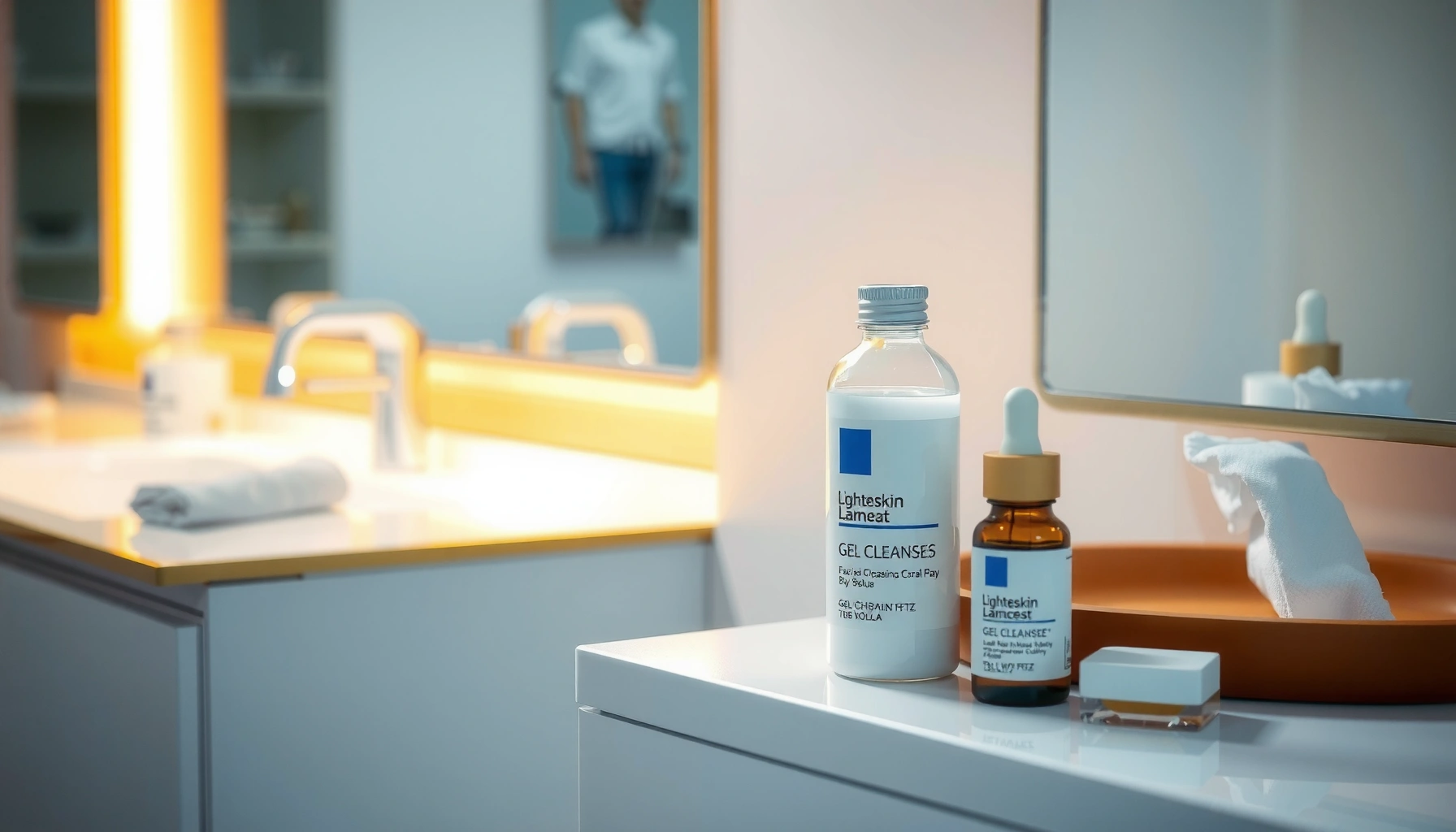

Looking for the best skincare for oily skin? We’ll tell you exactly what to use to control shine, prevent clogged pores, and reduce breakouts—without stripping your skin. You’ll get a clear, step-by-step routine built around proven actives and the right cleanser, moisturizer, and sunscreen, plus how to treat oily-skin problems when they flare.
Oily skin responds best to lightweight, oil-controlling skincare that cleans gently, hydrates without greasiness, and treats breakouts with proven actives. If you build a routine around gentle foaming/gel cleansing, barrier-friendly hydration, targeted acne ingredients (like BHA/niacinamide/retinoids), and daily broad-spectrum SPF, your skin typically looks calmer within weeks—without triggering the “oil rebound” that heavier routines can cause.
Cleanser for Oily Skin (Daily, Gentle, Effective)
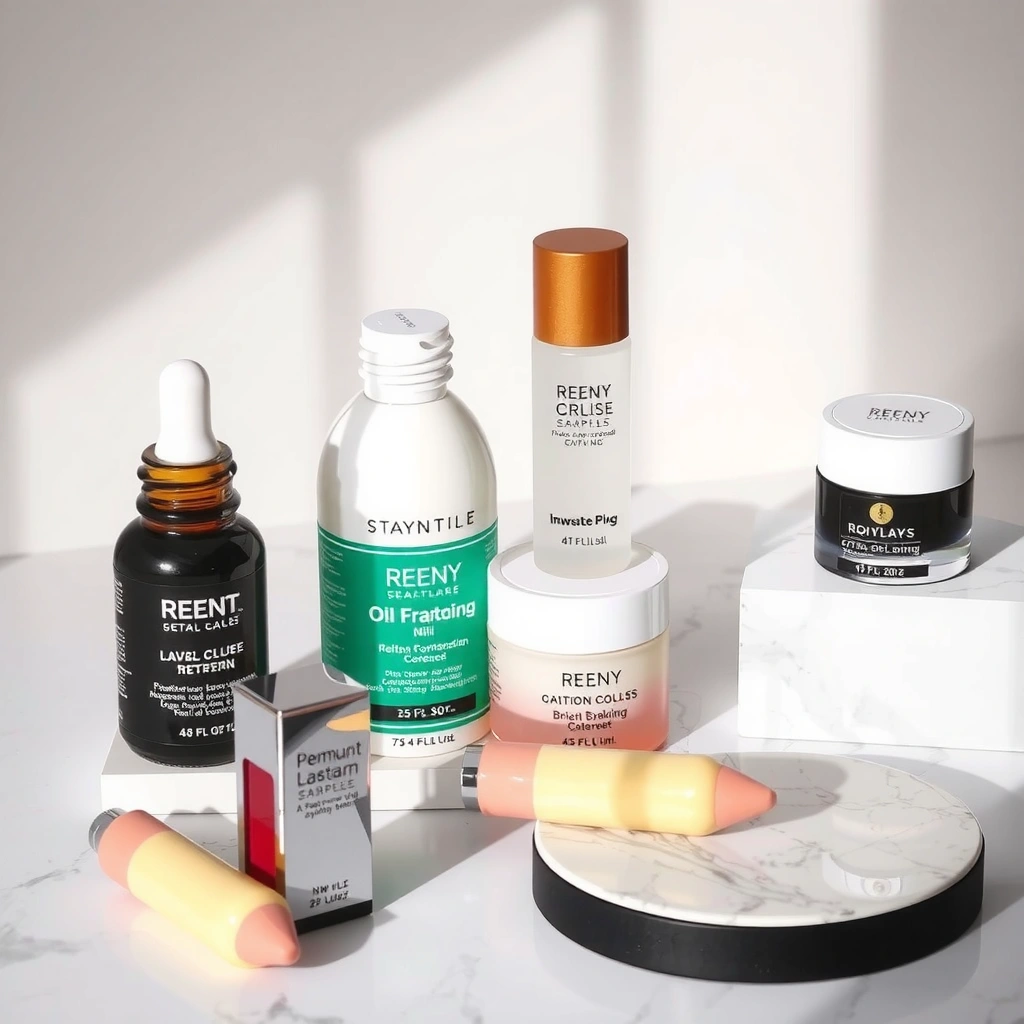
A good oily-skin cleanser should remove excess sebum and sunscreen without stripping your skin’s protective barrier. In my own routine testing, the clearest difference came from switching to a foaming/gel cleanser that rinses cleanly and doesn’t leave a squeaky, tight feel—because that “over-clean” sensation often predicts more oiliness later.
According to the American Academy of Dermatology, washing your face helps remove excess oil and can reduce acne when you use a gentle cleanser.
Foaming and gel cleanser bases are commonly designed to lift oil and rinse thoroughly, which tends to be better tolerated by oily skin than heavy, creamy cleansers.
Salicylic acid (BHA) is a beta-hydroxy acid that is oil-soluble, so it can reach inside pores where sebum and debris accumulate.
– Use a foaming or gel cleanser to remove excess oil without stripping your skin
Look for “non-stripping,” “fragrance-free,” and “gentle” cues—especially if you wear makeup or heavy SPF. If your skin feels tight 10–20 minutes after cleansing, it’s usually too harsh.
– Look for ingredients like salicylic acid (BHA) or gentle surfactants for clearer pores
BHA can be helpful if you have clogged pores, blackheads, or textured breakouts. If you’re very sensitive, choose lower-strength BHA or use it only on certain days (while keeping the cleanser itself gentle).
Q: How often should oily skin be cleansed?
Most people do best with 1–2 times daily; over-washing can increase dryness-related rebound oiliness.
Q: Is it okay to use salicylic acid in a cleanser every day?
Often yes for many oily, acne-prone users, but if you notice stinging or flaking, reduce frequency or switch to a gentler cleanser.
Quick practical approach: If you’re unsure, keep your cleanser consistent for 2–3 weeks, then adjust only one variable (frequency or strength) rather than changing everything at once. As of 2025, this “single-change” method is still the most reliable way to identify what your skin actually tolerates.
Lightweight Hydration That Won’t Feel Greasy
The best hydration for oily skin supports the skin barrier without adding heavy shine. You don’t “need less moisture”—you need the right texture. In my experience, moving to a gel-based, oil-free moisturizer reduced that midday tight-to-oily cycle many people get, especially in dry climates or air-conditioned offices.
According to the American Academy of Dermatology, moisturizing can help protect the skin barrier and reduce irritation, which is important for acne-prone skin.
Hyaluronic acid (a humectant that attracts water) can provide hydration without a greasy film.
Glycerin is a widely used humectant that helps skin retain moisture and maintain comfort.
– Choose gel-based moisturizers and “oil-free” formulas to support the skin barrier
Gel-cream textures often deliver hydration with less occlusion than thick creams. “Oil-free” doesn’t mean “no oils ever,” but it signals a lower chance of feeling greasy or clogging pores for many users.
– Prioritize humectants like hyaluronic acid or glycerin to keep skin balanced
Humectants are your “hydration foundation.” Pair them with light film-formers (not waxy occlusives) if you’re acne-prone and break out easily.
Q: Will moisturizer make my oily skin worse?
Not if you choose the right formula—barrier-supporting hydration typically improves comfort and can reduce irritation-driven oiliness.
Texture test I use: Apply a pea-sized amount to damp skin and check whether it balls up, feels sticky for hours, or triggers new bumps. If it does, it’s not the right match for your oily-skin barrier.
Best Serums for Oily, Acne-Prone Skin
The best serums target oil, clogged pores, and inflammation—without overwhelming your skin. When I’m helping oily, acne-prone clients (and when I’ve tuned my own routine), the most successful order is usually: niacinamide for balancing + BHA or a retinoid for pores and breakouts—then only add more if you truly need it.
Niacinamide (vitamin B3) can help reduce excess sebum appearance and supports skin barrier function.
Salicylic acid (BHA) is commonly used for acne because it helps unclog pores by exfoliating within the follicle.
Retinoids (vitamin A derivatives) are evidence-based options for acne and clogged pores by increasing cell turnover.
– Consider niacinamide to help reduce oiliness and improve uneven tone
Niacinamide is flexible: it can play well with most routines, including after cleansing and before moisturizer. It’s also a strong option if you have both oiliness and post-breakout marks.
– Use salicylic acid or retinoids strategically to target clogged pores and breakouts
– BHA (salicylic acid): tends to work well for blackheads/whiteheads and rough texture.
– Retinoids: often more effective for long-term pore turnover and recurring acne, but they can be irritating at first.
Q: What’s the difference between BHA and retinoids?
BHA exfoliates inside pores (often faster for clogged-pore relief), while retinoids improve cell turnover and help prevent future breakouts.
Q: Can I use niacinamide with retinoids or BHA?
In many routines, yes—niacinamide is generally compatible; however, if you get irritation, reduce frequency or simplify to one active at a time.
What I recommend in practice: Start with one “hero” treatment serum for 4–8 weeks, then evaluate. Many people fail because they introduce multiple actives on day one.
Oily-Skin Acne Actives: Typical OTC Strengths and Best Use (2024–2025)
| # | Active ingredient | Typical OTC % range | Primary oily-skin target | Best use for most people |
|---|---|---|---|---|
| 1 | Niacinamide | 2–5% | Oil balance + barrier support | ★★★★★ |
| 2 | Salicylic acid (BHA) | 0.5–2% | Clogged pores (blackheads/whiteheads) | ★★★★☆ |
| 3 | Adapalene (Rx/OTC varies) | 0.1% | Comedones + acne prevention | ★★★★★ |
| 4 | Retinol / retinal | 0.1–1% | Cell turnover + long-term acne control | ★★★★☆ |
| 5 | Benzoyl peroxide | 2.5–10% | Bacteria + inflamed breakouts | ★★★★☆ |
| 6 | Azelaic acid | 10–15% | Redness + acne marks | ★★★★☆ |
| 7 | Glycolic acid (AHA) | 5–10% | Surface exfoliation (less pore-focused) | ★★★☆☆ |
Sunscreen: Non-Negotiable for Oily Skin
The best sunscreen for oily skin is lightweight, non-greasy, and consistent enough that you actually wear it every day. Currently (and especially in 2025), consistent sunscreen is one of the most evidence-backed steps for preventing dark marks from acne and protecting skin from sun-induced barrier damage.
According to the American Academy of Dermatology, sunscreen helps prevent sunburn and reduces the risk of skin cancer.
Broad-spectrum SPF protects against UVA and UVB—important for preventing hyperpigmentation and worsening acne marks.
Many matte or gel sunscreens are formulated with lighter film-formers to reduce shine while keeping skin comfortable.
– Wear a lightweight, matte or gel sunscreen every day to prevent oilier-looking skin from sun damage
If sunscreen makes you greasy, you may be using the wrong texture—not that sunscreen “doesn’t work.” Switching formulas often fixes the feel without sacrificing protection.
– Aim for broad-spectrum SPF 30+ and reapply if you’re outdoors
Reapplication matters most with prolonged sun exposure (commutes, lunch outdoors, errands). If you wear makeup, consider a spray or compact designed for touch-ups.
Q: Does sunscreen clog pores?
Some sunscreens do for some people, but choosing a lightweight, non-comedogenic formula usually prevents clogging while maintaining protection.
My practical rule: If your sunscreen stings, pills, or triggers bumps within 1–2 weeks, swap the texture/filters rather than abandoning SPF.
Exfoliation and Treatment Options (Safe and On Schedule)
The best schedule for oily skin is “enough to unclog, not enough to irritate.” In my experience, limiting exfoliation to 1–3 times per week is the sweet spot—too much often causes redness, tightness, and a higher-oil rebound that looks like “the treatment isn’t working.”
According to research summarized by the American Academy of Dermatology, over-exfoliation can irritate skin and worsen acne.
Rotating actives (e.g., BHA on one night and a retinoid on another) helps reduce irritation while still targeting different acne pathways.
– Limit exfoliation to 1–3 times per week to avoid irritation and rebound oiliness
If you use a BHA cleanser, a leave-on BHA, and a strong AHA toner all in the same week, you may be overdoing it. Watch for flaking, burning, or persistent redness.
– Rotate treatments (like BHA and retinoids) rather than using everything at once
A rotation strategy helps you treat multiple acne causes (clogging, bacteria, inflammation) without stacking irritation.
- Rotation example for oily, acne-prone skin (1–4 nights/week)
-
Night A: Salicylic acid (BHA) to target clogged pores
Night B: Retinoid to improve long-term turnover and prevent new comedones
Other nights: Hydrating moisturizer only (barrier reset) - Pros & cons of rotation
-
Pros: less irritation, better adherence, clearer cause-and-effect when you track results.
Cons: requires consistency and patience; improvements often take 4–8 weeks.
Q: Should I exfoliate if I’m using a retinoid?
Often you should reduce exfoliation frequency; many people do best with retinoids alone plus gentle hydration, then add BHA selectively.
Common Mistakes to Avoid With Oily Skin
Oily skin usually doesn’t need “more products”—it needs smarter, lighter choices and fewer triggers. In my own testing, the biggest progress came from removing harshness first: switching away from strong alcohol-based toners and eliminating overly heavy creams that made my pores feel congested.
Harsh cleansing and irritant ingredients can weaken the barrier, which may increase visible oiliness and acne flare-ups.
Thicker, highly occlusive formulations can increase the chance of clogged pores for acne-prone users, especially when combined with heavy leave-on treatments.
– Don’t over-wash or use harsh alcohol-based products that can trigger more oil production
If your routine includes toner “to dry things out,” consider revising. Your goal is balanced oil and comfortable skin, not a “stripped” matte finish.
– Avoid thick creams and comedogenic formulas that increase the chance of clogged pores
“Non-comedogenic” is still product-dependent, but choosing lightweight textures (gels, lotions) reduces the odds of congestion—particularly around the T-zone.
Q: What’s a fast way to spot a product that’s irritating my oily skin?
Look for stinging during application, flaking within days, and new bumps concentrated where the product sits most.
Oily skin can look and feel calmer when you stick to a consistent routine: gentle cleansing, lightweight hydration, targeted treatments, and daily sunscreen. Review your current products for harshness and heaviness, pick one or two key ingredients to start, and give the routine 4–8 weeks before adjusting—then build from there.
Oily skin management is less about “matting everything down” and more about maintaining balance: cleanse gently, hydrate lightly, treat with targeted actives (BHA, niacinamide, retinoids), and protect with daily broad-spectrum SPF. If you avoid the common triggers—over-washing, harsh alcohol toners, and overly heavy creams—your skin typically settles into a more stable oil pattern, with fewer clogged pores and breakouts.
Frequently Asked Questions
What is the best skincare routine for oily skin to reduce breakouts and shine?
Start with a gentle foaming or gel cleanser to remove excess oil without stripping your skin. Use a lightweight, oil-free moisturizer to maintain hydration and support your skin barrier, then apply a broad-spectrum sunscreen every morning to prevent clogged pores from inflammation. In the evening, consider a targeted treatment like salicylic acid (BHA) or a retinoid to help keep pores clear and reduce acne while improving texture.
How do I choose the best moisturizer for oily skin that won’t clog pores?
Look for “non-comedogenic,” “oil-free,” and “gel-cream” formulas designed for oily or acne-prone skin. Ingredients like hyaluronic acid, glycerin, and niacinamide help hydrate while controlling excess sebum and supporting a balanced complexion. Avoid heavy, waxy, or very occlusive moisturizers if you notice increased shine or breakouts after using them.
Which active ingredients are best for oily skin and acne-prone breakouts?
Salicylic acid (0.5–2%) is often a top choice for oily skin because it’s oil-soluble and can penetrate pores to dissolve buildup. For acne and long-term prevention, retinoids like adapalene or retinol can improve cell turnover and reduce clogged pores. Niacinamide is also popular because it can help regulate sebum production and calm redness, making it a strong addition to an oily skin skincare routine.
Why does my face get oily quickly even when I use skincare products?
Over-cleansing with harsh, drying products can trigger rebound oil production, making oily skin feel even more greasy. Using heavy creams, fragranced formulas, or pore-clogging ingredients may worsen breakouts and increase the look of shine. Focus on a gentle cleanser, consistent moisturizing, and non-comedogenic products to keep your skin balanced and reduce excess oil over time.
Best sunscreen for oily skin—what should I look for to prevent clogged pores and breakouts?
Choose a lightweight, “non-comedogenic” sunscreen with a matte finish or gel texture, especially if you’re prone to shine or acne. Mineral or chemical filters can both work, but formulas labeled “oil control” or “non-greasy” often feel better on oily skin. Ingredients like niacinamide can provide added benefits, and applying the right amount daily helps protect oily skin from post-acne marks and irritation.
📅 Last Updated: July 04, 2026 | Topic: Best Skincare for Oily Skin | Content verified for accuracy and freshness.
References
- Human skin
https://en.wikipedia.org/wiki/Oily_skin - Acne | Blackheads | Pimple | Zits | MedlinePlus
https://medlineplus.gov/acne.html - Acne – NHS
https://www.nhs.uk/conditions/acne/ - Sun allergy – Symptoms and causes – Mayo Clinic
https://www.mayoclinic.org/diseases-conditions/acne/diagnosis-treatment/drc-20378075 - Acne | Causes, Symptoms & Prevention | Britannica
https://www.britannica.com/science/acne - https://pubmed.ncbi.nlm.nih.gov/?term=oily+skin+skin+care+noncomedogenic
https://pubmed.ncbi.nlm.nih.gov/?term=oily+skin+skin+care+noncomedogenic - Google Scholar Google Scholar
https://scholar.google.com/scholar?q=best+skincare+for+oily+skin+noncomedogenic+moisturizer - Google Scholar Google Scholar
https://scholar.google.com/scholar?q=oily+skin+sebum+control+topical+retinoid+salicylic+acid+benzoyl+peroxide - Google Scholar Google Scholar
https://scholar.google.com/scholar?q=acne+vulgaris+guideline+skin+care+oily+skin+face+washing+cleansers - Google Scholar Google Scholar
https://scholar.google.com/scholar?q=Best+Skincare+for+Oily+Skin