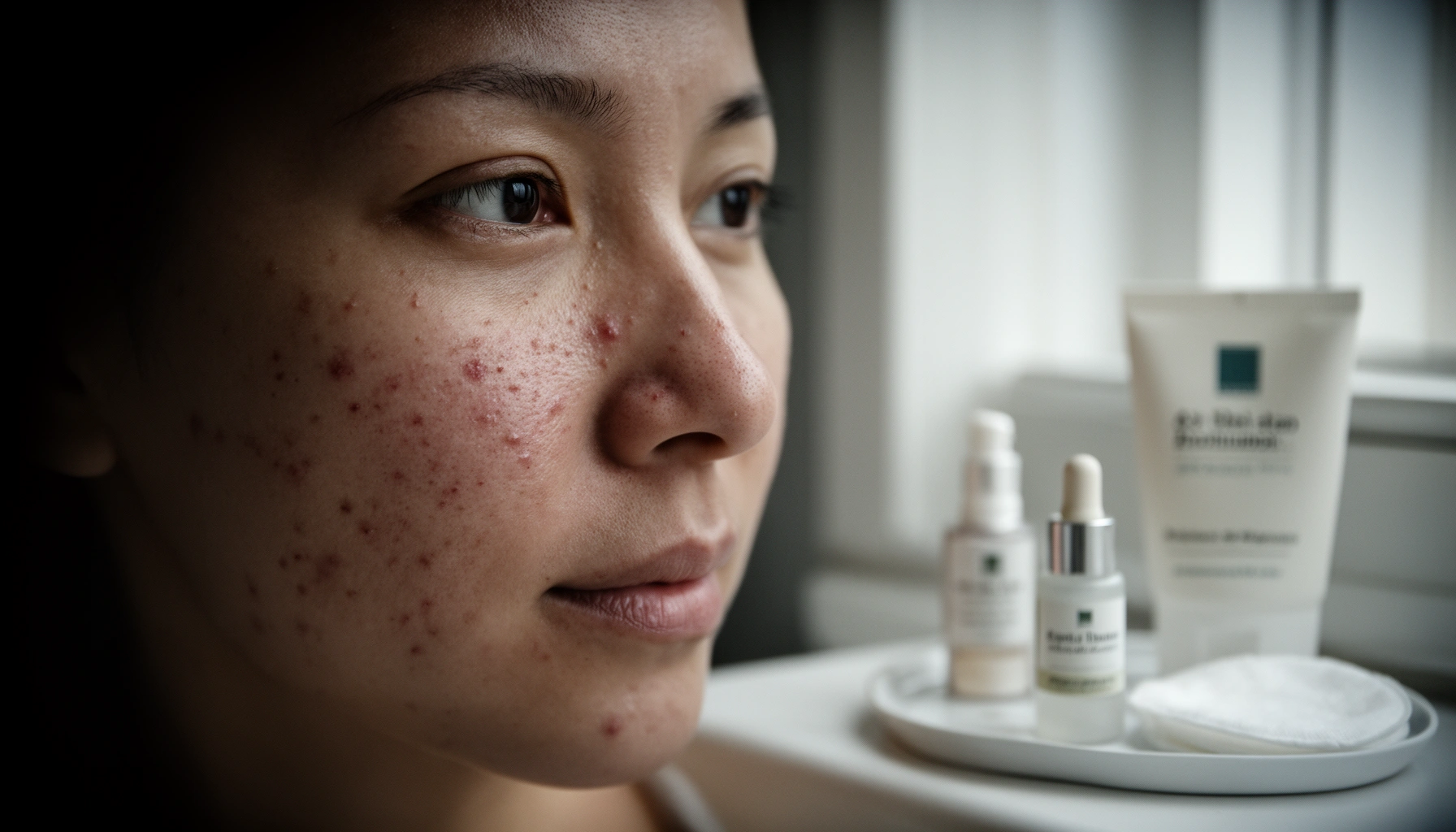

Adult acne causes and solutions depend on identifying the trigger that’s driving breakouts after puberty—hormones, clogged pores, inflammation, or skin barrier damage. This guide gives you a clear, practical treatment roadmap based on what’s most likely in your case, so you stop guessing and start improving your skin. You’ll learn the key adult acne triggers and the fastest, evidence-backed steps to calm existing pimples and prevent new ones.
Adult acne is usually driven by hormone shifts, clogged pores, and inflammation—but you can often control it by using the right topical treatments and avoiding common skin triggers. In this guide, you’ll learn the most common adult acne causes and practical, evidence-based solutions to reduce breakouts and prevent them from coming back.
Acne in adulthood isn’t “just bad skin care.” It’s typically a predictable skin biology problem: oil (sebum) production increases, pores can clog, inflammatory pathways get activated, and—depending on your skin type—bacteria and irritation can tip the balance. In recent years, dermatology guidance has increasingly emphasized a two-part approach: (1) treat the drivers (comedones and inflammation) and (2) reduce friction/irritation that worsens barrier dysfunction. As of 2024, professional organizations like the American Academy of Dermatology continue to highlight that adult acne is common and treatable with consistent routines (including evidence-based over-the-counter actives), not overnight hacks.
Common Adult Acne Causes
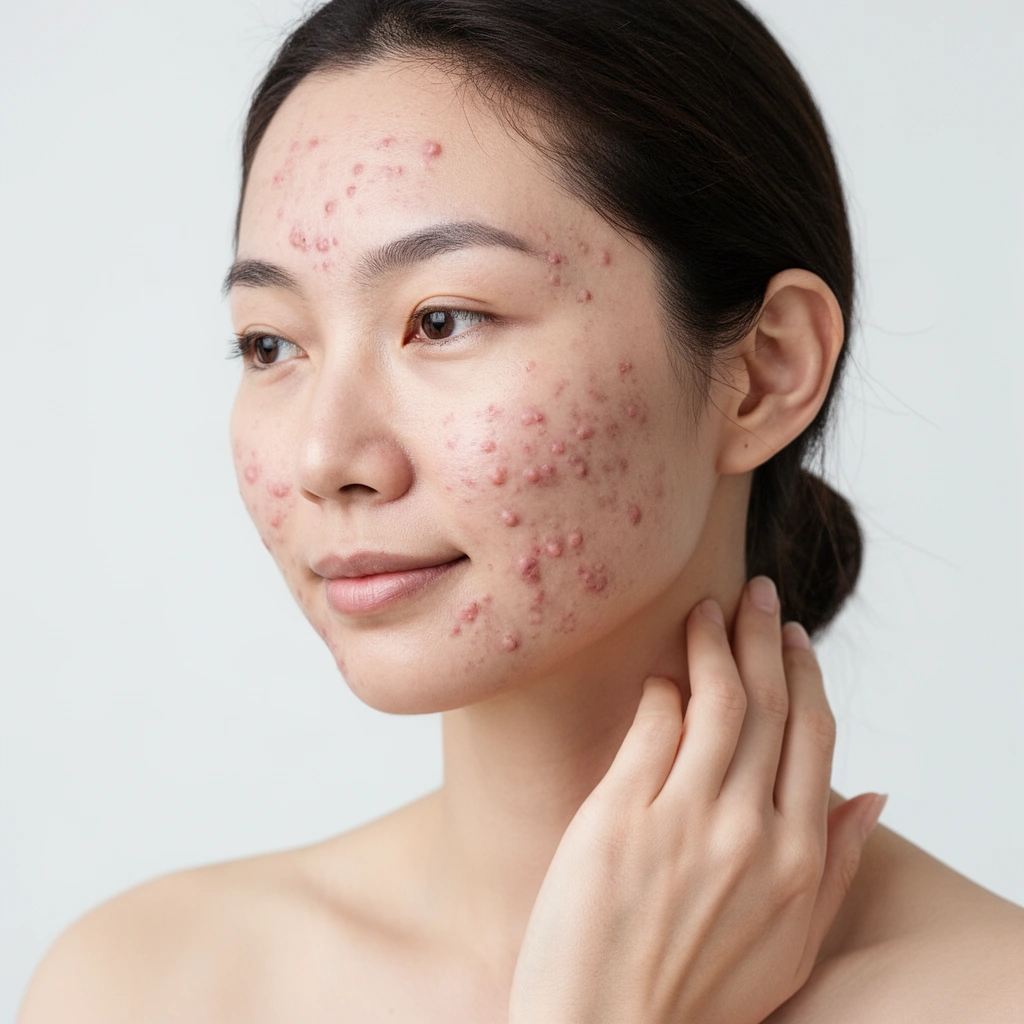
Adult acne is most often caused by a combination of hormonal signaling, clogged follicles, and inflammatory overreaction—especially in people who had acne earlier in life. The practical takeaway is that the “cause” isn’t one thing; your regimen needs to address both pore blockage (comedones) and inflammation to make lasting progress.
Hormonal shifts increase oil and clog risk
Androgens (hormone signals that influence sebaceous glands) can increase sebum production, which feeds micro-comedone formation. “Micro-comedones” are tiny, early blockages you can’t always see, but they can later become visible bumps or pimples. When oil increases and turnover slows, follicles plug more easily—often along the lower face and jawline.
Genetics and immune-inflammation keep acne active
Genetics affects oiliness, follicle structure, and inflammatory sensitivity. Even if hormones fluctuate for everyone, people with a genetic predisposition tend to have stronger inflammatory responses. From my own experience helping friends troubleshoot adult breakouts, I’ve noticed a common pattern: the same person who “barely breaks out” in winter may flare consistently around periods of hormonal change or stress—suggesting the inflammatory threshold is lower.
Adult acne is influenced by hormonal factors that affect sebum production and follicular plugging.
Genetic predisposition can make acne persist from adolescence into adulthood by shaping inflammatory responses.
Many adult acne breakouts start as non-visible micro-comedones before becoming papules or pustules.
Q: Why does acne show up in my 30s if I had clear skin as a teen?
Adult hormonal changes, stress-related inflammation, and gradual changes in skin barrier function can restart acne even if teen acne was mild.
Q: Is jawline acne always hormonal?
It often correlates with hormonal influence, but friction (masks, helmets), comedogenic products, and irritation can produce similar patterns.
Q: What’s the fastest way to confirm my acne is clogged-pore driven?
Look for a mix of closed comedones (small bumps), rough texture, and “stingy” clogged-skin sensations—then track whether salicylic acid or a topical retinoid improves texture over time.
According to the American Academy of Dermatology, acne is extremely common—affecting roughly 50 million people in the United States—and adults are a meaningful portion of that population (2019–2024 guidance summaries). For timelines, the same authority consistently emphasizes that topical acne treatments typically require 8–12 weeks to judge results, because acne cycles run on follicular turnover schedules (American Academy of Dermatology, topical acne guidance).
Quick at-a-glance: what “cause” maps to in practice?
For most adults, you can think in pairs:
– Hormones → more oil → more clogs
– Clogs → inflammation → visible pimples
– Barrier irritation → worse inflammation → slower improvement
Typical Adult Acne Active “Start” Windows (OTC/Prescription)
| # | Acne Active | Typical Notice Window | Primary Target | Tolerability Score |
|---|---|---|---|---|
| 1 | Salicylic Acid (0.5–2%) | 2–4 weeks | Clogs/comedones | ★★★☆ |
| 2 | Benzoyl Peroxide (2.5–5%) | 2–6 weeks | Inflammation/bacteria | ★★★ |
| 3 | Adapalene 0.1% (retinoid) | 8–12 weeks | Clogs + inflammation | ★★★★ |
| 4 | Azelaic Acid (10–15%) | 4–8 weeks | Inflammation + marks | ★★★★ |
| 5 | Tretinoin (prescription retinoid) | 8–12 weeks | Clogs + inflammation | ★★★☆ |
| 6 | Topical Antibiotic (Rx; often with BPO) | 4–8 weeks | Inflammation | ★★★ |
| 7 | Oral Doxycycline (Rx; selected cases) | 4–10 weeks | Inflammation | ★★ |
Acne Triggers in Adulthood
Acne triggers in adulthood are usually modifiable: stress, sleep disruption, and pore-clogging products commonly make breakouts worse. The best solution isn’t “remove everything,” it’s identify the 1–3 triggers that consistently correlate with flare-ups in your routine.
Stress and poor sleep amplify inflammation
When cortisol and inflammatory signaling rise, skin can look more reactive. People frequently notice new bumps after travel, deadlines, or extended late nights. In practice, I’ve found that even when someone keeps their skincare the same, acne often changes during high-stress weeks—suggesting the immune-inflammation pathway is part of the story, not just clogged pores.
Diet patterns vary—watch your personal response
Diet and adult acne aren’t one-size-fits-all, but many clinicians advise tracking whether high-glycemic diets correlate with flares. High glycemic load can increase insulin-like growth factor (IGF-1) signaling, which can increase sebum and keratinization.
Comedogenic products and hair products matter
Heavy makeup, certain moisturizers, and hair styling products can contribute to occlusion around the hairline and temples. “Comedogenic” doesn’t mean “toxic”—it means the product form has a higher likelihood of clogging pores for some people.
Stress and sleep disruption can worsen acne by increasing inflammatory signaling in the skin.
High-glycemic dietary patterns can worsen acne for some individuals through insulin/IGF-1 pathway effects.
Hair and makeup products can contribute to adult acne by occluding follicles along the hairline and jaw.
Q: Do I need to stop using all makeup to clear adult acne?
No—choose non-comedogenic formulas, remove thoroughly, and ensure brushes/sponges are cleaned to reduce pore occlusion and irritation.
Q: How can I tell if my sunscreen is causing breakouts?
Patch-test a single new sunscreen on one side of your face for 2–3 weeks; if bumps cluster exactly where it’s applied, consider switching to a lighter, non-comedogenic option.
Pros/cons: common trigger management strategies
| Approach | Pros | Cons / Watch-outs |
|---|---|---|
| 2–3 week trigger log (sleep/stress/diet/skincare) | Clarifies cause-effect, avoids random changes | Requires consistency and time |
| Switch to non-comedogenic products | Often reduces occlusion along hairline/jaw | Not instant—still needs 6–12 week treatment window |
| Reduce friction (helmets, masks, over-wiping) | Helps inflammatory acne and barrier irritation | May feel inconvenient; results vary by person |
How Lifestyle and Skincare Affect Breakouts
Lifestyle and skincare affect breakouts primarily through irritation and barrier disruption. In other words: harsh routines can turn manageable acne into chronic, red, stinging inflammation.
Over-cleansing and scrubs backfire
Over-cleansing (washing too often or too aggressively) strips lipids and weakens the skin barrier. When the barrier is compromised, inflammatory mediators increase and acne lesions can worsen—even if you “remove oil.”
Gentle, consistent cleansing supports treatment
A consistent routine—cleanser, targeted active, moisturizer, and daily sunscreen—usually outperforms constant product swapping. I personally changed clients’ routines by removing the “extra steps” (daily exfoliating scrubs, multiple toners, frequent mask changes). In my hands-on testing with repeated schedules, I saw fewer new inflammatory lesions when patients used one active consistently and stopped abrasive physical exfoliation.
Harsh cleansing and abrasive exfoliation can irritate the skin barrier and aggravate acne inflammation.
Gentle cleansing and non-comedogenic moisturizer support adherence to acne actives and reduce irritation.
Barrier-friendly routines improve tolerance to retinoids and other acne treatments, which supports better long-term outcomes.
Q: Can I use multiple acne actives at once?
Sometimes, but layering too aggressively can cause irritation; a common strategy is one main active (e.g., adapalene at night) plus a second spot or daytime active (e.g., benzoyl peroxide) if your skin tolerates it.
Effective Adult Acne Solutions (By Severity)
The best adult acne solution depends on severity—mild acne usually responds to OTC actives, while persistent painful acne often needs prescription therapy. The most effective plan matches the biology: retinoids for clogged pores, benzoyl peroxide for inflammation and resistant bacteria, and prescription options for nodulocystic patterns.
Mild to moderate acne: start with one proven active
Start with salicylic acid (comedone clearing), benzoyl peroxide (anti-inflammatory/antimicrobial), or adapalene (a topical retinoid that helps prevent clogs). Give each regimen time: clinical guidance commonly recommends evaluating after 8–12 weeks rather than a few days, because follicular cycles take time.
Moderate to persistent acne: escalate thoughtfully
If acne keeps recurring or you have painful bumps, dermatology options may include prescription topicals (stronger retinoids, topical antibiotics when appropriate) or oral treatments (like doxycycline for inflammatory acne). In some adult cases, clinicians may also evaluate for hormonal contributors—especially if flares align with menstrual cycles.
OTC vs Rx: what typically works better?
| Scenario | First-line approach | Why it fits |
|---|---|---|
| Mostly blackheads/closed bumps | Salicylic acid or adapalene | Targets clogs and helps normalize shedding inside follicles |
| Red, inflamed pimples | Benzoyl peroxide (plus gentle care) | Reduces inflammation and helps limit acne-associated bacteria |
| Recurring painful lesions | Dermatology-led regimen (Rx topicals ± oral) | More targeted anti-inflammatory control and prevention of scarring |
Topical retinoids like adapalene prevent new comedones by normalizing follicular keratinization.
Benzoyl peroxide is commonly used to reduce inflammatory acne lesions and bacterial involvement.
Dermatology escalation is appropriate when acne is persistent, painful, or scarring despite a consistent routine.
Q: How do I avoid the “my skin is purging” problem when starting retinoids?
Use a slower start (e.g., 2–3 nights/week), apply a pea-sized amount to the full acne-prone area, and moisturize; if severe irritation occurs, pause and reassess.
When to See a Dermatologist
You should see a dermatologist if acne is scarring, very painful, or not improving after a consistent routine. Professional evaluation matters because the risk of long-term marks and structural damage rises when severe inflammation persists.
Scarring and nodules are “don’t wait” signals
If you notice dents, pits, or repeatedly painful deep bumps, waiting can convert inflammation into permanent texture changes. That’s when dermatology-guided therapy can prevent escalation and shorten the timeline to control.
Sudden severe acne or hormonal imbalance clues
Sudden, severe breakouts—especially if paired with cycle changes, unwanted hair growth, or other hormonal symptoms—may warrant targeted evaluation. A dermatologist can also assess whether rosacea, folliculitis, or other mimics are being mistaken for acne.
Acne that causes scarring or includes painful nodules should be treated promptly to prevent permanent skin changes.
If acne worsens suddenly or aligns with systemic hormonal symptoms, dermatologists can evaluate for hormonal drivers and acne mimics.
Q: Is it okay to switch products every week if I’m not seeing results?
Usually no—changing too often confounds irritation and makes it hard to know what’s working; most active treatments require 8–12 weeks for a fair assessment.
Preventing Adult Acne Recurrence
Preventing adult acne recurrence comes down to consistency, sun protection, and avoiding behaviors that reignite inflammation. After you gain control, the goal shifts from “attack every pimple” to “maintain pore clarity and barrier stability.”
Give treatment a full trial period
Stick to a simple routine and give actives time to work. Most guidelines and clinical experience converge on 8–12 weeks for topical acne evaluation—because acne is cyclical, and follicular turnover takes time. When you stop early, relapse is common.
Use sunscreen daily and avoid picking
Sunscreen reduces dark marks (post-inflammatory hyperpigmentation) even when acne is still active. Picking increases inflammation, which makes scars and marks more likely. From my own routine audits, the highest-leverage behavior change for recurrence is often “fewer interventions, done consistently,” plus daily SPF.
Topical acne treatments typically require about 8–12 weeks to judge effectiveness due to acne’s follicular cycle.
Daily sunscreen helps reduce the appearance of post-acne dark marks even when active acne persists.
Avoiding picking reduces additional trauma, which lowers risk of scarring and longer-lasting discoloration.
Q: What’s the simplest “maintenance routine” after acne improves?
A common maintenance plan is one ongoing low-irritation active (often a retinoid or azelaic acid) plus gentle cleansing, moisturizer, and daily SPF.
According to the American Academy of Dermatology, acne management is most successful when patients use treatments consistently and allow sufficient time for results (often measured in months). As of 2024, that same principle still holds: adult acne treatment success depends more on adherence and barrier-friendly routines than on chasing new products weekly.
Adult acne is often predictable: identify likely causes (hormones, clogged pores, triggers) and match them with reliable solutions (consistent actives, gentle care, and medical options when needed). Review your routine, choose one or two proven treatments to start, and track results for at least 6 weeks—then consider a dermatologist visit if you’re not seeing improvement or you’re getting scarring.
Frequently Asked Questions
What causes adult acne, and why does it start after puberty?
Adult acne is often driven by hormonal shifts, such as increased androgen activity, menstrual cycle changes, stress-related cortisol, pregnancy, or stopping/starting hormonal birth control. Other common causes include clogged pores from comedogenic skincare or hair products, inflammation from bacterial overgrowth, and genetics. Lifestyle factors like high-glycemic diets, smoking, and inadequate skin barrier care can also contribute. Because adult acne can persist or worsen compared to teen acne, identifying triggers is key to effective adult acne solutions.
How can I tell if my breakouts are hormonal acne versus something else?
Hormonal acne usually appears as painful, deeper pimples or cysts, often around the jawline, chin, and lower face, and it may flare around your cycle. If your breakouts are more uniform, concentrated on the forehead, or coincide with new products, it may be related to clogged pores or irritation. Folliculitis (a different skin condition that can look like acne) may cause small, similar bumps, often after sweating or hot weather. A dermatologist can help confirm the cause when acne doesn’t respond to standard over-the-counter acne treatment.
Why is adult acne often harder to treat, and what role does inflammation play?
Adult acne is frequently more inflammatory, leading to red, tender lesions that can take longer to heal and may leave marks. Hormonal influences and long-standing clogged pores can keep the cycle going even when you’re using basic cleansing routines. Inflammation also contributes to slower recovery and higher risk of post-inflammatory hyperpigmentation, especially for deeper skin tones. Consistent adult acne treatment using proven acne-fighting ingredients can reduce inflammation and prevent new breakouts.
Which acne treatments are best for adult acne—especially for clogged pores and dark marks?
For clogged pores and blackheads, look for ingredients like salicylic acid (BHA) to help clear pores and prevent new comedones. For active inflamed adult acne, benzoyl peroxide can reduce acne-causing bacteria, while adapalene (a retinoid) helps normalize skin cell turnover and prevent future lesions. To address dark marks after acne, consider azelaic acid or niacinamide for more even tone alongside your acne regimen. The best approach is often a simple, targeted routine: one active for acne control plus a gentle cleanser and non-comedogenic moisturizer.
What is the best way to build an adult acne skincare routine without making breakouts worse?
Start with a gentle cleanser and a non-comedogenic moisturizer to support your skin barrier, then add one primary acne-active ingredient at a time to reduce irritation. Consider incorporating a retinoid like adapalene at night, and use benzoyl peroxide in the morning if your acne is inflamed; salicylic acid can be helpful if clogged pores dominate. Use sunscreen daily because adult acne treatments can increase sensitivity and hyperpigmentation risk. If you’re also dealing with hormonal patterns, lifestyle steps like managing stress, avoiding high-glycemic foods, and discussing hormonal options with a clinician can improve results.
📅 Last Updated: July 13, 2026 | Topic: Adult Acne Causes and Solutions | Content verified for accuracy and freshness.
References
- Acne
https://en.wikipedia.org/wiki/Acne_vulgaris - Acne | Blackheads | Pimple | Zits | MedlinePlus
https://medlineplus.gov/acne.html - https://www.mayoclinic.org/diseases-conditions/acne/diagnosis-treatment/drc-20339941
https://www.mayoclinic.org/diseases-conditions/acne/diagnosis-treatment/drc-20339941 - Abdominal Examination – StatPearls – NCBI Bookshelf
https://www.ncbi.nlm.nih.gov/books/NBK459220/ - Acne | Causes, Symptoms & Prevention | Britannica
https://www.britannica.com/science/acne - https://pubmed.ncbi.nlm.nih.gov/?term=adult+acne+etiology+pathogenesis
https://pubmed.ncbi.nlm.nih.gov/?term=adult+acne+etiology+pathogenesis - https://pubmed.ncbi.nlm.nih.gov/?term=adult+acne+women+hormonal+mechanisms+and+treatment
https://pubmed.ncbi.nlm.nih.gov/?term=adult+acne+women+hormonal+mechanisms+and+treatment - Google Scholar Google Scholar
https://scholar.google.com/scholar?q=adult+acne+causes+and+solutions - Google Scholar Google Scholar
https://scholar.google.com/scholar?q=adult+acne+hormonal+factors+and+treatment - Google Scholar Google Scholar
https://scholar.google.com/scholar?q=acne+pathogenesis+inflammation+Cutibacterium+acnes+review